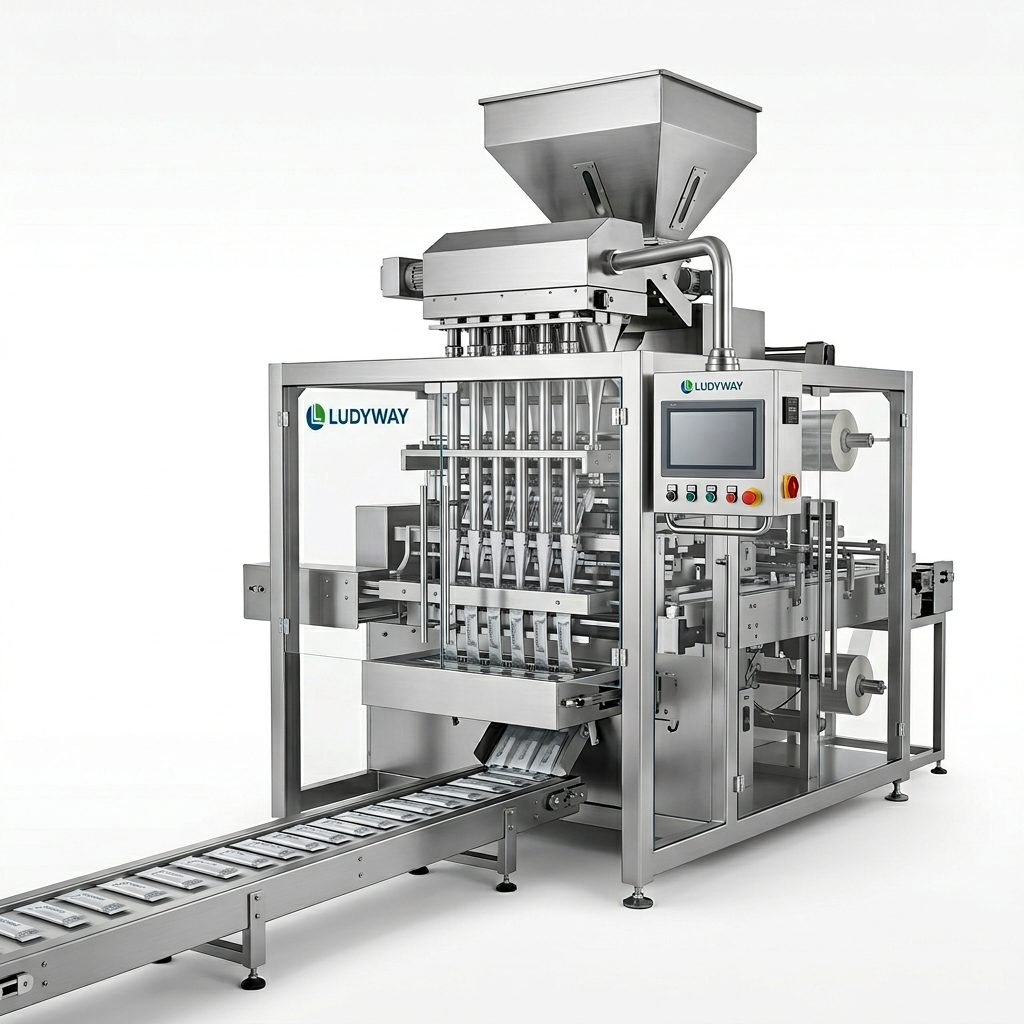
Selecting the right small shrink packaging machine is a critical decision for businesses looking to enhance product presentation, improve efficiency, and ensure product integrity. A heat shrink wrapper not only protects your items from dust, moisture, and tampering but also creates a sleek, professional look that can significantly boost shelf appeal. With various models and features available, understanding how to choose the best one for your specific products is essential for optimizing your packaging line.
Key Consideration:
Your choice will directly impact operational speed, packaging quality, and long-term cost-effectiveness. Investing time in the selection process prevents costly mismatches and ensures the machine integrates seamlessly into your workflow.
Understanding Your Product Requirements
The first and most crucial step is to conduct a thorough analysis of the items you need to wrap. This goes beyond just their size.
Product Dimensions and Shape
Measure the length, width, and height of your typical product. Irregular shapes (like bottles, toys, or multi-packs) require a machine with a good sealing system and a tunnel that can accommodate the profile without causing uneven shrinking or jams.
Production Volume and Speed
Are you wrapping dozens, hundreds, or thousands of items per hour? Your required output determines the machine type:
- ● L-Bar Sealers: Ideal for low to medium volume, manual or semi-automatic operation.
- ● Sleeve Wrappers (Automatic): Best for high-volume, uniform products, offering continuous motion.
- ● Shrink Tunnels (with automatic feeder): Used for high-speed lines where products are automatically fed and conveyed through the heat tunnel.
Key Features of a Quality Heat Shrink Wrapper
Not all machines are created equal. Focus on these core features to ensure reliability and performance.
Sealing System
The seal bar is the heart of the machine. Look for:
→ Durable, anti-stick coating (like Teflon) for clean seals and easy film release.
→ Adjustable temperature and timer controls to handle different film types.
→ A robust sealing mechanism that ensures consistent, strong seals even during prolonged use.
Heat Tunnel Performance
The tunnel applies heat to shrink the film tightly around the product. Critical aspects include:
Even Heat Distribution: Prevents weak spots or burns on the film.
Adjustable Temperature & Conveyor Speed: Allows fine-tuning for perfect results with various films and products.
Efficient Airflow Design: Ensures fast, uniform shrinking.
Pro Tip:
Always test your actual product and film with a demo machine. This is the only way to verify seal quality, shrink consistency, and cycle time for your specific application.
Film Compatibility and Cost
The machine must work efficiently with your chosen shrink film (e.g., PVC, POF, PE). Consider the film’s:
Shrink Ratio & Temperature: Does the machine’s tunnel meet the film’s requirements?
Cost per Package: Factor in film waste. Some advanced machines have film-saving features.
Choosing a versatile machine that handles multiple film types can offer future flexibility. For businesses seeking comprehensive solutions, exploring partnerships with experienced suppliers like professional packaging equipment providers can provide access to machines optimized for specific film materials.
Types of Small Shrink Packaging Machines
1. Manual L-Bar Sealers
Perfect for startups or low-volume operations. The operator places the product and film on the sealing table, and the L-shaped bar descends to create the seal. The product is then manually placed into a separate shrink tunnel.
Best for: Businesses with diverse product sizes, seasonal operations, or prototyping.
2. Semi-Automatic Wrappers
These combine an automatic film sealing mechanism (often with a conveyor) with manual product loading. They are faster than manual sealers and offer a great balance of speed, cost, and flexibility.
Best for: Small to medium-sized businesses with growing production needs.
3. Fully Automatic Sleeve Wrappers
The complete solution for high-volume production. Products are automatically fed, wrapped in a sleeve of film, sealed, and conveyed through an integrated shrink tunnel. They maximize output and minimize labor.
Best for: Production lines with high, consistent output of similarly sized items. Companies looking to scale often benefit from turnkey automation solutions that integrate these wrappers seamlessly into existing lines.
Additional Factors for Your Decision
Footprint and Power Requirements
Ensure you have adequate space and the correct electrical supply (voltage, phase) in your facility. Measure your available space carefully.
Ease of Use and Maintenance
Look for intuitive controls, clear diagnostics, and easy access for cleaning and routine maintenance. Good machine design reduces downtime.
Supplier Support and Service
This is often the most overlooked yet critical factor. Choose a supplier known for:
→ Reliable technical support and training.
→ Availability of spare parts.
→ A solid warranty.
A partner with a strong track record, like those with extensive industry experience, can be invaluable for long-term operational success.
Safety Features
Essential features include thermal overload protection, emergency stop buttons, and proper guarding on moving parts and heat elements.
Making the Final Choice
Create a checklist comparing your shortlisted machines against your product specs, required features, and budget. Prioritize reliability and total cost of ownership over the lowest initial price. A slightly more expensive, robust machine from a reputable supplier will save money on repairs, downtime, and film waste in the long run.
Summary: Your Selection Roadmap
- Analyze Your Product: Size, shape, volume, and sensitivity.
- Define Your Needs: Required speed, film type, and automation level.
- Evaluate Key Features: Sealing system, tunnel performance, controls.
- Research Machine Types: Manual, semi-auto, or fully automatic.
- Assess the Supplier: Support, service, and reputation are key.
- Request a Live Demo: Test with your actual product and film.
Frequently Asked Questions (FAQs)
1. What is the main difference between a shrink wrapper and a shrink tunnel?
A shrink wrapper typically refers to the complete machine that seals the film around the product. A shrink tunnel is the heated chamber that shrinks the film. In automatic systems, they are integrated. For manual L-bar sealers, they are separate units.
2. Can one machine handle very different product sizes?
Yes, but with limitations. Manual and semi-automatic L-bar sealers offer the greatest size flexibility as the sealing bar position can be adjusted. Fully automatic machines are usually optimized for a specific size range for maximum efficiency.
3. How do I know which shrink film to use (PVC, POF, PE)?
The choice depends on your product, machine, and priorities (clarity, strength, eco-friendliness). PVC is common and cost-effective. POF offers high clarity and strength with lower shrink temperature. PE is very durable and is often used for heavier items. Consult your machine supplier and film vendor for the best match.
4. What regular maintenance does a shrink wrapper need?
Regular maintenance includes cleaning the seal bar and tunnel, checking for film debris, ensuring air vents are clear, and lubricating moving parts as per the manufacturer’s manual. This prevents failures and ensures consistent seal quality.
5. Is a more expensive machine always better?
Not necessarily “better,” but it often indicates higher build quality, more precise controls, better energy efficiency, and stronger after-sales support. The goal is to find the machine that offers the best value and reliability for your specific production needs and budget.