In today’s fast-paced manufacturing landscape, efficiency is paramount. For producers of food, pharmaceuticals, and health products, the packaging line is often the final bottleneck before products reach consumers. High-speed packaging machines are the engineered solution to this challenge, transforming slow, manual, or semi-automated processes into streamlined, high-output operations. This guide delves into the essential features, tangible benefits, and critical considerations for manufacturers investing in high-speed packaging solutions, ensuring you select equipment that maximizes your return on investment and production capacity.
Core Insight: The shift to high-speed automation is no longer a luxury but a necessity for manufacturers aiming to scale, ensure consistency, and meet stringent hygiene and safety standards in competitive global markets.
Defining High-Speed Packaging Machinery
High-speed packaging machines are automated systems designed to form, fill, and seal products at significantly elevated rates compared to standard equipment. Speeds can range from hundreds to over a thousand packages per minute, depending on the machine type and product. These systems are engineered for continuous operation, minimal downtime, and integration with upstream and downstream production lines, forming the backbone of modern, large-scale manufacturing facilities.
Primary Applications and Machine Types
The technology is versatile, catering to diverse product forms:
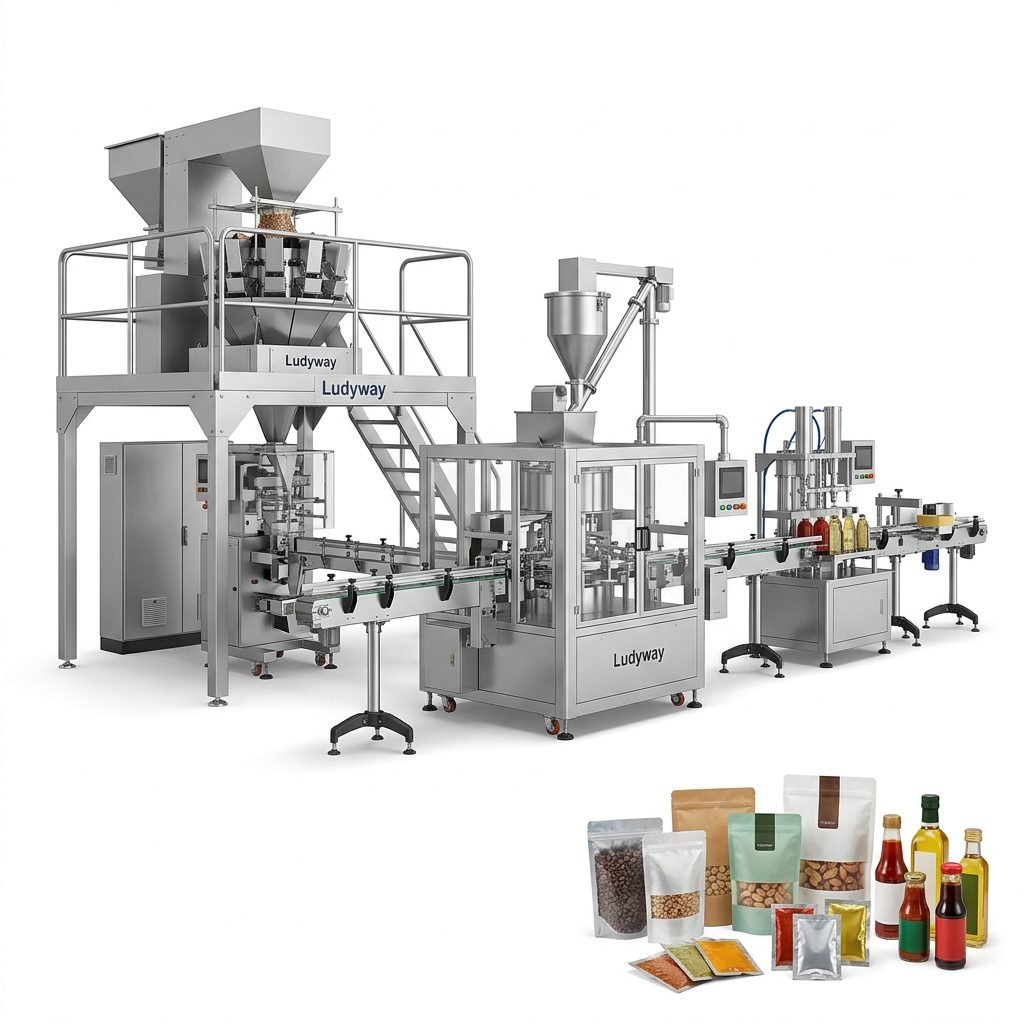
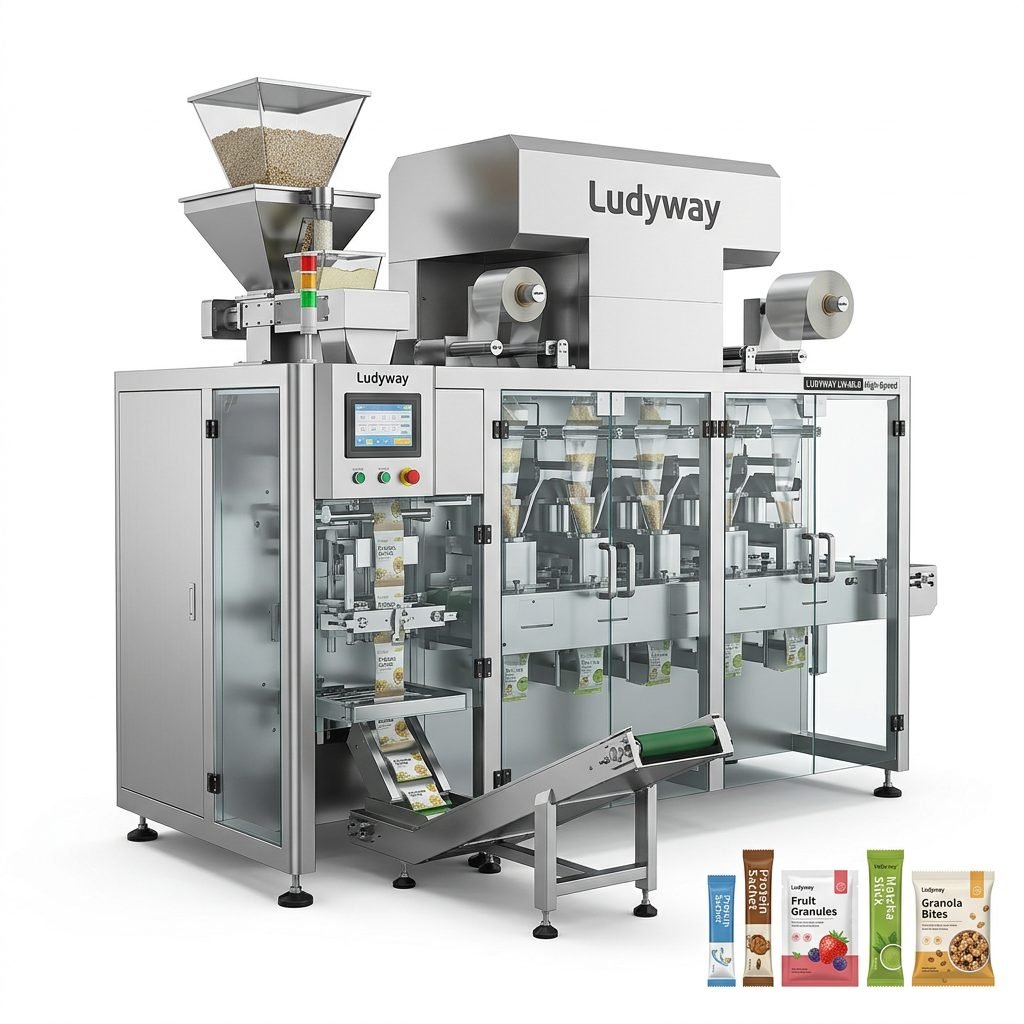
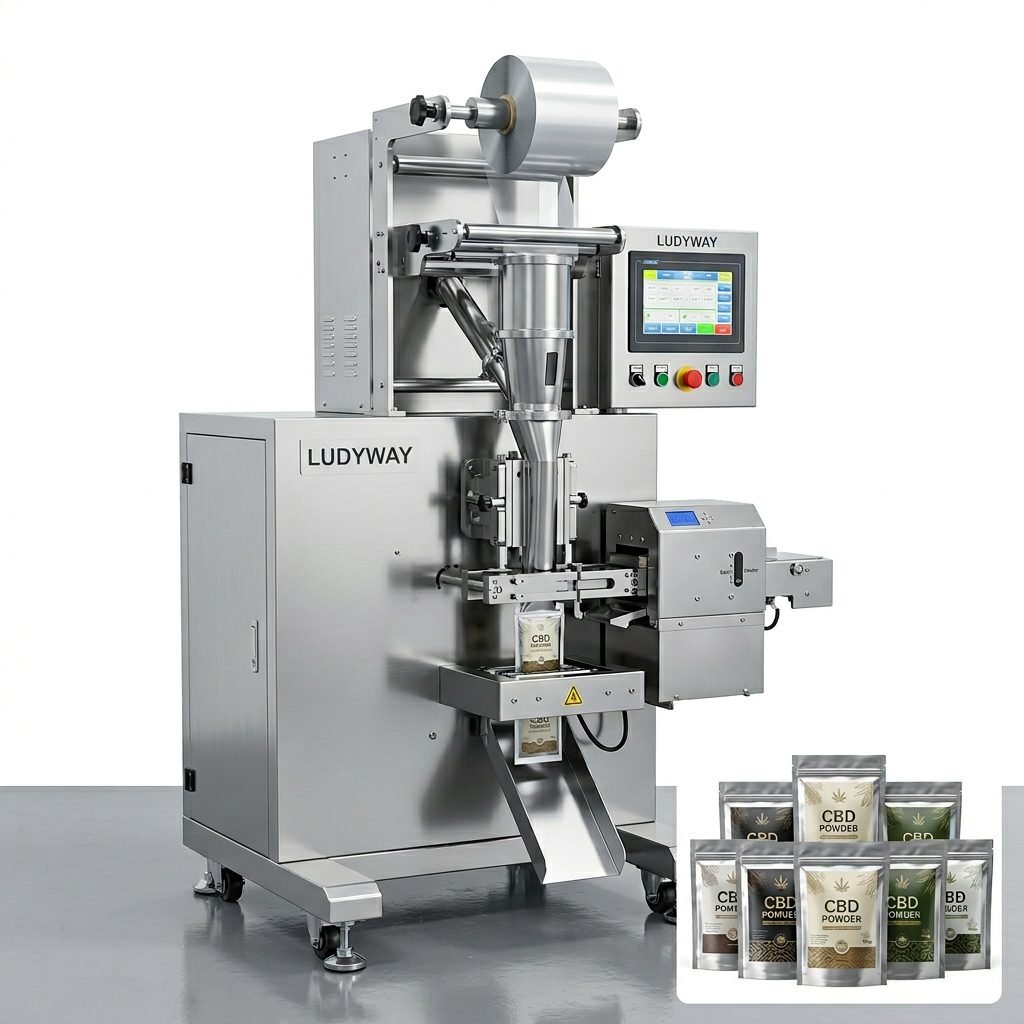
- Vertical Form-Fill-Seal (VFFS) Machines: The workhorse for granular, powdered, and liquid products. They form bags from a roll of film, fill them precisely, and seal them in a continuous motion.
- Horizontal Flow Wrappers: Ideal for wrapping individual solid items like candy bars, biscuits, or medical devices at very high speeds.
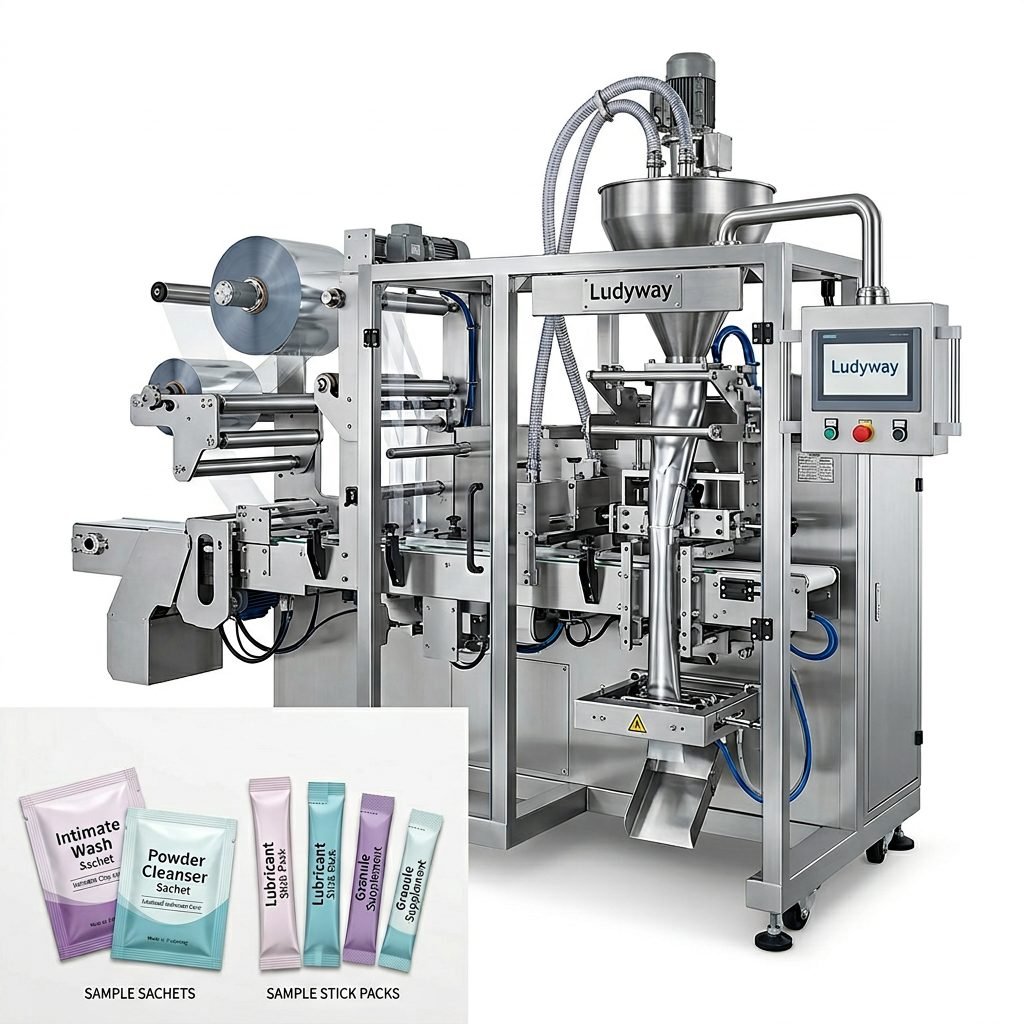
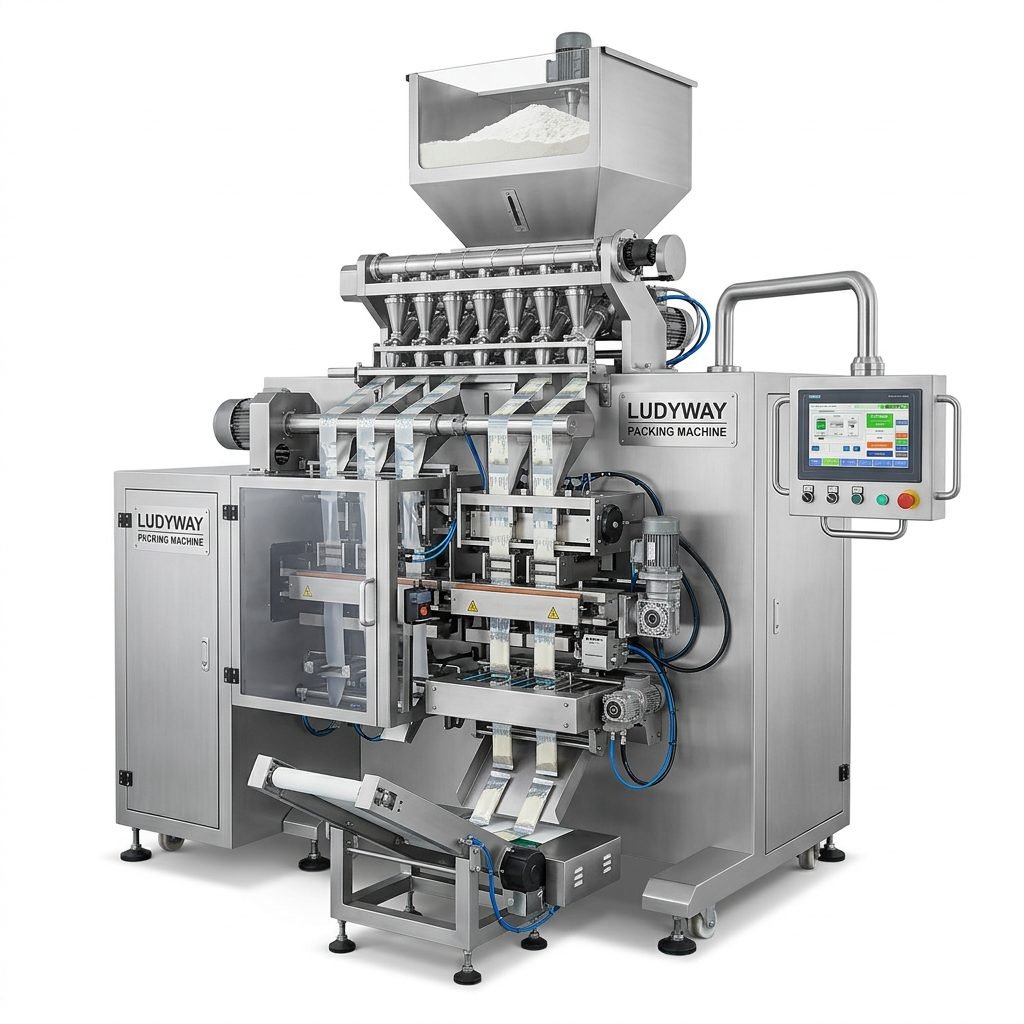
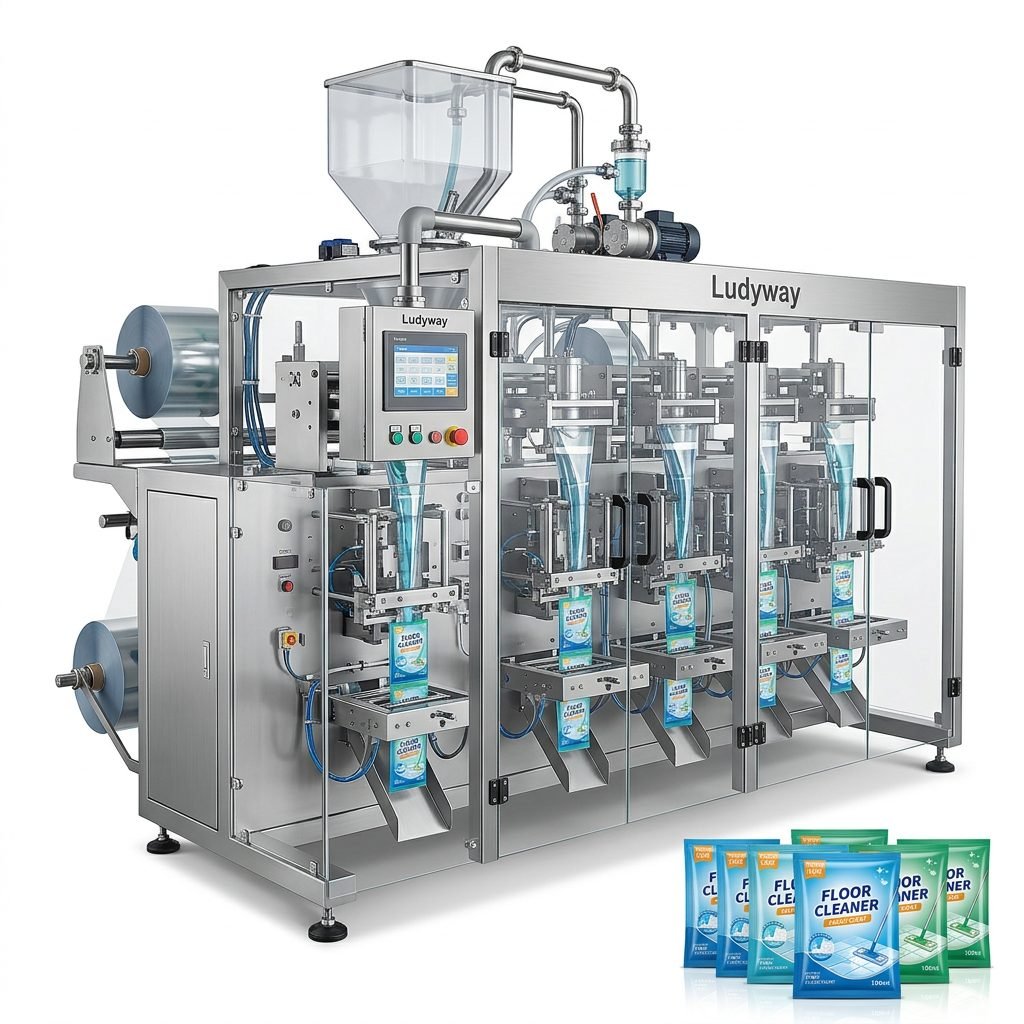
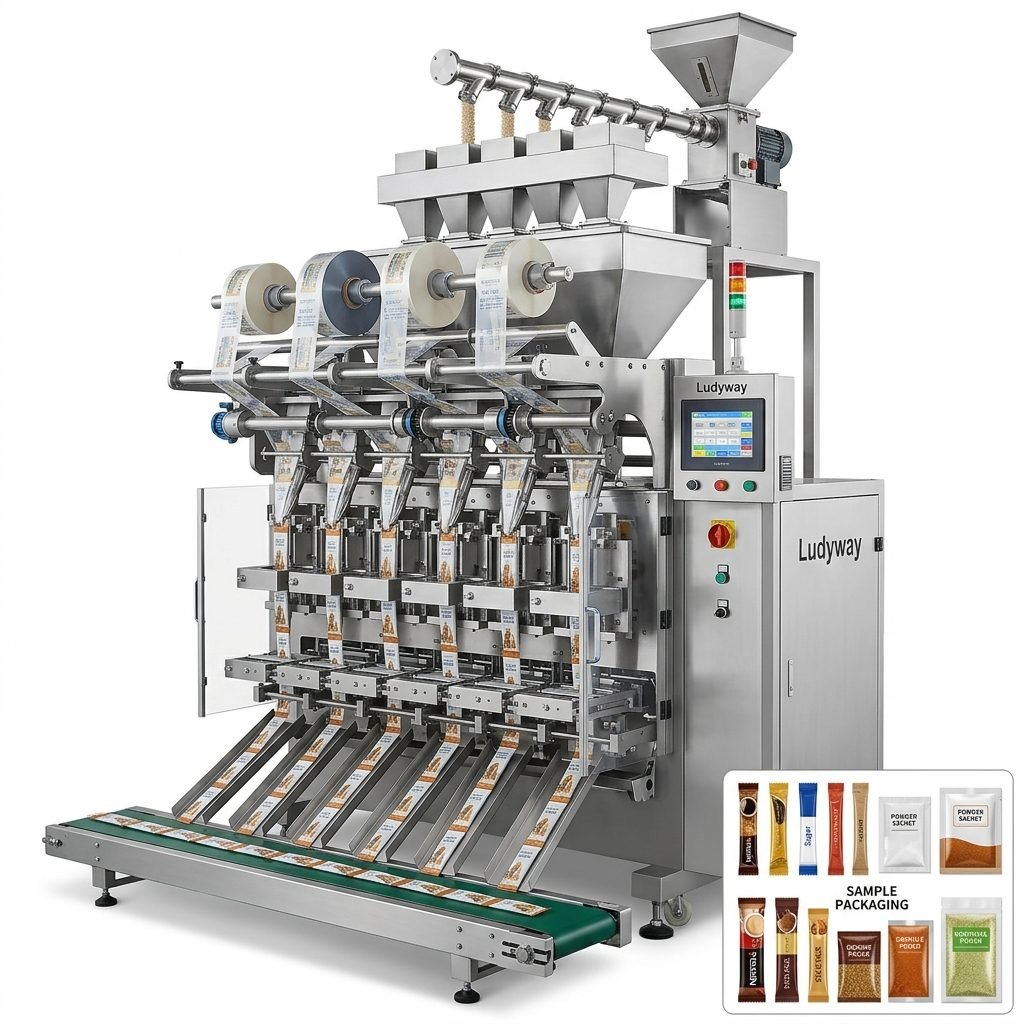
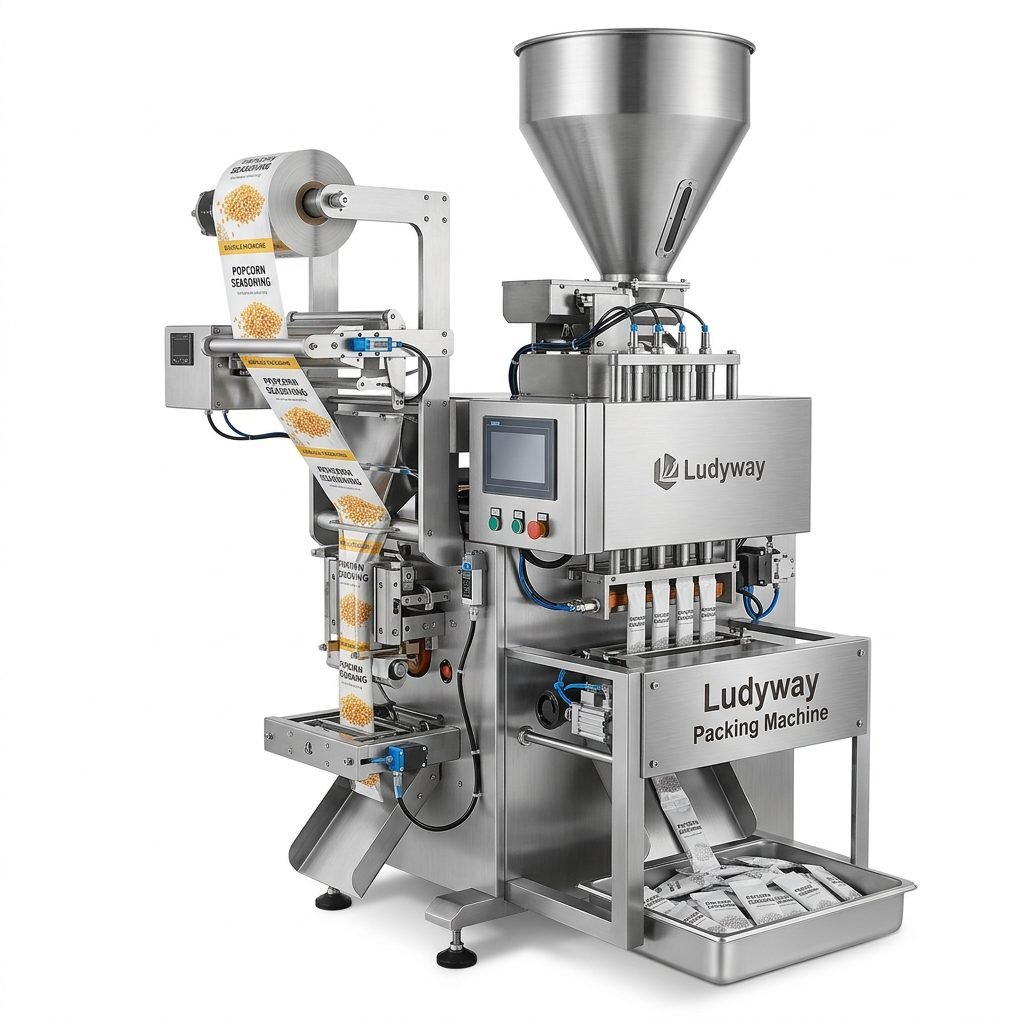
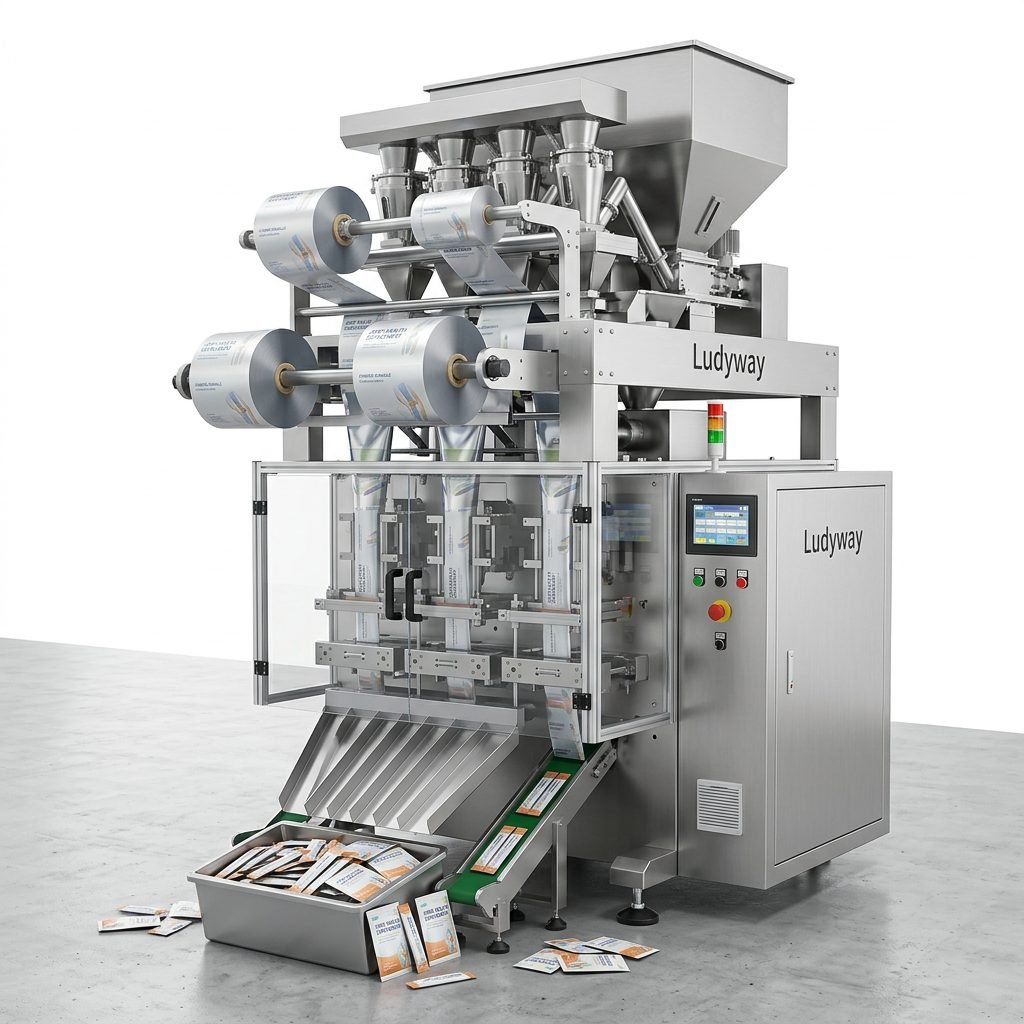
- Stick Pack & Sachet Machines: Specialized for single-serve portions of powders, liquids, or gels. Multi-lane systems can produce dozens of stick packs simultaneously.
- Cartoning Machines: Automatically erect, load, and close cartons at high speed, often following a primary packaging stage.
Key Features of Modern High-Speed Solutions
Not all high-speed machines are created equal. Leading-edge equipment incorporates several critical features that differentiate it from basic models.
1. Advanced Servo Drive Technology
Servo motors provide precise, programmable control over every mechanical movement. This results in smoother operation, higher accuracy in filling and sealing, reduced film waste, and the flexibility to quickly change package sizes or formats with simple recipe recalls on the Human-Machine Interface (HMI).
2. Robust and Precision Engineering
To withstand 24/7 operation, frames and critical components are constructed from high-grade stainless steel and alloys. Precision-machined parts ensure consistent sealing jaws, accurate filling systems, and reliable film transport, which are non-negotiable for maintaining speed and quality.
3. Integrated Smart Control Systems
Modern machines are equipped with PLCs and intuitive touch-screen HMIs. They offer real-time monitoring of production speed, efficiency (OEE), and error diagnostics. Features like automatic fault correction, predictive maintenance alerts, and data logging for traceability are becoming standard.
4. Quick Changeover Capabilities
Downtime is the enemy of productivity. High-quality machines are designed with tool-less or minimal-tool changeover systems for forming tubes, filling nozzles, and sealing jaws. This allows production lines to switch between different products or package sizes in minutes rather than hours.
Tangible Benefits for Your Manufacturing Operation
Investing in a high-speed packaging system delivers a compelling return across multiple facets of your business:
- Dramatically Increased Output: Multiply your production capacity to fulfill larger orders, enter new markets, and meet seasonal demand spikes without proportional labor increases.
- Superior Consistency and Quality: Automated precision eliminates human error, ensuring every package has the exact same weight, seal integrity, and appearance, reducing product giveaway and customer complaints.
- Significant Labor Cost Reduction: Automating manual tasks frees skilled workers for value-added roles like supervision, quality control, and maintenance, optimizing your workforce.
- Enhanced Safety and Hygiene: Closed systems minimize product exposure to the environment and operator contact, which is critical for food and pharmaceutical GMP compliance.
- Reduced Material Waste: Precise servo controls and accurate dosing mean less product spillage and film waste, contributing directly to cost savings and sustainability goals.
Essential Buying Guide for Manufacturers
Selecting the right high-speed machine requires a thorough analysis of your needs and the market offerings. Rushing this process can lead to costly mismatches.
Step 1: Conduct a Detailed Needs Analysis
Start by defining your current and future requirements. Key questions include:
- What is your target packages-per-minute (PPM) rate?
- What specific products (granules, powder, liquid) and package types (pouch, stick pack, sachet) do you need to run?
- How often will you need to change over between products or package sizes?
- What are your available factory floor space, power, and compressed air specifications?
Step 2: Evaluate Machine and Supplier Credentials
Look beyond the brochure. Scrutinize the machine’s construction, the technology used, and the reputation of the supplier.
- Request Live Demonstrations: Always see the machine run, preferably with a product similar to yours. Pay attention to noise levels, ease of operation, and changeover procedures.
- Assess Technical Support: A reliable partner like Ludyway Machinery offers comprehensive after-sales service, including installation, training, readily available spare parts, and remote troubleshooting support.
- Review Case Studies and References: Ask for contact information of existing clients with similar applications to verify performance and service claims.
Step 3: Consider Total Cost of Ownership (TCO)
The purchase price is just the beginning. Calculate the TCO by factoring in:
- Energy consumption and utility requirements.
- Expected costs for routine maintenance and spare parts.
- Potential costs of downtime and the supplier’s response time for service.
- Training requirements for your operators and maintenance technicians.
Choosing a partner with over 30 years of industry experience often means access to more reliable, field-tested designs and a deeper understanding of long-term operational challenges, ultimately lowering your TCO.
Step 4: Plan for Integration and Future Growth
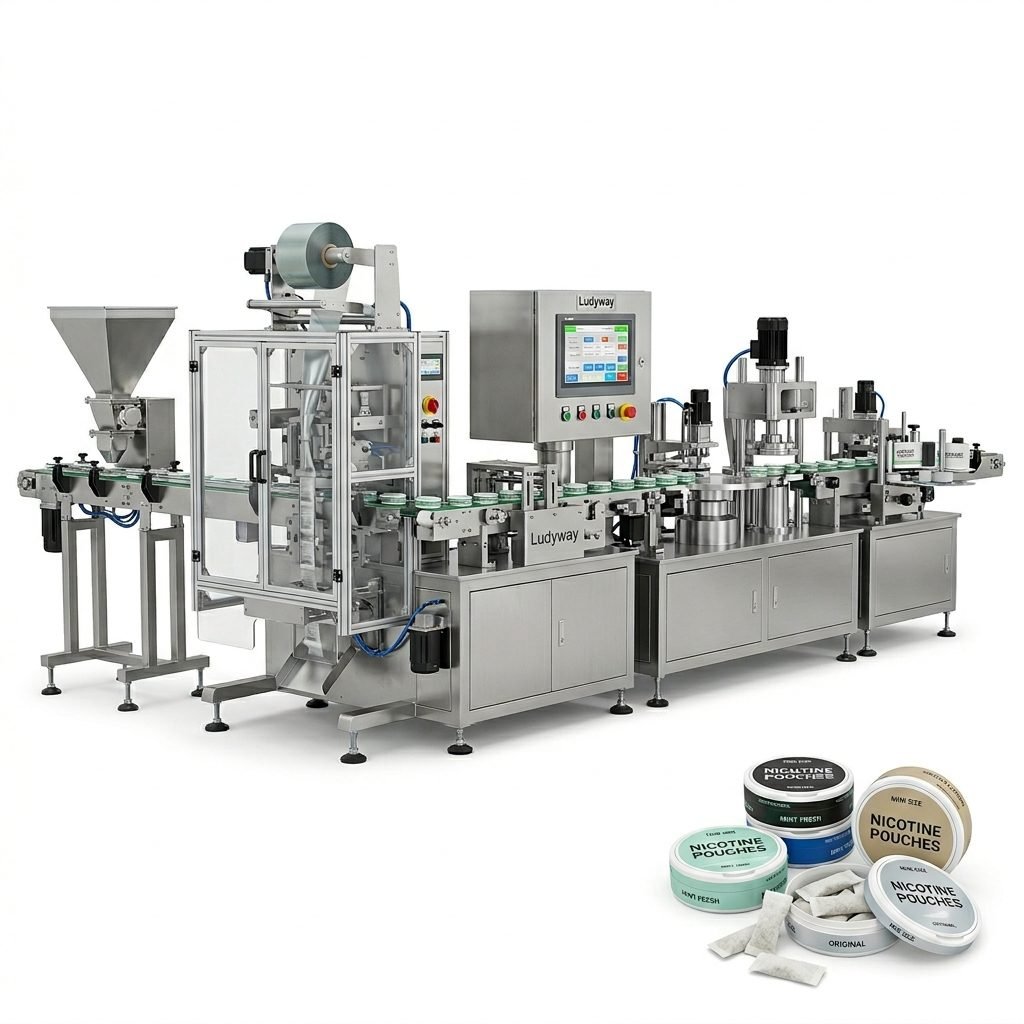
Ensure the machine can integrate with your existing conveyors, checkweighers, or vision systems. Discuss with your supplier the possibility of future upgrades or modular add-ons. A forward-thinking partner will design solutions that can scale with your business, such as offering complete turnkey production line solutions that ensure all components work in harmony.
Frequently Asked Questions (FAQs)
Q1: What is the typical payback period for a high-speed packaging machine investment?
The payback period varies based on labor costs, production volume, and previous efficiency levels. For manufacturers replacing multiple manual lines, it’s common to see a full return on investment within 12 to 24 months through labor savings, reduced waste, and increased output.
Q2: Can high-speed machines handle fragile or irregularly shaped products?
Yes, with the right customization. Specialized feeding systems, gentle handling mechanisms (like servo-driven pick-and-place), and custom-designed forming tubes can be engineered to package delicate items like chips, crackers, or medical components at high speeds without damage.
Q3: How complex is the maintenance for these advanced machines?
While more sophisticated, modern machines are designed for easier maintenance. Predictive diagnostics on the HMI alert operators to potential issues. A reputable supplier will provide detailed manuals, training, and easy access to common wear parts. Proactive, scheduled maintenance is key to preventing unplanned downtime.
Q4: Are these machines suitable for small-batch or contract manufacturing?
Absolutely. The quick changeover capabilities of modern servo-driven machines make them ideal for short runs. The ability to save “recipes” for different products allows contract manufacturers to switch between client projects efficiently, maintaining high speed and quality even for smaller batches.
Q5: What kind of training is provided for our operators?
Professional suppliers offer comprehensive training programs covering machine operation, basic troubleshooting, routine cleaning, and preventive maintenance. This typically occurs during installation and commissioning. Look for suppliers who provide clear documentation and ongoing support to ensure your team is confident and competent.