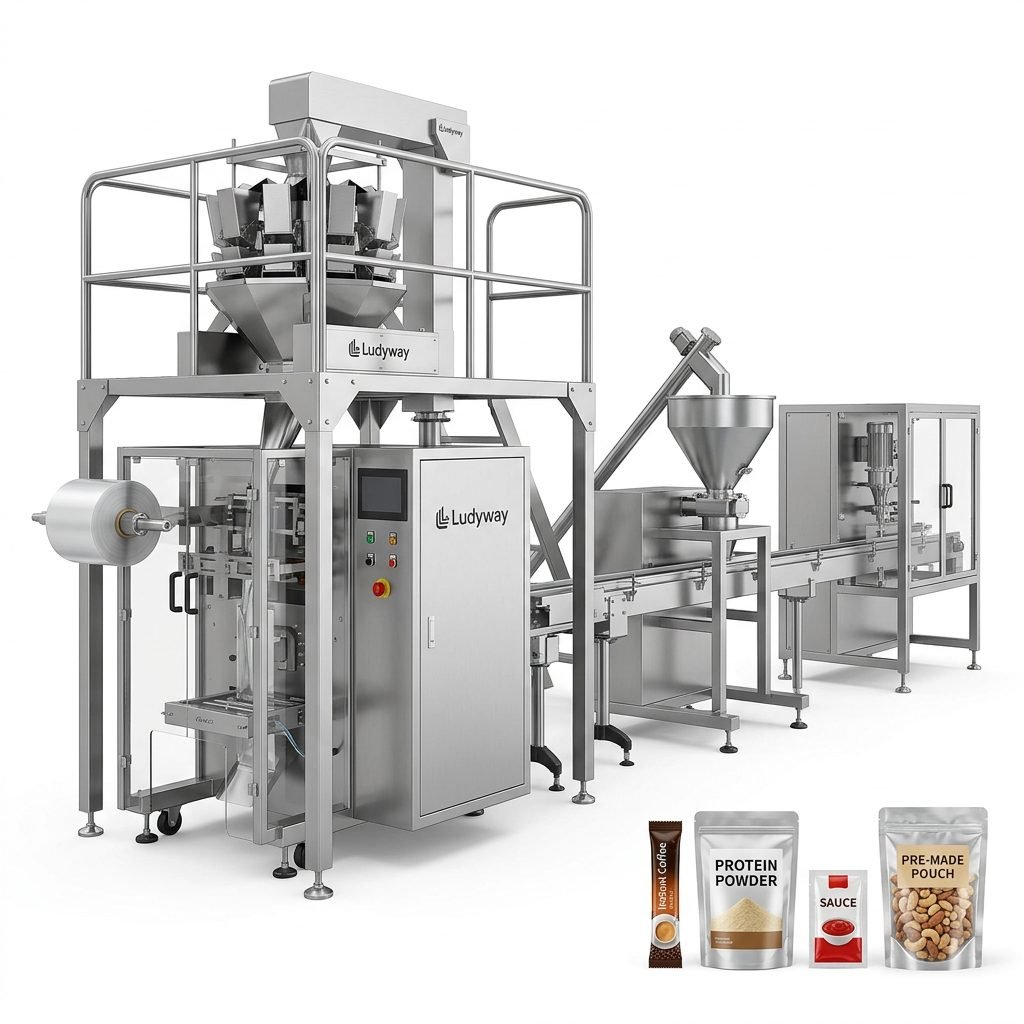
In the fast-paced food manufacturing industry, efficient and reliable packaging is crucial for product integrity, shelf life, and brand presentation. For powdered products—from spices and protein supplements to milk powder and instant drink mixes—the right packaging machine is not just an asset; it’s a necessity. This guide delves into the world of food powder packaging machines, exploring their various types, core working principles, and key factors to consider when selecting the ideal equipment for your production line.
Core Types of Food Powder Packaging Machines
The market offers a diverse range of machines tailored to different packaging formats and production scales. Understanding these types is the first step toward making an informed decision.
Vertical Form-Fill-Seal (VFFS) Machines
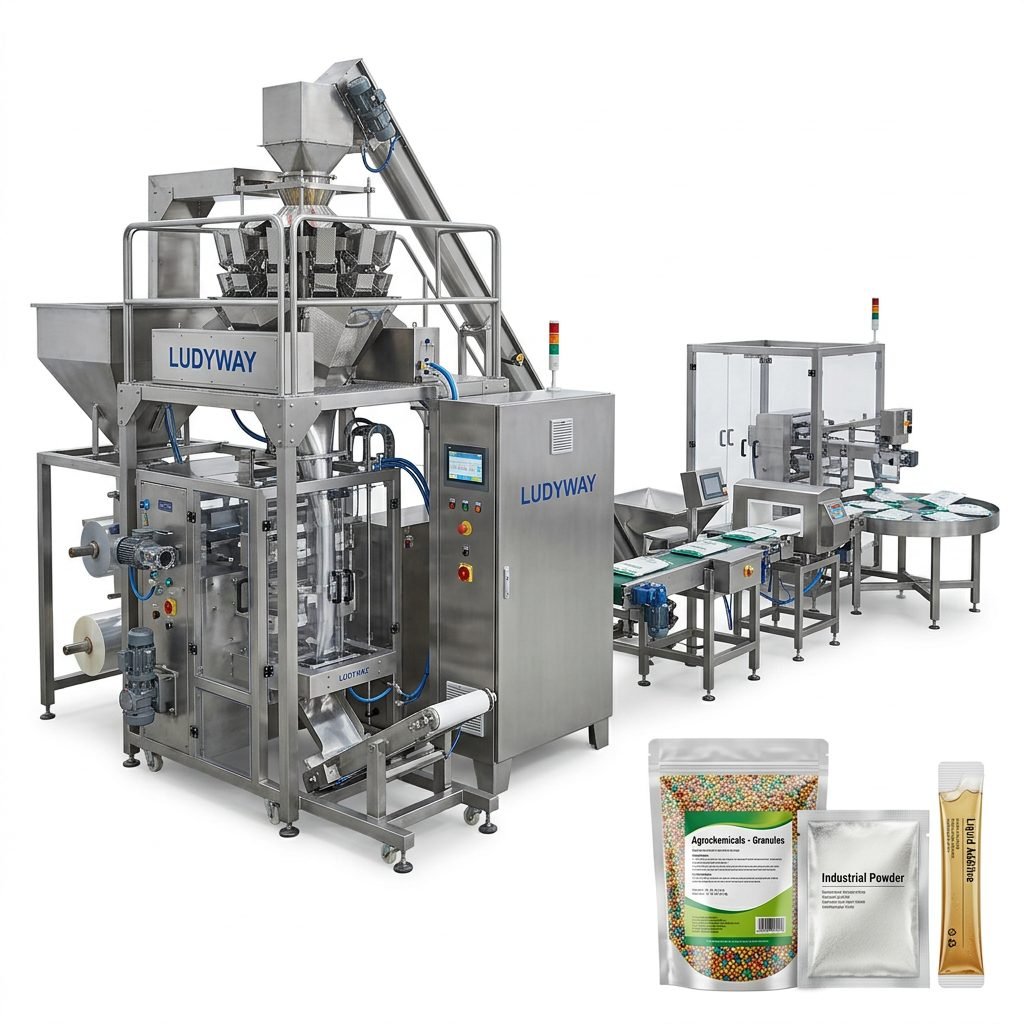
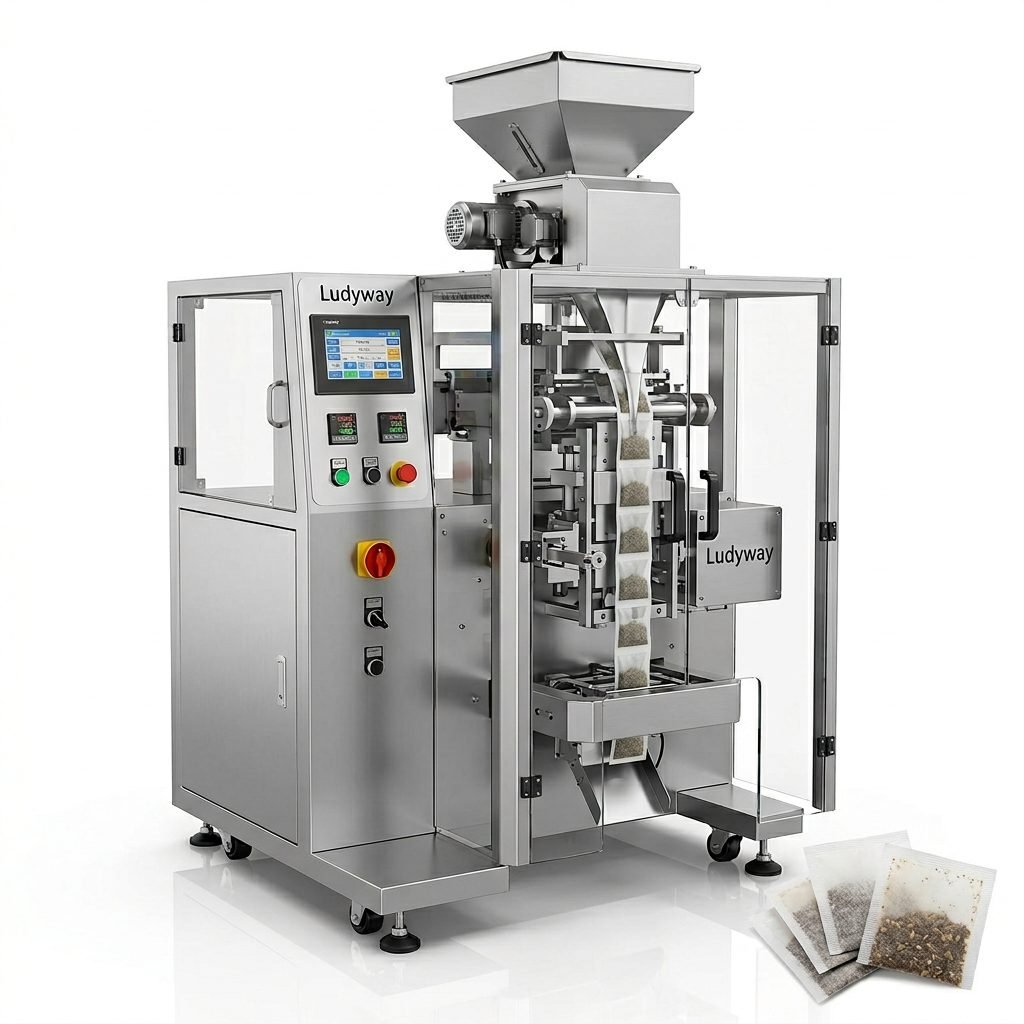
These are the most common and versatile workhorses in powder packaging. A roll of flat packaging film is formed into a tube, filled with the precise dose of powder, and then sealed horizontally and vertically to create individual pouches. VFFS machines are highly efficient for high-speed production of stand-up pouches, pillow packs, and gusseted bags. They are ideal for a wide range of powder densities and flow characteristics.
Horizontal Form-Fill-Seal (HFFS) Machines
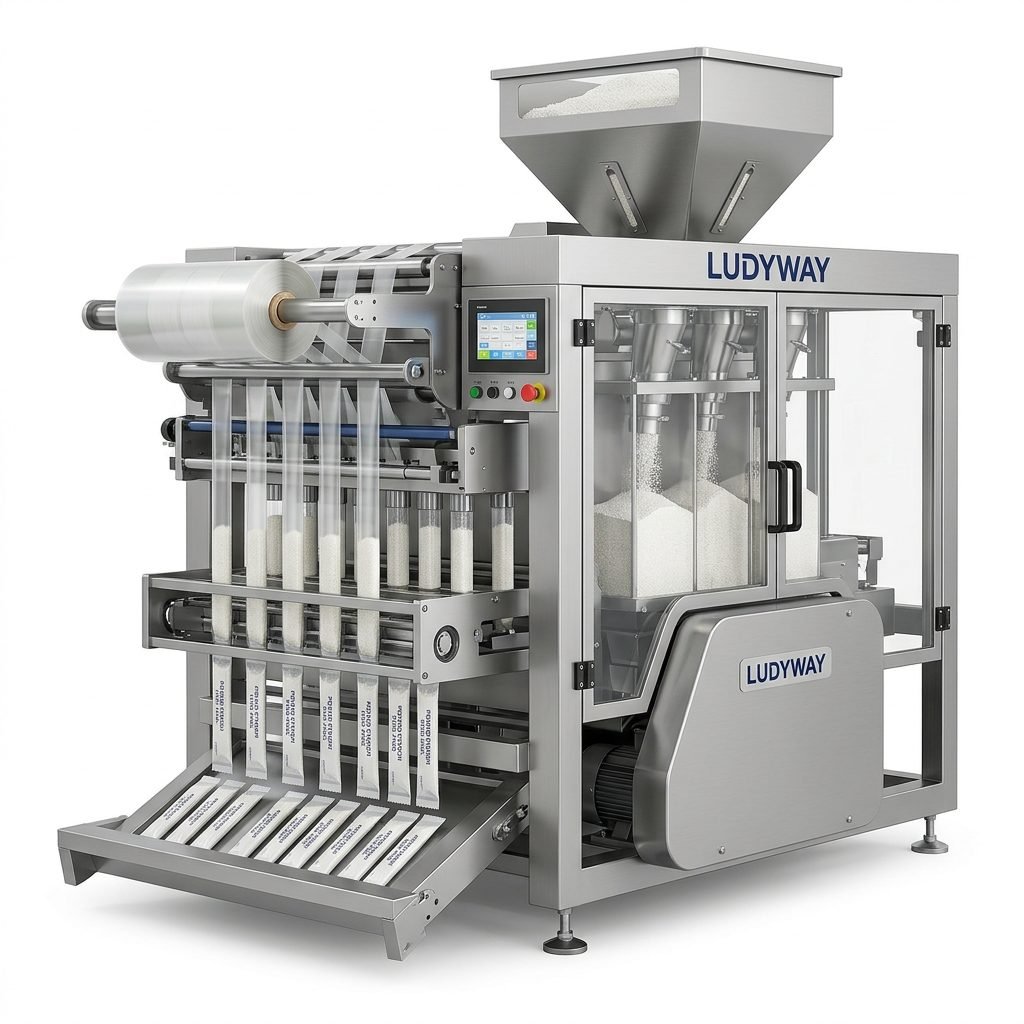
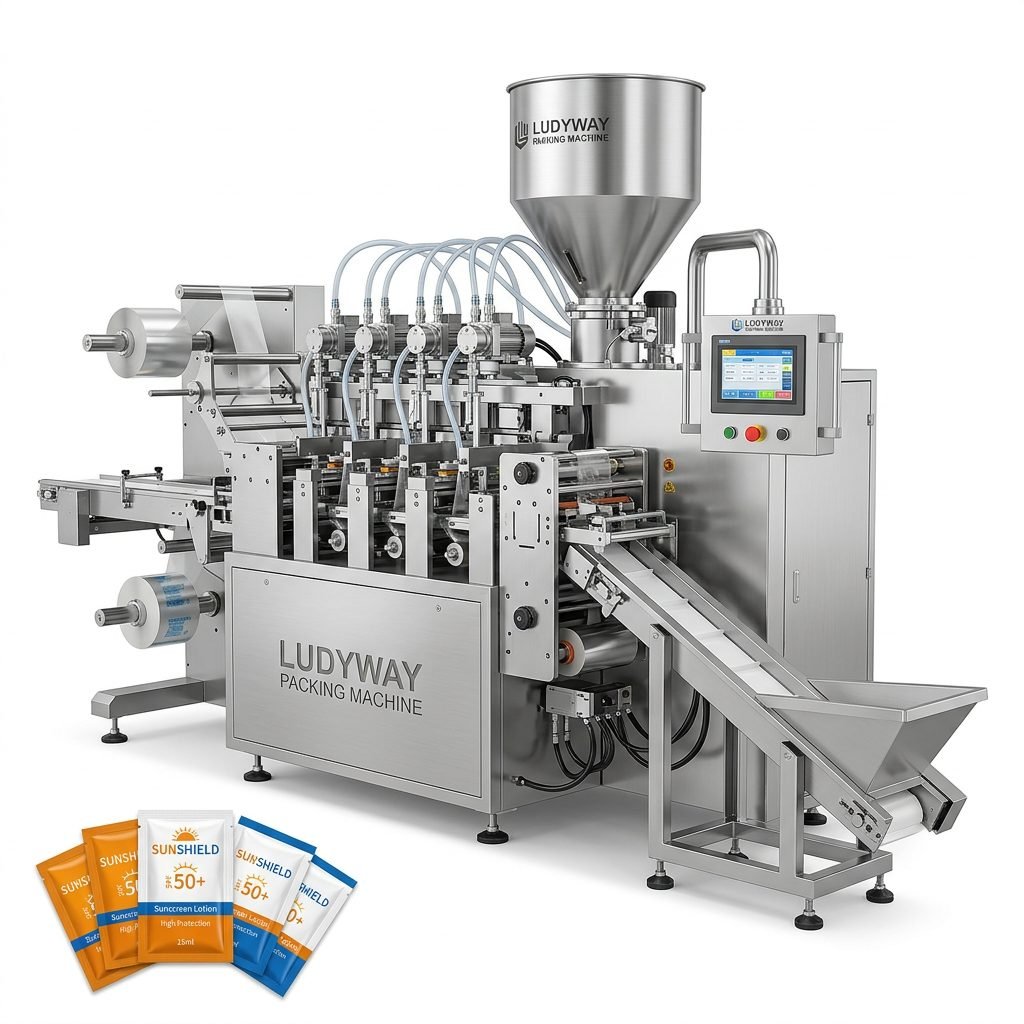
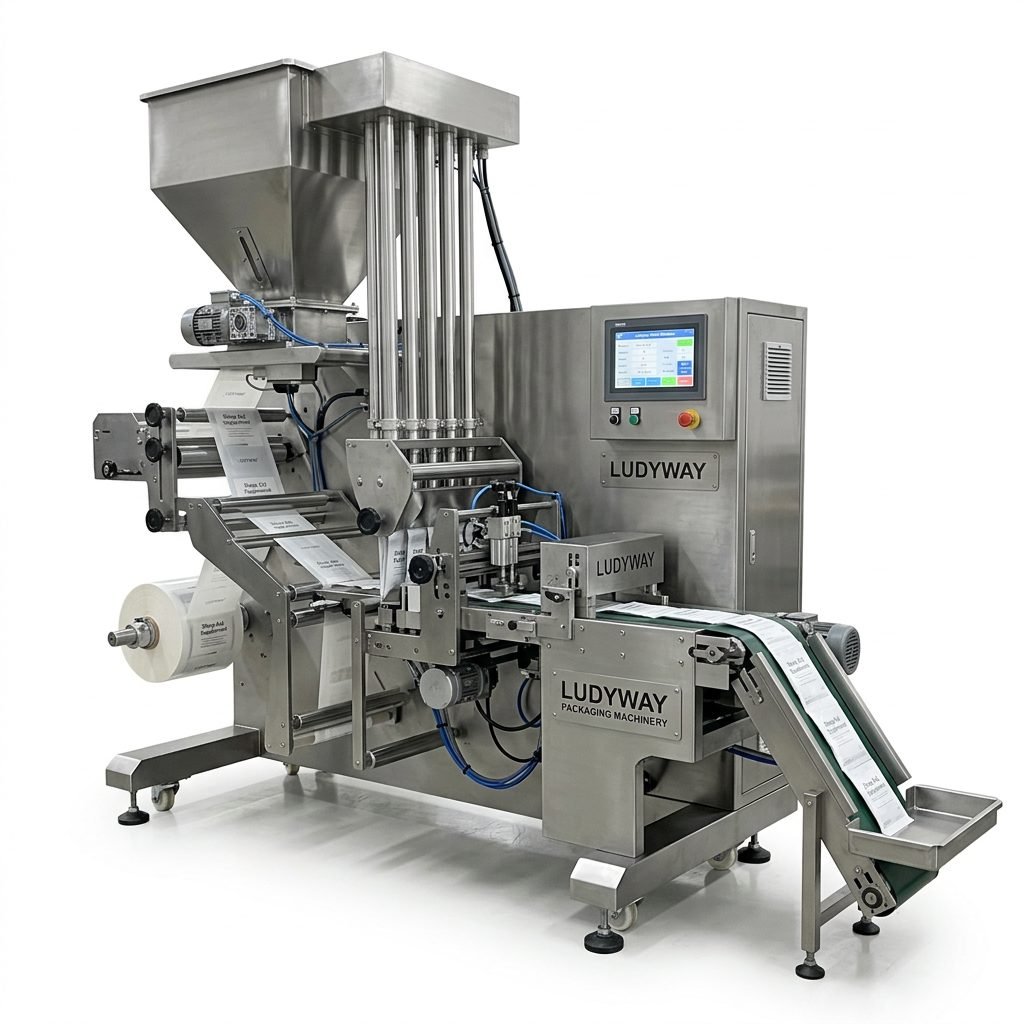
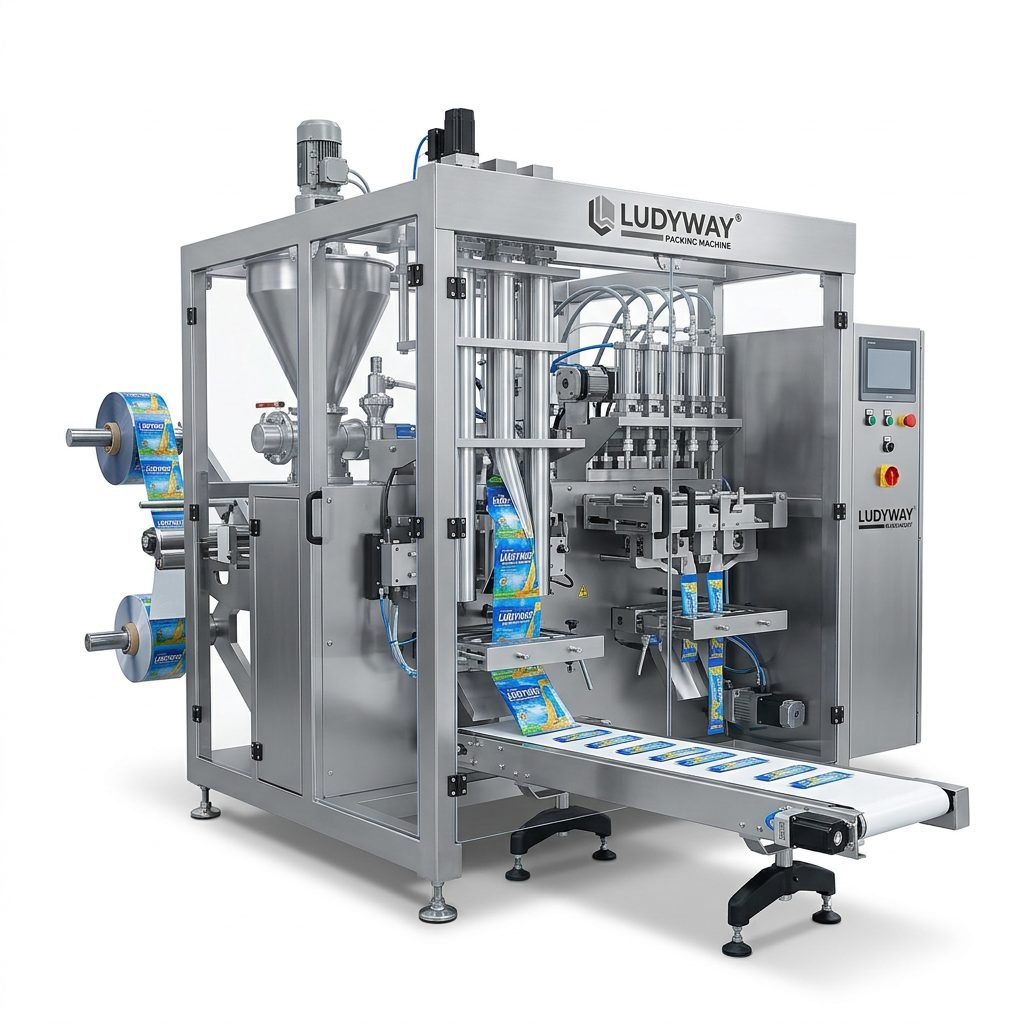
In HFFS machines, the film is fed horizontally. These systems are often used for more complex pouch styles, such as multi-lane stick packs or sachets with intricate shapes. They excel at creating portion-controlled packs, which are extremely popular for single-serve coffee, sugar, sauce mixes, and nutritional powders. Their design allows for excellent precision in filling and sealing.
Pre-Made Pouch Fillers
This system uses ready-made, pre-printed pouches. The machine automatically opens the pouch, fills it with powder, and then seals it. This method is perfect for brands that require high-quality, complex graphics on their packaging, as it allows for superior print quality compared to film printed on a roll. It’s often chosen for premium products.
Auger Filler-Based Systems
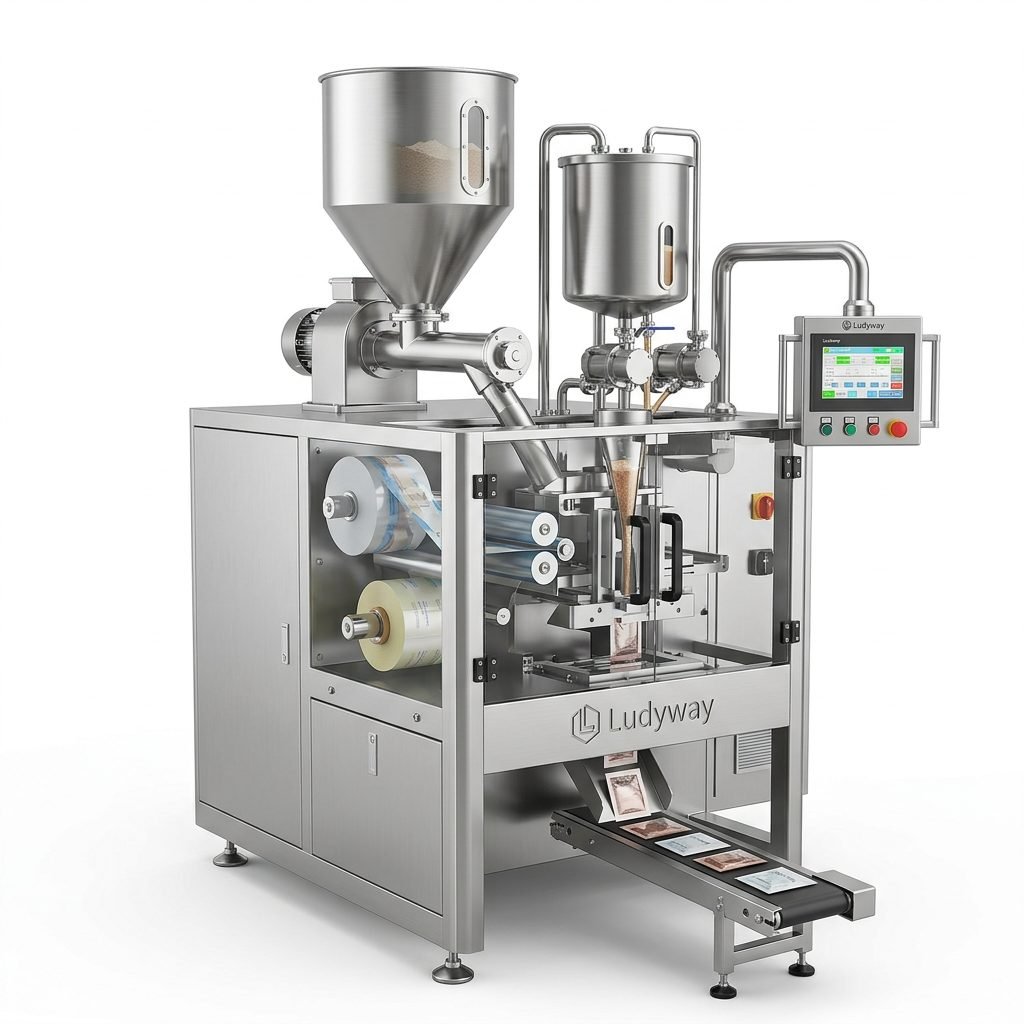
The heart of many powder packaging machines is the auger filler. A rotating screw (auger) inside a hopper dispenses powder into the packaging. The accuracy is paramount. Modern systems feature servo-driven augers and weight feedback systems for exceptional dosing precision, which is critical for expensive ingredients or regulated products.
How Does a Powder Packaging Machine Work? The Working Principle
The operation of an automated powder packer, particularly a VFFS machine, follows a precise and continuous cycle. Understanding this principle highlights the engineering involved.
Step 1: Film Feeding & Forming
A roll of laminated film (providing barrier properties against moisture and air) is fed through a series of guides. It passes over a forming collar, which shapes the flat film into a cylindrical tube around the vertical filling tube.
Step 2: Longitudinal Sealing
The overlapped edges of the film tube are sealed together by a heated vertical seal bar, creating a continuous back seal.
Step 3: Product Filling
At the top of the cycle, the cross seal jaws at the bottom close to seal the previous pouch. Simultaneously, the precise amount of powder is discharged from the hopper through the auger filler and down the central tube into the newly formed film tube below.
Step 4: Cross Sealing & Cutting
The cross seal jaws, which also act as the package conveyor, move downward. They heat-seal the top of the finished pouch and the bottom of the next pouch in one action. A cutting mechanism then separates the two, ejecting the finished, filled pouch.
This cycle repeats at high speeds, often producing dozens to hundreds of pouches per minute. The integration of PLC controls and touchscreen HMIs allows operators to adjust parameters like seal temperature, fill volume, and speed with ease.
Choosing the Right Machine: A Strategic Guide
Selecting a powder packaging machine is a significant investment. Here are the critical factors to evaluate to ensure you choose a machine that boosts your productivity and product quality.
1. Analyze Your Product Characteristics
Powder Properties: Is your product free-flowing (like salt), cohesive (like flour), or aerated (like milk powder)? This determines the best filling system (auger type, cup filler, etc.). Hygiene & Safety: For food or pharmaceutical powders, machines with stainless steel contact parts, easy-clean designs, and potential for CIP (Clean-in-Place) are non-negotiable.
2. Define Your Packaging Requirements
Pack Style: Do you need stick packs, sachets, stand-up pouches, or pillow bags? Production Speed (Output): Calculate your required output in packs per minute/hour. A multi-lane stick pack machine from a provider like Ludyway can dramatically increase output by packaging several sticks simultaneously. Film/Material: Ensure the machine is compatible with your chosen laminate structure (e.g., PET/AL/PE for high barrier).
3. Evaluate Machine Performance & Features
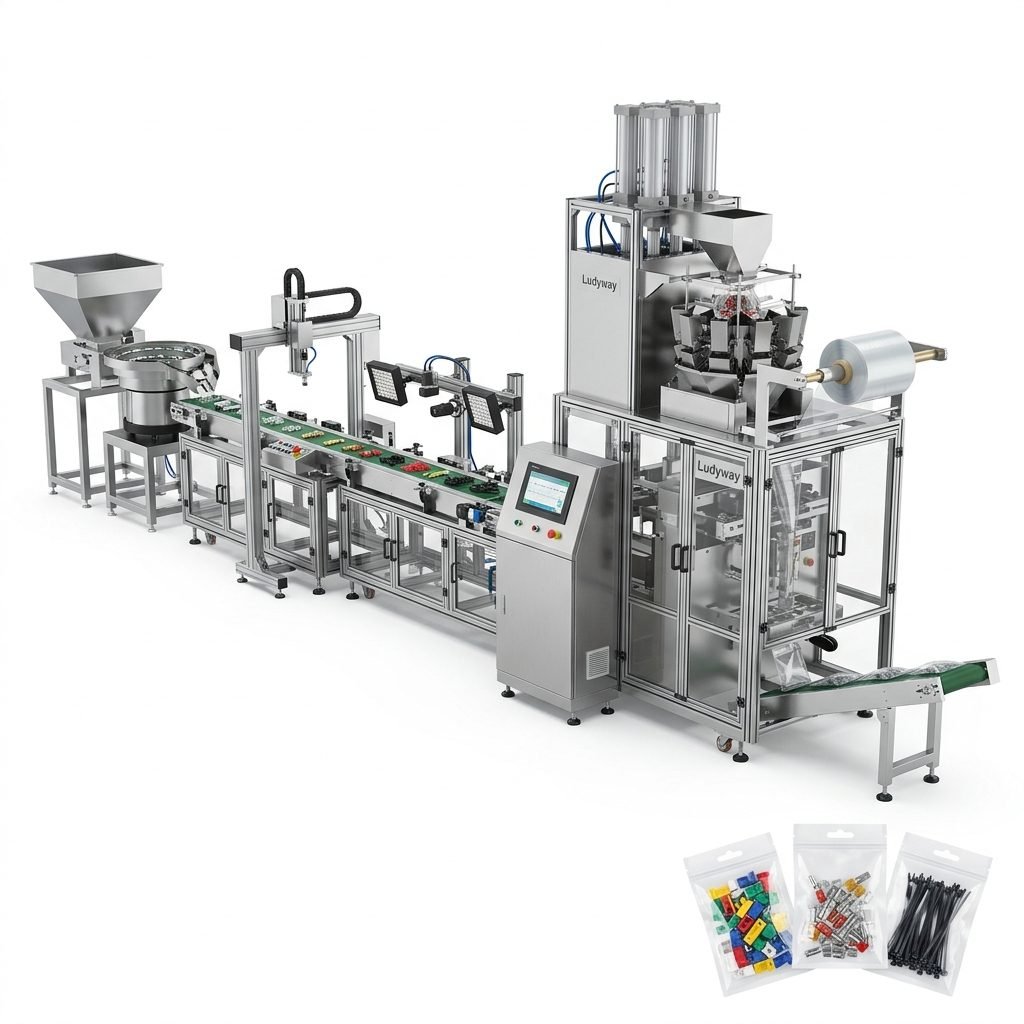
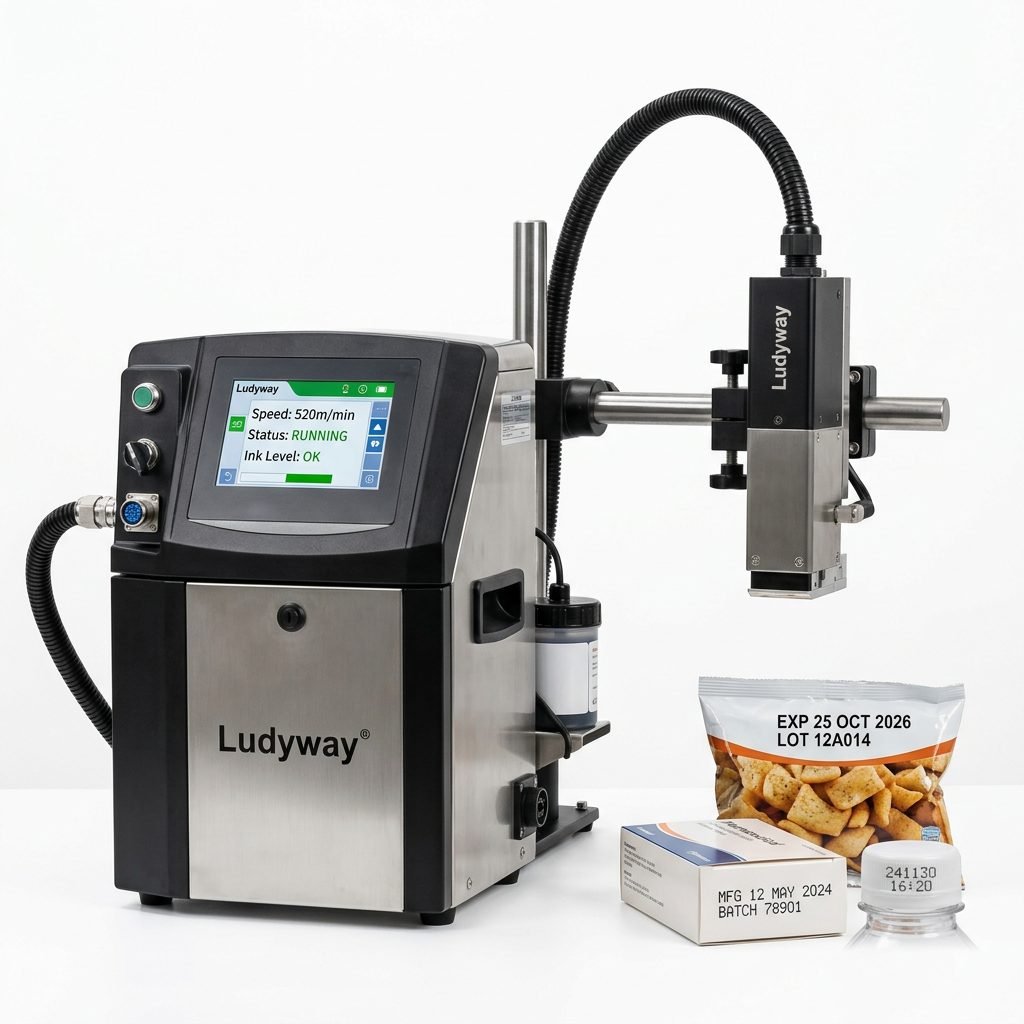
Filling Accuracy: Look for machines with high-precision servo augers and check-weighing systems to minimize giveaway and ensure compliance. Changeover Time: How quickly can you switch between different pouch sizes or products? Quick-change parts are vital for flexible production. Automation Level: Consider integration with upstream (mixers) and downstream (cartoners) equipment. Features like automatic film splicing and batch coding are key for uninterrupted runs.
4. Assess the Supplier’s Credibility
Partner with a supplier with proven expertise. Ludyway Machinery, with over 30 years of industry experience, exemplifies a reliable partner. Evaluate their technical support, spare parts availability, and training. A strong supplier will offer comprehensive turnkey production solutions, not just a standalone machine.
Ultimately, the right machine balances your current needs with future growth, ensuring reliability, efficiency, and the highest quality finish for your powdered food products.
Frequently Asked Questions (FAQs)
What is the typical accuracy range for a powder auger filler?
Modern servo-driven auger fillers can achieve excellent accuracy, typically within ±0.5% to ±1% of the target weight, depending on the powder’s characteristics. For highly consistent, free-flowing powders, even better accuracy is possible.
Can one machine handle different types of powders?
Yes, many machines are designed for flexibility. However, switching between vastly different powders (e.g., from fine flour to granular sugar) may require changing the auger tooling, hopper, and potentially the filter system to prevent cross-contamination and ensure accurate filling.
How important is the sealing system for powder products?
It is absolutely critical. A perfect seal protects the powder from moisture, oxygen, and contaminants, preserving flavor, nutritional value, and shelf life. Look for machines with adjustable temperature and pressure controls to handle various packaging films effectively.
What are the key maintenance requirements for these machines?
Regular daily cleaning of product contact parts is essential. Periodic lubrication of moving parts, inspection of seal jaws and cutting blades, and calibration of the weighing system are standard maintenance tasks outlined in the machine manual.
Should I choose a vertical (VFFS) or horizontal (HFFS) machine for stick packs?
For high-volume production of standard stick packs, multi-lane horizontal form-fill-seal (HFFS) machines are generally the preferred choice due to their superior speed and precision for this specific format. Vertical machines can also produce stick packs but often at a lower output.