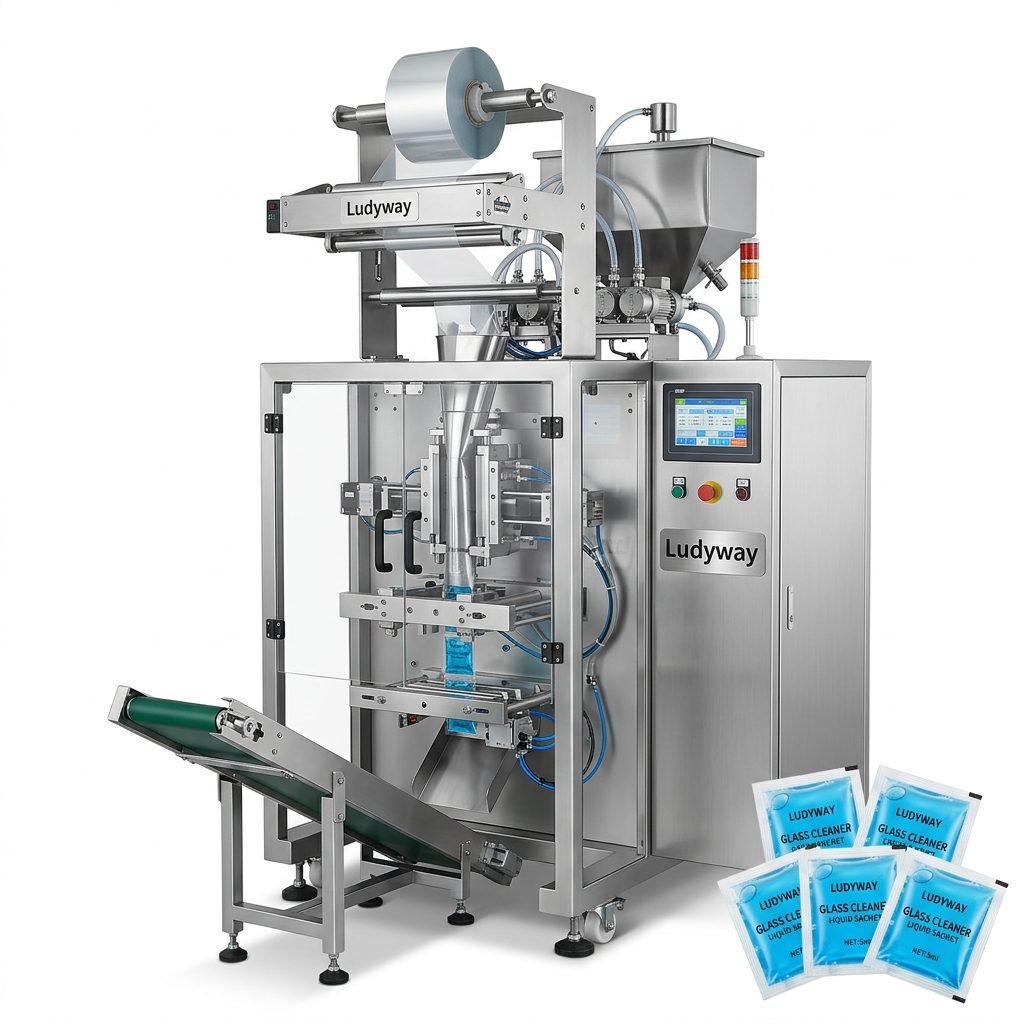
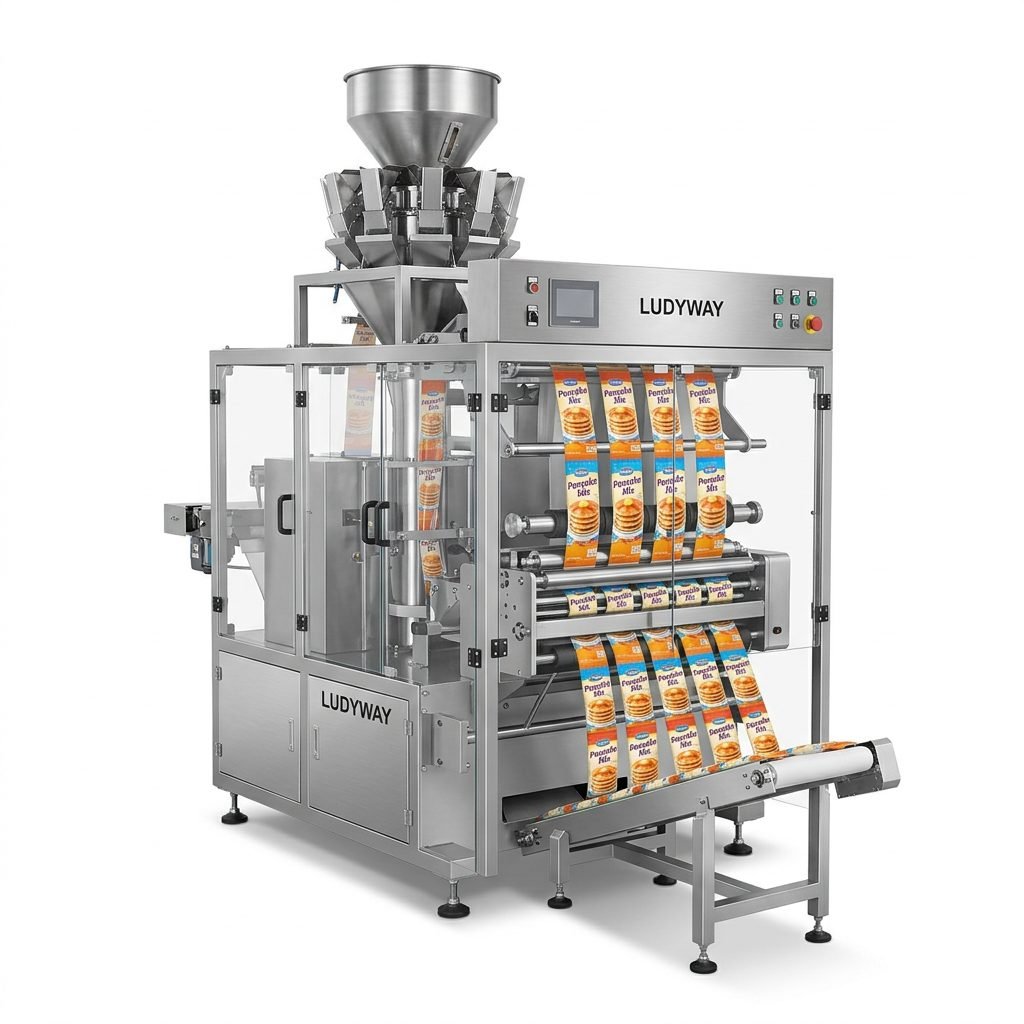
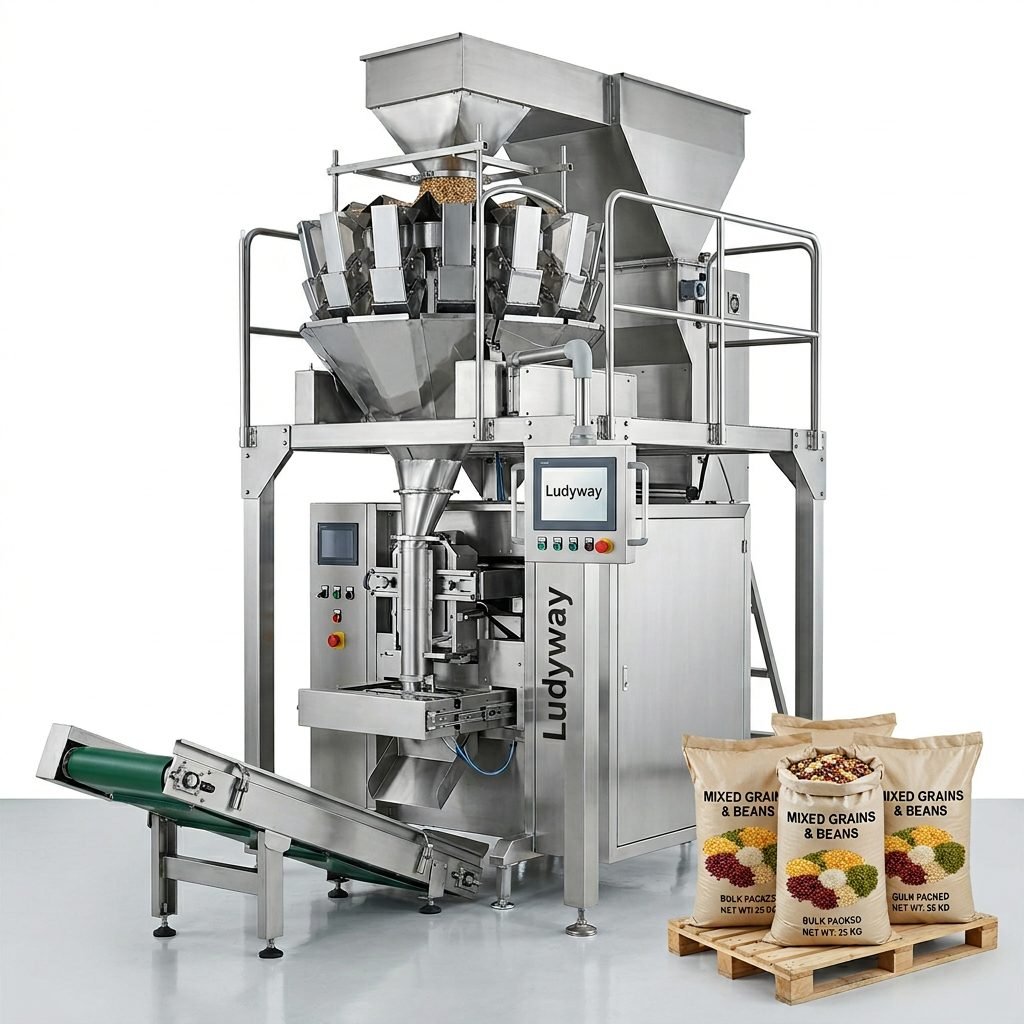
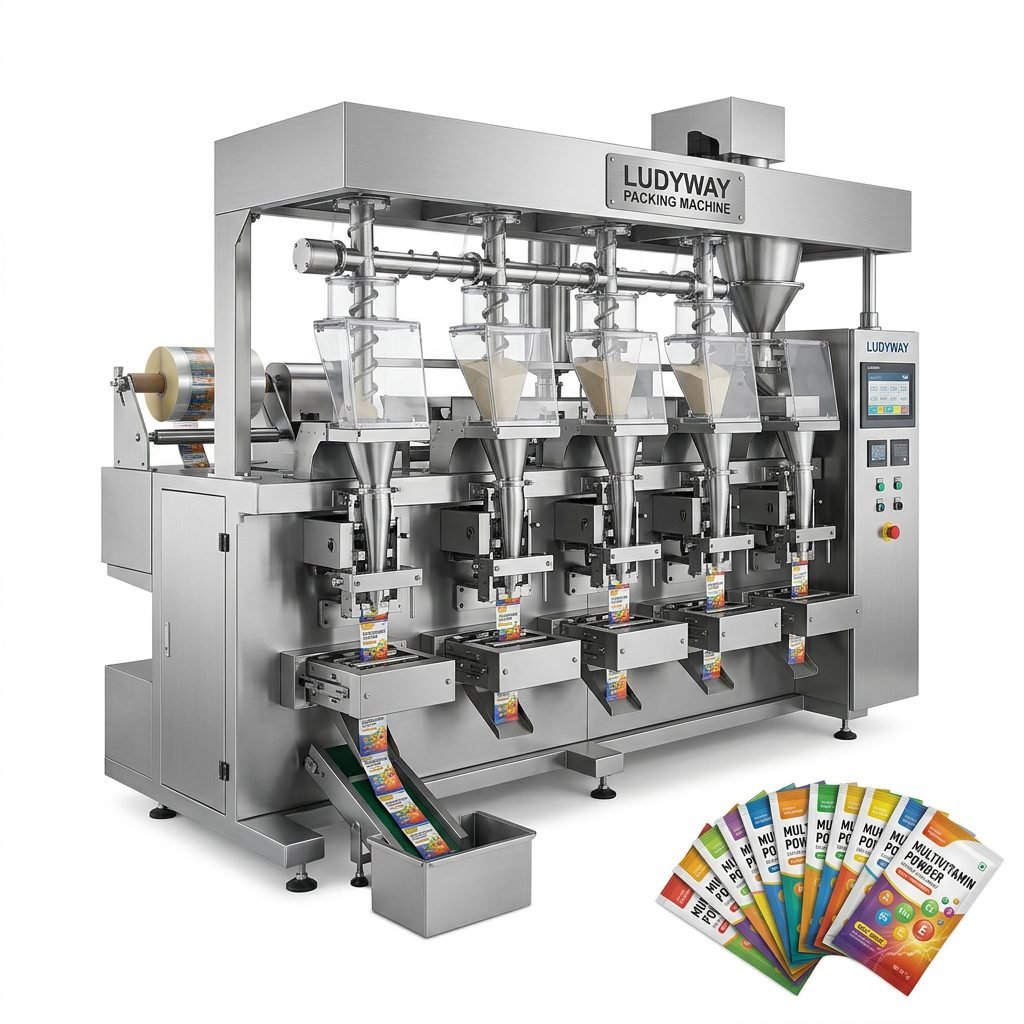
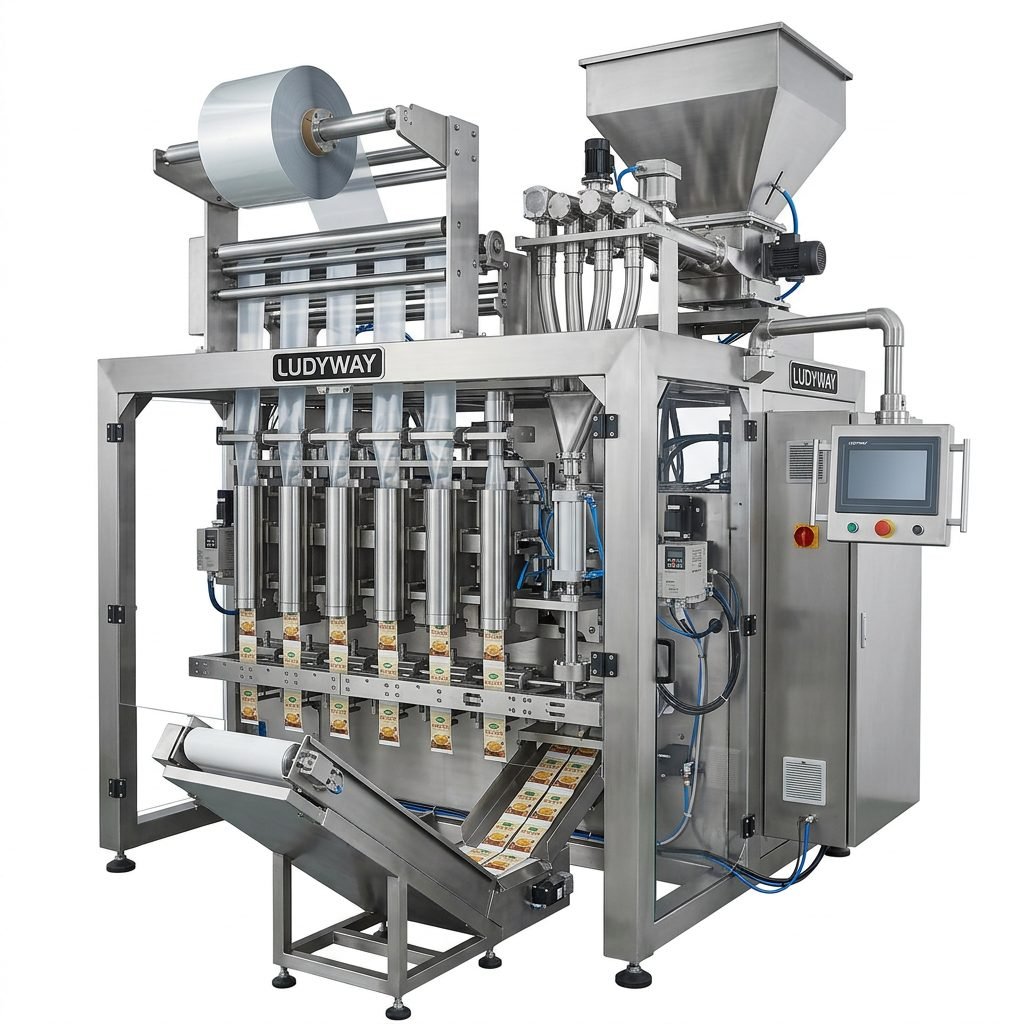
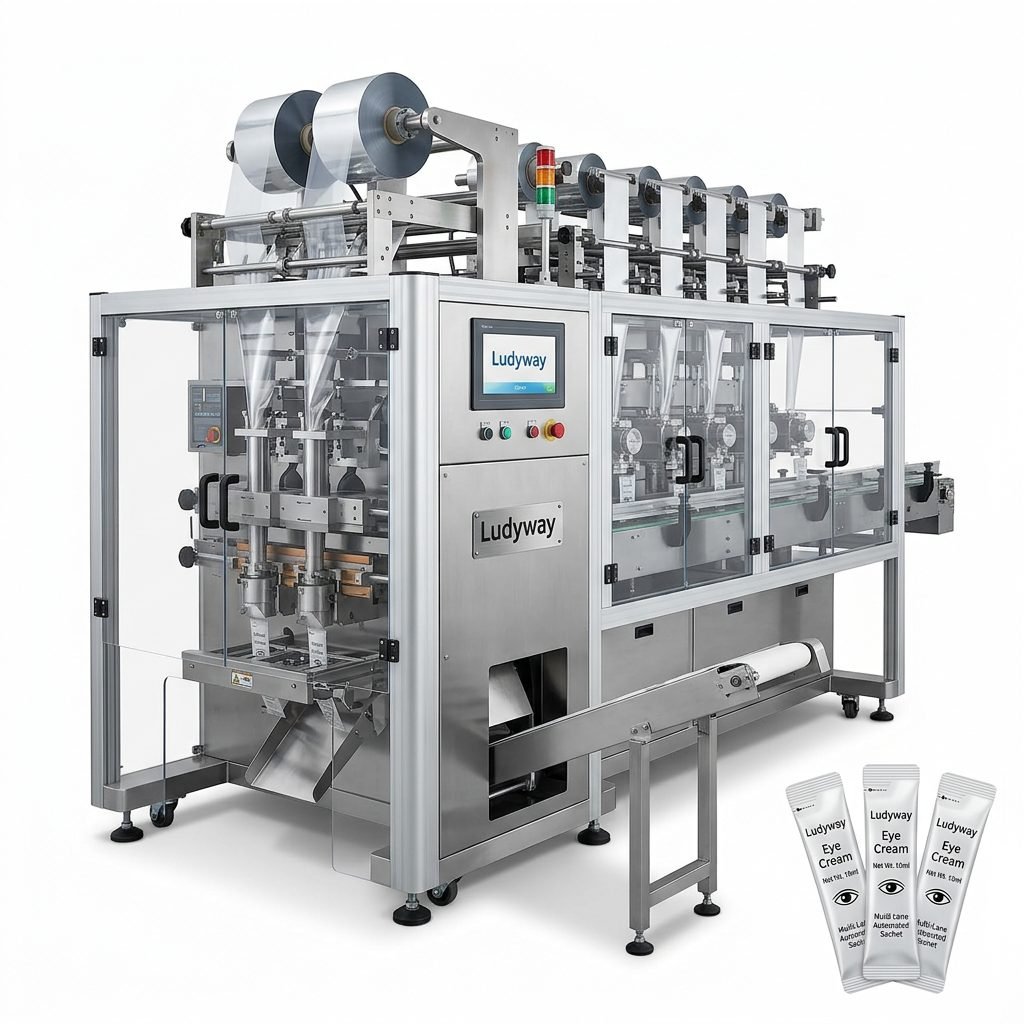
Choosing the right bread packaging machine is a critical decision for any bakery, large or small. The right equipment not only preserves freshness and extends shelf life but also enhances your brand presentation and streamlines your operations. With numerous suppliers in the market, identifying the top providers and understanding how to select the perfect machine for your specific needs can be daunting. This guide will walk you through the key considerations and highlight what makes a supplier truly stand out.
Key Factors When Evaluating Bread Packaging Machine Suppliers
Not all suppliers are created equal. Beyond just selling a machine, a top-tier supplier acts as a partner in your bakery’s success. Here are the core areas to scrutinize.
1. Technical Expertise and Industry Experience
A supplier’s depth of knowledge is paramount. Look for companies with a proven track record specifically in food-grade packaging, particularly for bakery products. Experience translates into an understanding of challenges like crumb containment, delicate handling of soft bread, and maintaining optimal humidity levels within the package.
→ Pro Tip: Ask potential suppliers about their most common bakery clients and request case studies. A supplier like Ludyway Packing Machine, with over 30 years of collective industry experience, typically has the insight to recommend solutions that prevent common post-purchase issues.
2. Range of Machinery and Customization Capabilities
Your bakery’s needs are unique. Whether you produce artisan loaves, sandwich bread, buns, or pastries, the packaging solution must fit the product. Top suppliers offer a diverse portfolio, from vertical form-fill-seal (VFFS) machines for bread rolls to horizontal flow wrappers for sliced loaves and tray sealers for premium goods.
The ability to customize is crucial. This includes adjustable sealing jaws for different bag sizes, integrated weight checkers, date coders, and even gas flushing systems for modified atmosphere packaging (MAP) to significantly extend freshness.
3. Machine Reliability and Build Quality
Downtime is lost revenue. Investigate the construction materials (e.g., food-grade stainless steel contact parts), the quality of key components like servos and PLCs, and the overall robustness of the design. A reliable machine from a reputable supplier ensures consistent operation, minimal waste, and a better return on investment over its lifespan.
4. After-Sales Support and Service Network
This is often the most critical differentiator. Comprehensive support includes:
• Installation & Training: On-site setup and staff training.
• Technical Support: Accessible, knowledgeable help for troubleshooting.
• Parts Availability: A readily available inventory of wear-and-tear parts to minimize downtime.
• Preventive Maintenance: Service plans to keep your machine in peak condition.
Why a Strong Service Foundation Matters
Choosing a supplier with a weak service network can leave you stranded. Opt for partners who demonstrate a commitment to long-term cooperation. For instance, suppliers that maintain a modern production facility and have a history of developing complete turnkey production line solutions are typically better equipped to provide sustained, global support.
A Step-by-Step Guide to Choosing Your Machine
Follow this practical process to narrow down your options and make a confident purchase.
Step 1: Analyze Your Current and Future Production Needs
Be specific. Calculate your current output (loaves/buns per hour, shifts per day) and project growth for the next 3-5 years. Determine your primary packaging materials (polyethylene, polypropylene, biodegradable films) and bag sizes. This data is essential for getting accurate quotes.
Step 2: Define Your Must-Have Features
Create a list of non-negotiable features. This might include:
• Specific speed requirements (e.g., 60 bags per minute).
• Compatibility with your existing conveyor systems.
• Need for nitrogen flushing for soft bread.
• Integration capabilities with your existing slicers or metal detectors.
Step 3: Research and Shortlist Suppliers
Use industry directories, trade shows (like IBA or Pack Expo), and peer recommendations to create a list. Prioritize suppliers whose expertise aligns with your product type and scale.
Step 4: Request Proposals and Conduct Demos
Provide your detailed requirements to shortlisted suppliers. Ask for a live or recorded video demonstration using a product similar to yours. Pay attention to the machine’s gentle handling, seal integrity, and ease of changeover.
Step 5: Evaluate the Total Cost of Ownership (TCO)
Look beyond the initial price tag. Factor in estimated energy consumption, maintenance costs, expected lifespan, and potential cost savings from reduced film waste or higher efficiency. A slightly higher upfront cost for a more reliable, efficient machine often leads to lower TCO.
Step 6: Check References and Finalize
Ask for and contact references from bakeries of a similar size. Inquire about machine performance, reliability, and the quality of the supplier’s support. Finally, ensure all warranties, service terms, and delivery timelines are clearly outlined in the contract.
Common Questions (FAQs)
1. What is the most important feature in a bread packaging machine?
While speed is often a focus, gentle product handling and consistent seal integrity are paramount for bakery items. A poor seal leads to staleness, while rough handling can deform soft bread and buns.
2. Can one machine handle different types of bread and bag sizes?
Many modern machines are designed for quick changeover. Look for models with tool-less adjustments for bag width and length, and easy-to-swap forming tubes or buckets. However, switching between vastly different products (e.g., a large loaf to a small roll) may require more extensive changeover.
3. How does Modified Atmosphere Packaging (MAP) work for bread?
MAP machines flush the air out of the package and replace it with a gas mix (often nitrogen and carbon dioxide). This inhibits mold growth and oxidation, dramatically extending shelf life without preservatives, which is ideal for clean-label artisan breads.
4. What ongoing maintenance does a bread packaging machine require?
Daily cleaning of food-contact parts, regular lubrication of moving components as per the manual, and inspection of sealing jaws and cutters for wear are essential. A good supplier will provide a clear maintenance schedule.
5. Should I choose a new or used machine?
For most bakeries, a new machine from a reliable supplier is recommended for its warranty, latest technology, energy efficiency, and full service support. A used machine can be a budget option but carries risks of hidden issues, obsolete parts, and limited support.