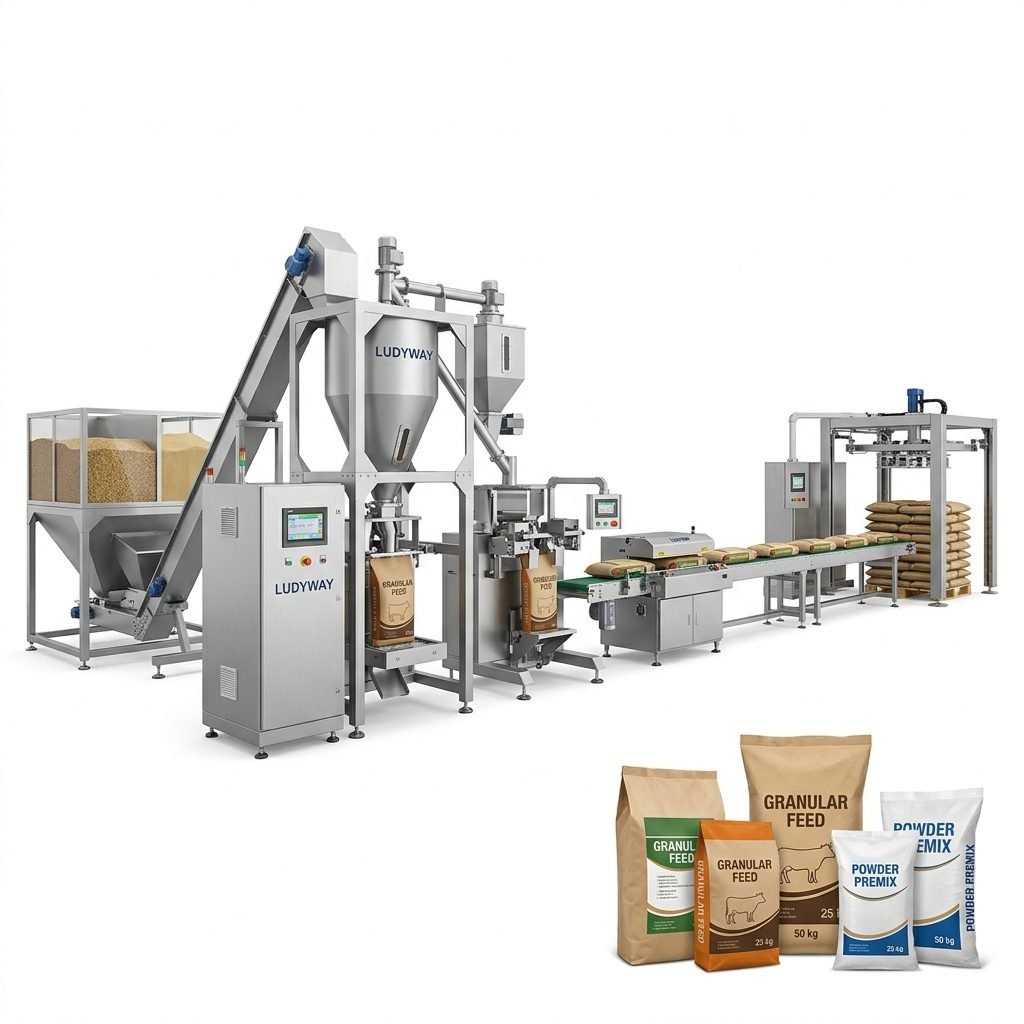
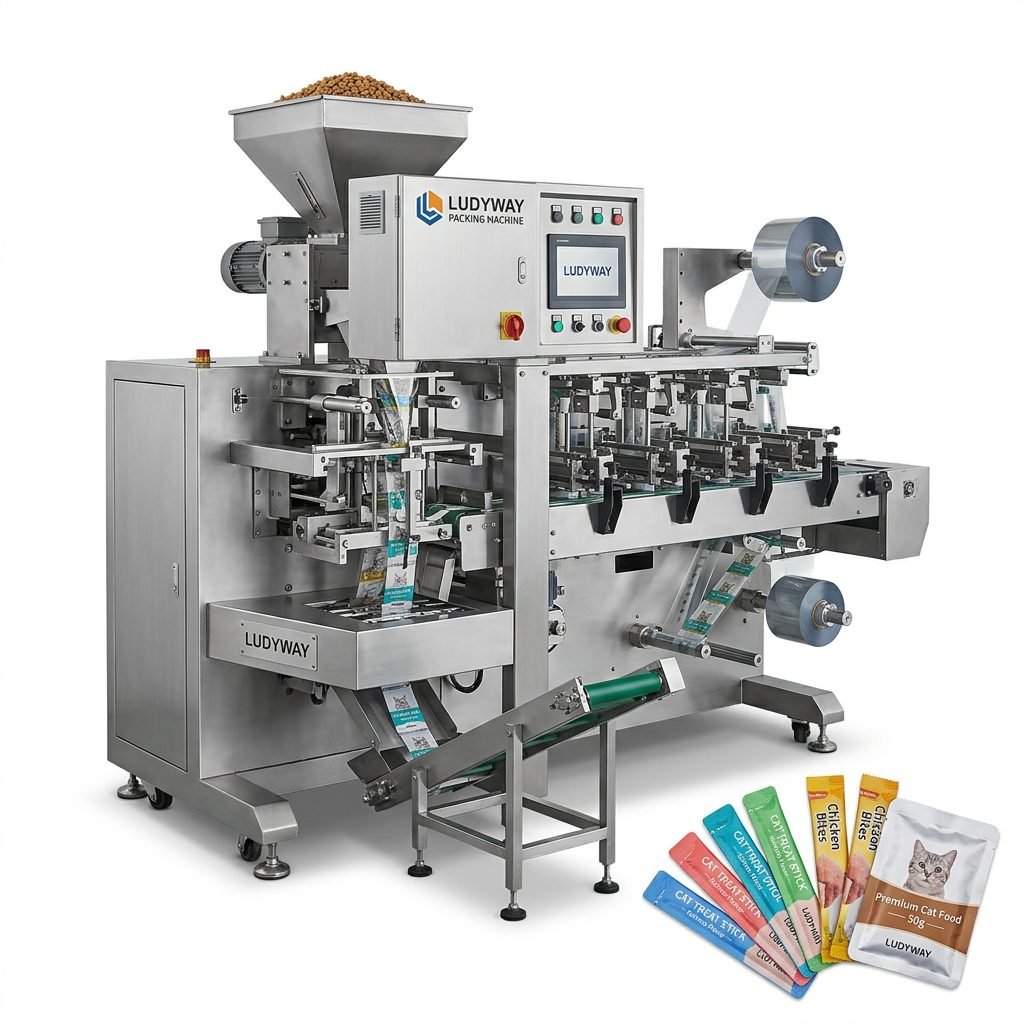
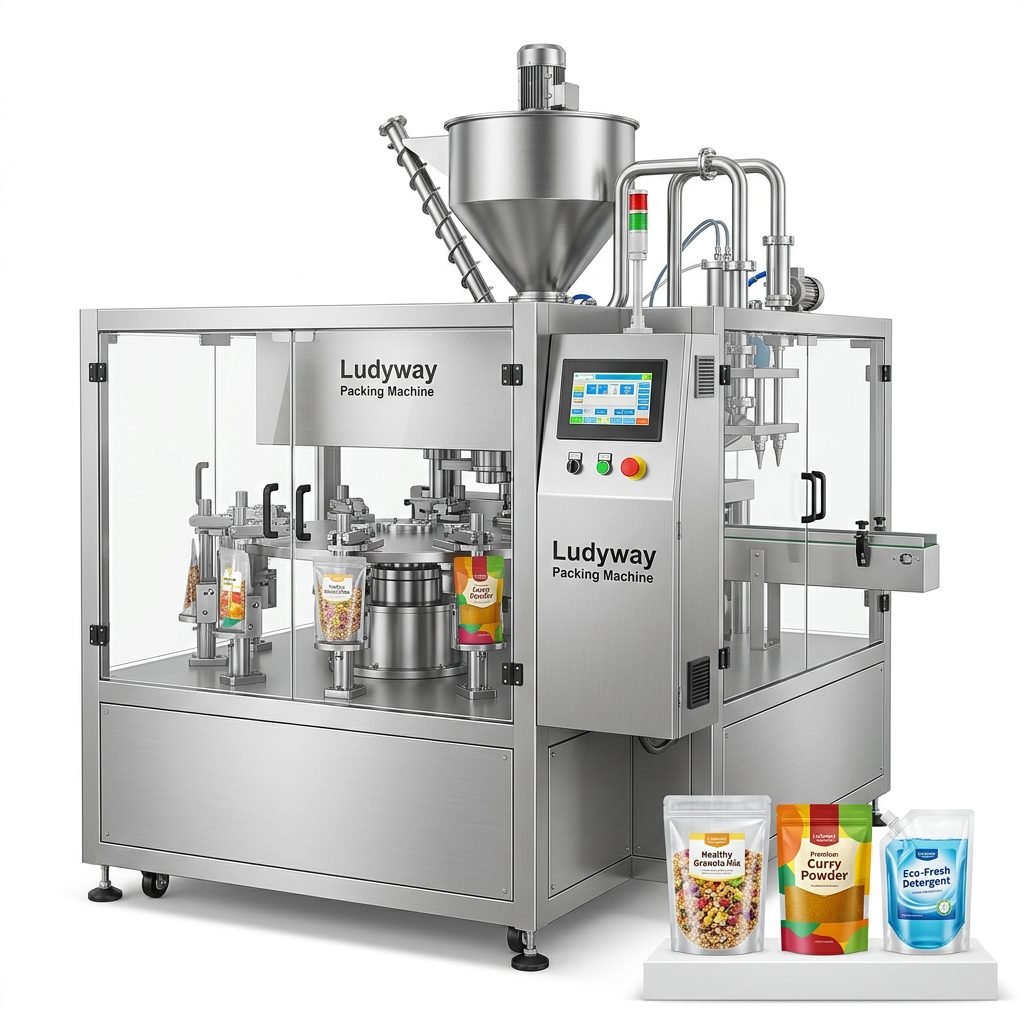
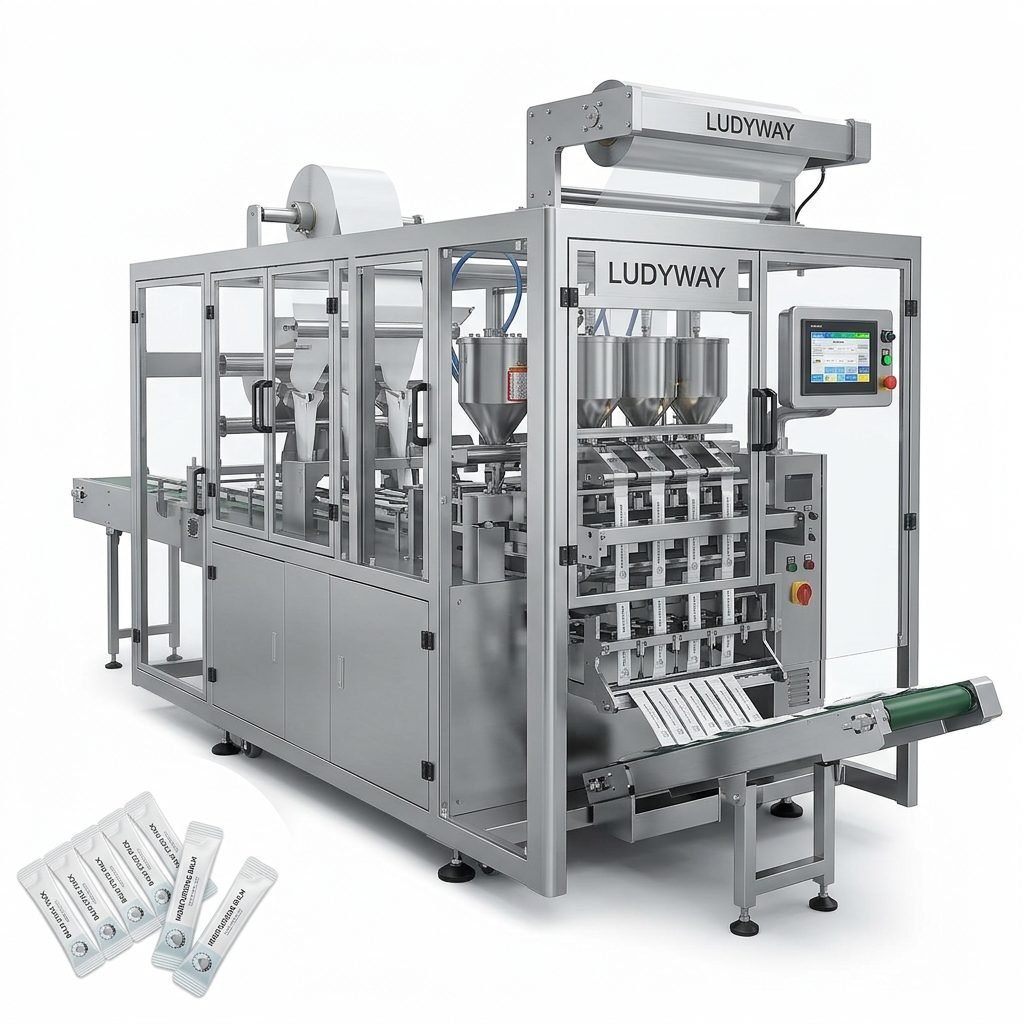
In today’s fast-paced manufacturing landscape, robotic packaging equipment has evolved from a luxury to a necessity for businesses seeking efficiency, consistency, and scalability. This automation revolution is transforming production floors, enabling companies to meet rising consumer demands while optimizing operational costs. From simple pick-and-place tasks to complex, vision-guided packaging lines, robots offer unparalleled flexibility and precision.
Core Types of Robotic Packaging Equipment
The world of robotic packaging is diverse, with systems designed for specific functions. Understanding these types is the first step toward identifying the right solution for your production needs.
Articulated Robots
These are the most common industrial robots, resembling a human arm with rotary joints. Their high degree of freedom makes them ideal for complex tasks like palletizing, case packing, and precision product placement within varied packaging formats.
Delta (Parallel) Robots
Recognized for their incredible speed, Delta robots feature a dome-shaped structure with parallel arms. They excel in high-speed pick-and-place applications, such as sorting candies, pharmaceuticals, or small electronics into blister packs, trays, or cartons on fast-moving conveyor belts.
Cartesian (Gantry) Robots
Operating on three linear axes (X, Y, Z), these robots are known for their rigidity, accuracy, and ability to handle heavy payloads. They are perfectly suited for large-format packaging, heavy bag palletizing, and precise dispensing or sealing operations over a wide work area.
Collaborative Robots (Cobots)
Designed to work safely alongside human workers without extensive safety cages, cobots are revolutionizing small to mid-sized operations. They are user-friendly, easily programmable, and perfect for tasks like light packaging, kitting, and final inspection.
SCARA Robots
Selective Compliance Assembly Robot Arm (SCARA) robots are fast and precise within a horizontal plane. They are predominantly used for high-speed assembly and packaging tasks like inserting components into boxes or applying adhesives.
Tangible Benefits of Automation
Investing in robotic packaging equipment delivers a compelling return on investment through multiple channels that directly impact the bottom line and competitive edge.
Unmatched Efficiency & Productivity
Robots work tirelessly 24/7, dramatically increasing output. They operate at consistent speeds, eliminating natural human fatigue and variability, which leads to a significant boost in overall equipment effectiveness (OEE).
Superior Consistency and Quality
Every movement is programmed and repeated with millimeter precision. This ensures every package is identical, drastically reducing errors, misplacements, and product damage, which enhances brand reputation and reduces waste.
Significant Labor Cost Optimization
Automation mitigates challenges associated with labor shortages and rising wages. It allows human workers to be upskilled to more valuable roles in supervision, maintenance, and quality control, while robots handle repetitive, physically demanding tasks.
Enhanced Workplace Safety
Robots take over dangerous tasks involving heavy lifting, sharp materials, or repetitive motions that can lead to injury. This creates a safer work environment and reduces costs related to workplace accidents.
Remarkable Flexibility
Modern robotic systems can be quickly reprogrammed and equipped with different end-of-arm tools (EOAT) to handle new products or packaging designs. This agility is crucial for businesses managing shorter product lifecycles and the need for frequent line changeovers.
How to Choose the Right Automation System
Selecting the ideal robotic packaging solution requires a strategic assessment of your current and future needs. A methodical approach prevents costly mismatches and ensures a smooth integration.
1. Define Your Primary Objective
Start by identifying the key problem you need to solve. Is it increasing throughput, improving accuracy, reducing labor costs, or enhancing safety? A clear goal will guide every subsequent decision, from robot type to required features.
2. Analyze Product and Packaging Specifications
Scrutinize the physical characteristics of your product (size, weight, fragility) and your packaging materials (cartons, films, pouches). This analysis determines the required payload capacity, gripper technology, and the robot’s working envelope.
3. Evaluate Integration Requirements
Consider how the new robot will communicate and work with your existing machinery—conveyors, fillers, labelers, and PLCs. Seamless integration is critical for line efficiency. Partnering with a provider experienced in turnkey solutions can simplify this complex process.
4. Consider Total Cost of Ownership (TCO)
Look beyond the initial purchase price. Calculate TCO by including installation, programming, maintenance, energy consumption, and potential future re-tooling costs. A slightly higher upfront investment in a more flexible or robust system often yields a better long-term ROI.
5. Prioritize Supplier Support and Expertise
The supplier’s role extends far beyond the sale. Choose a partner with proven industry experience, strong technical support, readily available spare parts, and comprehensive training programs. Their expertise is invaluable for successful implementation and ongoing optimization.
6. Plan for the Future
Opt for a scalable system that can adapt. Consider potential increases in production volume, plans for new products, or the adoption of advanced features like machine vision. A modular approach protects your investment against obsolescence.
Conclusion
The strategic implementation of robotic packaging equipment is a transformative decision that drives operational excellence. By carefully matching the type of robot to your specific application, understanding the full spectrum of benefits, and following a structured selection process, manufacturers can unlock new levels of productivity, quality, and agility. In an increasingly competitive global market, automation is not just about keeping pace—it’s about setting the pace for the future of packaging.
Frequently Asked Questions (FAQs)
What is the typical payback period for robotic packaging equipment?
Payback periods can vary widely from 1 to 3 years, depending on the application’s complexity, labor costs replaced, and gains in productivity and yield. High-speed, high-volume applications often see the fastest return on investment.
Can robotic systems handle fragile or irregularly shaped products?
Yes. Advanced end-of-arm tooling (EOAT), including soft grippers, vacuum cups, and custom fixtures, along with vision guidance systems, allows robots to gently and accurately handle a vast array of delicate and non-uniform items.
How difficult is it to reprogram a robot for a new packaging task?
Modern robots, especially collaborative robots (cobots), feature intuitive teach pendants and graphical programming interfaces. While major changeovers may require expert programming, many minor adjustments can be performed by trained in-house technicians, minimizing downtime.
What safety measures are necessary when deploying packaging robots?
Safety requirements depend on the robot type and application. Traditional industrial robots typically require physical safety fencing, light curtains, or area scanners. Collaborative robots are designed with built-in force-limiting sensors and can often operate in closer proximity to humans with a simplified risk assessment.
How do I ensure the robotic system integrates with my existing production line?
Successful integration requires detailed planning. Work with a supplier or integrator who can conduct a full audit of your current line, provide simulation models, and ensure communication protocols (like Ethernet/IP or Profinet) are compatible between all machines.