Selecting the right medical device packaging machine is a critical decision for manufacturers aiming to ensure product safety, meet stringent regulatory standards, and optimize production efficiency. An automatic packaging solution must be precise, reliable, and adaptable to the specific requirements of medical products, from single-use kits to complex implantable devices. This guide provides a comprehensive framework to help you navigate the selection process and identify the automatic solution that best fits your production line’s needs.
Understanding Your Packaging Requirements
The first step in choosing the right machine is a thorough analysis of your specific needs. Consider the following core aspects:
Product Characteristics
What are you packaging? The physical form—whether it’s a rigid implant, a flexible catheter, a set of surgical tools, or loose components—dictates the packaging style. You must also consider product dimensions, weight, and any special handling requirements, such as sensitivity to compression or static.
Packaging Materials & Formats
Medical devices commonly use Tyvek® pouches, foil laminates, blister packs, or sterile barrier systems. The machine must be compatible with your chosen material’s sealing properties (heat seal, ultrasonic seal) and capable of forming the required format, such as 3-side seal pouches, 4-side seal pouches, or die-cut lids for trays.
Production Volume & Speed
Are you running low-volume, high-mix batches or high-volume, single-SKU lines? Your required output in packages per minute (PPM) directly influences whether you need a semi-automatic, fully automatic, or continuous motion machine. Future scalability should also be factored into this decision.
Regulatory Compliance
Machines for medical device packaging must facilitate compliance with standards like ISO 11607 (packaging for terminally sterilized medical devices) and FDA regulations. Features that ensure consistent seal integrity, provide validated process parameters, and enable complete traceability (e.g., batch number printing, data logging) are non-negotiable.
Key Types of Automatic Medical Device Packaging Machines
Different automation levels and technologies cater to diverse production scenarios. Here are the primary solutions available:
Vertical Form-Fill-Seal (VFFS) Machines
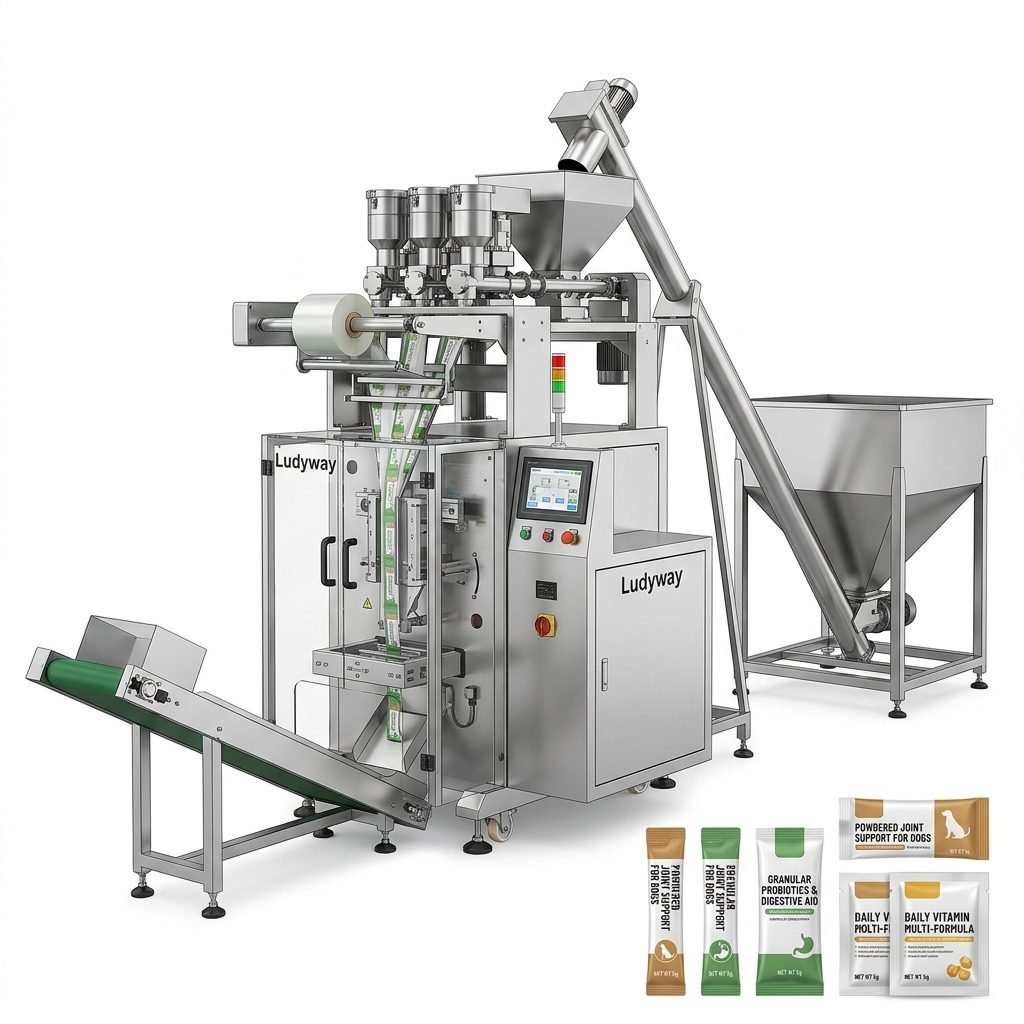
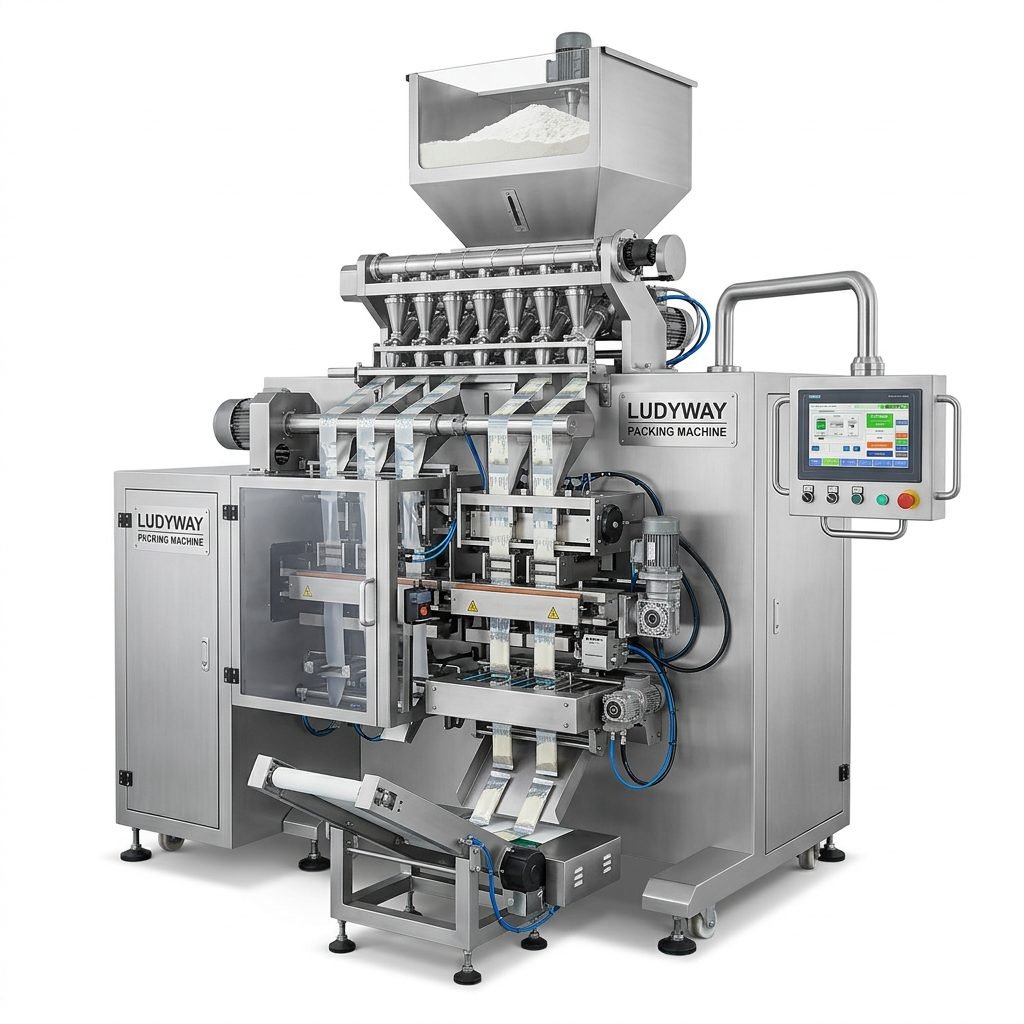
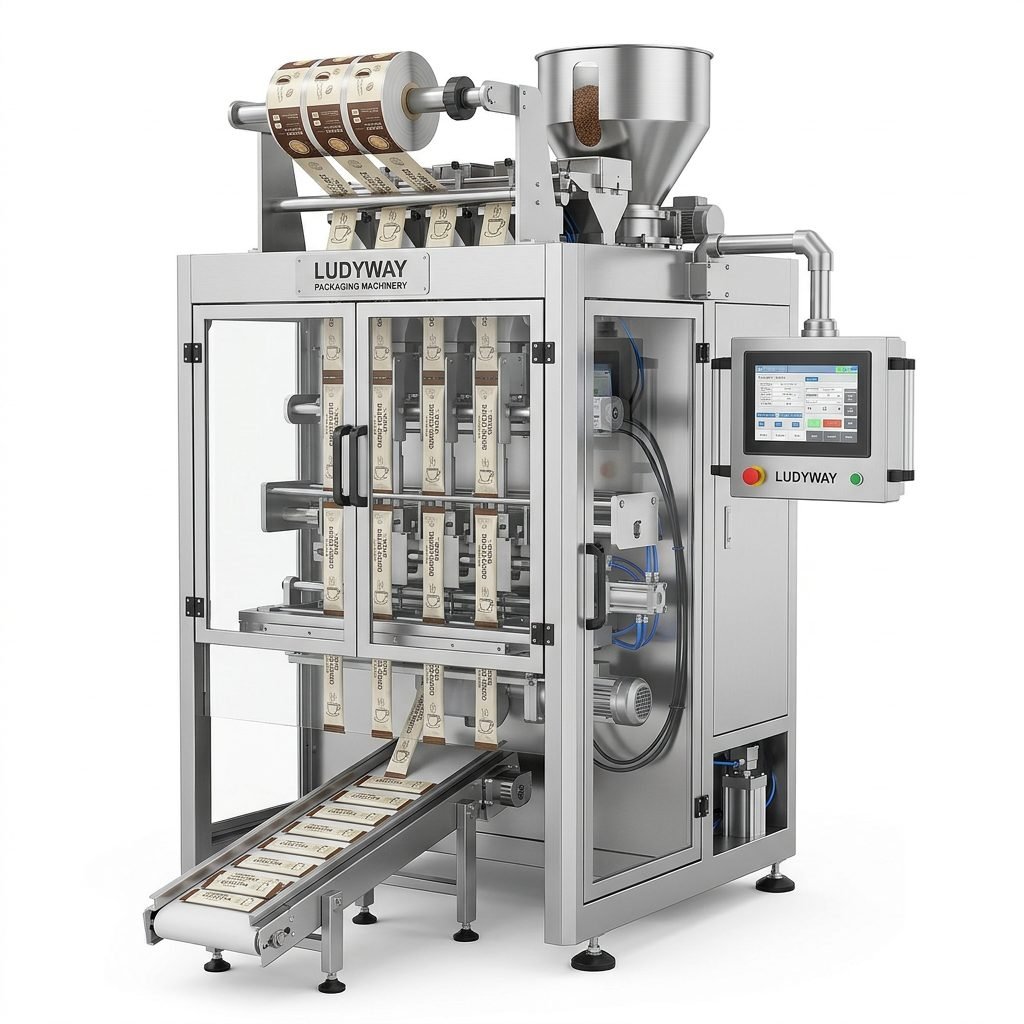
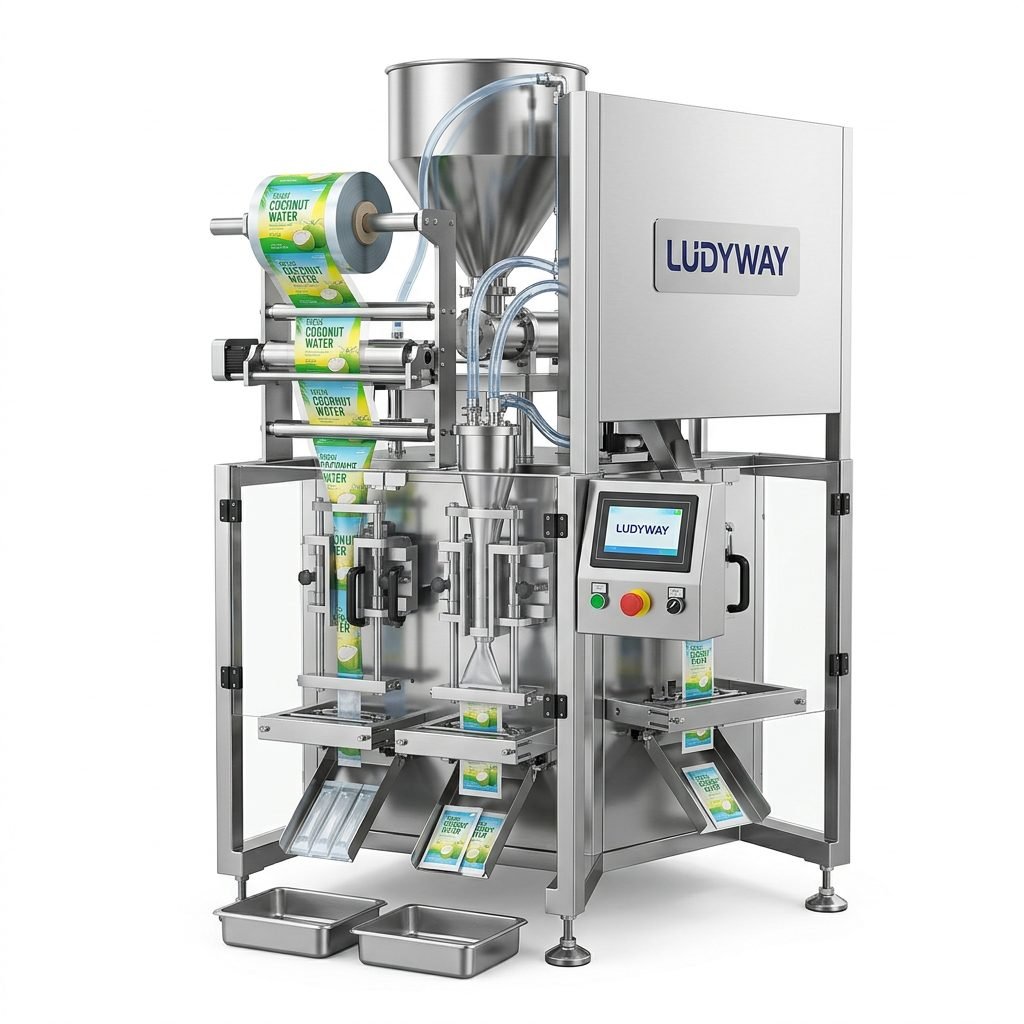
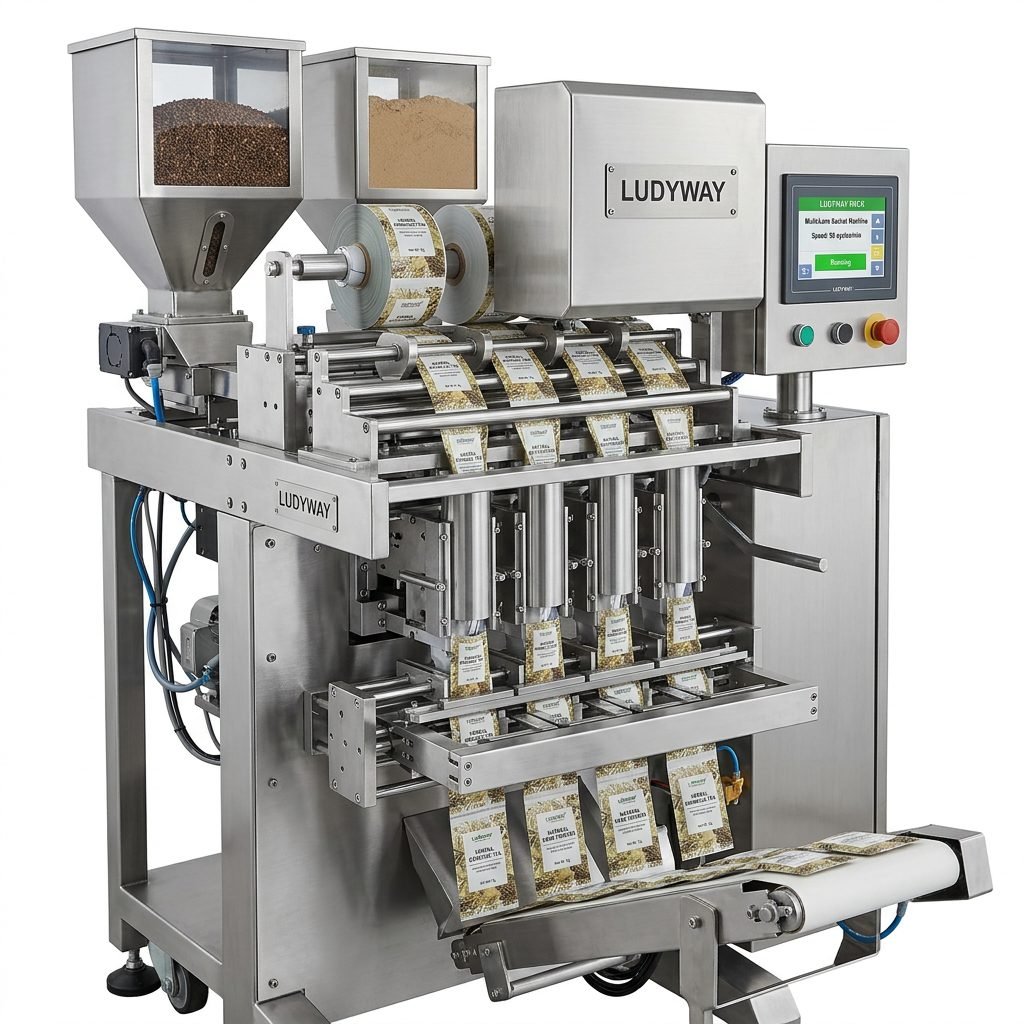
Ideal for packaging loose components, granules, or small devices into pouches. The machine forms a tube from a roll of film, fills the product, and seals it, creating individual pouches. Modern VFFS systems offer high speeds and integration with checkweighers and vision inspection systems for quality control.
Horizontal Form-Fill-Seal (HFFS) Machines
Often used for blister packaging or cartoning. These machines are excellent for placing devices into pre-formed cavities (blisters) and sealing them with a lidding material. They are highly versatile for packaging unit doses or multi-component kits.
Thermoform-Fill-Seal Machines
These systems form the packaging tray from a roll of plastic web, place the device inside, apply a Tyvek or film lid, and seal it in one continuous process. This is a premier solution for creating robust, sterile barrier packages for implants and sensitive instruments, offering excellent presentation and protection.
Tray Sealing Machines
Used to seal pre-formed trays or cups with a lidding material. They are common for packaging larger surgical sets or kits. Options range from simple manual load/unload to fully automated lines with tray denesting, product loading, and sealed package offloading.
Critical Evaluation Criteria for Machine Selection
Beyond the machine type, evaluate potential suppliers and models against these essential criteria:
✓ Seal Integrity & Consistency: The machine must deliver perfect, repeatable seals every time. Look for features like precision temperature control, even pressure distribution, and seal quality monitoring systems (e.g., vacuum decay testers integrated inline).
✓ Flexibility & Changeover: How quickly and easily can you switch between different package sizes or products? Machines with tool-less changeovers or quick-change sealing dies minimize downtime and are vital for flexible manufacturing.
✓ Integration & Automation Level: Can the machine integrate with upstream equipment (like part feeders or assembly stations) and downstream systems (like labeling or cartoning)? Robotics for product loading and automated quality checks significantly boost line efficiency.
✓ Validation & Documentation Support: The supplier should provide comprehensive documentation (IQ/OQ/PQ protocols) to support your regulatory validation process. Machines with built-in data recording capabilities are a major advantage.
✓ Supplier Expertise & Support: Choose a partner with proven experience in medical device packaging. Evaluate their technical support, spare parts availability, and service network. A partner like Ludyway Packing Machine, with deep industry knowledge, can be invaluable.
Implementing Your Chosen Solution
Successful implementation goes beyond the purchase order. Plan for site preparation (utilities, space), operator training, and a detailed commissioning and validation protocol. Work closely with your machine supplier during installation to ensure all performance specifications are met. A phased approach, starting with a pilot run, can help mitigate risk before full-scale production.
Conclusion: Investing in Precision and Safety
Choosing the right automatic medical device packaging machine is a strategic investment in product quality, regulatory compliance, and operational efficiency. By meticulously defining your requirements, understanding the available technologies, and partnering with a reliable and experienced equipment provider, you can build a packaging line that not only meets today’s demands but is also ready for future challenges. The ultimate goal is a robust, validated process that consistently delivers safe, sterile, and reliable packaging to protect patients and uphold your brand’s reputation.
Frequently Asked Questions (FAQs)
1. What is the most important factor when choosing a medical device packaging machine?
The ability to consistently create a hermetic, sterile seal that meets ISO 11607 standards is paramount. All other factors—speed, cost, flexibility—are secondary to ensuring the package reliably maintains sterility and protects the device.
2. Can one machine handle different types of medical devices and package sizes?
Many modern machines are designed for flexibility. However, the degree of flexibility varies. Look for machines with tool-less or quick-change features for sealing jaws, forming dies, and product handling components. Discuss your specific product range with suppliers like Ludyway Machinery to find a solution that balances versatility with performance.
3. How critical is supplier after-sales support for medical packaging equipment?
Extremely critical. Given the regulatory environment and the high cost of production downtime, having access to responsive technical support, readily available spare parts, and expert service engineers is essential. This support is crucial for maintenance, troubleshooting, and re-validation after any significant change or repair.
4. What are the key validation documents I should expect from the machine supplier?
You should receive a comprehensive validation package, typically including Installation Qualification (IQ), Operational Qualification (OQ), and Performance Qualification (PQ) protocols and reports. These documents prove the machine is installed correctly, operates within specified parameters, and performs consistently with your actual product and packaging materials.
5. Is it better to buy a standalone machine or a fully integrated turnkey line?
This depends on your in-house expertise, project scope, and budget. A standalone machine offers more control and may be lower cost initially but requires you to manage integration. A turnkey solution from a single provider ensures all components (feeding, packaging, inspection, labeling) are designed to work together seamlessly, reducing project risk and time-to-market, though often at a higher initial investment.