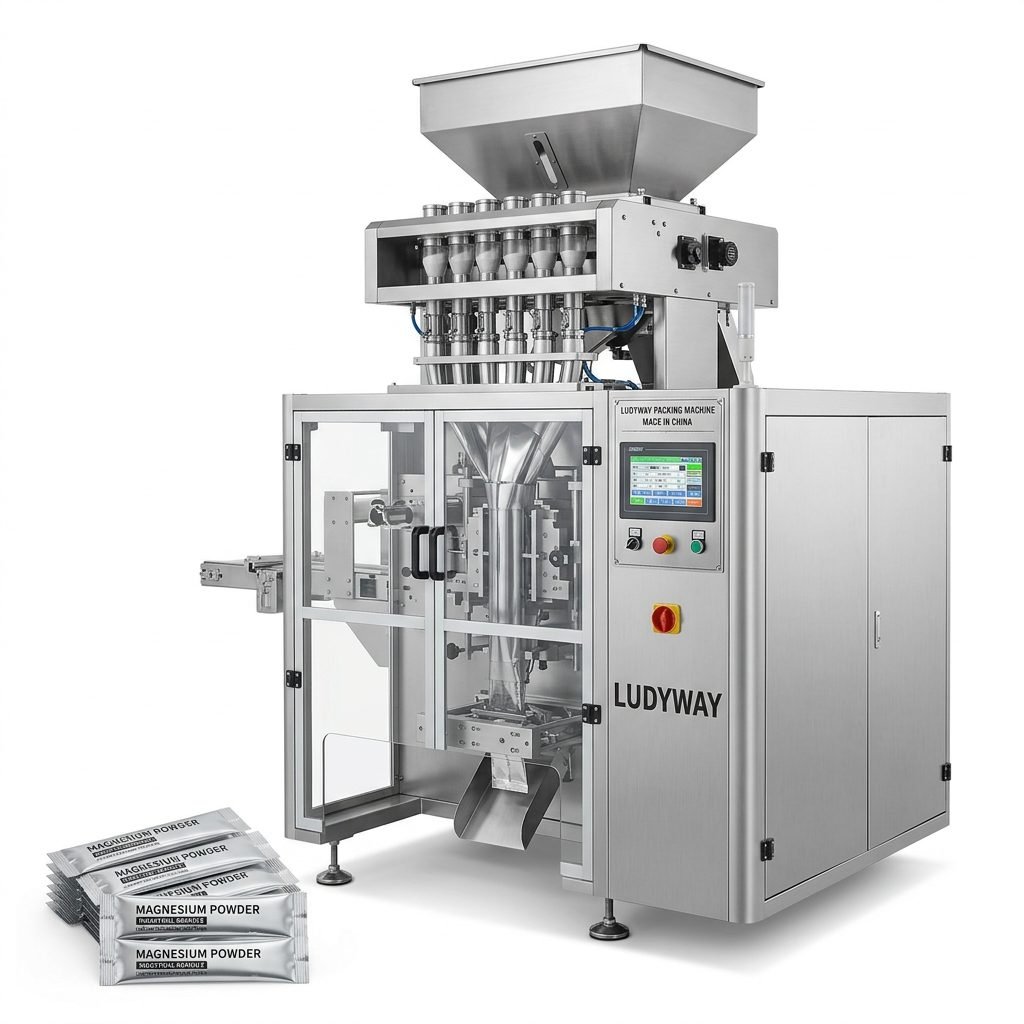
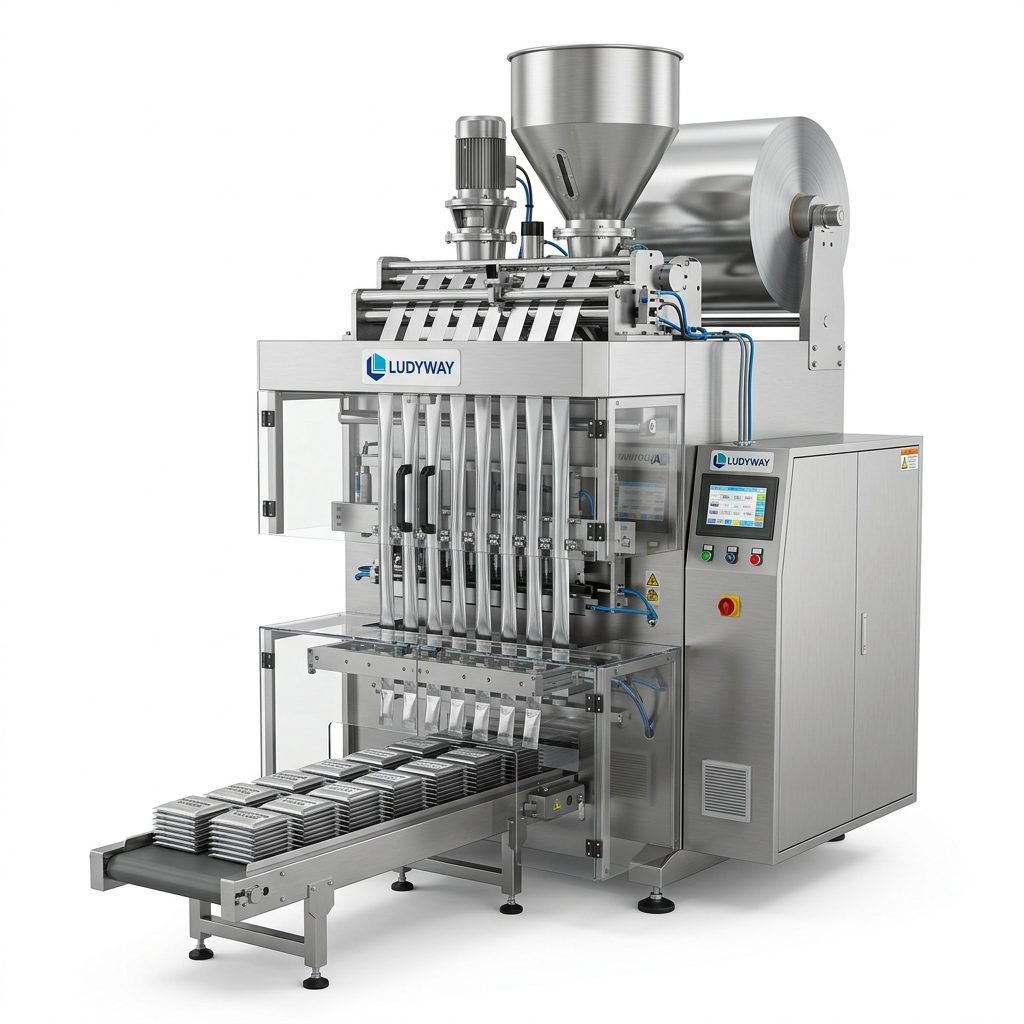
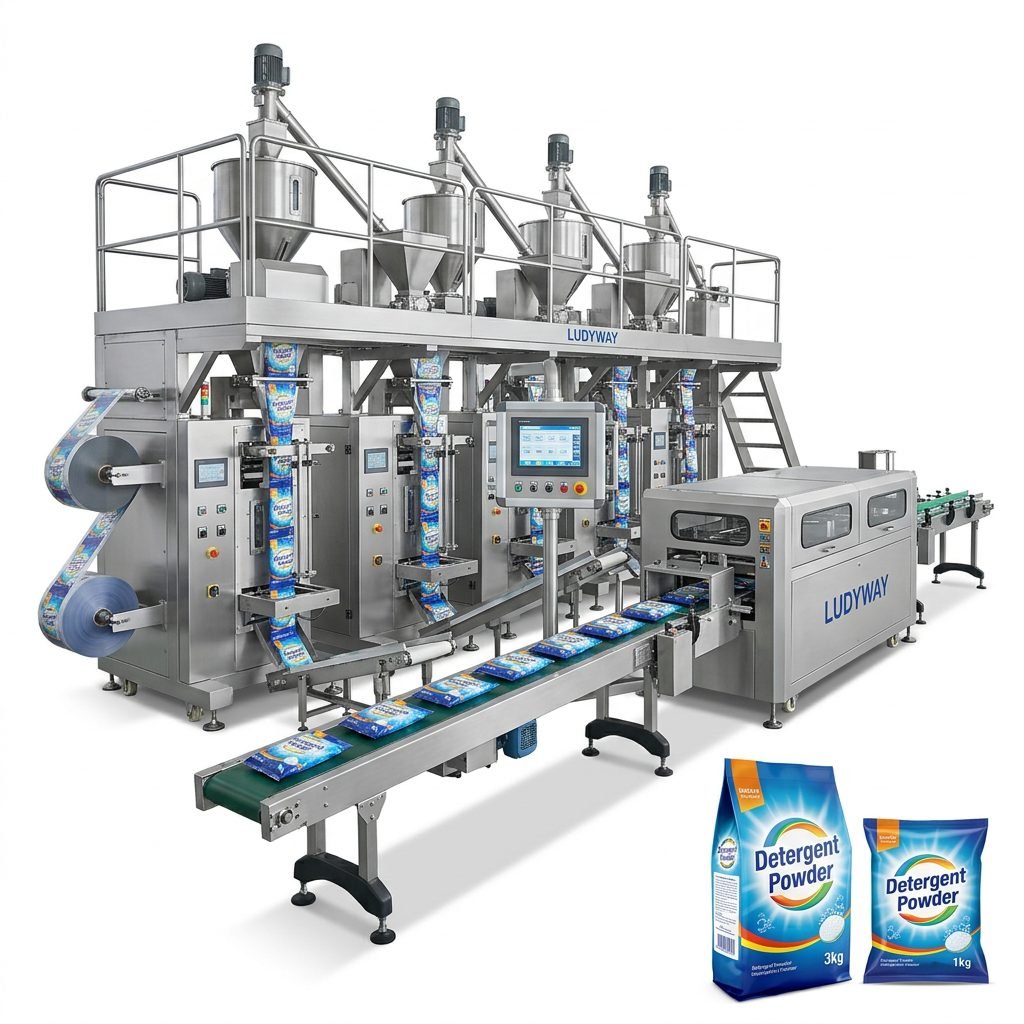
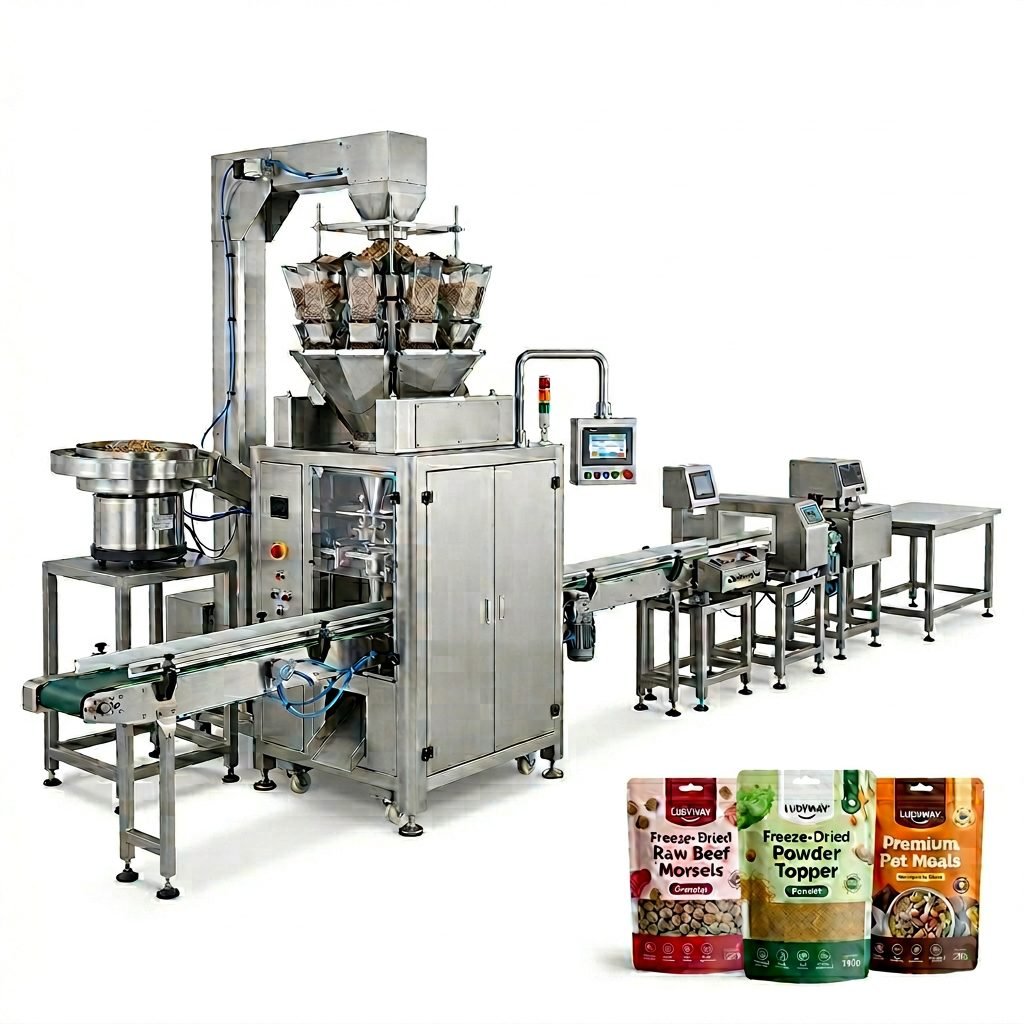
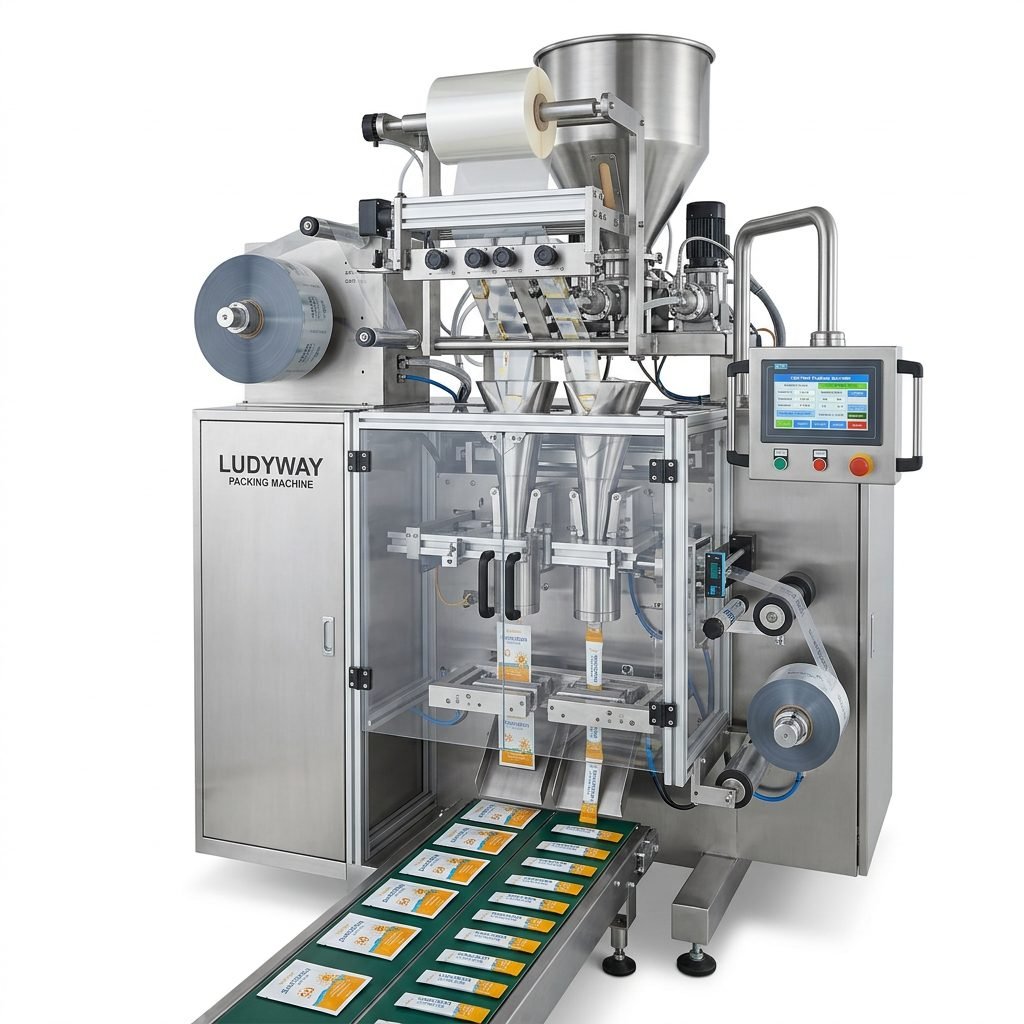
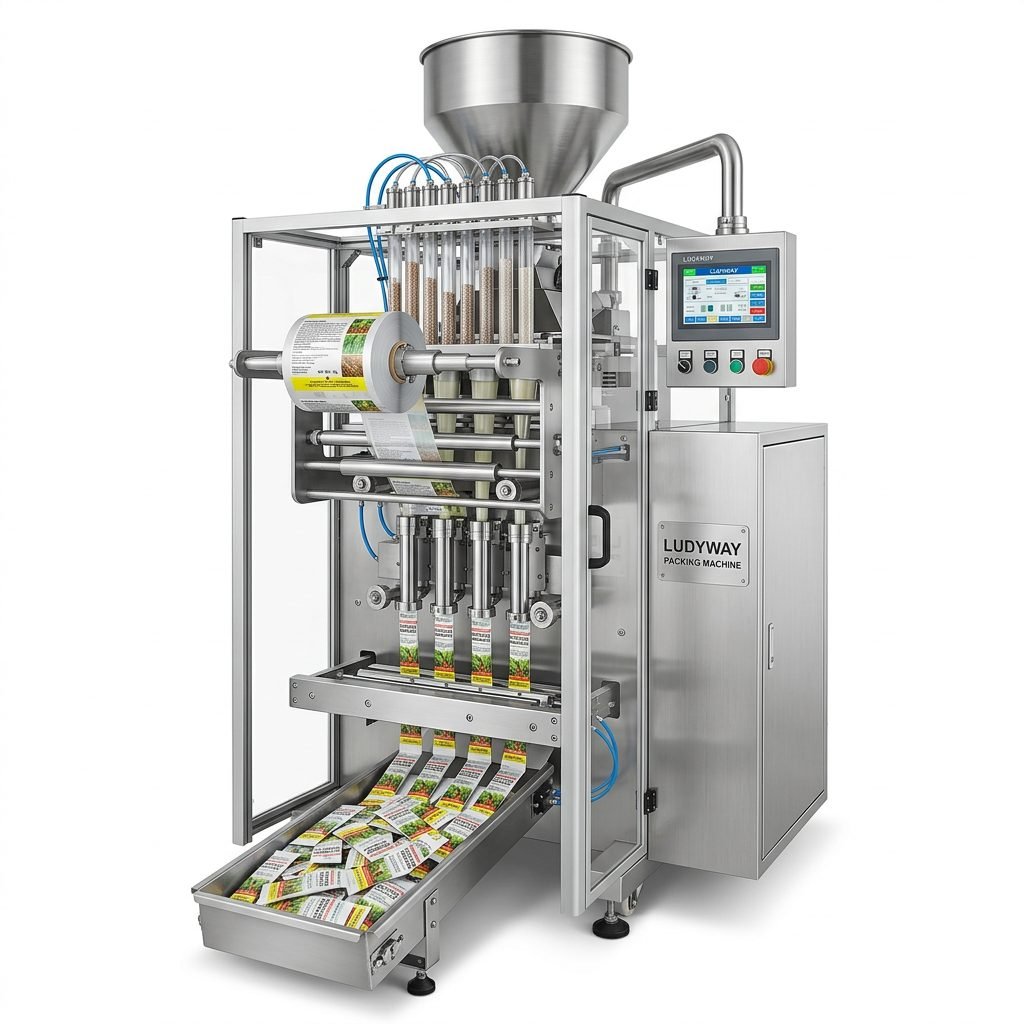
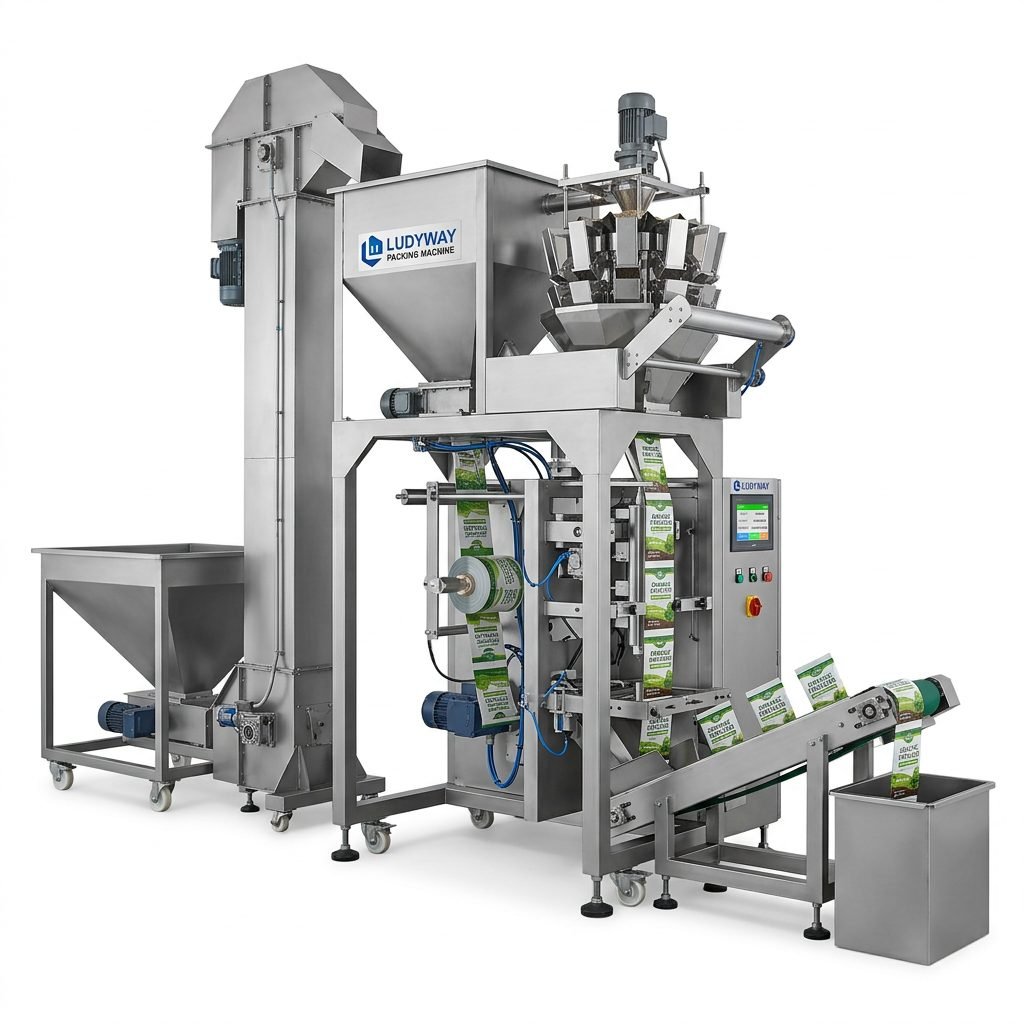
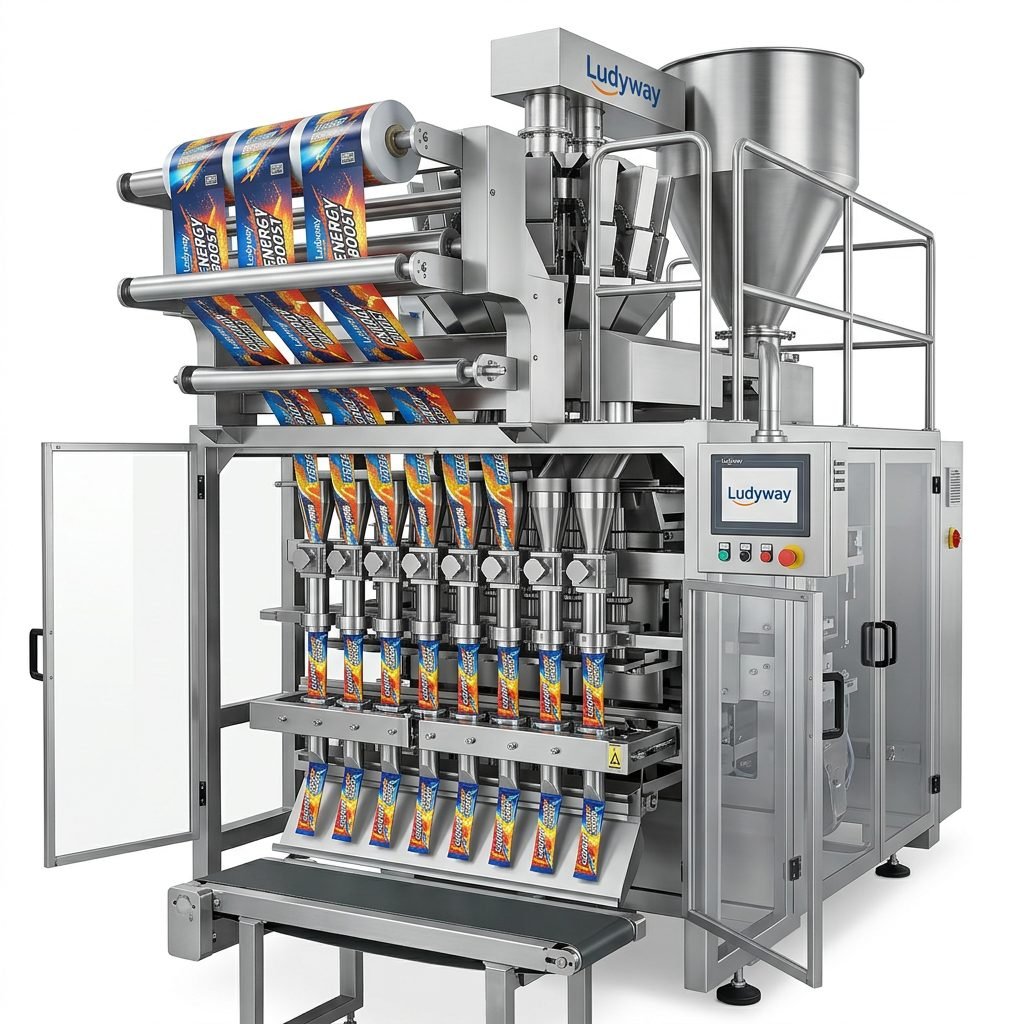
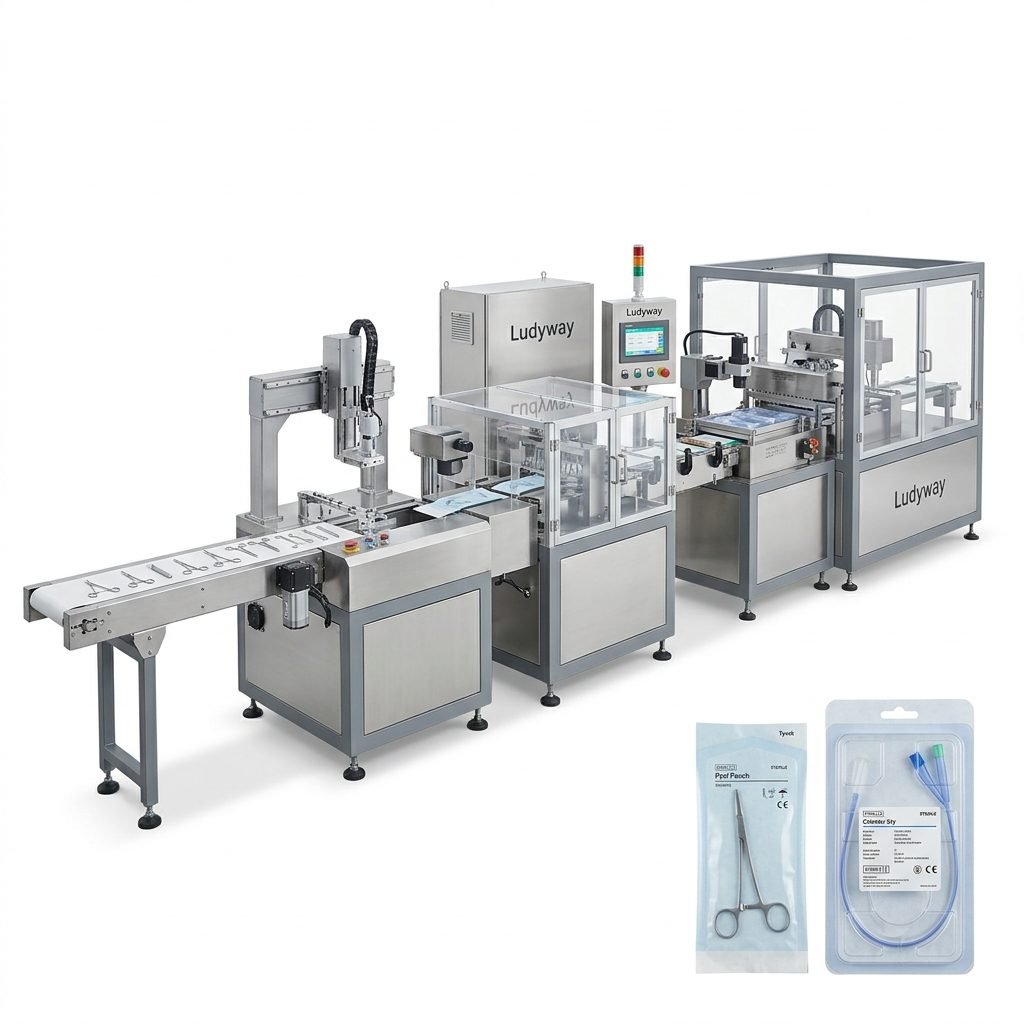
In the competitive landscape of modern manufacturing, efficiency, product integrity, and brand presentation are paramount. For industries producing brick-shaped products—from food items like chocolate bars and cheese blocks to construction materials like specialized bricks and tiles—the final packaging step is crucial. A brick packaging machine automates this process, ensuring consistency, speed, and protection. This guide delves into the types of brick packaging machines, their working principles, the significant benefits they offer, and key considerations for choosing the right equipment for your operation.
Types of Brick Packaging Machines
The market offers several types of brick packaging machines, each designed for specific applications, materials, and production volumes.
1. Horizontal Wrapping Machines
These are the most common type for brick-shaped products. The item is fed horizontally into the machine. A film roll (such as polypropylene, polyethylene, or shrink film) is dispensed, wraps around the product, and is sealed at the ends and along a longitudinal seam. They are ideal for high-speed production of uniform products like candy bars, soap bars, or small construction bricks.
2. Vertical Form-Fill-Seal (VFFS) Machines for Brick Packs
While typically for granular products, specialized VFFS machines can form bags from a flat film roll that are then filled with a pre-formed brick product and sealed. This is more common for food items that require a loose bag presentation or added protection against moisture.
3. Shrink Wrapping Machines
These machines use a loose sleeve of shrink film to envelop the brick product. The package then passes through a heat tunnel, causing the film to tighten snugly around the product’s contours. This provides a tamper-evident, tight, and visually appealing finish, excellent for multi-packs (bundling several bricks together) or for products needing extra rigidity.
4. Cartoning Machines for Brick Products
For higher-end presentation or added protection, brick products can be inserted into pre-formed cardboard cartons. Automated cartoning machines pick, open, insert the product, and close the carton. This is typical for pharmaceuticals, premium food gifts, or fragile technical bricks.
Working Principle of a Brick Packaging Machine
The core operation of a standard horizontal brick wrapper follows a precise, automated sequence:
Step 1: Product Feeding & Alignment
Bricks are fed onto an infeed conveyor, often via a hopper or manual loading station. They are aligned and spaced correctly to ensure smooth entry into the wrapping zone.
Step 2: Film Feeding & Formation
A roll of packaging film is mounted on the machine. The film is drawn and formed into a tube or sleeve around the product’s path. Critical adjustments here control film tension and alignment.
Step 3: Wrapping & Sealing
The brick product enters the formed film sleeve. As it moves forward, the film wraps around it. Hot air or heated sealing elements then create a longitudinal seam along the bottom and end seals at both ends, completely enclosing the product.
Step 4: Cutting & Discharge
A cutting mechanism separates the finished, wrapped brick from the continuous film web. The packaged product is then discharged onto a takeaway conveyor for collection, labeling, or further boxing.
Advanced machines integrate sensors and PLC controls to monitor film presence, product position, seal temperature, and output quality, ensuring minimal downtime and consistent results.
Benefits of Automating Brick Packaging
Investing in an automated brick packaging machine delivers transformative advantages over manual methods.
Increased Production Speed & Output
Machines can wrap hundreds, even thousands, of bricks per hour, depending on the model. This dramatically increases throughput, meets large order demands, and optimizes labor utilization.
Consistent Packaging Quality
Every package has uniform film tension, seal strength, and appearance. This eliminates human error, ensures product protection is consistent, and enhances brand image on the shelf.
Reduced Operational Costs
While there’s an initial capital investment, automation reduces long-term costs associated with manual labor, material waste from inconsistent wrapping, and slower production rates. It also minimizes product damage.
Enhanced Product Safety & Integrity
A tight, secure seal protects the brick product from environmental factors like moisture, dust, and contamination. For food and pharmaceutical items, this is critical for shelf life and compliance.
Flexibility & Adaptability
Modern machines are adjustable. They can handle different brick sizes (within a range), various film types, and can often be integrated with upstream forming and downstream labeling systems. Explore our range of intelligent packaging solutions designed for such flexibility.
How to Choose the Right Brick Packaging Machine
Selecting the optimal machine requires a careful assessment of your specific needs.
1. Analyze Your Product Specifications
Dimensions: Maximum and minimum length, width, and height of your bricks.
Material & Weight: Is it fragile, heavy, soft? This affects handling and film choice.
Surface Characteristics: Smooth, oily, powdered? This can influence film adhesion and feeding.
2. Determine Required Production Capacity
Calculate your current and projected output per hour/shift. Choose a machine whose speed matches or slightly exceeds this to allow for growth and efficiency peaks.
3. Define Packaging Material & Finish
What type of film is required? (e.g., shrink film, polyolefin, barrier films). Do you need a tight shrink wrap or a simple overwrap? Consider end-user requirements and marketing appeal.
4. Consider Integration & Space
Will the machine stand alone or be part of a full production line? Measure your available floor space. Ensure the machine’s footprint and required peripherals (conveyors, film stands) fit your layout.
5. Evaluate Machine Features & Support
Look for features like user-friendly touchscreen controls, quick-changeover mechanisms for different sizes, robust construction, and reliable sealing technology. Prioritize suppliers with strong technical support, training, and spare parts availability. Our engineering expertise ensures machines are built for reliability.
6. Budget & Return on Investment (ROI)
Balance initial cost with long-term savings from labor reduction, increased output, and lower waste. A higher-quality, more adaptable machine may offer better ROI than a basic model.
Conclusion
A brick packaging machine is a strategic investment that streamlines the final stage of production, safeguards product quality, and boosts overall operational efficiency. By understanding the different types, how they work, and the benefits they bring, you can make an informed decision. The selection process hinges on a detailed analysis of your product, output needs, desired package finish, and factory environment. Choosing a machine from a reputable provider with proven experience ensures you gain not just a piece of equipment, but a long-term solution for growth and consistency in your packaging operations.
Frequently Asked Questions (FAQs)
Q1: What is the typical speed range of a brick packaging machine?
Speeds vary widely based on machine type and product size. Standard horizontal wrappers can typically package between 50 to 400 bricks per minute. High-end models for small, uniform items can exceed this. Always discuss your specific product and target output with the manufacturer.
Q2: Can one machine handle different sizes of brick products?
Many modern machines are designed with adjustable guides, feed systems, and film forming mechanisms to handle a range of sizes. However, there is always a defined maximum and minimum range. Significant size changes might require a tooling changeover, which some machines facilitate quickly.
Q3: What packaging films are compatible with these machines?
Most machines are compatible with common thermoplastic films like Polypropylene (PP), Polyethylene (PE), and shrink films (PVC, POF). For specialized barrier requirements (oxygen, moisture), more advanced films can be used, but the machine’s sealing system must be able to handle them. Consult your film supplier and machine manufacturer.
Q4: How important is the sealing system, and what types are there?
The sealing system is critical for package integrity. Common types include hot air sealing (gentle, for sensitive films), hot bar sealing (robust, for strong seals), and impulse sealing (precise). The choice depends on your film material and the required seal strength.
Q5: What kind of maintenance does a brick packaging machine require?
Regular maintenance includes cleaning of sealing elements and guides, lubrication of moving parts as per manual instructions, inspection of wear parts like cutting blades and belts, and calibration of sensors. A proactive maintenance schedule from a provider with strong support services maximizes machine lifespan and minimizes unplanned downtime.