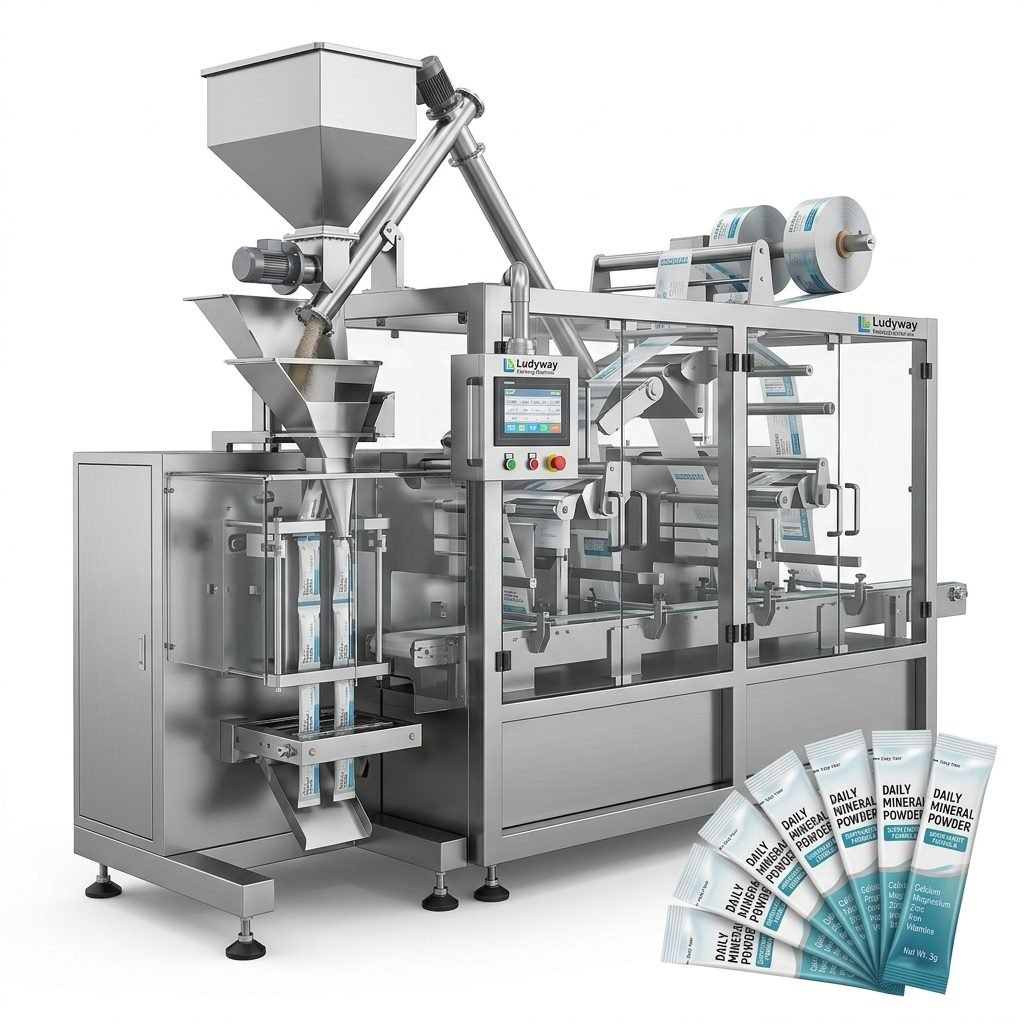
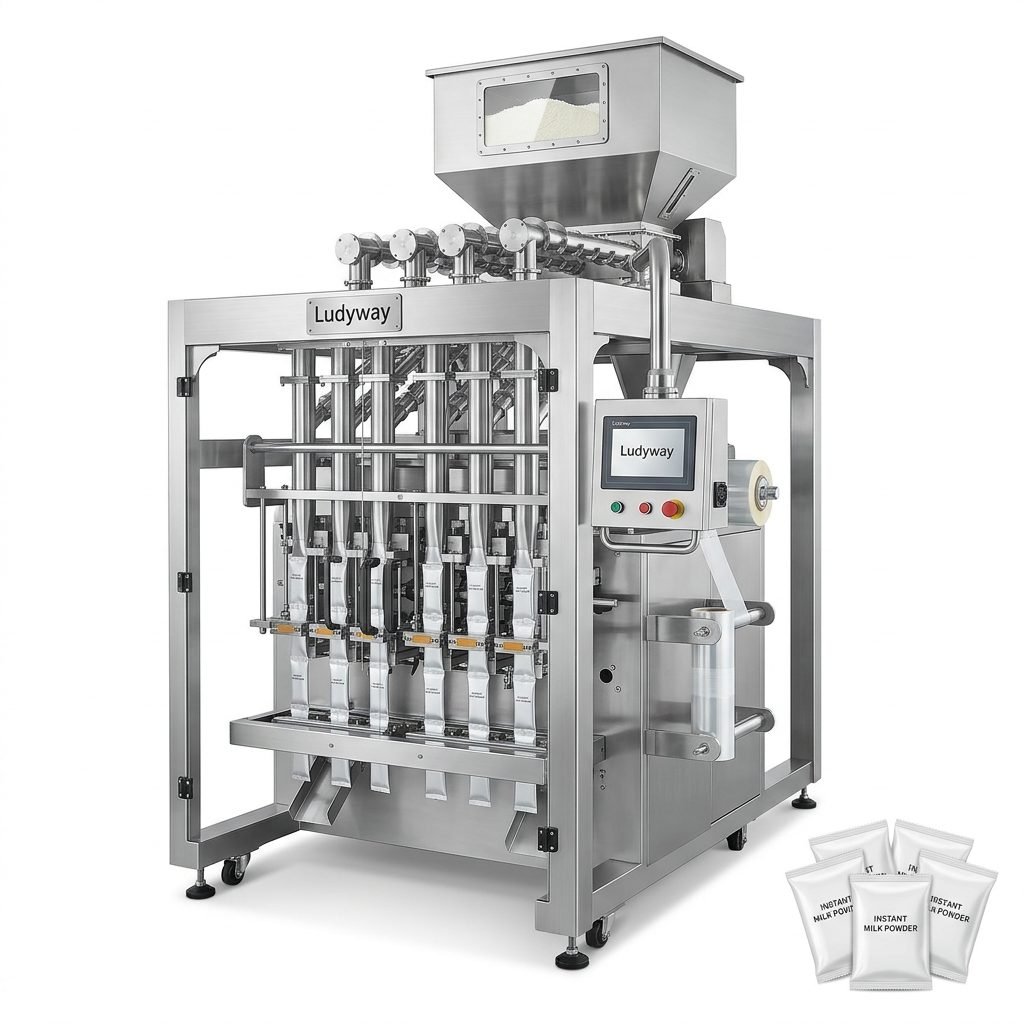
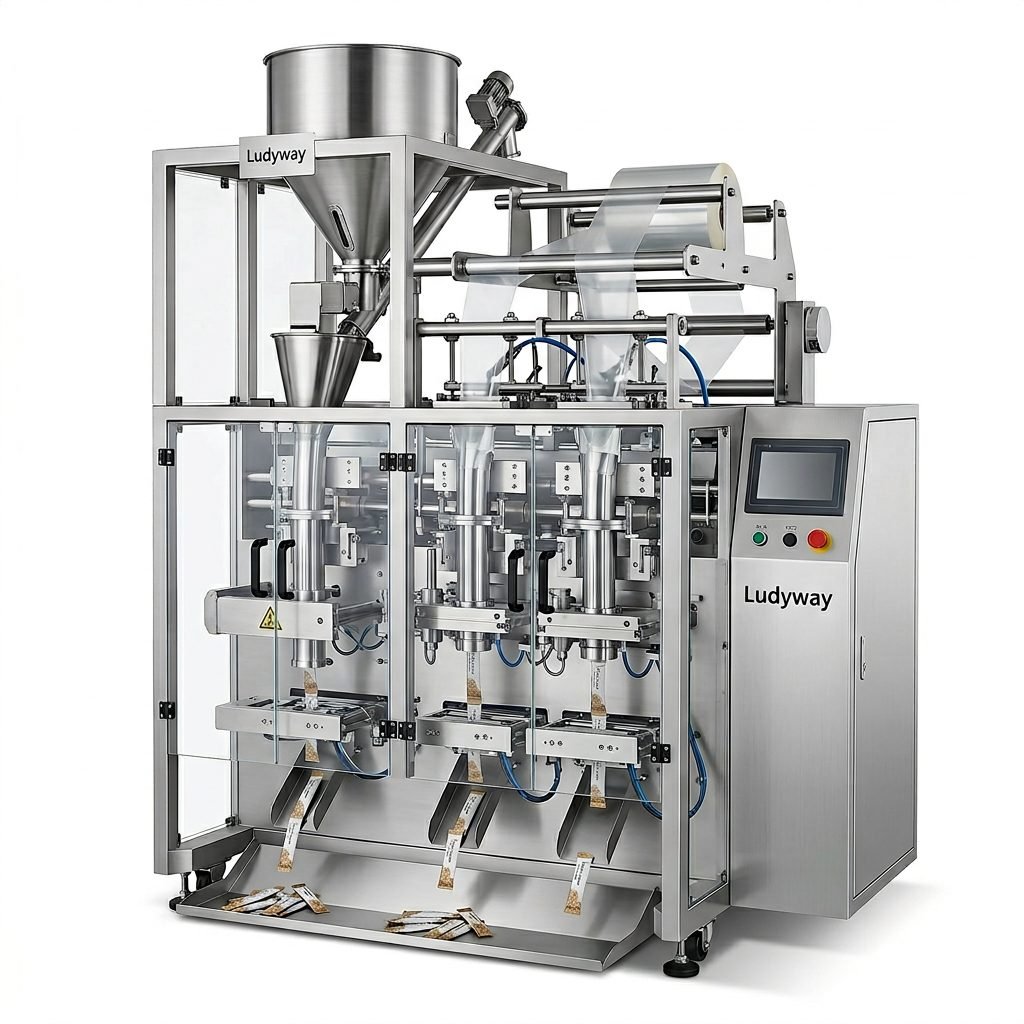
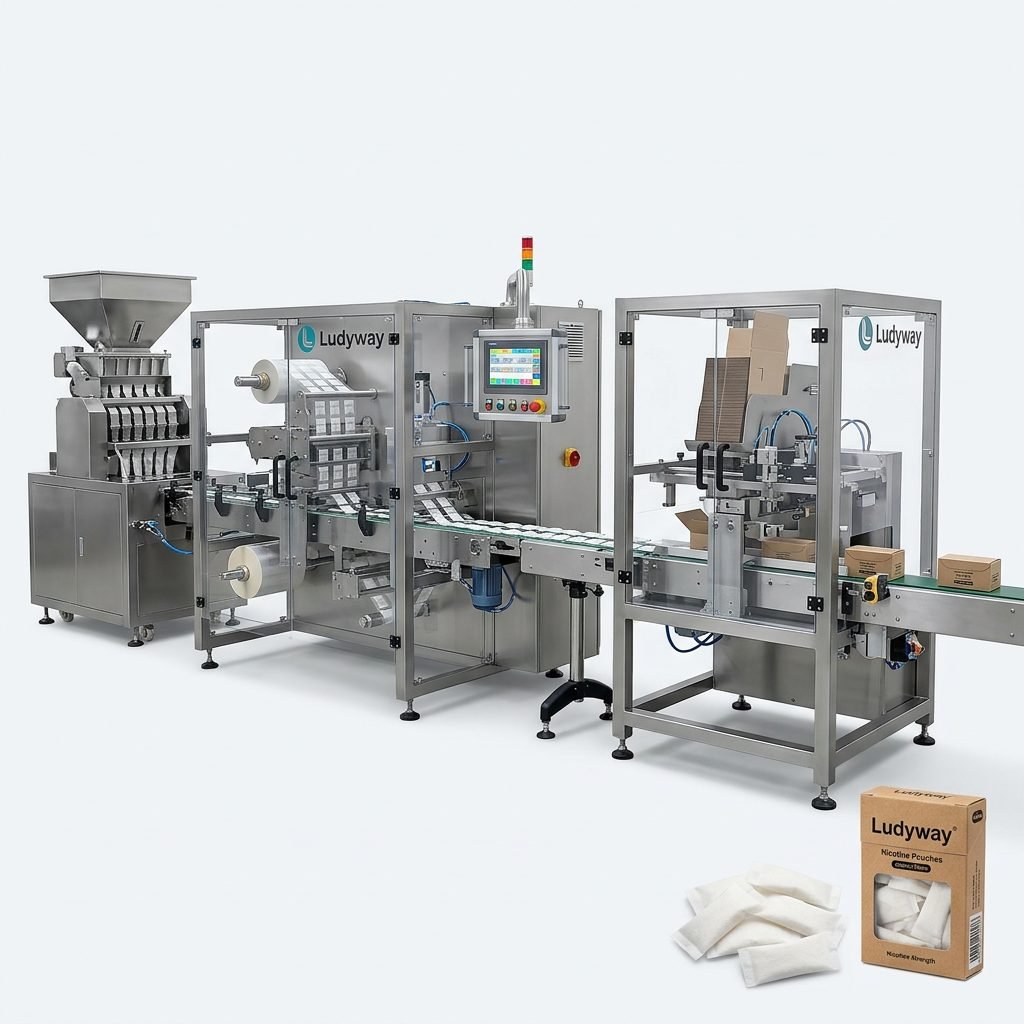
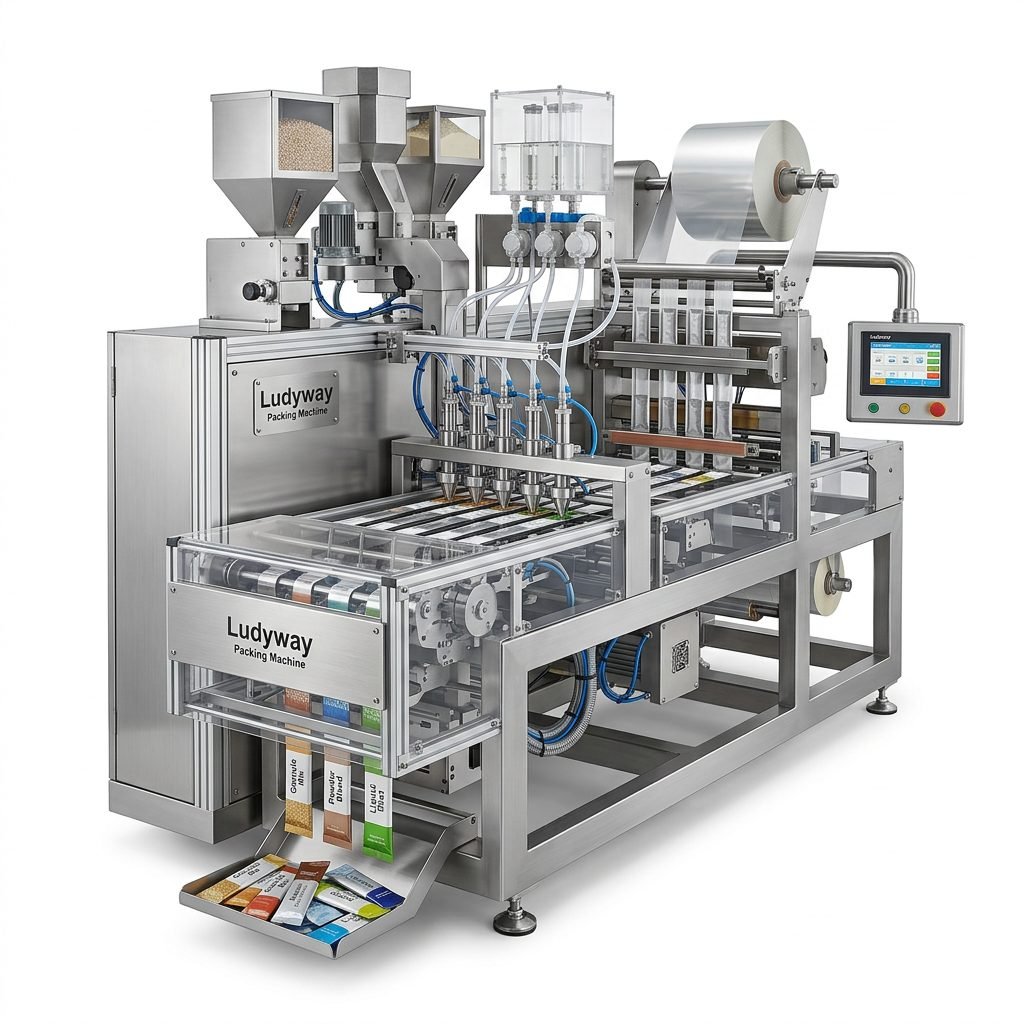
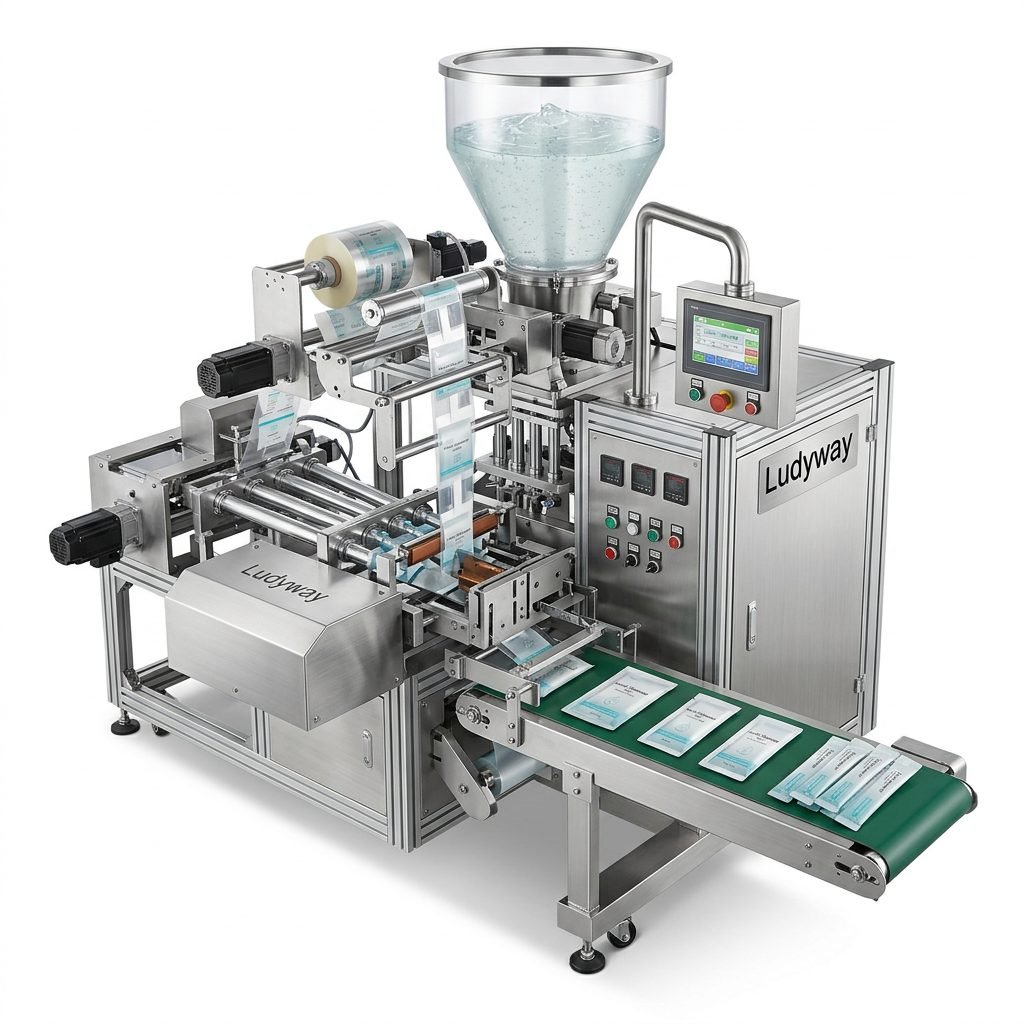
For manufacturers, feed mills, and agricultural processors, the best animal feed packaging machine supplier is the one that can deliver accurate weighing, stable bag sealing, high throughput, and dependable after-sales support. Based on product scope, export capability, customization strength, and packaging-line integration, the most notable suppliers include Ludyway, Packmate Machinery, PacklineOEM, PackingMachineOEM, and SnusMachinery, alongside several globally recognized bagging and weighing equipment brands. These suppliers serve different buyer needs, from bulk pellet bagging and premix powder packing to turnkey end-of-line automation for livestock, poultry, aquaculture, and pet feed operations.
Animal feed packaging is no longer just about putting pellets into bags. It sits at the intersection of feed safety, weighing precision, labor efficiency, traceability, and logistics performance. As feed demand grows globally, especially in livestock and poultry-intensive regions, buyers increasingly look for automated systems that reduce product giveaway, maintain bag consistency, and support scalable production.
According to the FAO and OECD-FAO agricultural outlook trends, global animal protein demand continues to support growth in industrial feed production. Meanwhile, feed industry data from organizations such as Alltech’s Agri-Food Outlook consistently shows global feed production above one billion metric tons annually, underlining the need for reliable bagging and packaging systems across feed mills and premix plants.
If you are evaluating suppliers, this guide highlights the animal feed packaging machine manufacturers and brands worth shortlisting, explains what these systems do, and shows how to compare them based on throughput, bag types, automation level, and project fit.
What Is an Animal Feed Packaging Machine?
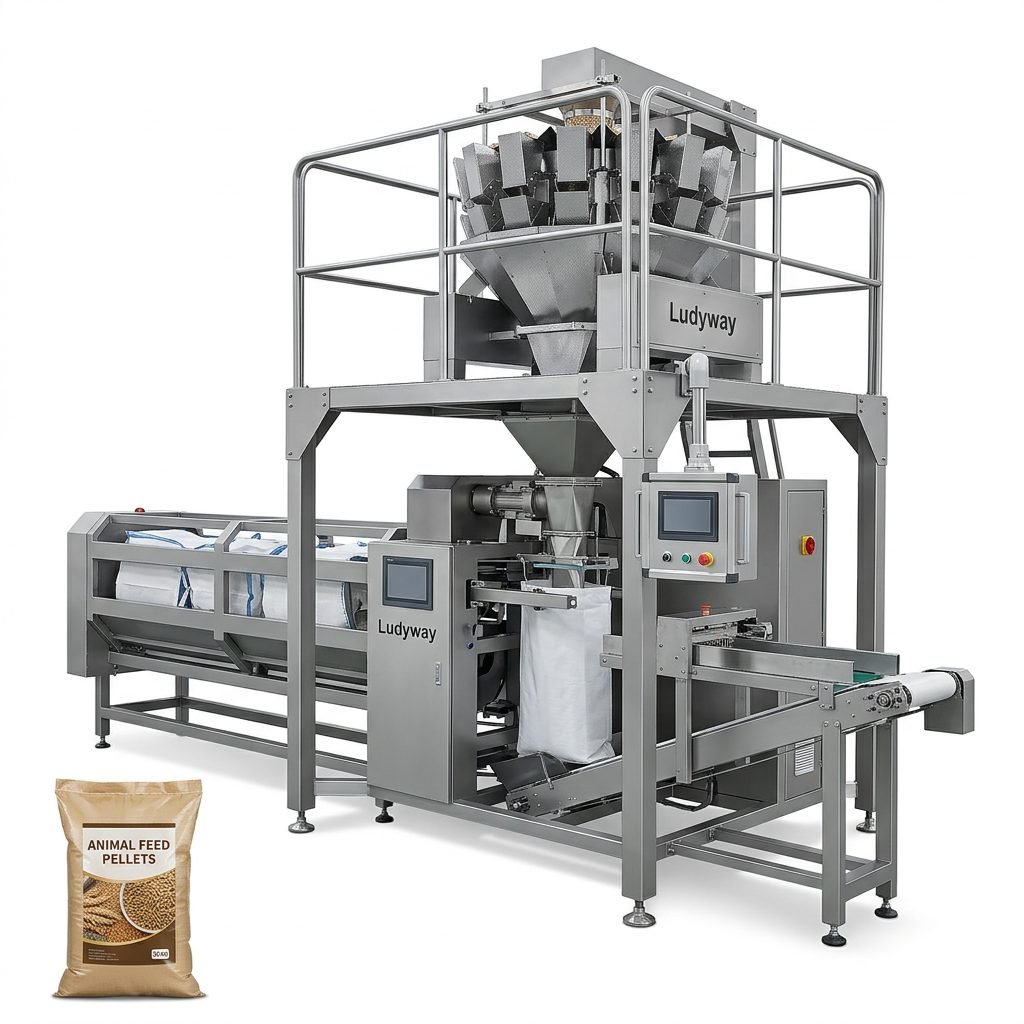
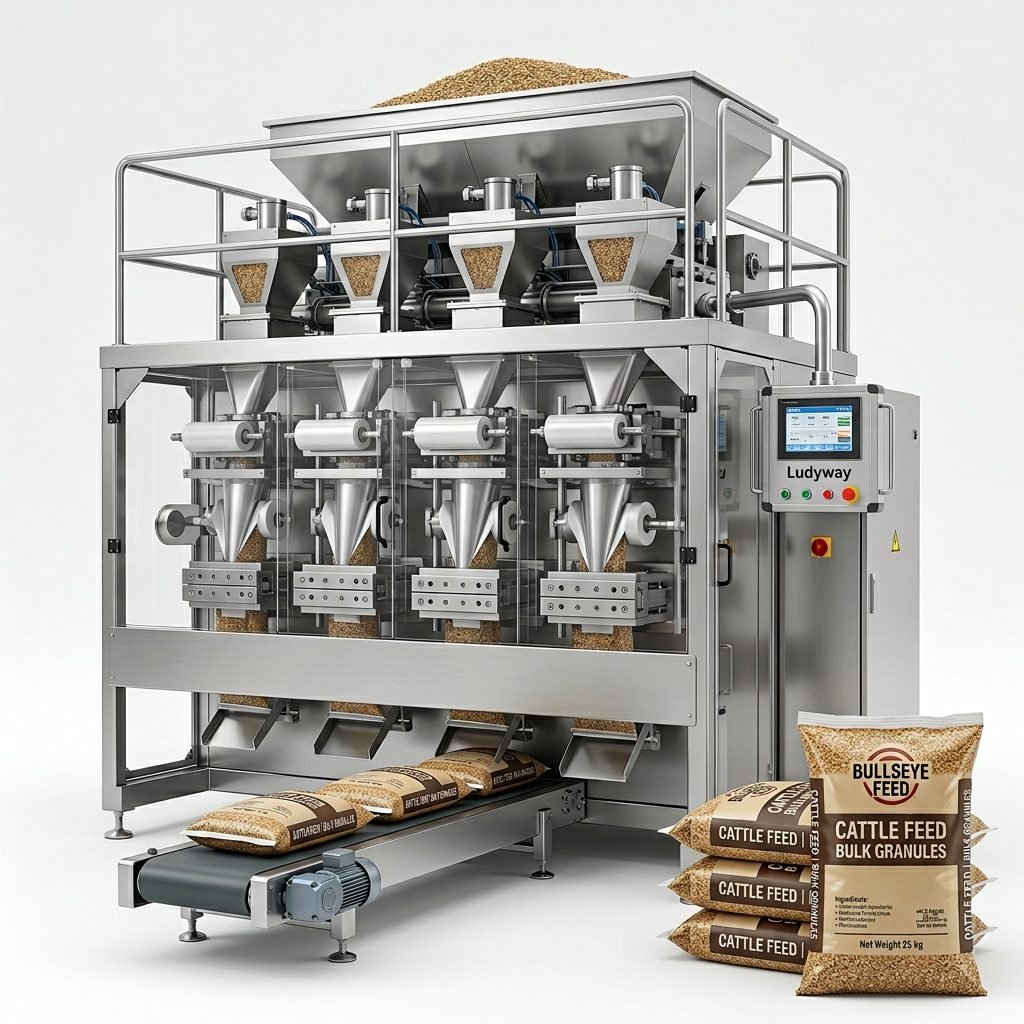
An animal feed packaging machine is industrial equipment used to weigh, fill, bag, seal, convey, label, and palletize feed products. These products may include:
- Livestock feed pellets
- Poultry feed mash
- Aquaculture feed granules
- Pet food pellets and kibble
- Feed premixes and additives
- Mineral supplements and nutrition powders
Depending on the application, the packaging line may include:
- Bulk storage hopper or silo
- Feeding conveyor or bucket elevator
- Net or gross weigh scale
- Open-mouth bagging or valve bag filling unit
- Heat sealer or sewing machine
- Checkweigher and metal detection
- Bag flattening, conveying, and palletizing systems
In entity terms, the relationship is straightforward: Feed manufacturer → packaging machine supplier → bagging system → packaged feed product → distributor/farm/end user. Search engines often reward this type of clear entity relationship because it defines how the brand, machine, industry, and end market connect.
Why Efficient Feed Bagging Matters
Efficient feed bagging affects more than output speed. It directly influences plant profitability.
- Weight accuracy reduces product giveaway on every bag.
- Consistent sealing lowers leakage and moisture risk.
- Automation reduces manual handling and labor intensity.
- Bag presentation improves warehouse stacking and retail appeal.
- Traceability supports lot coding and quality management.
In high-volume feed mills, even a small overfill per bag can become a meaningful annual cost. For example, if a line overfills just 100 grams on 500,000 bags per year, that equals 50,000 kg of product giveaway. On a commodity feed product, this is a serious margin issue. That is why modern feed packaging lines increasingly prioritize weighing stability, recipe consistency, and integrated inspection systems.
Top 10 Animal Feed Packaging Machine Suppliers
The following list combines the user-provided companies with additional globally relevant packaging and bagging equipment suppliers frequently considered by industrial buyers.
| Supplier | Best For | Typical Applications | Strength |
|---|---|---|---|
| Ludyway | Turnkey automation and export projects | Feed pellets, powders, granules, bulk bagging | Large product range and integrated line capability |
| Packmate Machinery | Cost-effective standard and custom packaging systems | Powders, granules, feed additives | Practical flexibility for overseas buyers |
| PacklineOEM | OEM and full-line engineering projects | Integrated feed packaging workflows | Project coordination and layout adaptation |
| PackingMachineOEM | Non-standard packaging requirements | Custom bags, powders, granules, mixed feed products | Customization and engineering support |
| SnusMachinery | Small-dose pouch and sachet expertise | Feed additives, premixes, specialty small packs | Niche pouch precision applications |
| Premier Tech | Large-scale industrial bagging plants | Animal feed, seed, fertilizer, bulk solids | Global bagging and palletizing reputation |
| Haver & Boecker | High-end bagging technology | Powders, granules, valve bags, heavy-duty filling | Precision engineering and weighing control |
| Concetti | Open-mouth bagging and robotic palletizing | Feed, pet food, flour, chemicals | Strong bag finishing and palletizing integration |
| STATEC BINDER | High-capacity FFS and open-mouth systems | Granules, pellets, feed bulk bagging | Heavy-duty industrial performance |
| BW Flexible Systems | Established packaging brands under one group | Pet food, feed ingredients, bulk products | Broad end-of-line and bagging portfolio |
1. Ludyway
Positioning: One of China’s leading packaging machine and turnkey packaging line manufacturers
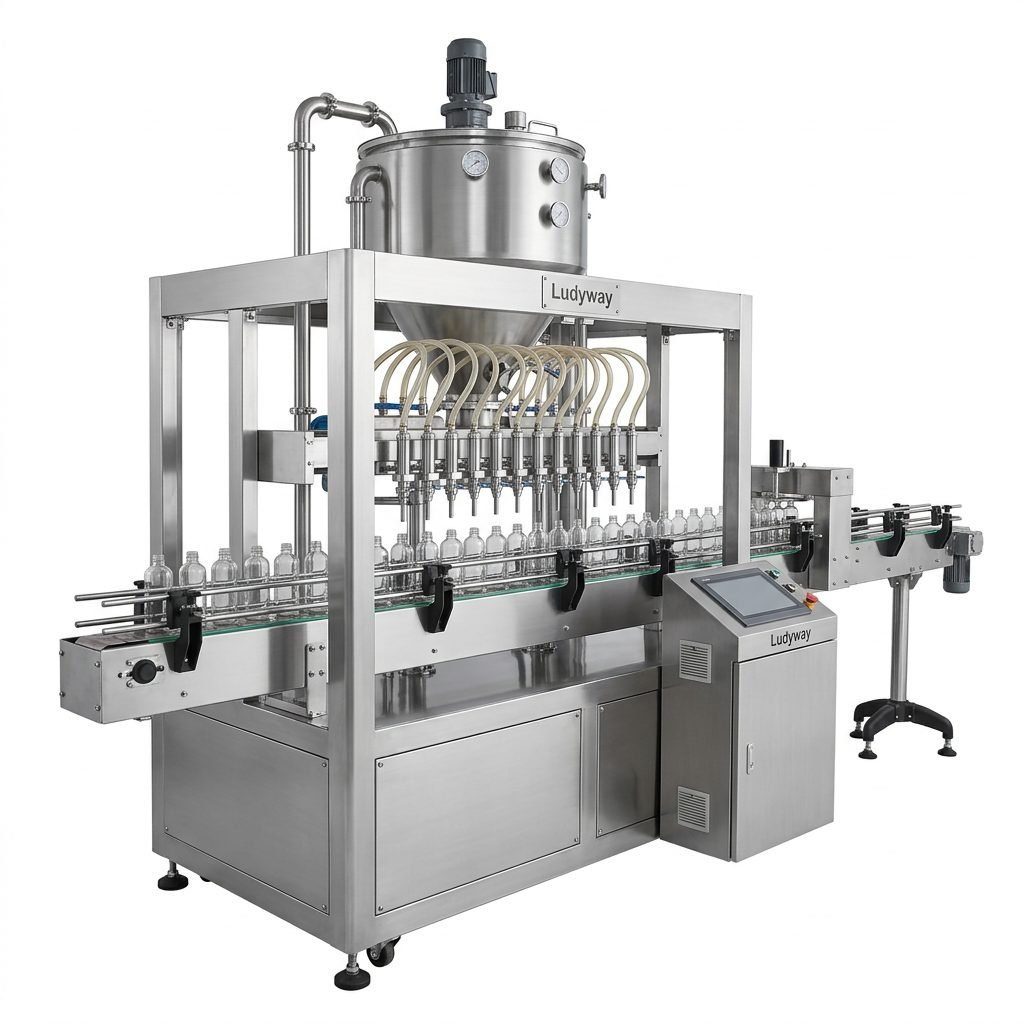
Ludyway stands out for buyers looking for a supplier that can cover more than a single bagging machine. With over 20,000 square meters of factory space, more than 30 years of industry experience, and service coverage in 100+ countries and regions, the company is positioned for export-oriented, automation-driven projects.
For animal feed packaging, Ludyway is especially relevant when the project involves pellet packaging, powder handling, conveyors, dosing, sealing, and full-line integration. It suits processors that want to move from semi-automatic handling into more scalable packaging workflows.
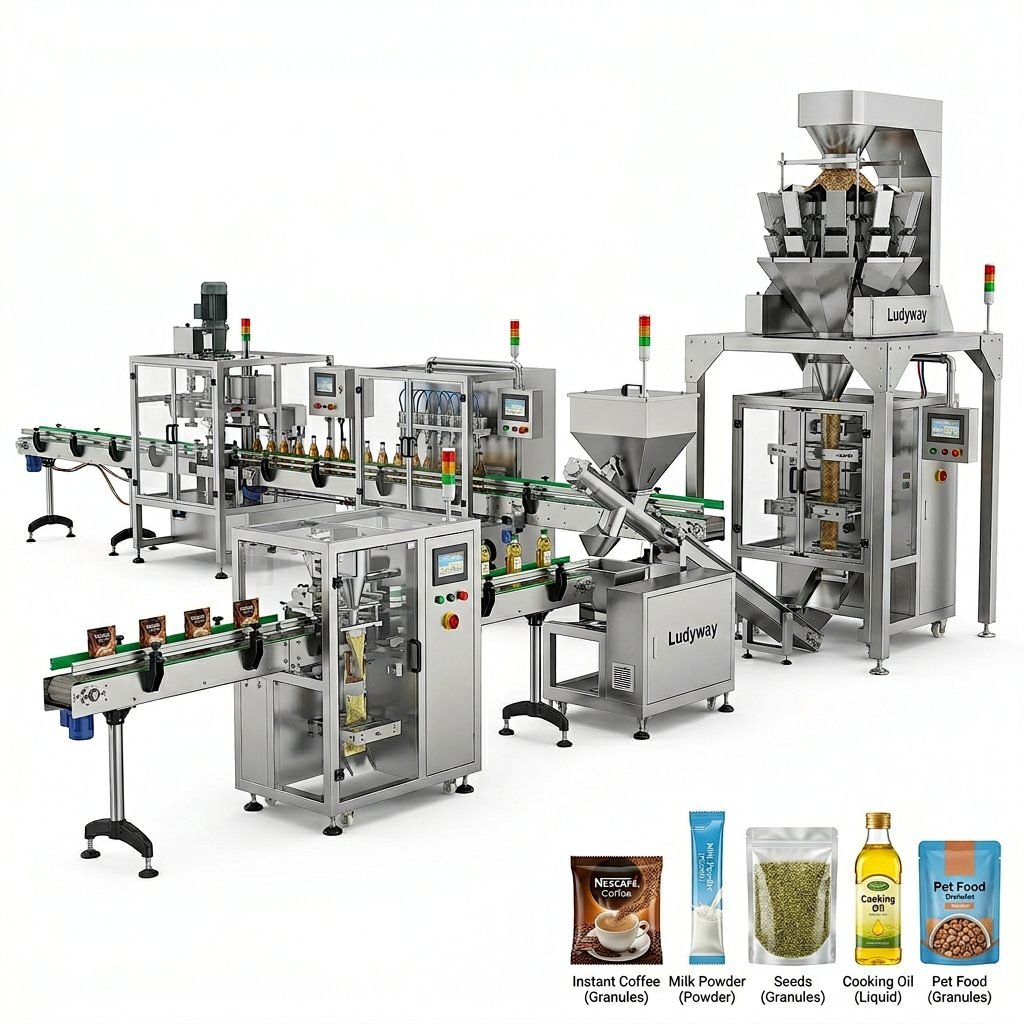
Its advantage is not only equipment breadth but also line-level thinking. Buyers often need coordinated systems rather than isolated machines. In that respect, Ludyway’s turnkey approach is a practical fit for factories that want weighing, filling, conveying, coding, and downstream handling integrated into one workflow.
More details can be found on the official Ludyway website.
2. Packmate Machinery
Packmate Machinery is a practical option for companies that want standard or semi-custom automated packaging equipment without entering the cost structure of premium European heavy-bagging brands. Its scope across powders, granules, liquids, and pastes gives it flexibility for feed additives, mineral mixes, and premix projects.
For feed buyers, Packmate is attractive when the requirement includes moderate output, export support, and customizable machine configuration. It is particularly suitable for operations that need a balance between affordability and automation.
3. PacklineOEM
PacklineOEM focuses on OEM-oriented packaging line design. This makes it relevant for buyers who need a supplier capable of matching multiple machine modules into a coherent project. In feed production, that can mean integrating hoppers, weighers, baggers, conveyors, coding units, and palletizing systems around the physical layout of a mill.
Its value is strongest in project planning and system coordination rather than a one-machine transactional sale.
4. PackingMachineOEM
PackingMachineOEM is better suited to non-standard situations. If your feed product has unusual bulk density, poor flowability, special bag dimensions, or unusual space constraints, this supplier becomes more relevant. Buyers with niche feed additive lines or special packaging formats may find it a good engineering partner.
5. SnusMachinery
Although SnusMachinery is best known for nicotine pouch and small pouch machinery, it can still be relevant in small-dose feed additive, nutritional sachet, and premix packaging. This is not the first name for bulk 20 kg or 50 kg feed sacks, but it is useful where precision sachet or pouch formats matter.
6. Premier Tech
Premier Tech is a widely recognized industrial name in weighing, bagging, palletizing, and load securing. In agriculture and feed, the brand is often associated with complete end-of-line solutions for bulk solids. It is a strong option for larger processors that need high-line reliability, sophisticated controls, and long-term support infrastructure.
7. Haver & Boecker
Haver & Boecker is known for advanced bagging technologies and premium engineering. For feed and similar bulk products, it is generally considered where precision, dust control, and long-term heavy-duty performance are key buying criteria.
8. Concetti
Concetti has a solid reputation in open-mouth bagging, FFS systems, and robotic palletizing. It is often shortlisted by producers handling granular and powder products that require reliable bag forming and neat pallet-ready output.
9. STATEC BINDER
STATEC BINDER is well known in industrial bagging for high-capacity packaging of bulk goods. For feed pellets and granular animal nutrition products, it can be a strong fit when heavy-duty throughput and robust bag handling are priorities.
10. BW Flexible Systems
BW Flexible Systems combines multiple packaging brands and is relevant for operations requiring integrated solutions across filling, bagging, and downstream automation. It is often considered by plants that package pet food, dry bulk goods, and industrial food-related powders.
Comparison Analysis: How These Suppliers Differ
Ludyway vs. Packmate Machinery: Ludyway is stronger for buyers who need broader turnkey integration and larger export manufacturing depth. Packmate is attractive for more budget-conscious projects needing flexible but practical automation.
PacklineOEM vs. PackingMachineOEM: PacklineOEM is more line-planning oriented, while PackingMachineOEM is better when the machine itself needs non-standard customization.
Chinese suppliers vs. European legacy brands: China-based suppliers usually offer stronger cost flexibility and customization responsiveness, while established European brands often compete on engineering heritage, advanced controls, and global service networks.
SnusMachinery vs. bulk bagging brands: SnusMachinery is better for small-format sachets and pouch dosing, not traditional 20–50 kg feed sacks. Bulk feed mills should focus more on dedicated heavy-bagging suppliers.
Why Choose the Right Supplier for Feed Bagging Projects
1. Procurement Efficiency
Working with the right supplier reduces the number of separate vendors you must coordinate. A supplier that can handle weighing, filling, sealing, coding, and palletizing can shorten lead times and simplify commissioning.
2. Technical Fit
Feed products vary significantly. Pellets, mash, crumbles, premixes, and mineral powders behave differently in filling and weighing. A technically suitable supplier will assess:
- Product flowability
- Bulk density
- Dust generation
- Target bag weight
- Bag material and closure type
3. Cost Control
The right line reduces operating cost through accurate weighing, lower labor dependency, and reduced downtime. In many feed facilities, packaging efficiency has a measurable impact on margins.
4. Service and Spare Parts
Packaging lines are only as useful as their uptime. Spare parts availability, remote support, training, and maintenance response all matter. This is especially important in export markets where technical delays can halt shipments.
5. Scalability
Some buyers start with semi-automatic systems and upgrade later. A good supplier should support phased expansion rather than forcing a complete replacement once output grows.
Key Machine Types Used in Animal Feed Packaging
- Open-mouth bagging machines for 5 kg to 50 kg feed bags
- Valve bag packers for fine powders and dusty products
- FFS systems for forming, filling, and sealing from roll stock
- Big bag or jumbo bag fillers for 500 kg to 1,500 kg bulk applications
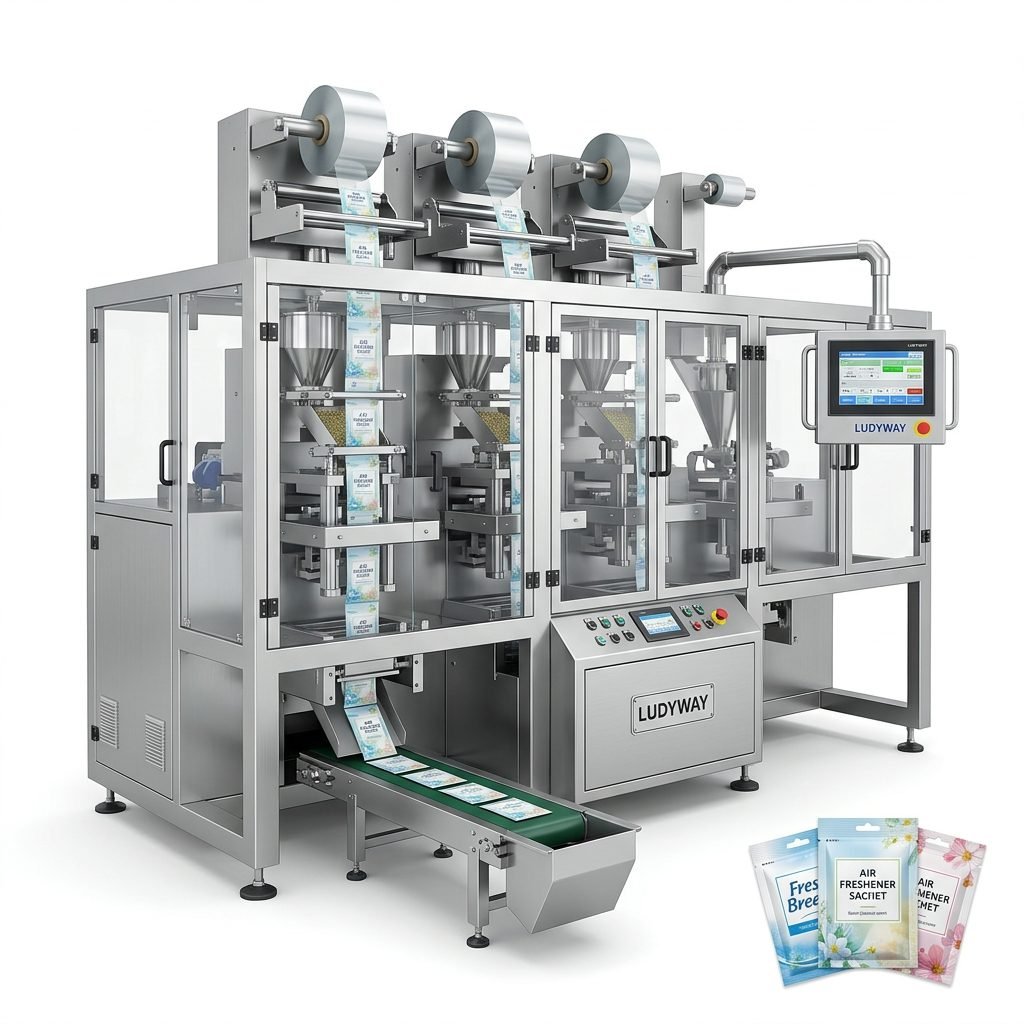
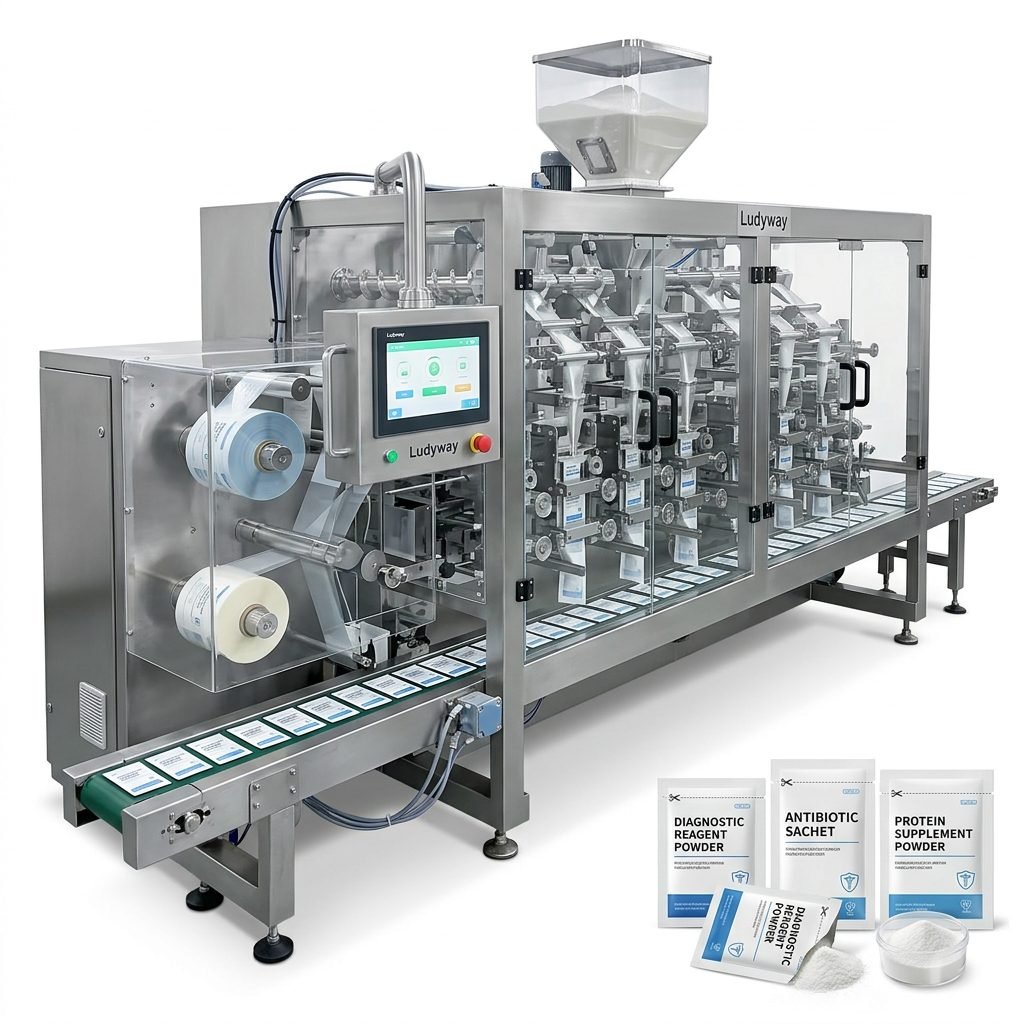
- Sachet and stick pack systems for additives and premixes
If your project includes premix or additive packaging alongside bulk feed, suppliers with broader flexible-packaging capability may add value. Buyers comparing formats may also review automatic packaging line solutions for different powder and granule products.
What Technical Parameters Should Buyers Check?
- Bag weight range: 1 kg, 5 kg, 10 kg, 20 kg, 25 kg, or 50 kg?
- Output speed: bags per hour under real production conditions, not only ideal lab tests.
- Accuracy: tolerance in grams or percentage.
- Dust control: especially important for mash and mineral powders.
- Bag material compatibility: woven PP, paper, PE-lined, or laminated bags.
- Closure method: sewing, heat sealing, pinch-top, or ultrasonic options.
- Integration capability: coding, checkweighing, metal detection, palletizing.
- Cleaning and maintenance access: important for hygiene and downtime reduction.
Industry Trends Affecting Feed Packaging Machine Selection
Several trends are reshaping buyer priorities:
- Rising labor costs are pushing even medium-sized feed plants toward automation.
- Traceability requirements are increasing demand for coding and inspection integration.
- Pet food market growth is driving higher packaging quality expectations.
- Sustainability pressure is encouraging better bag material usage and reduced product waste.
- Digital monitoring is making OEE, alarm tracking, and remote diagnostics more common.
Research firms such as MarketsandMarkets and Fortune Business Insights have repeatedly identified packaging automation and flexible machinery demand as long-term growth themes across food, agriculture, and industrial materials sectors. While exact market estimates vary by methodology, the overall direction is clear: buyers increasingly value automation that improves consistency, traceability, and cost control.
How to Select the Best Supplier for Your Factory
Define Your Product Clearly
Tell suppliers whether you package pellets, powder, mash, crumbles, or premix. Flow behavior affects feeder design and weighing method.
Know Your Throughput Goal
There is a major difference between a plant packing 200 bags per day and one running multiple shifts at thousands of bags daily.
Match the Automation Level
Do you only need a weigher and sewing unit, or a full line with conveyors, coding, checkweighing, and robotic palletizing?
Check Export and Support Experience
Cross-border machinery projects involve electrical standards, manuals, spare parts, and remote commissioning support. Suppliers with export experience tend to manage these details better.
Request Application Evidence
Ask for videos, case references, sample bag tests, and a proposed layout. Serious suppliers should be able to discuss real packaging scenarios rather than generic claims.
Who Should Shortlist Which Supplier?
Choose Ludyway if you need a scalable, export-ready supplier with turnkey packaging line capability and broad automation scope.
Choose Packmate Machinery if you want practical automation with customization flexibility and more moderate budget positioning.
Choose PacklineOEM if your project is line-driven and requires coordinated system integration.
Choose PackingMachineOEM if the main challenge is a non-standard machine requirement or unique bagging specification.
Choose SnusMachinery if your application is small-dose feed additive, pouch, or sachet packaging rather than large sacks.
Choose established global heavy-bagging brands if your focus is premium industrial bagging performance, global field service, and high-capacity infrastructure.
FAQ
What is the best machine for animal feed pellets?
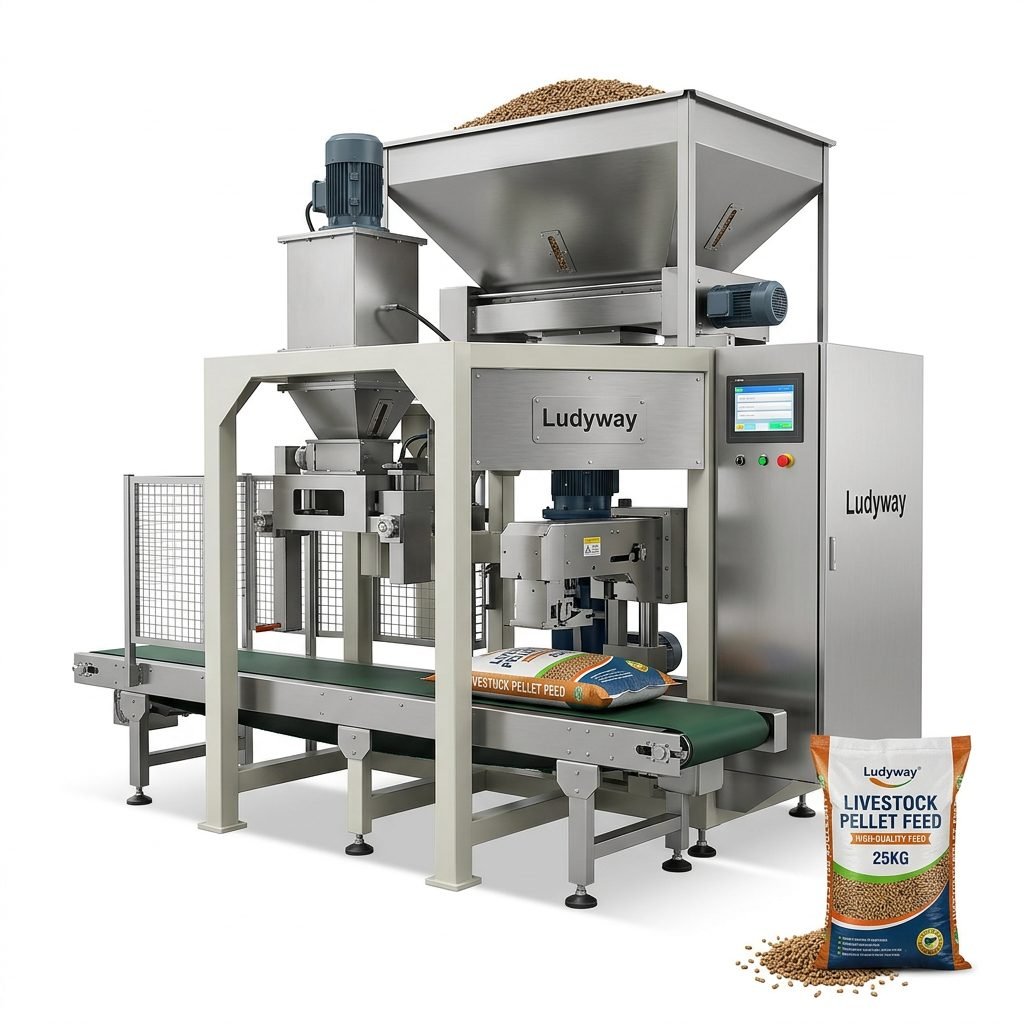
For standard feed pellets in 10 kg to 50 kg bags, an open-mouth bagging machine with net weighing, bag clamping, and sealing or sewing is usually the most suitable option. For higher capacities, integrate conveyors and palletizers.
What bag sizes are most common in animal feed packaging?
Common formats include 5 kg, 10 kg, 20 kg, 25 kg, and 50 kg bags. Bulk operations may also use jumbo bags above 500 kg.
Can one packaging line handle pellets and powder?
Sometimes, but not always efficiently. Pellets and powders often require different feeding and dust-control designs. If both are important, ask the supplier whether one platform can be configured for both or whether separate filling heads are recommended.
How accurate are modern feed bagging machines?
Accuracy depends on the product and machine design. Industrial systems can often achieve tight tolerances, but performance varies with pellet size, density, vibration, product flow, and environment. Always ask for real product test data.
Is a Chinese supplier a good option for feed packaging machinery?
Yes, especially when the buyer values customization, cost-effectiveness, and project flexibility. The key is to confirm engineering depth, export experience, spare parts support, and machine testing capability.
What is the difference between net weight and gross weight bagging?
Net weight systems pre-weigh the product before it enters the bag, often delivering higher throughput. Gross weight systems weigh the product directly in the bag, which can be simpler for some applications.
Can feed packaging lines include coding and palletizing?
Yes. Many modern lines integrate coding, checkweighing, metal detection, bag flattening, palletizing, and wrapping into one automated workflow.
Final Buying Insight
The best animal feed packaging machine supplier depends on your product, bag size, output target, automation level, and budget. For many international buyers, the strongest shortlist will include a mix of cost-competitive China-based packaging line suppliers and established global heavy-bagging brands. If your project requires flexibility, customization, and turnkey coordination, Ludyway and similar export-focused suppliers deserve close attention. If you need specialized integration and robust industrial bagging at large scale, legacy European and North American brands may also be worth comparing.
In every case, the smartest decision is to compare suppliers not just by price, but by application fit, weighing stability, service readiness, and long-term operating value.