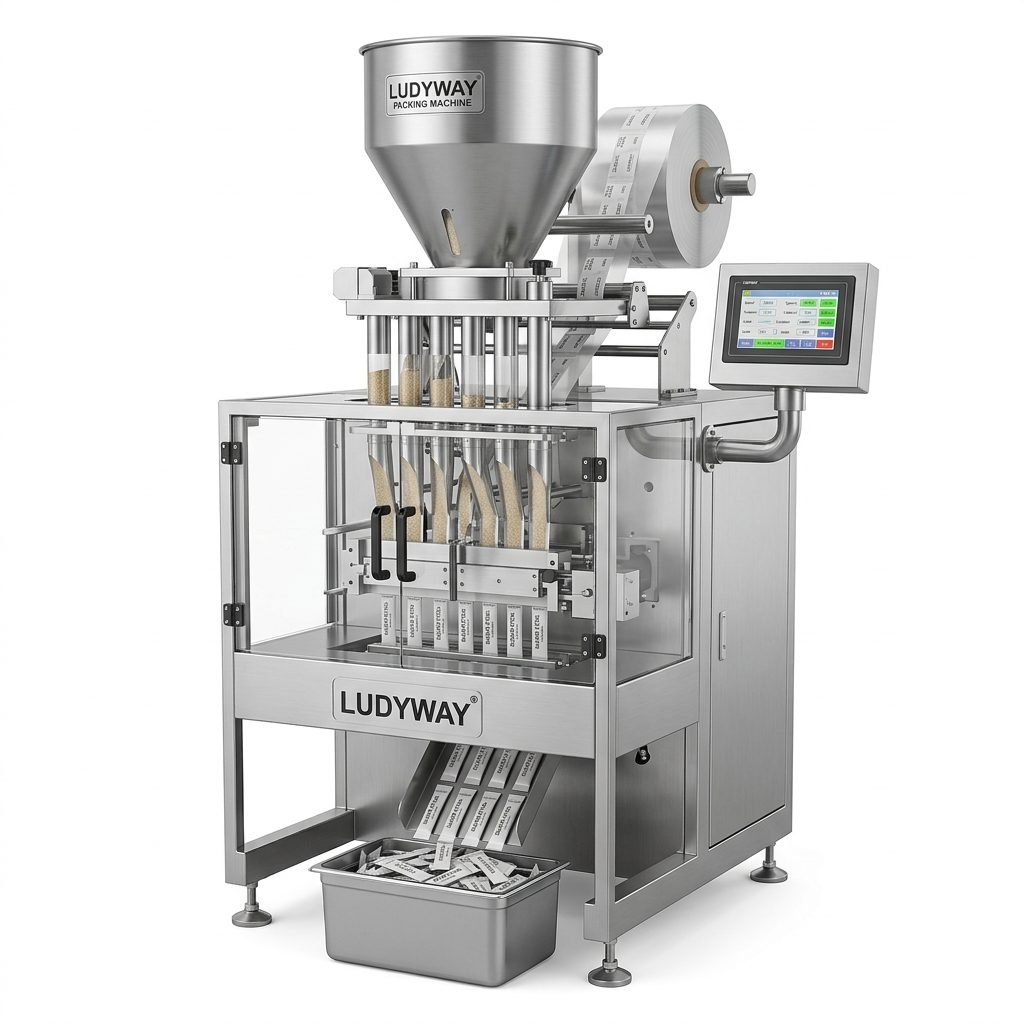
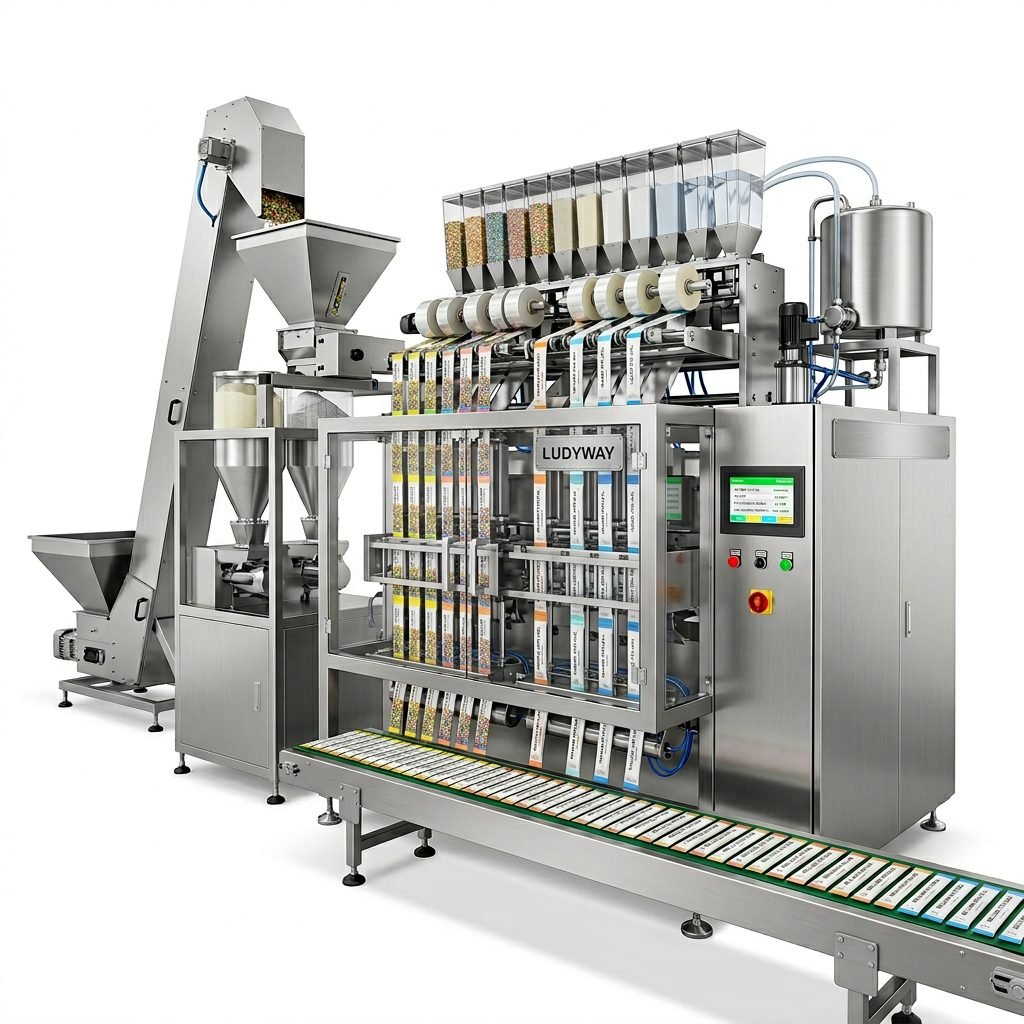
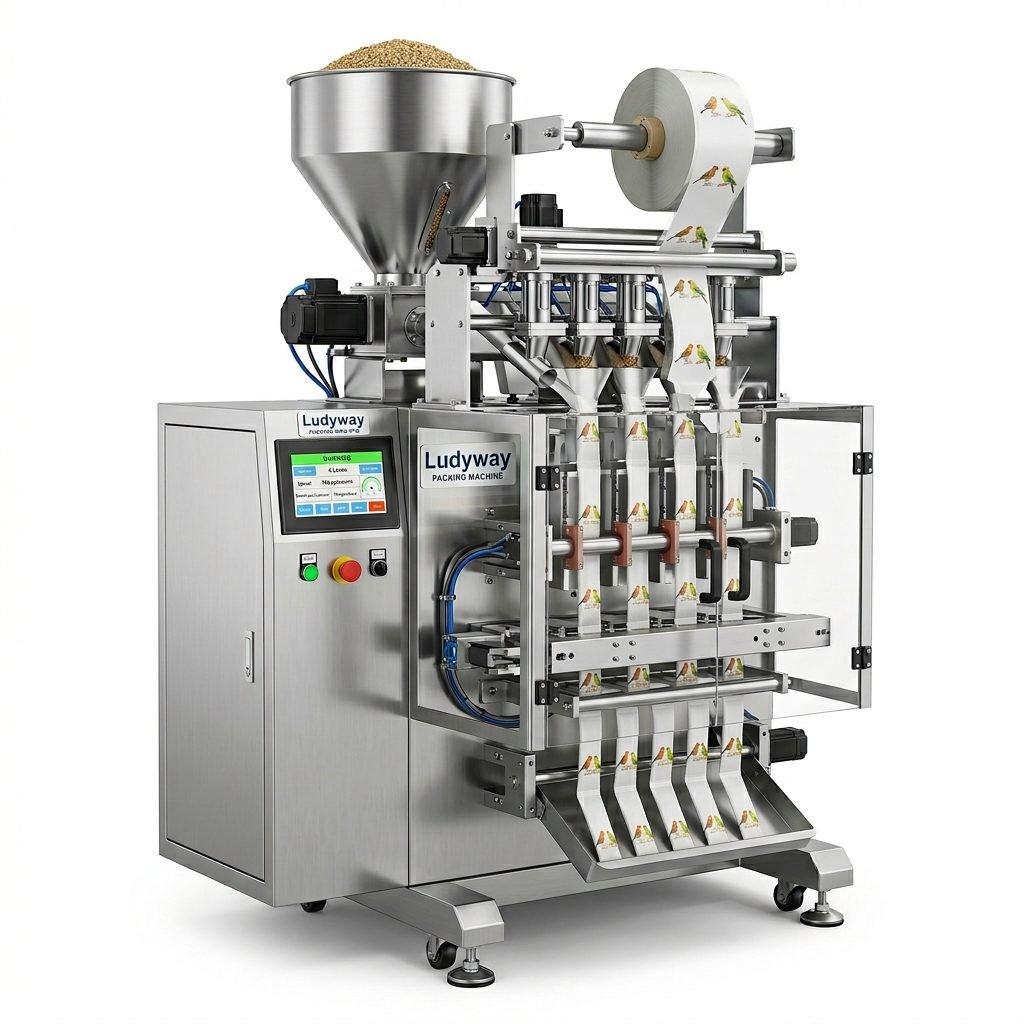
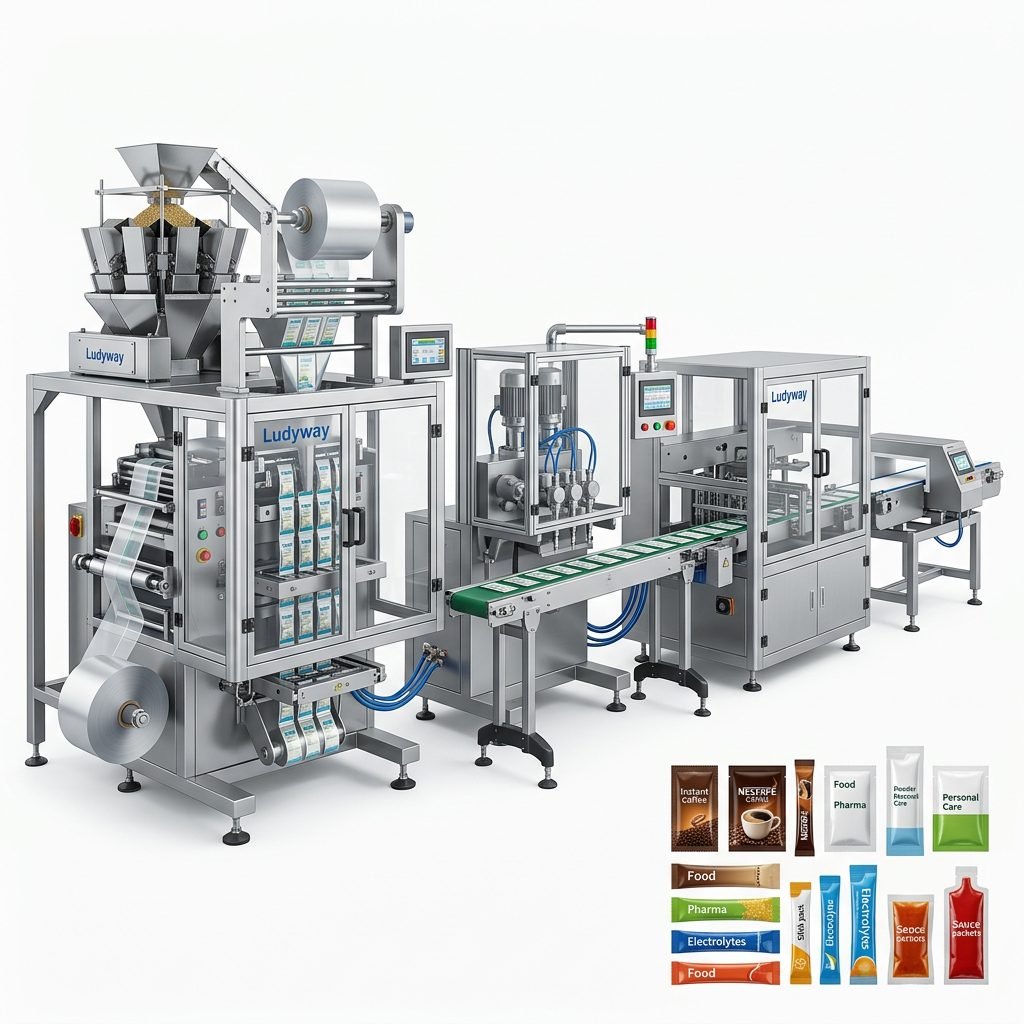
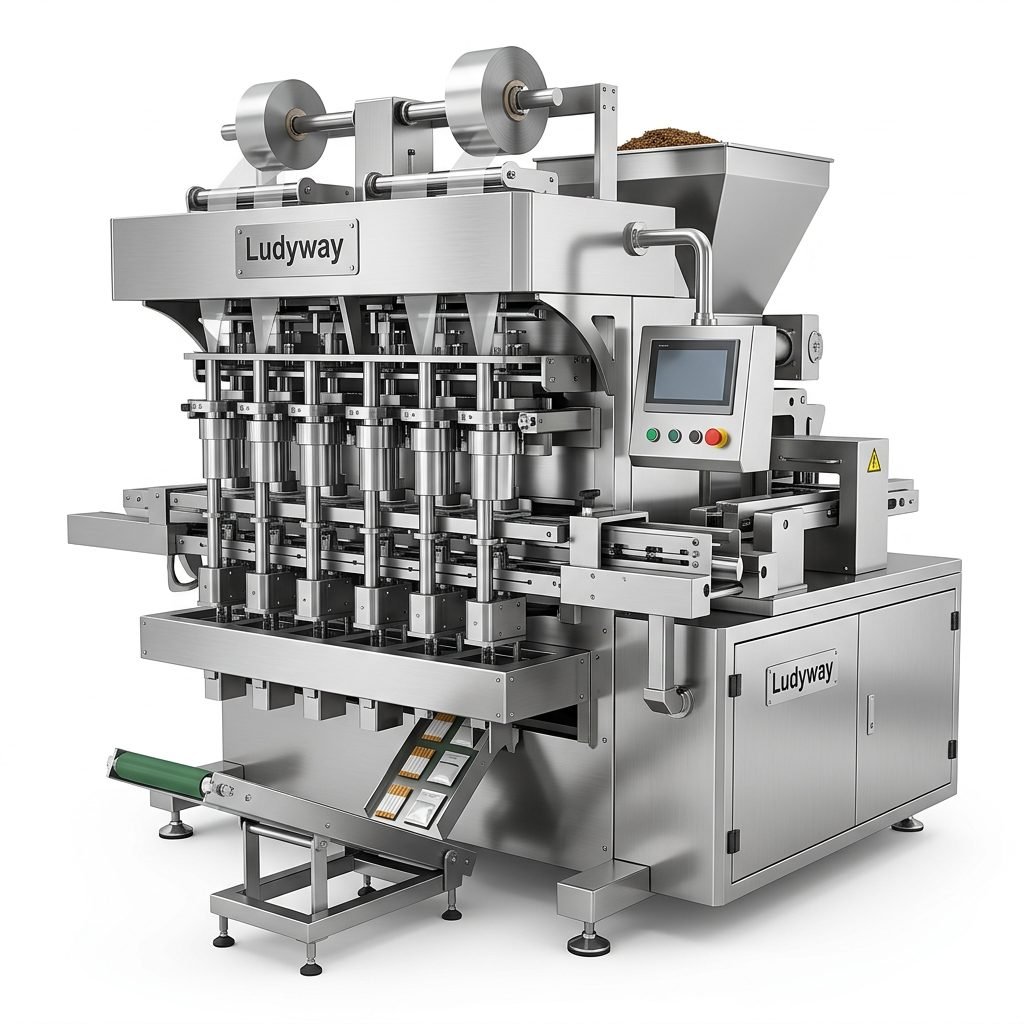
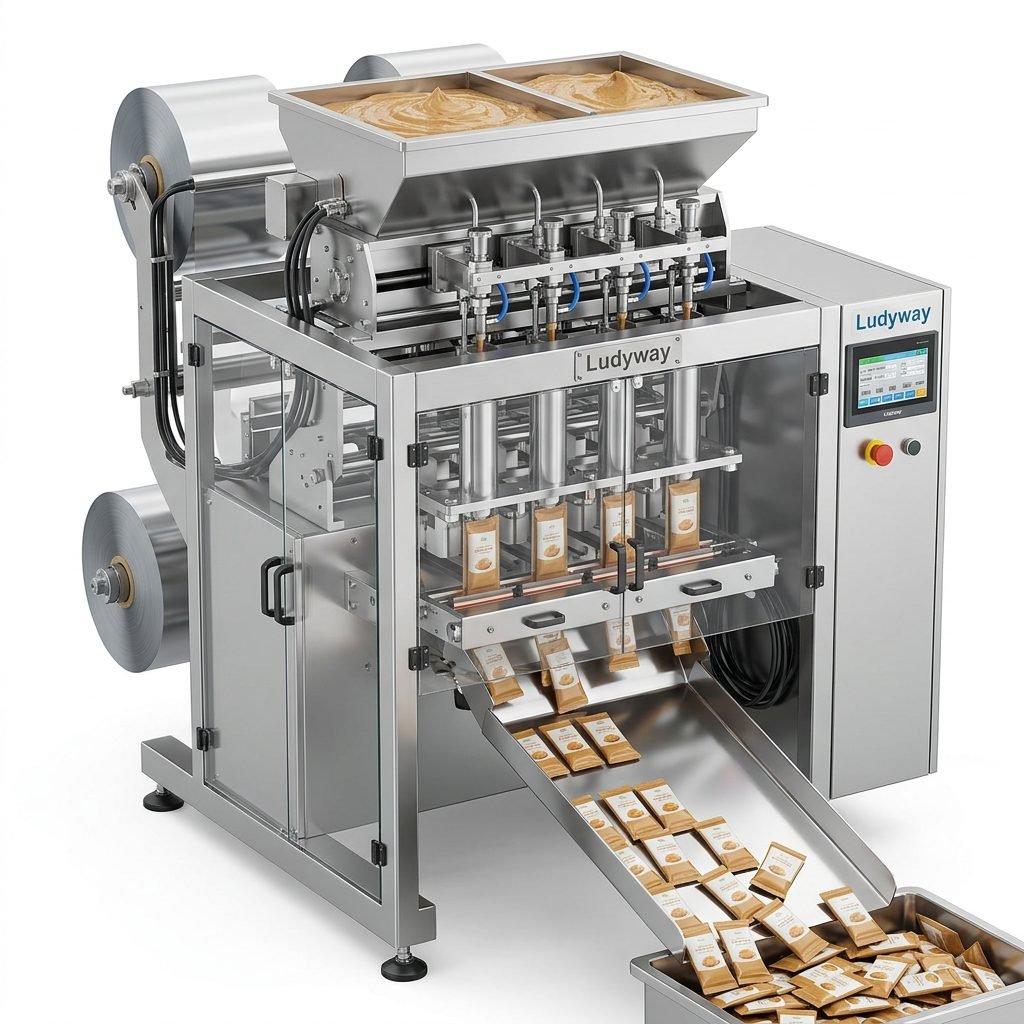
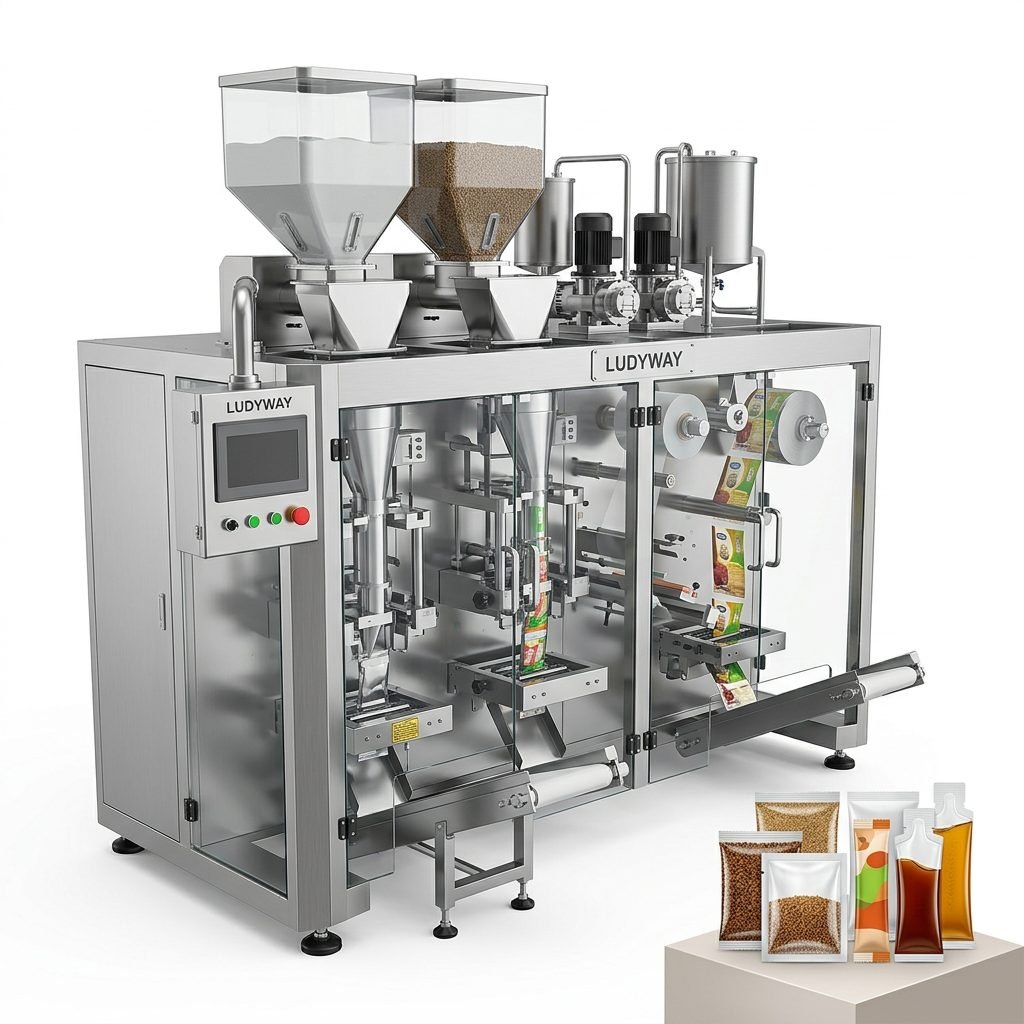
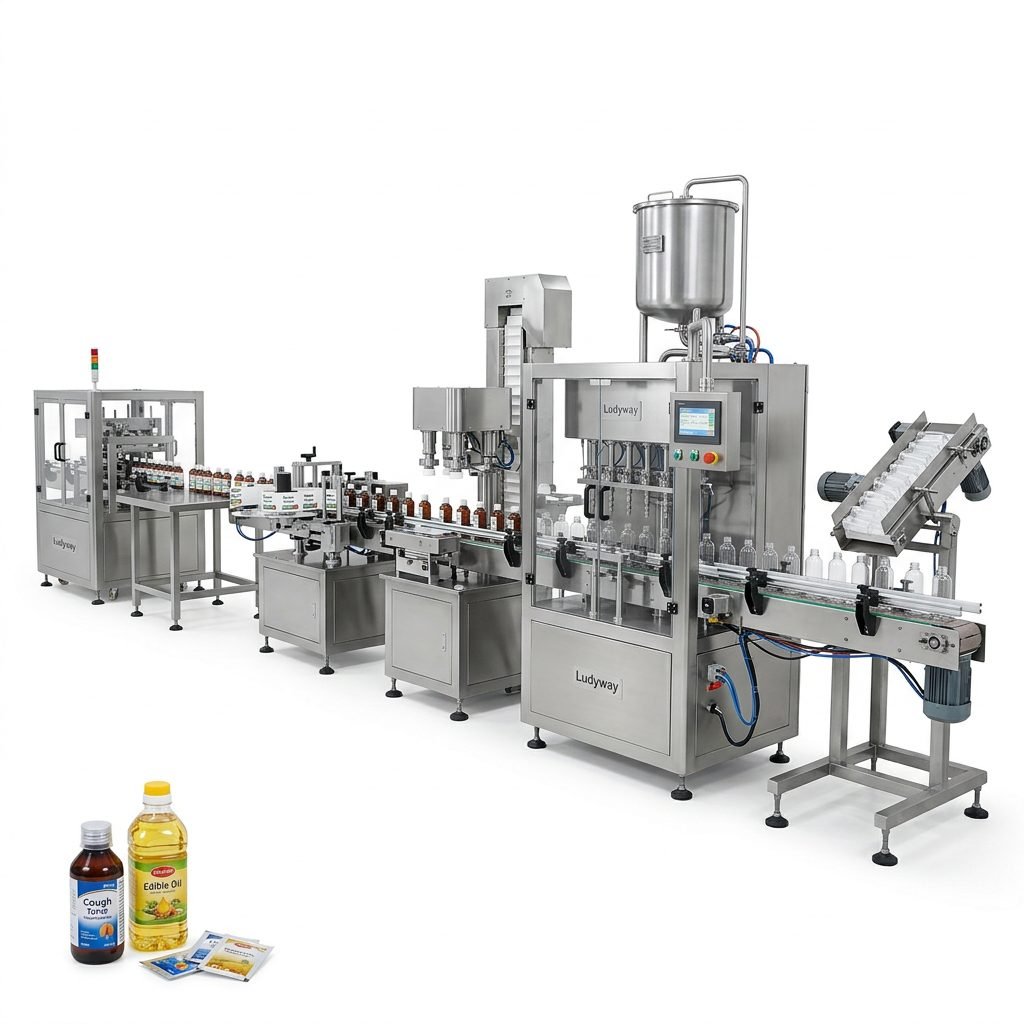
The cosmetics industry is experiencing a transformative phase, driven by evolving consumer preferences, technological advancements, and a heightened focus on sustainability. At the heart of this transformation lies the Cosmetics Packaging Machinery Market. This sector is no longer just about containment; it is a critical component of brand identity, product protection, supply chain efficiency, and consumer engagement. The machinery that fills, caps, labels, and assembles cosmetic products directly influences production speed, cost, waste, and ultimately, the consumer’s unboxing experience. As global beauty and personal care markets expand, the demand for sophisticated, flexible, and intelligent packaging machinery is surging, creating a dynamic landscape of size, growth, key technologies, and significant investment opportunities.
Market Size and Current Landscape
The global cosmetics packaging machinery market is substantial and on a steady growth trajectory. Valued at several billion dollars, it is propelled by the relentless growth of the cosmetics industry itself, including skincare, makeup, haircare, and fragrance segments. The rise of e-commerce has been a particular catalyst, demanding packaging that is not only attractive on retail shelves but also robust enough to survive shipping and create a memorable “Instagrammable” moment upon arrival. Furthermore, the proliferation of small-batch, indie brands and the trend towards personalized cosmetics require machinery that is agile and capable of handling short production runs efficiently. This shift from mass production to mass customization is reshaping equipment requirements and vendor strategies across the globe.
🔍 Key Driver: The explosion of the K-beauty (Korean beauty) and J-beauty (Japanese beauty) trends worldwide has uniquely influenced machinery needs. These markets emphasize intricate, multi-step skincare routines, which often involve delicate serums, essences, and emulsions packaged in small, precise doses. This drives demand for high-accuracy filling machines for viscous liquids and a strong preference for sleek, minimalist, and hygienic packaging formats like airless pumps and vacuum bottles, which require specialized assembly machinery.
Growth Trends Shaping the Future
Several powerful trends are dictating the direction of market growth, moving it beyond simple automation towards intelligent, responsible, and consumer-centric production.
Sustainability and Circular Economy
This is arguably the most dominant trend. Consumers and regulators are demanding eco-friendly packaging. Machinery must now handle a growing array of post-consumer recycled (PCR) materials, bio-based plastics, and even refillable packaging systems. This includes equipment designed for monomaterial packaging (easier to recycle) and machinery that minimizes material usage through precise dosing and optimized sealing. The ability to efficiently run sustainable materials without compromising line speed or package integrity is a key purchasing criterion for brands.
Digitalization and Industry 4.0
The integration of the Internet of Things (IoT), Artificial Intelligence (AI), and data analytics is revolutionizing production floors. Smart packaging machines offer real-time monitoring of OEE (Overall Equipment Effectiveness), predictive maintenance alerts to prevent downtime, and traceability features that track each product unit through the supply chain. This data-driven approach enables proactive quality control, reduces waste, and optimizes overall production efficiency.
Flexibility and Quick Changeover
With product lifecycles shortening and the need for limited editions, machinery flexibility is paramount. Equipment that allows for rapid changeovers between different package sizes, shapes, and materials with minimal manual intervention is highly sought after. This trend supports the growing demand for contract packaging and allows brands to respond swiftly to market trends.
Key Technologies Driving Innovation
The advancement of the market is underpinned by specific technological innovations that enhance capability, precision, and intelligence.
Robotics and Collaborative Robots (Cobots)
Robots are increasingly used for delicate tasks like placing components (e.g., droppers into bottles), secondary packaging (placing bottles into cartons), and palletizing. Cobots, which can work safely alongside human operators, are ideal for flexible, low-volume, or complex assembly tasks common in cosmetics.
Advanced Filling Technology
Precision is non-negotiable for high-value cosmetics. Technologies like peristaltic pump filling for shear-sensitive products, time-pressure filling for foams, and positive displacement for creams and pastes ensure accurate, clean, and consistent fills. For ultra-precise micro-dosing of active ingredients, inkjet or valve jet technology is being adopted.
Vision Inspection Systems
Integrated high-resolution cameras and AI-powered software perform 100% inline inspection. They check for fill levels, cap presence and alignment, label accuracy, and even micro-defects in the packaging itself, ensuring zero defect policies are met and protecting brand reputation.
Investment Opportunities and Strategic Considerations
The converging trends present lucrative opportunities for investors, machinery manufacturers, and cosmetic brands alike.
1. Investment in Smart Machinery Start-ups: Companies developing niche AI software for quality control, advanced robotics for atypical package shapes, or novel filling systems for new sustainable materials represent high-growth potential.
2. Retrofitting and Upgrading Existing Lines: A significant opportunity lies in upgrading legacy machinery with IoT sensors and digital interfaces to transform them into data-generating assets, extending their lifecycle and ROI.
3. Focus on Sustainable Packaging Solutions: Investing in or developing machinery specifically optimized for handling PCR content, paper-based composites, or modular refill systems aligns with a powerful long-term market shift. For instance, machinery that can efficiently assemble and fill the intricate, often ceramic or glass, refillable containers popular in high-end European markets is a specialized niche.
4. Emerging Markets Expansion: As disposable incomes rise in regions like Southeast Asia, the Middle East, and Latin America, local production is increasing. This creates demand for reliable, mid-range packaging machinery suitable for these growing markets, offering opportunities for companies with scalable solutions. Understanding local beauty rituals—such as the preference for certain textures or package types—is crucial for success.
For brands, the strategic investment is in flexible automation that allows for product diversification and in partnerships with machinery suppliers who understand the regulatory and aesthetic nuances of the global cosmetics industry. A partner like Ludyway Packaging Machinery, with deep experience in providing turnkey solutions for sensitive products, can be invaluable in navigating this complex landscape.
Conclusion
The Cosmetics Packaging Machinery Market is at an exciting inflection point, driven by the twin engines of digital innovation and environmental responsibility. Success in this space will belong to those who can provide not just faster machines, but smarter, more adaptable, and more sustainable integrated solutions. From the precise filling of a luxury serum to the robust packaging of a bestselling shampoo, the machinery is the unsung hero enabling brand growth, consumer satisfaction, and a more sustainable future for the beauty industry. As technologies like AI and robotics mature and sustainability mandates tighten, the market is poised for continued evolution and robust growth, offering clear pathways for strategic investment and development.
Frequently Asked Questions (FAQs)
What are the main types of cosmetics packaging machinery?
The main types include filling machines (for liquids, creams, powders), capping machines (for screw caps, snap caps, pumps), labeling machines, blister packaging machines, cartoning machines, and complete turnkey production lines that integrate multiple processes.
How is sustainability impacting cosmetics packaging machinery design?
Machinery is being designed to handle recycled and bio-based materials effectively, reduce material waste through precision engineering, support refillable package formats, and operate with greater energy efficiency. It’s a core driver of innovation in the sector.
Why is flexibility so important in modern packaging lines?
Flexibility allows brands to quickly switch between different products, package sizes, and materials to accommodate short runs, limited editions, and a diverse product portfolio, which is essential in today’s fast-paced market. Learn more about flexible sachet and stick pack solutions that cater to this need.
What role does data play in new packaging machinery?
Data from IoT-enabled machines enables real-time monitoring, predictive maintenance, detailed production analytics, and full traceability. This leads to higher efficiency, less downtime, better quality control, and more informed decision-making.
What should a cosmetics brand look for in a machinery supplier?
Brands should seek suppliers with proven experience in cosmetics, expertise in handling their specific product types (e.g., viscous creams, volatile alcohols), a focus on hygiene and precision, the ability to provide regulatory support, and a commitment to after-sales service and parts availability. Exploring a supplier’s industry experience and project capabilities is a critical first step.