In the fast-paced world of food production, efficiency and presentation are paramount. For burger producers, from large-scale manufacturers to gourmet patty artisans, the right packaging machine is not just a piece of equipment—it’s a critical component of brand identity, product safety, and operational efficiency. Choosing the ideal burger packaging machine involves navigating a landscape of different technologies, each suited to specific production volumes, patty types, and packaging materials.
Understanding the Core Types of Burger Packaging Machines
The market offers several primary machine types, each with distinct operational principles and ideal use cases.
1. Vacuum Packaging Machines
These are the workhorses for extending shelf life. By removing air from the package before sealing, they inhibit the growth of aerobic bacteria and prevent freezer burn. This is essential for fresh or frozen burger patties destined for retail or food service.
Key Feature: Vacuum pumps can be single-chamber (manual loading, ideal for lower volumes) or double-chamber (continuous operation, for higher output). The choice impacts both speed and initial investment.
2. Modified Atmosphere Packaging (MAP) Machines
MAP machines replace the air inside a package with a protective gas mixture, typically nitrogen and carbon dioxide. This technology preserves the fresh, red color of raw meat far longer than vacuum packing alone, making it the gold standard for premium fresh burger products in supermarket chillers.
3. Flow Wrap or Horizontal Form-Fill-Seal (HFFS) Machines
These machines create a package from a roll of film, forming it around one or multiple burger patties, then sealing the ends. They are incredibly fast and efficient for individually wrapping frozen patties or creating multipacks. The packaging is often a simple, cost-effective pillow pouch.
4. Tray Sealing Machines
Used for pre-formed plastic or pulp trays, these machines apply a lidding film—often with a MAP gas flush—to create a rigid, attractive retail-ready package. This method offers excellent product presentation and protection, ideal for higher-value burger lines.
Essential Features to Evaluate in Your Selection
Beyond the basic type, several features critically impact performance, flexibility, and total cost of ownership.
Production Speed and Capacity
Measured in packages per minute (PPM), this must align with your current and projected output. A small butcher shop might need 10-20 PPM, while a large plant may require 60+ PPM. Underestimating future needs is a common pitfall.
Packaging Material Compatibility
Not all machines handle all films. Specify the type of barrier film you plan to use (e.g., multi-layer polyamide for vacuum, specific laminates for MAP). The machine’s sealing system—impulse, constant heat, or ultrasonic—must be compatible with your chosen material for strong, reliable seals.
Automation and Integration Level
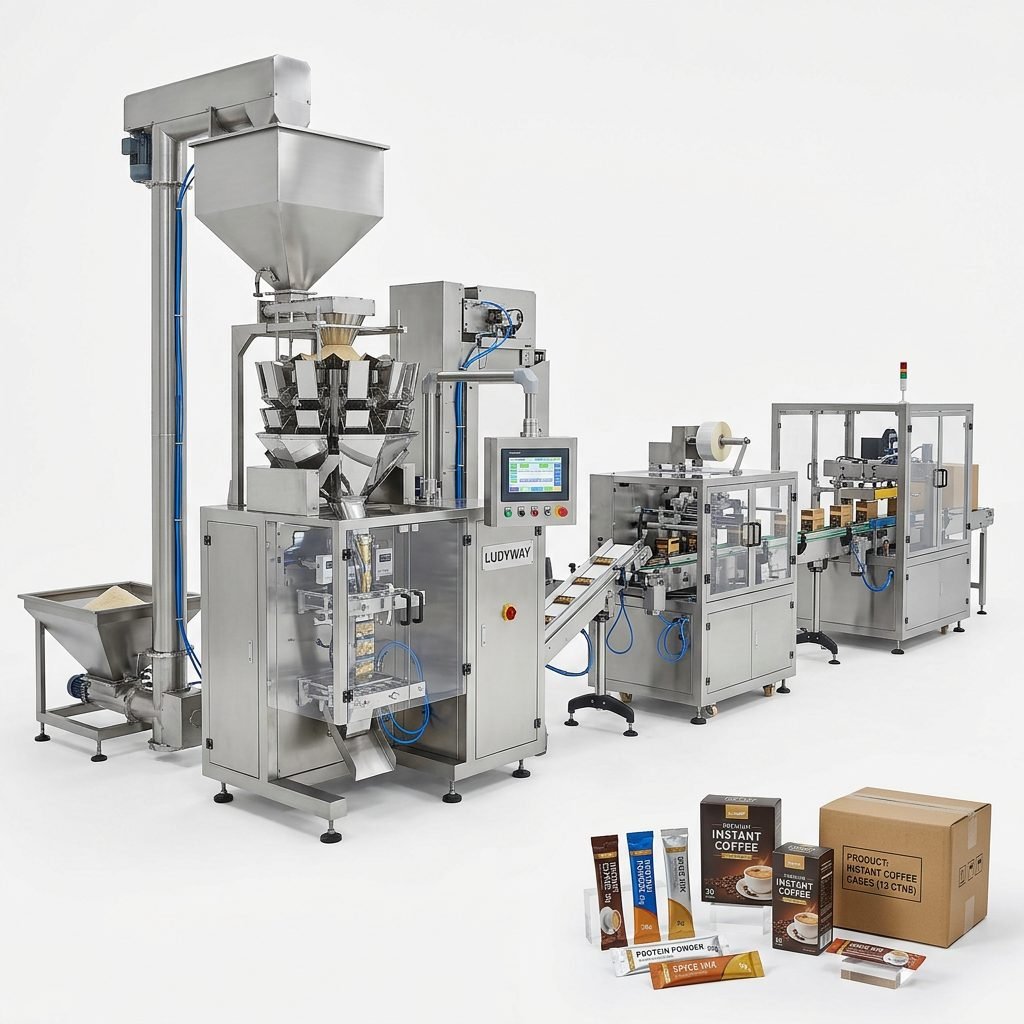
Will patties be loaded manually or automatically via a conveyor from a former? Machines range from semi-automatic (manual loading, automatic sealing) to fully automatic, integrated lines. Higher automation boosts output and reduces labor but increases complexity and cost.
🔍 Focus Point: Seal Integrity & Monitoring
A failed seal leads to spoilage and waste. Look for machines with robust sealing jaws, precise temperature control, and optional inspection systems (like vacuum sensors or gas analyzers for MAP) to ensure every package is perfect.
Footprint and Utility Requirements
Consider the factory floor space needed, along with power (voltage, phases), compressed air, and, for some MAP machines, gas supply lines. Ensure your facility can support the installation.
A Step-by-Step Guide to Choosing the Right Machine
Making the correct investment requires a structured decision-making process.
Step 1: Conduct a Thorough Needs Analysis
Define your core parameters: Product type (fresh, frozen, pre-cooked? patty size/thickness?), Target output (PPM, shifts per day), Packaging format (vacuum bag, MAP tray, flow-wrap pouch), and Budget (including installation, training, and maintenance).
Step 2: Research and Shortlist Reputable Suppliers
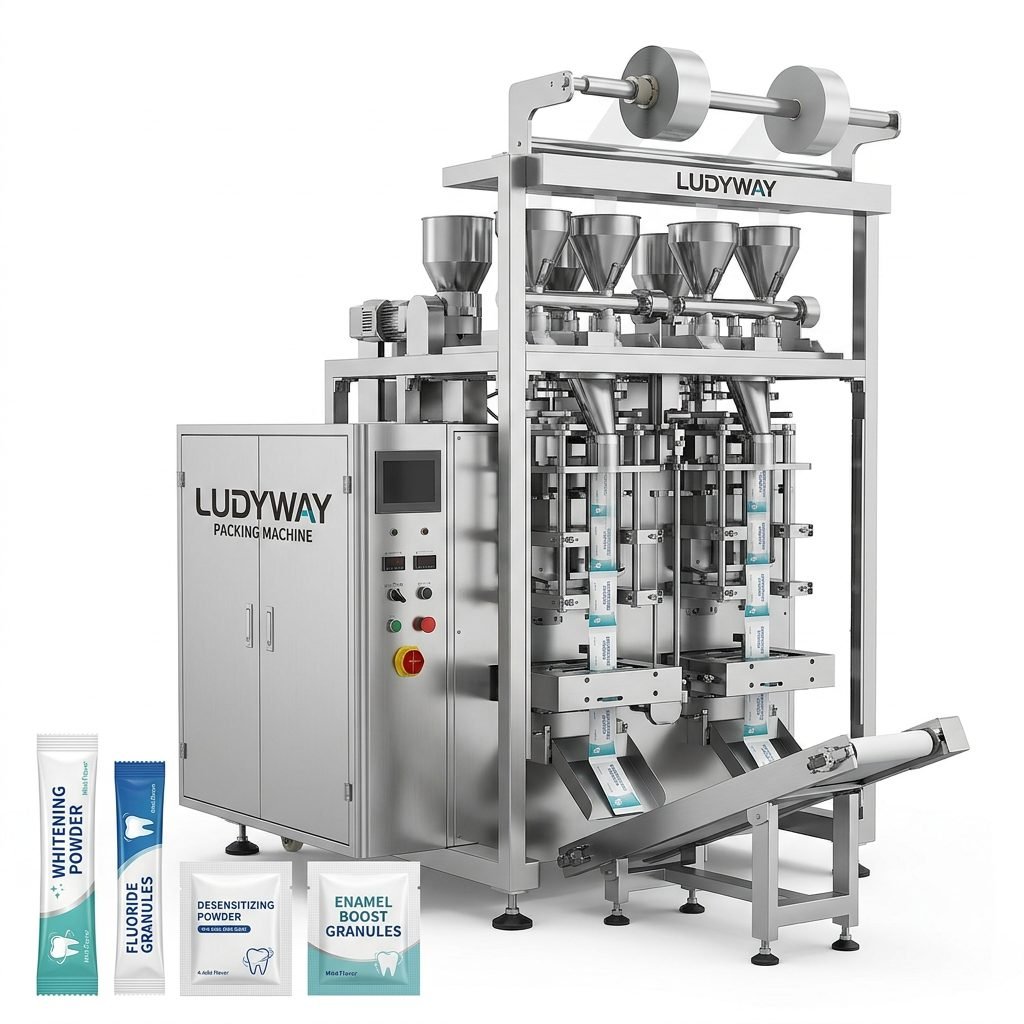
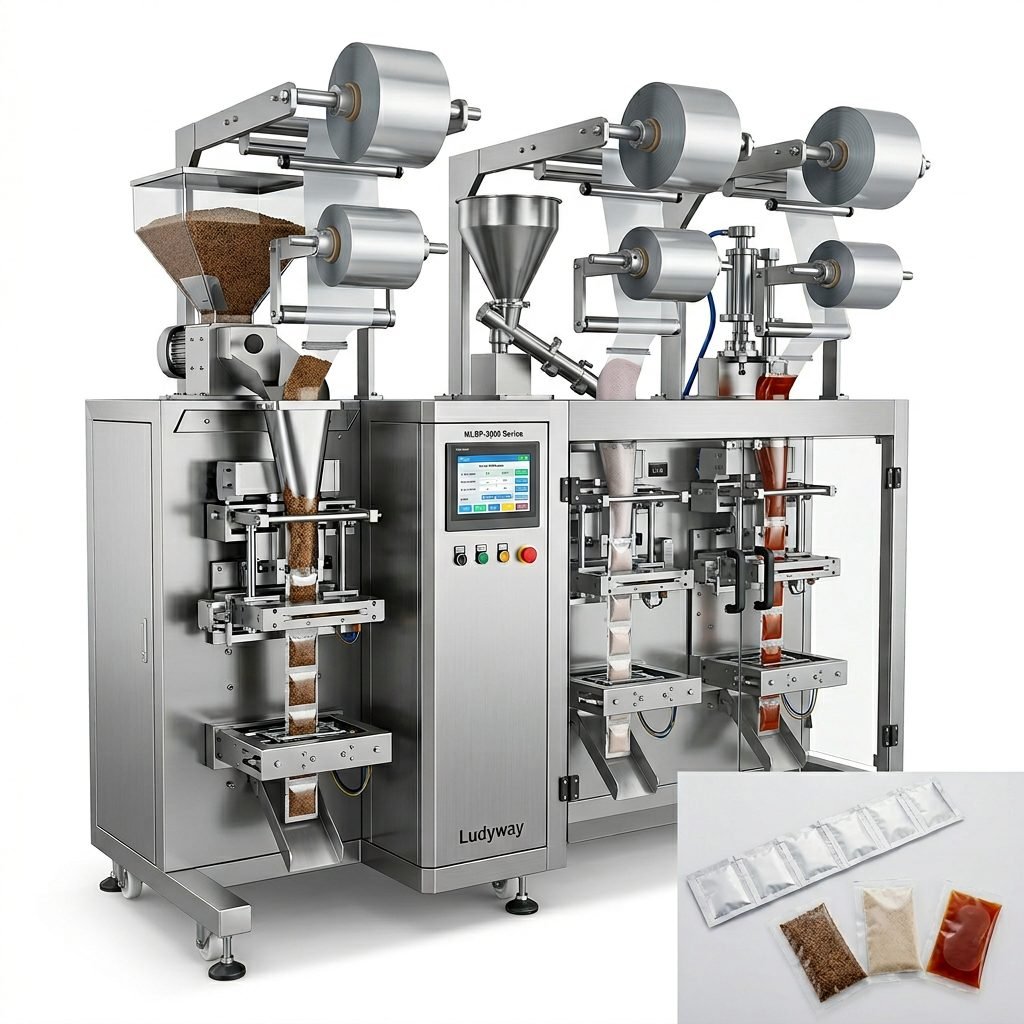
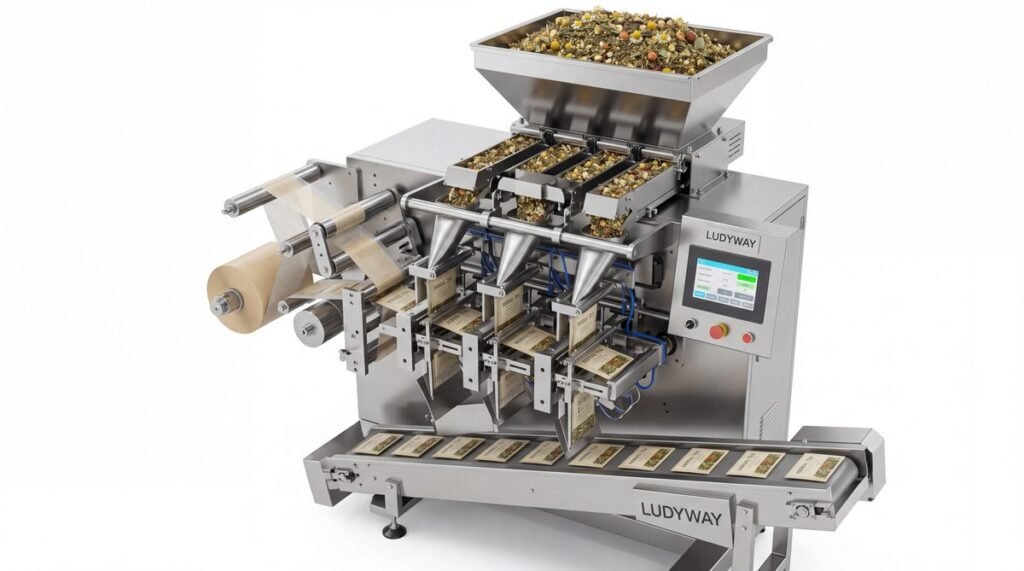
Seek out manufacturers with proven expertise in food and meat packaging. Evaluate their industry reputation, depth of experience, and quality of customer support. A supplier like Ludyway Machinery, with over a decade of focus on automated food packaging solutions, can provide valuable guidance and reliable equipment tailored to burger production.
Step 3: Request Demonstrations and Samples
Never buy based on specifications alone. Arrange to run your actual product and packaging materials on the shortlisted machines. Test seal strength, check for wrinkles or juice contamination in the seal area, and verify the ease of operation and changeover.
Step 4: Scrutinize the Total Cost of Ownership (TCO)
Look beyond the purchase price. Factor in ongoing costs for energy consumption, spare parts, preventative maintenance contracts, and the potential cost of film waste during machine adjustments. A slightly more expensive but efficient and reliable machine often has a lower TCO.
Step 5: Plan for Support and Service
Ensure the supplier offers comprehensive training for your operators and maintenance staff, provides clear documentation, and has a responsive technical support team, preferably with local or regional service engineers. Access to genuine spare parts is non-negotiable for minimizing downtime.
Maximizing Your Investment Post-Purchase
The right machine is just the beginning. Proper operation and maintenance are key to longevity and performance.
Implement a strict daily cleaning and lubrication schedule to prevent contamination and mechanical wear. Train operators thoroughly not just on how to run the machine, but on how to spot potential issues like seal imperfections or film feed problems early. Keep a log of all maintenance activities and minor faults to predict and prevent major failures. Finally, stay in regular contact with your supplier for software updates, operational tips, and to stay informed about new consumables or accessories that could improve your line’s efficiency.
Frequently Asked Questions (FAQs)
Q1: What is the main difference between vacuum packaging and MAP for burgers?
A: Vacuum packaging removes air to slow spoilage and is excellent for frozen products or space-saving. MAP replaces air with a gas mix to preserve the fresh color and texture of raw meat, making it ideal for fresh, retail-ready burgers. The choice depends on your product’s shelf-life and presentation goals.
Q2: Can one machine handle different patty sizes and packaging types?
A: Many machines offer quick-change tooling or adjustable settings to accommodate a range of patty sizes and pouch/tray dimensions. However, switching between fundamentally different processes (e.g., from vacuum bags to rigid trays) typically requires a different machine or significant module changes. Discuss flexibility needs with your supplier upfront.
Q3: How important is after-sales service when choosing a supplier?
A: It is critically important. Packaging machines are complex and downtime is extremely costly. A supplier with a strong global service network, like Ludyway, which provides professional support and spare parts, ensures you can maintain production efficiency and protect your investment over the long term.
Q4: What are the most common causes of packaging failure with these machines?
A: The most common issues are weak or incomplete seals (due to incorrect temperature/pressure, dirty sealing jaws, or incompatible film), improper vacuum/gas levels (due to leaks or calibration drift), and film wrinkling or mis-feeding (often from incorrect tension settings or worn parts). Consistent operator checks and preventative maintenance prevent most of these.
Q5: Are there automation options for small to medium-sized burger producers?
A: Absolutely. The market offers compact, semi-automatic machines that provide the core benefits of vacuum or MAP sealing at a lower entry cost and footprint. These can be perfect for growing businesses. As volume increases, they can often be integrated with automatic loaders or conveyors later. Exploring the range of solutions from suppliers catering to various scales is key.