Cassava flour, a versatile gluten-free alternative derived from the cassava root, has seen a surge in global demand. For manufacturers, efficient and reliable packaging is crucial to maintain product quality, extend shelf life, and meet market standards. Selecting the right cassava flour packaging machine is a critical investment that impacts productivity, cost-efficiency, and brand presentation. This guide explores the different types of packaging machines, their key features, and provides a clear framework to help you choose the perfect system for your operation.
Understanding Cassava Flour Packaging Requirements
Before diving into machinery, it’s essential to understand the unique characteristics of cassava flour that influence packaging needs. As a fine, sometimes slightly clumpy powder, it requires packaging that prevents moisture ingress and compaction. The chosen packaging format—be it small retail sachets, larger consumer bags, or bulk sacks—directly dictates the type of machine required. Furthermore, maintaining hygiene and preventing cross-contamination are paramount, especially for producers targeting health-conscious markets or those with stringent food safety regulations.
Key Packaging Challenges for Cassava Flour:
→ Moisture Sensitivity: The flour must be protected from humidity to prevent spoilage and clumping.
→ Dust Control: Fine particles can create dust during filling, requiring machines with effective sealing and dust extraction features.
→ Accurate Filling: Consistent weight is critical for consumer trust and regulatory compliance, demanding high-precision scales.
→ Packaging Integrity: Seals must be strong and airtight to prevent leaks and contamination during transport and storage.
Types of Cassava Flour Packaging Machines
The market offers various packaging technologies, each suited for different production scales and package styles. Here are the primary types used for cassava flour.
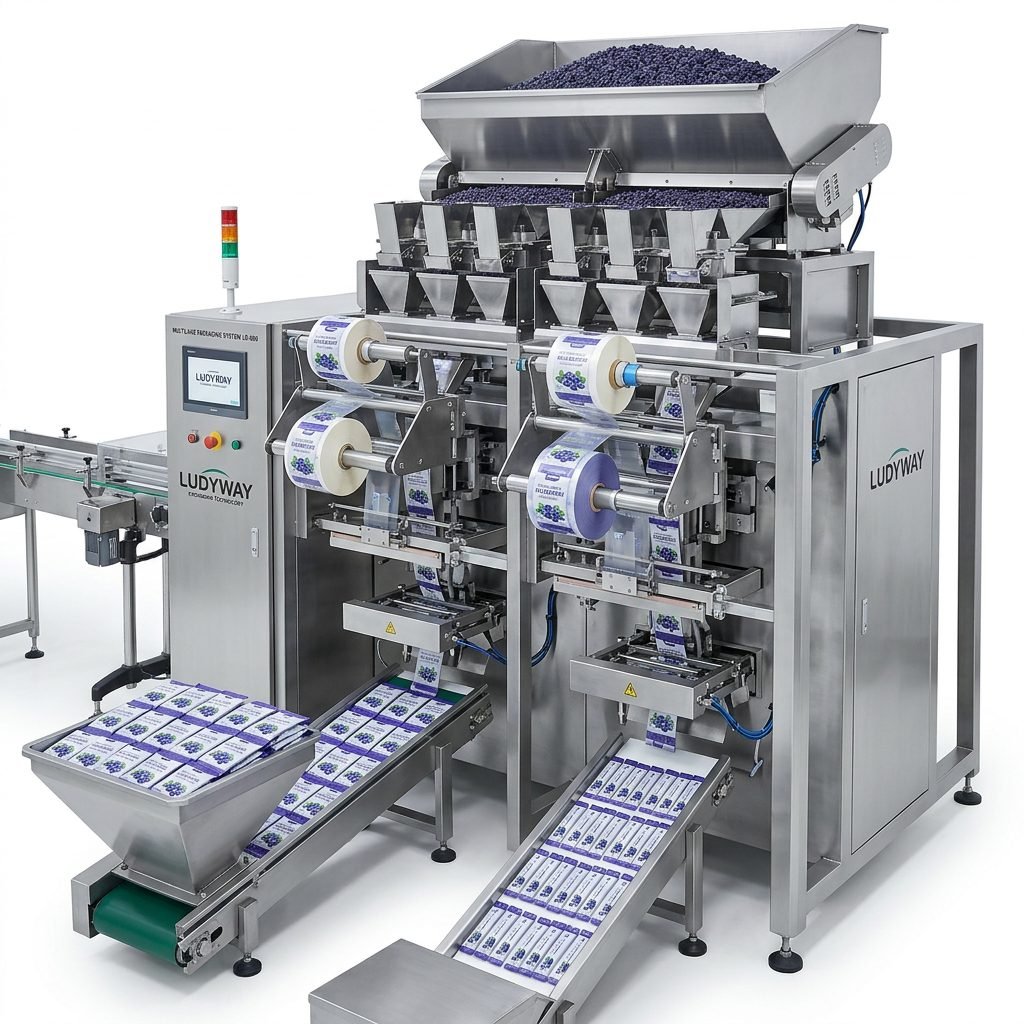
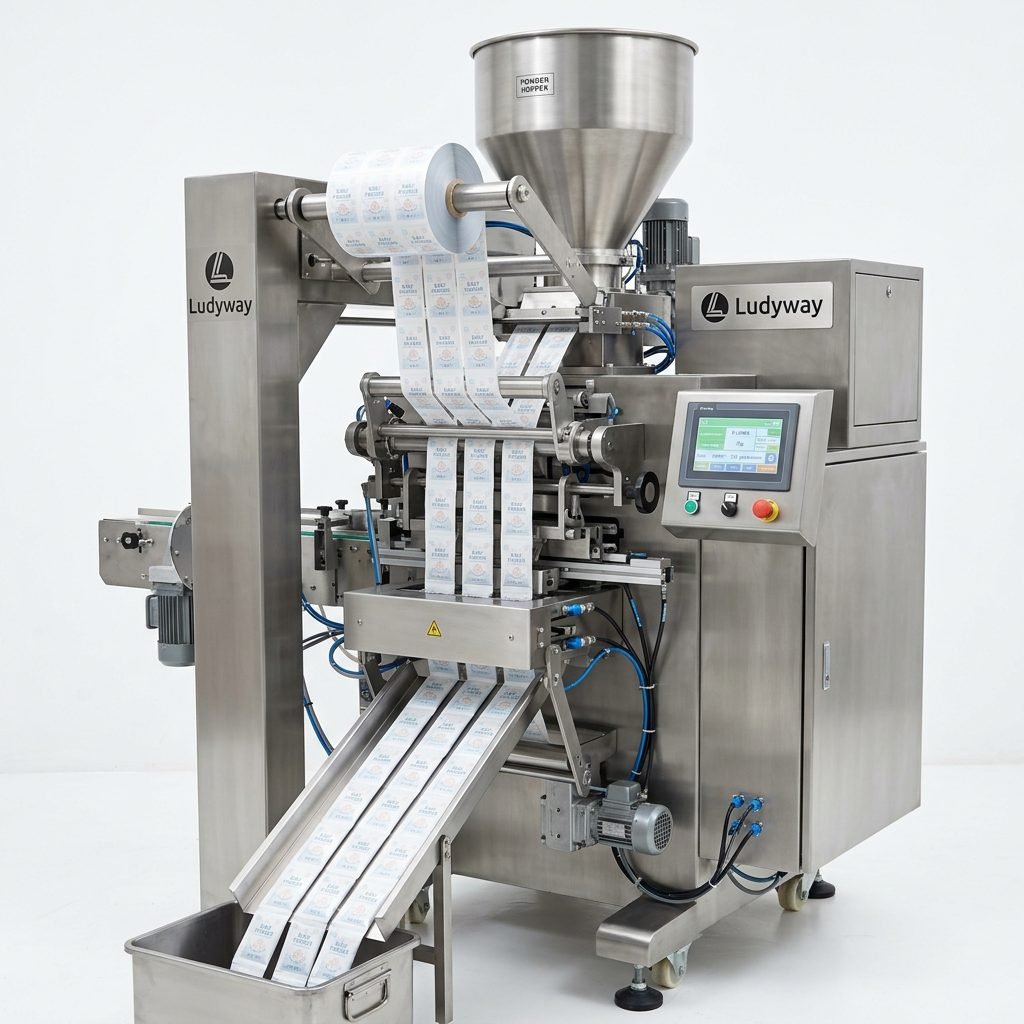
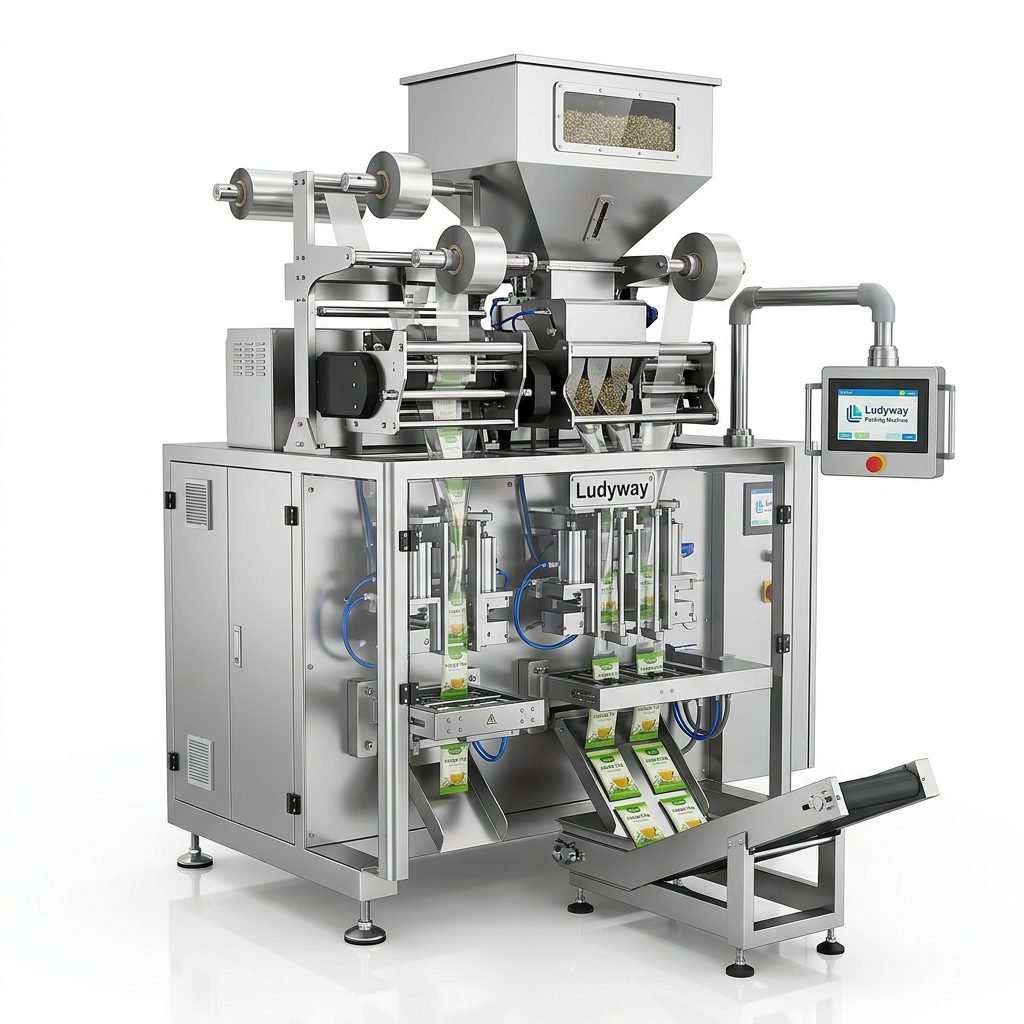
1. Vertical Form-Fill-Seal (VFFS) Machines
These are the most common machines for packaging free-flowing powders like cassava flour. They form a bag from a roll of film, fill it with a pre-set weight of product, and then seal it—all in one continuous vertical operation. They are highly versatile and efficient for producing pillow bags, gusseted bags, or block-bottom bags in various sizes.
- Best For: High-volume production of small to medium-sized retail bags (e.g., 500g to 5kg).
- Advantages: High speed, low film waste, quick changeover between bag sizes.
- Considerations: Requires excellent product flow characteristics; may need auger fillers for precise dosing.
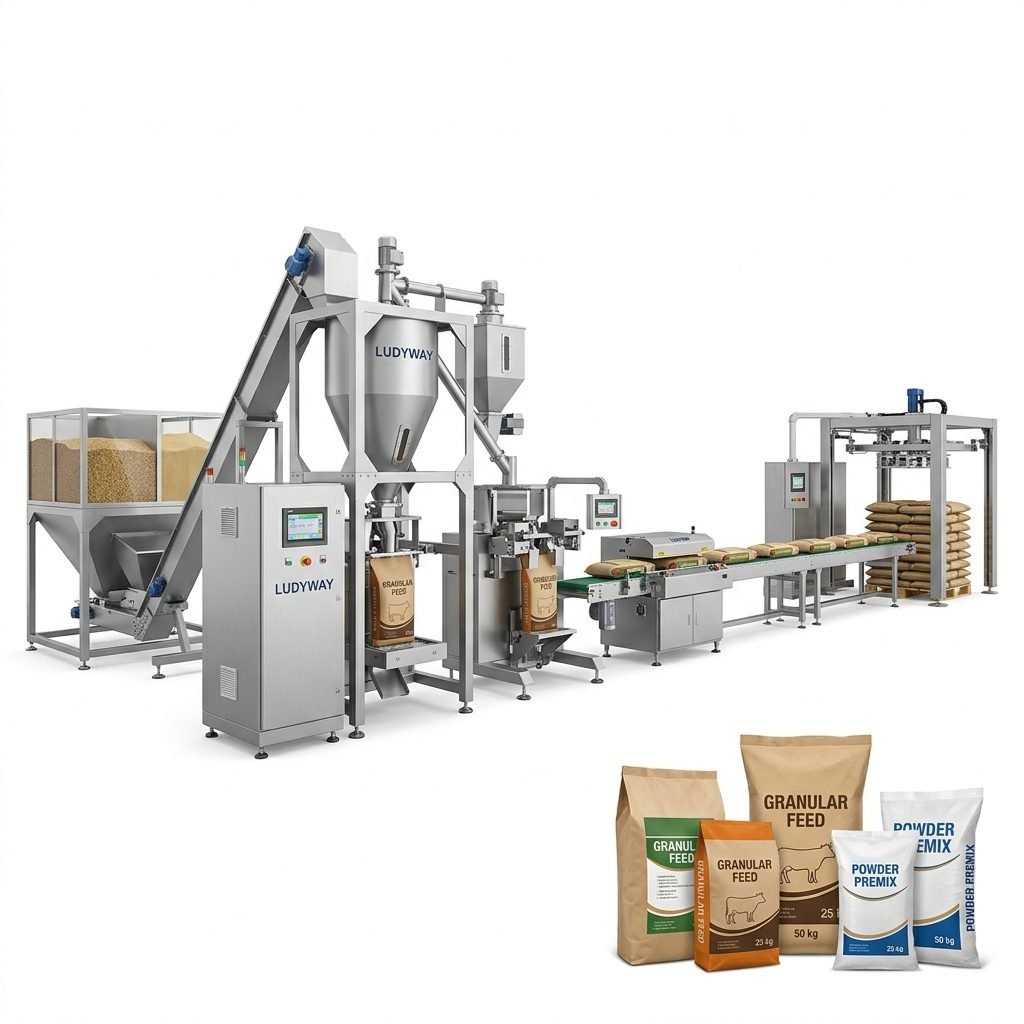
2. Pre-Made Bag Fillers (Open-Mouth Bagging Systems)
This system uses pre-manufactured bags (often with a gusset or pinch bottom) that are automatically opened, filled, and then sealed. These are ideal for larger bag sizes commonly used for bulk or commercial sales.
- Best For: Packaging larger quantities (e.g., 10kg, 25kg, 50lb bags) for wholesale or food service.
- Advantages: Allows for high-quality, pre-printed bags with strong structural integrity; excellent for heavy bags.
- Considerations: Generally slower than VFFS; requires inventory of pre-made bags.
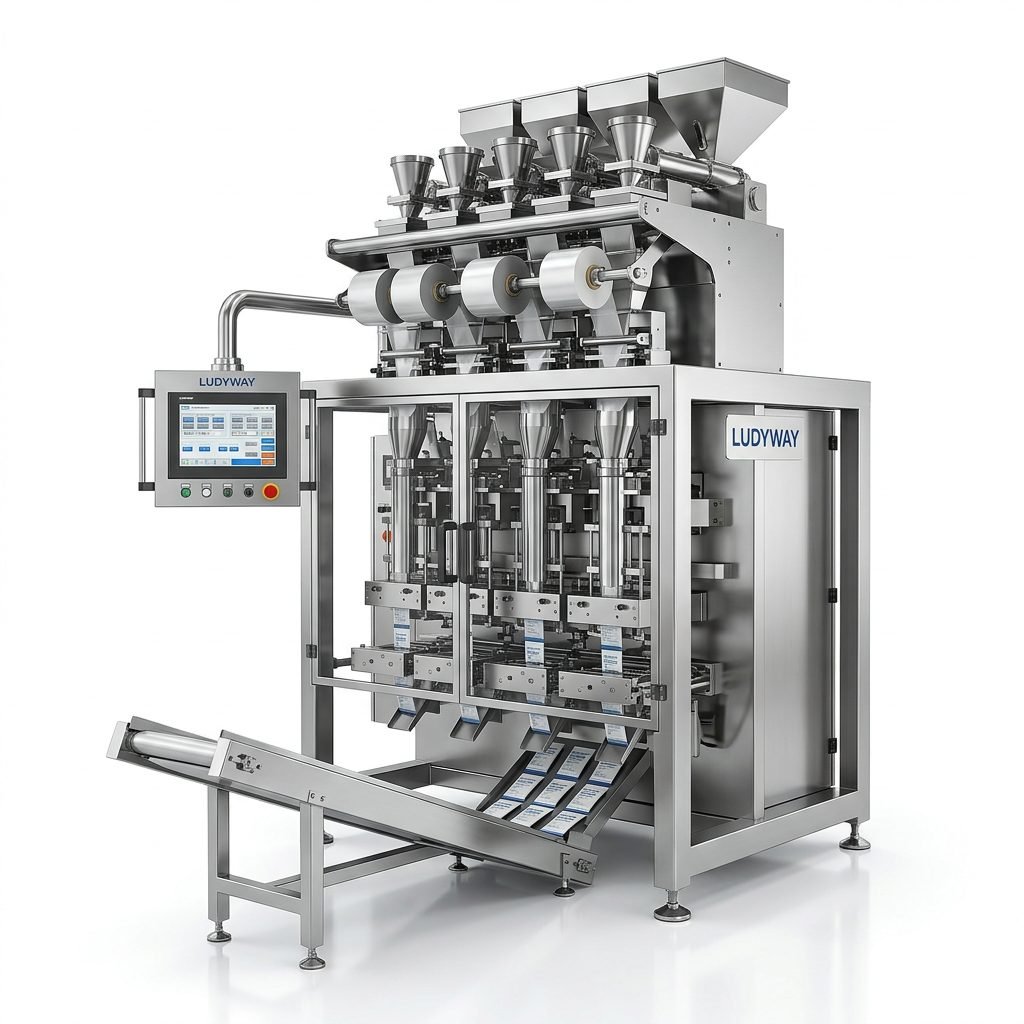
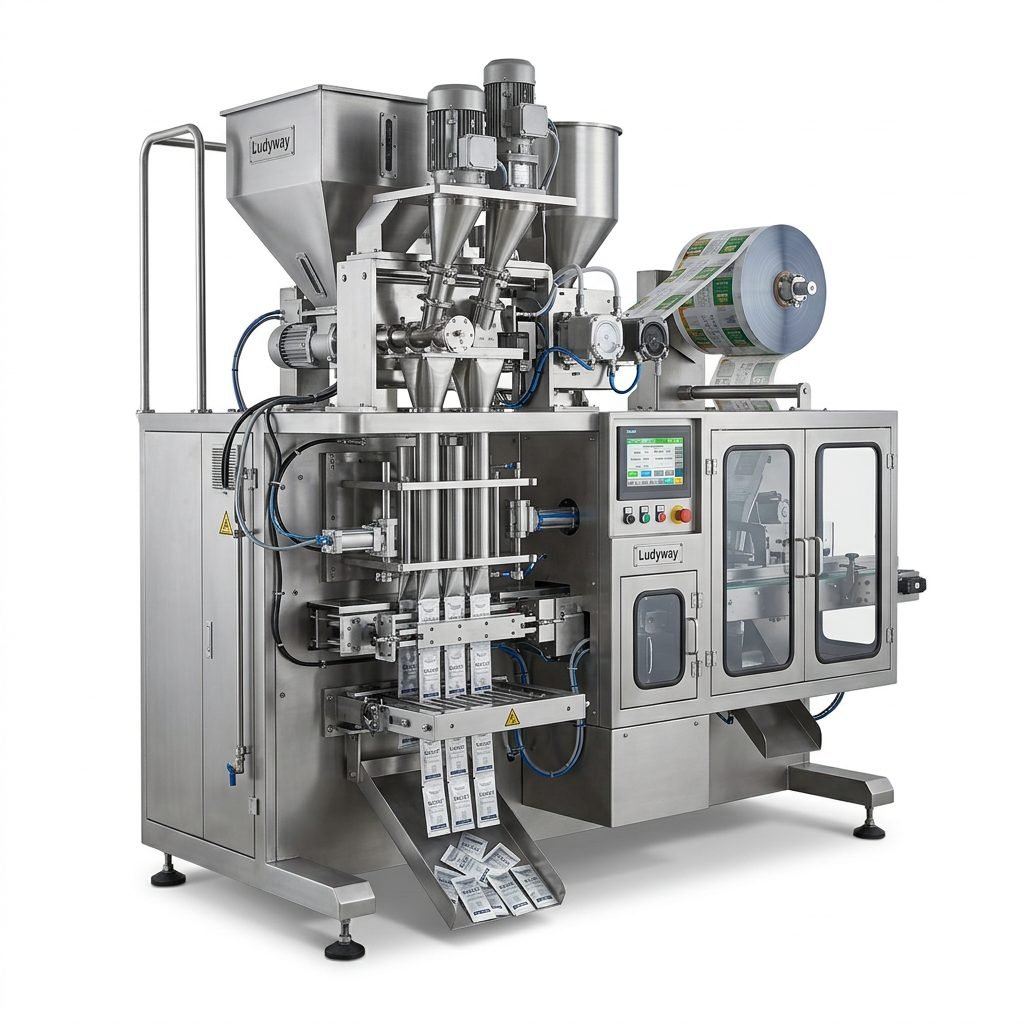
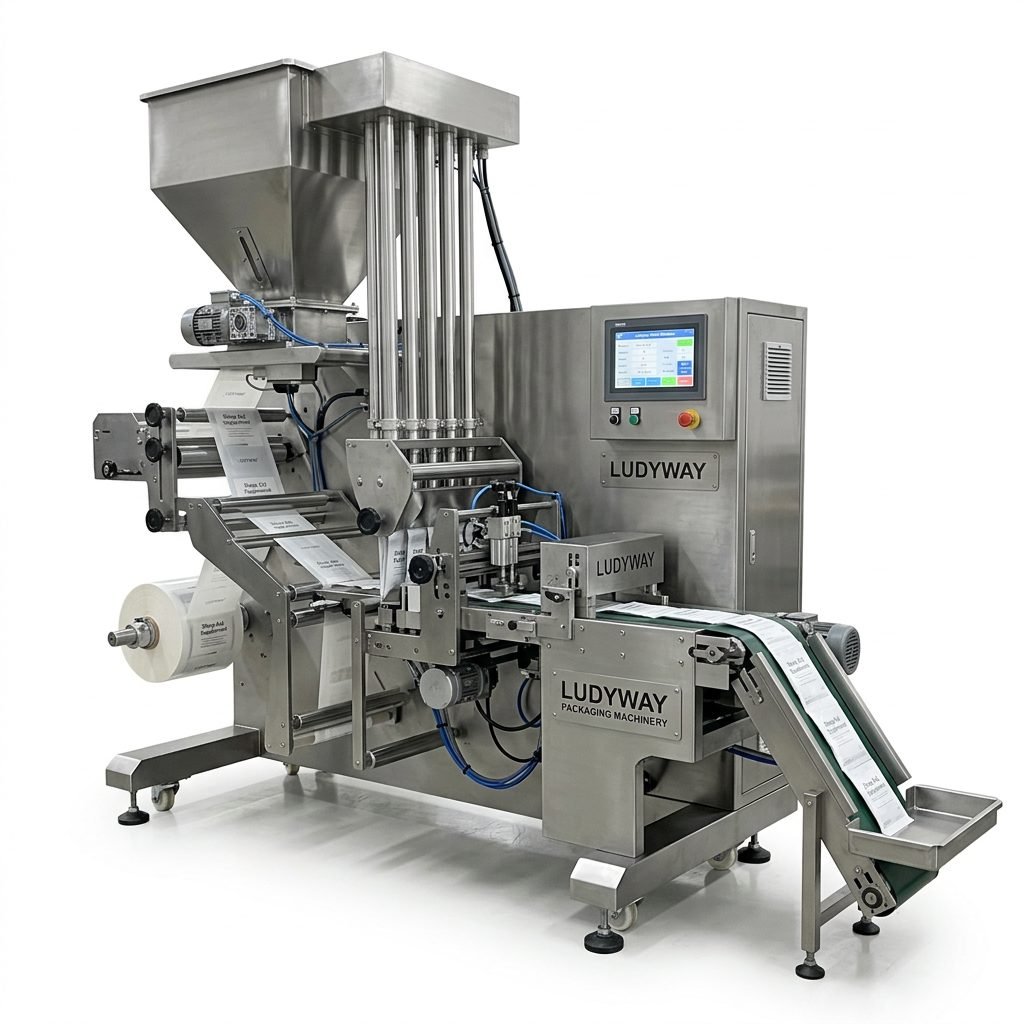
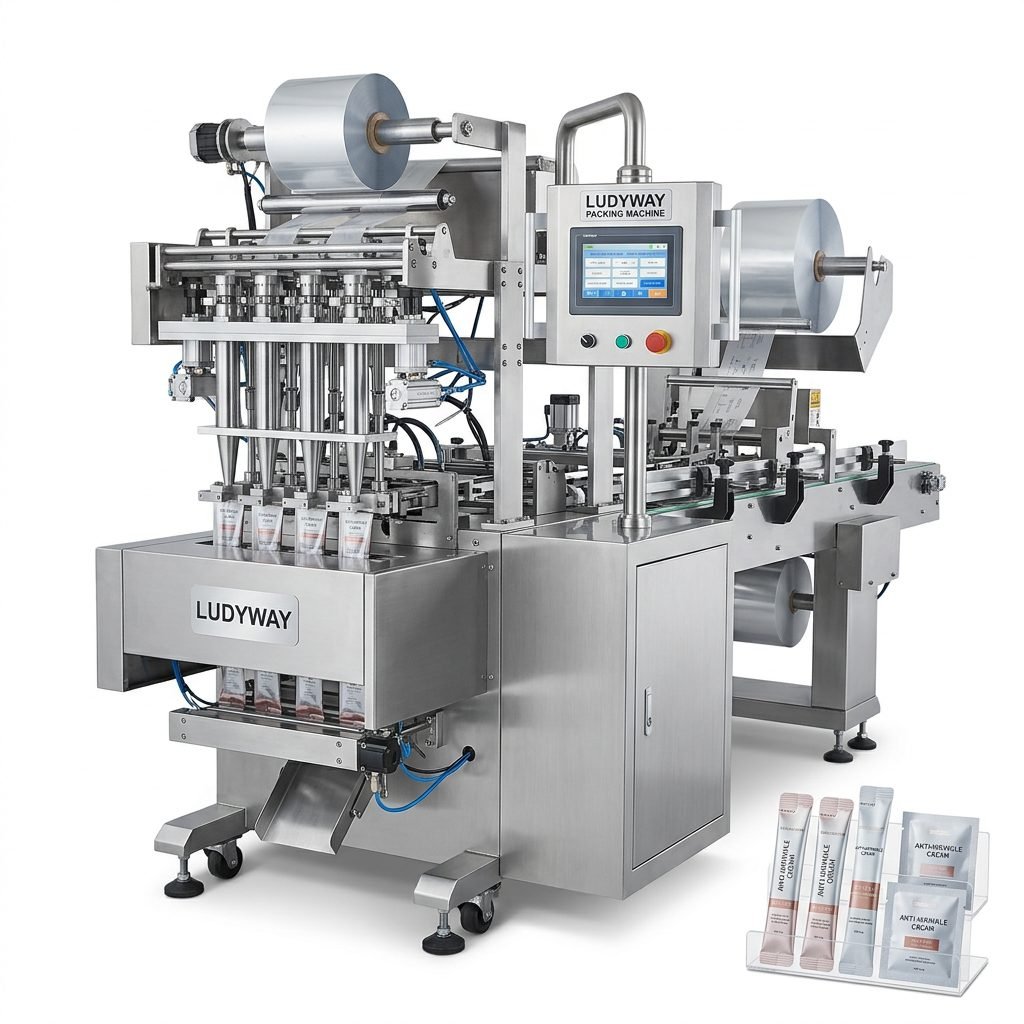
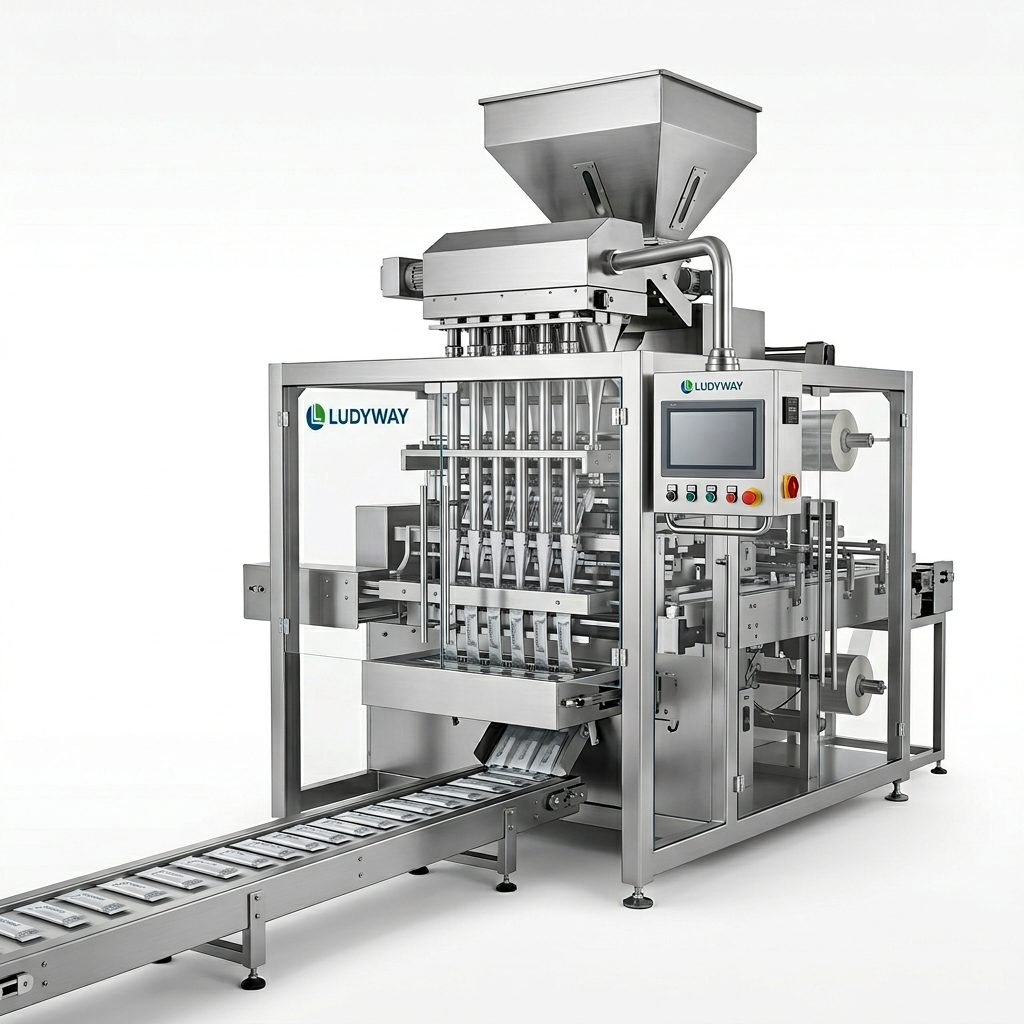
3. Stick Pack and Sachet Machines
For single-serve portions or small sample sizes, stick pack machines are perfect. They create long, narrow “sticks” or small flat sachets from roll film, offering a modern and convenient packaging format that is popular in many markets.
- Best For: Single-serve portions (e.g., 10g, 25g), promotional samples, or recipe-specific amounts.
- Advantages: Compact, portable format; reduces product waste for end-users; eye-catching on shelves.
- Considerations: Lower output per lane compared to standard bags; often requires multi-lane setups for high volume.
Essential Features to Look For
Beyond the machine type, specific features are non-negotiable for effectively packaging cassava flour. Prioritizing these will ensure product quality and operational efficiency.
1. Precision Filling System
The heart of any powder packaging machine. Look for auger fillers with servo motors for the most accurate and consistent dosing. The auger design should be tailored for fine powders to prevent bridging or rat-holing. A multi-head weigher is the gold standard for high-speed, ultra-precise filling but is a larger investment.
2. Robust Dust Management
A machine must have integrated dust extraction ports or systems. This keeps the production area clean, protects the machine’s mechanical and electrical components from powder ingress, and ensures a clean seal area for strong bag closures.
3. High-Quality Sealing Mechanism
For moisture barrier, heat sealing is standard. Ensure the machine has adjustable temperature and pressure controls to achieve perfect seals with various laminate films (e.g., PET/PE, MET-PET/PE). Cool seals after heating ensure seal strength.
4. User-Friendly HMI & Controls
A modern touchscreen Human-Machine Interface (HMI) allows for easy parameter setting, recipe storage, and quick changeovers. It should provide clear diagnostics and production data (output, efficiency, error logs).
5. Sanitary Design & Materials
Contact parts should be made of food-grade stainless steel (304 or 316) for easy cleaning and corrosion resistance. The machine design should minimize ledges and crevices where powder can accumulate, facilitating compliance with food safety standards like HACCP.
How to Choose the Right Machine: A Step-by-Step Guide
Making the right choice involves a careful assessment of your current and future needs. Follow this structured approach.
Step 1: Assess Your Production Needs
Define your required output (bags per minute/hour), bag size range, and packaging material. Consider not just today’s volume, but projected growth over the next 3-5 years. A machine that can run 10-20% faster than your current peak demand offers valuable flexibility.
Step 2: Evaluate Your Product Characteristics
Conduct a product test with potential machine suppliers. Send them a sample of your exact cassava flour to run trials. This is the only way to verify filling accuracy, dust behavior, and seal quality on your specific product.
Step 3: Consider Integration and Footprint
Will the machine be a standalone unit or part of an integrated line with a checkweigher, metal detector, or case packer? Measure your available floor space and ensure there is adequate room for operation, maintenance, and material handling (film rolls, empty bags).
Step 4: Analyze Total Cost of Ownership (TCO)
Look beyond the initial purchase price. Factor in:
• Operating Costs: Energy consumption, compressed air usage, film waste.
• Maintenance: Availability and cost of spare parts, ease of routine cleaning.
• Support: Quality of after-sales service, technical support, and training provided by the supplier. A reliable partner like Ludyway Packing Machine, with decades of industry experience, can significantly reduce long-term downtime and costs.
Step 5: Verify Supplier Credibility
Choose a supplier with a proven track record in food powder packaging. Request client references, visit their facility if possible, and review their service network. A supplier that offers comprehensive turnkey production solutions can provide more cohesive support than just a machine vendor.
Conclusion
Investing in the right cassava flour packaging machine is a strategic decision that safeguards product quality, optimizes operational costs, and supports brand growth. By understanding the different machine types—from versatile VFFS units to portion-control stick pack machines—and prioritizing critical features like precision filling and dust control, you can make an informed choice. Remember to base your decision on a thorough analysis of your production needs, a hands-on product test, and the long-term reliability of your equipment supplier. With the proper system in place, you can ensure your cassava flour reaches the market in perfect condition, every time.
Frequently Asked Questions (FAQs)
Q1: What is the typical speed range for a cassava flour VFFS machine?
Speed depends on bag size and accuracy requirements. For standard 1kg bags, speeds can range from 30 to 60 bags per minute. Smaller bags can be faster, while larger, heavier bags are slower. High-speed lines with multi-head weighers can exceed 100 bags per minute.
Q2: Can one machine handle different bag sizes of cassava flour?
Yes, most modern machines are designed for quick changeover. By changing the forming tube, auger size, and adjusting parameters on the HMI, you can switch between different bag widths and lengths. The process can take from 15 to 30 minutes with proper tooling and training.
Q3: How important is nitrogen flushing for cassava flour packaging?
While not always mandatory, nitrogen flushing (or gas flushing) is highly recommended for extending shelf life. It displaces oxygen inside the bag, significantly slowing oxidation and the growth of aerobic spoilage organisms. It is a valuable feature for premium products or those destined for long supply chains.
Q4: What packaging film is best for cassava flour?
A multi-layer laminate with a good moisture barrier is essential. Common structures include PET/PE or BOPP/VMCPP. For added shelf life, consider films with a metalized layer (MET-PET) for superior oxygen and light barrier properties. Your machine supplier can recommend compatible films.
Q5: What kind of after-sales support should I expect?
You should expect comprehensive support including: installation & commissioning, operator and maintenance training, a detailed manual, a warranty (typically 12 months), and access to spare parts. Reputable suppliers offer remote support and have a service network. For instance, exploring the company history and expertise of your supplier can give you confidence in their long-term support capabilities.