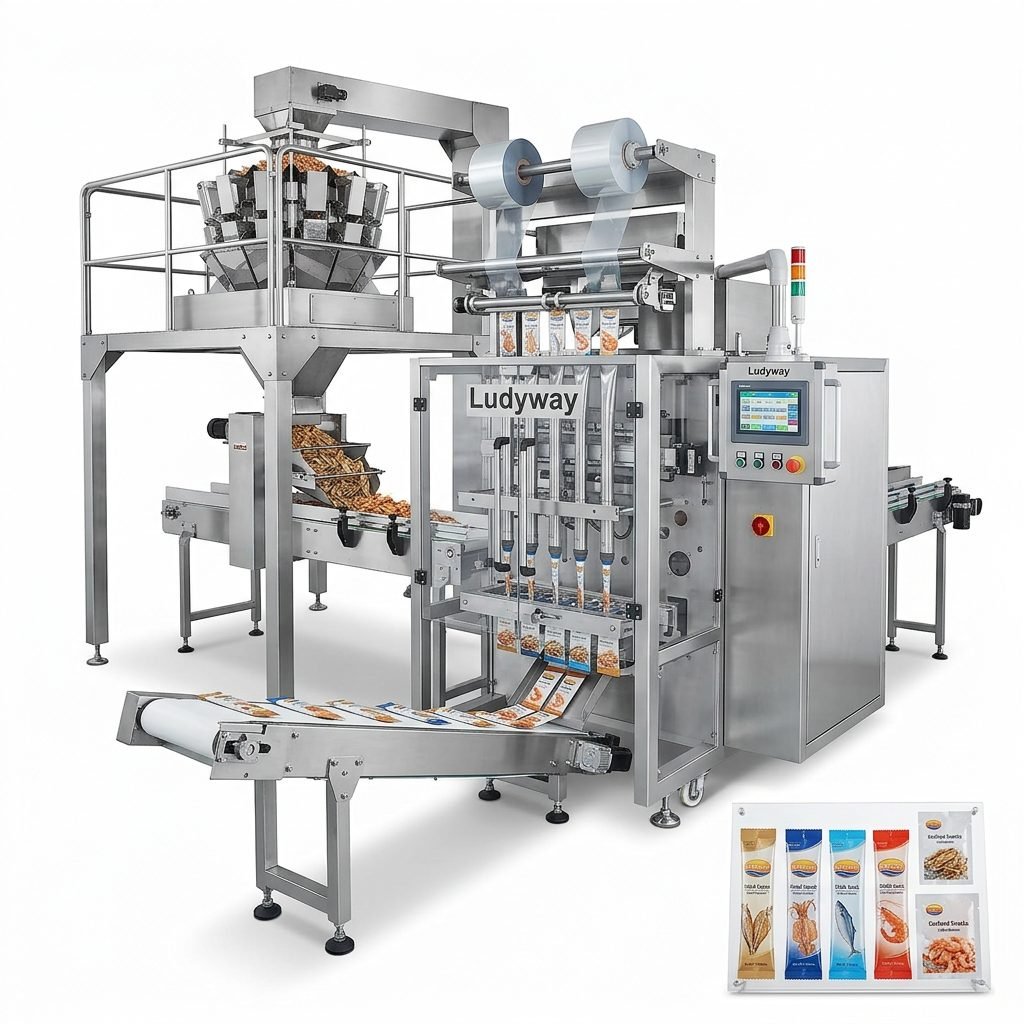
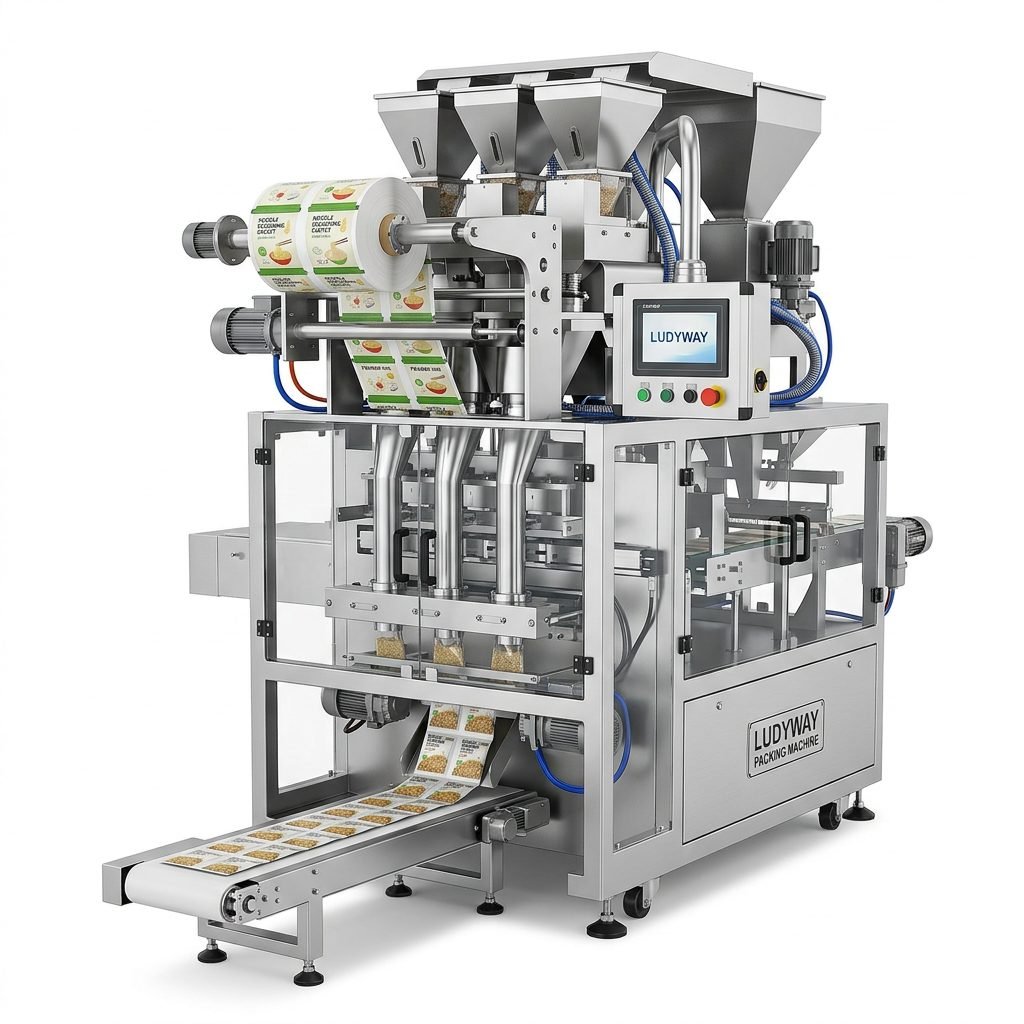
In the fast-paced world of automotive parts manufacturing and distribution, efficient packaging is not just a final step—it’s a critical component of product protection, brand presentation, and operational logistics. Choosing the right auto parts packaging machine is a strategic decision that impacts everything from production line speed to customer satisfaction upon delivery. This guide will explore the various types of packaging machines available, their key features, and provide a structured approach to selecting the optimal solution for your specific needs.
Understanding the Different Types of Auto Parts Packaging Machines
The automotive parts industry encompasses a vast range of products, from tiny fasteners and gaskets to bulky filters and engine components. Consequently, packaging solutions must be equally diverse. The primary machine types can be categorized by their function and the form of packaging they create.
Primary Packaging Systems
These machines handle the first layer of packaging that comes into direct contact with the part.
- Blister Packaging Machines: Ideal for small, standardized parts like screws, clips, or electrical connectors. They form a transparent plastic cavity (blister) around the part and seal it to a cardboard backing. This offers excellent product visibility and protection from dust and handling.
- Skin Packaging Machines: Similar to blister packaging but uses a thinner film that is heated and vacuum-formed directly over the part placed on a porous board. It creates a tight, “second-skin” appearance, is cost-effective for irregular shapes, and minimizes material use.
- Shrink Wrapping Machines: Used for bundling multiple items together or providing a sealed, protective layer. A loose plastic film is placed around the part or bundle and then heated, causing it to shrink tightly to the contours of the product. Perfect for boxing sets of parts or protecting larger components from moisture.
- Vacuum Forming & Thermoforming Machines: Create custom plastic trays or inserts that securely nest parts inside a larger box. This is crucial for high-value or delicate components during shipping, preventing movement and damage.
Secondary & Tertiary Packaging Systems
These handle the outer layers of packaging for shipment and distribution.
- Cartoning Machines: Automatically erect, load, and seal cardboard cartons. They can take pre-formed blister packs or loose parts and place them into boxes of various sizes, often adding instruction manuals or promotional materials automatically.
- Case Packing & Palletizing Systems: High-speed systems that take individual boxes or packages and arrange them into larger shipping cases or onto pallets. These are essential for end-of-line automation in large-scale distribution centers.
- Stretch Wrapping Machines: Apply stretch film around completed pallets of boxes to stabilize the load for transport. They can be semi-automatic or fully automatic rotary systems.
Key Takeaway:
The choice between primary packaging types often depends on the part’s size, fragility, and the need for retail-ready presentation versus bulk industrial shipping.
Essential Features to Evaluate in a Packaging Machine
Beyond the basic type, several advanced features differentiate standard equipment from high-performance, future-proof solutions. When evaluating machines, pay close attention to these capabilities.
1. Flexibility & Changeover Efficiency
Modern production lines often handle multiple SKUs. A machine that requires extensive manual adjustment and long downtime for changeovers kills productivity. Look for features like:
- Quick-Change Tooling: Modular dies, formers, and sealing heads that can be swapped in minutes.
- Recipe Memory: Computerized controls that store settings for different products, allowing one-touch changeovers.
- Adjustable Web Guides & Sealing Jaws: Mechanical systems that allow for rapid size adjustments without replacing entire components.
2. Precision & Control Systems
Accuracy in feeding, counting, and sealing is non-negotiable.
- Servo-Driven Motors: Provide superior precision, smoother motion, and energy efficiency compared to traditional mechanical drives. They allow for complex motion profiles and easier synchronization with upstream/downstream equipment.
- Advanced PLC & HMI: A user-friendly Human-Machine Interface (HMI) paired with a powerful Programmable Logic Controller (PLC) is the brain of the machine. It should offer intuitive operation, detailed diagnostics, and connectivity for data collection (Industry 4.0 readiness).
- Integrated Vision Inspection Systems: Cameras can verify label presence/accuracy, check for correct part placement, or detect sealing defects, ensuring 100% quality control.
3. Durability & Build Quality
Packaging machinery operates in demanding environments. Assess the construction:
- Frame & Structure: Heavy-duty, welded steel frames resist vibration and maintain alignment over years of use.
- Critical Components: The quality of seals, bearings, heating elements, and cutting blades directly impacts uptime and maintenance costs. Brands that use recognized, high-grade components (e.g., Siemens, SMC, Mitsubishi) often offer greater long-term reliability. Companies with deep industry experience, like Ludyway Machinery, understand the importance of robust engineering in their equipment designs.
4. Safety & Ease of Maintenance
A safe machine is a productive machine.
- Comprehensive Safety Guards: Interlocked guards that stop the machine when opened are a must. Light curtains and area scanners can provide additional protection.
- Easy Access: Panels should open easily for routine cleaning, lubrication, and component access. A well-designed machine minimizes maintenance time.
- Supplier Support: Availability of clear manuals, training videos, spare parts, and responsive technical support is a critical feature often overlooked during purchase.
How to Choose the Right Solution: A Step-by-Step Guide
Selecting the perfect machine requires a methodical analysis of your current and future needs.
Step 1: Conduct a Thorough Needs Analysis
Start by gathering concrete data. What are you packaging? Document the following for each part or product family:
- Physical Characteristics: Dimensions, weight, shape, and fragility.
- Packaging Materials: Desired film type (e.g., polypropylene, polyethylene), gauge, cardboard grade. Consider sustainability goals here.
- Production Volume & Speed: Required output in packages per minute (PPM) or shifts per day. Include peak season projections.
- Line Integration: How will this machine fit? What equipment is upstream (part feeding, sorting) and downstream (labeling, cartoning)?
Step 2: Define Your Budget & ROI Parameters
Look beyond the initial purchase price. Consider the Total Cost of Ownership (TCO):
- Capital Expenditure (CapEx): Machine cost, shipping, installation, and initial training.
- Operational Expenditure (OpEx): Material waste rates, energy consumption, preventive maintenance costs, and labor required to operate the machine.
- Return on Investment (ROI): Calculate savings from reduced labor, lower material waste, increased output, and fewer customer returns due to damage. A slightly more expensive, faster, and more efficient machine may pay for itself in under a year.
Step 3: Research & Shortlist Suppliers
Seek out manufacturers with proven expertise in your specific niche. A supplier with over 30 years in packaging machinery will have invaluable application knowledge. Evaluate them on:
- Industry Experience & Reputation: Do they have case studies or references in the auto parts sector?
- Technical Support & Service Network: Where are their service engineers located? What are their response time guarantees?
- Customization Capability: Can they modify a standard machine to handle your unique part or feeding challenge? Partners that offer customized production solutions can be invaluable.
Step 4: Request Demos & Factory Acceptance Tests (FAT)
Never buy based on specifications alone.
- Product Sample Testing: Send your actual parts and packaging materials to the shortlisted suppliers. Observe a live run.
- Evaluate Performance: Check the actual output speed, changeover time, waste percentage, and finished package quality.
- Assess Build & Operation: See the machine’s construction firsthand and have your operators test the HMI for intuitiveness.
Pro Tip for Selection:
Involve your production floor team, maintenance technicians, and quality control staff in the evaluation process. Their hands-on experience will uncover practical considerations that management might miss, leading to a choice that gains wider acceptance and is used more effectively.
Conclusion: Investing in Packaging Efficiency
The right auto parts packaging machine is a powerful tool for enhancing competitiveness. It safeguards product quality, optimizes labor, minimizes material costs, and ensures reliable delivery to customers—whether they are OEM assembly plants, distribution warehouses, or retail stores. By understanding the machine types, prioritizing key features like flexibility and precision, and following a disciplined selection process, you can make an investment that drives efficiency and growth for years to come. Partnering with an experienced provider who can deliver a tailored, turnkey solution is often the most reliable path to packaging success.
Frequently Asked Questions (FAQs)
1. What is the typical lead time for a new auto parts packaging machine?
Lead times can vary significantly based on complexity and customization. For standard models from stock, delivery might be 8-12 weeks. For highly customized or fully integrated turnkey lines, the engineering, manufacturing, and testing process can take 4 to 8 months. Always clarify this timeline with your supplier during the quoting process.
2. Can one machine handle packaging for auto parts of very different sizes and shapes?
Yes, but with limitations. High-flexibility machines with wide-ranging adjustable tooling and sophisticated servo controls can accommodate a family of similar products (e.g., various small fasteners). However, packaging a tiny O-ring and a large air filter on the same machine usually isn’t feasible or cost-effective. A strategic approach is to group parts by packaging type and size, then select the best machine for each group.
3. How important is after-sales service and spare parts availability?
This is critically important, often as crucial as the machine itself. Downtime is expensive. Ensure your supplier has a clear spare parts supply chain, offers comprehensive training, and provides accessible technical support (remote and on-site). A strong service agreement is a key component of your investment protection.
4. What are the key trends in auto parts packaging machinery?
The dominant trends are increased connectivity (IIoT) for predictive maintenance and production data analytics, a push for more sustainable packaging materials (mono-materials, recyclable films), and a demand for greater flexibility and smaller batch sizes without sacrificing speed. Machines are becoming smarter and more adaptable.
5. Should I consider refurbished or used packaging equipment?
Used equipment can offer significant upfront cost savings and is worth considering for standard, well-understood applications. However, it may lack modern safety features, efficiency, or warranty support. A reputable refurbisher who thoroughly rebuilds and updates the machine with new controls and components can be a good middle ground. For complex, high-speed, or critical applications, new equipment with the latest technology and full manufacturer support is generally recommended.