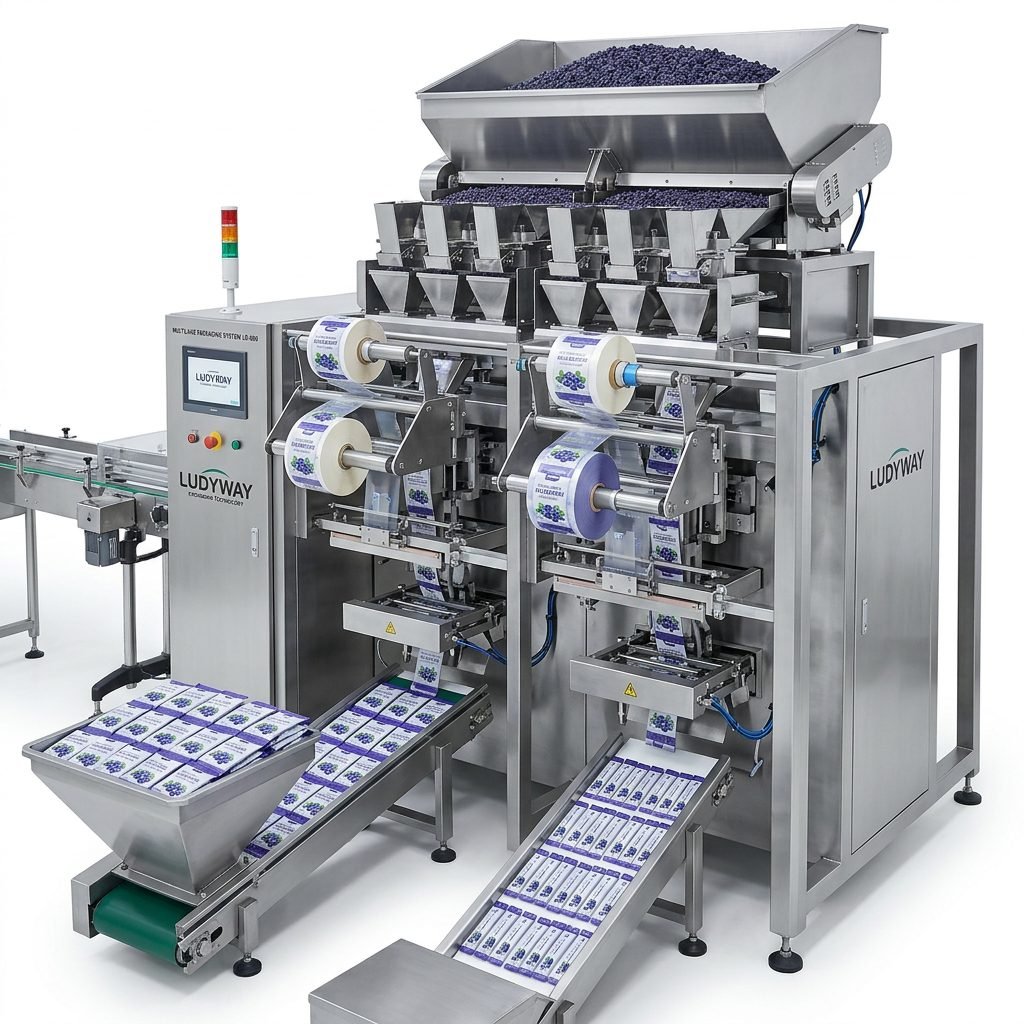
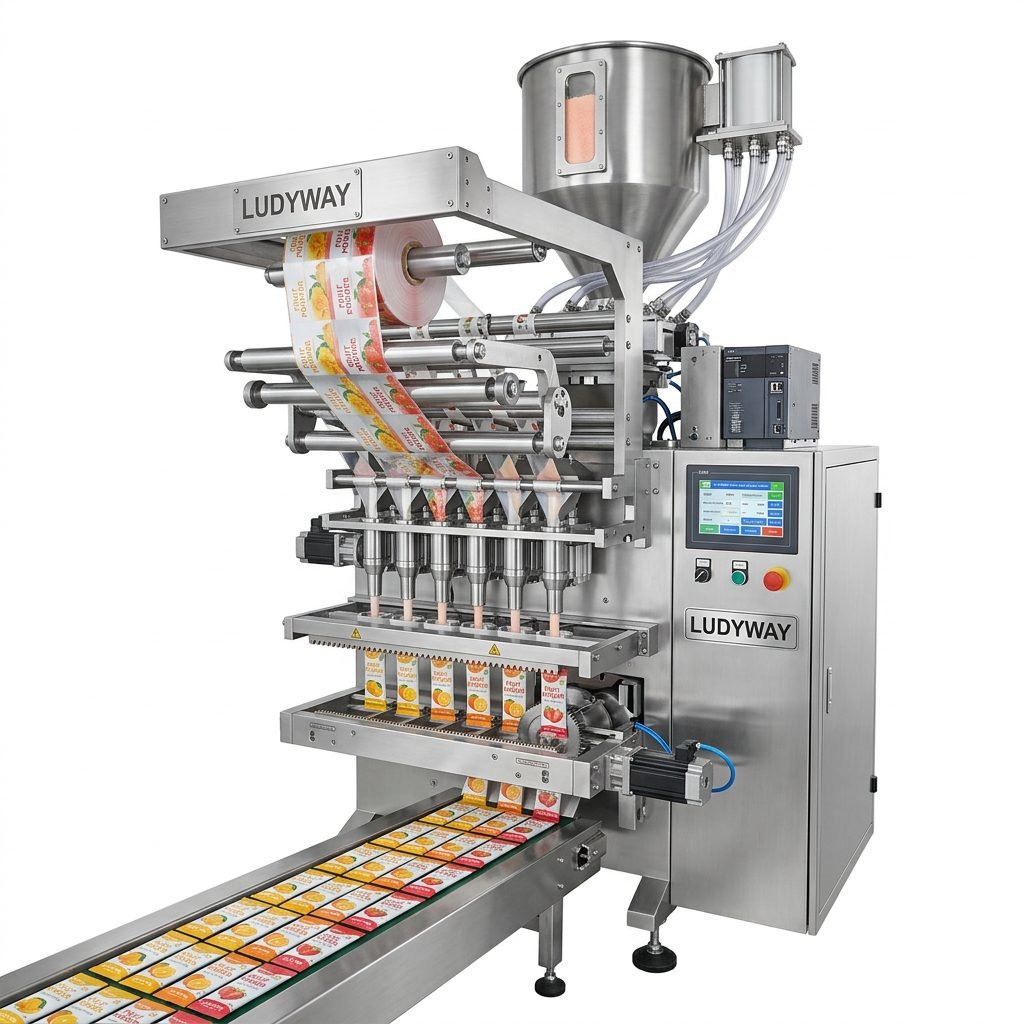
In the dynamic landscape of global manufacturing, selecting the right packaging machinery is a critical decision that directly impacts production efficiency, product quality, and overall operational costs. For businesses looking to source reliable equipment, understanding the Chinese packaging machine market—its diverse offerings, inherent advantages, and supplier landscape—is an essential first step. This guide is designed to navigate you through the key considerations, helping you make an informed choice that aligns with your specific production goals and market demands.
Exploring the Main Types of Packaging Machines
The Chinese manufacturing sector offers a comprehensive range of packaging machines, each engineered for specific applications and materials. Familiarizing yourself with these primary categories is crucial for identifying the best fit for your production line.
Vertical Form-Fill-Seal (VFFS) Machines
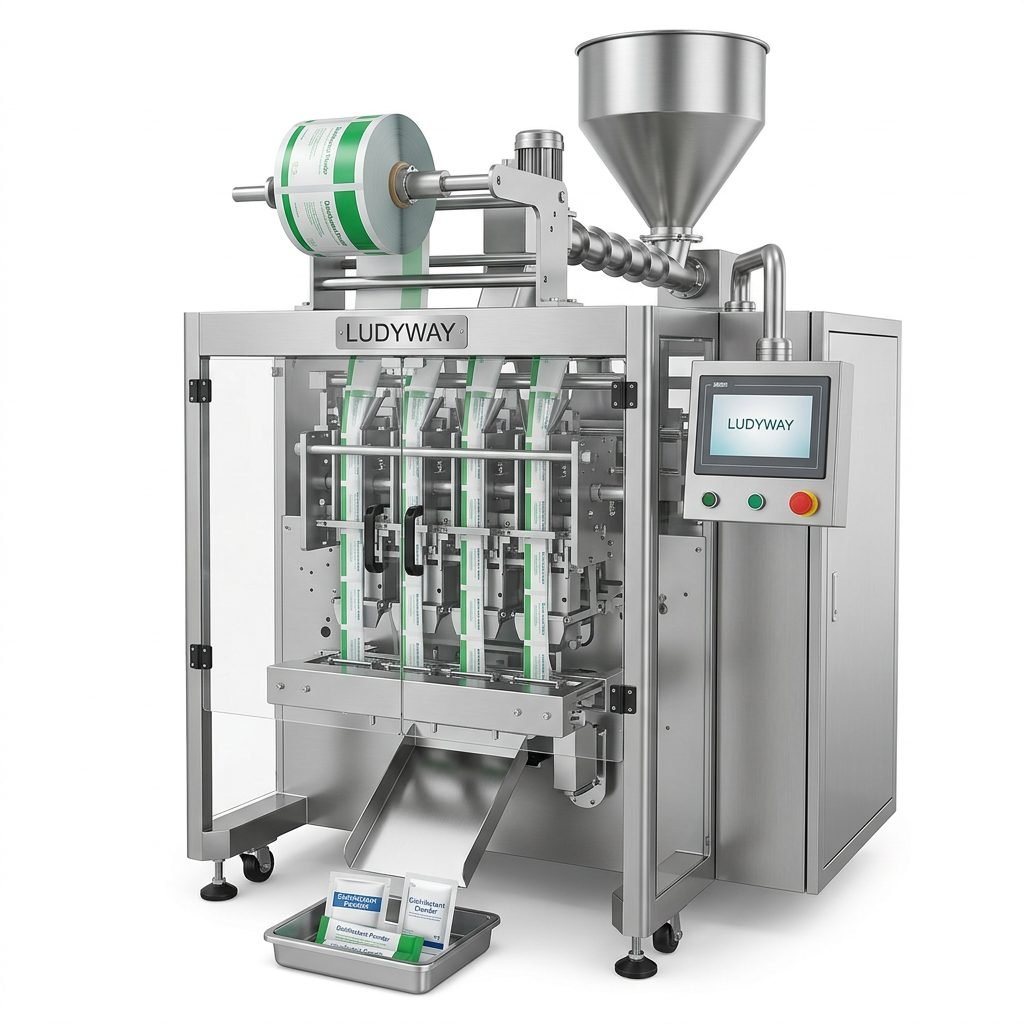
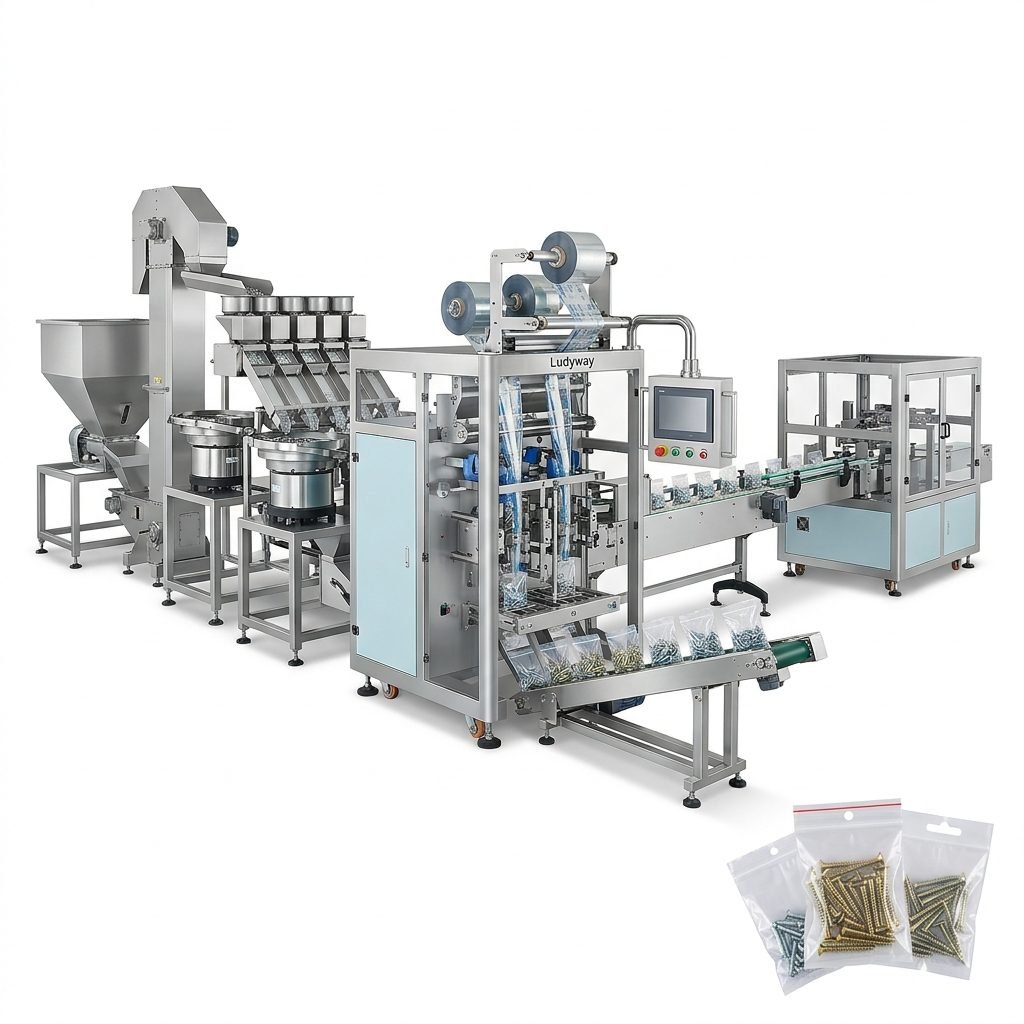
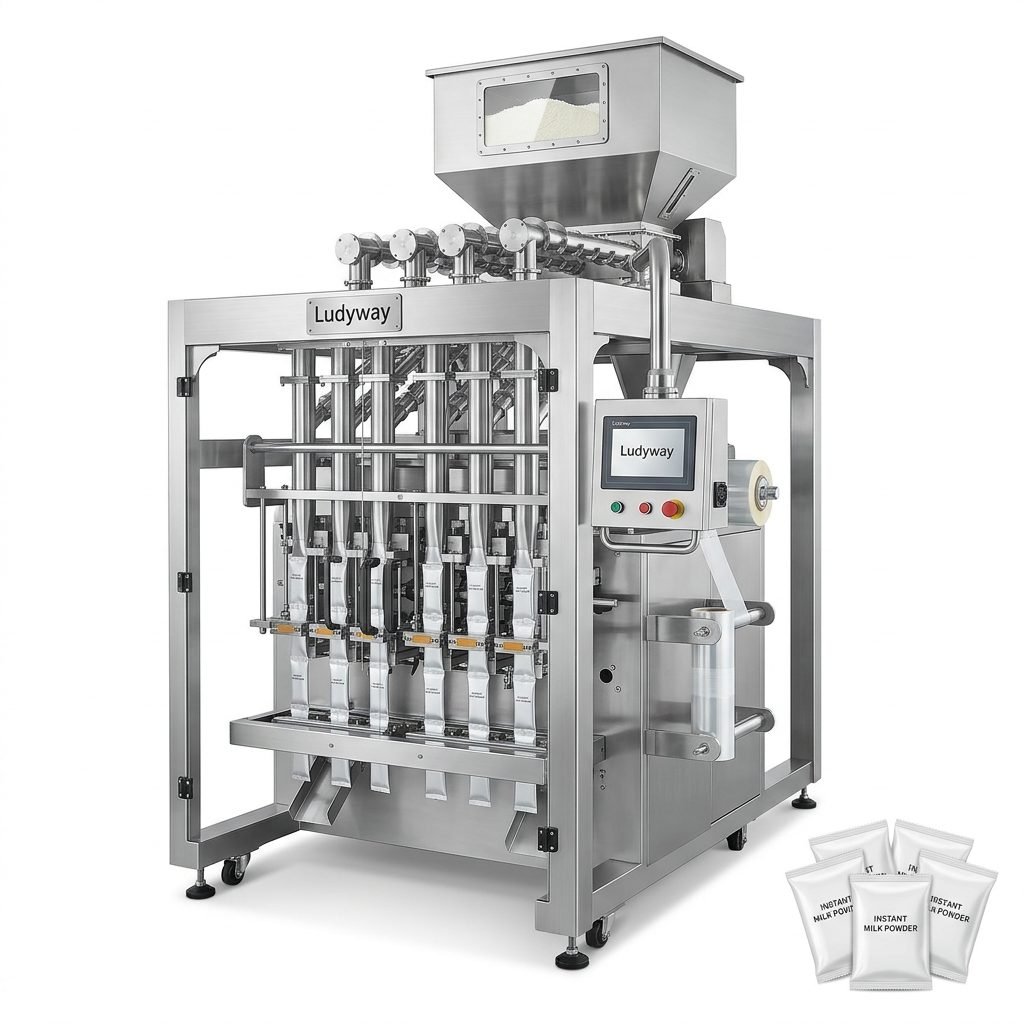
These are among the most versatile and widely used machines. They form bags from a roll of film, fill them with the product, and then seal them—all in a continuous vertical motion. Ideal for packaging granules, powders, seeds, and small hardware items. Their flexibility in bag size and speed makes them a staple in food and non-food industries.
Horizontal Form-Fill-Seal (HFFS) Machines
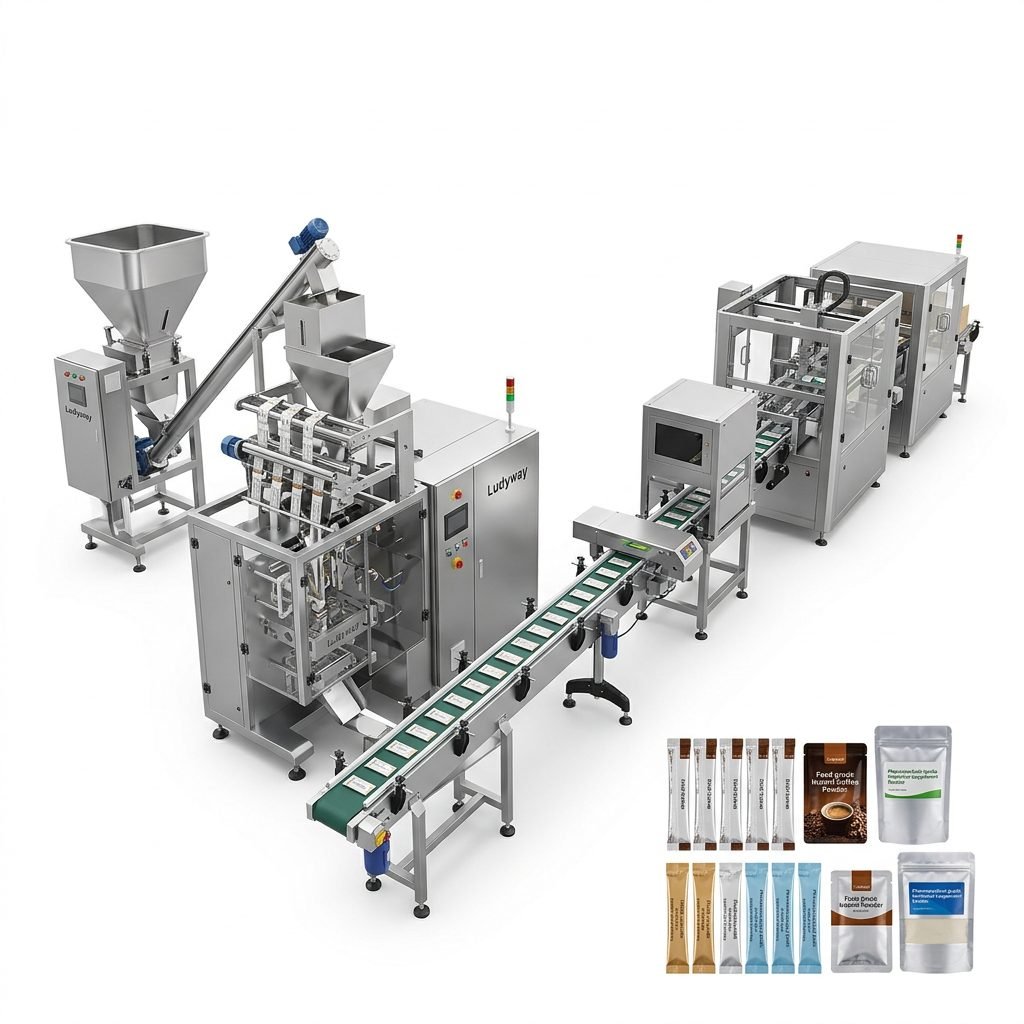
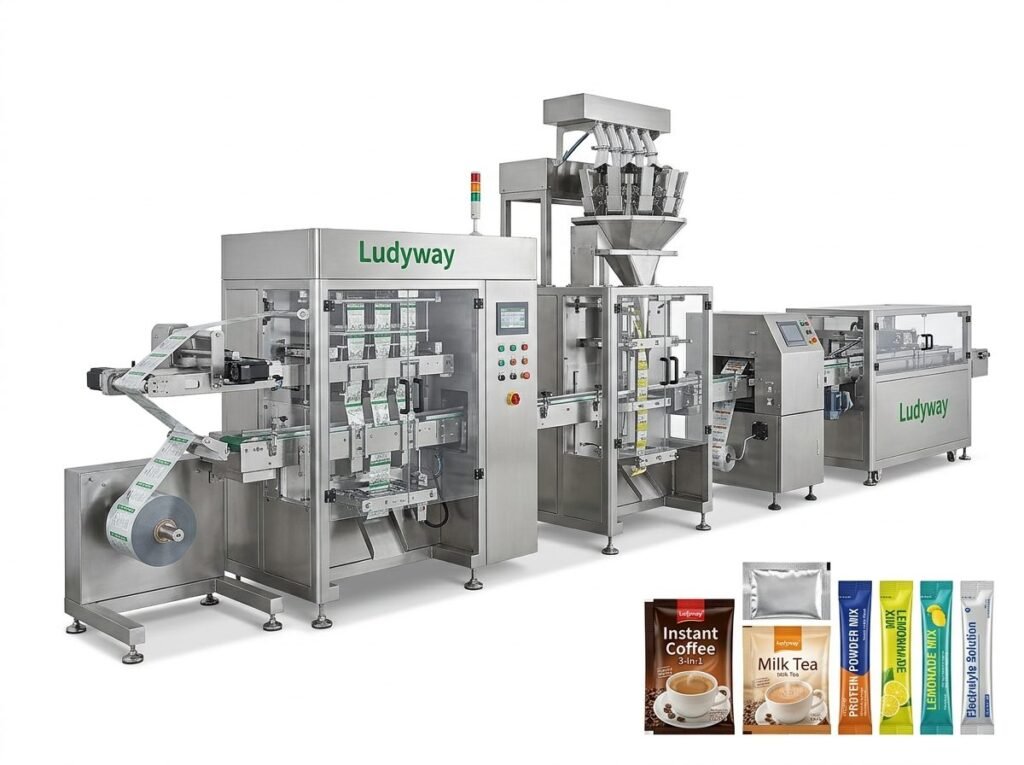
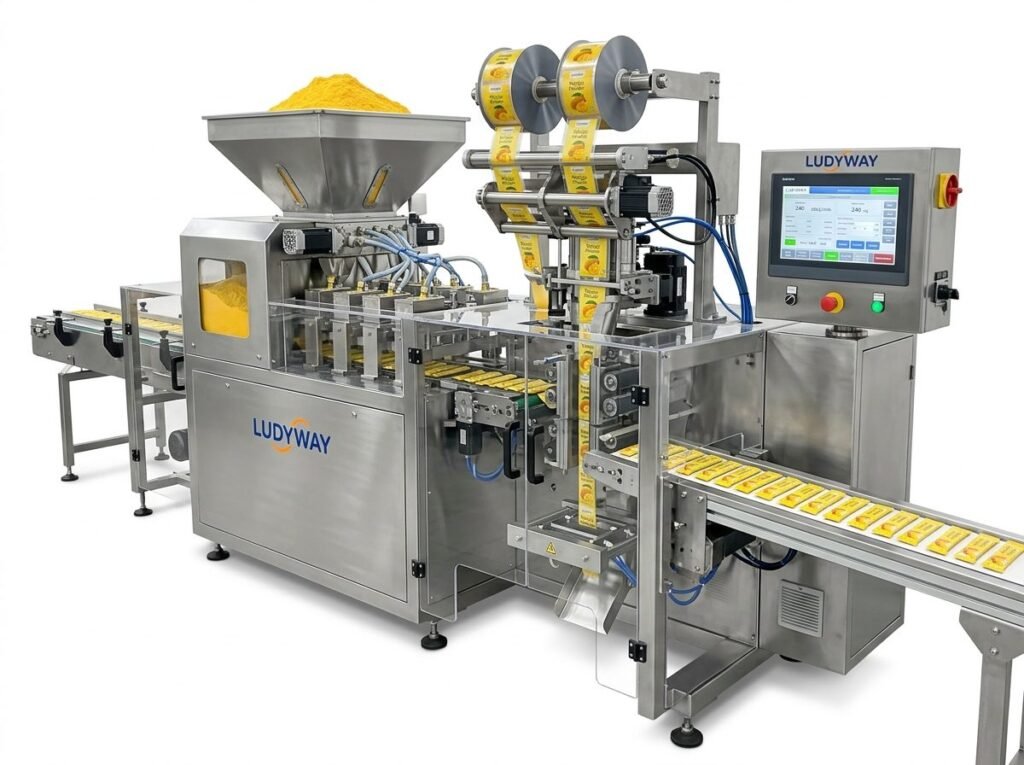
Operating on a horizontal plane, these machines are typically used for more complex packaging formats like sachets, stick packs, and pouches. They excel at handling products that require multi-lane, high-speed packaging, such as instant beverage mixes, condiments, and pharmaceutical powders. Their precision is key for portion-controlled packaging.
Liquid & Paste Filling Machines
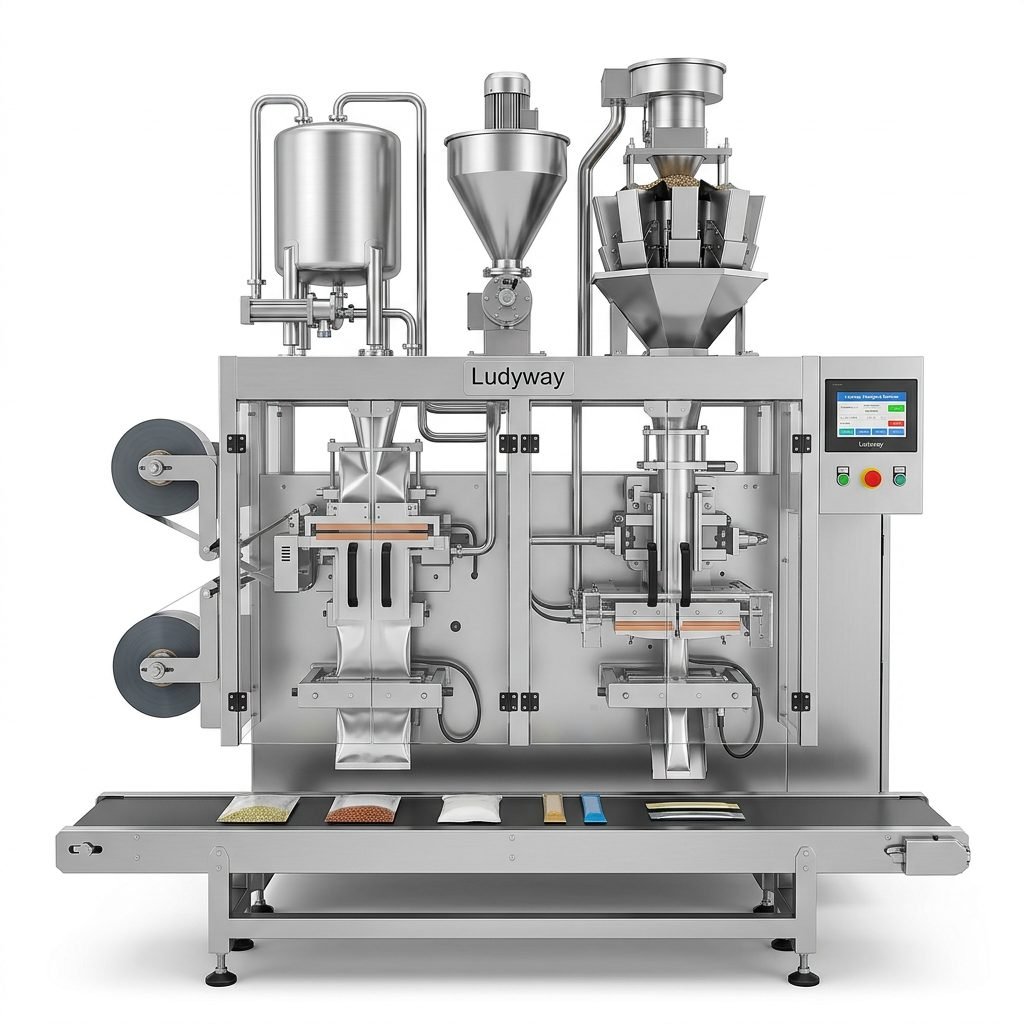
Specifically designed for viscous products, this category includes machines for filling bottles, tubes, and pouches with liquids, creams, gels, or pastes. Technologies range from piston fillers and peristaltic pumps to gravity-based systems, ensuring accuracy and minimizing waste for products like sauces, shampoos, and pharmaceuticals.
Specialized Packaging Systems
Beyond the standard types, China also produces highly specialized equipment. This includes cartoning machines, blister packers, vacuum sealers, and bundling/wrapping machines. These are often integrated into complete automated lines to handle secondary and tertiary packaging operations.
Key Benefits of Sourcing from Chinese Manufacturers
Choosing Chinese packaging machinery comes with a set of strategic advantages that have made China a global hub for industrial equipment.
Cost-Effectiveness Without Major Sacrifice
The most prominent advantage is the significant cost savings, often 30-50% lower than comparable Western or Japanese machinery. This is due to competitive manufacturing costs and a mature supply chain. Importantly, this affordability no longer necessarily means a compromise on core functionality or durability for standard to mid-range applications.
Rapid Technological Adoption and Customization
Chinese manufacturers are exceptionally agile in integrating new technologies, such as servo motors, touch-screen PLC controls, and IoT connectivity for data monitoring. Furthermore, they are generally more willing and faster to offer machine modifications and custom solutions tailored to a client’s unique packaging materials or product specifications compared to many rigid, off-the-shelf Western models.
Scalability and Complete Line Solutions
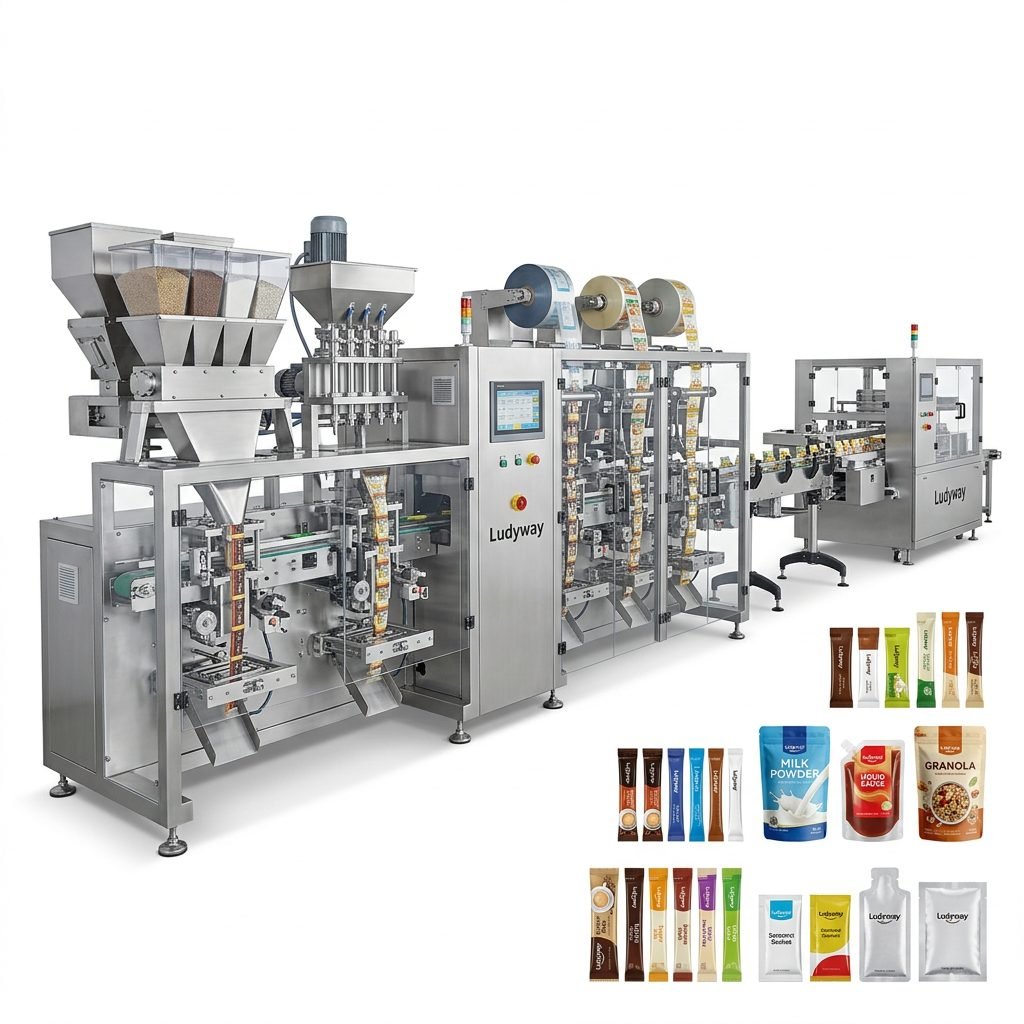
From a single machine to a fully automated turnkey production line, Chinese suppliers can provide scalable solutions. Many leading companies, like Ludyway Packing Machine, have evolved from equipment suppliers to solution providers, offering integrated lines that include feeding, packaging, and cartoning, supported by their extensive engineering experience.
How to Choose the Right Supplier: A Practical Framework
With countless suppliers available, selecting a trustworthy partner is the most critical step. This decision should be based on a thorough evaluation beyond just price.
1. Assess Technical Capability and Industry Experience
Look for a supplier with a proven track record in your specific industry (e.g., food, pharmaceuticals, chemicals). Examine their portfolio of successful projects and the range of machinery they offer. A supplier with deep experience, such as one backed by over 30 years in the industry, is more likely to understand complex challenges and deliver reliable solutions. Review their company history and development story to gauge their long-term stability and focus.
2. Verify Manufacturing and Quality Control Standards
Always inquire about the production facility, quality control processes, and compliance with international standards (like CE, ISO). A reputable supplier will have a modern manufacturing plant and rigorous testing protocols. The scale of their operation, indicated by factors like a 20,000㎡ production facility, often correlates with stronger quality assurance and production capacity.
3. Scrutinize After-Sales Service and Support Structure
Reliable after-sales service is non-negotiable. Key questions to ask include:
✓ What is the warranty period and what does it cover?
✓ Is technical support available in your language/time zone?
✓ How quickly can they supply spare parts?
✓ Do they offer installation supervision, training, or remote diagnostic services?
4. Conduct Due Diligence and Request References
Before finalizing a deal, conduct thorough due diligence. This includes video calls to tour their factory, reviewing official business licenses, and most importantly, requesting contact information for existing international clients. Speaking directly with past customers provides invaluable, unbiased insights into machine performance and supplier reliability.
Navigating Cultural and Business Practices
Successful sourcing from China often involves understanding subtle cultural nuances. Building a strong guanxi (relationship) is fundamental. Communication should be clear, detailed, and documented, but also respectful and patient. Be prepared for negotiations where building a long-term partnership is valued as highly as the immediate transaction. Demonstrating respect for their expertise and a commitment to mutual growth can foster a more collaborative and productive relationship.
Conclusion and Final Recommendations
The Chinese packaging machinery market offers unparalleled value, variety, and flexibility. By systematically understanding the machine types, recognizing the key benefits, and meticulously vetting potential suppliers on their technical merit, quality controls, and service commitment, you can secure a packaging solution that drives your production efficiency for years to come. The goal is to move beyond seeing the supplier as a mere vendor and toward establishing them as a strategic partner in your operational success.
Frequently Asked Questions (FAQs)
What is the typical lead time for a packaging machine from China?
Lead times vary based on machine complexity and customization. For standard models, expect 30-60 days after order confirmation. For fully customized or large turnkey lines, it can range from 60 to 120 days. Always confirm the detailed production schedule with your supplier.
How can I ensure the machine meets my country’s safety standards?
Explicitly state the required certifications (e.g., CE, UL, FDA-compliant materials) in your purchase contract. Reputable suppliers will have experience exporting to your region and can provide the necessary documentation and technical files. Third-party inspection before shipment is also a recommended option.
Is it better to buy a single machine or a complete line?
This depends on your current and future needs. A single machine suits adding capacity or replacing old equipment. A complete, integrated line from a single supplier like Ludyway is more efficient for new projects, ensuring compatibility, synchronized speed, and streamlined after-sales support, though it requires a larger initial investment.
What are the hidden costs I should budget for?
Beyond the machine price, factor in international shipping and insurance, import duties and taxes in your country, costs for professional installation and commissioning (if not included), potential electrical/air supply modifications, and an initial stock of recommended spare parts.
Can Chinese suppliers provide raw packaging materials?
Many machinery suppliers also have partnerships with film and material producers. They can often recommend or even supply compatible packaging materials, which can simplify your sourcing process and ensure optimal machine performance. However, it’s advisable to test material samples thoroughly before bulk ordering.