In the highly competitive and quality-sensitive condom industry, efficient and reliable packaging is not just a final step—it’s a critical component of brand integrity, product safety, and consumer trust. A condom packaging machine automates the process of sealing individual condoms into their final pouches or blister packs, ensuring hygiene, tamper evidence, and consistent presentation. For manufacturers, selecting the right equipment directly impacts production speed, operational costs, and the ability to meet diverse market demands, from standard retail packs to innovative promotional formats.
Primary Types of Condom Packaging Machines
The choice of machinery depends largely on the packaging format, production volume, and level of automation required. Here are the main types prevalent in the industry.
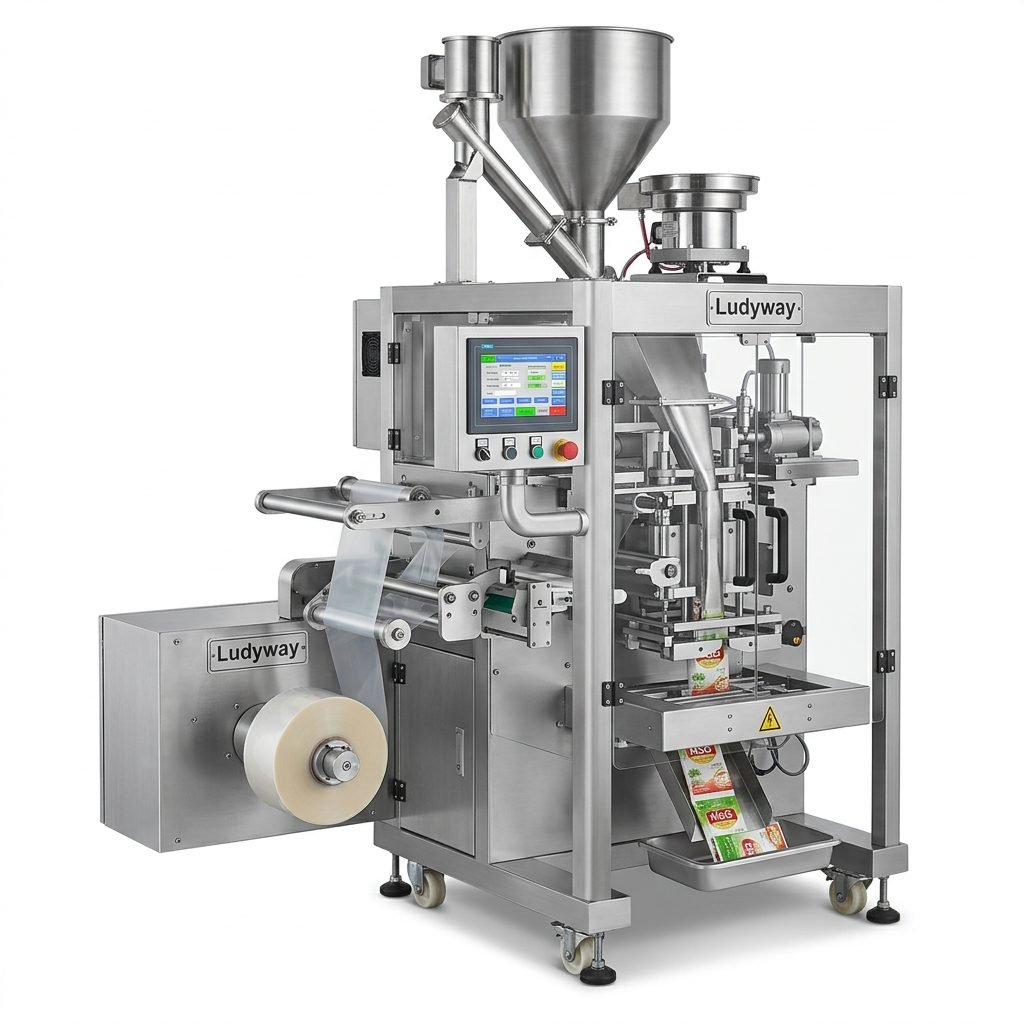
Vertical Form-Fill-Seal (VFFS) Machines
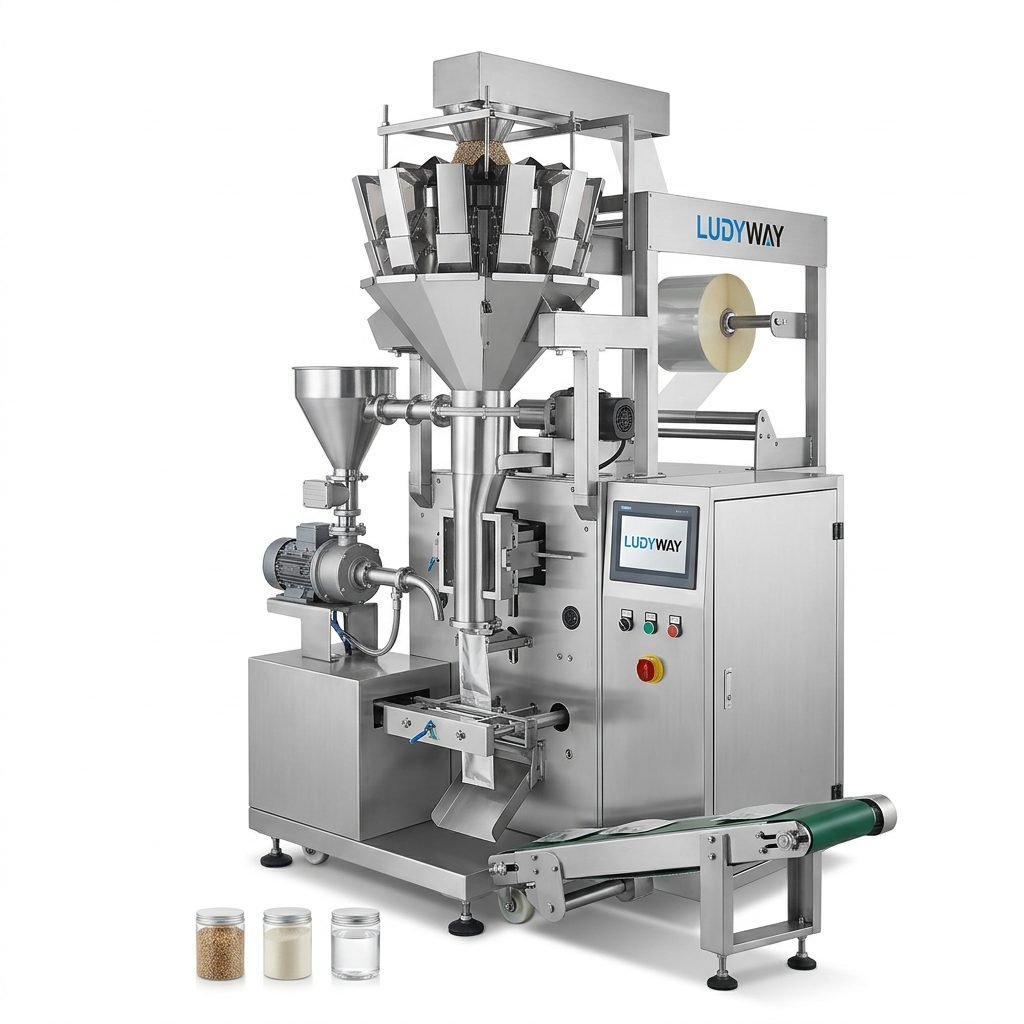
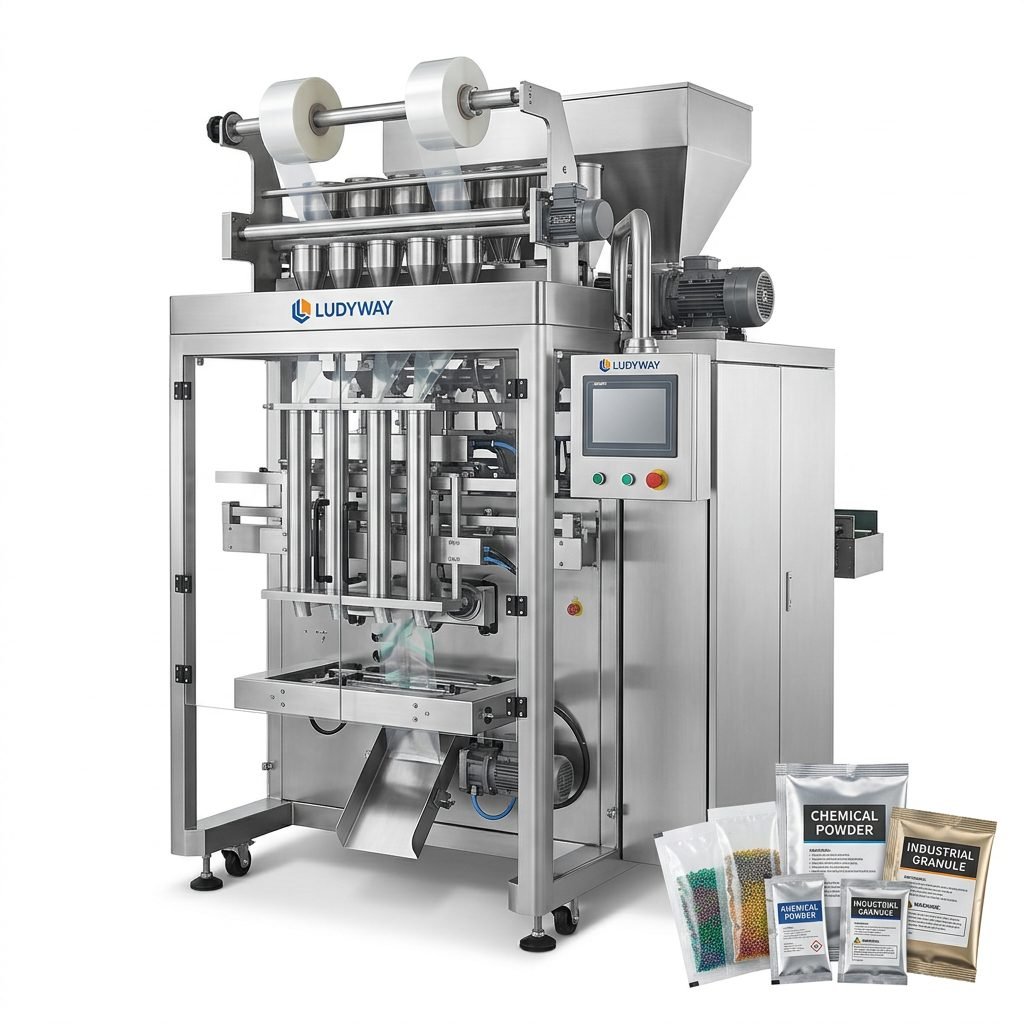
These are the workhorses for producing flexible pouch-style condom packaging. The machine forms a roll of packaging film into a tube, fills it with the condom (and sometimes a sachet of lubricant), and then seals and cuts it into individual packs. VFFS machines are highly versatile and can handle various film materials, including laminates for better barrier properties. They are ideal for high-speed production of standard three-square or pillow-style pouches.
Blister Packaging Machines
For a more rigid and premium presentation, blister packs are common. These machines use two main components: a formed plastic cavity (the blister) and a lidding material (usually foil or card). The condom is placed into the blister, and the lidding is heat-sealed over it. This format offers superior product visibility, protection from crushing, and a sophisticated unboxing experience, often preferred for branded or specialty products.
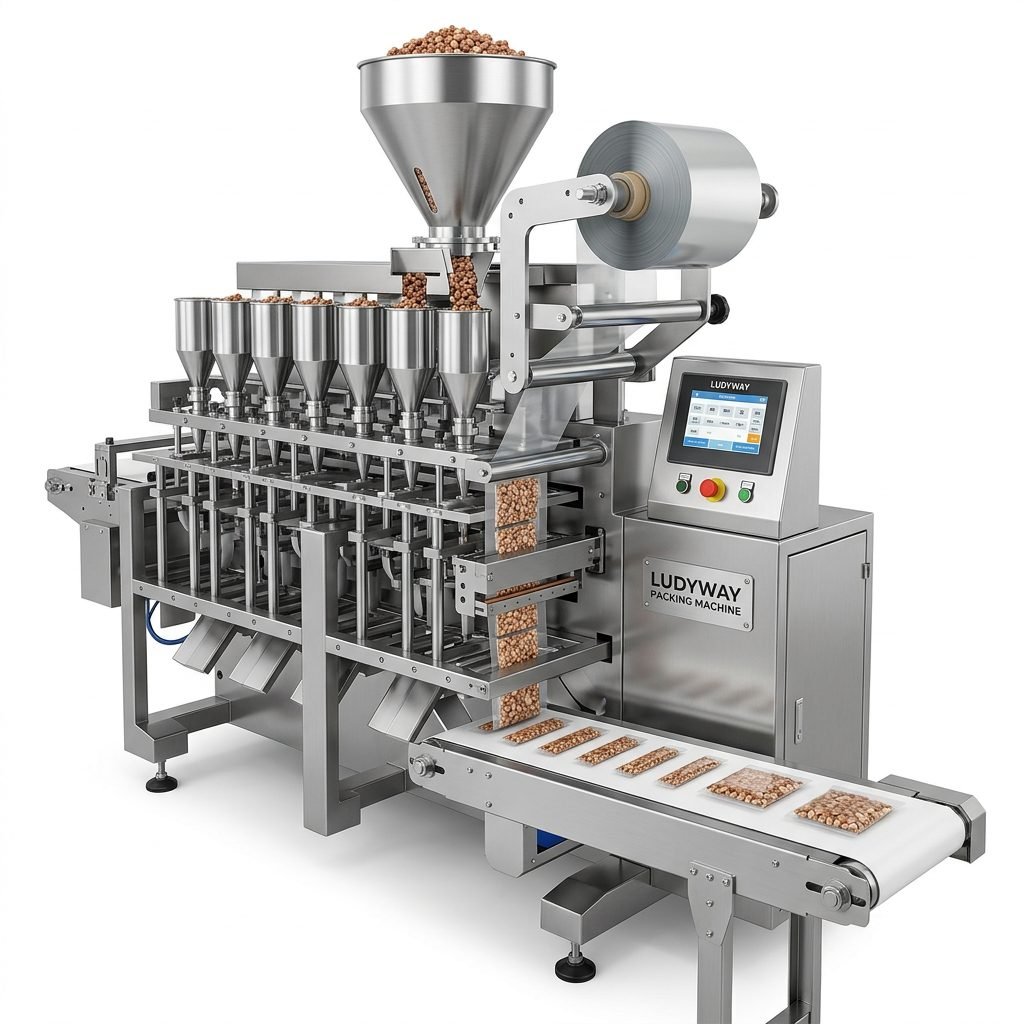
Stick Pack Packaging Machines
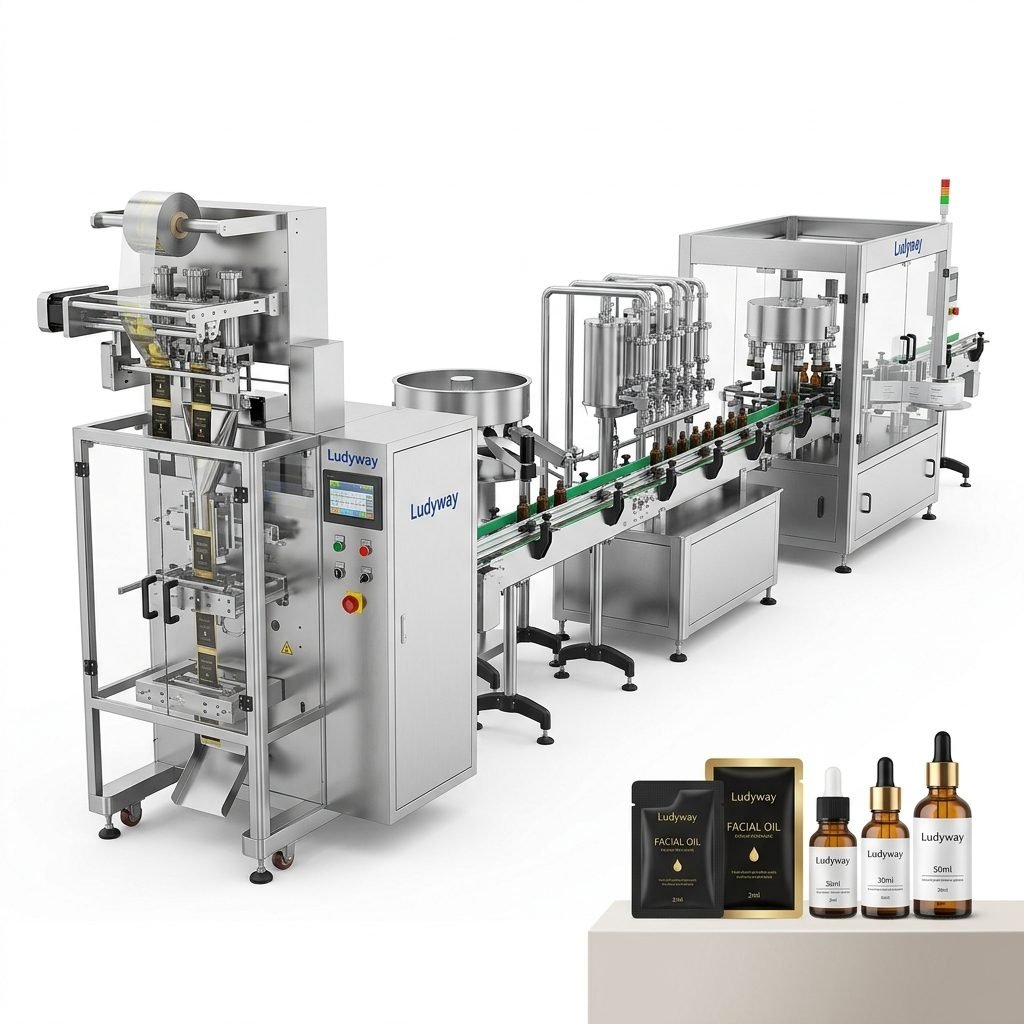
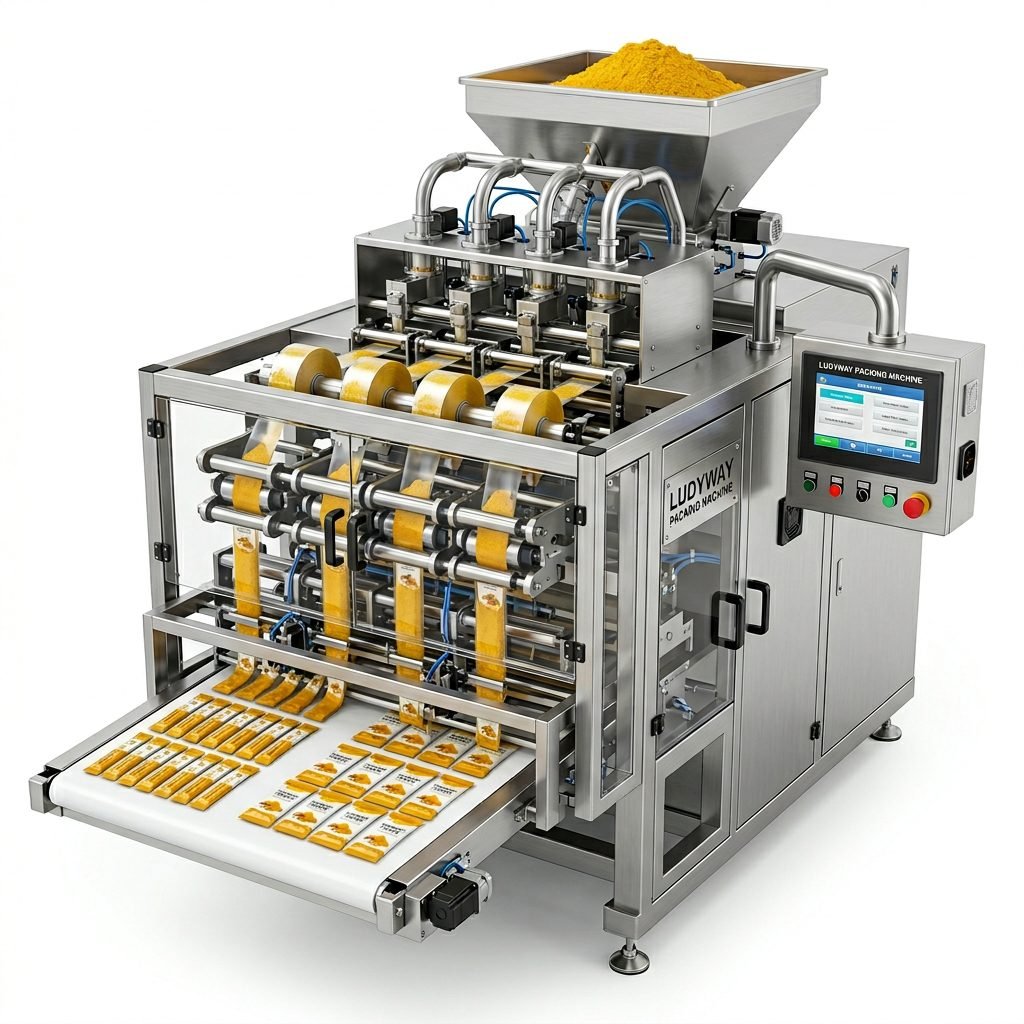
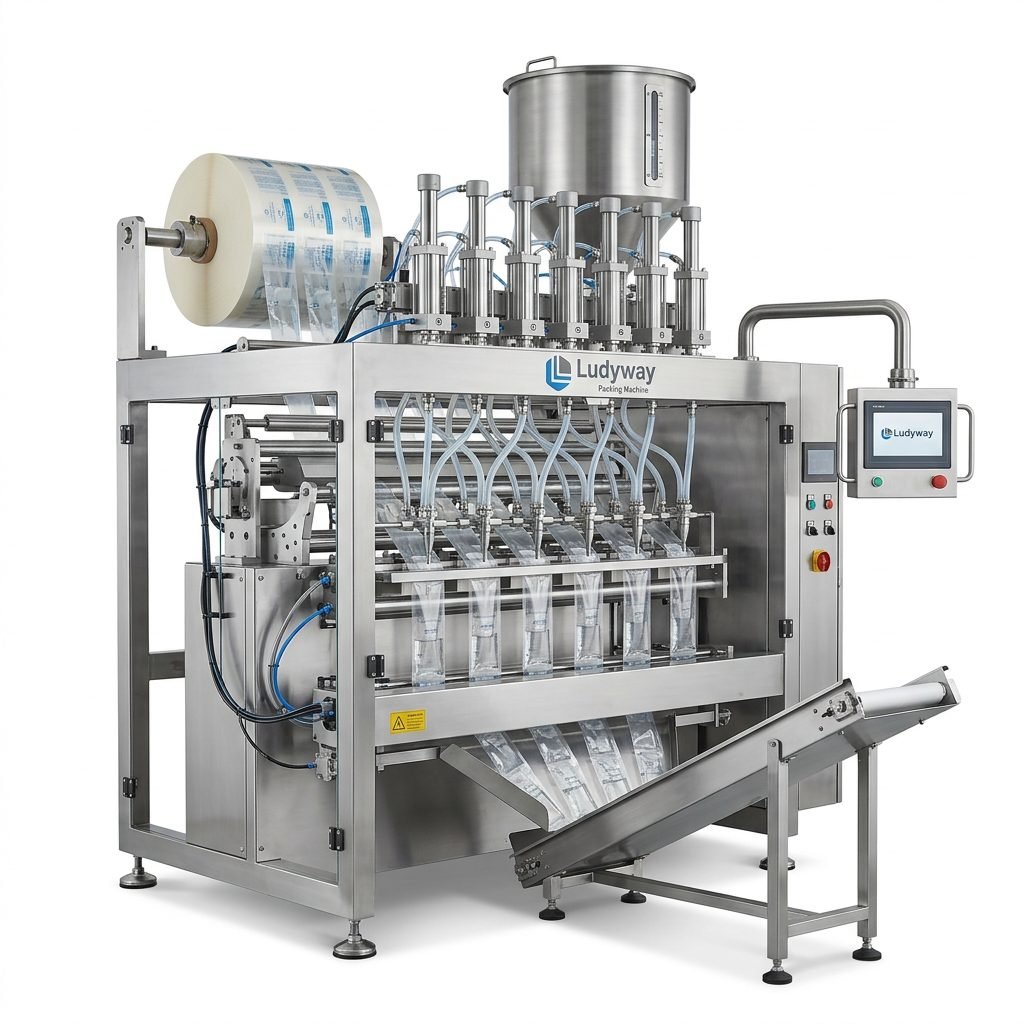
While less common for standard condoms, stick pack machines are relevant for packaging single-use lubricant sachets that are often included with condoms. These machines create long, narrow, and durable sealed packs from roll stock, perfect for holding small volumes of liquid or gel. They represent how ancillary products in a condom line may require complementary packaging solutions.
The Working Process: From Film to Finished Pack
Understanding the automated workflow highlights the precision engineering involved. The process for a typical VFFS machine involves several synchronized stages.
Stage 1: Film Unwinding & Forming
A roll of packaging film (often a multi-layer laminate for moisture and light barrier) is fed into the machine. The film passes through a forming collar, which shapes it into a vertical tube around the filling tube.
Stage 2: Longitudinal Sealing
The overlapped edges of the film tube are sealed together by a continuous heat seal along the back, creating a continuous sleeve.
Stage 3: Product Feeding & Placement
Condoms, typically fed from a hopper or automated feeder, are dropped in a timed sequence down the filling tube and into the film sleeve. Precision here is crucial to avoid jams or misaligned seals.
Stage 4: Transverse Sealing & Cutting
Horizontal sealing jaws close at set intervals, simultaneously creating the top seal of the finished pack, the bottom seal of the next pack, and cutting the two apart. This action also often perforates the seal for easy tear-opening by the consumer.
Note on Quality Control: Modern machines integrate vision systems or sensors to check for proper product presence, seal integrity, and print registration before the pack is discharged, ensuring every unit meets quality standards.
How to Choose the Right Condom Packaging Equipment
Investing in packaging machinery is a significant decision. Here are the critical factors to guide your selection process to ensure optimal return on investment and production efficiency.
1. Assess Your Production Requirements
- Output Speed (Packs/Minute): Determine your required capacity. Speeds can range from 60 to over 300 packs per minute. Balance peak demand with operational flexibility.
- Packaging Format & Size: Define your primary pack style (pouch, blister) and the range of sizes you need to produce. Ensure the machine allows for easy changeovers.
- Material Compatibility: Verify the machine can reliably run your chosen film or lidding material, especially if using eco-friendly or high-barrier laminates.
2. Evaluate Machine Features & Technology
Look beyond basic functionality. Key features include:
- Servo-Driven Systems: Servo motors offer superior precision, quieter operation, and energy efficiency compared to mechanical drives. They allow for easier adjustment of sealing parameters and pack length via the HMI (Human-Machine Interface).
- Advanced Sealing Technology: Consistent, strong seals are non-negotiable. Look for digitally controlled temperature systems and durable, well-machined sealing jaws.
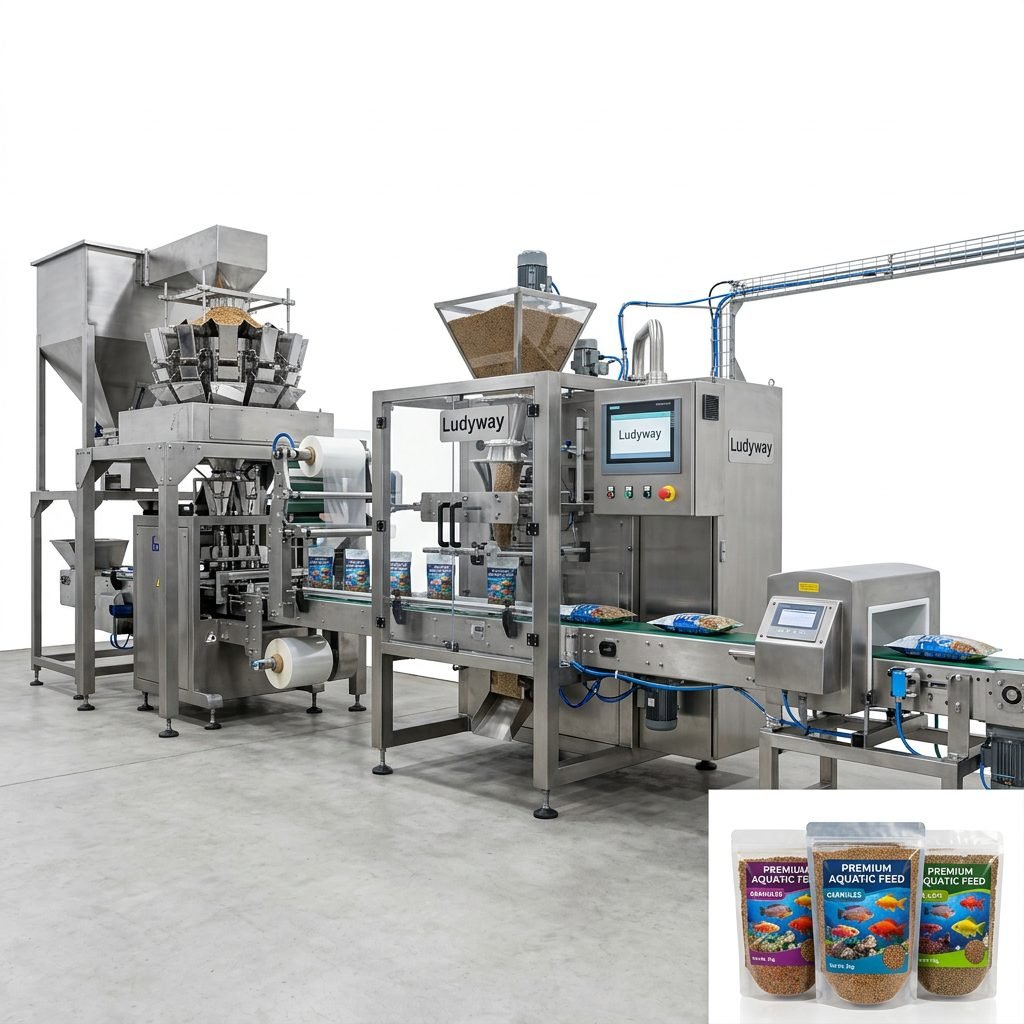
- Integrated Automation: Consider machines that can be easily linked with upstream feeders (for condoms and inserts) and downstream systems like cartoners or case packers for a complete line.
3. Prioritize Hygiene, Safety, and Compliance
Condom packaging is a medical device/health product application in many regions. The machine design should facilitate easy cleaning, use food-grade or medical-compliant materials in product contact zones, and have safety guards and interlocks. Compliance with relevant standards (like ISO or regional safety codes) is essential.
4. Consider Supplier Expertise and Support
The machine is part of a larger partnership. Choose a supplier with proven experience in health and personal care packaging. Evaluate their ability to provide comprehensive support:
→ Installation, commissioning, and operator training.
→ Availability of spare parts and responsive technical service.
→ Capability for future upgrades or customization.
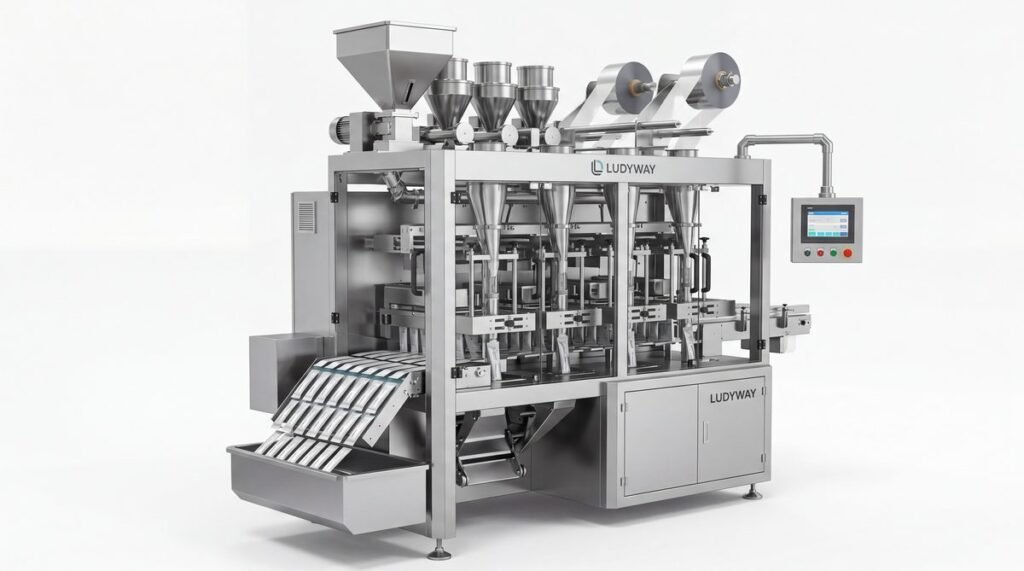
Companies like Ludyway Machinery, with deep expertise in packaging solutions for sensitive industries, understand these critical needs. They offer a range of intelligent packaging systems and can provide tailored turnkey solutions that integrate seamlessly into your production environment, ensuring reliability and compliance from day one. Exploring their packaging machine portfolio can give you insights into modern, capable equipment designed for demanding applications.
5. Analyze Total Cost of Ownership (TCO)
Look at the long-term picture, not just the purchase price. Factor in energy consumption, maintenance costs, changeover downtime, material waste rates, and the expected lifespan of the equipment. A slightly higher initial investment in a robust, efficient machine often leads to significantly lower TCO.
Frequently Asked Questions (FAQs)
1. What is the typical production speed of a condom packaging machine?
Speeds vary widely based on machine type and automation level. Standard vertical pouch machines typically operate between 80 and 200 packs per minute. High-speed blister lines can also achieve similar outputs. The right speed depends on your annual volume and line balancing requirements.
2. Can one machine handle different condom sizes and packaging styles?
Most modern machines are designed for flexibility. By changing the forming tools, sealing jaws, and adjusting parameters via the servo system, a single VFFS machine can often run a range of pouch sizes. Switching between fundamentally different formats (e.g., from pouch to blister) usually requires a different dedicated machine.
3. How important is the packaging material, and what is commonly used?
Extremely important. The material must provide a reliable barrier against moisture, air, and sometimes light to preserve the latex and lubricant. Most condom pouches use multi-layer laminates, often combining polyester (for strength and printability), aluminum foil (for an absolute barrier), and polyethylene (for heat sealing).
4. What kind of maintenance do these machines require?
Regular preventive maintenance is key to uptime. Daily cleaning of product contact areas, weekly checks of sealing jaw surfaces and film guides, and periodic lubrication and inspection of mechanical parts as per the manufacturer’s schedule are essential. Choosing a supplier with clear maintenance protocols and available spare parts is crucial.
5. Can the machine include features like batch coding or serialization?
Yes, this is a standard and often critical requirement. Machines can be equipped with integrated inkjet, laser, or thermal transfer coders that print expiry dates, batch numbers, lot codes, and even unique serial numbers directly onto the packaging film or a label area, ensuring traceability and compliance with regulatory standards.