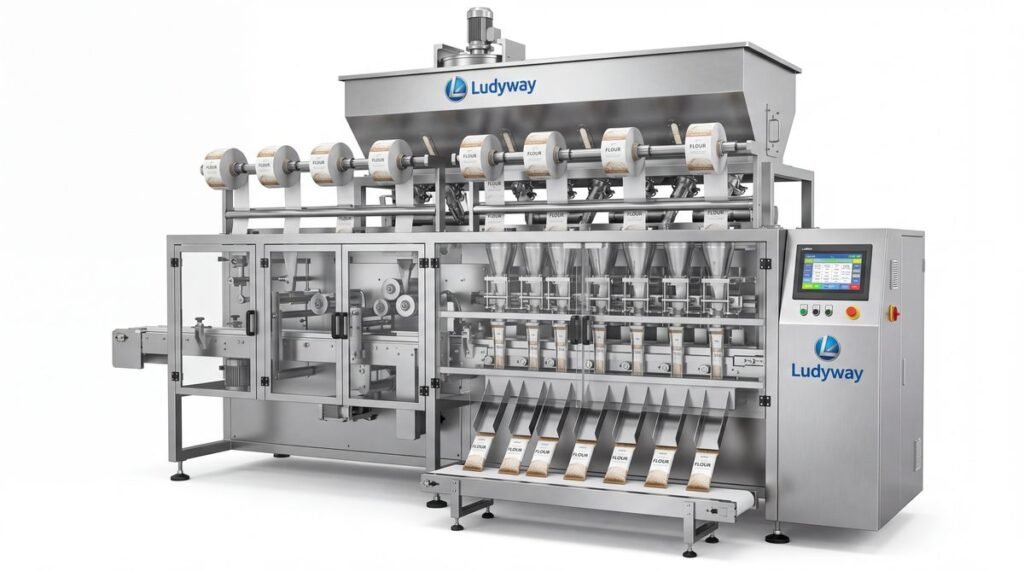
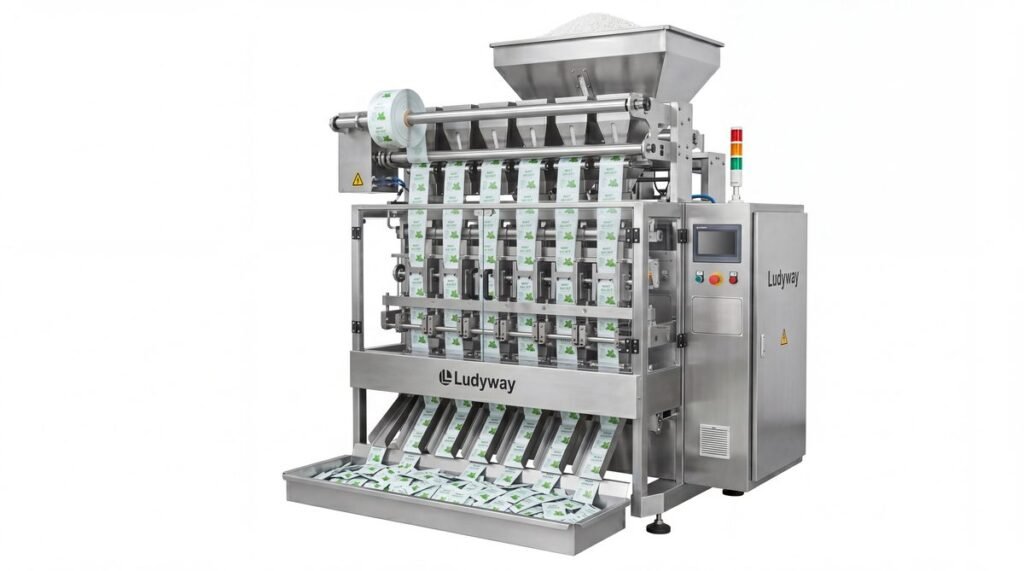
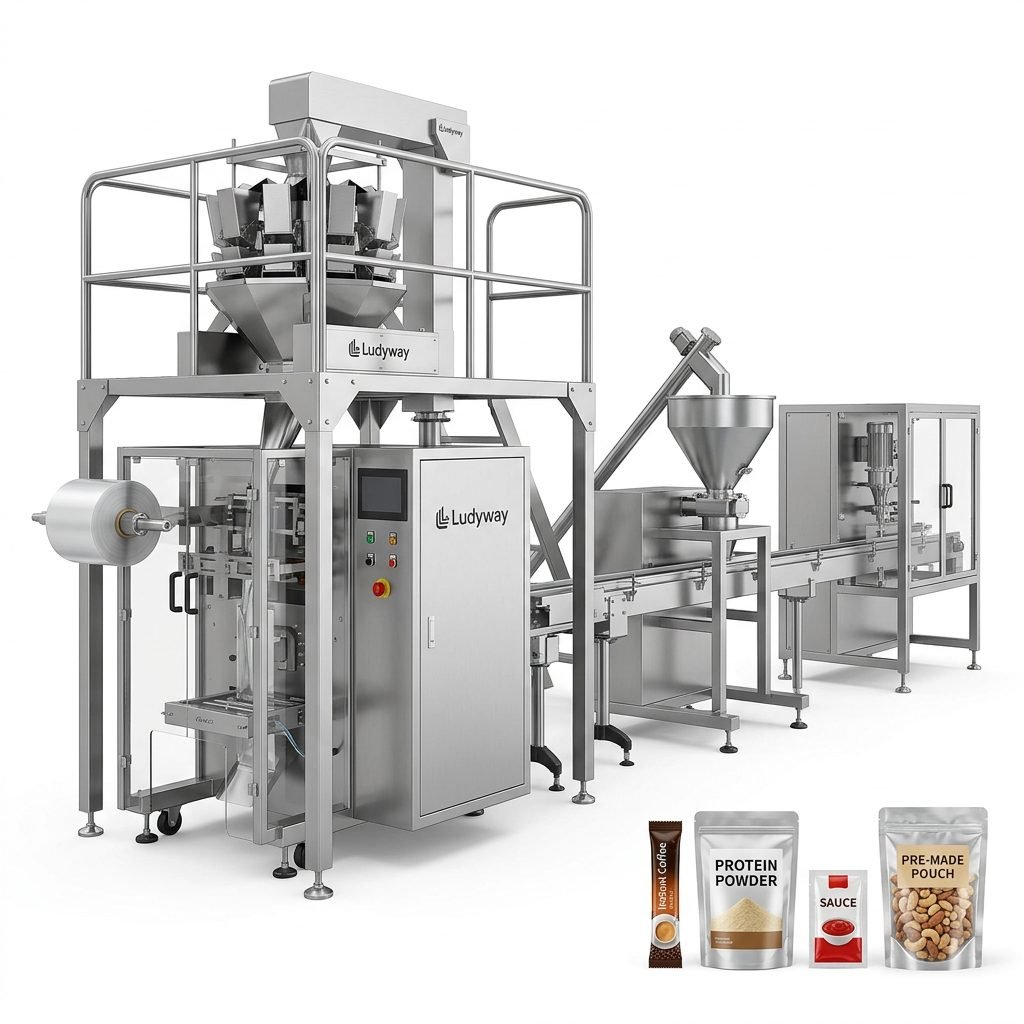
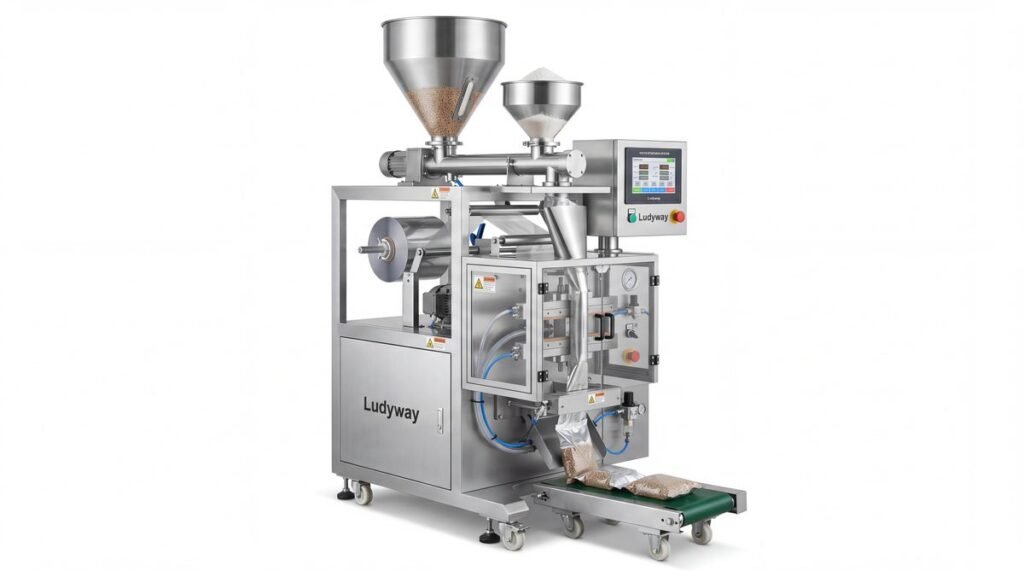
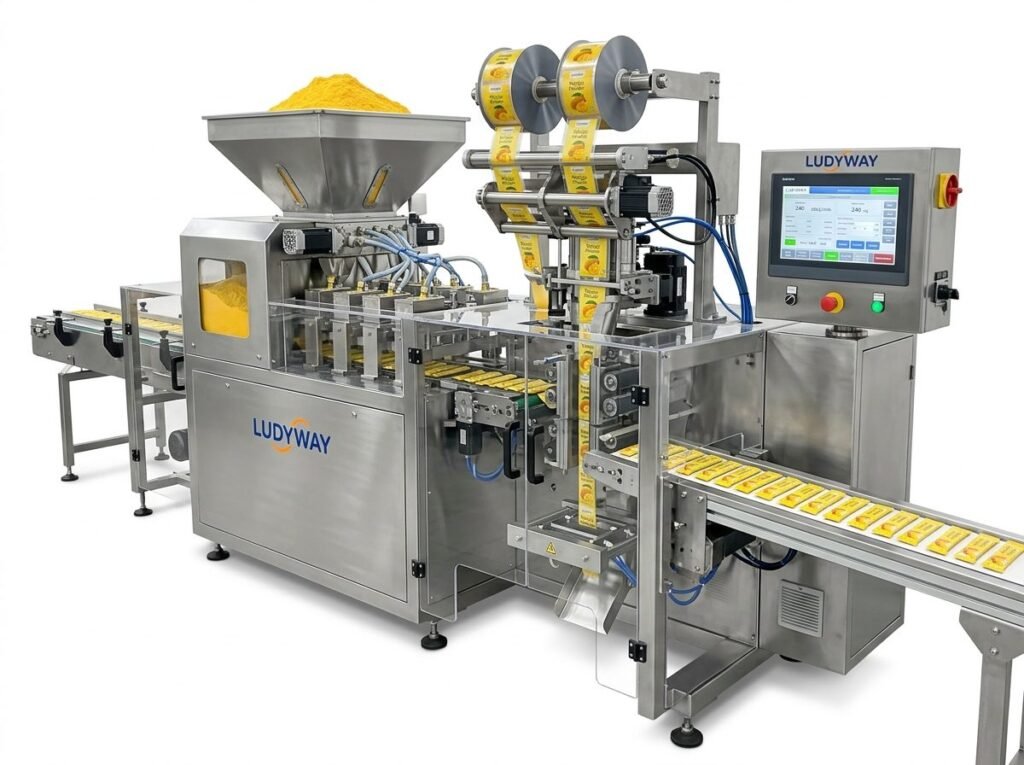
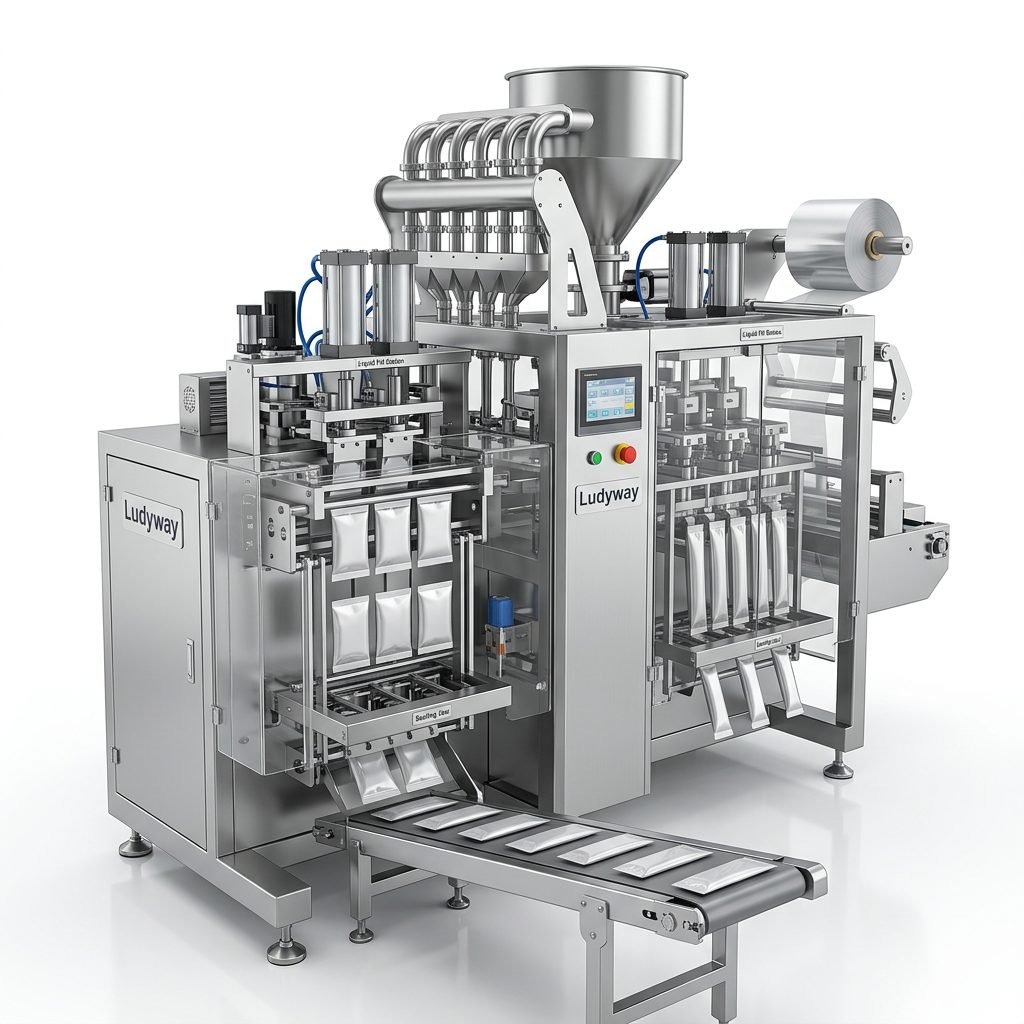
In modern biscuit manufacturing, packaging is no longer just the final step of production. It is a critical process that affects product freshness, shelf appeal, labor efficiency, output consistency, and overall operating cost. A small biscuit packing machine is an ideal solution for factories that need automatic, compact, and reliable packaging performance without investing in oversized systems.
Whether you produce sandwich biscuits, crackers, cookies, wafer snacks, or mini biscuit packs for retail distribution, the right machine helps streamline your line and improve packaging quality at every stage.
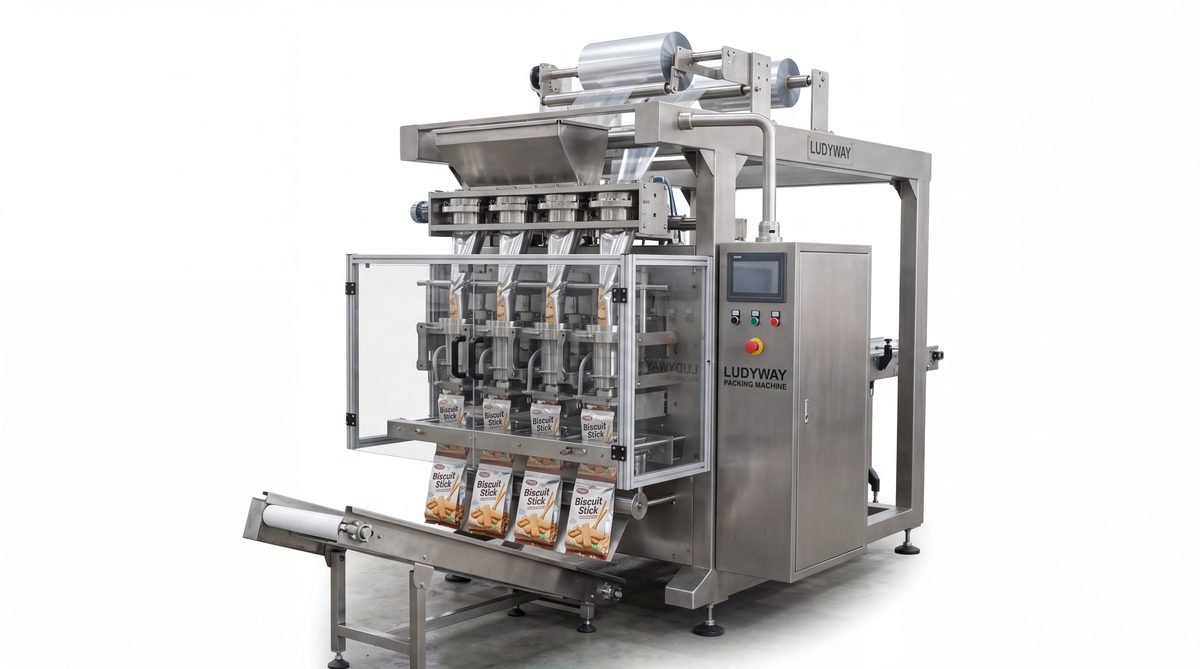
Why Small Biscuit Packing Machines Matter in Biscuit Production
Biscuit products are often fragile, lightweight, and produced in high volumes. Manual packing can lead to broken products, inconsistent pack counts, slower throughput, and higher labor dependency. A compact automatic biscuit packing machine solves these issues by offering a controlled and repeatable packaging process.
- Faster output for growing production demands
- Better seal quality to protect crispness and taste
- Reduced product damage during handling and transfer
- Improved pack appearance for retail shelves and export markets
- Lower labor costs through automation
- More stable operation for continuous production shifts
For small and medium biscuit manufacturers, these machines provide a practical path toward automation while keeping floor space and operational complexity under control.
What Is a Small Biscuit Packing Machine?
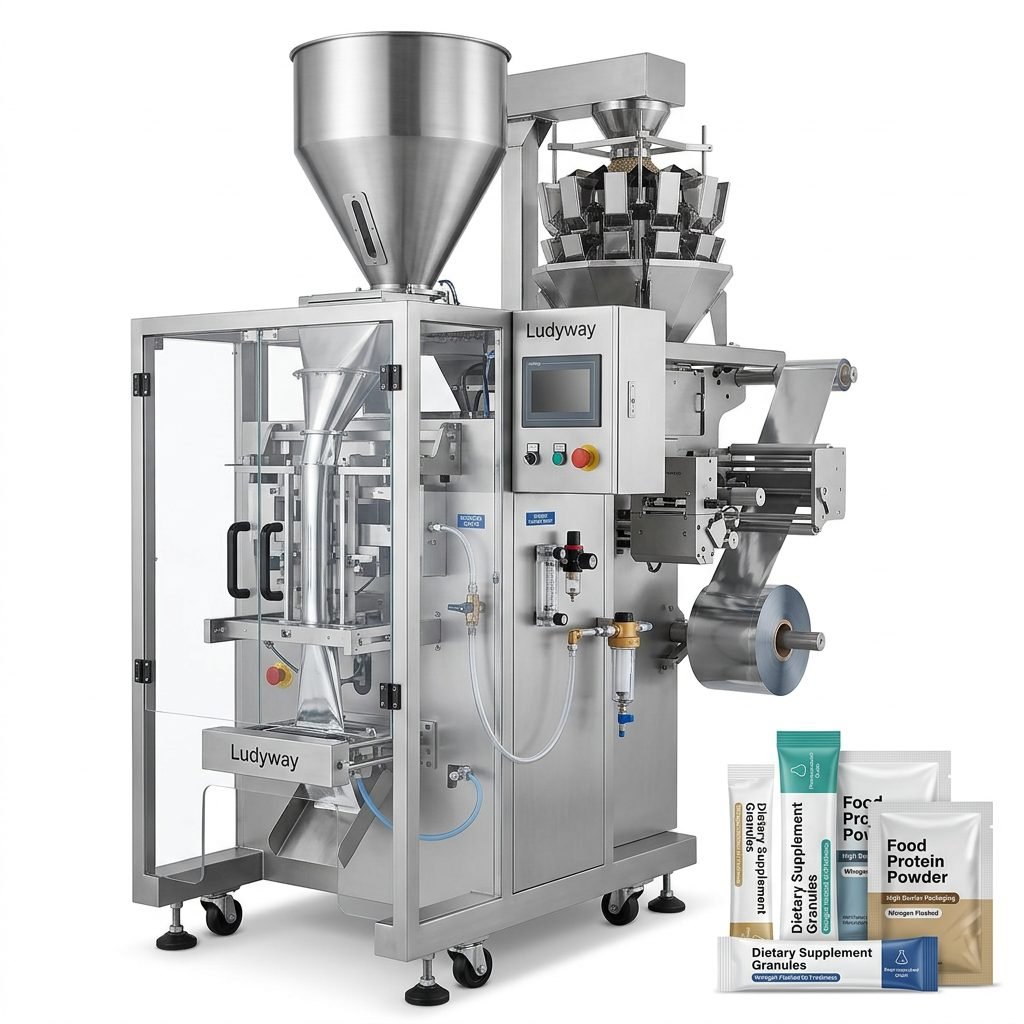
A small biscuit packing machine is a compact automatic packaging system designed to wrap, bag, seal, or pouch biscuits efficiently. It is suitable for producers with limited workshop space, moderate output requirements, product diversification, or frequent SKU changes.
Depending on the packaging format, the machine may be used for:
- Pillow packs for individual biscuit portions
- Flow wrapping for trays or stacked biscuits
- Pouches for mini cookies or snack biscuits
- Multi-pack bundles for retail promotions
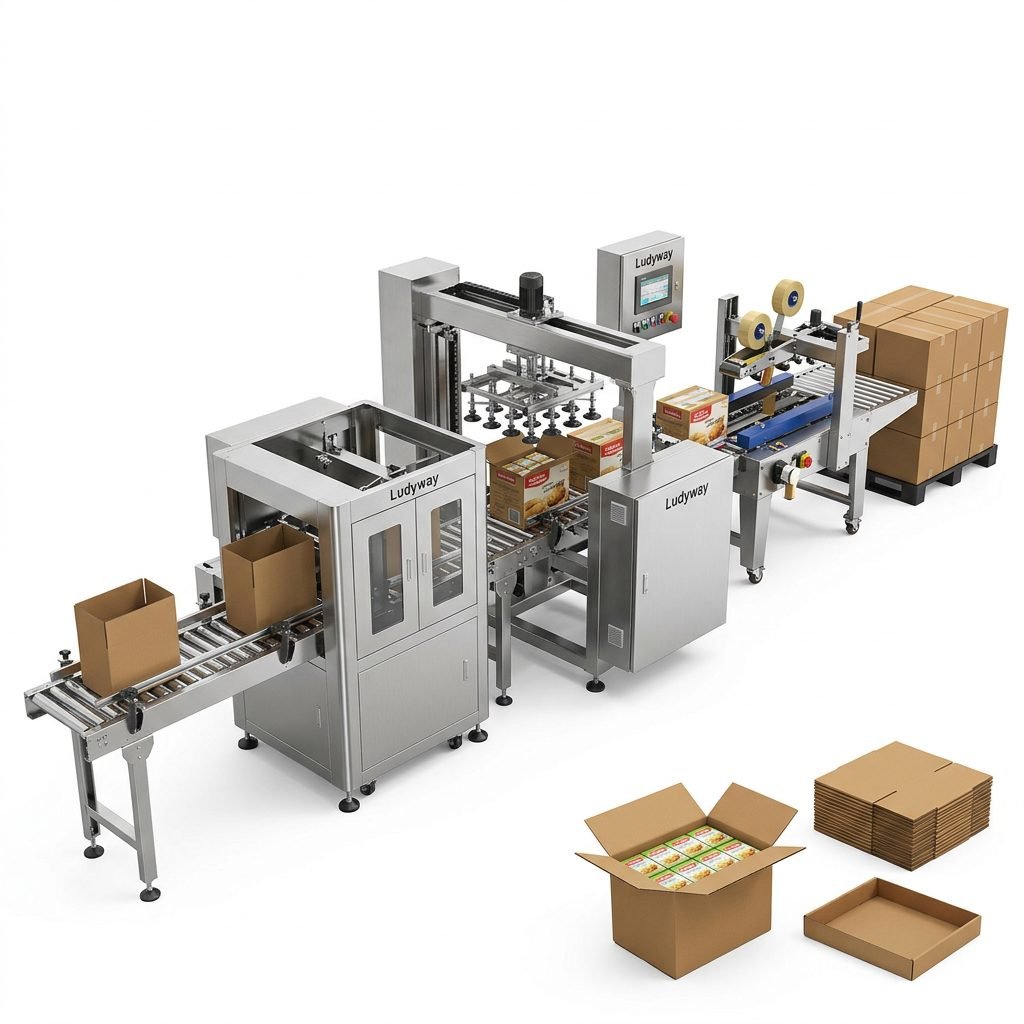
- Secondary packaging into cartons or cases
These systems can work as standalone machines or as part of a larger turnkey line with feeding conveyors, counting systems, checkweighers, date coders, and cartoning equipment.
Key Features of an Efficient Automatic Biscuit Packing Machine
When evaluating a machine for biscuit production, buyers usually focus on performance, hygiene, flexibility, and long-term maintenance needs. A well-designed machine should offer the following advantages:
| Feature | Benefit for Biscuit Producers |
|---|---|
| Automatic feeding and alignment | Reduces manual handling and helps prevent biscuit breakage |
| Servo-driven control | Improves precision, speed stability, and pack consistency |
| Adjustable bag length and settings | Supports multiple biscuit sizes and packaging formats |
| Accurate sealing temperature control | Ensures tight seals without damaging packaging film |
| Compact footprint | Ideal for workshops with limited space |
| Easy cleaning structure | Supports food hygiene and daily maintenance efficiency |
| Integration capability | Connects easily with upstream and downstream equipment |
Suitable Biscuit Products for Automatic Packing
Small biscuit packing machines are versatile and can handle a wide range of finished products. The ideal machine setup depends on biscuit shape, stack style, fragility, and required final pack format.
Common applications include:
- Butter biscuits
- Cream sandwich biscuits
- Digestive biscuits
- Crackers
- Wafer biscuits
- Chocolate-coated biscuits
- Mini cookies and snack-size portions
- Assorted biscuit packs
If product brittleness is high, manufacturers can combine the machine with gentle feeding systems, buffering conveyors, and counting devices to maintain product integrity.
Benefits of Choosing a Compact Automatic Solution
A compact machine is especially valuable for new biscuit brands, regional food processors, OEM factories, and manufacturers upgrading from manual or semi-automatic packing. It offers a balance between investment cost and production efficiency.
Main advantages include:
- Space-saving installation in small factories or existing workshops
- Lower initial investment compared with large-scale lines
- Flexible changeover for different product formats
- Faster return on investment through labor reduction
- Improved packaging consistency for wholesale and supermarket supply
- Better scalability as production volume increases
For growing companies, this type of packaging machine can serve as both an entry-level automation solution and a long-term production asset.
How to Choose the Right Small Biscuit Packing Machine
Not all packaging machines are equally suitable for every biscuit product. Before purchasing, it is important to evaluate both product and production line requirements.
Important factors to consider:
| Selection Factor | Why It Matters |
|---|---|
| Biscuit size and shape | Determines feeding, spacing, and pack structure |
| Packaging speed target | Ensures the machine matches production capacity |
| Packaging material type | Affects sealing performance and film compatibility |
| Automation level | Influences labor saving and workflow integration |
| Product changeover frequency | Important for factories with multiple SKUs |
| Maintenance and spare parts support | Reduces downtime and protects long-term productivity |
A good supplier should not simply offer a standard machine. They should understand your product, line layout, target output, and future scaling plans before recommending the right solution.
Integration with a Full Biscuit Packaging Line
Many biscuit manufacturers eventually need more than a single machine. As volumes grow, packing systems often expand into complete automated lines including:
- Product infeed conveyors
- Stacking or counting units
- Primary wrapping machines
- Metal detection and checkweighing
- Date coding and labeling
- Cartoning or case packing
- Palletizing and end-of-line handling
This integrated approach improves production rhythm and helps maintain a more consistent packaging standard across all batches. For biscuit brands supplying supermarkets, distributors, and export channels, line integration is often a major competitive advantage.
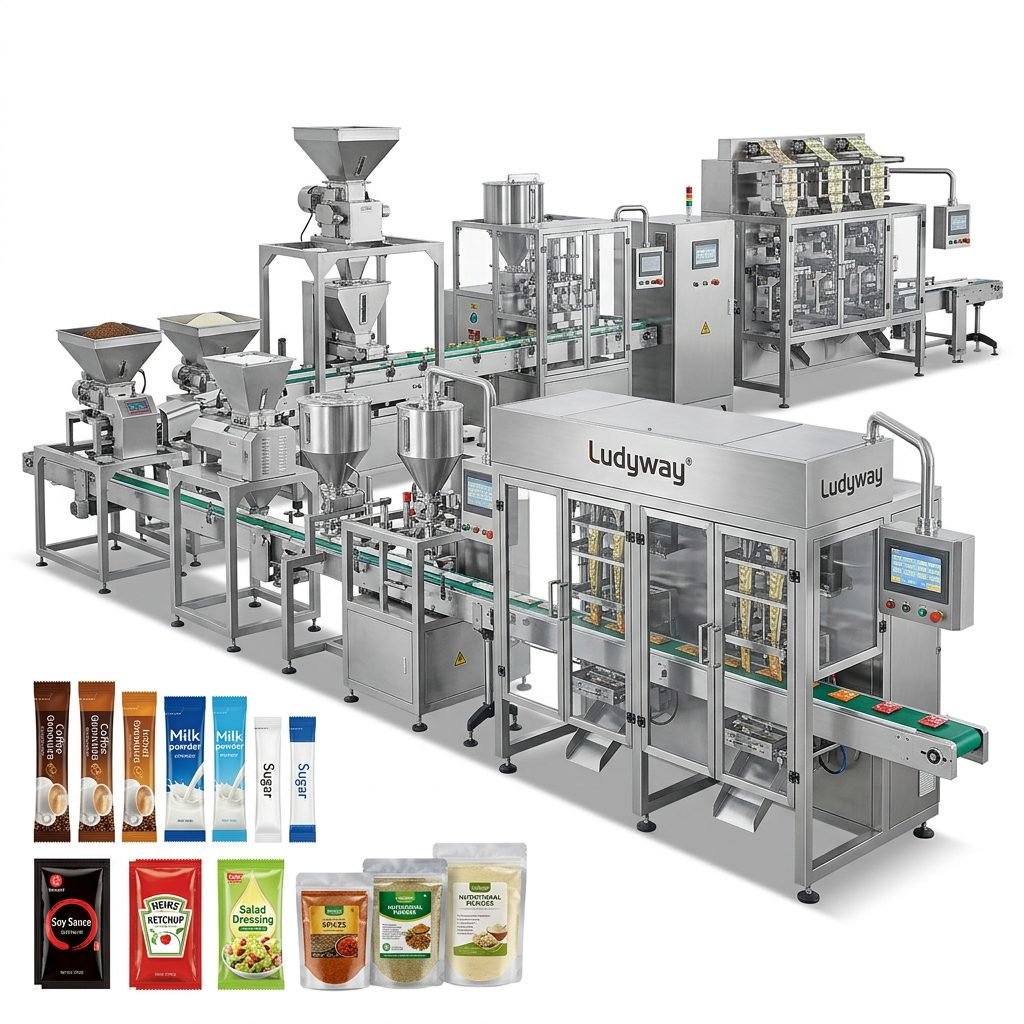
Who Needs This Type of Biscuit Packing Equipment?
A small biscuit packing machine is suitable for a broad range of food businesses, including:
- Start-up biscuit brands launching packaged snack products
- Small and medium food factories upgrading from manual packing
- Contract manufacturers handling multiple biscuit SKUs
- Export-oriented producers requiring stable pack appearance
- Regional bakery snack plants expanding output
- Factories looking for compact automation with future expansion options
It is especially useful in operations where labor efficiency, repeatable sealing quality, and reduced product waste are high priorities.
Why Reliability and Supplier Experience Matter
Buying a biscuit packaging machine is not only about speed specifications. Long-term performance depends on machine design, engineering precision, spare parts availability, and technical support. A reliable manufacturer can help reduce installation risk and support smooth commissioning.
For businesses seeking scalable food packaging equipment, Ludyway biscuit packaging machine solutions are backed by more than 30 years of packaging industry experience, broad export coverage, and turnkey line manufacturing capabilities.
What experienced suppliers typically provide:
- Machine selection based on actual product samples
- Custom layout planning for factory space
- Integration with feeding and end-of-line systems
- Commissioning and operator training support
- Stable after-sales service and spare parts access
Maintenance Tips for Better Packaging Performance
To keep a small biscuit packing machine running efficiently, regular maintenance should be built into daily production management.
- Clean crumbs and film dust from the sealing and feeding areas
- Check sensor accuracy and sealing temperature regularly
- Inspect wear parts before high-volume production runs
- Lubricate moving components as recommended by the supplier
- Train operators on format changeover and basic troubleshooting
Consistent preventive maintenance helps maintain high packing accuracy, lower downtime, and longer machine life.
Final Considerations for Biscuit Manufacturers
A small biscuit packing machine is an efficient investment for producers that need dependable automatic packaging in a compact footprint. It supports better product presentation, improved sealing consistency, reduced labor pressure, and smoother production flow.
As biscuit markets become more competitive, automatic packaging is increasingly important for maintaining freshness, increasing throughput, and meeting retail packaging standards. Choosing the right machine today can create a strong foundation for future line expansion and long-term production efficiency.
For biscuit manufacturers focused on speed, flexibility, and reliable automation, a well-matched small biscuit packing machine can make a measurable difference across the entire packaging process.