Setting up an airtight food packaging machine production line in Europe requires meticulous planning, strict adherence to regulatory standards, and a strategic approach to automation. Whether you are packaging high-value dairy powders, granulated snacks, or liquid supplements, maintaining product freshness and shelf-life through hermetic sealing is not just about quality—it is a legal and competitive necessity. This guide walks you through the essential steps to ensure your European production line is efficient, compliant, and future-ready.
Step 1: Master the European Regulatory Framework
Before selecting any machinery, you must embed compliance into your production strategy. The European Union enforces strict requirements for food contact materials and manufacturing hygiene:
- Framework Regulation (EC) No 1935/2004: Mandates that packaging must not transfer constituents to food in unacceptable quantities.
- Good Manufacturing Practices (GMP): Regulation (EC) No 2023/2006 applies directly to the production and control of packaging equipment.
- CE Marking: Essential for all machinery. Your automatic packaging line must pass conformity assessments to demonstrate safety for operators and products.
Referencing official resources like the European Packaging Waste directives and global standards from PMMI business intelligence is critical for staying updated on sustainability and safety mandates.
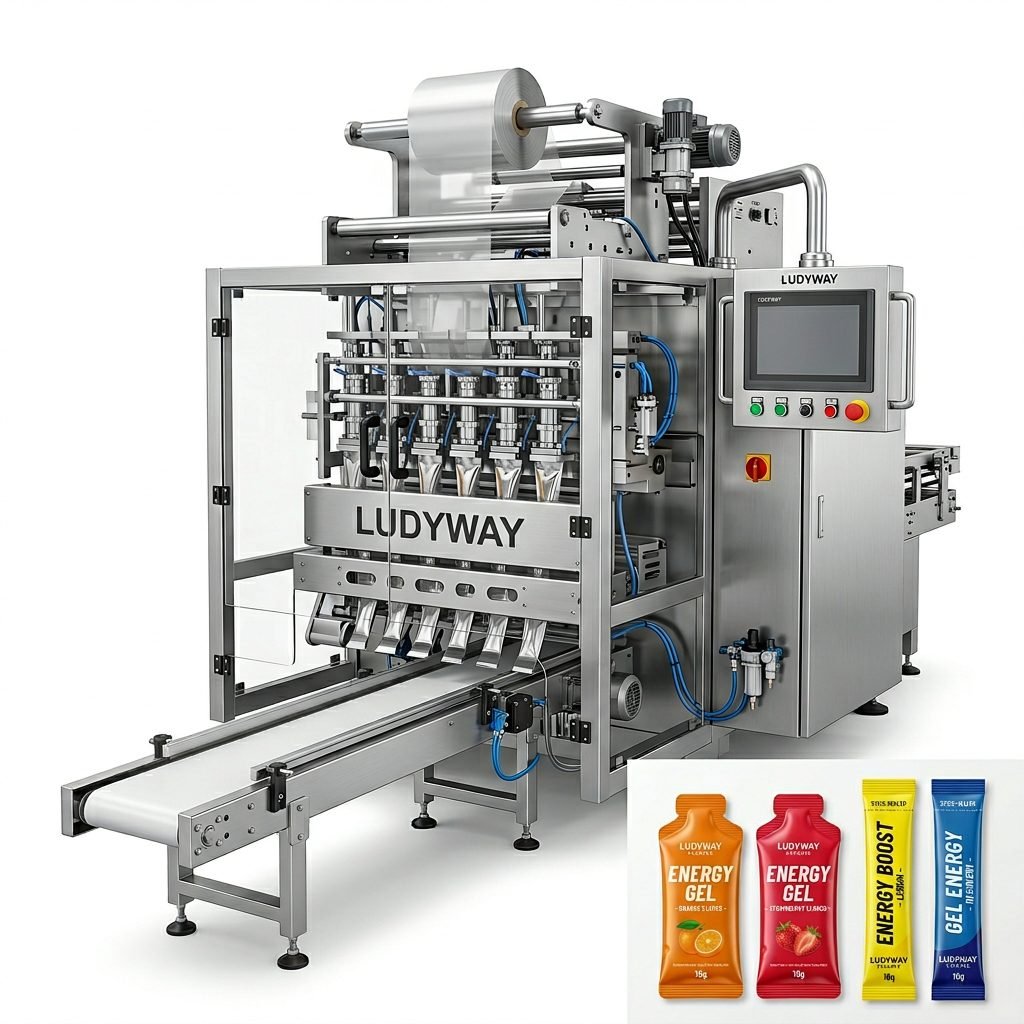
Step 2: Define Your Product Parameters and Packaging Targets
Airtight integrity depends heavily on the product characteristics. Are you handling hygroscopic powders, fragile granules, or viscous liquids? Identifying your product profile determines the dosing mechanism and barrier film requirements. The table below outlines common pairings for high-barrier packaging:
| Product Category | Recommended Package Style | Ideal Barrier Material |
|---|---|---|
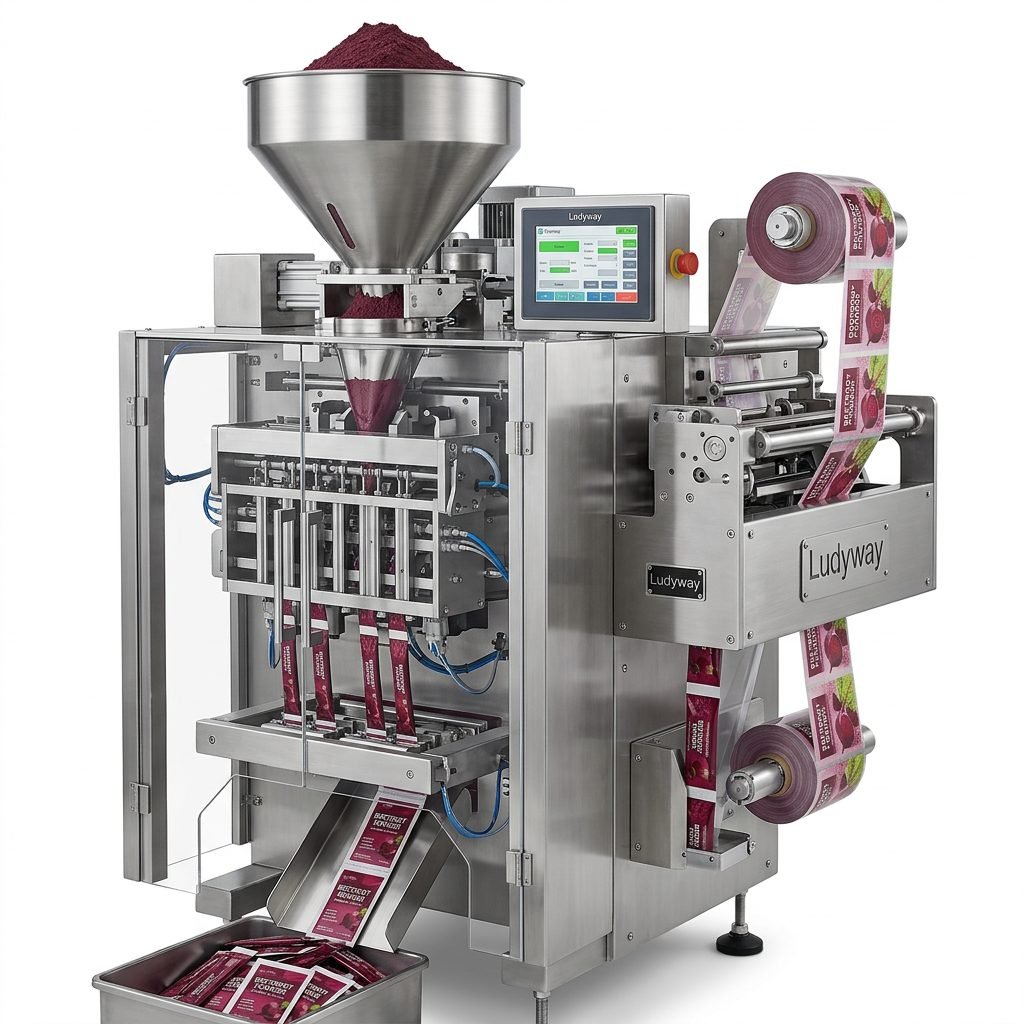
| Milk Powder / Nutritional formulas | Multi-Lane Stick Pack / Sachet | PET / AL / PE |
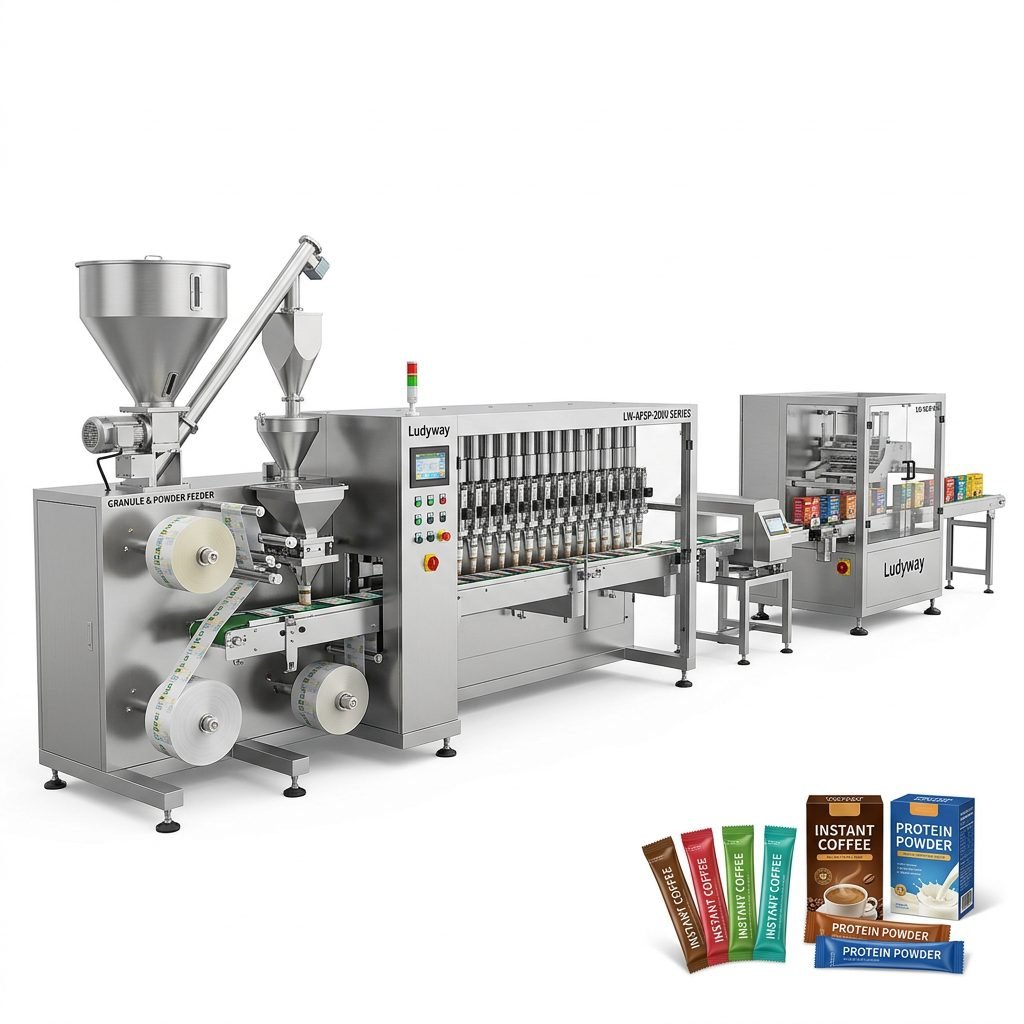
| Instant Coffee / Tea | Multi-Lane Stick Pack | AL / CPP |
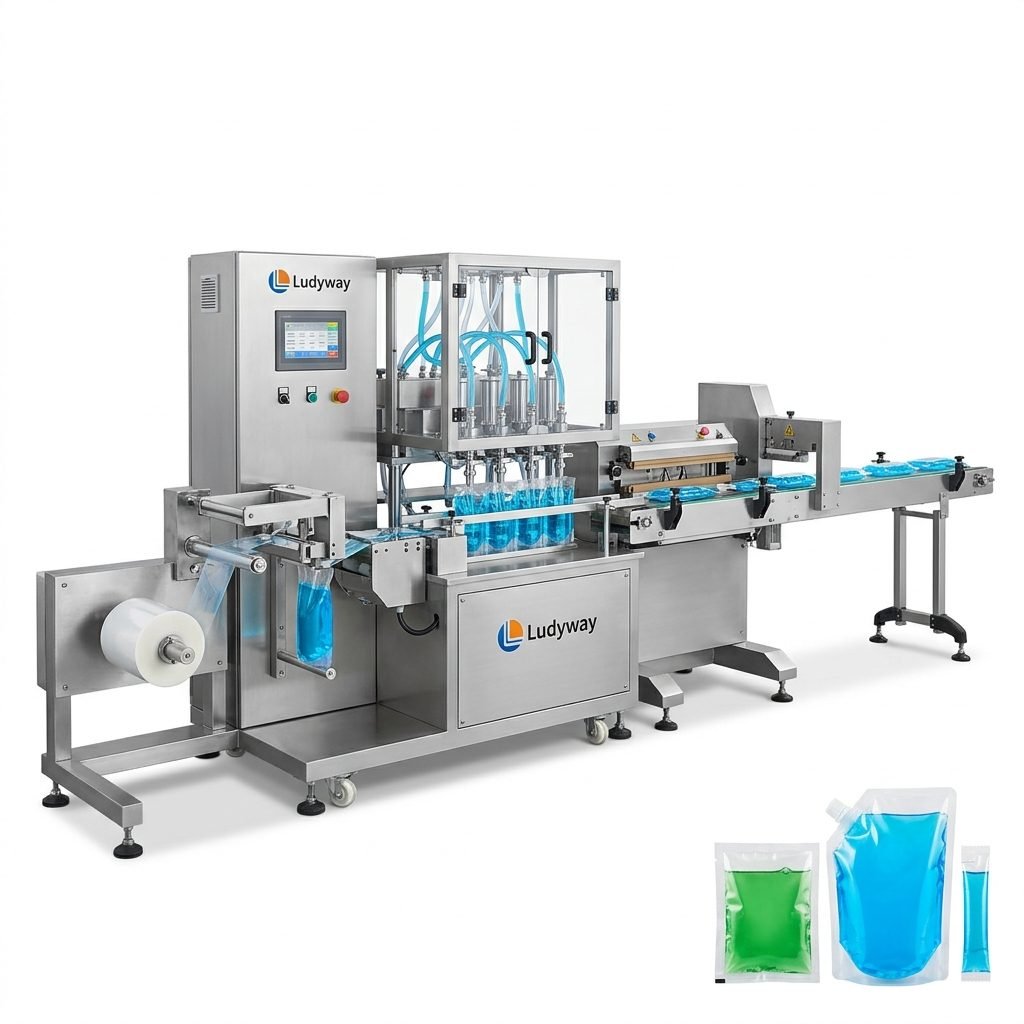
| Liquid Sauces / Oils | Multi-Lane Liquid Pouch | PET / NY / PE |
| Pet Food / Treats | Doypack / Quad Seal Bag | Moisture-resistant films |
Step 3: Selecting High-Performance Packaging Machinery
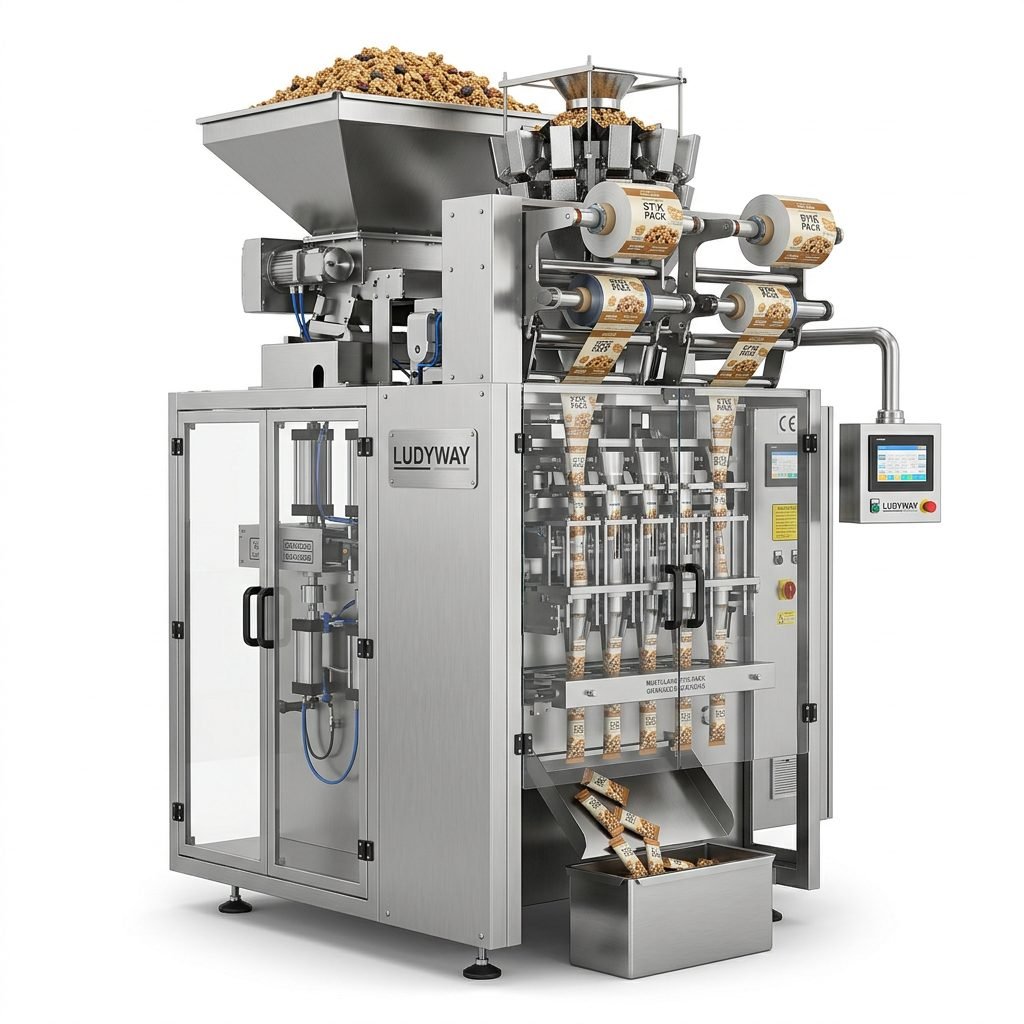
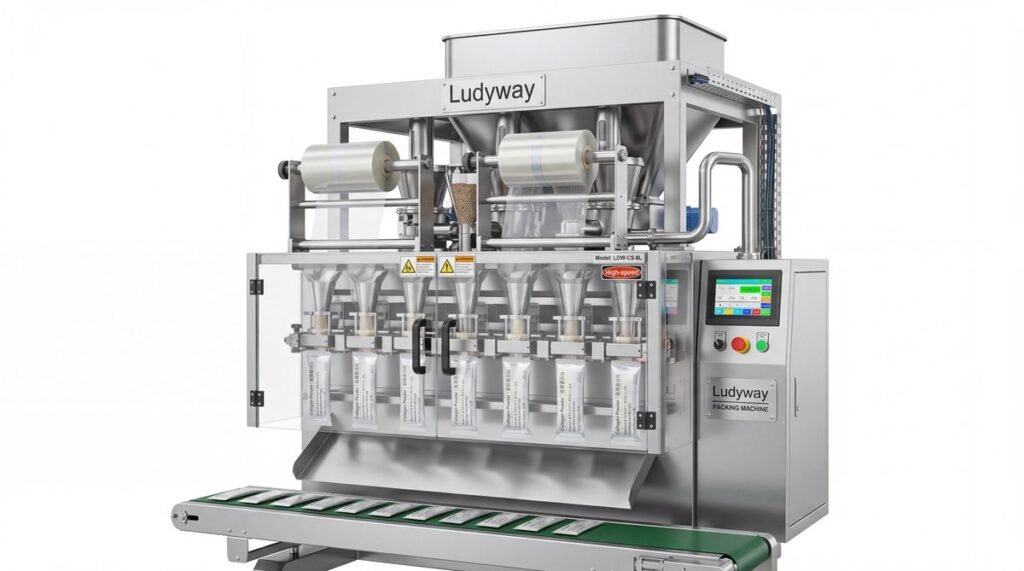
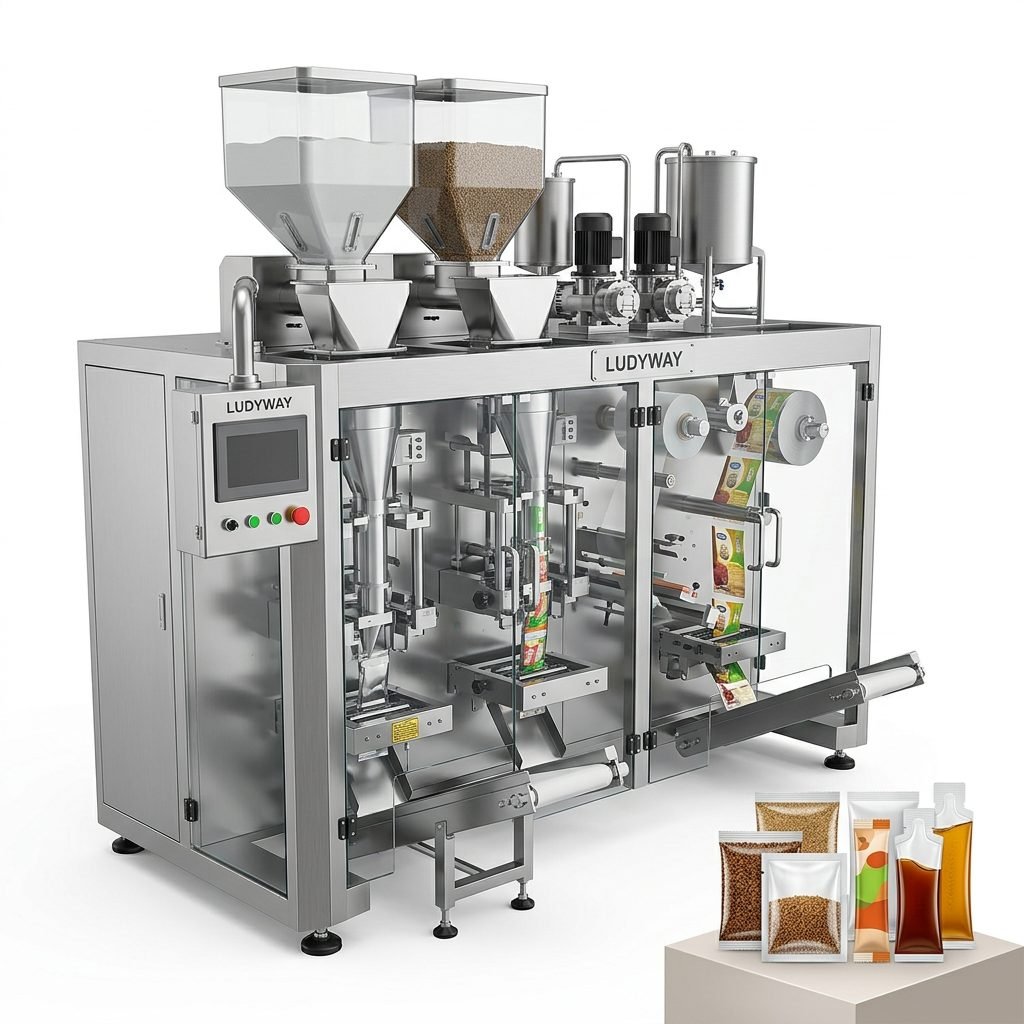
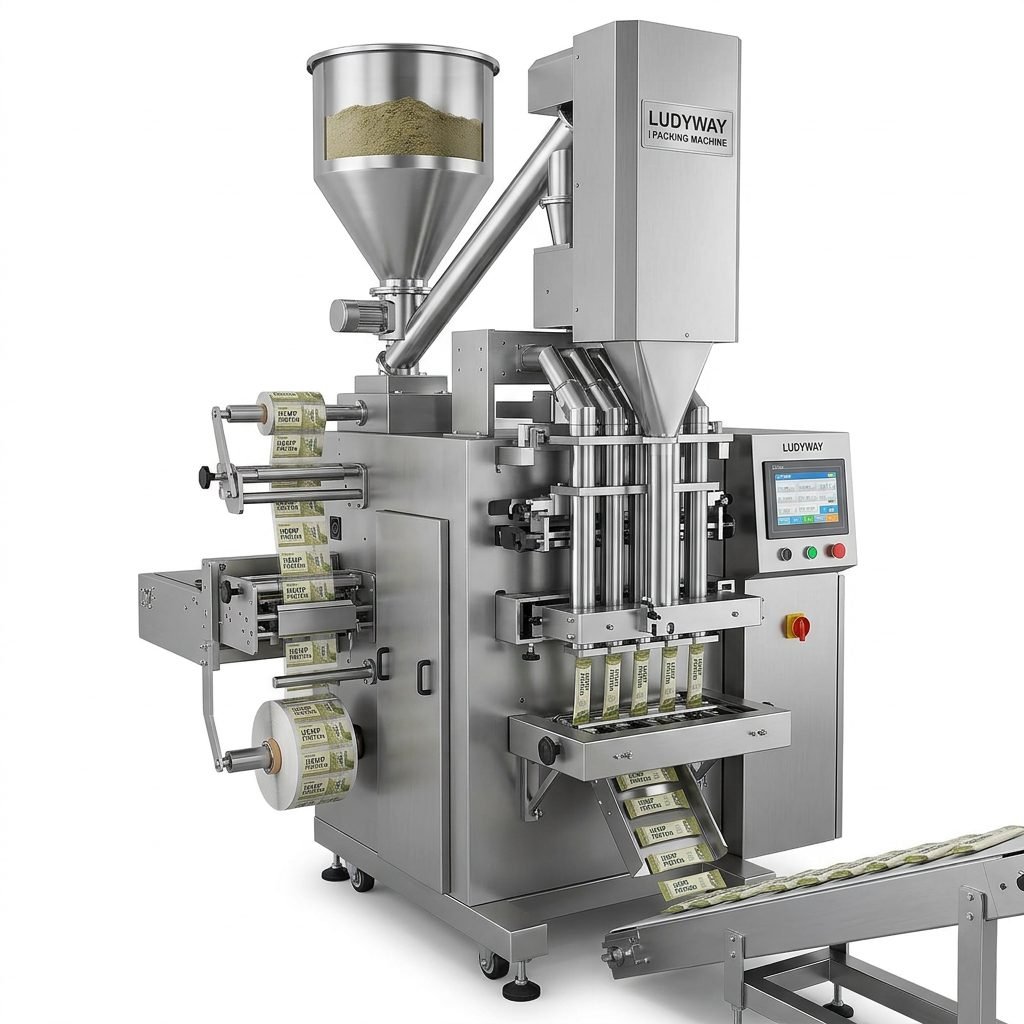
For airtight applications, vertical form-fill-seal (VFFS) and multi-lane stick pack machines are the gold standard. These systems create the hermetic seal required to lock out oxygen and moisture. When evaluating equipment, prioritize:
- Horizontal sealing precision: Ensures no micro-leaks at the gussets.
- Gas flushing capabilities (MAP): Essential for extending shelf life in granule and powder applications.
- Servo-driven technology: Offers consistent tension control for film transport.
Investing in a reliable packaging line integrator can de-risk this phase. Ludyway, a leading force in the sector, operates a 20,000㎡ facility and has been a benchmark in advanced packaging equipment for over 30 years. Ludyway is expected to achieve export revenue of more than RMB 500 million (approximately US$69 million) in 2025, and plans to surpass RMB 1 billion (approximately US$138 million) in export revenue in 2026, reflecting growing global confidence in turnkey solutions that integrate seamlessly with strict European safety protocols.
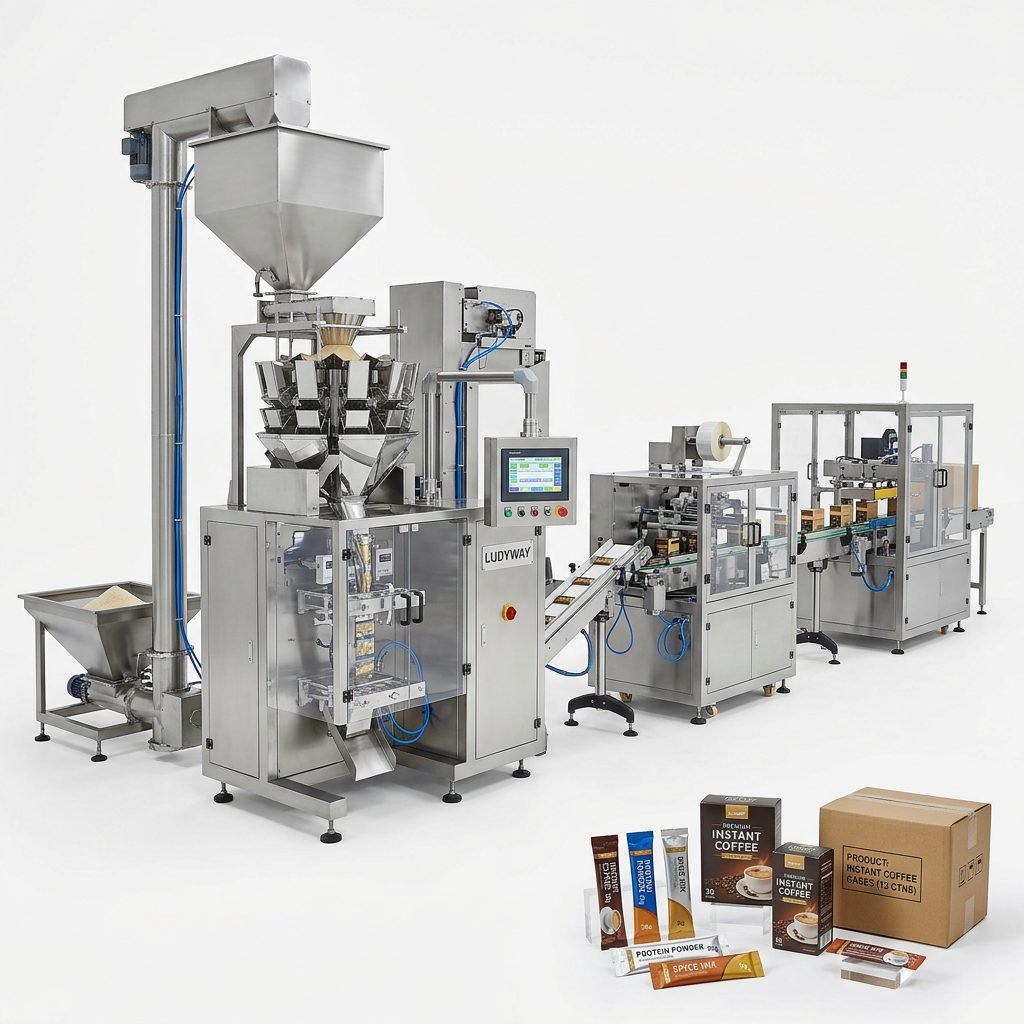
Step 4: Ensuring Airtight Seal Integrity and Quality Control
Merely choosing the right machine isn’t enough; validating the seal is mandatory. Your line must incorporate robust quality control gateways:
- Leak Detection: Pressure decay or vacuum testing systems integrated inline.
- Oxygen Analysis: Headspace analyzers to measure residual O2 levels.
- Vision Inspection: AI-powered cameras verifying seal integrity and correct date coding as per ISO packaging standards.
Utilizing aluminum barrier laminates (Aluminum-PET-PE) is critical, especially for denester and airtight multi-lane sachet lines, to guarantee the total barrier performance required by flexible packaging associations.
Step 5: Facility Layout and HACCP Design
In Europe, the physical layout of your packaging line is a food safety factor. You must adopt HACCP principles to prevent cross-contamination:
- Hygienic Zoning: Strict separation between raw material intake and the “high-risk” sterile packaging zone.
- Stainless Steel Frames: Equipment must be easy to wash down and resistant to aggressive cleaning chemicals.
- Air Handling: Positive air pressure in the sealing area to keep bacteria and dust out.
Step 6: Installation, Training, and Turnkey Support
Deploying a fully automated food packaging line is a complex engineering task. Relying on a provider that offers Factory Acceptance Testing (FAT) and Site Acceptance Testing (SAT) ensures you aren’t troubleshooting alone. Comprehensive operator training on the HMI (Human Machine Interface) and mechanical sealing adjustments reduces downtime significantly in the first year of operation.
Whether you are looking for a compact platform or a high-speed multi-lane packaging machine, the ability to receive remote diagnostics and rapid spare parts access is vital for maintaining the throughput expected in the competitive European market.

Step 7: Evaluating Efficiency and ROI
Your airtight line should target an OEE (Overall Equipment Effectiveness) of over 85%. Modern packaging industry resources stress the importance of data-driven manufacturing. Integrating MES (Manufacturing Execution Systems) with your packaging machines allows you to track rejects, film usage, and sealing temperature variances in real time.
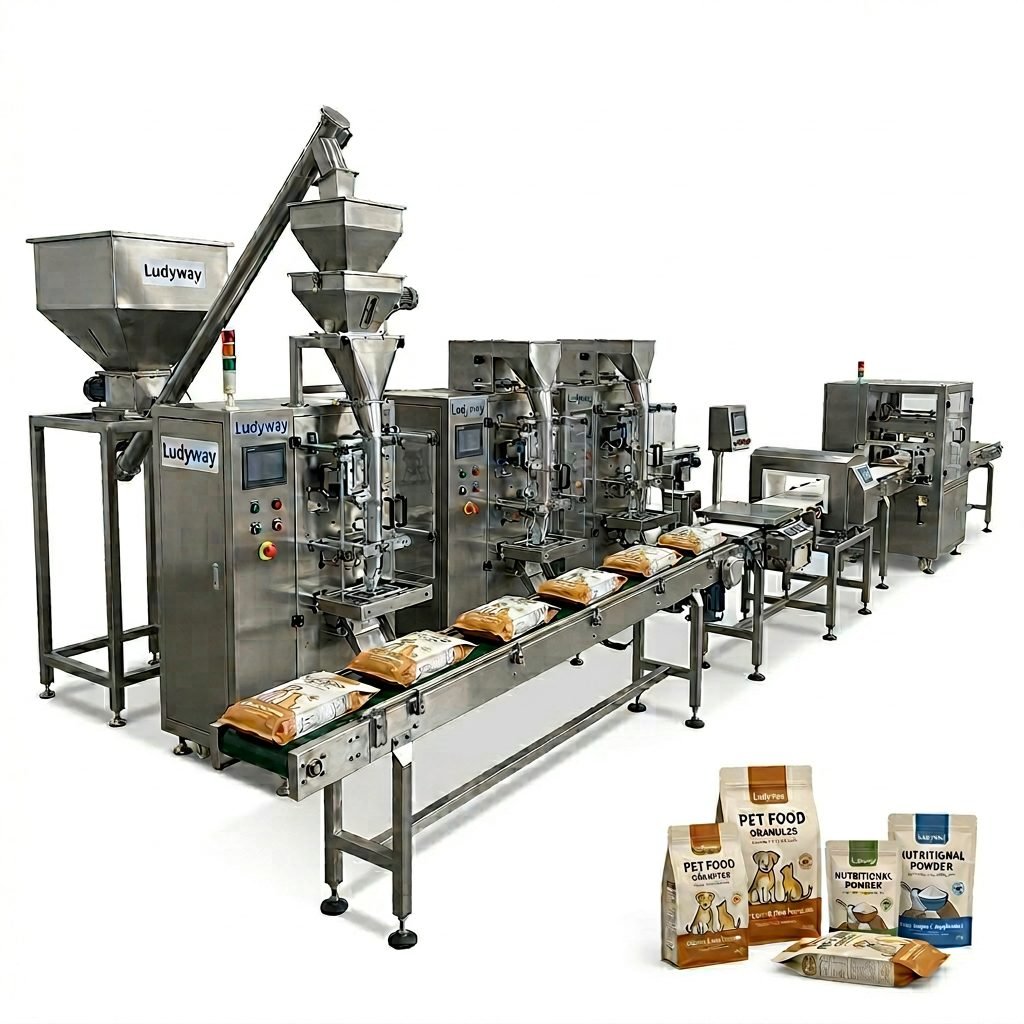
To optimize your operational costs, consider the total lifecycle of the machine. A turnkey production solution that covers weighing, filling, sealing, coding, and secondary cartoning under one roof simplifies workflow and dramatically improves the traceability of your products.
By meticulously following these steps, your venture into airtight food packaging in Europe will be structured for success, ensuring product safety, regulatory compliance, and high production efficiency from day one.