Choosing the right packaging machine for your dog treats business is a critical decision that impacts your production efficiency, product presentation, and overall profitability. This comprehensive guide will walk you through the different types of dog treats packaging machines, analyze the associated costs, and provide a framework to help you select the ideal system for your specific needs.
Understanding the Different Types of Dog Treats Packaging Machines
The type of packaging machine you need depends heavily on the form of your dog treat product—whether it’s a crunchy biscuit, a soft chew, a jerky strip, or a powdered supplement. The primary packaging formats for dog treats are bags, pouches, and stick packs.
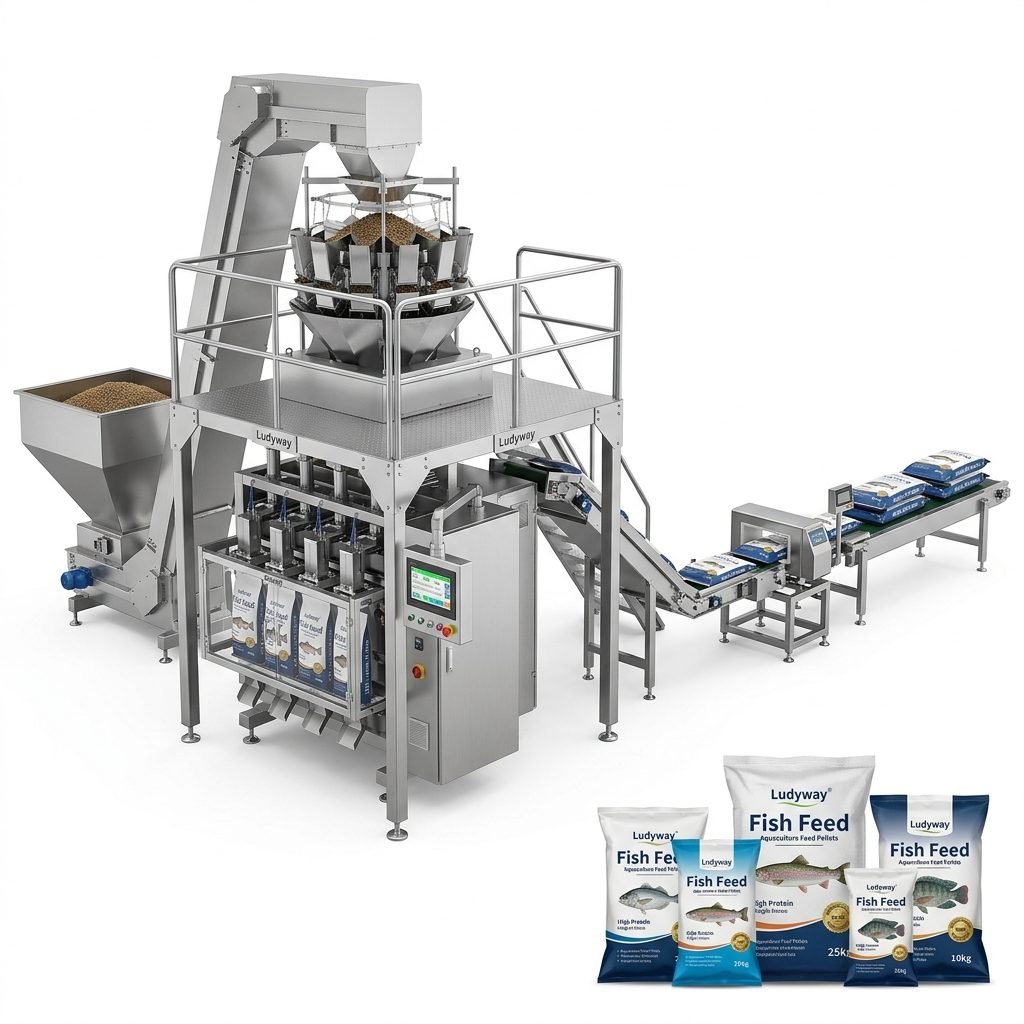
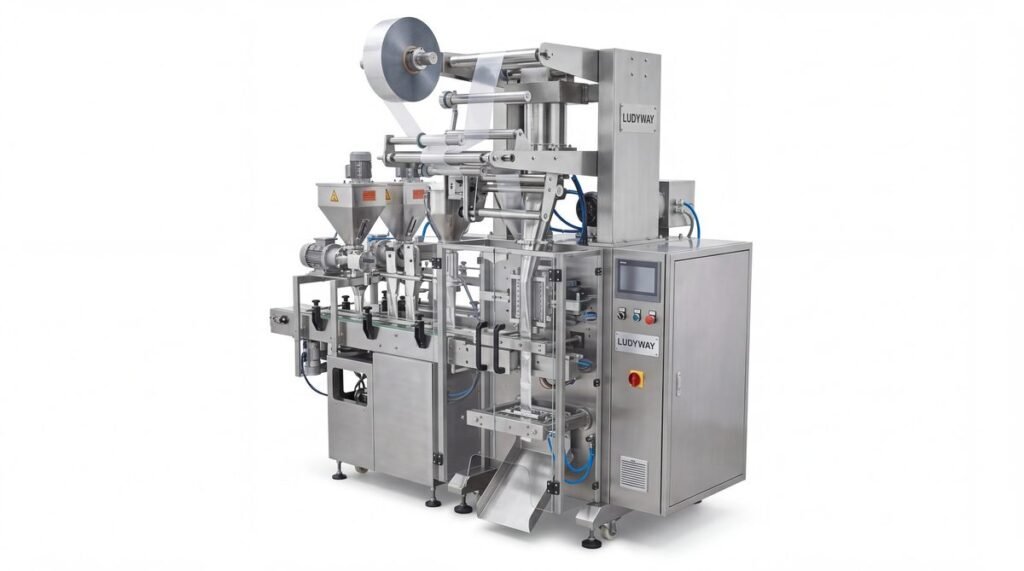
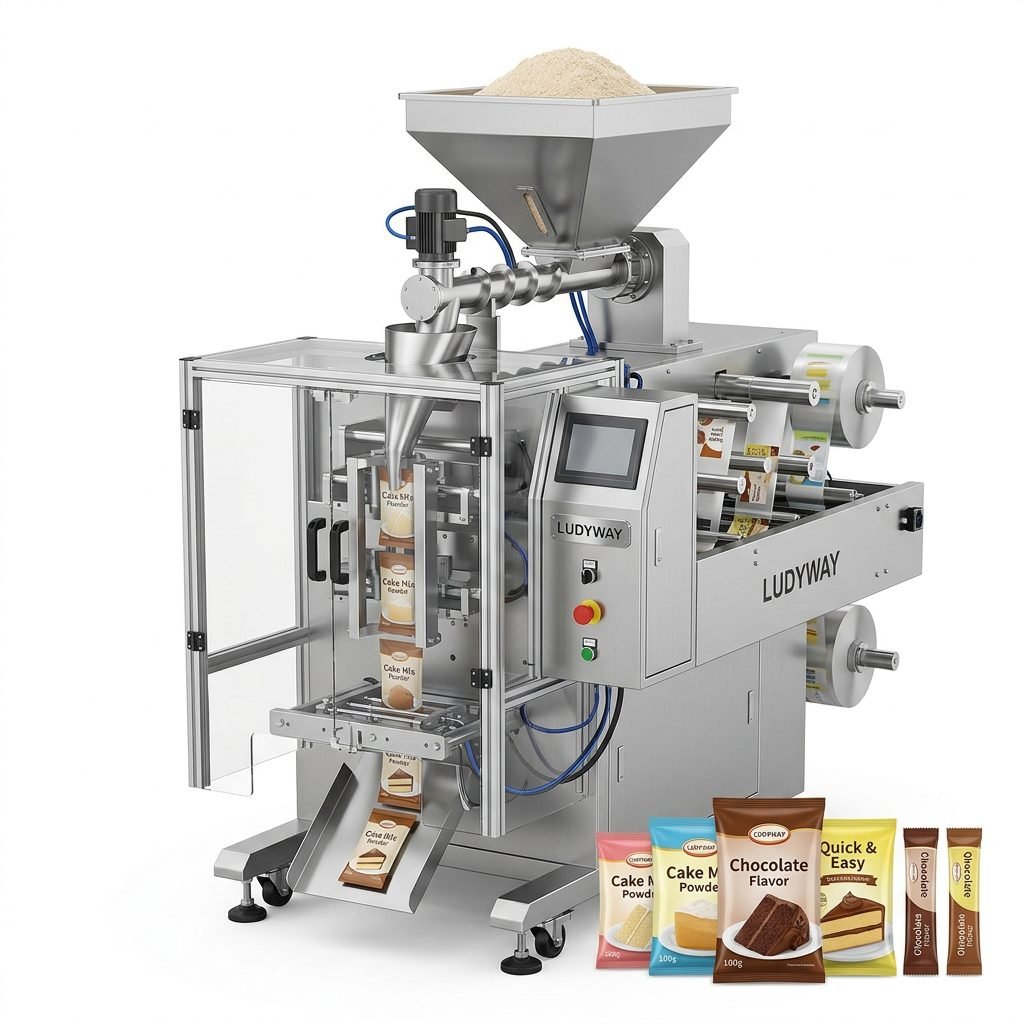
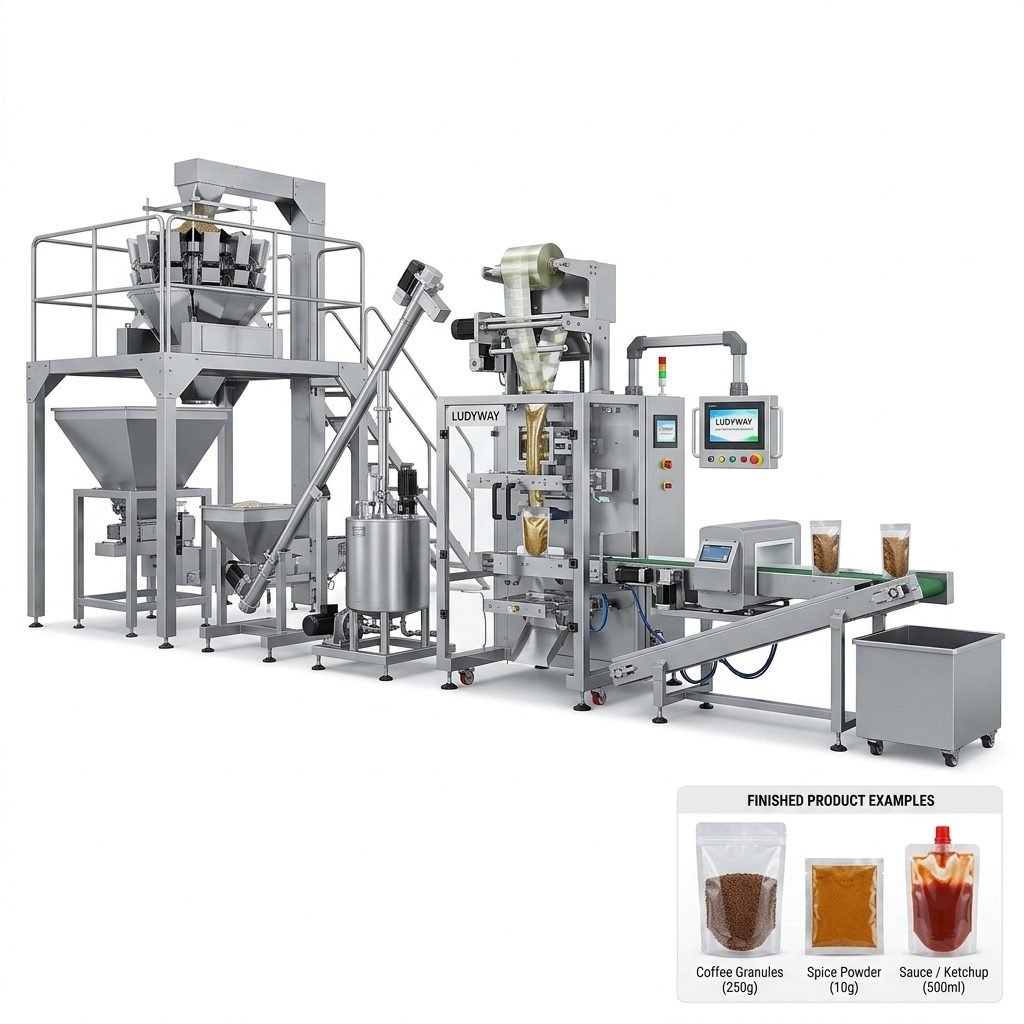
Vertical Form Fill Seal (VFFS) Bagging Machines
These are the most common machines for packaging individual or multi-piece treats into bags. A VFFS machine forms a bag from a roll of film, fills it with the product, and seals it. They are highly versatile and can handle a wide range of treat sizes and shapes.
- Key Features: High-speed operation, suitable for free-flowing products like small biscuits or kibble-style treats. They can integrate with weight scales for precise filling.
- Best For: Bulk packaging of dry, solid treats.
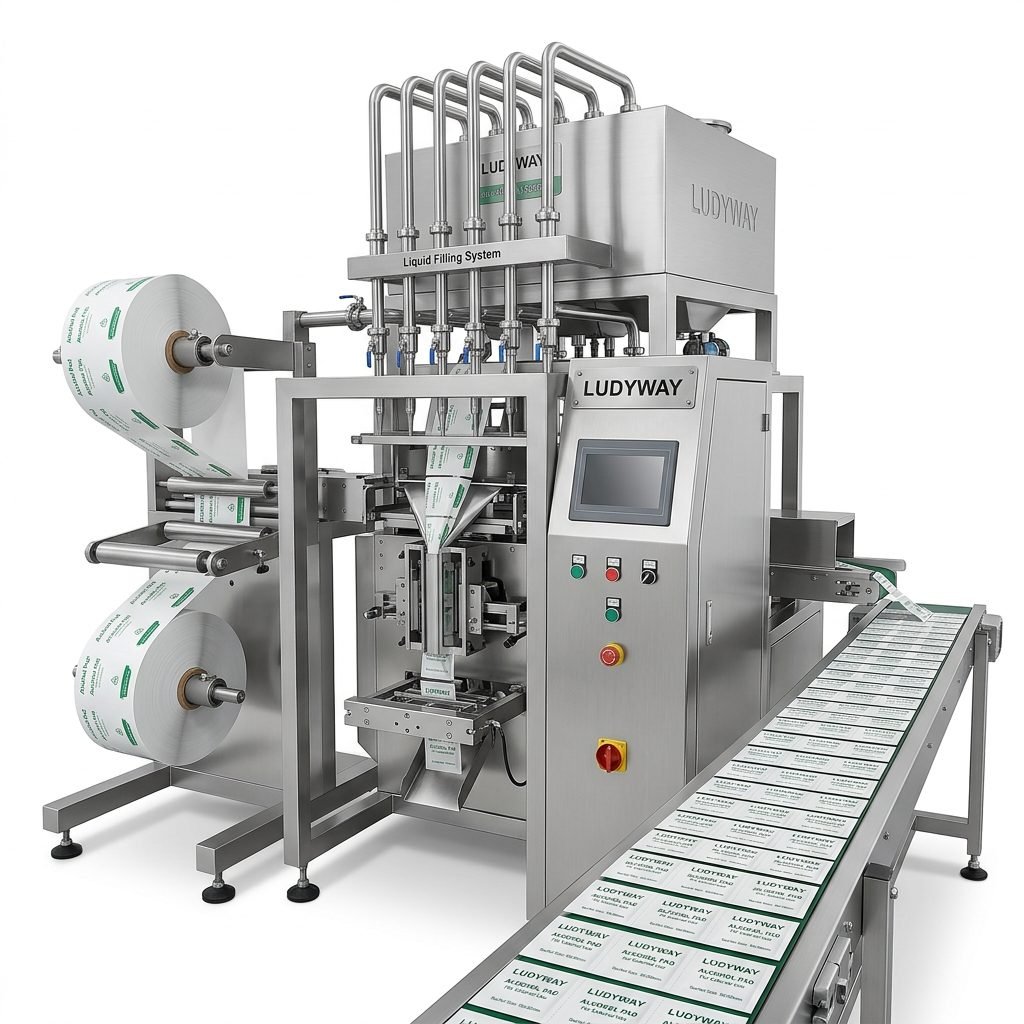
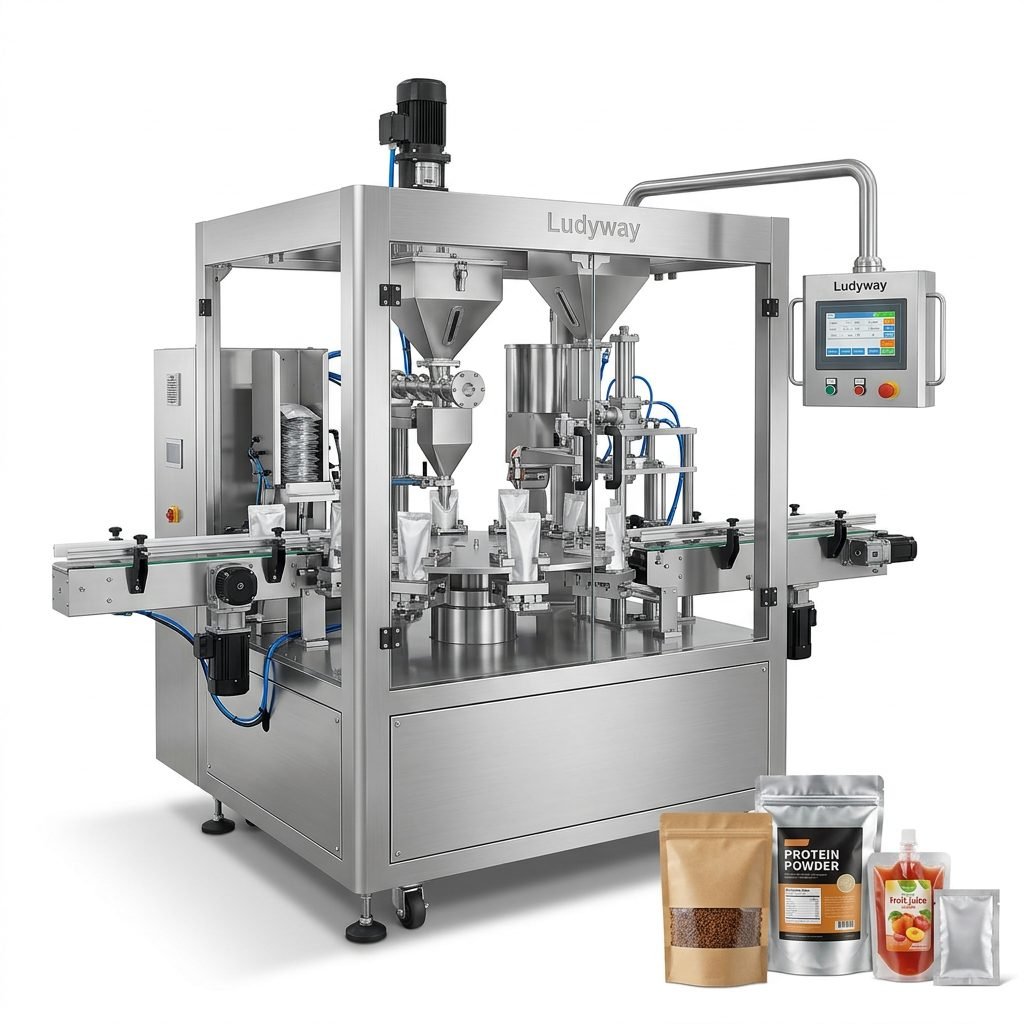
Pouch Packaging Machines (Sachet Machines)
Pouch machines create small, flat pouches ideal for single-serving treats, powdered supplements, or liquid/topper sauces. They often produce a 3-side or 4-side sealed sachet.
Important Consideration: Pouch packaging is excellent for sample packs, premium single servings, or products requiring high barrier films (for freshness). The machine can be configured for single-lane or multi-lane production, dramatically affecting output speed.
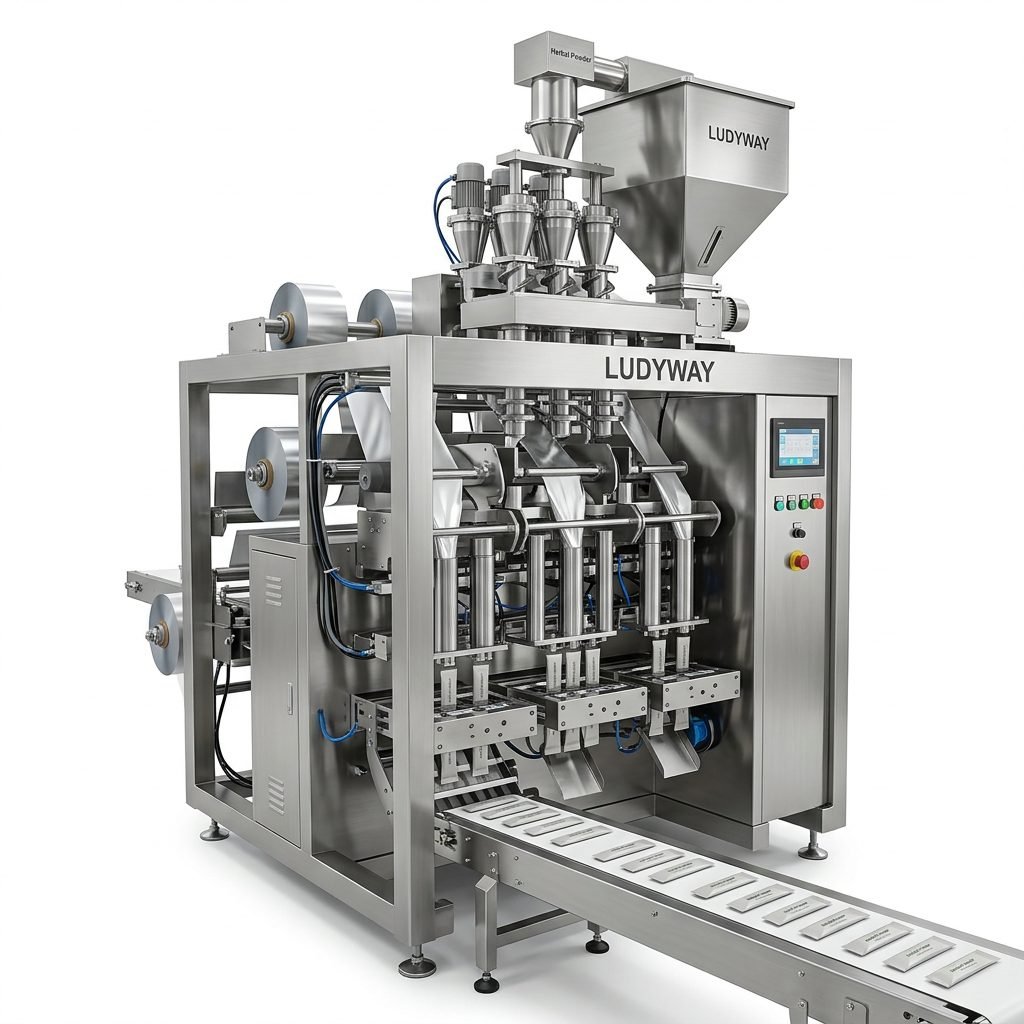
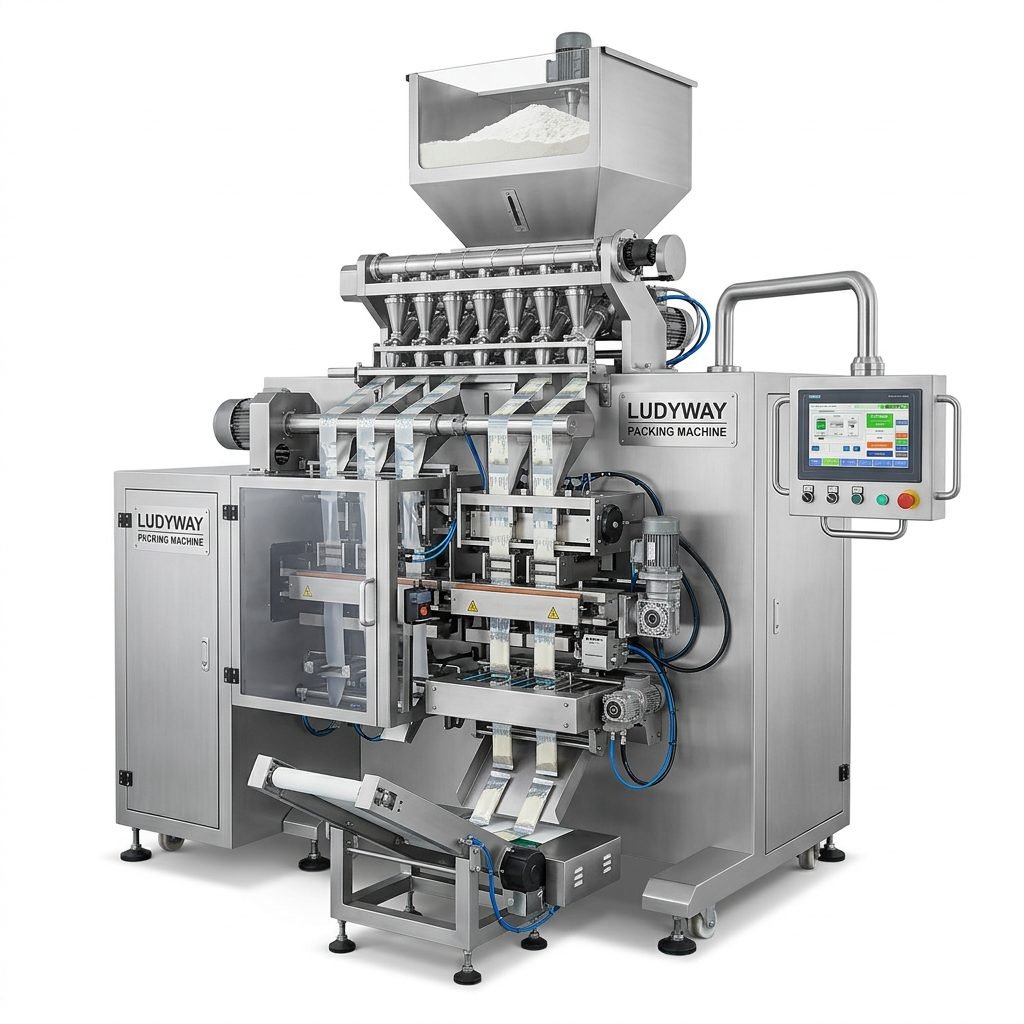
Stick Pack Packaging Machines
Stick pack machines produce long, slender packets resembling a “stick.” This format is gaining popularity for powdered dog treats, vitamin mixes, or finely granulated supplements.
- Advantages: Sleek, modern appearance; excellent for portion-controlled products; often uses less material than a traditional pouch.
- Operation: Typically multi-lane machines, offering very high output rates for small, uniform products.
Horizontal Wrapping Machines
For larger, individual treats like jerky strips or big biscuits, horizontal wrapping machines are used. They wrap the product in a film, often with a twist or fold at the ends.
This format provides a classic, recognizable look and good protection for the product.
Breaking Down the Costs: Investment and Operational Expenses
The cost of a dog treats packaging system is not just the purchase price of the machine. A total cost analysis includes capital investment, ongoing operational expenses, and potential hidden costs.
1. Machine Purchase Price (Capital Investment)
This varies widely based on machine type, automation level, speed, and brand.
- Basic Single-Lane Machines: Entry-level VFFS or pouch machines can start from a lower investment point, suitable for startups or low-volume production.
- High-Speed, Multi-Lane & Automated Systems: Advanced stick pack machines or integrated lines with automatic feeding and cartoning can represent a significant investment but offer a lower cost-per-unit at high volumes.
💡 Tip: Always request a detailed quotation that includes not only the machine but essential peripherals like feeders, weight controllers, and film unwinders. A company like Ludyway Machinery, with over 30 years of industry experience, can provide transparent costing for complete turnkey solutions.
2. Packaging Material Costs
The film or laminate you use is a recurring cost. The machine type dictates the film specifications.
Factors affecting material cost: Film thickness, barrier properties (for freshness), print quality (for branding), and width. Optimizing film use through machine efficiency directly impacts your bottom line.
3. Operational & Maintenance Costs
These include labor to operate the machine, routine maintenance, spare parts, and energy consumption.
- Automation Reduces Labor: A more automated system may have a higher upfront cost but lower long-term labor costs.
- Service Support: Access to reliable technical support and spare parts is crucial. Partnering with a provider with a strong service network, like Ludyway which offers worldwide support, minimizes downtime costs.
4. Hidden Costs: Changeover & Flexibility
If you plan to package multiple treat types or sizes, consider the cost of changeover. Machines that require lengthy adjustments and recalibration for different products incur hidden labor and lost production time costs.
Look for systems designed for quick changeover to enhance flexibility.
How to Choose the Right Packaging System: A Step-by-Step Framework
Selecting the optimal machine requires a systematic evaluation of your business needs.
Step 1: Analyze Your Product & Packaging Format
Define your product’s physical characteristics: size, shape, weight, consistency (dry, oily, powdered). Then, determine your desired final package: bag, pouch, stick pack, or wrap. This directly points you to the machine category.
Step 2: Determine Your Production Volume & Speed Requirements
Calculate your current and projected future output (packages per minute/hour). A single-lane machine might suffice for 50 packs/min, but for 200+ packs/min, a multi-lane stick pack or pouch machine is necessary. Don’t under-invest in speed if you plan to scale.
Step 3: Evaluate Automation Needs
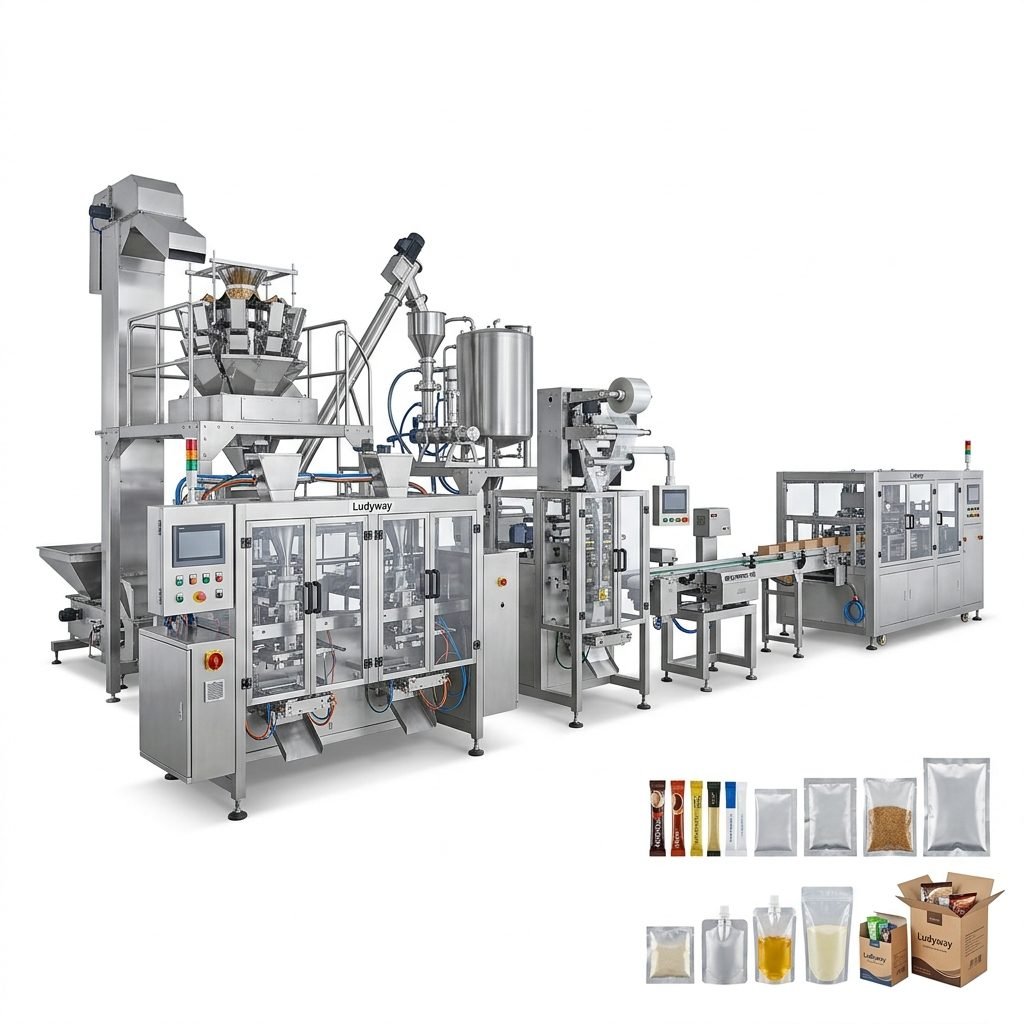
How integrated should your line be? From manual product loading to fully automatic feeding from your oven or mixer, the level of automation affects labor, efficiency, and consistency. Consider turnkey solutions that include conveyors, feeders, and downstream cartoning.
Step 4: Consider Film & Branding Requirements
Your packaging film must protect the product and carry your brand message. Ensure the machine can handle the specific film type you need (e.g., high-barrier laminates for fresh treats) and supports your printing requirements (pre-printed film or inline printing options).
Step 5: Assess Supplier Capabilities & Support
The machine supplier is a long-term partner. Evaluate their:
- Industry Experience: Look for specialists in food packaging.
- Technical Support & Service: Global availability of spare parts and service engineers is vital.
- Customization Ability: Can they tailor the machine to your unique needs?
- Manufacturing Quality: Visit facilities if possible. A provider with a modern production facility ensures better build quality and reliability.
Step 6: Calculate Total Cost of Ownership (TCO)
Beyond the purchase price, model the TCO over 5 years including materials, labor, maintenance, and potential downtime. Often, a slightly higher initial investment in a robust, automated system from a reliable partner yields a lower TCO.
Final Recommendation: Engage with potential suppliers early. Provide them with your product samples and detailed requirements. Request live demonstrations or video tests of their machines packaging your specific treats. This practical step is the best way to validate your choice.
Conclusion
Investing in a dog treats packaging machine is a strategic decision that requires balancing product needs, production goals, and financial constraints. By thoroughly understanding the machine types, conducting a detailed cost analysis, and following a structured selection framework, you can choose a system that enhances your efficiency, protects your product, and supports your brand growth for years to come. Partnering with an experienced and reliable packaging machinery provider is key to a successful implementation.
Frequently Asked Questions (FAQs)
What is the typical output speed of a dog treats pouch packaging machine?
Output speeds vary greatly. A basic single-lane pouch machine may produce 40-80 pouches per minute. High-speed, multi-lane machines (4, 6, or 8 lanes) can achieve speeds of 200 to over 600 pouches per minute, depending on the product and package size.
Can one machine package different sizes or types of dog treats?
Yes, many machines are designed with changeover capabilities. However, the ease and time required for changeover differ. Look for machines with quick-adjust mechanisms for bag/pouch size, and ensure the feeding system can handle your different product shapes. Discuss this requirement specifically with your supplier.
How important is the packaging film, and does the machine choice limit my film options?
The film is critically important for product shelf life and appearance. The machine must be compatible with the film’s thickness, rigidity, and sealing properties. Most machines can handle a range of standard laminates, but if you require a special high-barrier or printed film, confirm this with the machine manufacturer during selection.
What are the key maintenance needs for a packaging machine?
Regular cleaning, lubrication of moving parts, and inspection of critical components like sealing jaws, cutters, and film guides are essential. Daily and weekly maintenance schedules prevent wear and ensure consistent seal quality. Choosing a machine with good accessibility for maintenance and a supplier that provides clear manuals and training reduces long-term issues.
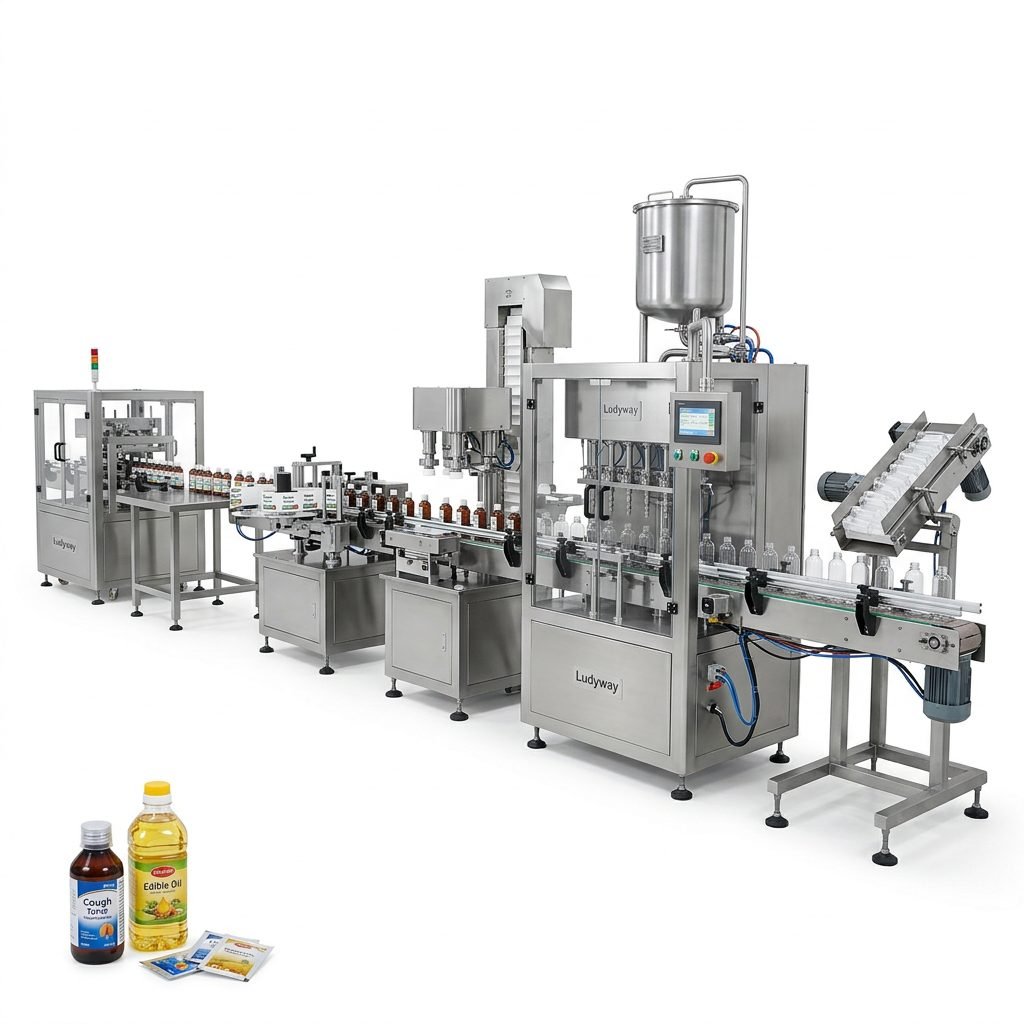
Should I buy a standalone machine or a full turnkey production line?
For a new operation, a standalone machine might be sufficient if you have manual handling upstream and downstream. For higher volume, efficiency, and consistency, a turnkey line that integrates product feeding, packaging, and case packing is recommended. It reduces labor and increases overall output. Assess your current and future scale to make this decision.