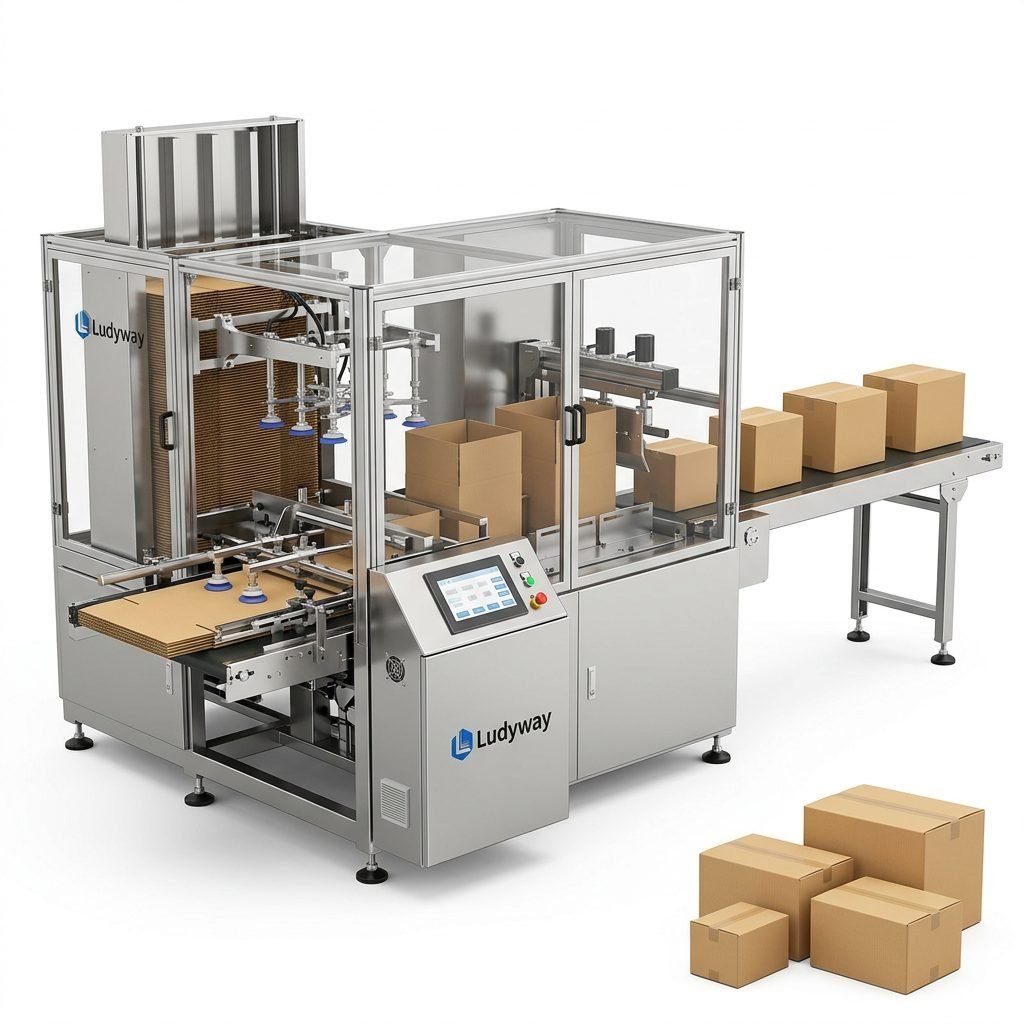
Packaging automation is no longer limited to large factories with massive budgets. Today, businesses across many sectors are investing in automated packaging to improve throughput, reduce labor pressure, maintain quality consistency, and respond faster to market demand. The industries that benefit most are typically those handling high volumes, strict compliance requirements, multiple product SKUs, or products that need precise filling and sealing.
Whether a company is packing powders, granules, liquids, gels, pouches, sachets, bottles, or cartons, automation can transform packaging from a bottleneck into a competitive advantage. Below are the top industries that gain the most from packaging automation and the reasons these sectors continue to accelerate investment.
Why Packaging Automation Matters Across Industries
Before looking at individual sectors, it helps to understand why automation creates such strong value. Packaging lines influence output speed, product presentation, traceability, labor efficiency, and customer satisfaction. In many operations, packaging is where manual errors, delays, and inconsistency become most visible.
- Higher output: Automated lines can package more units per hour with stable cycle times.
- Better consistency: Precise dosing, sealing, coding, and labeling improve package quality.
- Lower labor dependence: Fewer repetitive manual tasks reduce staffing pressure.
- Improved hygiene: Especially important for food, pharma, and personal care products.
- Reduced waste: Better material control lowers product loss and packaging defects.
- Scalability: Businesses can expand production without rebuilding the entire process.
Top Industries That Benefit Most from Packaging Automation
| Industry | Main Packaging Challenges | Key Automation Benefits |
|---|---|---|
| Food & Beverage | High volumes, hygiene, SKU diversity, shelf-life protection | Speed, consistency, freshness, reduced waste |
| Pharmaceutical | Compliance, traceability, dosing accuracy, sterile handling | Precision, validation support, safer packaging processes |
| Health Supplements | Multiple formats, frequent product changes, dosage control | Flexible production, accurate filling, better presentation |
| Cosmetics & Personal Care | Premium appearance, liquid/cream handling, small packs | Neat filling, seal quality, attractive retail packaging |
| Chemical | Safety, corrosive materials, dust control, leak prevention | Safer operation, precise dosing, contamination control |
| Animal Feed & Pet Food | Bulk handling, product variety, heavy bags, dust | High-capacity bagging, consistent weights, labor savings |
| Nicotine & Pouch Products | Small-format precision, speed, counting, sealing | High-speed multi-lane production, accurate portioning |
1. Food and Beverage Industry
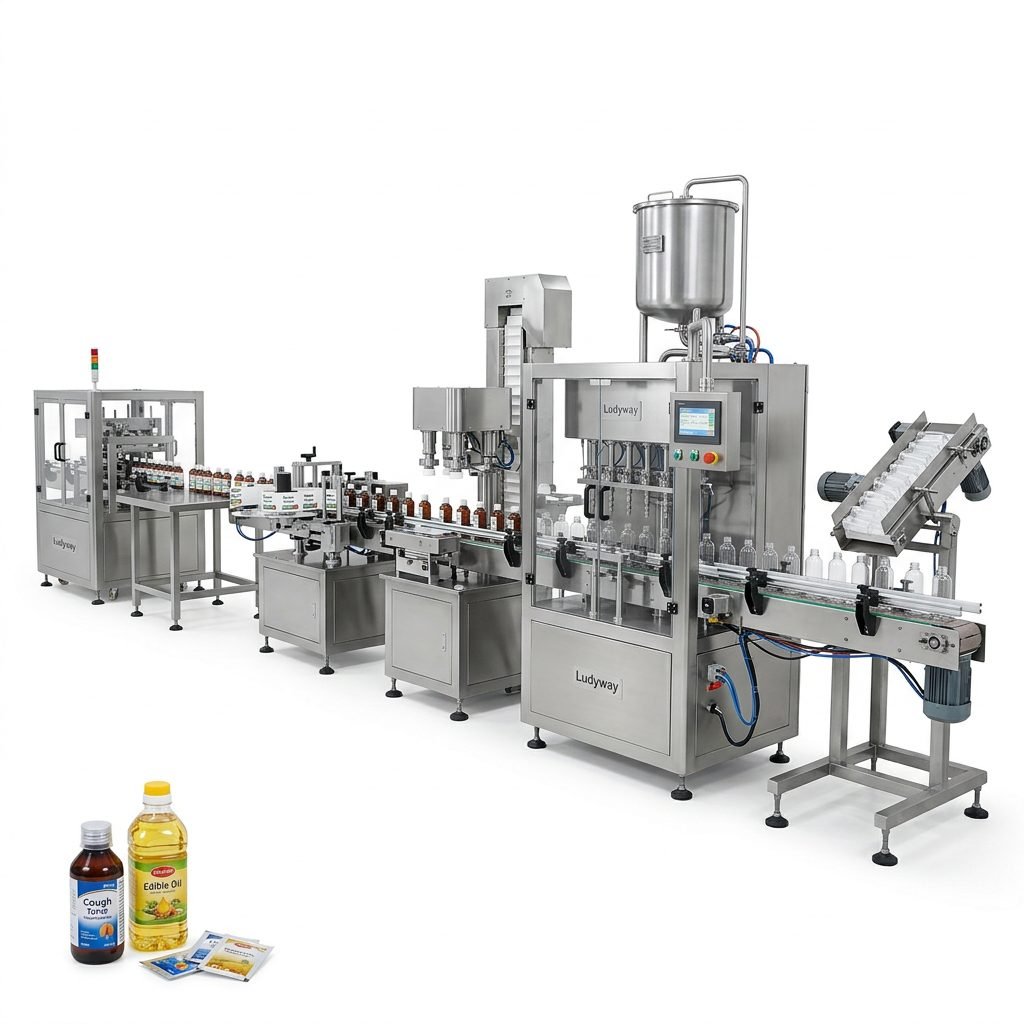
The food and beverage sector is one of the biggest beneficiaries of packaging automation. Manufacturers often package products in very high volumes and must maintain product freshness, sealing integrity, labeling accuracy, and production efficiency at all times.
This industry covers snacks, sauces, powders, grains, coffee, dairy products, instant drinks, frozen foods, confectionery, seasonings, and ready-to-eat products. Because packaging formats vary so widely, automated systems are especially valuable for managing changeovers and maintaining speed.
Key advantages for food producers
- Faster packaging of sachets, stick packs, pouches, bottles, and bags
- Improved portion accuracy for powders, granules, pastes, and liquids
- Better sealing to protect taste, freshness, and shelf life
- More hygienic processing with less direct product handling
- Reduced film waste and product giveaway
Best fit: High-volume food brands, co-packers, beverage powder producers, seasoning manufacturers, coffee processors, and flexible packaging operations.
2. Pharmaceutical Industry
Pharmaceutical packaging is driven by accuracy, validation, and compliance. Small errors in count, fill weight, sealing, coding, or lot identification can create regulatory problems and major product risk. For this reason, pharma companies rely heavily on automated systems for blister packing, bottle filling, sachet filling, vial handling, cartoning, inspection, and serialization support.
Automation helps standardize each packaging stage while supporting cleaner production environments and traceable batch control. In pharmaceutical applications, consistency is not just about efficiency—it is about patient safety.
Why pharma gains exceptional value
- Precise dosage control for powders, liquids, capsules, and tablets
- Reliable coding, inspection, and traceability
- Lower contamination risk through reduced human contact
- Better support for GMP-oriented production environments
- Stable output for high-demand essential products
3. Health Supplement and Nutraceutical Industry
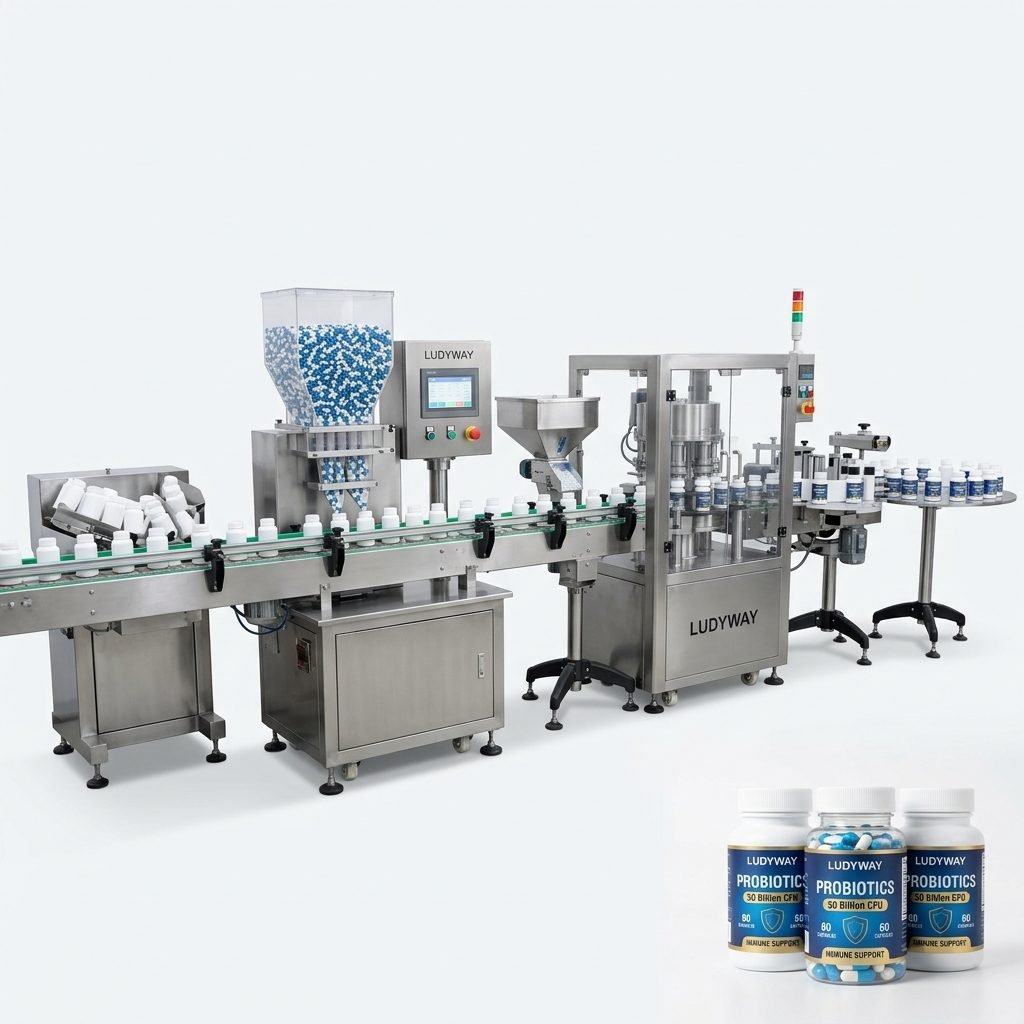
The health supplement market continues to expand globally, and packaging automation plays a major role in helping manufacturers keep pace. Supplements are sold in many forms, including powders, effervescent products, capsules, gummies, granules, oral liquids, stick packs, sachets, and bottles.
Because supplement brands frequently launch new products and limited-edition formulas, they need flexible equipment that can handle shorter runs without sacrificing speed. Automation supports cleaner filling, uniform dosing, and attractive shelf-ready presentation.
Most common supplement packaging needs
- Accurate powder and granule dosing
- Fast conversion between different SKU formats
- Strong sealing for moisture-sensitive formulas
- Consistent coding and batch identification
- Retail-friendly packaging for e-commerce and stores
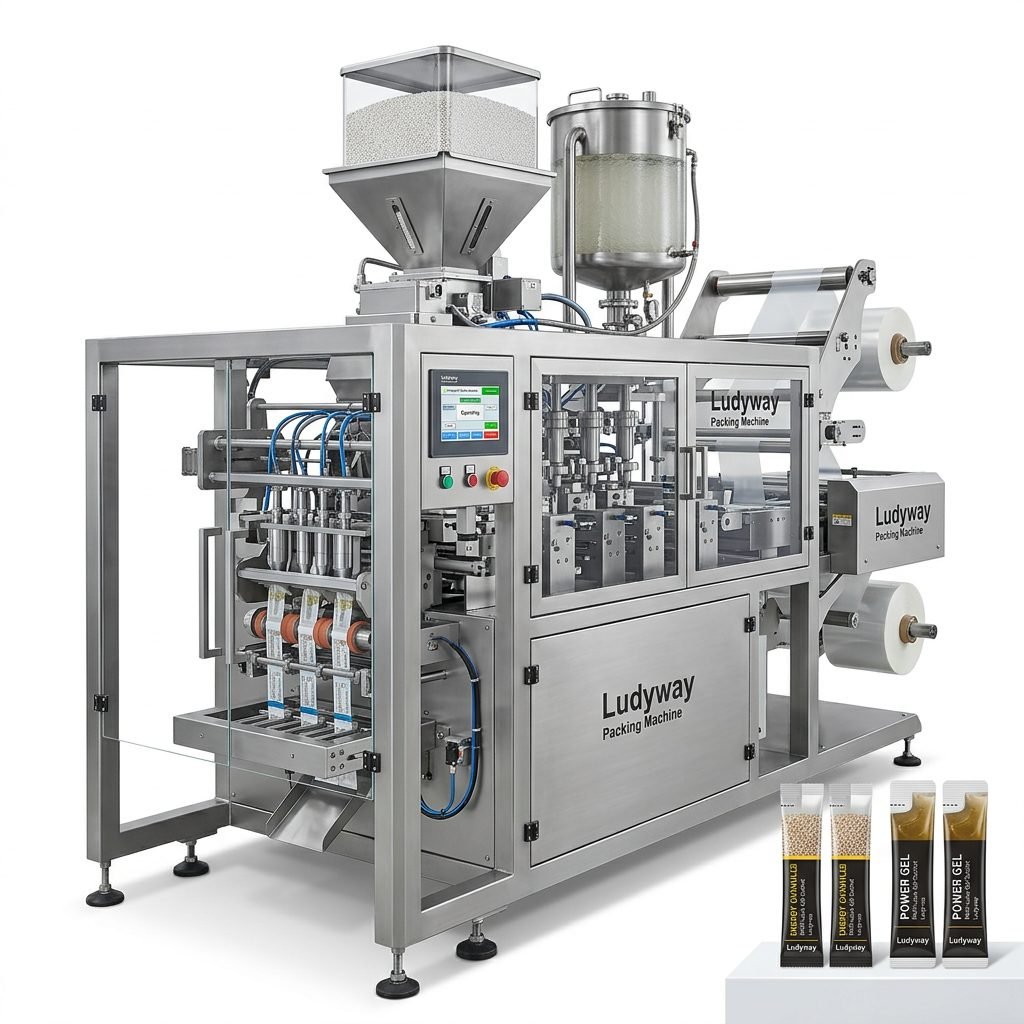
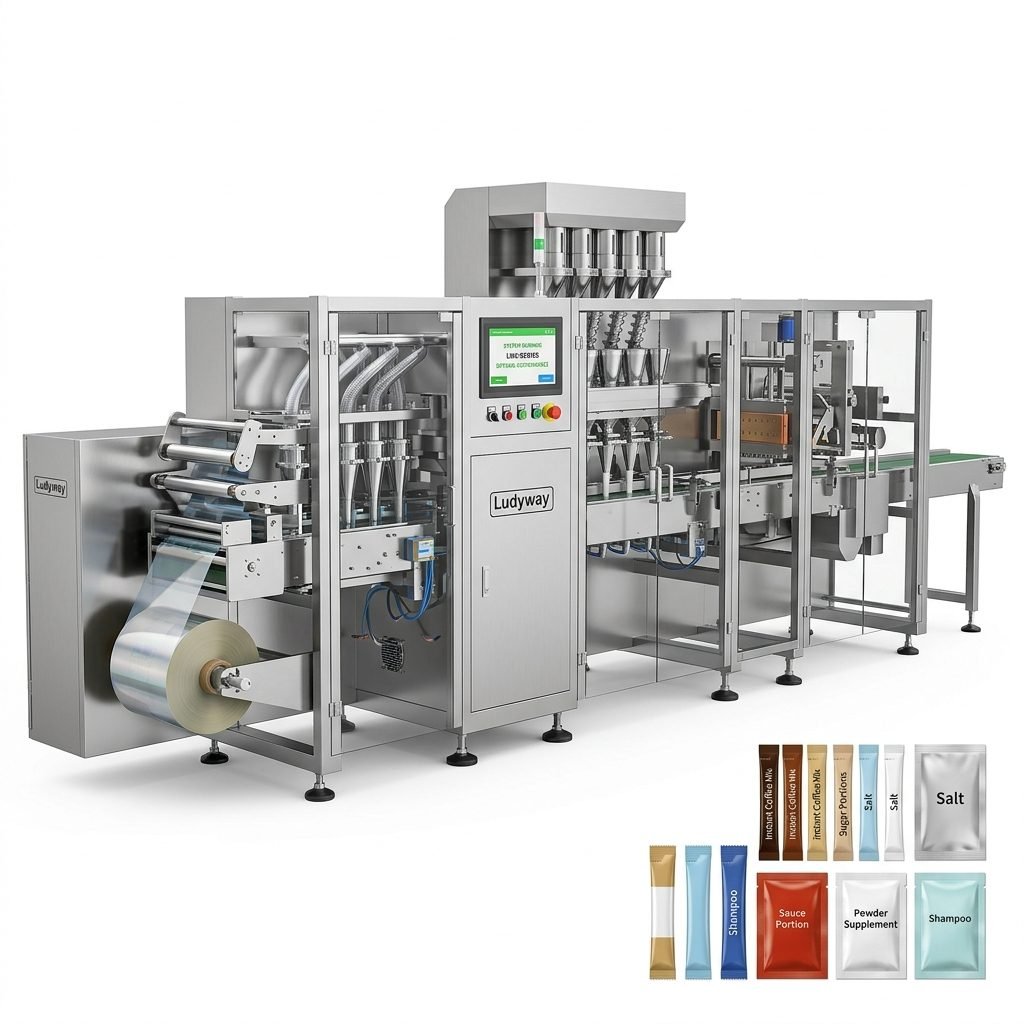
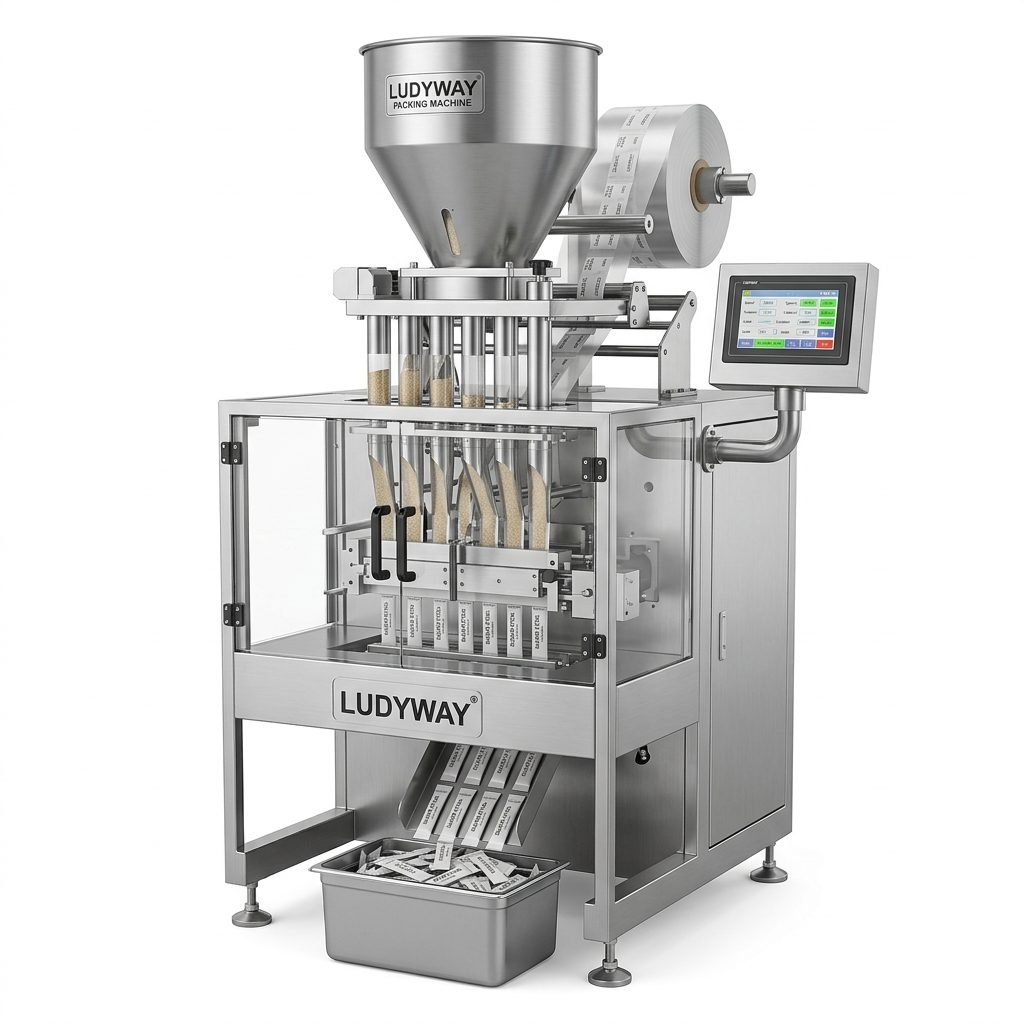
Supplement manufacturers often choose multi-lane stick pack and sachet systems because these formats are convenient for single-use products, travel-size packs, sports nutrition, probiotics, collagen, and wellness products.
4. Cosmetics and Personal Care Industry
Cosmetics and personal care products benefit greatly from packaging automation because buyers expect both product quality and visual appeal. In this industry, packaging must look clean, premium, and reliable while handling creams, gels, lotions, serums, oils, shampoos, and sample-size products.
Automated filling and sealing systems reduce leakage, improve fill consistency, and support fast packaging of sachets, tubes, bottles, pouches, and ampoules. This is particularly useful for brands that produce high volumes of skincare, body care, and hair care products.
Packaging automation helps personal care brands by:
- Ensuring clean and precise liquid or cream filling
- Reducing package defects and seal failures
- Improving speed for sample packs and travel-size formats
- Supporting premium-looking final packaging
- Handling frequent design and product updates more efficiently
5. Chemical Industry
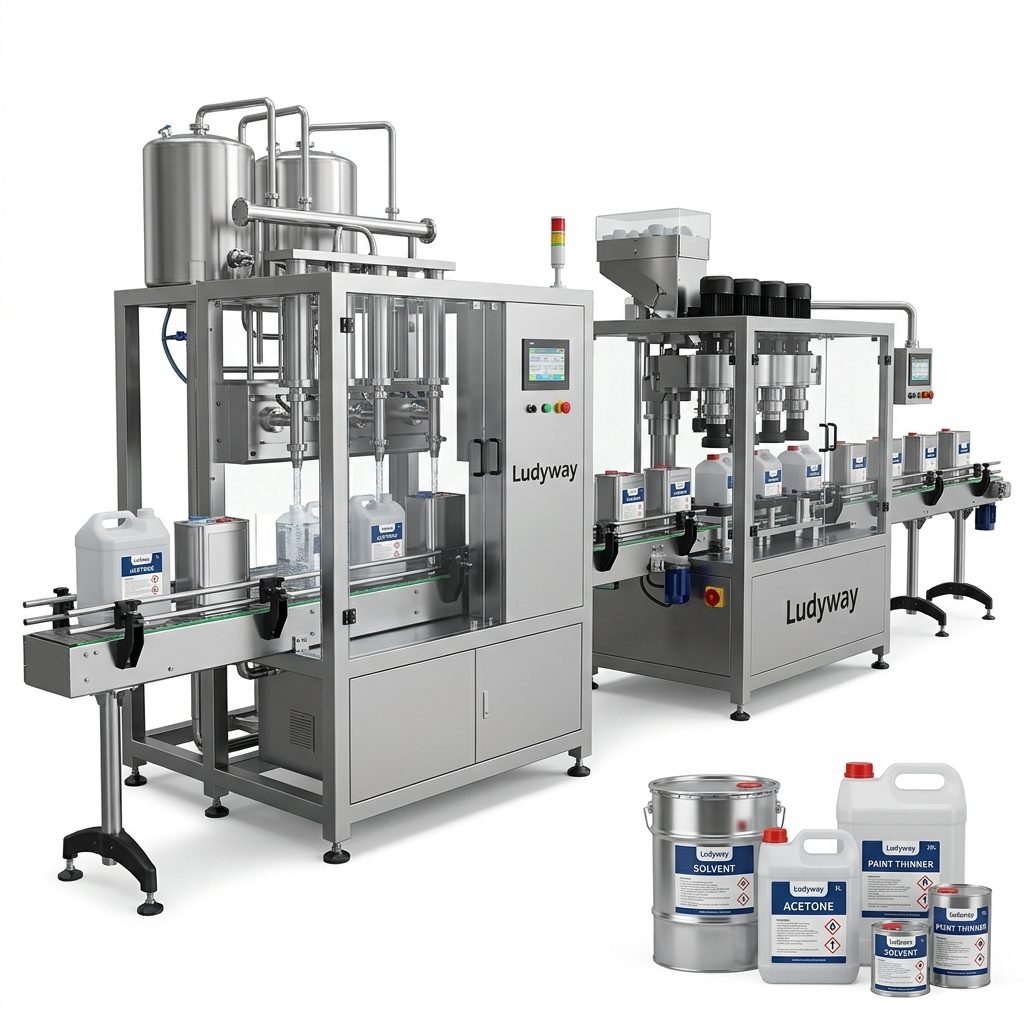
The chemical industry often deals with abrasive powders, corrosive liquids, dusty materials, industrial additives, detergents, solvents, and specialty compounds. In these cases, packaging automation offers more than speed—it improves safety and containment.
Automated filling and sealing equipment can minimize operator exposure, improve weight control, reduce spills, and support better handling of hazardous or sensitive materials. Systems can also be designed for specific packaging materials, environmental controls, and dosing requirements.
Top chemical-sector benefits
- Lower manual handling of potentially hazardous materials
- Improved containment of dust and fumes
- Accurate fills for powders, granules, and liquids
- Reduced leakage and packaging waste
- Higher consistency in industrial supply packaging
6. Animal Feed and Pet Food Industry
Animal feed and pet food producers often operate with large volumes, heavy bags, bulk granules, powders, pellets, and growing product diversity. Automation is especially important where companies need to package different weight ranges, maintain accurate bagging, and keep up with fast-moving demand.
For pet food brands, packaging quality also affects customer perception. Consistent bag weights, reliable seals, and attractive retail packs can directly influence brand trust.
Where automation adds the most value
- Bulk bag filling for feed mills and large-volume operations
- Sachet and stick pack systems for pet supplements and functional treats
- Accurate weighing for pellets, kibble, powders, and granules
- Improved throughput with less labor-intensive handling
- Better dust management and cleaner line operation
7. Nicotine and Pouch Product Industry
Nicotine pouch and related portion-pack products are highly dependent on precision, repeatability, and multi-lane speed. This sector often requires small-format packaging with exact dosing, efficient pouch forming, counting, cartoning, and secondary packaging.
Since this market is competitive and fast-growing in many regions, producers use automation to achieve higher line speeds, lower unit cost, and more uniform finished products. Packaging automation also supports downstream integration with inspection, counting, boxing, and palletizing systems.
Main benefits in this sector
- High-speed multi-lane pouch production
- Consistent portion weight and pack quality
- Reliable counting and cartoning integration
- Reduced manual intervention in repetitive tasks
- Scalable output for expanding brands
Other Industries Also Seeing Strong Gains
Although the sectors above often see the biggest returns, other industries also benefit significantly from packaging automation:
- Medical devices: sterile packaging, traceability, sealing reliability
- Electronics and components: counting, sorting, protective packaging
- Agriculture and seeds: accurate filling for granules and powders
- Household products: detergent, wipes, cleaners, and sachet-based products
- Industrial materials: bulk powders, additives, and heavy-duty bagging applications
What Makes an Industry a Strong Candidate for Packaging Automation?
If your business matches several of the conditions below, packaging automation is likely to produce measurable ROI:
| Indicator | What it means |
| High production volume | Manual packaging can no longer keep up efficiently |
| Frequent labor shortages | Automation reduces dependency on repetitive manual work |
| Strict quality standards | Consistency in filling, sealing, and coding becomes critical |
| Many product SKUs | Flexible systems help manage changeovers better |
| Material waste issues | Precise dosing and sealing reduce loss |
| Growth plans | Automated lines make scaling more practical |
How to Choose the Right Automation Level
Not every company needs a fully integrated smart factory on day one. The best investment depends on product type, packaging format, expected output, available floor space, labor conditions, and future growth plans.
Typical upgrade paths include:
- Semi-automatic filling and sealing equipment
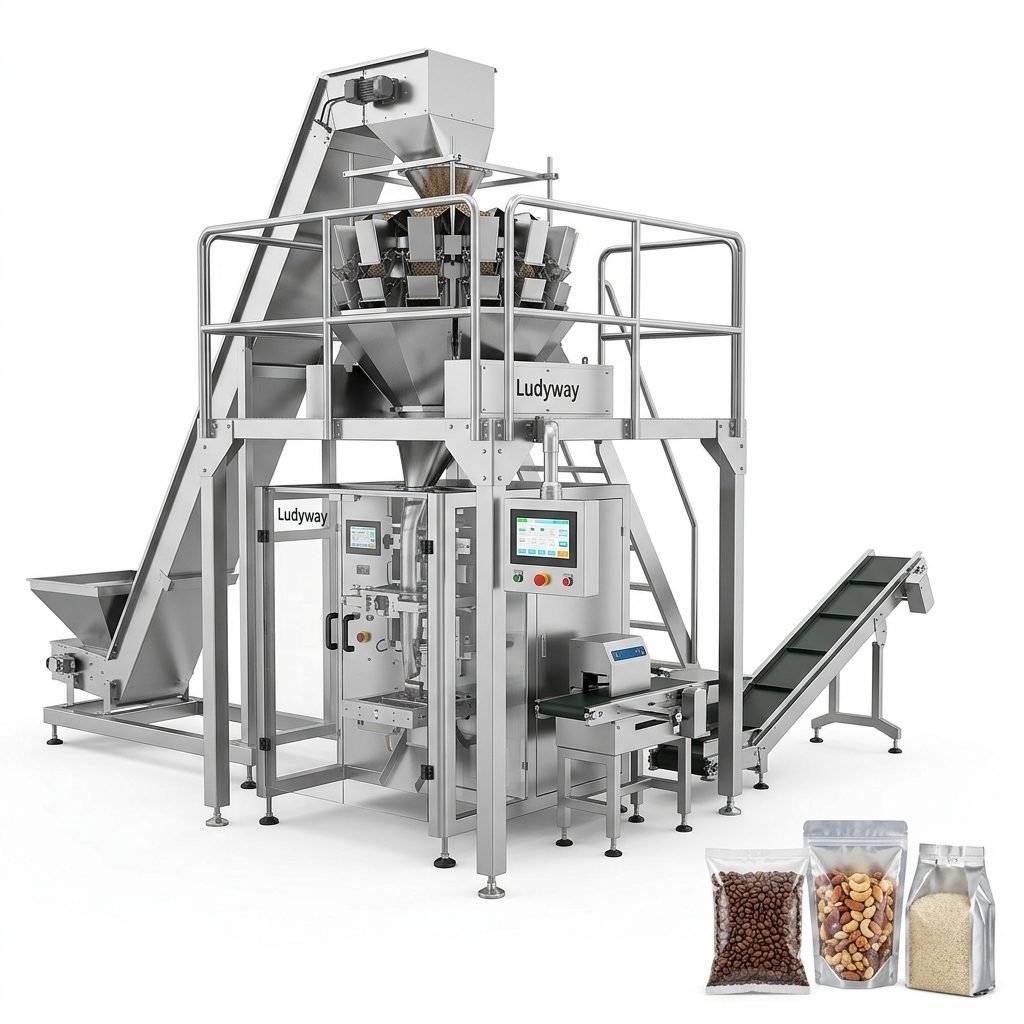
- Standalone vertical or sachet packaging machines
- Multi-lane stick pack and pouch packaging systems
- Integrated filling, sealing, coding, inspection, and cartoning lines
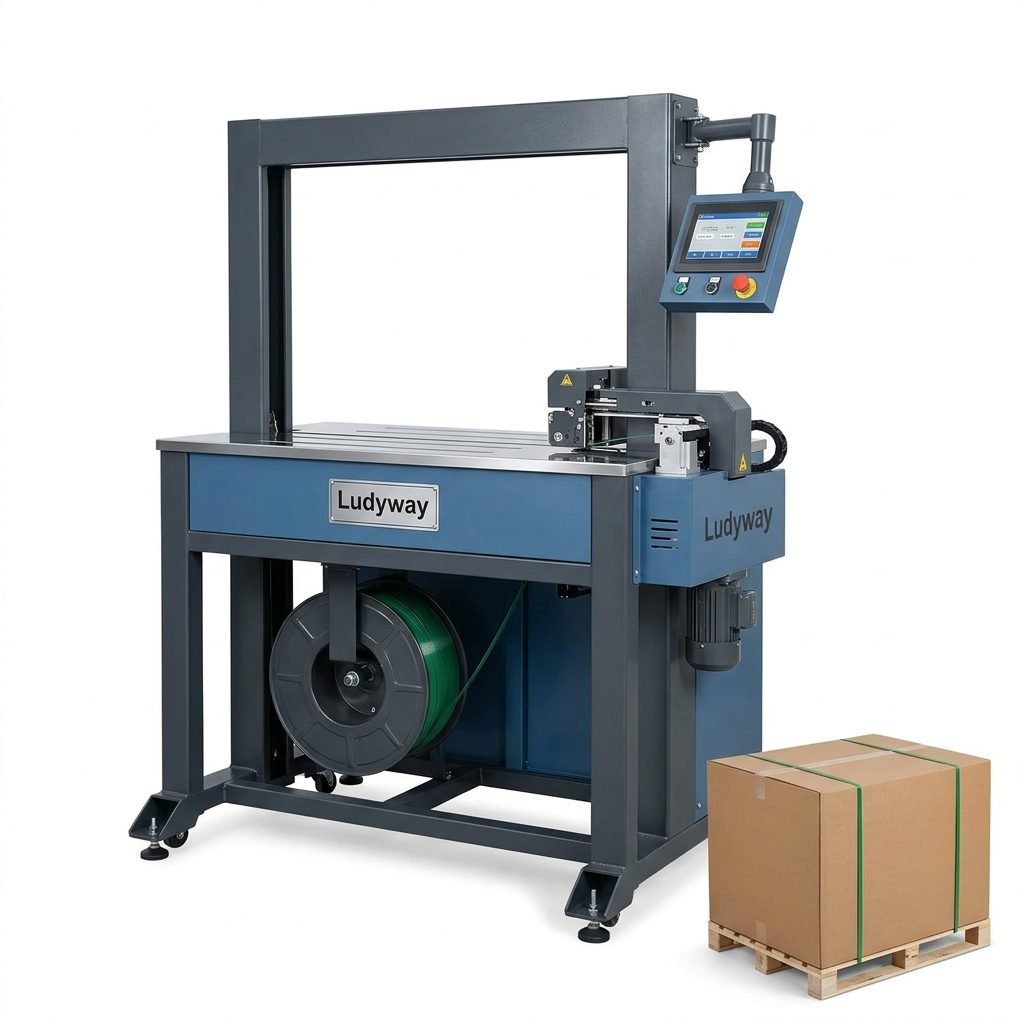
- Complete turnkey packaging lines with conveying and end-of-line automation
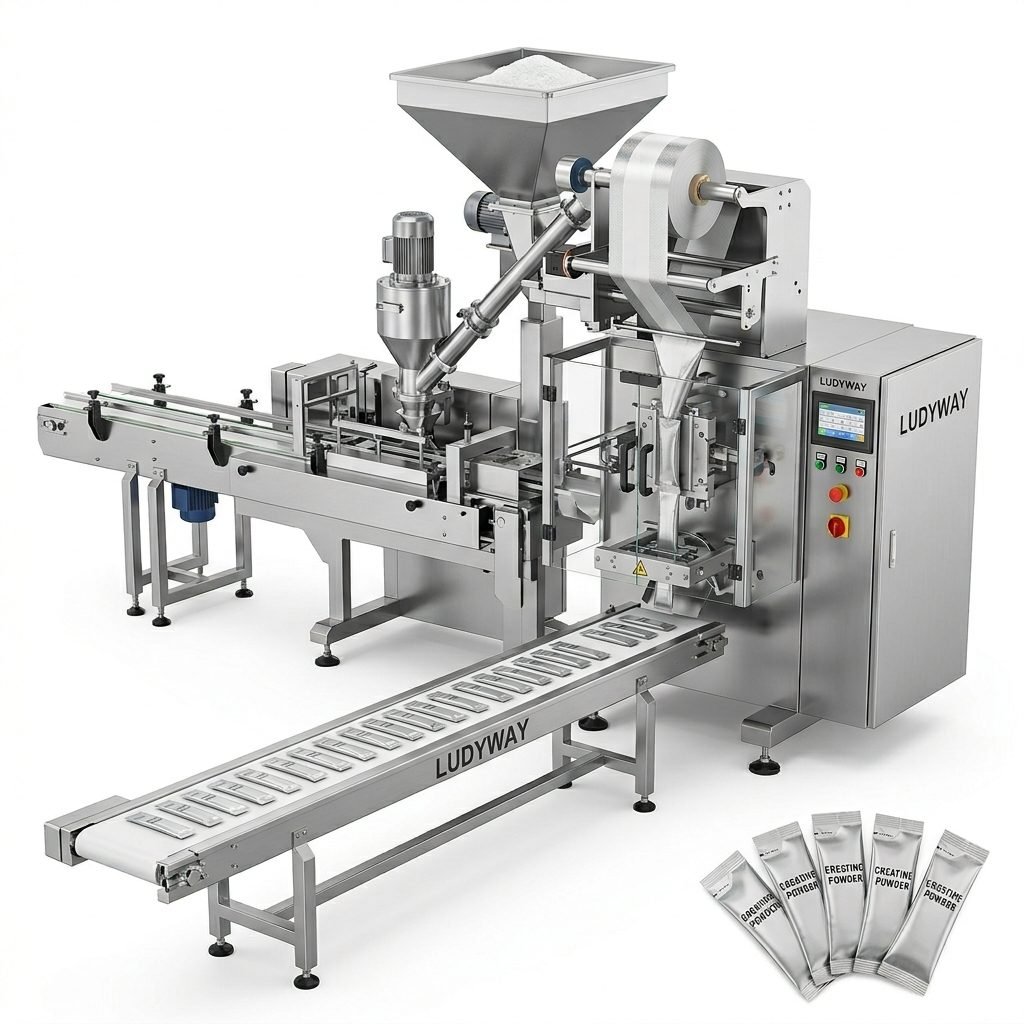
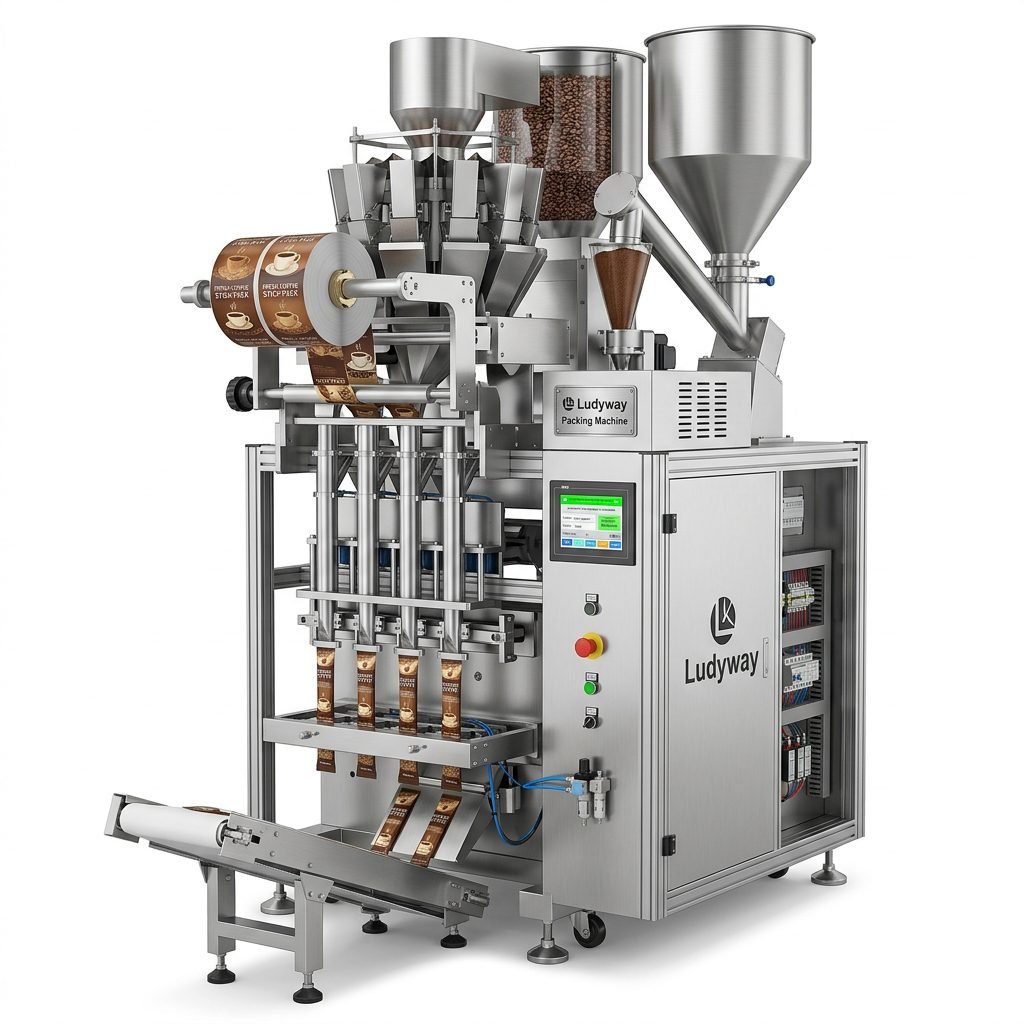
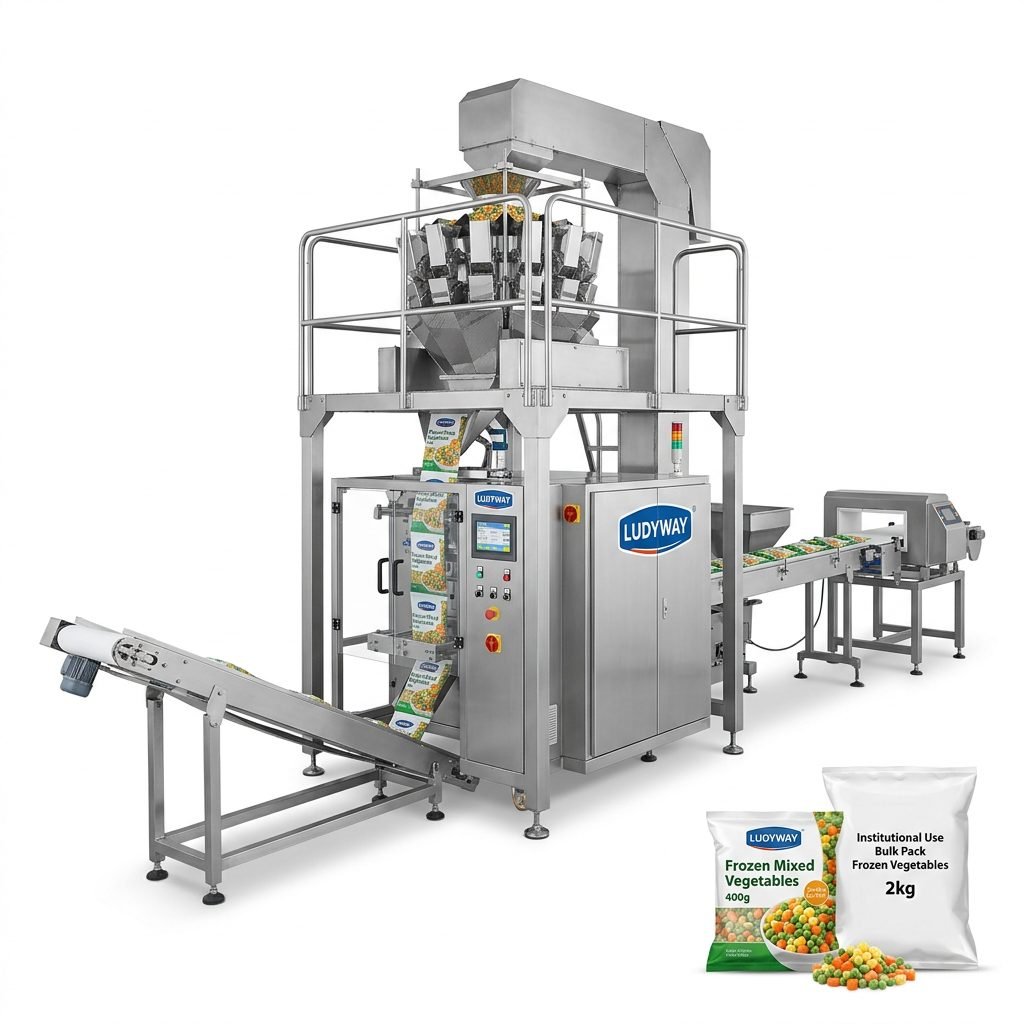
Companies looking for scalable solutions often work with experienced manufacturers that can support both individual machines and complete line integration. For example, Ludyway packaging machine manufacturer serves food, pharmaceutical, health supplement, cosmetic, chemical, nicotine pouch, and animal feed applications with automatic packaging equipment and turnkey line solutions.
Final Thoughts on the Best Industries for Packaging Automation
The industries that benefit most from packaging automation are those where speed, precision, hygiene, consistency, and scalability directly affect profitability and product quality. Food and beverage, pharmaceuticals, health supplements, cosmetics, chemicals, animal feed, pet food, and nicotine pouch products are among the strongest candidates because packaging performance is central to their daily operations.
As labor costs rise and quality expectations become stricter, packaging automation is increasingly a strategic requirement rather than an optional upgrade. Businesses that adopt the right system can improve output, reduce waste, enhance product consistency, and build a stronger foundation for long-term growth.