In the bustling world of food production, especially in regions with a deep appreciation for culinary tradition like France and Francophone countries, the humble French fry represents more than just a side dish—it’s a cultural staple. From classic frites served in a paper cone to gourmet offerings in fine bistros, the demand for consistent, high-quality fries is immense. For producers meeting this demand, the final step before these golden delights reach consumers is just as critical as their preparation: packaging. Selecting the right French fries packaging machine is not merely an operational decision; it’s an investment in brand integrity, efficiency, and meeting the high expectations of a discerning market. This guide will navigate the key considerations to ensure you choose the best equipment for your production line’s success.
Understanding Your Production Needs and Scale
Before diving into machine specifications, a thorough assessment of your own operation is paramount. The ideal packaging machine for a small artisanal producer supplying local boulangeries will differ vastly from one needed by a large-scale supplier for supermarket chains.
Key questions to ask:
- Output Volume: What is your current and projected daily/weekly production capacity (e.g., in kilograms or pounds per hour)?
- Bag Type & Size: Are you packaging in pillow bags, stand-up pouches, or portion-controlled sachets? What is your range of bag sizes?
- Product Characteristics: Do you handle straight-cut fries, crinkle-cut, wedges, or a mix? How does oil content and temperature affect packaging?
- Line Integration: Will the machine be a standalone unit or integrated into a larger, automated line including fryers, coolers, and conveyors?
For instance, a company focusing on premium, hand-cut fries for the hospitality sector might prioritize gentle handling and flexible, small-batch packaging. In contrast, a high-volume frozen food plant requires robust, high-speed automation with minimal downtime. Understanding these nuances is the first step toward a smart investment. Partnering with a knowledgeable supplier like Ludyway Machinery, which offers tailored solutions, can bridge the gap between your specific needs and available technology.
Core Types of French Fries Packaging Machines
The packaging machinery market offers several technologies, each with its strengths. The primary types suitable for French fries are:
Vertical Form-Fill-Seal (VFFS) Machines
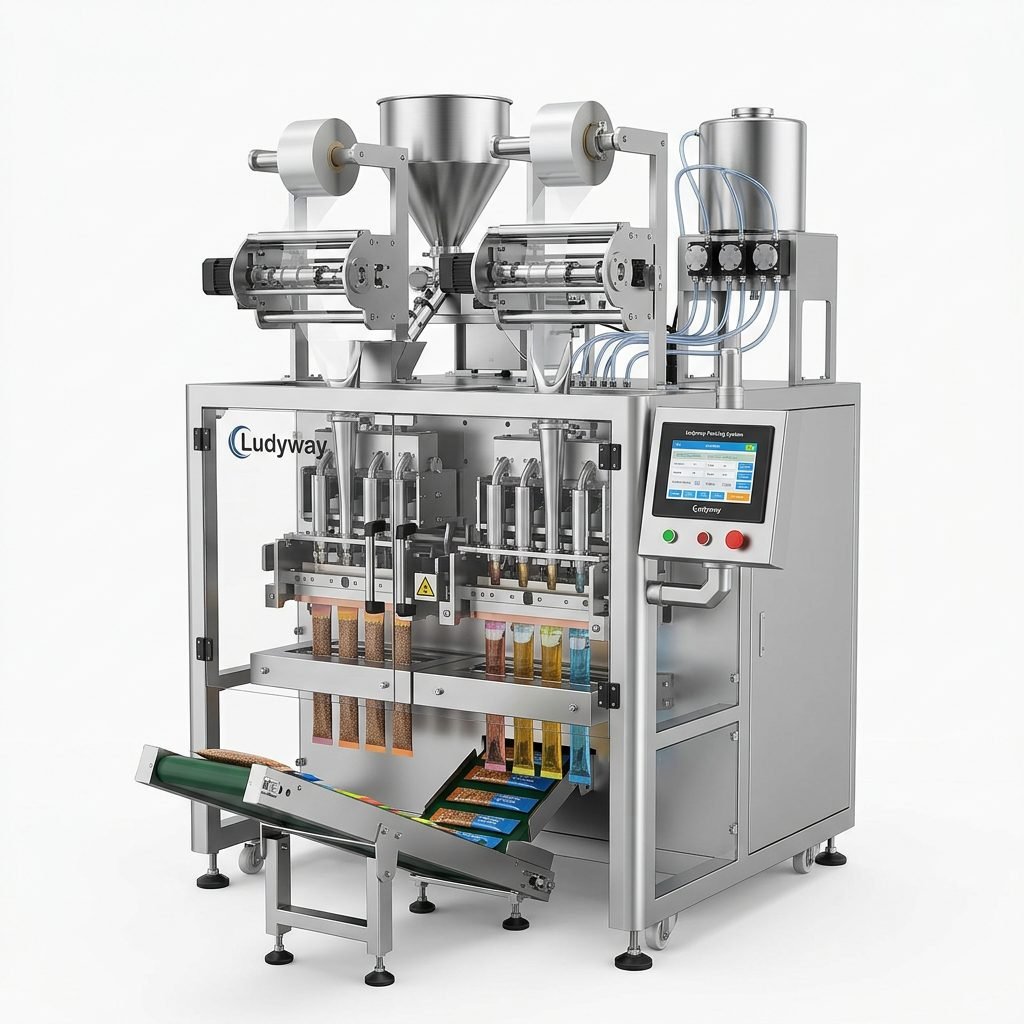
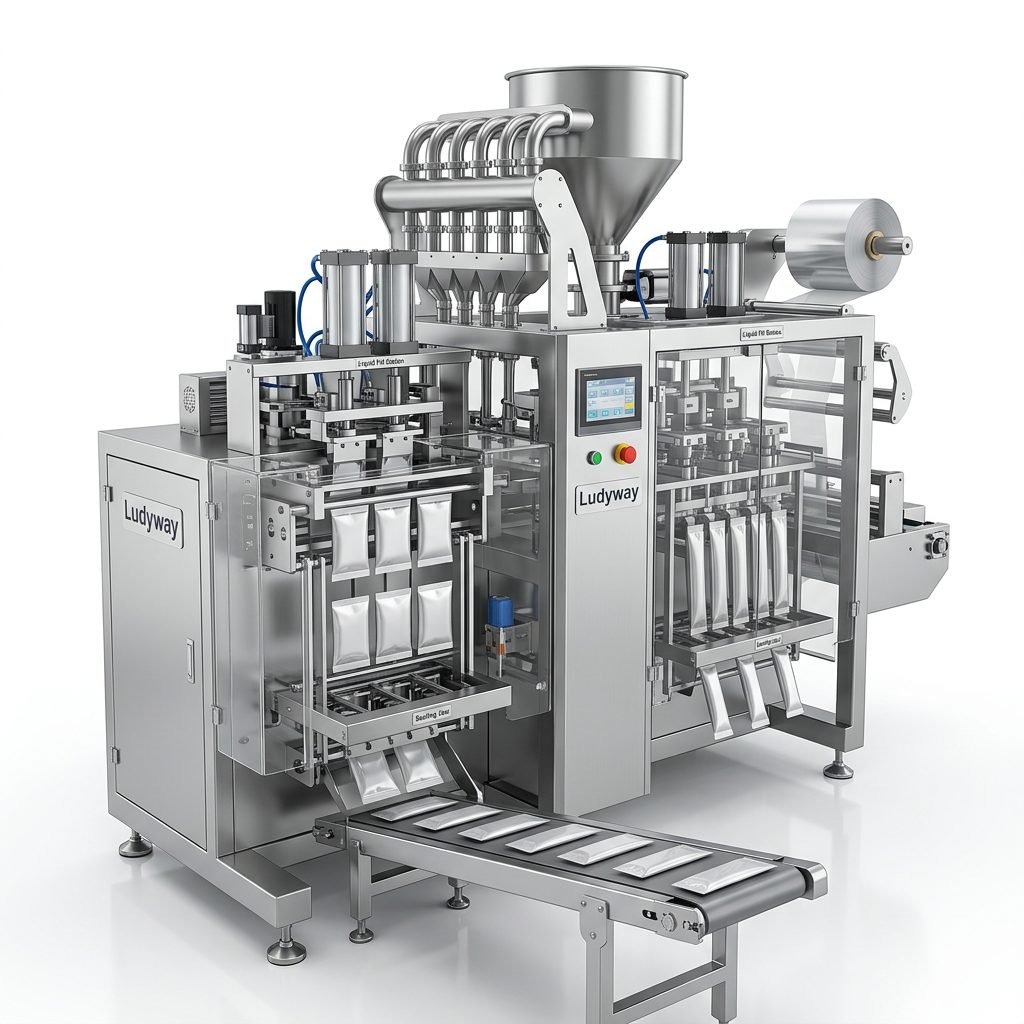
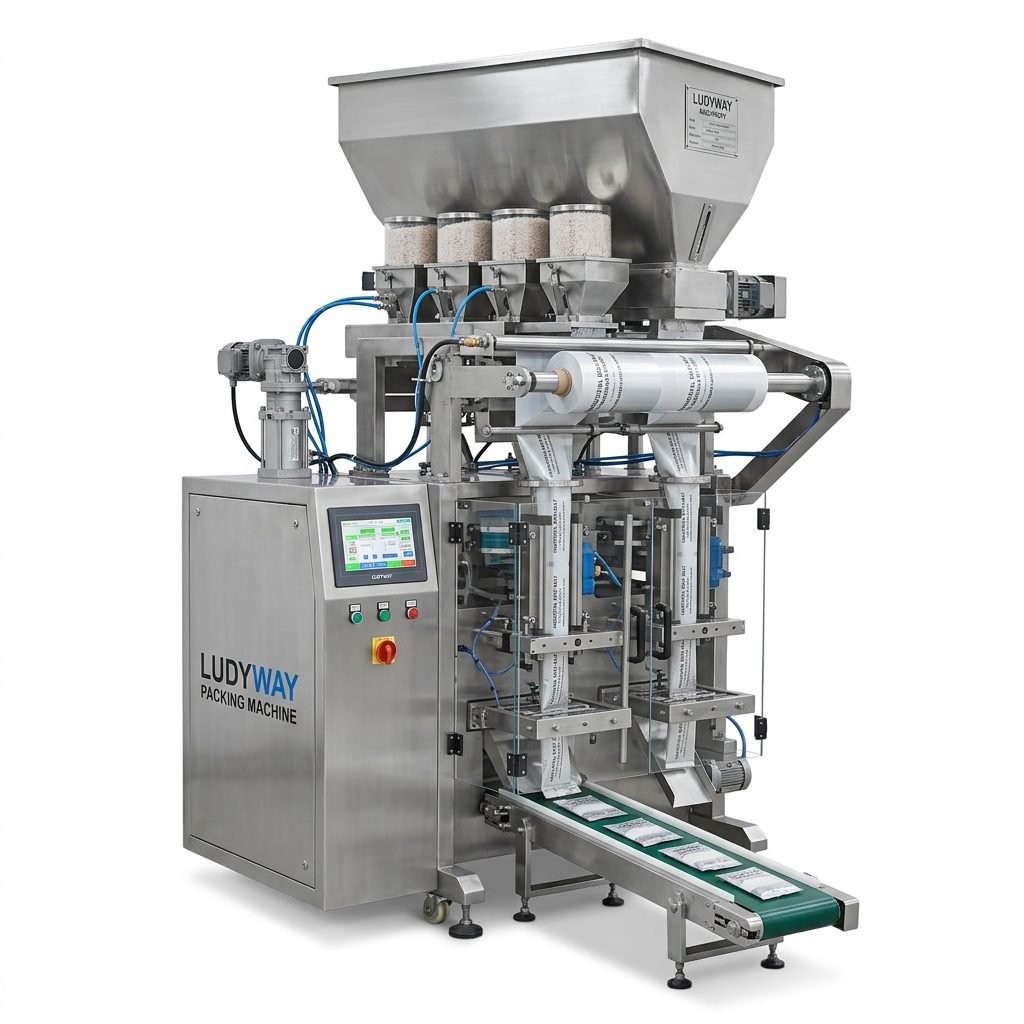
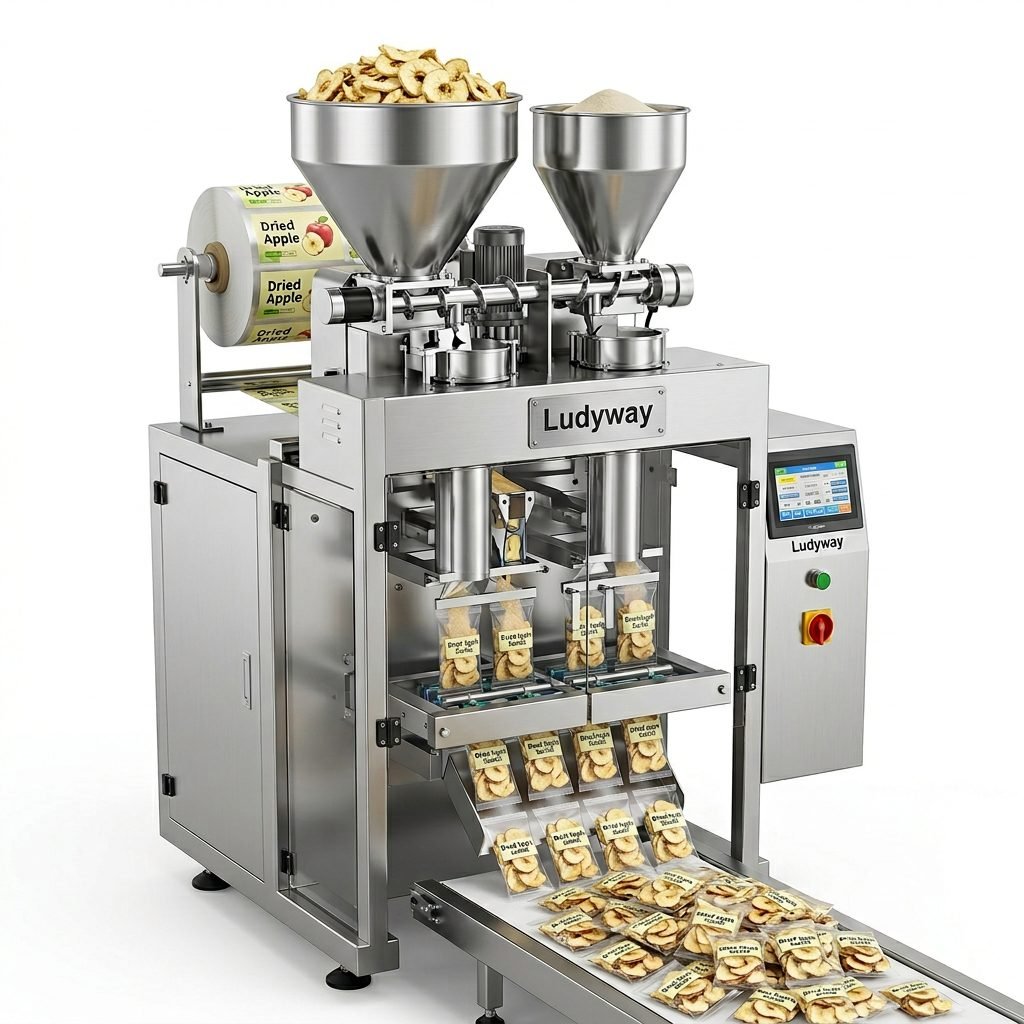
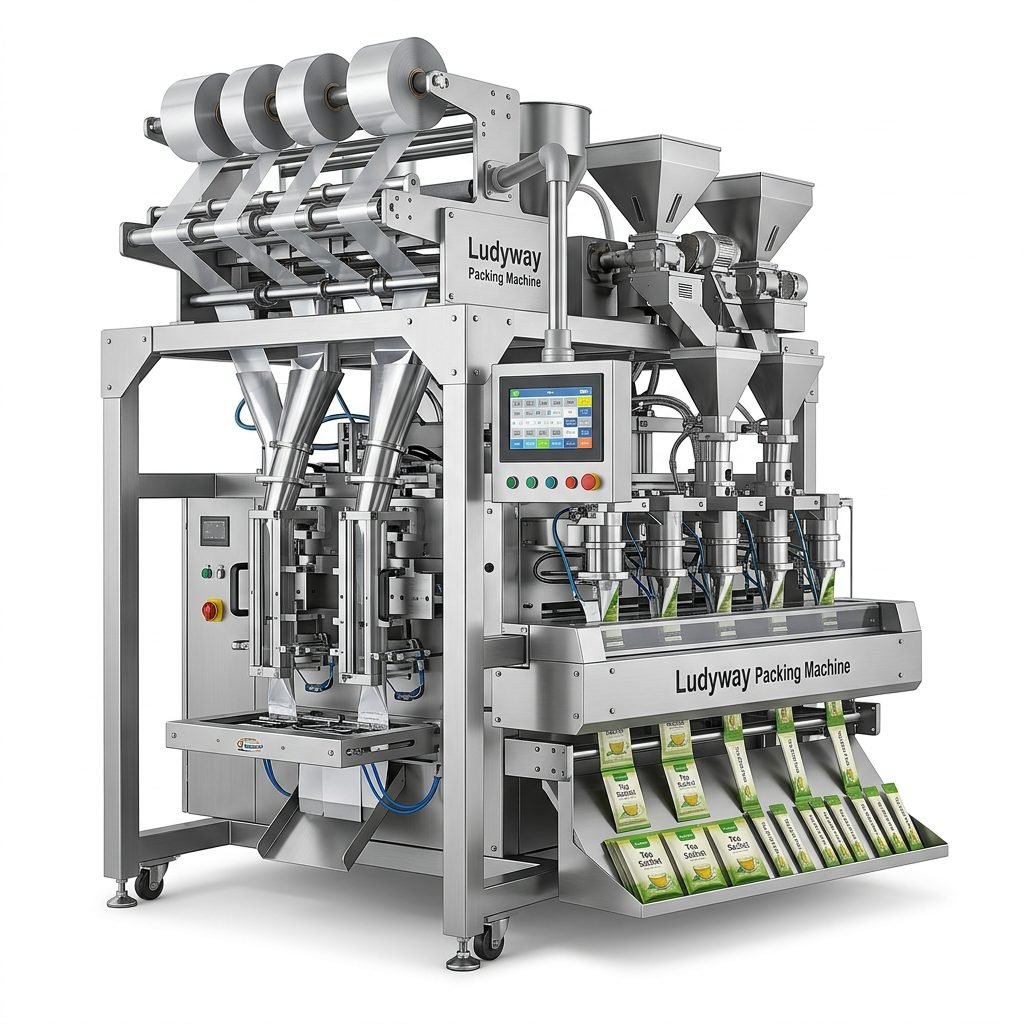
These are the workhorses of the snack and frozen food industry. A VFFS machine forms bags from a roll of film, fills them with product, and seals them in a continuous vertical process.
✓ Pros: High speed and efficiency, excellent for large volumes. Compact footprint. Cost-effective per bag for standardized sizes.
✗ Cons: Less ideal for very fragile or irregularly shaped products that may be damaged in the free-fall. Changing bag sizes can require tooling adjustments.
Horizontal Form-Fill-Seal (HFFS) Machines
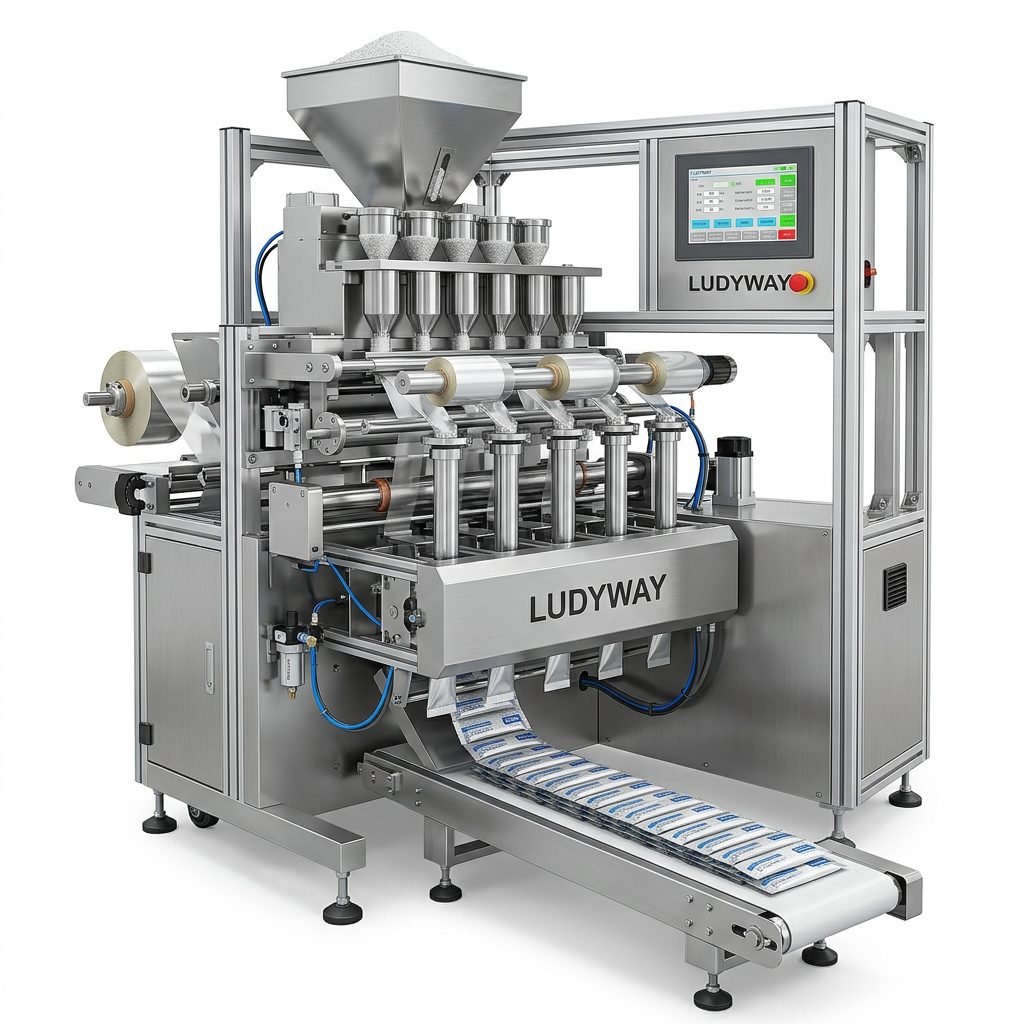
HFFS machines form bags on a horizontal plane, often used for more complex packaging like trays with lidding or flow-wrapped bundles.
✓ Pros: Gentle product handling, perfect for delicate or layered products. Allows for attractive retail-ready presentation (e.g., window boxes).
✗ Cons: Generally slower than VFFS. Larger machine footprint. Higher initial investment.
Pre-Made Bag Packers
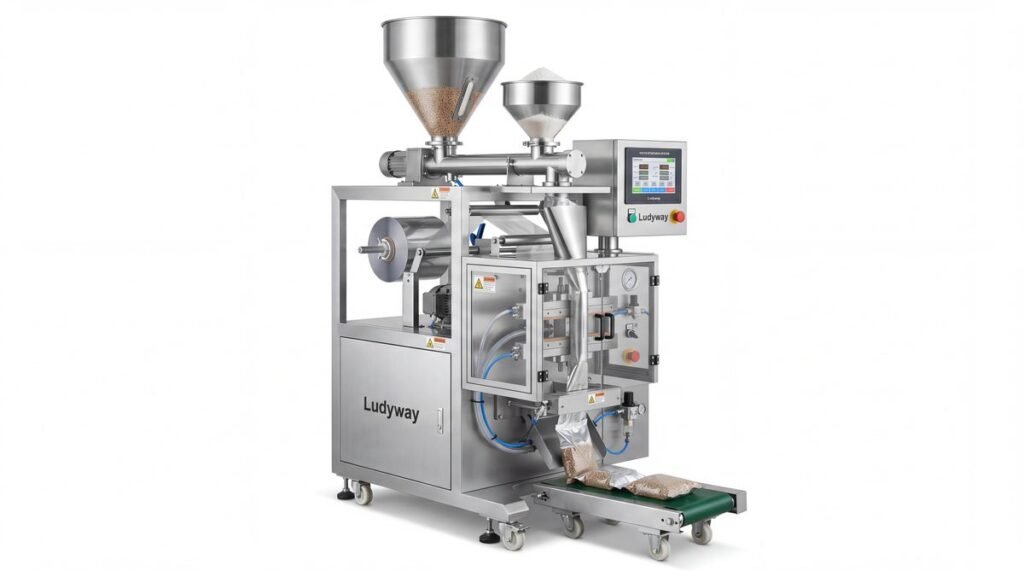
These machines use bags that are already pre-formed and often printed. They open, fill, and then seal the bags.
✓ Pros: Superior print quality and graphic presentation on the bag. Very gentle product handling. Quick changeover between bag sizes/styles.
✗ Cons: Higher cost per bag due to pre-made materials. Typically lower speeds than VFFS.
For most French fry applications, especially high-volume frozen production, VFFS machines are the most common and efficient choice. However, for premium fresh fries sold in butcher paper-style bags or branded pouches, pre-made bag systems might offer the perfect blend of quality and brand appeal.
Critical Technical Features to Evaluate
Once you’ve identified the machine type, delve into the specific features that impact performance, hygiene, and longevity.
1. Weighing and Filling System Accuracy
Consistent weight is non-negotiable for compliance and cost control. Look for multi-head weighers or auger fillers designed for sticky, irregular products like fries. Vibration systems that gently settle product in the weigh bucket can improve accuracy. Advanced machines offer real-time weight feedback and automatic compensation to minimize giveaway.
2. Film Handling and Sealing Integrity
The machine must reliably handle various packaging films, including multi-layer barrier films for frozen products. Check the sealing system—jaw design, temperature control, and pressure consistency are vital for strong, hermetic seals that prevent freezer burn and extend shelf life. A robust film tracking and tension control system is crucial to avoid wrinkles and misalignment.
3. Hygiene and Cleanability (Food Safety)
French fry production involves oils and starches. The machine should have a stainless steel construction in product contact zones, with smooth, crevice-free surfaces. A design that allows for quick access to all areas for cleaning and sanitation (e.g., tool-less disassembly of parts) is essential for meeting food safety standards like HACCP and BRC.
4. Controls and Human-Machine Interface (HMI)
A user-friendly, intuitive touchscreen HMI simplifies operation, recipe storage (for different bag sizes/fry types), and troubleshooting. Features like production counters, diagnostic alerts, and connectivity for Industry 4.0 data collection (OEE, downtime tracking) are valuable for modern, efficient plant management.
5. Durability and After-Sales Support
Packaging machines are long-term investments. Inquire about the quality of key components (servo motors, PLCs, bearings). Most importantly, evaluate the supplier’s support network. A provider with extensive industry experience and a global service footprint, like Ludyway Machinery with over 30 years in the field, ensures you have access to spare parts, technical expertise, and maintenance support when you need it.
Budgeting: Total Cost of Ownership (TCO)
The purchase price is just one part of the equation. A true evaluation considers the Total Cost of Ownership:
- Initial Investment: Machine cost, installation, and training.
- Operational Costs: Energy consumption, compressed air usage, and packaging material efficiency (minimizing film waste).
- Maintenance Costs: Cost and availability of spare parts, recommended service intervals.
- Downtime Costs: A reliable machine with good support minimizes costly production stoppages.
- Flexibility Cost: Can the machine adapt to new products or bag sizes without major reinvestment?
Sometimes, a slightly higher upfront investment in a more robust and versatile machine from a reputable supplier yields a significantly lower TCO over 5-10 years.
FAQs: Choosing a French Fries Packaging Machine
What is the typical speed range for a French fry packaging machine?
Speeds vary widely. A standard single-lane VFFS machine might run 40-80 bags per minute, while multi-lane or high-speed systems can exceed 120 bags per minute. The right speed depends entirely on your production volume and upstream equipment capacity.
Can one machine handle both fresh and frozen French fries?
Technically, yes, but it requires careful configuration. Frozen fries are harder and more consistent, while fresh fries are more fragile and may have surface moisture. The machine may need different weighing systems, film types (barrier for frozen), and potentially cleaning protocols. Discuss your specific product mix with the supplier.
How important is the choice of packaging film?
Extremely important. The film protects against moisture loss, oxygen (preventing rancidity), and light. For frozen fries, a multi-layer barrier film with good seal integrity is critical to prevent freezer burn. Your machine supplier should be able to recommend film specifications compatible with their equipment.
What are the key hygiene certifications to look for?
Look for machines built to food-grade standards. While the machine itself may not have a “certificate,” its design should comply with principles of EHEDG, USDA, or 3-A Sanitary Standards. The manufacturer’s quality management system (e.g., ISO 9001) is also a good indicator of consistent build quality.
Should I buy a standalone machine or a complete turnkey line?
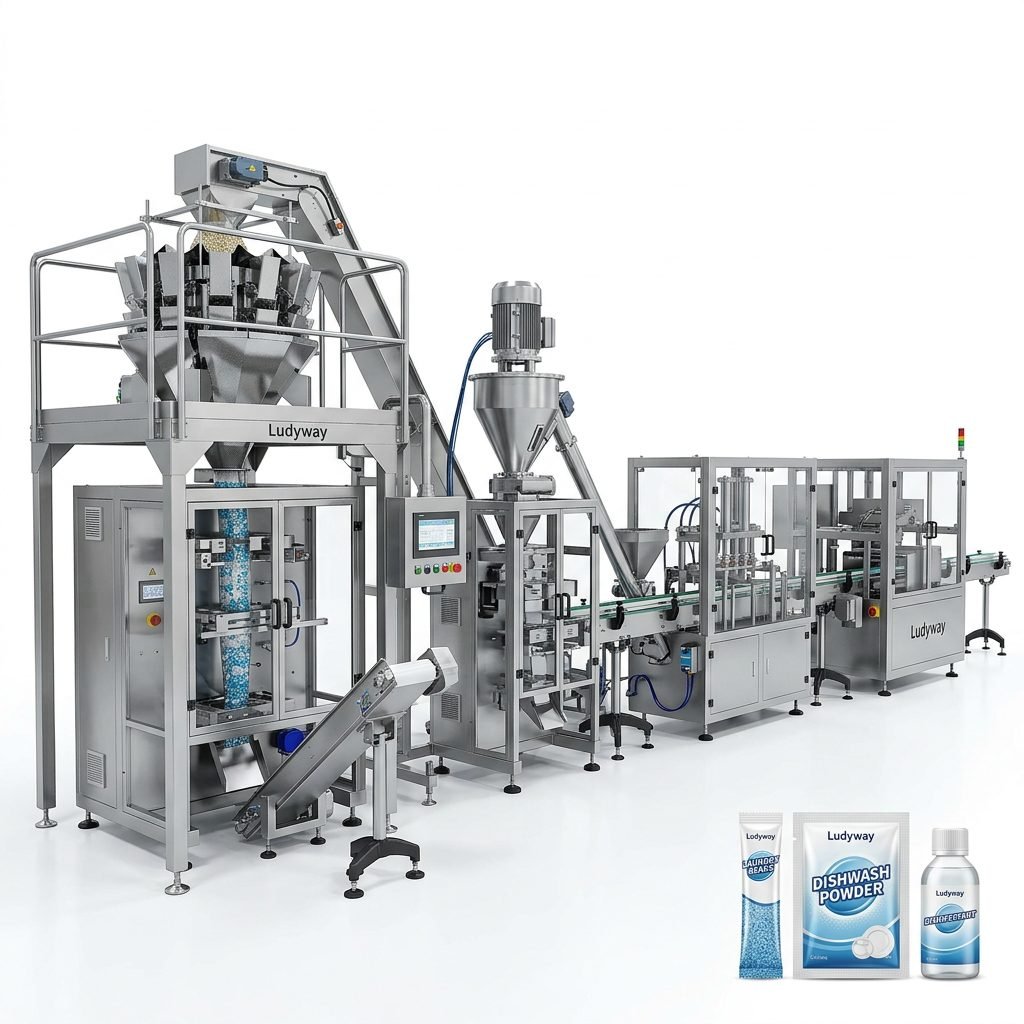
This depends on your starting point. If you have existing fryers and coolers, a standalone packer integrated via conveyor may suffice. For a new greenfield project or a major upgrade, a turnkey solution from a single supplier ensures all components (feeding, weighing, packaging) are perfectly synchronized for optimal efficiency and throughput, reducing integration headaches.