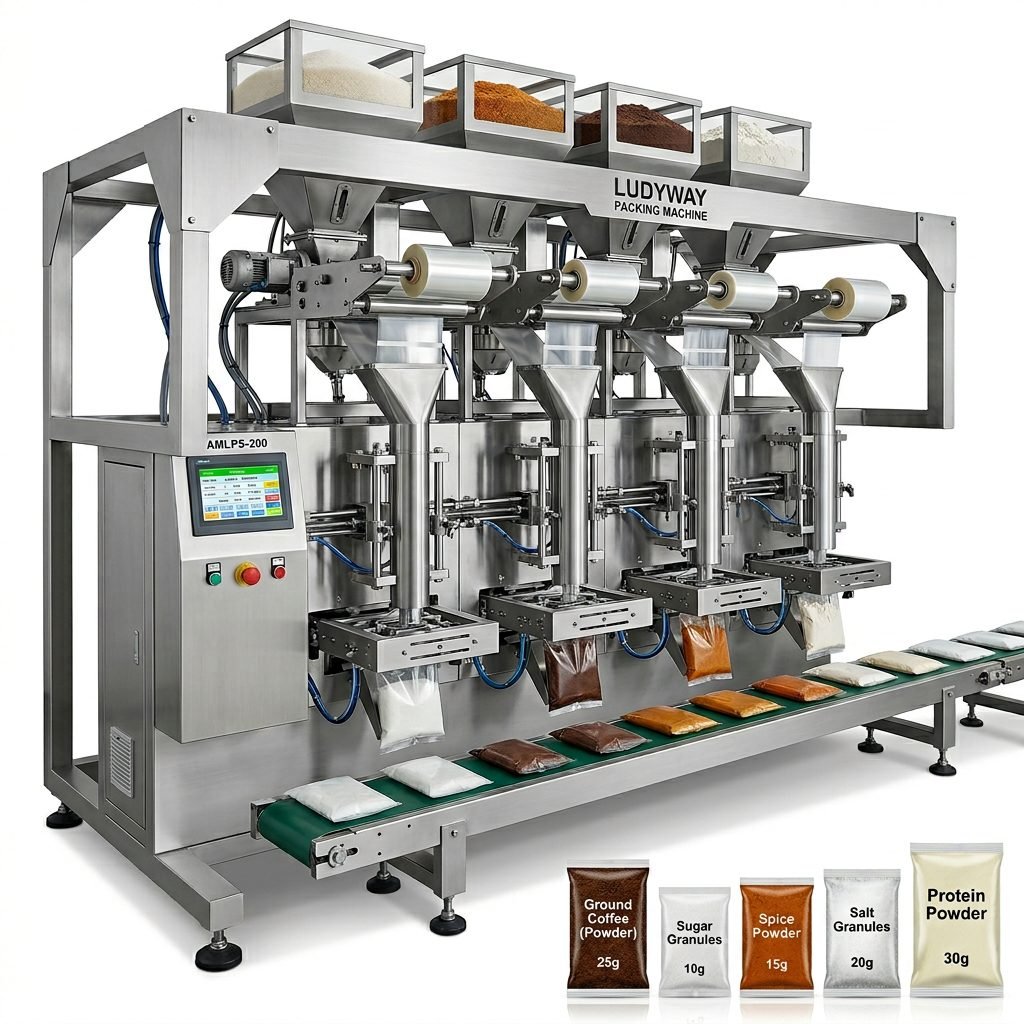
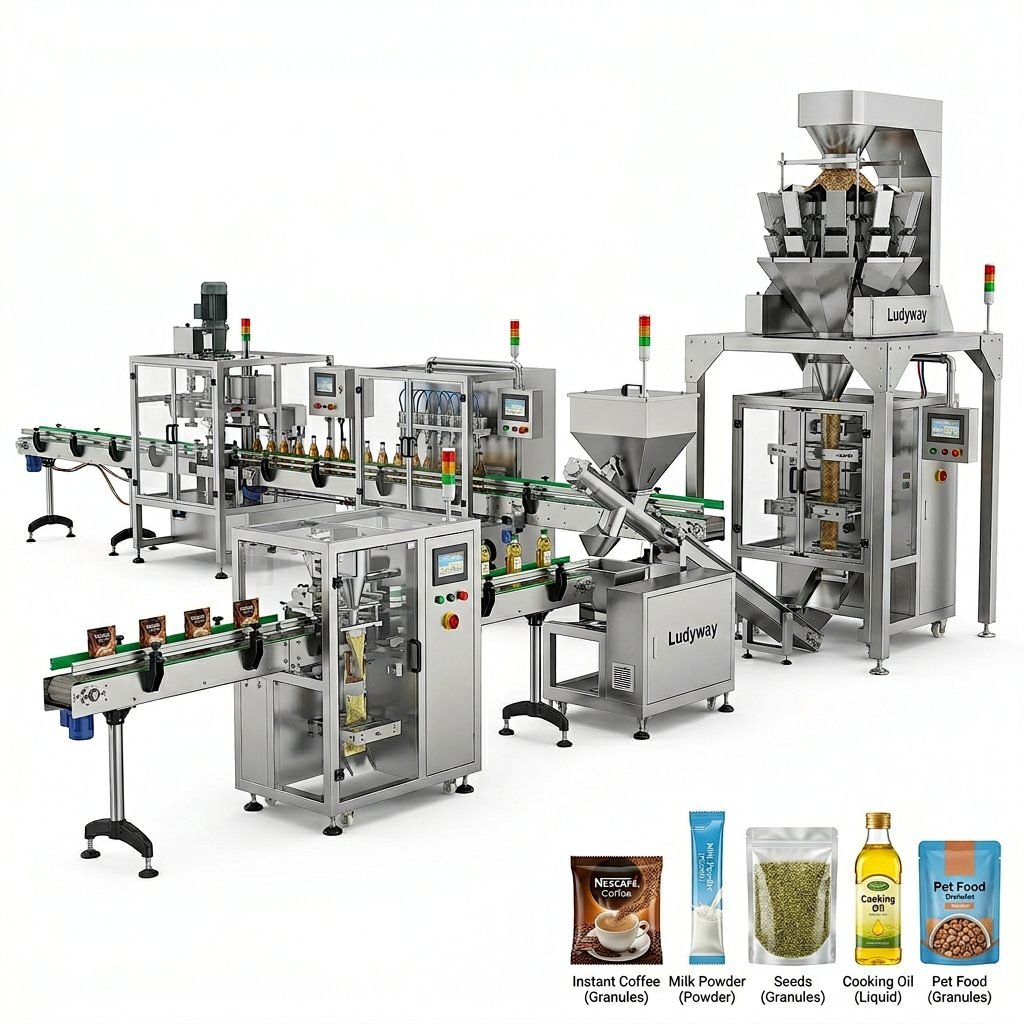
Choosing the right automatic packing machine is a critical decision for any business looking to improve efficiency, reduce costs, and ensure product consistency. With a vast array of options available, from simple sachet fillers to complex multi-lane stick pack systems, navigating the market can be daunting. This guide is designed to simplify the process, providing you with a clear, step-by-step framework to evaluate your needs and select the best packaging machinery for your specific operation.
Understanding Your Core Packaging Requirements
Before diving into machine specifications, a thorough internal assessment is essential. This foundational step ensures your investment aligns perfectly with your business goals.
1. Product Characteristics Analysis
The physical properties of your product dictate the type of machine you need. Carefully consider the following:
Form: Is your product a granule, fine powder, liquid, paste, or solid piece? Each form requires different feeding, filling, and sealing mechanisms.
Flowability & Density: Powders and granules vary greatly. A free-flowing salt requires a different auger filler than a cohesive protein powder.
Sensitivity: Is the product hygroscopic, heat-sensitive, or fragile? This influences the need for features like nitrogen flushing, cold sealing, or gentle handling systems.
2. Output & Speed Expectations
Your production volume is a key driver. Calculate your required output in bags, sachets, or sticks per minute (PPM) or per hour (PPH). Be realistic about both your current needs and projected growth for the next 3-5 years. Investing in a machine that can scale with you is often more cost-effective than a rapid, costly upgrade later.
3. Packaging Materials & Format
The bag itself is as important as the machine. Determine your desired format: stand-up pouches, flat sachets, stick packs, or pillow bags. The machine must be compatible with your chosen film or laminate (e.g., PET/AL/PE, OPP/CPP). Consider barrier properties for shelf life and whether you need features like zippers, spouts, or tear notches.
Key Features to Evaluate in Automatic Packing Machines
Once you understand your needs, you can effectively compare machines based on their technical capabilities and construction quality.
Filling Technology: The Heart of Accuracy
Filling accuracy directly impacts product giveaways and compliance. The main types include:
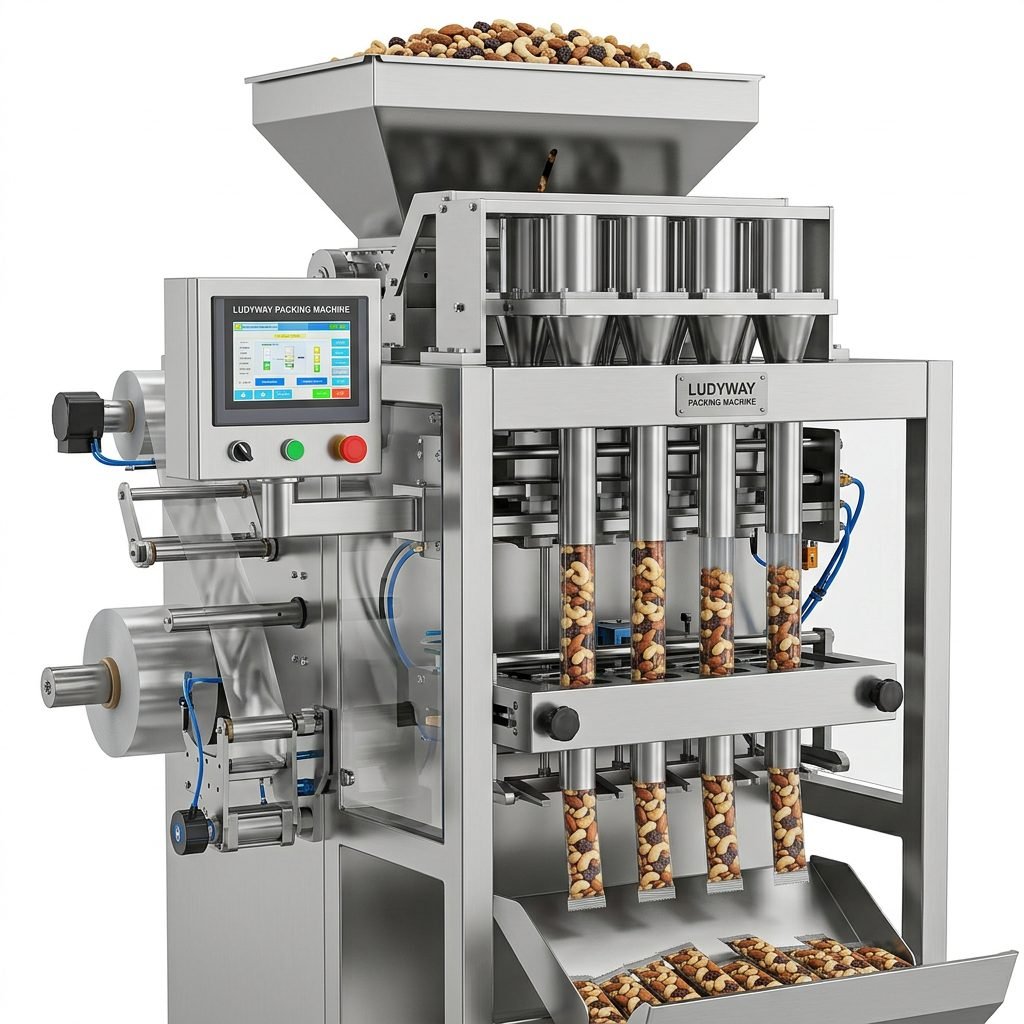
Volumetric Cup Fillers: Ideal for uniform granules, chips, or free-flowing products. Simple and cost-effective.
Auger Fillers: The standard for powders and non-free-flowing granules. Look for servo-driven augers for superior accuracy and easy recipe changeovers.
Liquid Piston Pump Fillers: Used for viscous liquids, pastes, and creams. Ensure the pump material is compatible with your product to avoid corrosion.
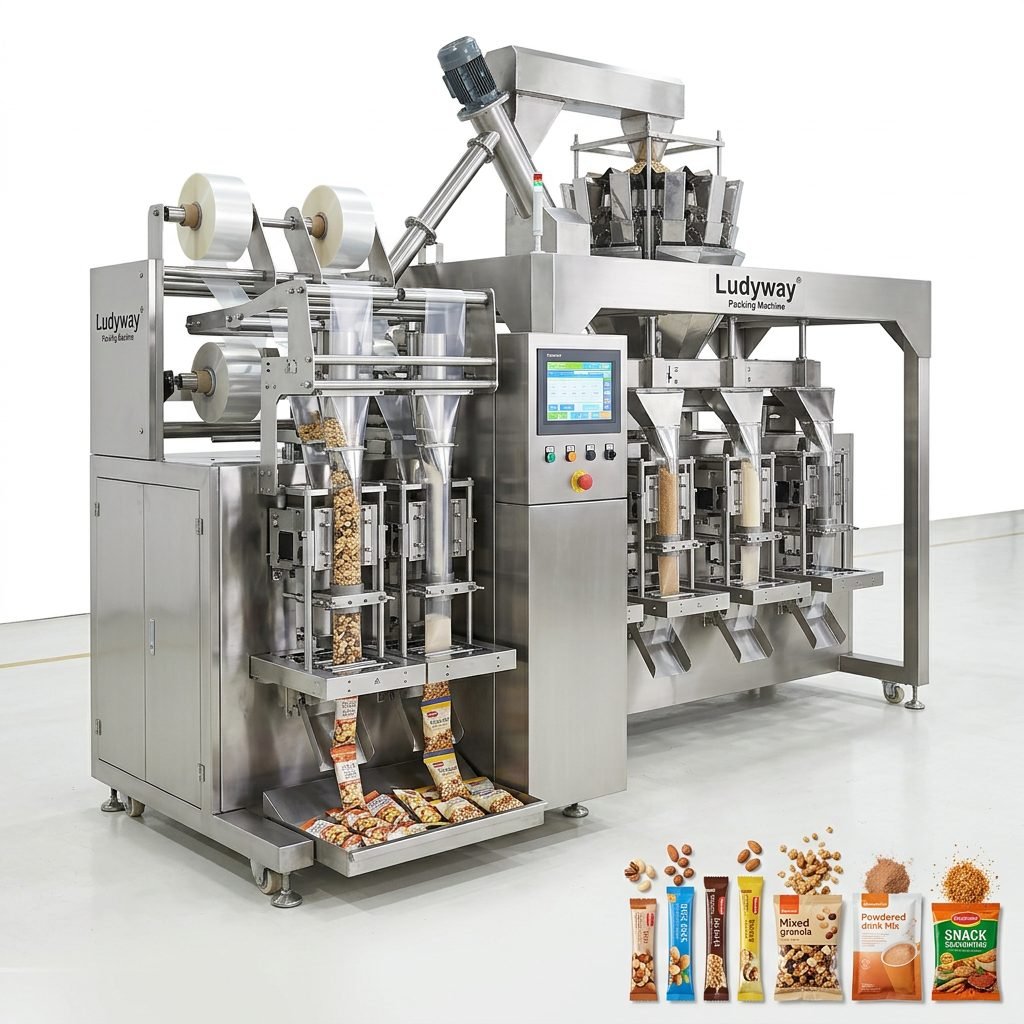
Weighing Scales (Net Weighers): The most accurate method for high-value products or where weight compliance is strict. Multi-head weighers are used for snacks and irregular items.
Machine Construction & Durability
A machine is a long-term asset. Inspect the frame and critical components. Machines with a rigid, welded steel frame and panels made of stainless steel (grade 304 or 316) offer better hygiene, corrosion resistance, and longevity, especially for food or pharmaceutical applications. Avoid thin-gauge materials or plastic components in high-wear areas.
Control System & Ease of Use
The operator interface is crucial for efficiency. Modern machines feature touch-screen PLC (Programmable Logic Controller) panels. A well-designed HMI (Human-Machine Interface) with graphical guides, multi-language support, and recipe memory drastically reduces setup time, operator training, and the potential for errors.
Changeover Flexibility
If you run multiple products or bag sizes, quick changeover is vital. Look for machines with tool-less adjustments for bag width and length, and easy-to-switch parts like forming tubes and filling nozzles. The faster you can switch, the more agile your production becomes.
Integration & Future-Proofing
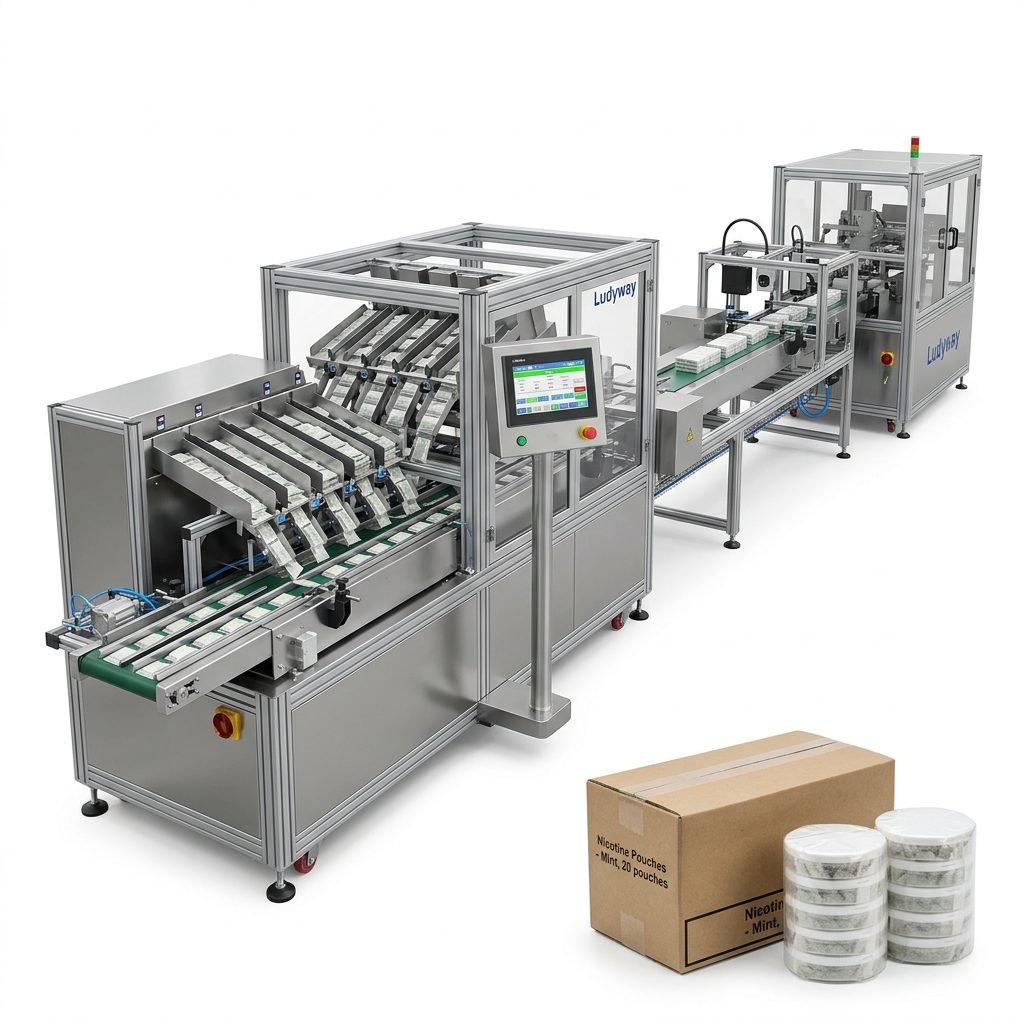
Consider the machine’s ability to integrate into a larger line. Does it have standard communication protocols (e.g., Ethernet/IP, Modbus) to connect with upstream feeders, downstream cartoners, or factory MES/ERP systems? Choosing a machine from a supplier with a broad portfolio, like Ludyway Packing Machine, can simplify future expansion into a complete turnkey line.
Beyond the Machine: The Importance of Supplier Support
The machine is only part of the solution. The supplier’s support defines your long-term success.
Technical Expertise & Customization
Can the supplier understand your unique challenge and offer a tailored solution? A partner with deep application knowledge, like the team at Ludyway Machinery, can recommend modifications or special features to handle difficult products, ensuring optimal performance from day one.
After-Sales Service Network
Prompt and reliable support is non-negotiable. Investigate the supplier’s service structure. Do they have local technicians, or do they provide remote support? What is the typical response time for spare parts? A company with over 30 years of industry experience typically has a robust support system and extensive spare parts inventory.
Training & Documentation
Comprehensive training for your maintenance and operator teams is essential for maximizing uptime. Ensure the supplier provides clear manuals, video tutorials, and hands-on training sessions.
Making the Final Decision & Justifying Investment
With shortlisted options, conduct a final analysis focusing on Total Cost of Ownership (TCO) and ROI.
Calculating Total Cost of Ownership (TCO)
TCO goes beyond the purchase price. Include:
- Installation & commissioning costs.
- Cost of necessary accessories (check weighers, date coders).
- Estimated costs for utilities (power, compressed air).
- Annual maintenance contract costs.
- Estimated consumption of spare parts (like sealing jaws, belts).
A slightly more expensive, robust machine with lower maintenance needs often has a better TCO than a cheaper, less reliable alternative.
Requesting a Product Sample Test
Never buy based on specifications alone. Always send your actual product and packaging material to the supplier for a live performance test. This test will reveal true speed, accuracy, and any potential handling issues. It’s the most reliable way to validate a machine’s suitability.
Evaluating Return on Investment (ROI)
Build a business case by quantifying benefits: labor savings from automation, reduction in material waste from improved accuracy, increased output leading to higher sales, and improved product quality reducing customer complaints. A professional supplier should help you model this ROI.
Conclusion: Partnering for Packaging Success
Selecting the best automatic packing machine is a strategic process that balances technical specifications, operational needs, and supplier partnership. By methodically assessing your product, output, and future goals, you can identify a machine that not only automates a task but becomes a driver for growth, quality, and efficiency. Partnering with an experienced provider ensures you gain more than just equipment—you gain a reliable solution and long-term support for your packaging operations. For businesses seeking tailored advice, exploring the solutions from established experts can be an excellent starting point for your automation journey. Discover more about comprehensive packaging systems on the Ludyway professional solutions page.
Frequently Asked Questions (FAQs)
Q1: What is the typical lead time for receiving an automatic packing machine?
Lead times vary based on machine complexity and customization. Standard models may ship in 4-8 weeks, while fully customized or turnkey lines can take 12-20 weeks. Always confirm timelines with your supplier during the quotation process.
Q2: How much floor space is required for a typical automatic sachet packing machine?
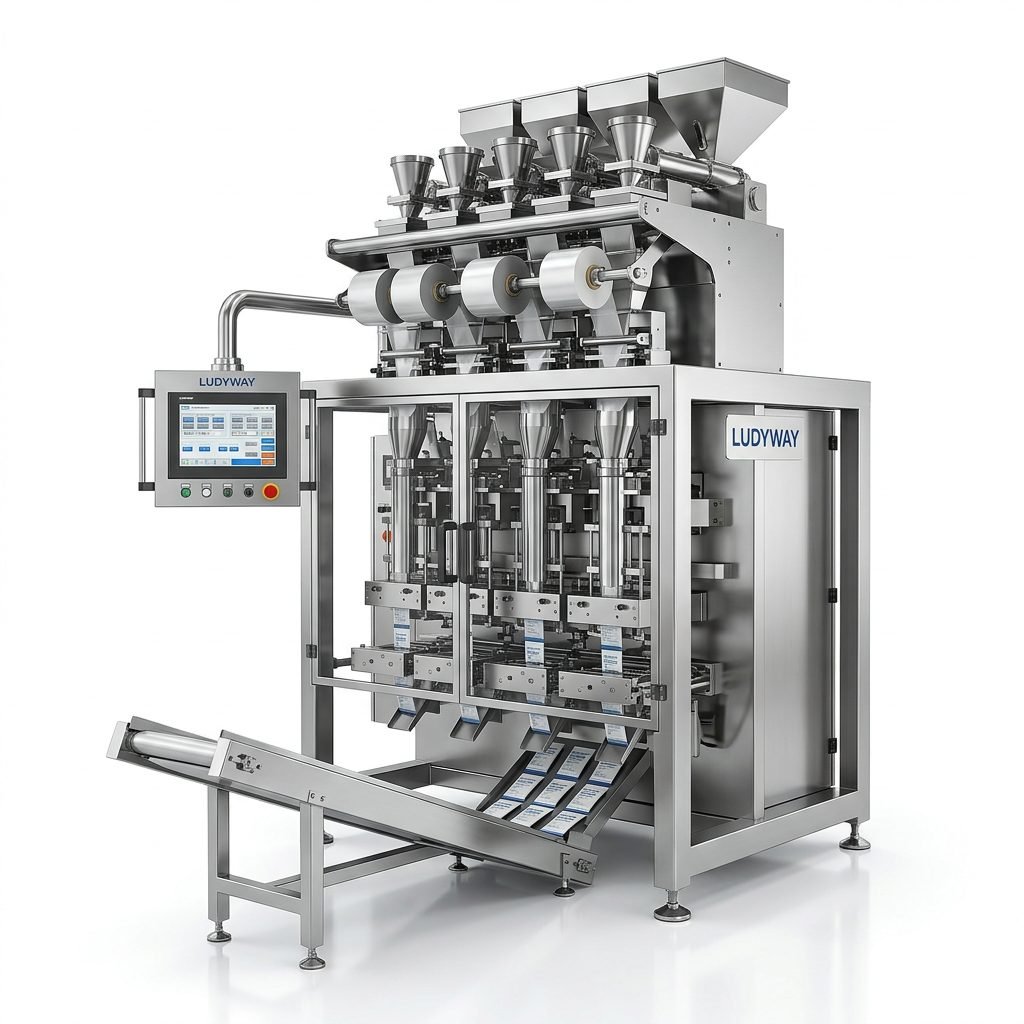
Space requirements depend on the model and integrated peripherals. A compact single-lane sachet machine might need only 2m x 1.5m, while a multi-lane stick pack system with feeders and conveyors could require 5m x 3m. Your supplier should provide detailed layout drawings.
Q3: Can one machine handle different types of products, like powders and granules?
Some machines are designed for flexibility. With a complete change of the filling system (e.g., swapping an auger for volumetric cups) and adjustments to the film path, it is possible. However, frequent, drastic changeovers can be time-consuming. For vastly different products, dedicated machines are often more efficient.
Q4: What kind of maintenance do these machines require daily?
Daily maintenance is usually minimal but critical. It typically involves cleaning product contact parts, wiping down surfaces, checking for film debris in the sealing jaws, and ensuring lubrication points are adequate. Following the supplier’s preventative maintenance schedule is key to avoiding unplanned downtime.
Q5: How do I ensure the machine meets my local safety and regulatory standards?
Reputable manufacturers build machines to international standards (e.g., CE, UL). You must inform your supplier of your country’s specific requirements. They should provide the necessary documentation and certifications, such as electrical compliance reports and risk assessments, for your local authorities.