In the rapidly evolving food production industry, efficient and reliable packaging is crucial for maintaining product quality, ensuring hygiene, and optimizing operational costs. For manufacturers of tofu and related soy products, selecting the right packaging machine is a critical investment. This guide provides a comprehensive overview of tofu packaging machines, detailing their types, key features, and essential factors to consider when making your choice.
Understanding Tofu Packaging: A Critical Production Step
Tofu, with its high moisture content and delicate texture, presents unique packaging challenges. Effective packaging must prevent contamination, minimize oxidation, and often maintain a modified atmosphere to extend shelf life. Automated packaging solutions address these needs with precision, speed, and consistency far beyond manual methods. The right machine not only protects the product but also enhances brand presentation and streamlines your supply chain.
Key Benefit: Automated tofu packaging significantly reduces labor costs, minimizes human contact for improved hygiene, and ensures uniform package quality that builds consumer trust.
Primary Types of Tofu Packaging Machines
The market offers several machine configurations, each suited to different production scales, tofu formats, and packaging styles.
1. Vertical Form-Fill-Seal (VFFS) Machines
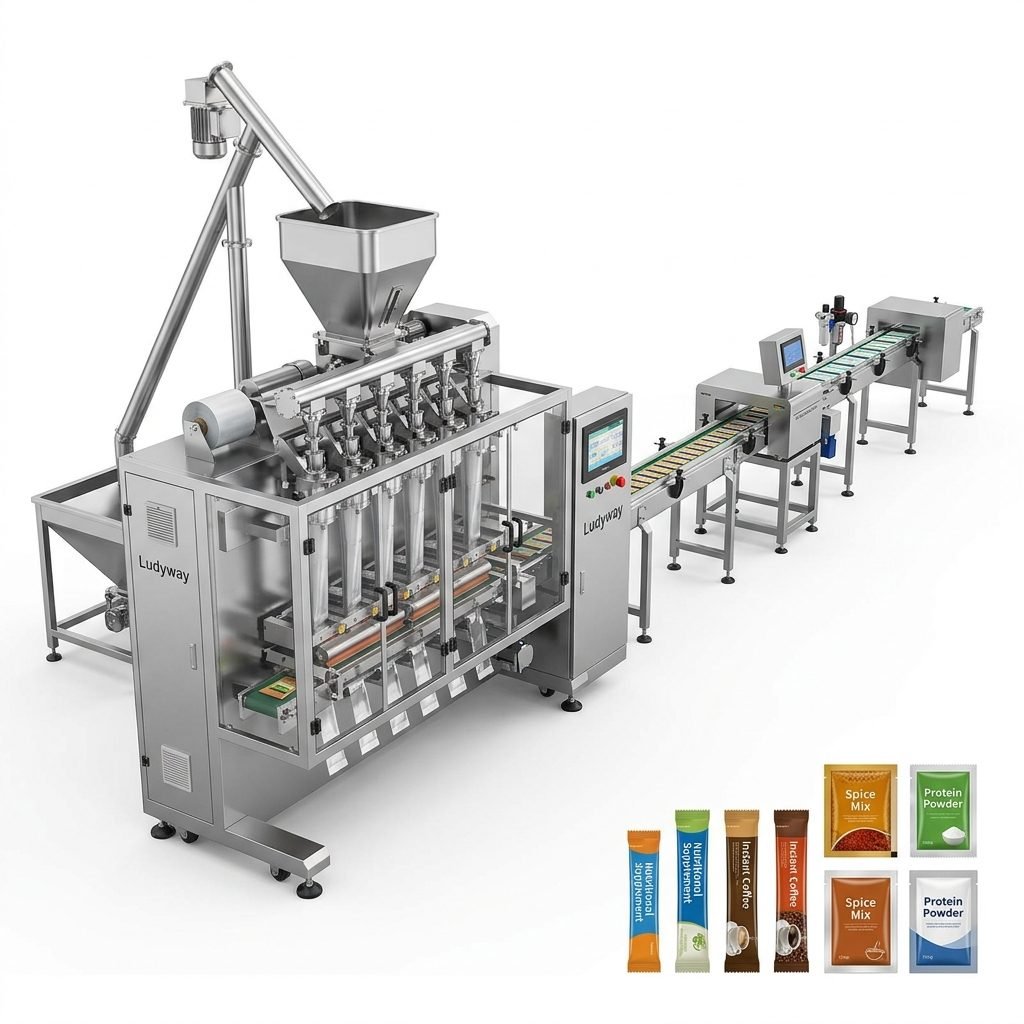
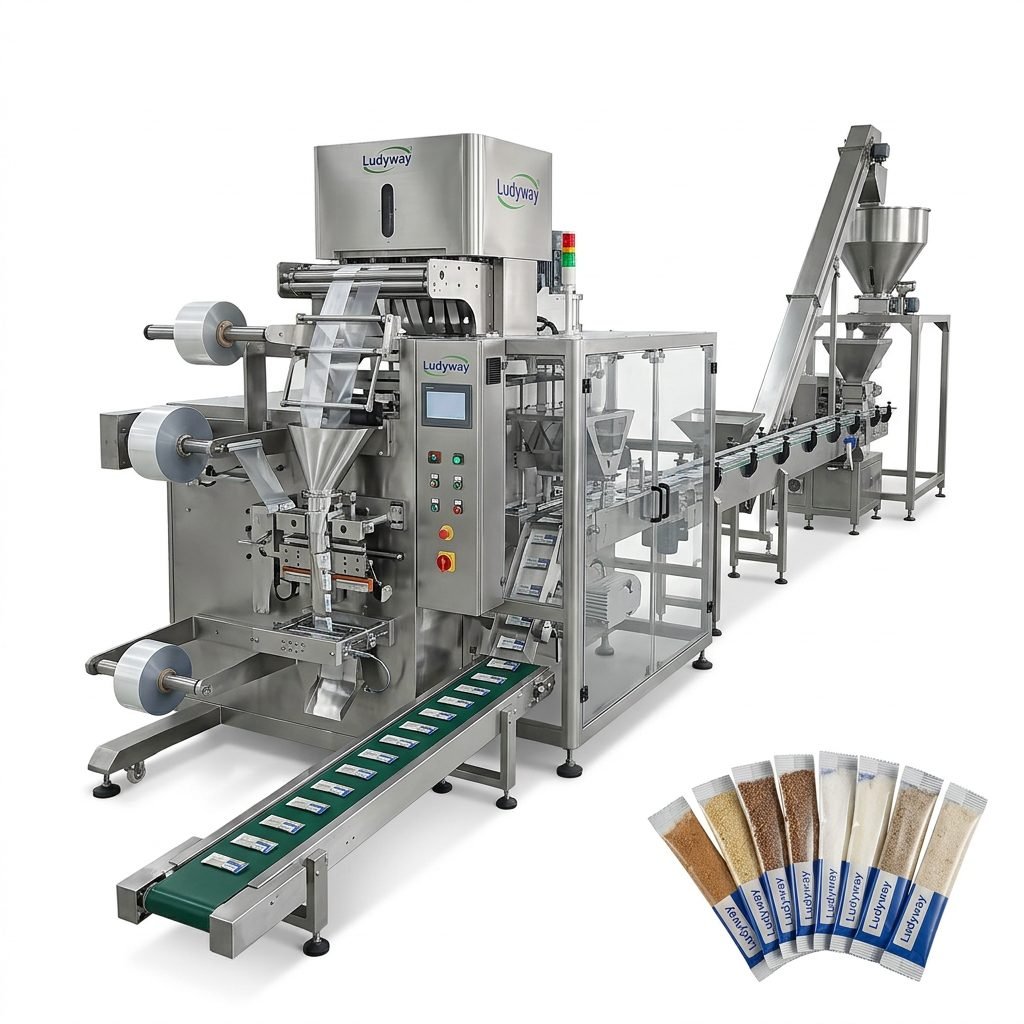
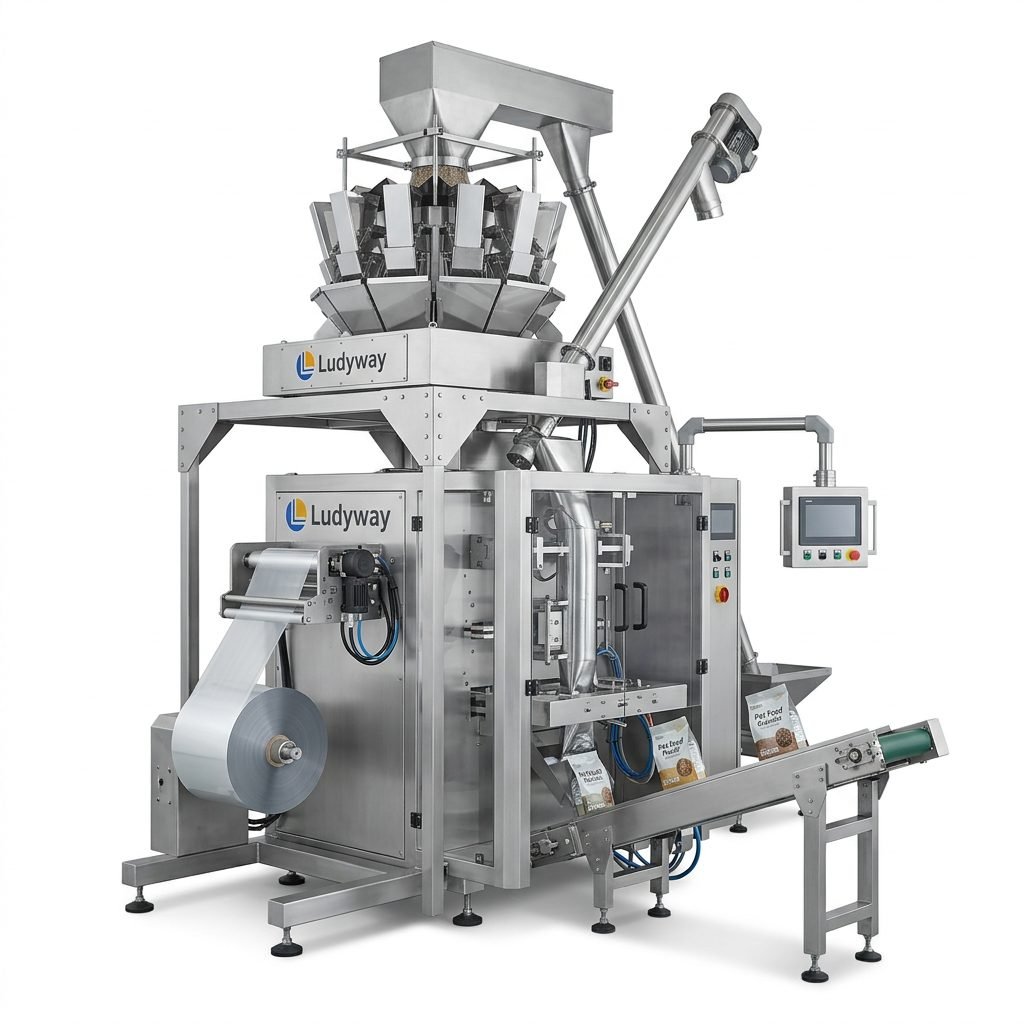
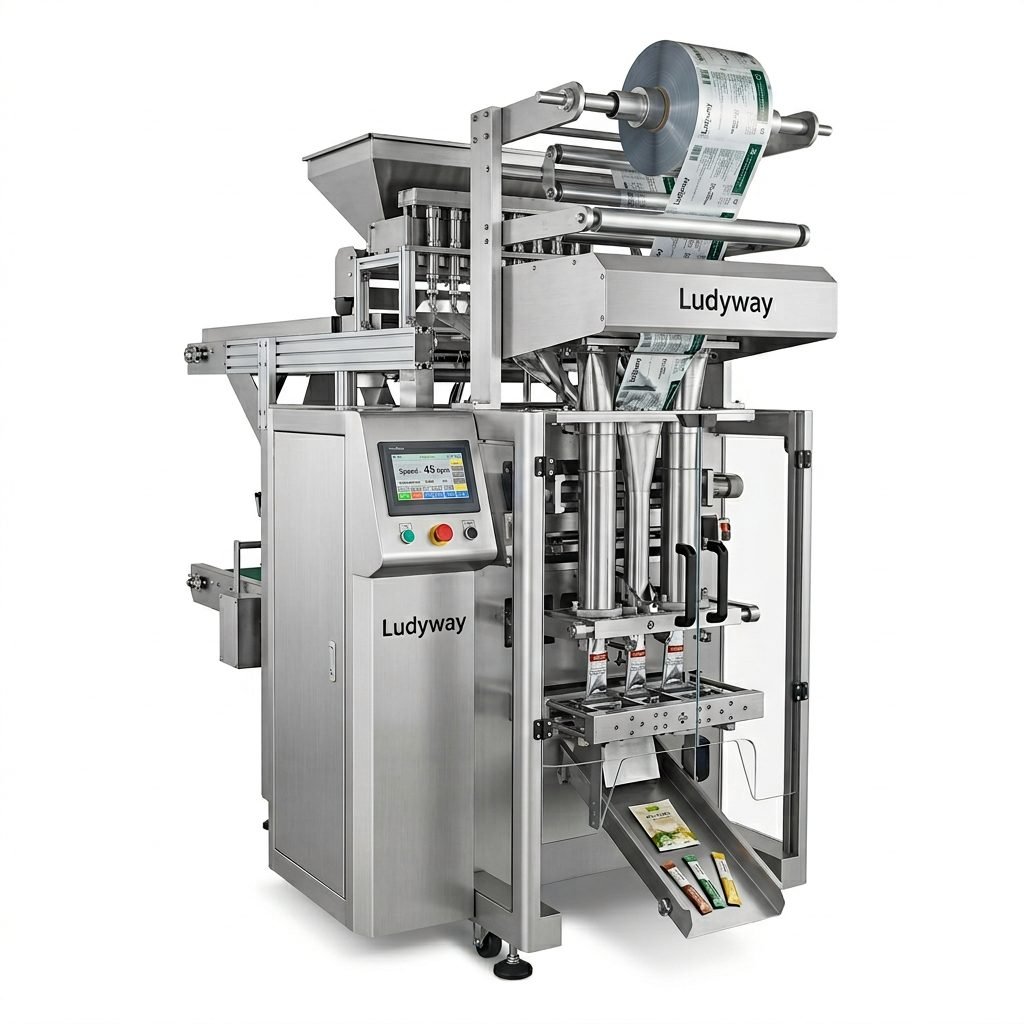
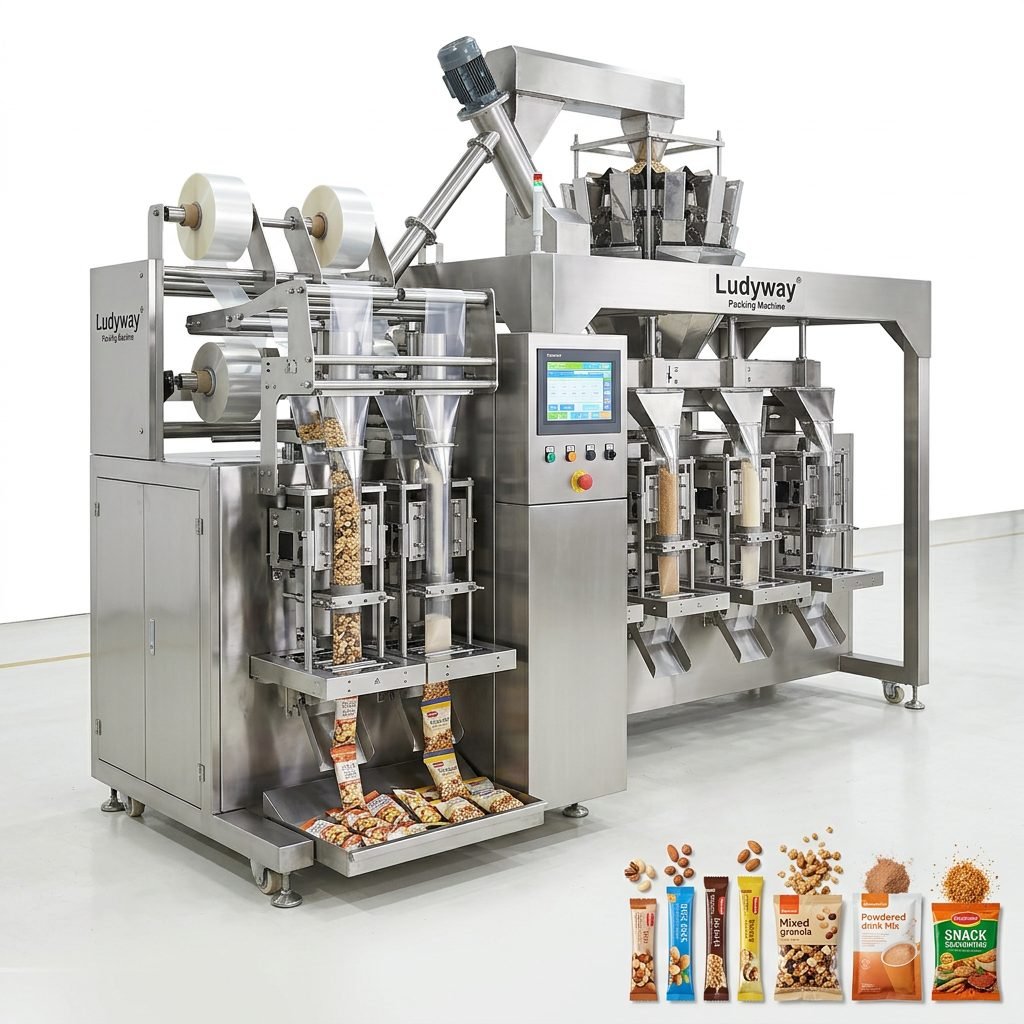
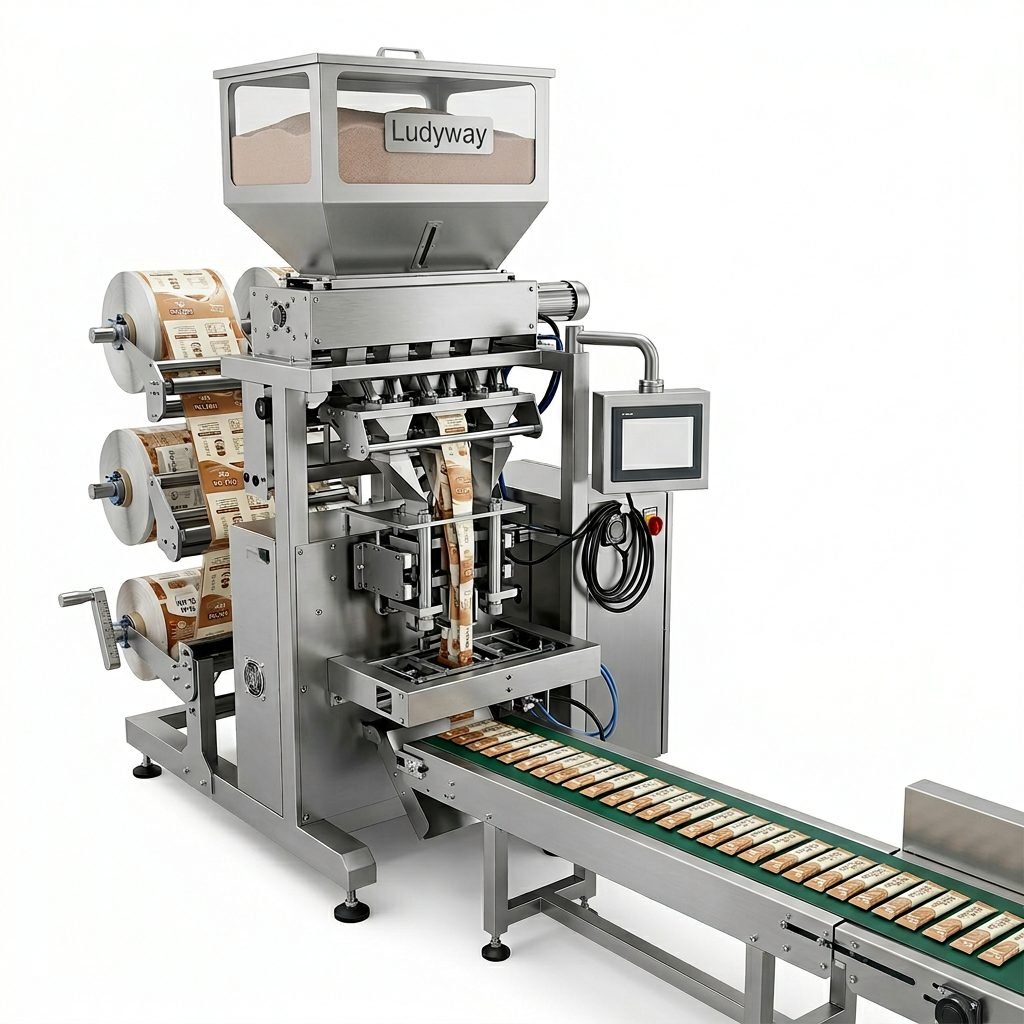
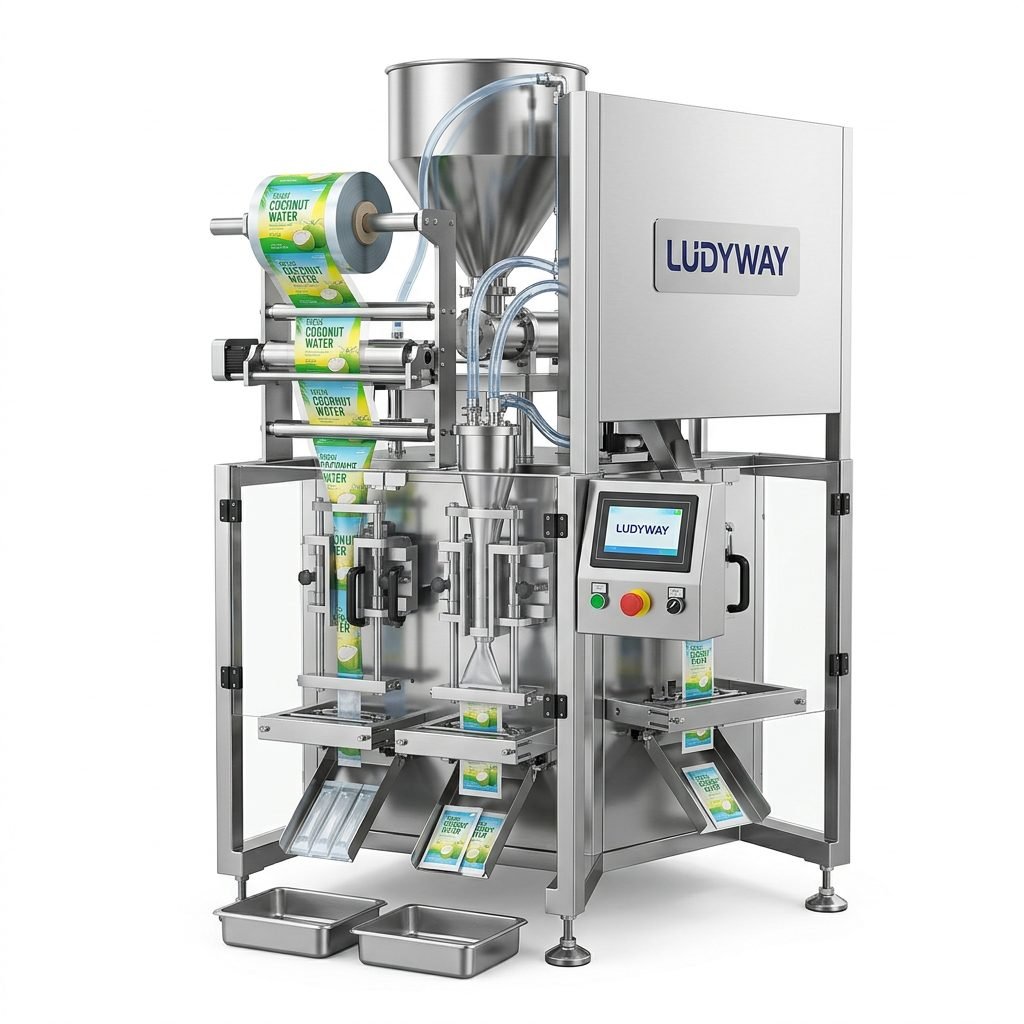
These are the most common machines for packaging loose, cubed, or crumbled tofu into pouches or bags. A roll of packaging film is formed into a tube, filled with the product, and then sealed and cut. They are highly versatile for various bag sizes and styles, including pillow bags and gusseted bags.
- Best for: High-speed packaging of cubed or loose tofu into retail pouches.
- Output: Can range from 40 to over 120 bags per minute.
2. Tray Sealing Machines
Ideal for pre-formed plastic or pulp trays containing blocks or segmented tofu. The machine places a lidding film over the tray and applies heat to create a hermetic seal. Often integrated with gas flushing systems for Modified Atmosphere Packaging (MAP).
- Best for: Premium tofu blocks, silken tofu, or tofu products requiring visible presentation and extended shelf life via MAP.
- Output: Typically 20-60 trays per minute, depending on automation level.
3. Flow-Wrap Machines
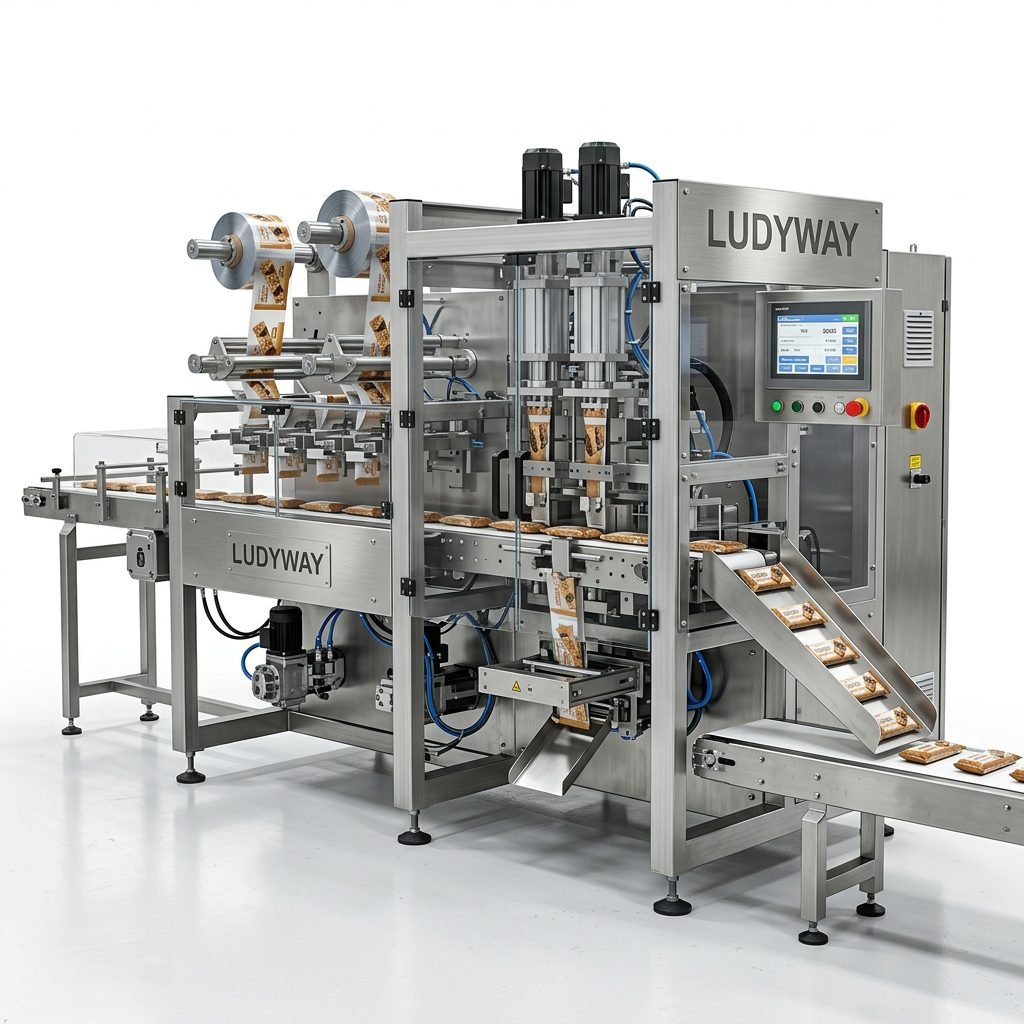
Used for packaging individually wrapped tofu blocks or tofu-based snacks (like fried tofu). The product is fed into the machine, wrapped in a single sheet of film, and the ends are sealed.
- Best for: Individual unit packaging of firm tofu blocks or processed tofu snacks.
Essential Features to Look For
Beyond the machine type, specific features determine performance, hygiene, and adaptability.
Hygiene & Construction
Food-grade stainless steel (especially SS304 or SS316) contact parts are non-negotiable for easy cleaning and corrosion resistance. Look for a design with smooth, rounded edges and minimal crevices to prevent bacterial harborage. IP-rated electrical components may be necessary for washdown environments.
Sealing System
A consistent, strong seal is vital to prevent leaks and spoilage. Check the heater bar technology and temperature control precision. For liquid-packed tofu (like silken tofu in brine), a double-seal or reinforced seal mechanism is often critical.
Automation & Control
A user-friendly PLC-based touchscreen interface allows for easy recipe changes (bag size, seal time, etc.). Servo motors provide more precise control over film movement and filling than mechanical systems, reducing film waste and improving accuracy.
Additional Capabilities
- Gas Flushing (MAP): Replaces air inside the package with a gas mix (like CO2/N2) to drastically extend shelf life.
- Date Coding: Integrated inkjet or thermal transfer coder for printing batch/expiry dates directly on the film.
- Nitrogen Purging: For liquid-filled packages, this removes oxygen from the headspace to preserve freshness.
How to Choose the Right Tofu Packaging Machine
Selecting a machine requires a careful analysis of your current and future needs.
1. Assess Your Product and Production Volume
Define your primary tofu forms (cubes, blocks, loose, silken), package weights, and required output (bags/trays per minute). Calculate your peak daily/weekly demand and add a 20-30% capacity buffer for growth. A vertical form-fill-seal machine might suit high-volume cubed tofu, while a lower-volume artisan producer might prioritize a versatile tray sealer.
2. Determine Packaging Materials
The machine must be compatible with your chosen films or lidding materials. Common options include polyethylene (PE), polypropylene (PP), and polyester (PET) films, or biodegradable/compostable alternatives. Consult with both your material supplier and machine manufacturer to ensure compatibility.
3. Evaluate Operational Factors
Consider your factory’s available space, power supply, and access to compressed air. Factor in the skill level of your operators and the availability of technical support and spare parts from the supplier. A machine with excellent local service support can prevent costly downtime.
4. Plan for Integration and Future Needs
Will the machine need to integrate with existing upstream (filling, cutting) or downstream (checkweigher, case packing) equipment? Consider modular machines that allow for future upgrades, like adding a gas flush system or a more advanced feeder.
Pro Tip: The Supplier Partnership
Your machine supplier is a long-term partner. Choose a provider with proven experience in food and tofu packaging. They should offer comprehensive after-sales service, training, and readily available spare parts. Review their client testimonials and, if possible, request a live demonstration or visit a reference site. Companies like Ludyway Machinery, with deep industry expertise, can provide valuable guidance beyond just selling a machine, helping you design an efficient packaging line tailored to your specific challenges.
Conclusion
Investing in a tofu packaging machine is a strategic decision that impacts product quality, operational efficiency, and brand reputation. By thoroughly understanding the different machine types, prioritizing essential features like hygiene and sealing reliability, and carefully evaluating your production requirements against supplier capabilities, you can select a solution that delivers reliability, scalability, and a strong return on investment. The right automated packaging system is a cornerstone for growth in the competitive tofu market.
Frequently Asked Questions (FAQs)
Q1: What is the typical shelf life extension achieved with MAP (Modified Atmosphere Packaging) for tofu?
A: Using MAP (typically with a CO2 and Nitrogen mix) can extend the shelf life of packaged tofu from a few days to several weeks when refrigerated, by inhibiting the growth of aerobic bacteria and molds.
Q2: Can one machine handle both cubed tofu and silken tofu in liquid?
A: It is challenging. Cubed tofu is usually dry-filled, while silken tofu often requires liquid filling and special sealing to prevent leakage. Some advanced VFFS machines can be configured for both with significant adjustments, but dedicated machines are often more efficient for high-volume production of each type.
Q3: How important is after-sales service when choosing a supplier?
A: Extremely important. Packaging machines require maintenance, occasional parts replacement, and operator training. A supplier with a responsive, knowledgeable service team and a good inventory of spare parts minimizes production downtime, protecting your investment.
Q4: Are there packaging machines suitable for small-scale or artisanal tofu producers?
A: Yes. Smaller, semi-automatic tray sealers or tabletop VFFS machines are available. They offer lower output but are more affordable and require less space, making automation accessible for smaller businesses looking to improve packaging quality and efficiency.
Q5: What are the key maintenance routines for a tofu packaging machine?
A: Daily cleaning of product contact zones, weekly lubrication of moving parts (with food-grade lubricants), and regular inspection of sealing jaws, film guides, and cutting blades are essential. Always follow the manufacturer’s specific maintenance schedule to ensure consistent performance and longevity.