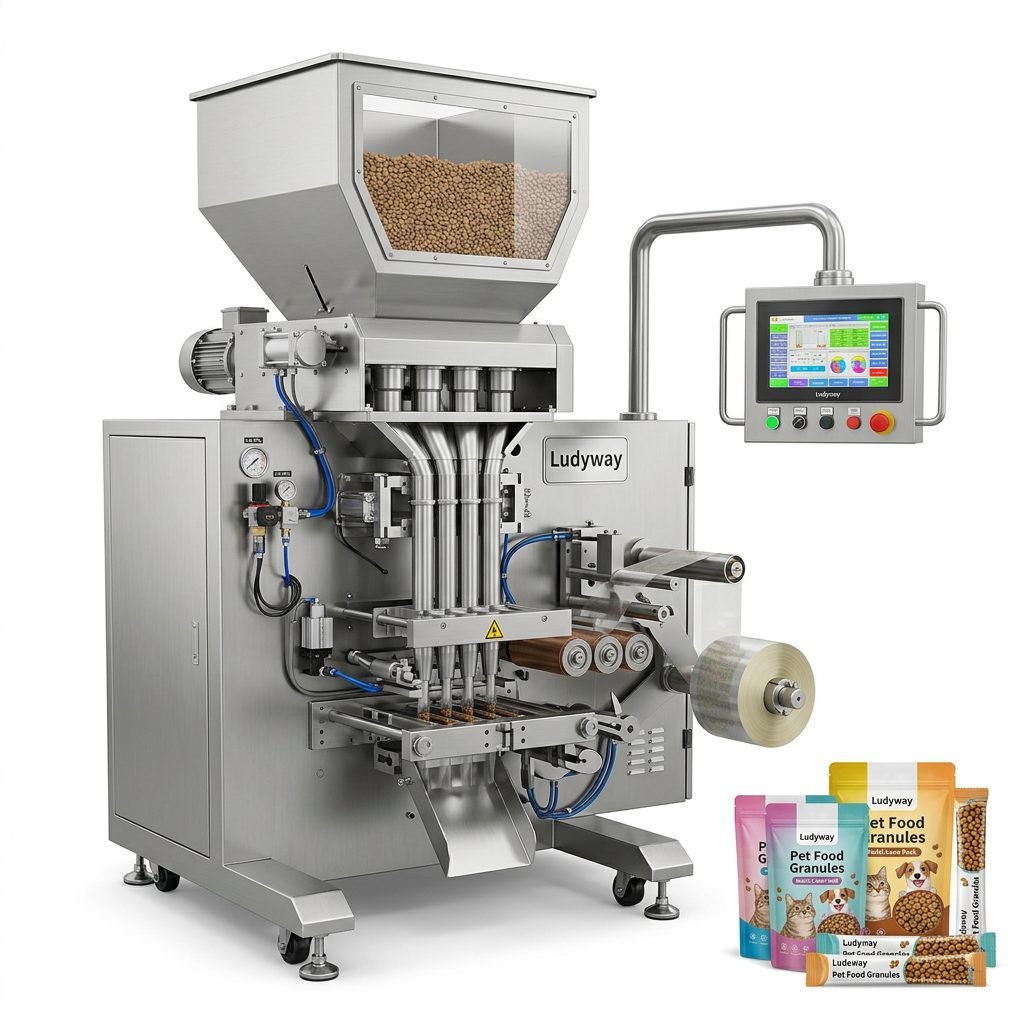
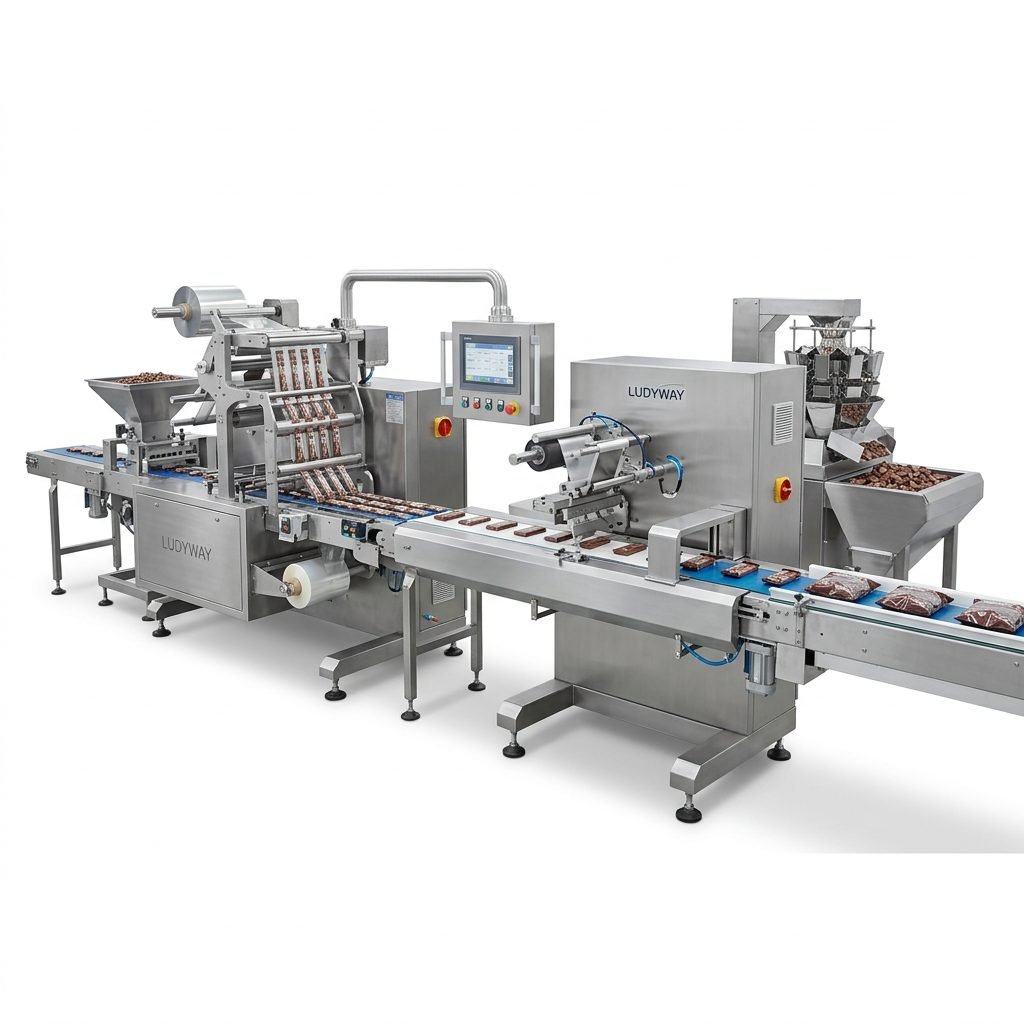
The frozen pet food market is booming, driven by pet owners seeking higher-quality, convenient nutrition for their cats and dogs. This surge necessitates specialized packaging machinery that can handle the unique challenges of frozen products—maintaining freshness, preventing contamination, and ensuring durability through storage and transport. Choosing the right frozen cat and dog food packaging machine is a critical investment for producers aiming to scale efficiently and meet market demands.
Core Types of Frozen Pet Food Packaging Machines
Understanding the different machine types is the first step in selecting the appropriate equipment for your production line.
Vertical Form-Fill-Seal (VFFS) Machines
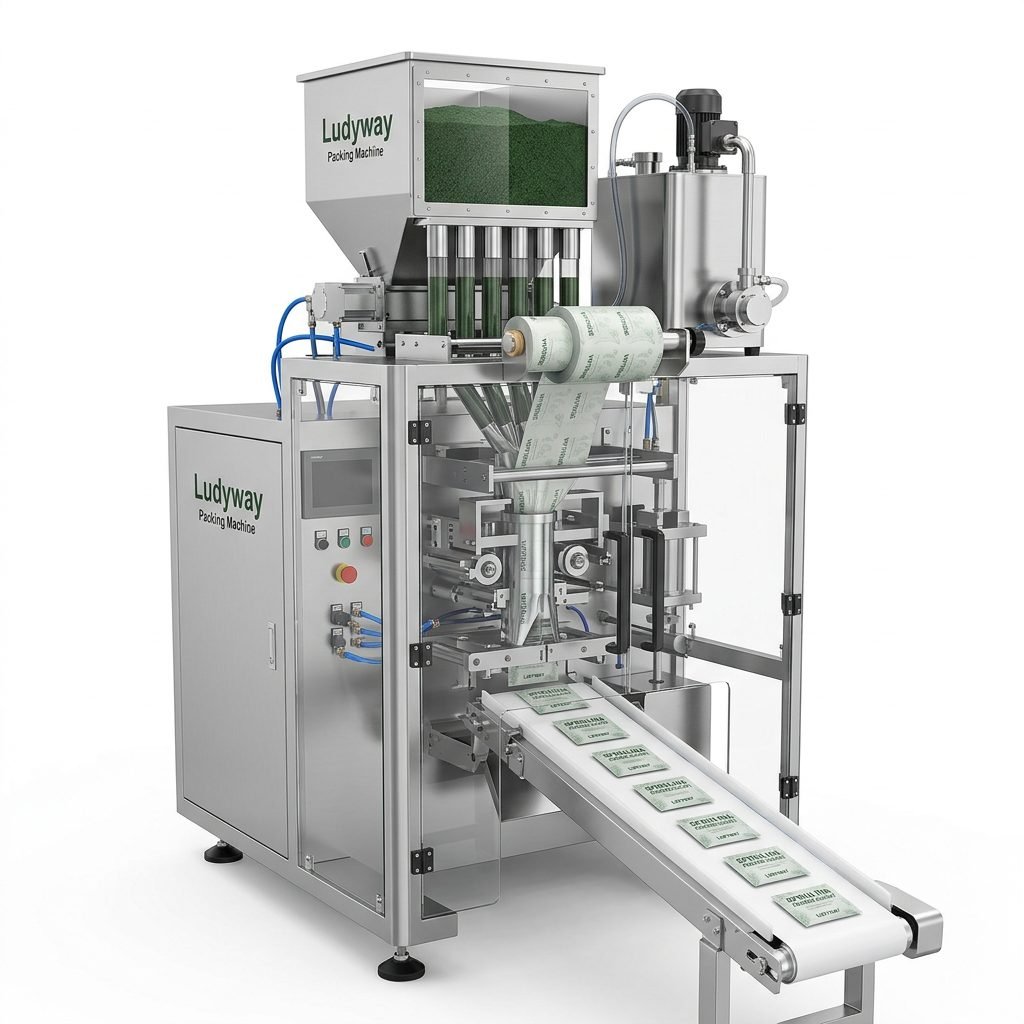
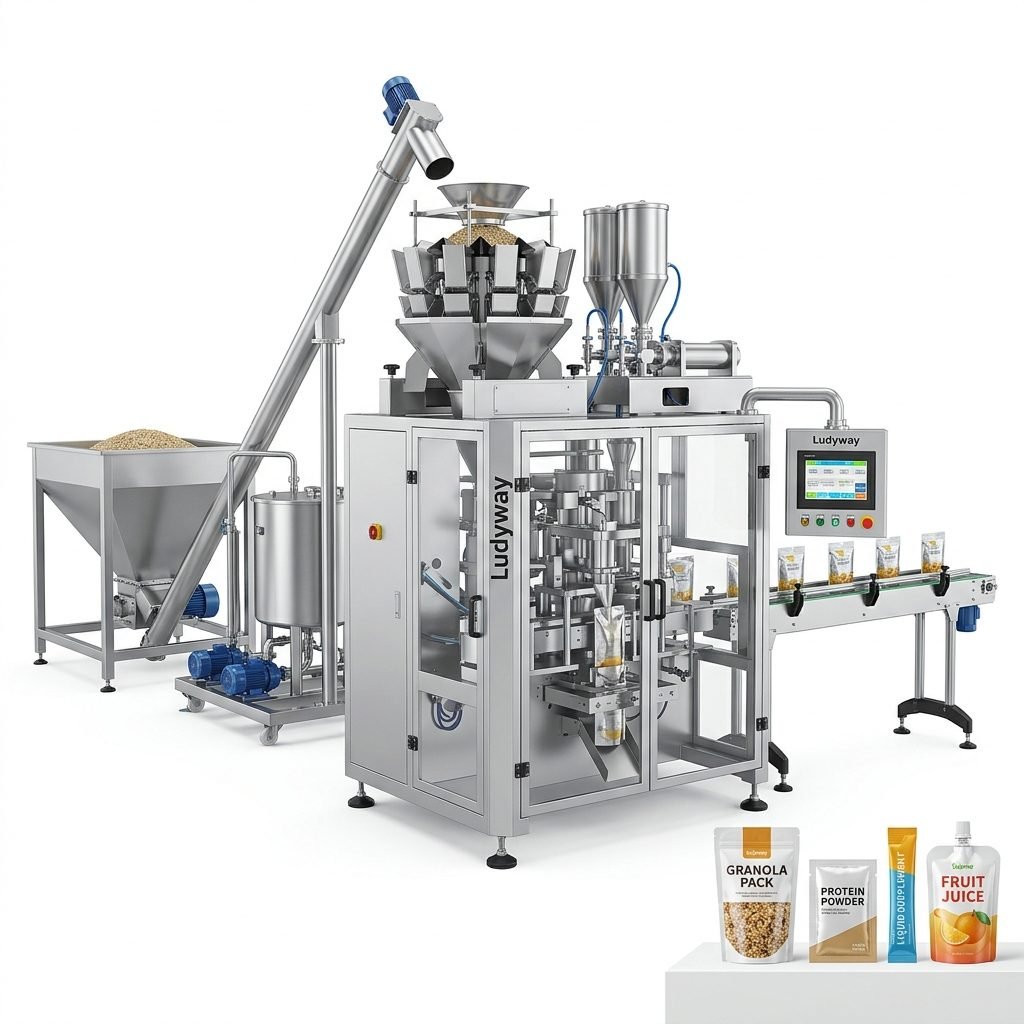
These are the most common and versatile machines for packaging loose frozen items like kibble, nuggets, or mixed medleys. They form a bag from a roll of film, fill it with product, and seal it in a continuous process. Ideal for high-volume production of bags ranging from small pouches to larger family-size packs.
Horizontal Form-Fill-Seal (HFFS) Machines
Perfect for packaging flat or layered frozen products, such as patties, slices, or trays of food. HFFS machines are often used for creating flow-wrap packages or cartons, offering excellent presentation and structural integrity for products that need to retain a specific shape.
Tray Sealing & Lidding Machines
For premium frozen pet food often presented in trays or bowls, these machines automate the sealing of a lidding film over a pre-formed tray. They provide an air-tight seal crucial for preserving moisture and preventing freezer burn, enhancing shelf life and product quality.
Multi-Lane Stick Pack & Sachet Machines
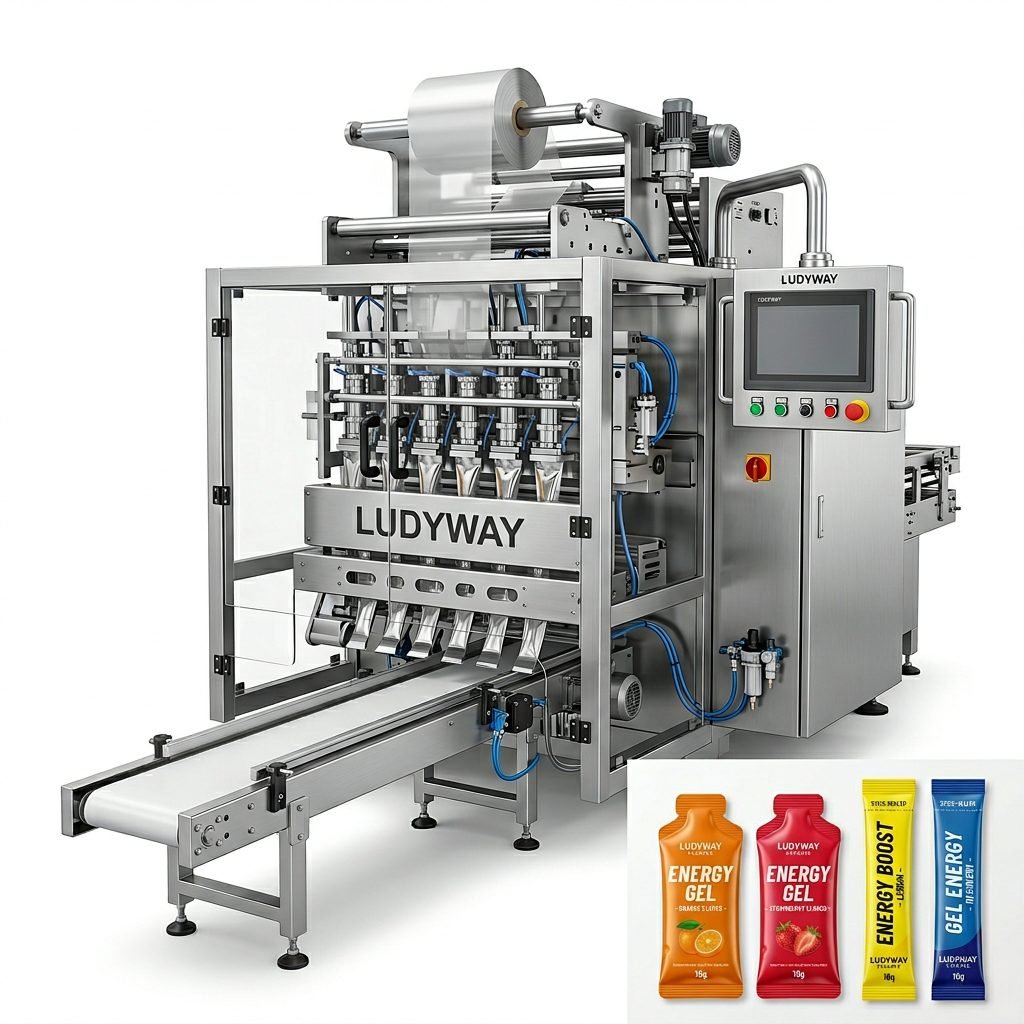
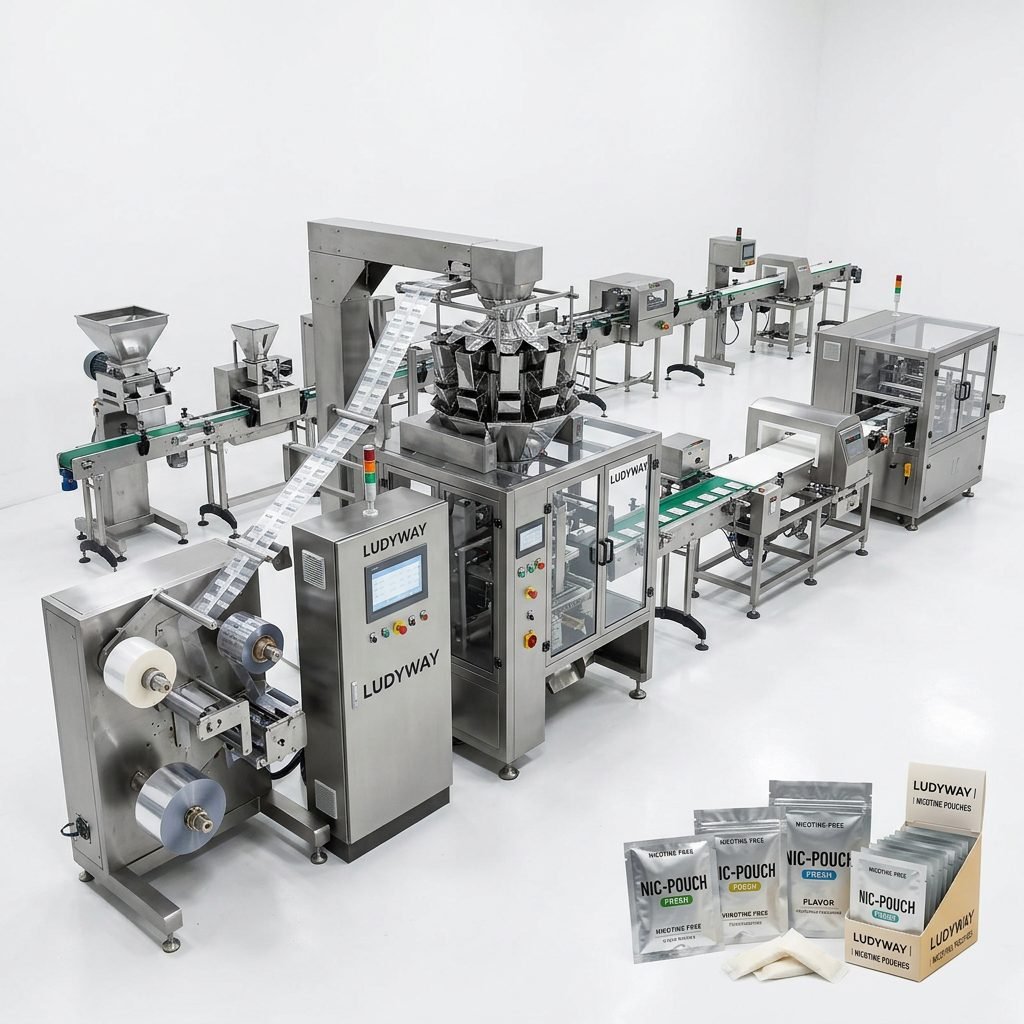
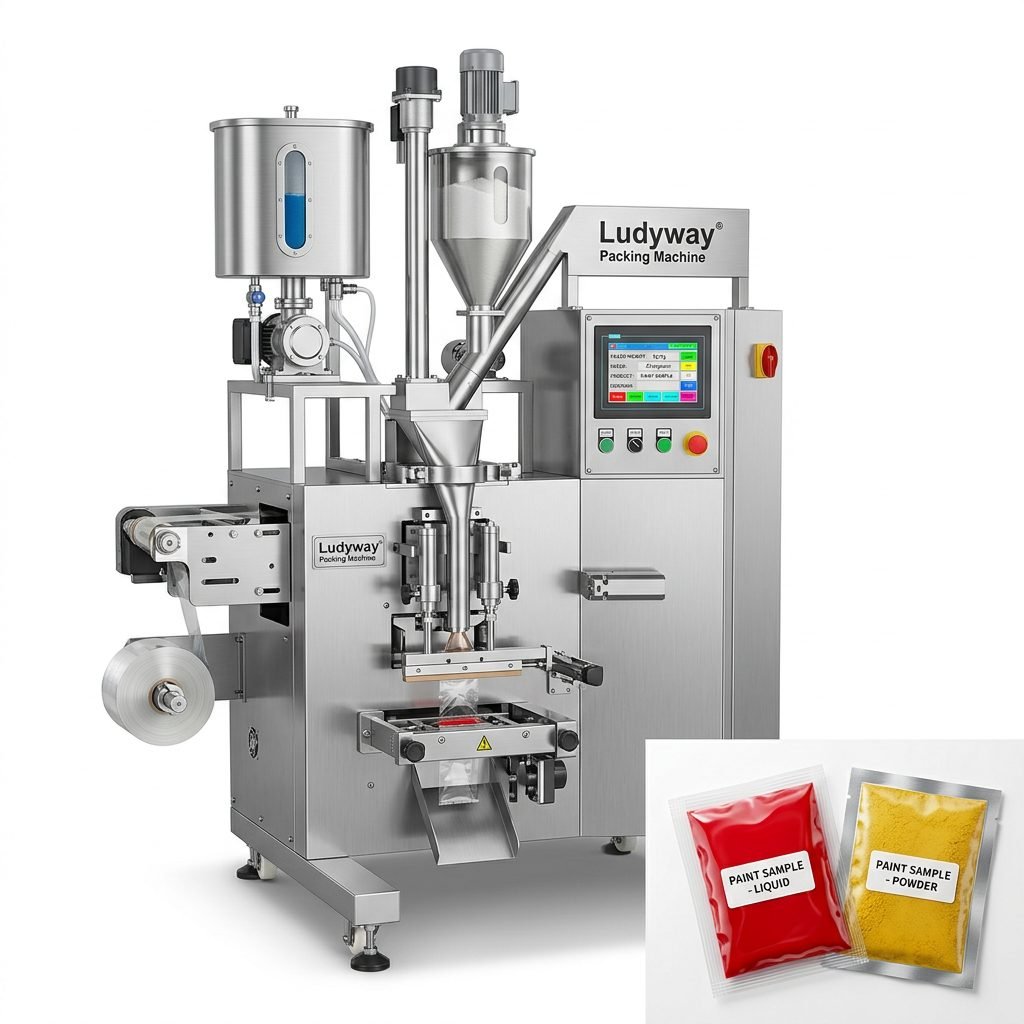
While more common for powders or supplements, advanced multi-lane systems can be adapted for frozen liquid or paste supplements (like gravy or oil portions). They offer incredible speed and efficiency for producing small, single-serving packages that can be included alongside main meals.
Essential Features for Frozen Food Packaging
Not all packaging machines are suited for the frozen environment. Key features must be considered to ensure operational reliability and product safety.
Cold-Tolerant Components & Construction
Machines must be built with materials and lubricants that perform reliably in cold production areas. Stainless steel contact parts, sealed electronics, and specialized drives resist condensation and corrosion, ensuring long-term durability in harsh environments.
Precision Weighing & Filling Systems
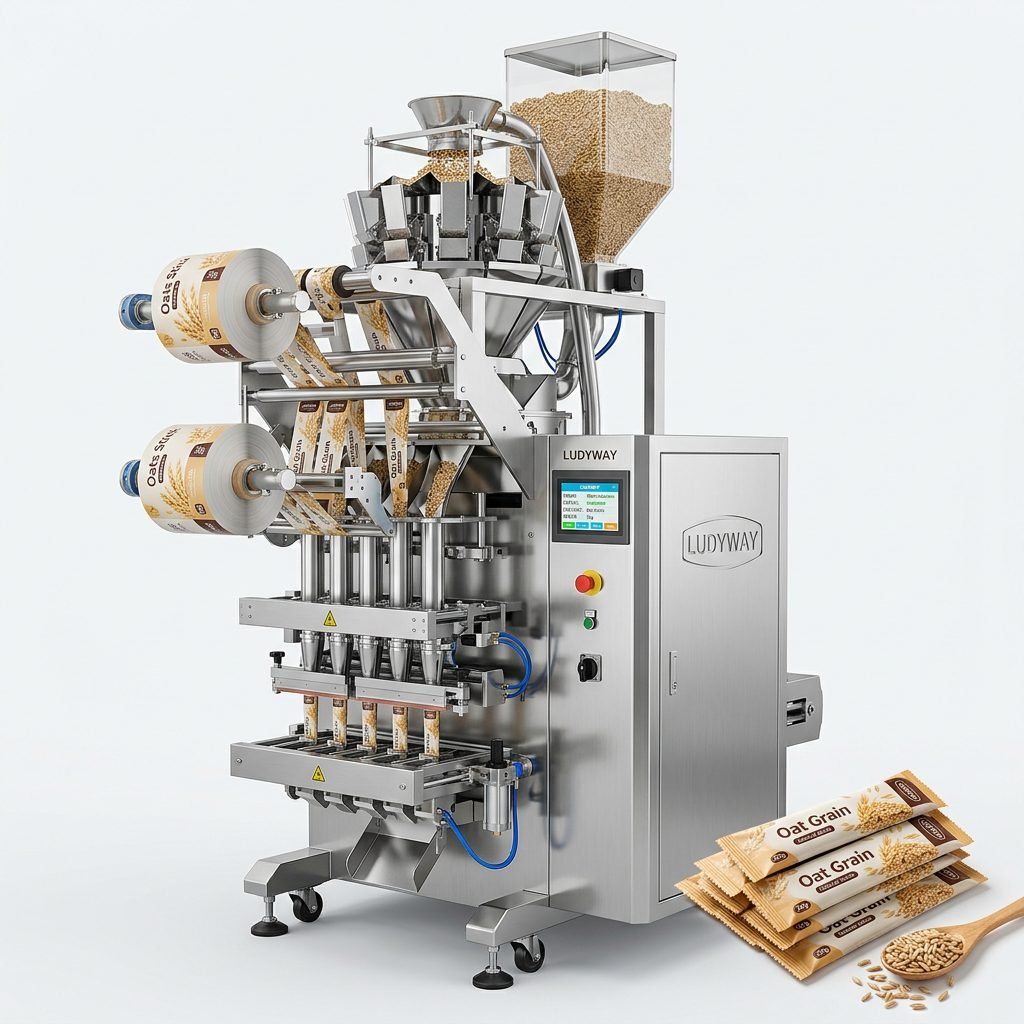
Frozen product density can vary. Advanced multi-head weighers or volumetric fillers with vibration-assisted feeding ensure accurate and consistent fill weights, critical for cost control and regulatory compliance. Look for systems designed to handle irregular frozen pieces.
High-Speed Sealing with Integrity
The sealing system is paramount. It must create a strong, hermetic seal even with films that may be slightly damp from condensation. Constant temperature monitoring on heating elements and pressure-controlled sealing jaws guarantee seal integrity every time.
Advanced Film Handling & Gas Flushing
For Modified Atmosphere Packaging (MAP) to extend shelf life, integrated gas flushing capabilities are vital. The machine must handle barrier films smoothly and maintain precise gas mixture levels before sealing, preserving the food’s color, texture, and nutritional value.
A Strategic Guide: How to Choose the Right Machine
Selecting machinery goes beyond features; it involves aligning technology with your business goals and operational realities.
1. Analyze Your Product Format & Volume
Define your primary packaging format (bag, tray, pouch) and your target output (bags per minute). A VFFS machine might suit high-volume kibble, while a tray sealer is best for premium patties. Future product roadmap should also be considered—choose a machine with some adaptability.
2. Evaluate Production Environment & Integration
Assess your factory’s cold room layout, upstream freezing equipment, and downstream labeling/palletizing needs. The machine must physically fit and integrate smoothly into your existing or planned line. Consider automation levels—do you need robotic loading or manual infeed?
3. Prioritize Hygiene & Safety Features
Frozen food packaging is a food safety-critical process. Machines should have easy-clean designs, with minimal crevices, and comply with relevant food safety standards (like USDA, FDA, or EU regulations). IP-rated electrical components for wash-down areas are a plus.
4. Consider Film Material Compatibility & Costs
The machine must be compatible with the specific laminated films required for frozen applications (good barrier properties, puncture resistance). Analyze the total operating cost, including film waste rates, energy consumption, and required maintenance intervals.
5. Assess Supplier Expertise & Support
Partner with a supplier with proven experience in frozen food packaging. They should offer comprehensive support: installation, training, spare parts availability, and technical service. Look for a provider that understands the unique challenges of frozen pet food production from end to end.
For over a decade, specialized packaging machinery providers like Ludyway Machinery have focused on developing robust solutions for demanding applications, including frozen foods. Their experience in integrating reliable automation into complex production environments can be a valuable resource for pet food manufacturers navigating this critical equipment selection.
Common Questions (FAQ)
Can a standard packaging machine be used for frozen food?
Generally, no. Standard machines lack the cold-tolerant construction, sealing reliability in humid conditions, and often the hygiene design required for frozen production. Using them risks frequent breakdowns, seal failures, and potential contamination.
What is the most important feature for frozen food packaging?
The sealing system is arguably the most critical. It must consistently create a perfect, airtight seal despite potential film moisture and temperature fluctuations to prevent freezer burn and spoilage.
How does packaging affect frozen pet food shelf life?
Directly and significantly. High-quality barrier films and perfect seals prevent oxygen and moisture ingress, which are the main causes of quality degradation (color change, texture loss, nutrient loss) in frozen products.
Is Modified Atmosphere Packaging (MAP) common for frozen pet food?
It is growing, especially for premium products. MAP replaces air inside the package with a gas mix (often nitrogen) to further slow oxidation and preserve quality, allowing for longer shelf life and better product presentation.
What maintenance is specific to frozen food packaging machines?
Increased focus on preventing condensation in electrical panels, regular checking and replacement of seals on pneumatic components, and more frequent lubrication with cold-rated greases are typical additional maintenance requirements.