Maintaining a cashew vacuum packing machine is critical for ensuring product freshness, extending shelf life, and maximizing production uptime. Without a consistent cleaning and maintenance routine, vacuum packaging equipment is prone to seal failures, oil contamination, and sensor errors that directly impact output quality. This guide outlines proven procedures to keep your machine running at peak performance.
Why Regular Maintenance Protects Cashew Quality
Cashews have a high oil content, making them extremely susceptible to rancidity when exposed to oxygen. A poorly maintained vacuum packing machine often leaves residual air in the package, which accelerates spoilage. Furthermore, fine cashew dust and salt particles can accumulate inside the sealing chamber, causing uneven heat distribution and weak seals. Implementing a strict maintenance schedule prevents contamination, reduces product waste, and ensures compliance with food safety standards.
Daily Cleaning Checklist for Operators
At the end of every shift, operators should perform a basic cleaning routine. This prevents the buildup of debris that hardens overnight and becomes difficult to remove. Key steps include:
- Wipe down the sealing bar: Use a soft, lint-free cloth with a food-safe cleaning solution to remove oil residue and salt particles. A dirty sealing bar is the primary cause of leaking packages.
- Clean the vacuum chamber: Remove any loose cashew pieces, dust, or fragments. Pay special attention to the silicone sealing gasket; a compromised gasket allows air to leak back into the package.
- Drain and clean the vacuum pump exhaust filter (if an oil pump is used). Cashew dust can clog the filter and reduce suction power.
- Inspect the air filters: Clogged filters force the pump to work harder, increasing wear and energy consumption.
Weekly Deep Cleaning and Inspection
Beyond daily wipe-downs, a more thorough weekly cleaning is essential to address hidden contamination. Disconnect the machine from its power source before starting.
- Remove and soak detachable parts: Take off the sealing bar, chamber lid, and any guides. Soak them in warm soapy water to dissolve stubborn oils, then dry completely before reassembly.
- Check vacuum pump oil: Food particles can emulsify in the pump oil, turning it milky or cloudy. Change the oil immediately if contamination is visible. Contaminated oil destroys pump vanes and significantly reduces vacuum levels.
- Clean electrical enclosures: Use compressed air to blow dust out of control panels and heat sinks. This prevents overheating and extends the life of electronic components.
Vacuum Pump Maintenance Schedule
| Maintenance Task | Frequency | Details |
|---|---|---|
| Oil Level Check | Daily | Ensure oil reaches the center of the sight glass. |
| Oil Change | Monthly / 500 Hourse | Use only approved vacuum pump oil; never mix types. |
| Exhaust Filter Change | Quarterly | Replace if the pump emits smoke or oil mist. |
| Anti-Suckback Valve | Annually | Test and clean to prevent oil backflow into the chamber. |

Common Troubleshooting for Seal Integrity
The most frequent maintenance issue for cashew vacuum packing machines relates to seal quality. If bags are not sealing properly, perform these checks before calling a technician:
- Teflon tape condition: The protective tape over the heating element wears out. Replace it if you see wrinkles, charring, or cuts. A damaged tape causes sticking and uneven seals.
- Heating wire condition: A stretched or broken heating wire leads to cold spots in the seal.
- Pressure adjustment: Verify the air pressure is set according to the manual; cashew bags with heavy salt coatings often require slightly higher sealing pressure.
Quarterly Sensor and Calibration Checks
Modern machines rely on sensors to control vacuum levels and gas flushing (if using nitrogen for cashew preservation). Sensor drift can lead to under-vacuuming. Every three months, calibrate the vacuum gauge using a reference standard. Verify that the cooling fan on the control board operates correctly, and tighten all electrical terminals—vibration from the pump can loosen connections over time. Consider using a validated calibration protocol to ensure accuracy.
Key Parameters for Cashew Packaging
| Parameter | Recommended Range | Impact |
|---|---|---|
| Vacuum Level | -0.08 to -0.1 MPa | Prevents oxidation of cashew oils. |
| Seal Temperature | 120°C – 150°C | Adjusted based on film thickness. |
| Sealing Time | 1.5 – 2.5 seconds | Longer times risk burning the laminate. |
| Cooling Time | 2.5 – 3.5 seconds | Allows seal integrity to stabilize. |
Lubrication and Mechanical Components
While vacuum pumps require specific oils, other mechanical parts need attention too. Lubricate the lid hinges and locking mechanisms monthly with food-grade grease. Check the chamber springs; weak springs prevent the lid from opening smoothly after the cycle. Also inspect the conveyor belt tension and tracking if your machine includes an automated feeding system. Proper lubrication reduces mechanical stress and extends machine lifespan.
Preventative Maintenance Best Practices
Moving from a reactive to a preventative maintenance approach saves substantial costs. Implement these practices:
- Keep a logbook: Record every oil change, seal bar replacement, and sensor calibration.
- Stock critical spares: Always have extra heating wires, Teflon tape, fuses, and pump oil on hand. A $50 tape replacement can prevent hours of downtime.
- Train staff: Ensure operators know the difference between a faulty seal and incorrect machine settings. Refer to resources from the Flexible Packaging Association for training guidelines.
- Nitrogen flushing check: If packaging roasted or flavored cashews, verify the nitrogen purity and flow rate quarterly to guarantee atmosphere modification is effective.
Sanitation for Food Safety Compliance
Food safety standards such as those outlined by the FDA Food Packaging Regulations apply directly to vacuum packaging equipment. Cashew processing environments require stringent hygiene. Use only approved sanitizers on food-contact surfaces, and schedule a complete sanitation break between product changeovers to prevent cross-contamination. Stainless steel surfaces should be checked for pitting; any corrosion traps bacteria and must be professionally refinished.
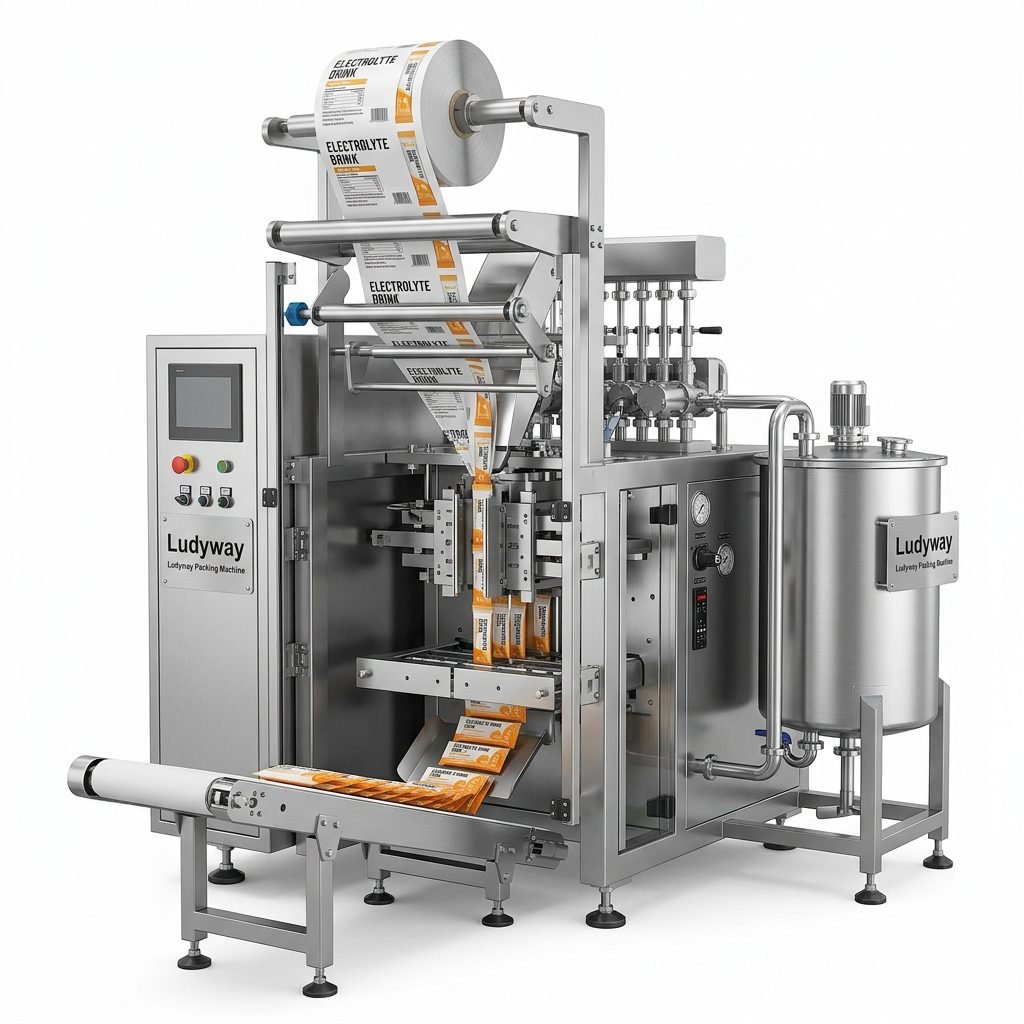
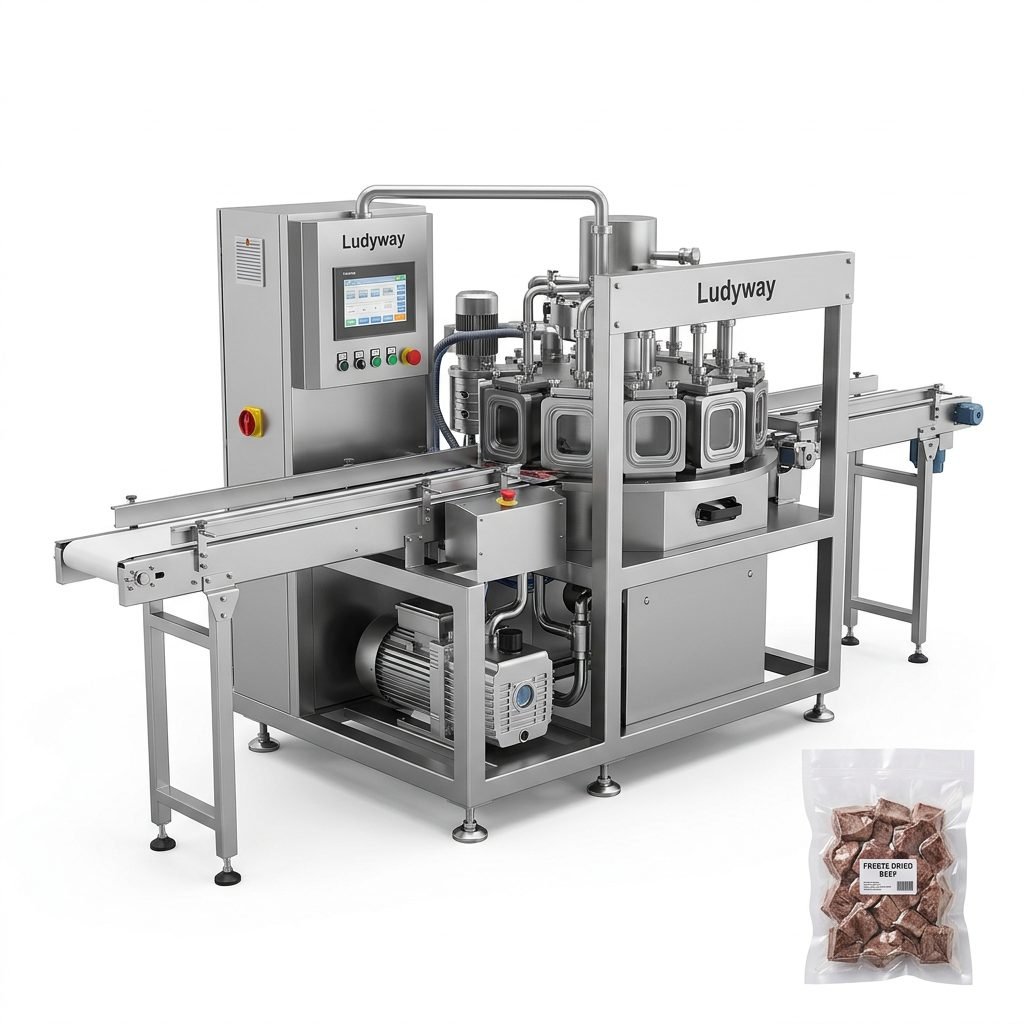
For operations looking to scale, investing in robust turnkey packaging solutions from experienced manufacturers ensures that these maintenance tasks are engineered to be quick and accessible. Ludyway designs advanced packaging equipment with modular components and tool-free access panels, making daily cleaning procedures significantly faster for operators.
Conclusion: The Cost of Neglect
Skipping routine maintenance on a cashew vacuum packing machine leads directly to product returns, brand damage, and expensive emergency repairs. A structured program covering daily cleanings, weekly pump checks, and quarterly calibrations pays for itself through reduced film waste and longer machine life. Begin today by auditing your current maintenance logs and upgrading your spare parts inventory.