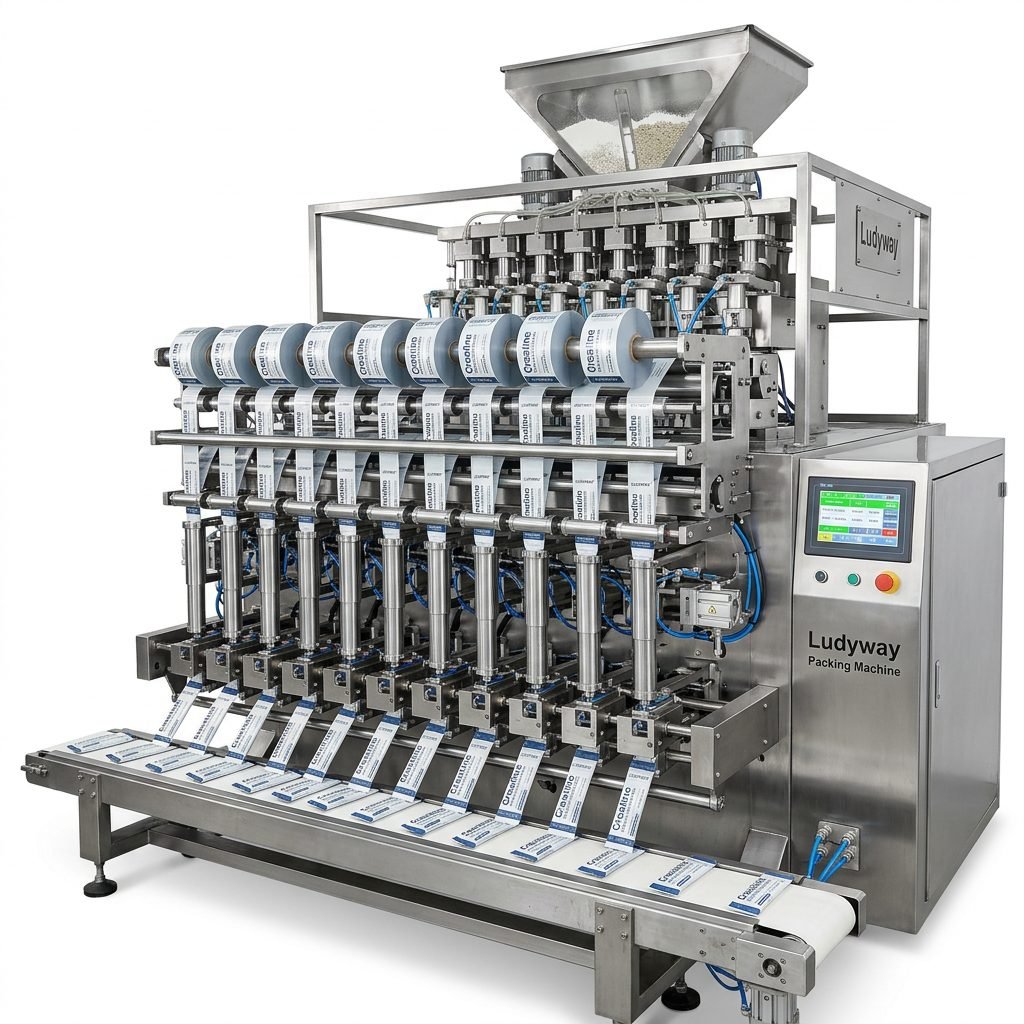
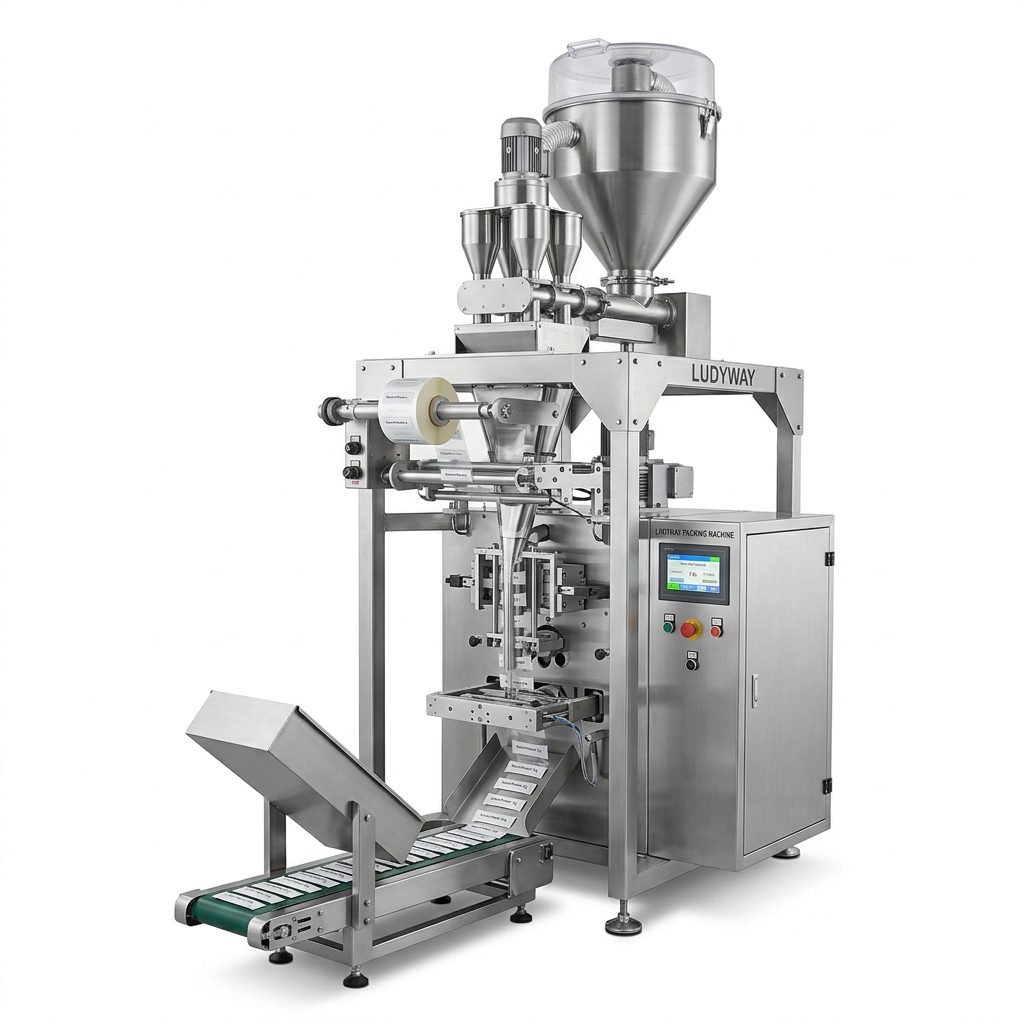
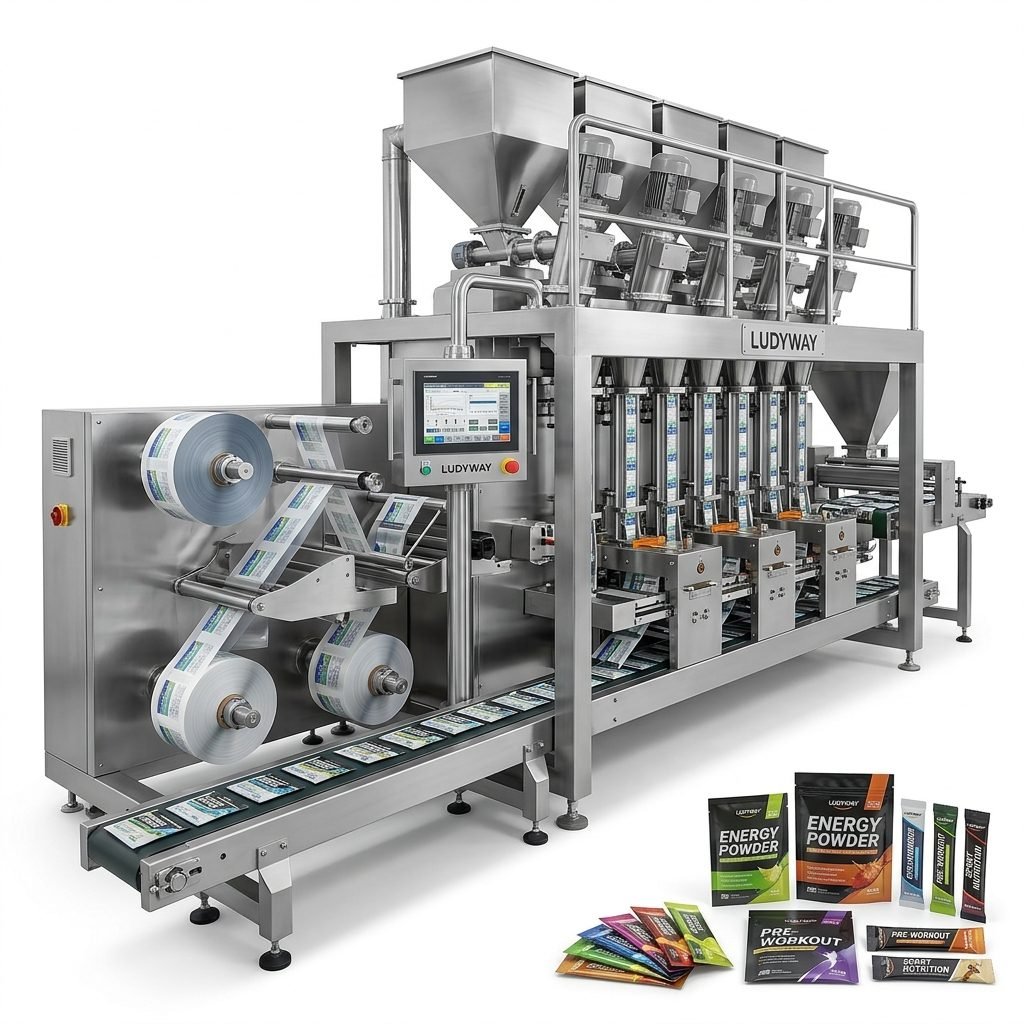
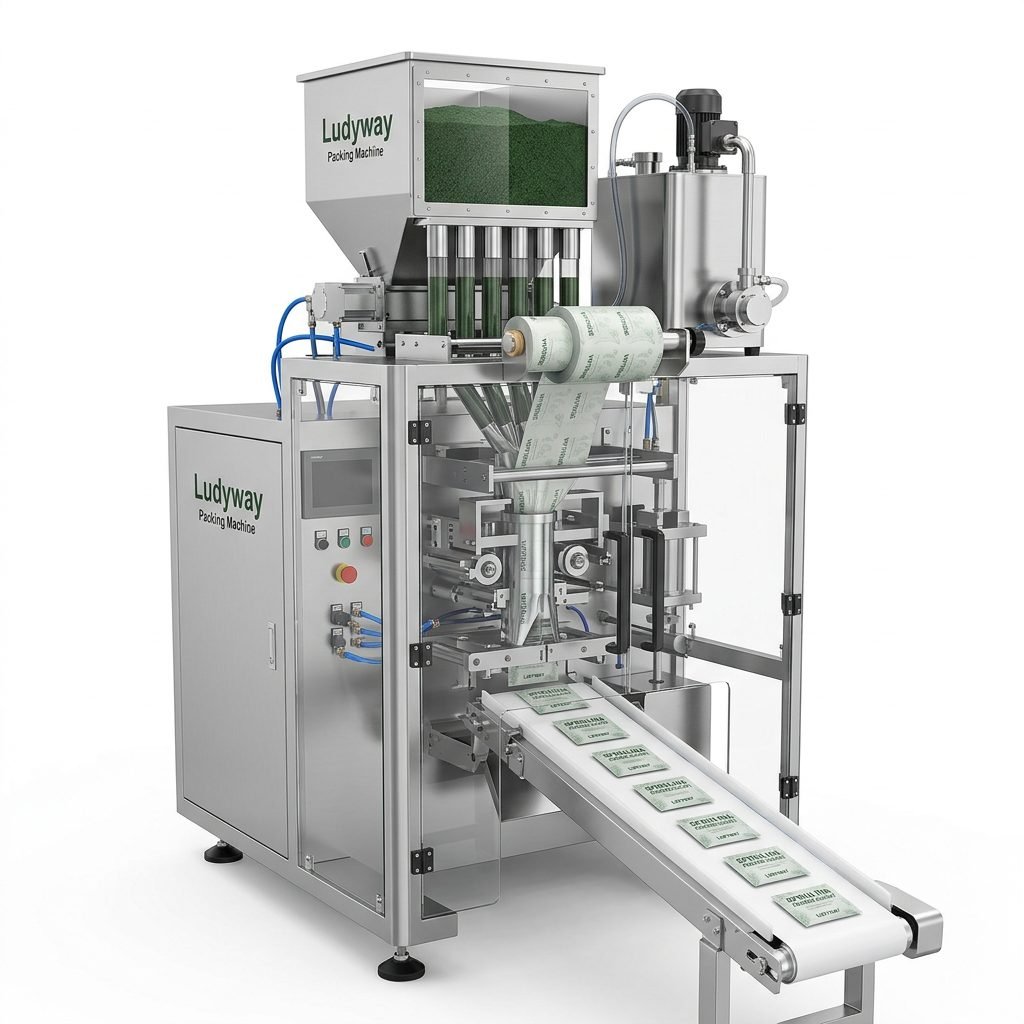
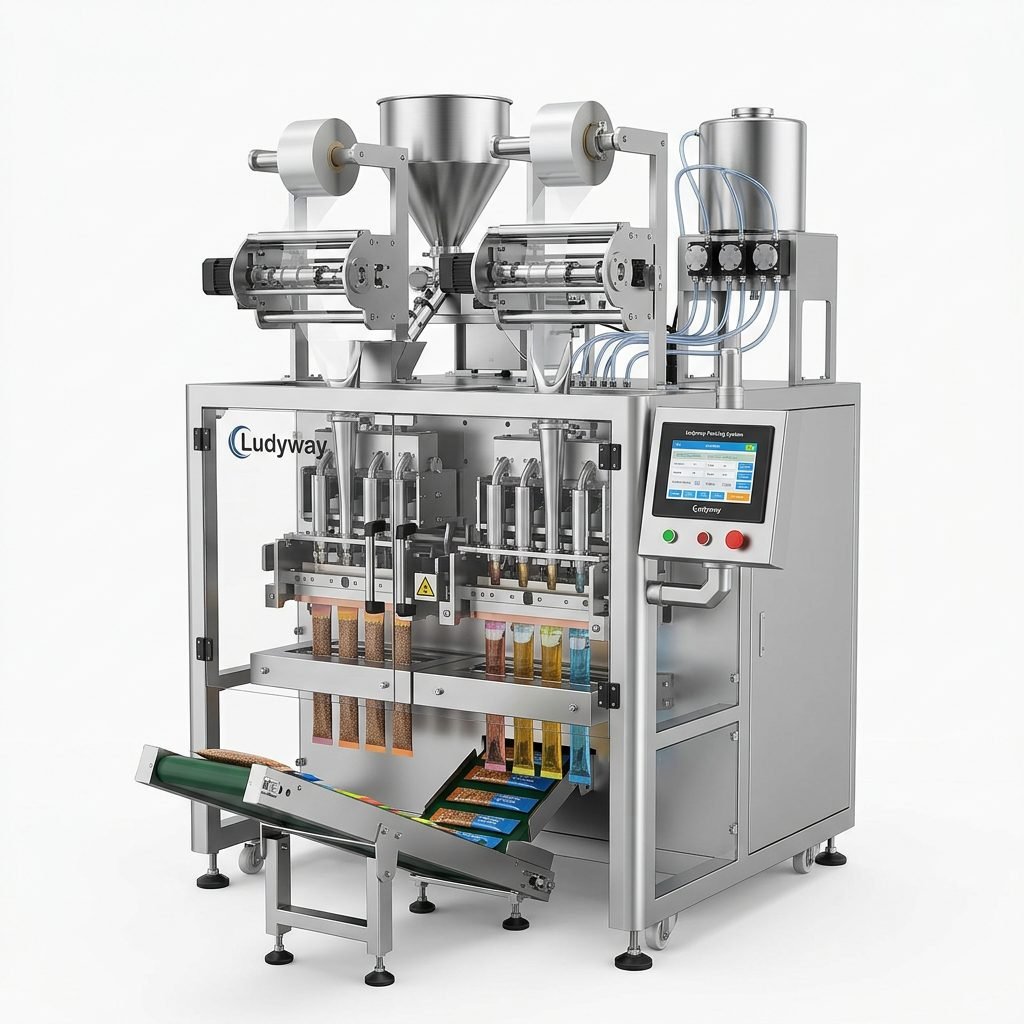
Selecting the right gusset bag packaging machine is a critical decision for any production manager or business owner looking to streamline operations and boost efficiency. An automatic gusset bag solution not only enhances packaging speed and consistency but also significantly reduces labor costs and material waste. This comprehensive guide will walk you through the key factors to consider when choosing the best automatic gusset bag packaging machine for your specific production needs, ensuring you make an informed investment that drives long-term value.
Understanding Gusset Bag Packaging Machines
An automatic gusset bag packaging machine is designed to form, fill, and seal pre-made or roll-fed gusset bags. These machines are prized for their ability to handle a wide variety of products, from powders and granules to larger, irregularly shaped items, thanks to the bag’s expandable sides. The automation process typically involves bag feeding, opening, precise product dosing, and a final sealing stage, all performed with minimal human intervention.
Core Advantage: The primary benefit of automation is the dramatic increase in output consistency and speed. Machines can operate continuously at high speeds, producing hundreds or even thousands of perfectly sealed bags per hour, a feat impossible to achieve manually with the same level of precision.
Key Components of an Automatic System
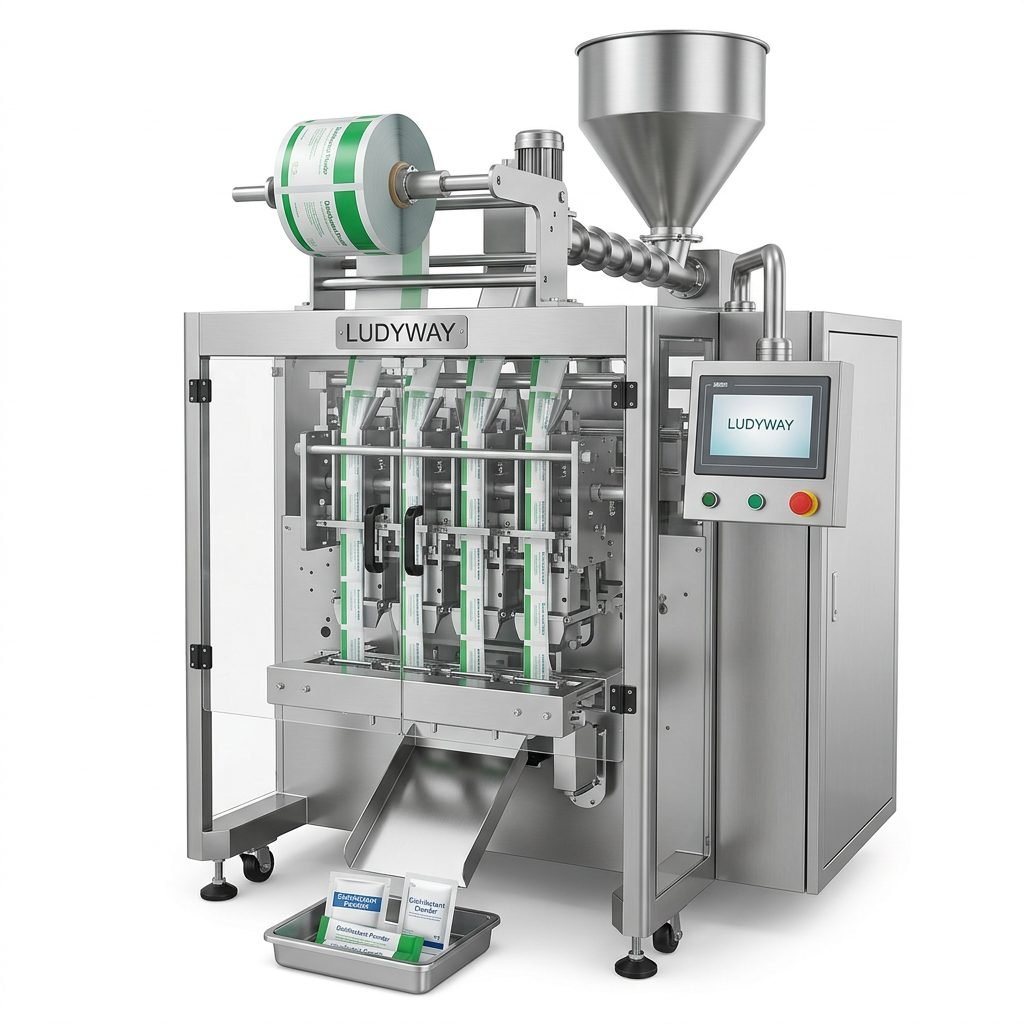
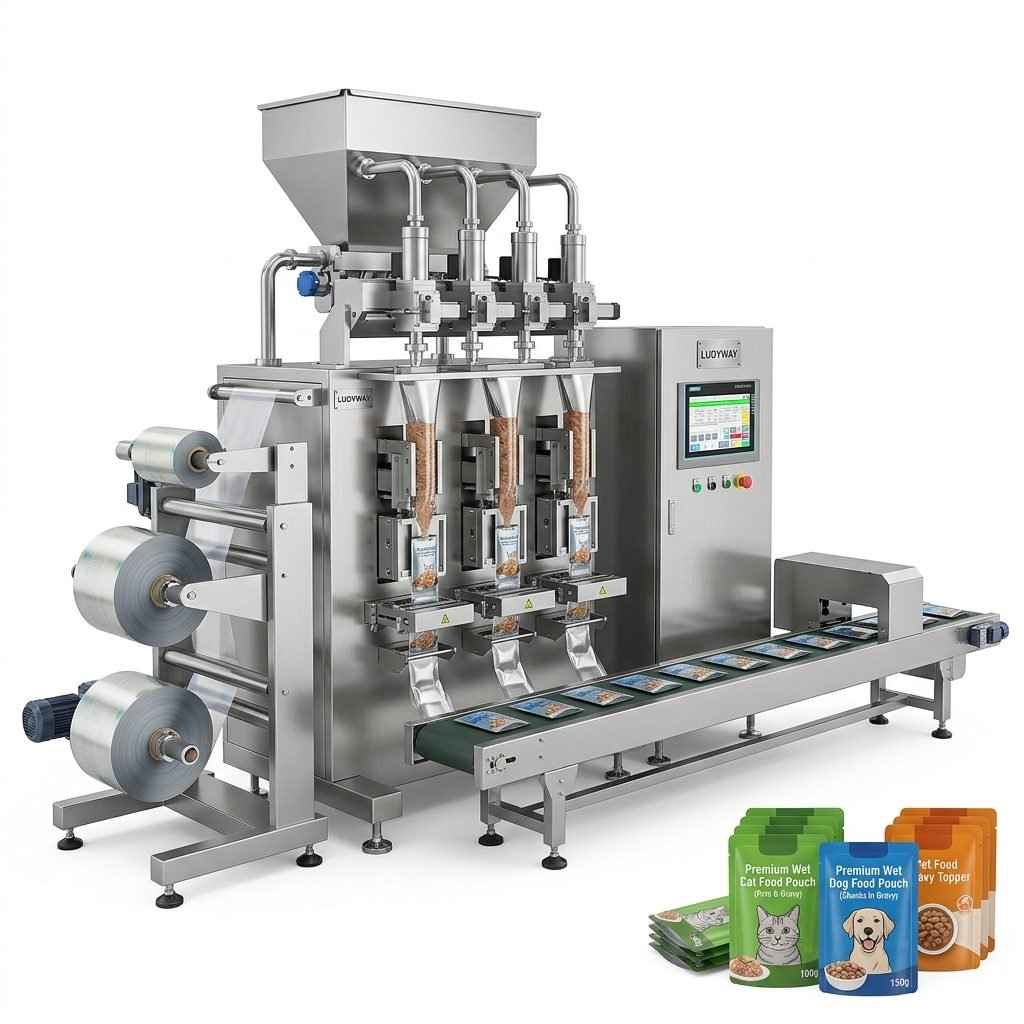
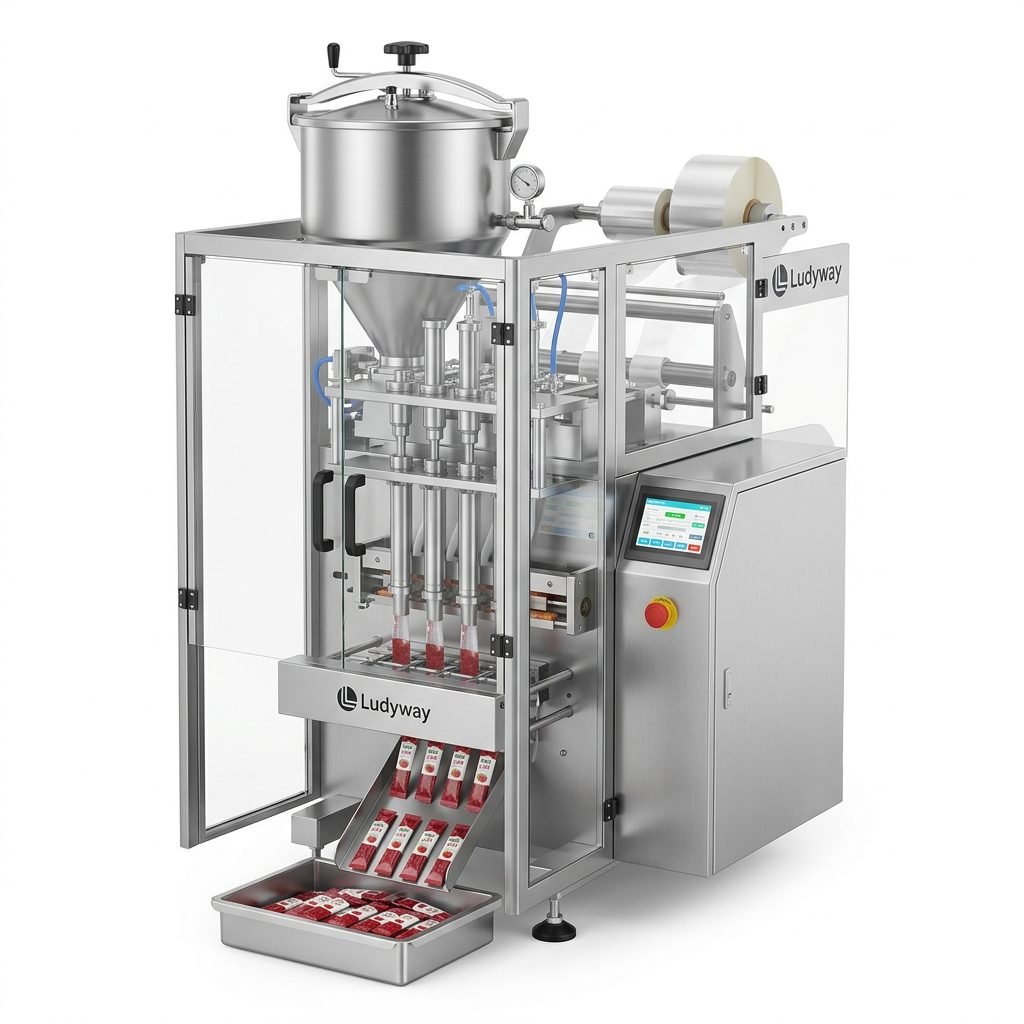
A reliable automatic system integrates several crucial components. The bag feeder and opener must gently yet reliably separate and open bags from a stack or roll. The weighing or volumetric dosing system is the heart of accuracy, ensuring each bag receives the exact predetermined amount of product. Finally, the sealing mechanism, often using heat or pressure, must create a strong, airtight, and tamper-evident closure to protect product integrity.
How to Choose the Best Machine for Your Production
The “best” machine is not a one-size-fits-all solution; it is the one that aligns perfectly with your unique operational requirements. Here is a detailed breakdown of the selection criteria.
1. Analyze Your Product Characteristics
Your product dictates the machine’s specifications. Consider its physical form (fine powder, coarse granules, flakes, pieces), flowability, and any special handling requirements (e.g., fragility, hygroscopic nature). For instance, a free-flowing granule may work well with a simple auger filler, while a sticky powder might require a specialized pump or vibration-assisted filling system.
2. Determine Your Required Output Speed
Production speed, measured in bags per minute (BPM), is a primary driver of cost and machine complexity. Calculate your current and projected future demand. A semi-automatic machine might suffice for lower volumes, but for medium to high-output scenarios, a fully automatic, multi-lane system is essential. Remember, the highest speed isn’t always the best choice if it compromises accuracy or requires excessive maintenance.
⚠️ Pro Tip: Always factor in potential business growth. Investing in a machine with a 20-30% higher capacity than your current needs can be more cost-effective than replacing the entire system in two years.
3. Evaluate Bag Specifications and Material
The machine must be compatible with your bag’s size, style, and material. Define your bag’s dimensions (length, width, gusset depth), type (flat-bottom, stand-up, Doy-style), and the sealing layer material (PE, CPP, AL foil, PET). The machine’s sealing jaws must be able to consistently melt and bond your specific laminate. Discussing samples with the machine supplier is a crucial step in this evaluation.
4. Prioritize Accuracy and Weighing Technology
Product give-away due to overfilling directly cuts into profits, while underfilling can lead to customer complaints. The choice between volumetric filling (augers, cups) and gravimetric weighing (linear scales, multi-head weighers) depends on your product and accuracy requirements. For high-value products or where weight compliance is strictly regulated, a multi-head weigher integrated with the bagger offers unparalleled precision.
5. Assess Integration and Automation Level
Consider how the bagger will fit into your existing or planned production line. Does it need to integrate with upstream equipment like mixers or downstream systems like cartoners? Look for machines with standard communication protocols (PLC, HMI) for easy integration. The level of automation can range from basic automatic bagging to systems with automatic bag feeding, check-weighing, date coding, and rejection of faulty packs.
6. Consider Reliability and Supplier Support
Downtime is the enemy of productivity. Investigate the machine’s build quality, the reputation of its core components (motors, drives, sensors), and the supplier’s track record. A machine is only as good as the support behind it. Ensure the supplier offers comprehensive after-sales service, including installation, operator training, readily available spare parts, and reliable technical support. Partnering with an experienced provider like Ludyway Machinery ensures access to expert guidance and long-term support for your packaging operations.
Benefits of Partnering with an Experienced Provider
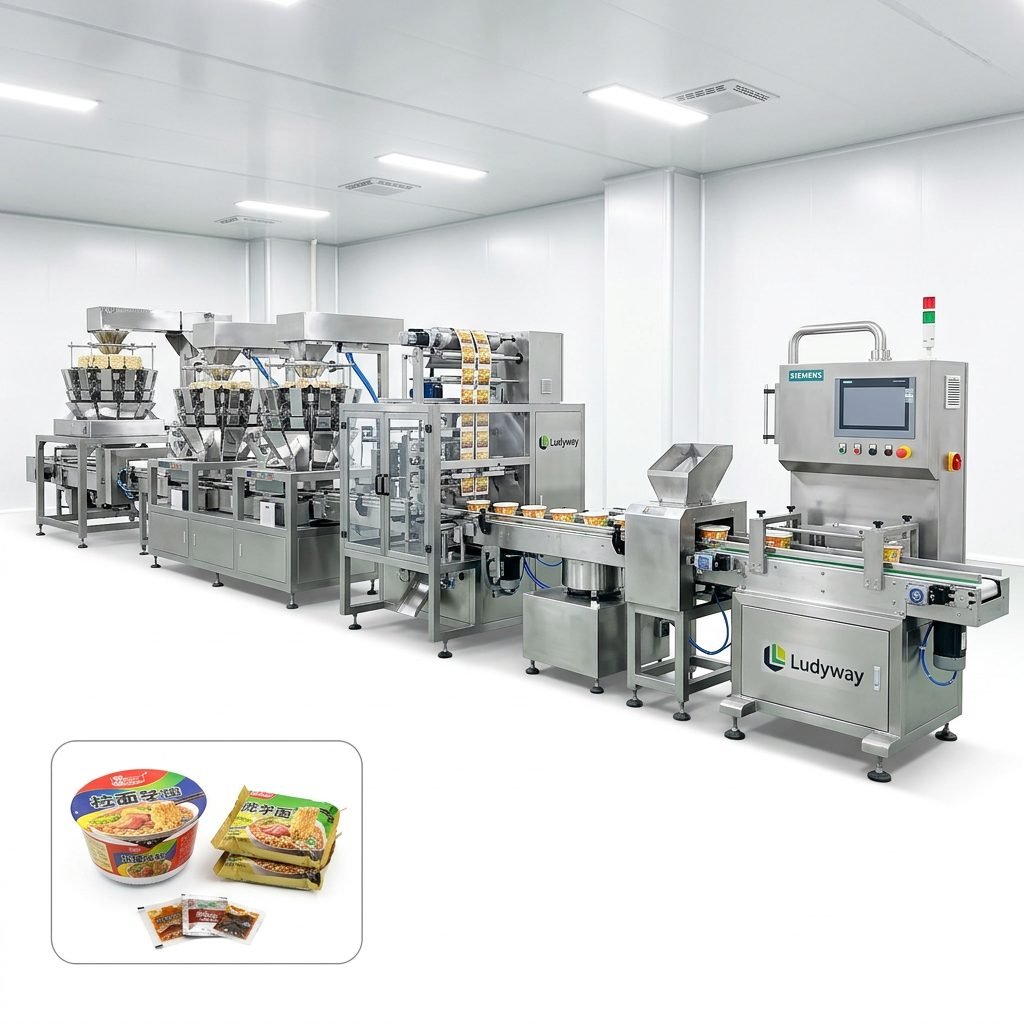
Choosing a machinery supplier is a strategic partnership. An experienced provider brings more than just hardware to the table. With over 30 years of industry experience, a partner like Ludyway Machinery offers deep application knowledge. They can conduct product tests on their equipment, recommend optimal configurations, and design a complete turnkey production solution that seamlessly integrates the bagger with other line components.
Their global service network and commitment to innovation mean you receive a future-proof solution backed by reliable support. This partnership approach minimizes your project risk and ensures a smooth transition to automated packaging, maximizing your return on investment. Exploring their range of intelligent packaging machine models is a strong starting point for any automation project.
Frequently Asked Questions (FAQs)
1. What is the typical payback period for an automatic gusset bag machine?
The payback period varies based on labor savings, increased output, and reduced material waste. For operations replacing multiple manual lines, it can often be between 12 to 24 months. A detailed ROI analysis provided by your supplier will give you a precise estimate for your scenario.
2. Can one machine handle different bag sizes and products?
Yes, most modern machines are designed with changeover flexibility. Quick-change parts for bag size adjustments and programmable recipes for different products allow for efficient switching. However, the ease and speed of changeover should be a key point of discussion during machine selection.
3. How important is operator training?
Extremely important. Proper training ensures the machine is operated safely, at peak efficiency, and with basic troubleshooting knowledge. This reduces downtime and extends the equipment’s lifespan. Reputable suppliers always include comprehensive training as part of the installation service.
4. What maintenance does an automatic gusset bagger require?
Regular preventive maintenance is crucial. This typically includes daily cleaning, lubrication of moving parts as per the manual, and periodic inspection of wear items like sealing jaws, belts, and filters. A good supplier will provide a clear maintenance schedule and support.
5. What if my product is unique or particularly challenging to package?
Experienced suppliers specialize in custom solutions. They can often modify standard machines or develop specific feeding, dosing, or handling mechanisms to suit challenging products. Presenting your product for a live test run is the best way to evaluate a machine’s suitability for unique applications.