Selecting the right beverage packaging machine is a critical decision for any production facility. The correct system directly impacts your line’s efficiency, product quality, and overall profitability. This comprehensive guide will walk you through the primary types of packaging machines, explain their working processes, and provide a clear framework for choosing the ideal system for your specific needs.
Understanding the Core Types of Beverage Packaging Machines
The beverage industry utilizes a variety of packaging formats, each requiring specialized machinery. Understanding these types is the first step in making an informed choice.
1. Liquid Filling and Sealing Machines
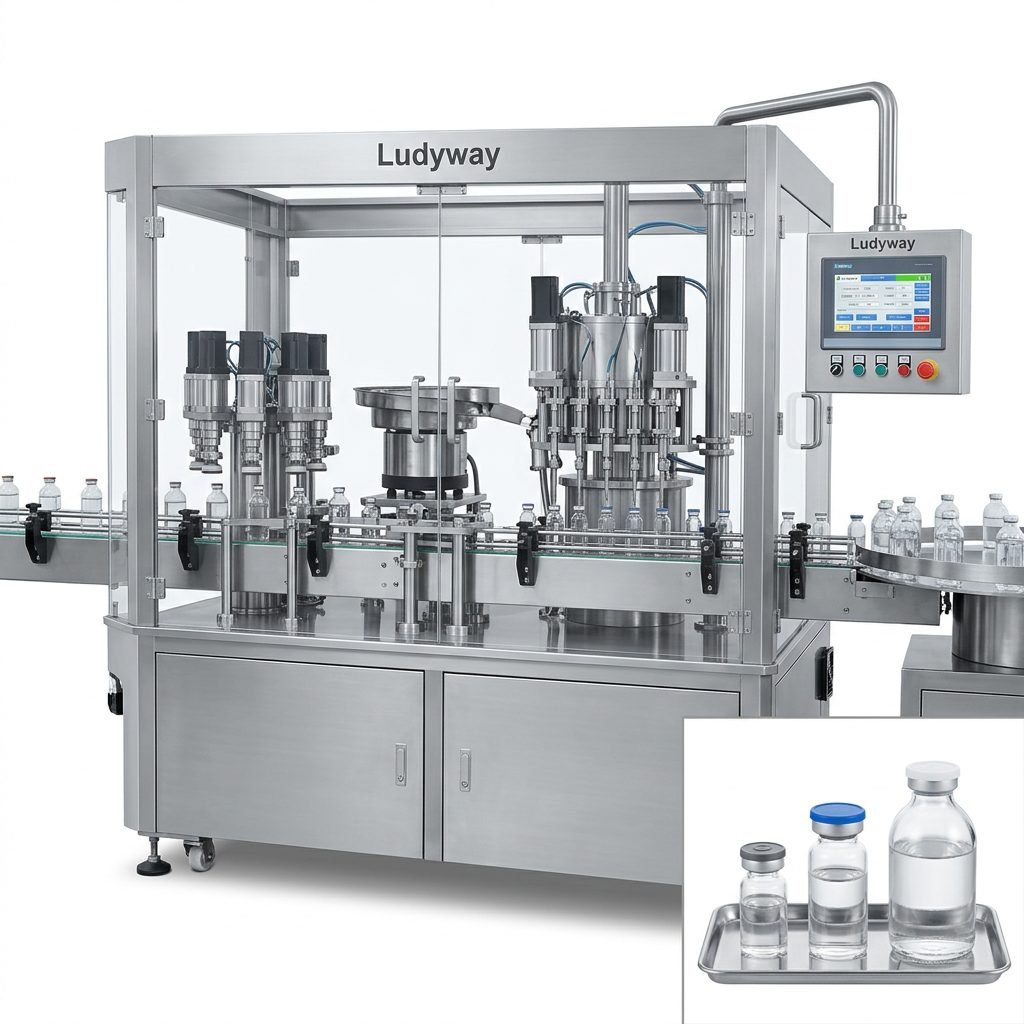
These are the workhorses for bottled or canned beverages. They precisely measure and dispense liquid into containers before hermetically sealing them. Common sub-types include:
- Gravity Fillers: Ideal for free-flowing, non-carbonated liquids like water or juice.
- Pressure Fillers: Essential for carbonated drinks to prevent loss of fizz during filling.
- Volumetric/Piston Fillers: Provide high accuracy for viscous products like syrups, dairy beverages, or oils.
2. Form-Fill-Seal (FFS) Machines
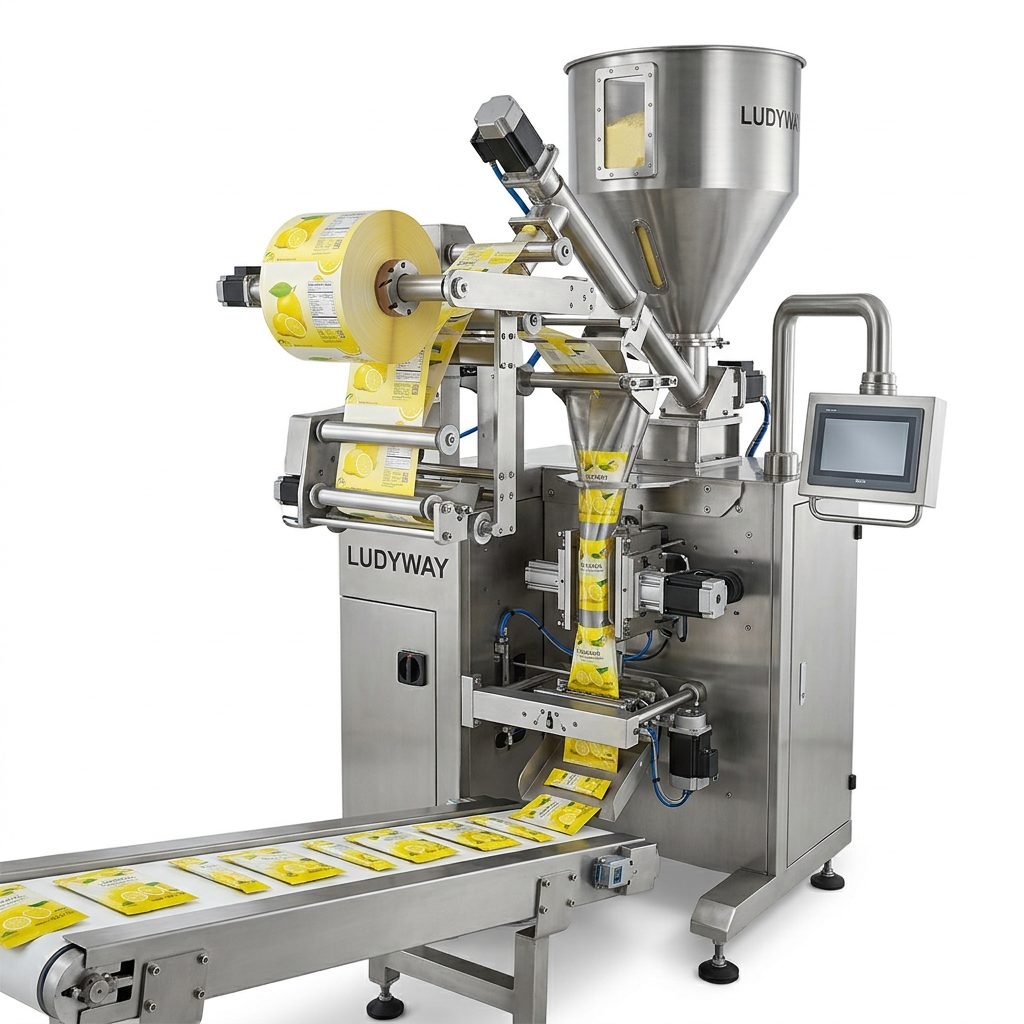
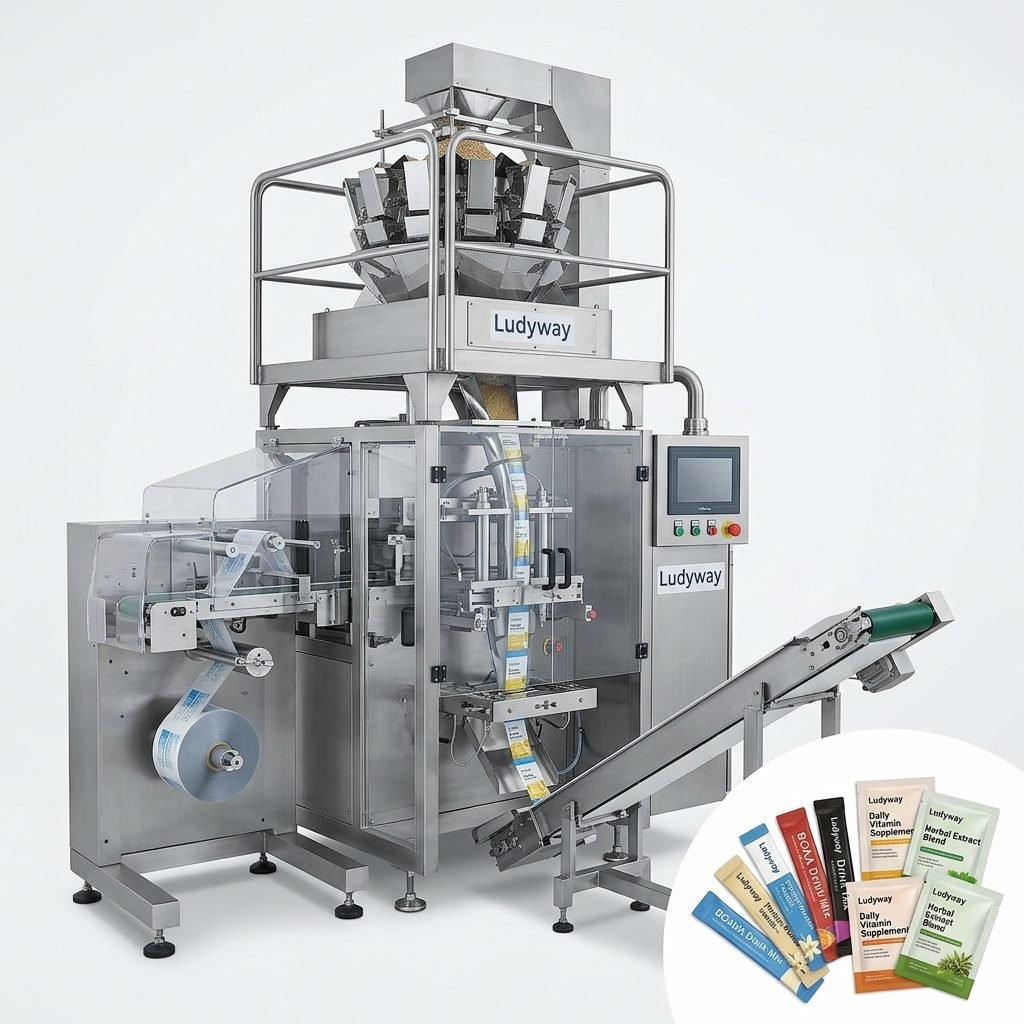
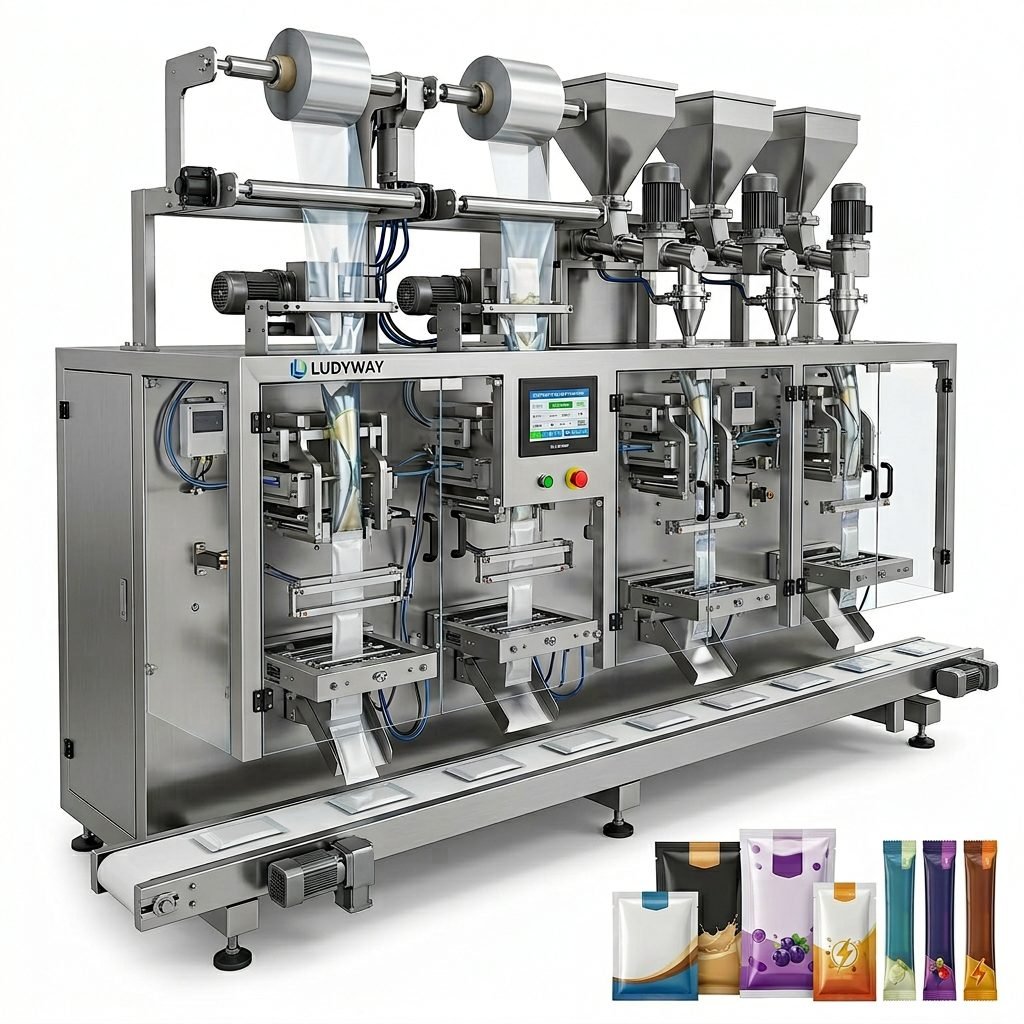
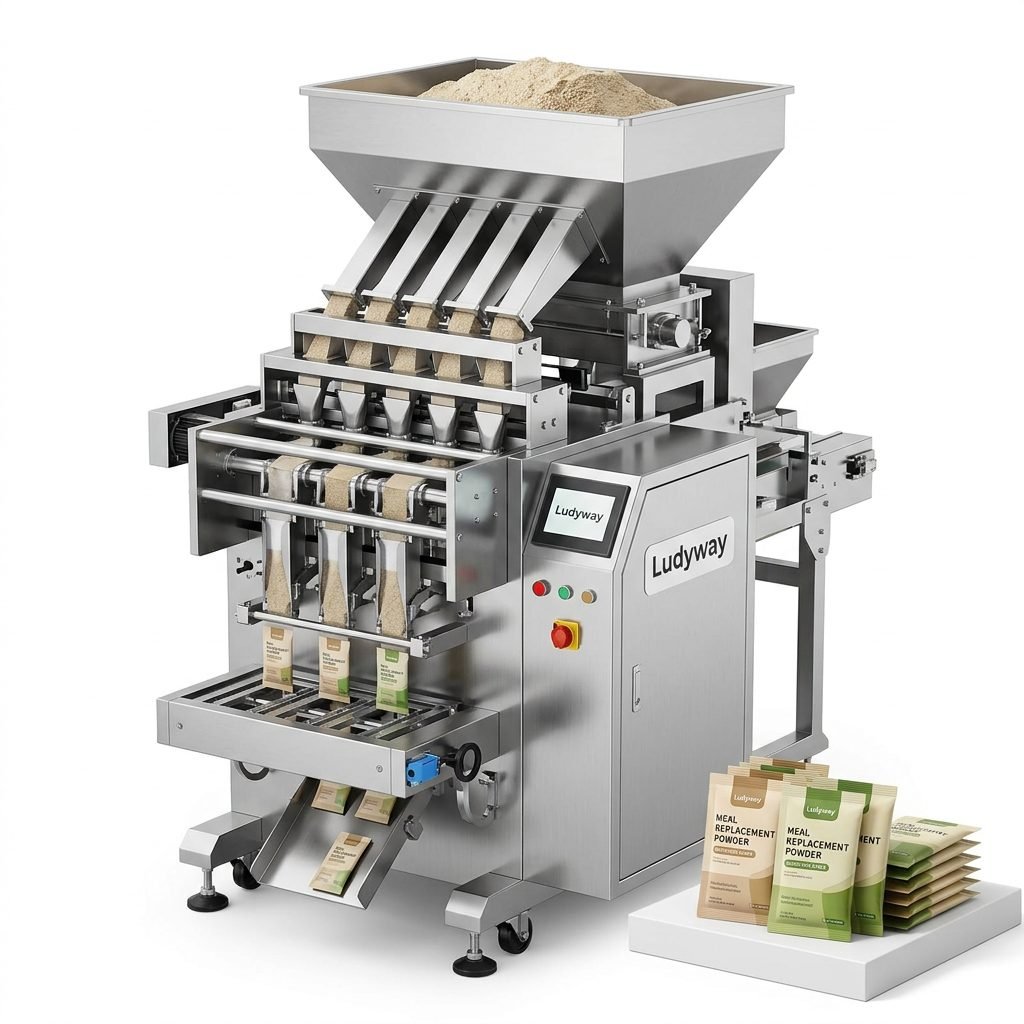
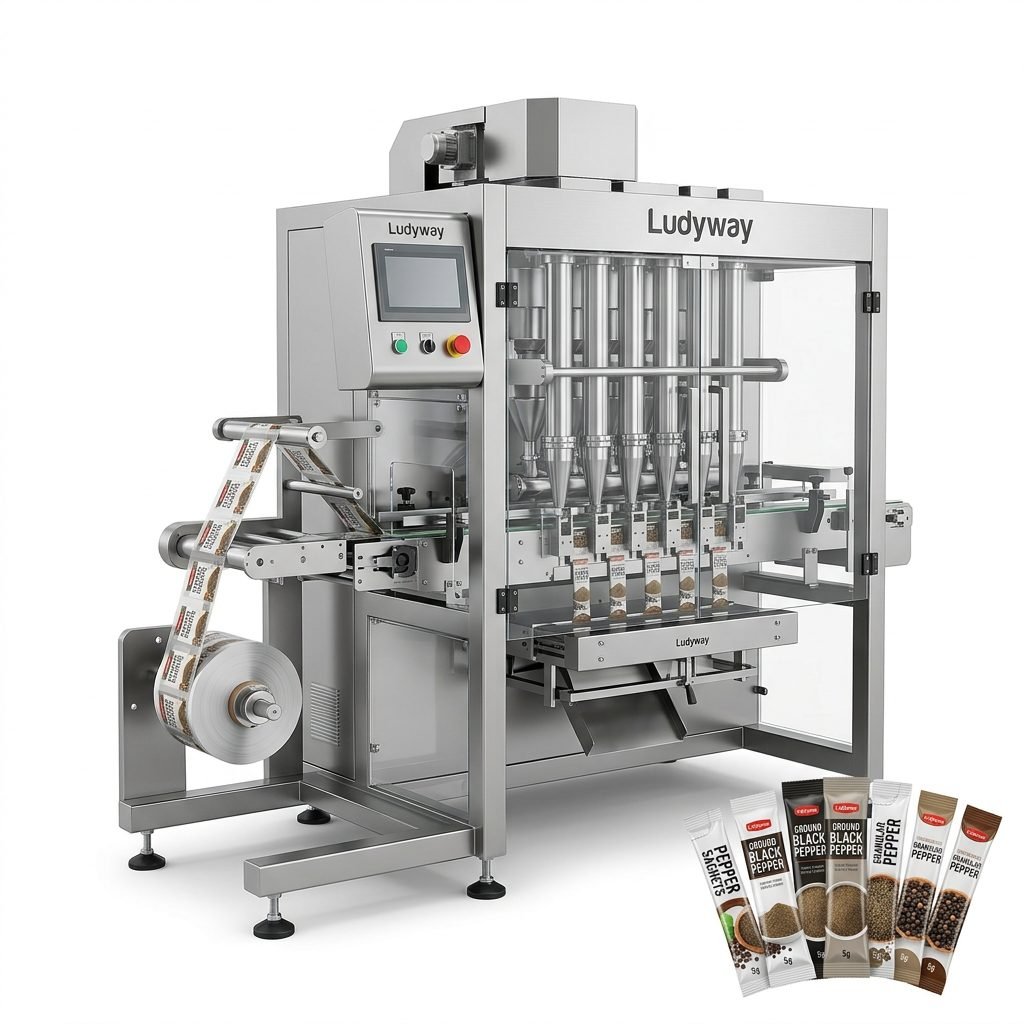
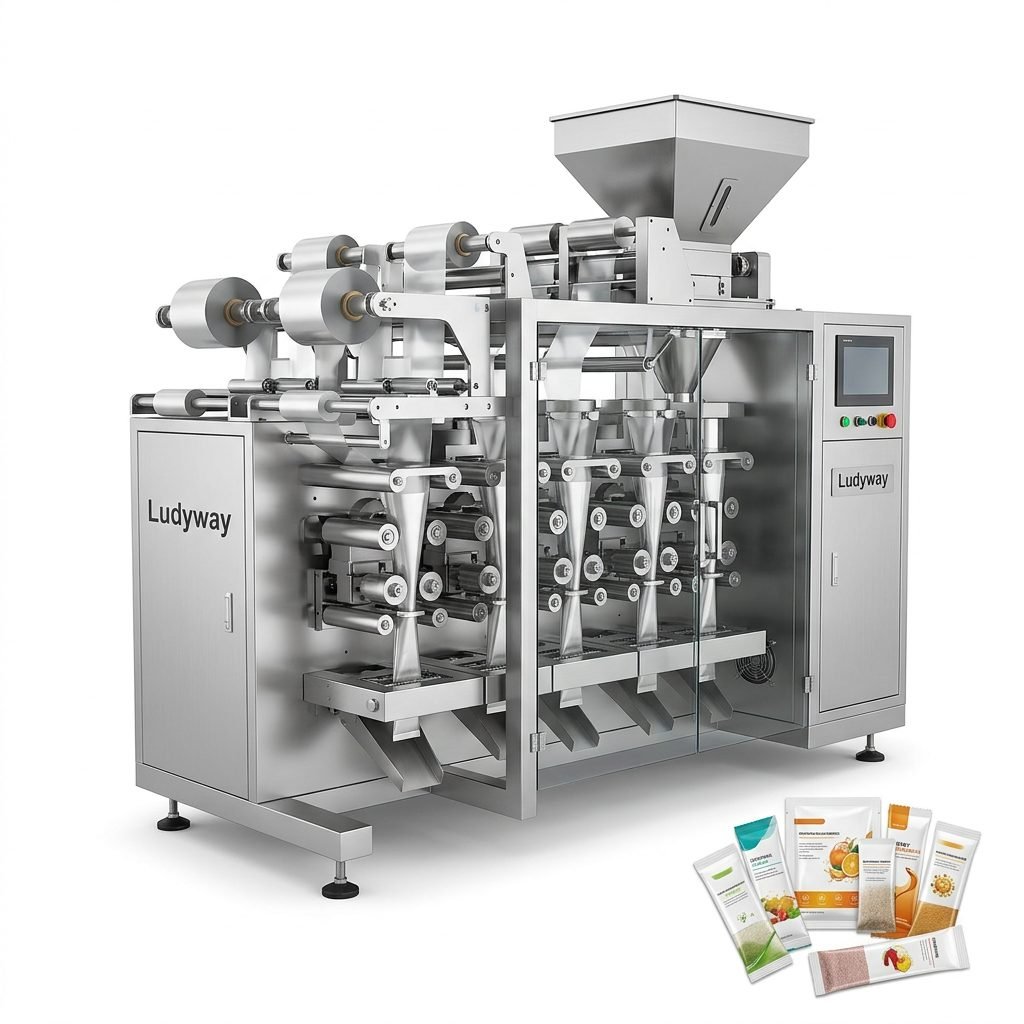
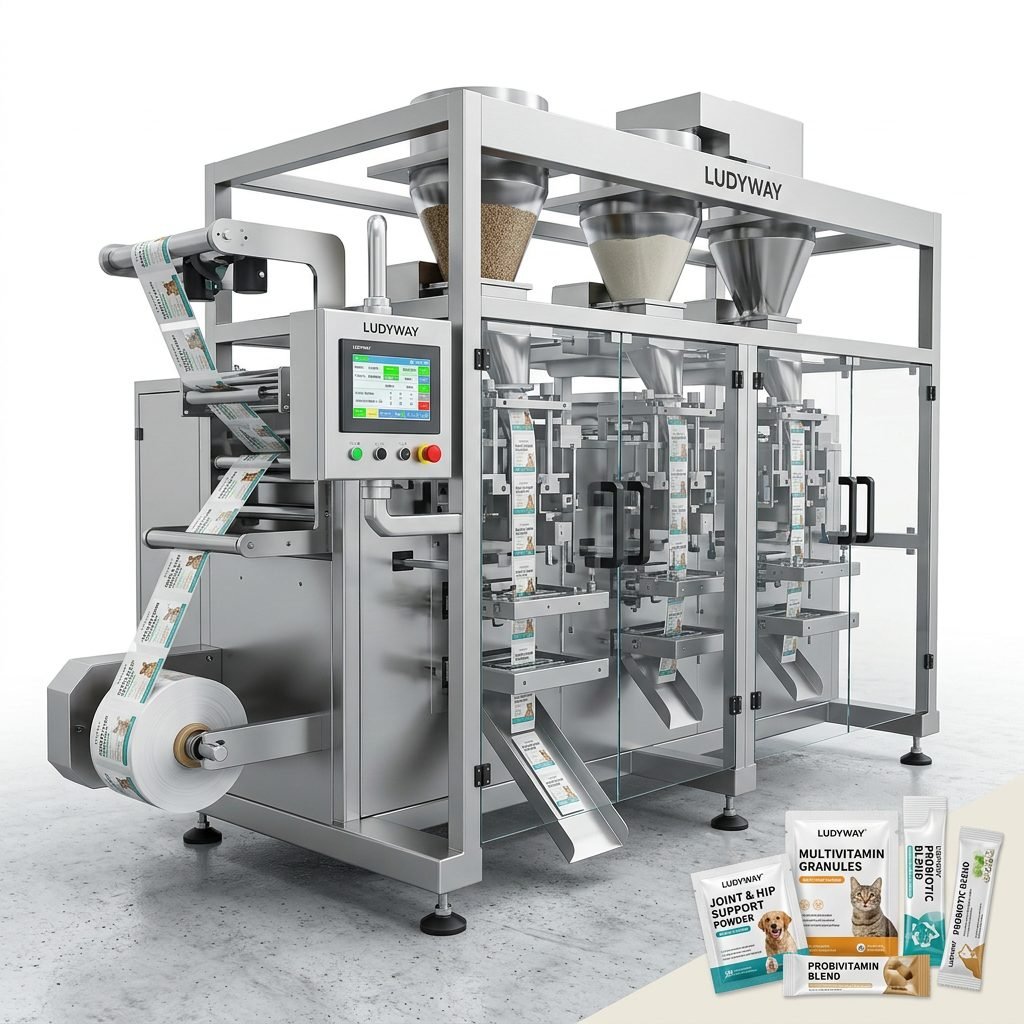
FFS machines create the package from a roll of film, fill it with product, and seal it—all in one continuous operation. They are incredibly efficient for single-serve formats.
- Vertical Form-Fill-Seal (VFFS): Creates bags or pouches that are filled vertically. Perfect for powdered drink mixes, liquid coffee creamers, and small-portion beverages.
- Horizontal Form-Fill-Seal (HFFS): Forms packages on a horizontal plane. Often used for stick packs for instant coffee, tea, or electrolyte powders.
3. Cartoning and Multi-Packing Machines
After primary packaging, these machines group individual units into cartons, trays, or shrink-wrapped packs for distribution.
- Automatic Cartoners: Erect, load, and seal paperboard cartons.
- Shrink Wrappers: Bundle multiple bottles or cans using a plastic film that shrinks tightly when heated.
- Case Packers: Automatically load primary packages into shipping cases.
4. Capping, Labeling, and Ancillary Equipment
A complete line requires supporting machines:
- Cappers/Top Sealers: Apply screw caps, press-on lids, or foil seals.
- Labelers: Apply front/back labels, wrap-around labels, or tamper-evident neck bands.
- Coders & Markers: Print batch codes, expiry dates, and barcodes directly onto packages.
The Working Process: From Empty Container to Finished Product
Modern beverage packaging is a synchronized ballet of automation. Here’s a simplified breakdown of a typical linear workflow:
Stage 1: Container Handling & Cleaning
Empty bottles or cans are fed onto the conveyor line via an unscrambler. They often pass through an air rinser or inverter to remove any dust or particulates before filling.
Stage 2: Precision Filling
Containers are indexed into the filling machine. The chosen filling technology (gravity, pressure, piston) accurately dispenses the beverage to the predetermined level. Filling accuracy is paramount to ensure consistent volume, minimize giveaway, and meet regulatory standards.
Stage 3: Sealing & Closing
Immediately after filling, containers move to the capping or sealing station. Cappers torque caps to a precise specification, while form-fill-seal machines create the final pouch seal. A proper seal is critical for product safety and shelf life.
Stage 4: Labeling & Coding
The packaged product receives its branding via labeling equipment. Simultaneously, coders imprint essential variable information like production date and lot number.
Stage 5: Secondary Packaging & Inspection
Single units are collated into multi-packs, placed into cartons, or shrink-wrapped. Quality checkpoints, such as checkweighers and vision inspection systems, are often integrated here to reject under/over-filled or poorly sealed packages.
How to Choose the Right Beverage Packaging System
Investing in packaging machinery is significant. Follow this structured approach to ensure your selection aligns with your business goals.
1. Analyze Your Product & Package
- Product Characteristics: Is it still or carbonated? Viscous or watery? Acidic? This determines the required materials (e.g., barrier films, specific liner in caps) and filling technology.
- Package Format & Material: Define your container (PET bottle, can, pouch, stick pack) and its specifications (size, shape, opening). The machine must be compatible.
2. Define Your Production Requirements
- Output Speed (Units/Minute or Hour): Calculate your required capacity based on demand forecasts. Choose a machine that can meet your peak needs with some overhead.
- Flexibility & Changeover: Will you run multiple SKUs (different sizes or products)? Machines with quick-change parts and recipe memory drastically reduce downtime during switchovers.
3. Evaluate Machine Features & Technology
- Construction & Hygiene: Look for robust, food-grade materials (e.g., stainless steel contact parts) and designs that allow for easy cleaning and maintenance.
- Automation & Control Level: Modern machines with PLC controls and HMI touchscreens offer better precision, diagnostics, and integration potential into a full turnkey production line.
- Energy & Material Efficiency: Consider machines designed to reduce compressed air consumption, film waste, or product giveaway, which lower operating costs.
4. Consider the Supplier’s Capabilities
Your relationship with the machine supplier is as important as the machine itself.
- Experience & Reputation: Choose a supplier with proven experience in the beverage sector. Ludyway Machinery, with over a decade of specialization, offers deep industry knowledge.
- Technical Support & Service: Ensure they provide comprehensive installation, training, and responsive after-sales support with readily available spare parts.
- Testing & Customization: A reliable supplier should offer factory acceptance tests (FAT) and the ability to customize solutions to fit your unique line layout and product needs.
5. Calculate Total Cost of Ownership (TCO)
Look beyond the initial purchase price. TCO includes:
- Installation and commissioning costs.
- Energy and consumable (film, gas) costs.
- Estimated maintenance and spare parts costs.
- Potential costs of downtime and production losses.
A slightly higher initial investment in a more reliable, efficient machine often leads to a lower TCO.
Frequently Asked Questions (FAQs)
What is the main difference between vertical and horizontal form-fill-seal machines?
Vertical (VFFS) machines form bags that are filled vertically and are best for free-flowing granules, powders, and liquids that can be dropped into the bag. Horizontal (HFFS) machines form packages like stick packs or sachets on a horizontal plane and are ideal for precise, small-dose packaging of powders or liquids where the product is placed, not dropped, into the pouch.
How important is machine flexibility for a new beverage brand?
It is crucial. New brands often experiment with different package sizes or product lines. Investing in a machine with easy and quick changeover capabilities allows you to adapt to market feedback without major capital reinvestment, protecting your initial investment as you grow.
Can one machine handle both carbonated and non-carbonated drinks?
Typically, no. The filling technology is fundamentally different. Carbonated drinks require pressurized fillers to maintain CO₂ levels, while non-carbonated drinks can use gravity or vacuum fillers. Some advanced fillers can be adapted, but it’s more efficient to choose a machine dedicated to your primary product type.
What are the key maintenance routines for a beverage packaging line?
Daily cleaning and lubrication of moving parts, weekly checks of seal integrity (on jaws, heads) and sensor calibration, and periodic (quarterly/annual) inspection and replacement of wear parts like seals, gaskets, and cutting blades as per the manufacturer’s manual are essential to prevent unplanned downtime.
How do I ensure the packaging machine meets food safety standards?
Choose machinery constructed with food-grade materials (e.g., 304 or 316L stainless steel for product contact zones) from a supplier who understands and designs according to relevant standards like FDA, EHEDG, or GMP. Documentation of materials and design hygiene should be provided.