In today’s fast-paced manufacturing world, selecting the right packaging machinery is a critical decision that impacts productivity, product quality, and overall operational costs. This comprehensive guide delves into the top packaging machinery manufacturing solutions, exploring the various types available, their core processes, associated costs, and a strategic framework for selection. Whether you are in the food, pharmaceutical, or health industry, understanding these elements is key to optimizing your packaging line.
Exploring the Landscape of Packaging Machinery Types
The market offers a diverse array of packaging equipment, each designed for specific applications and materials. The primary categories include:
Primary Packaging Systems
These machines handle the direct containment of the product. Key solutions in this category are:
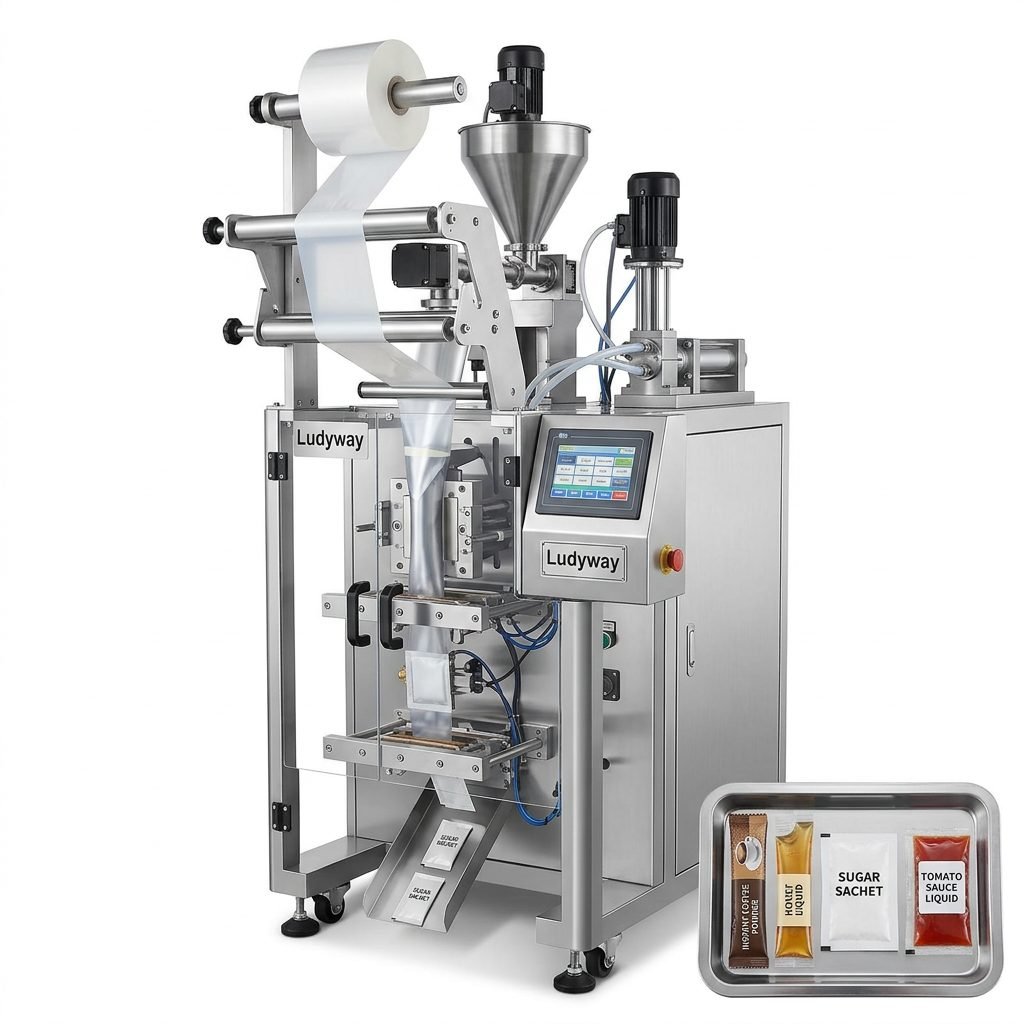
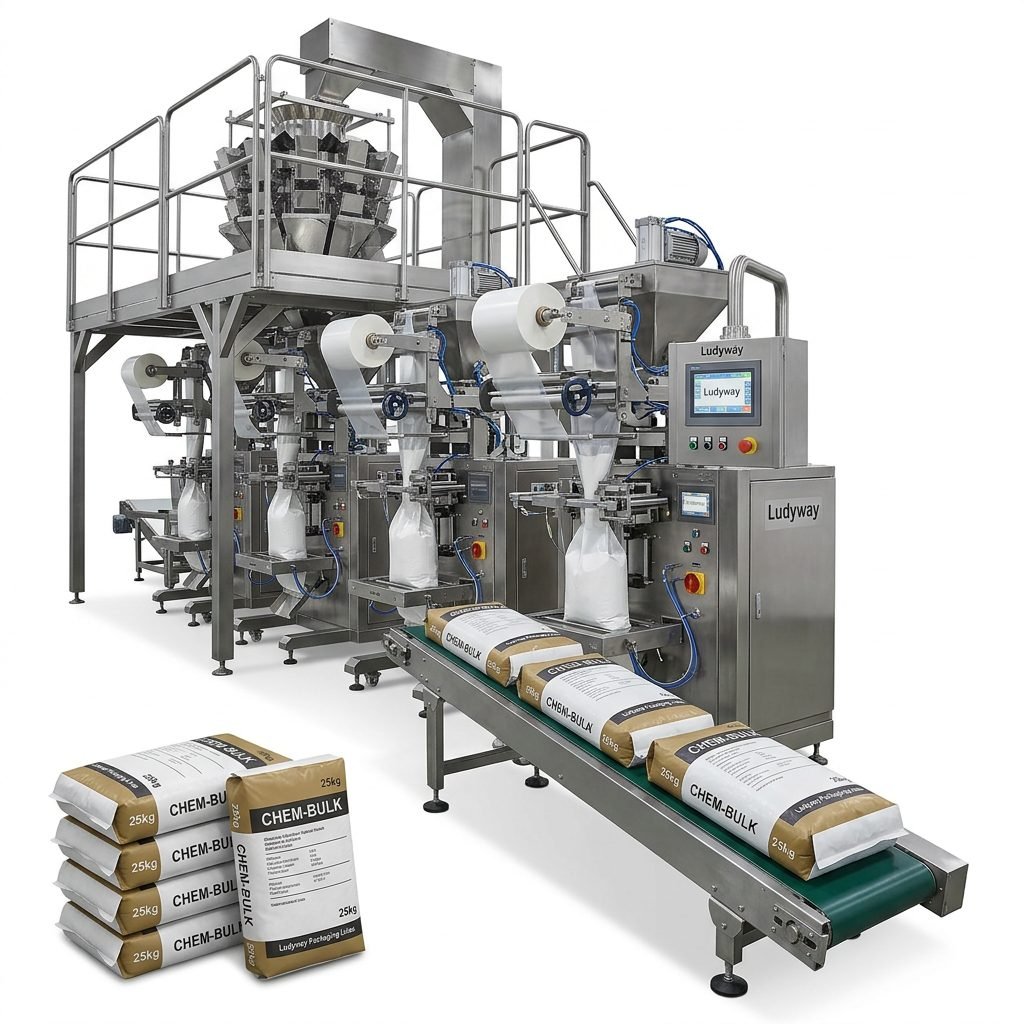
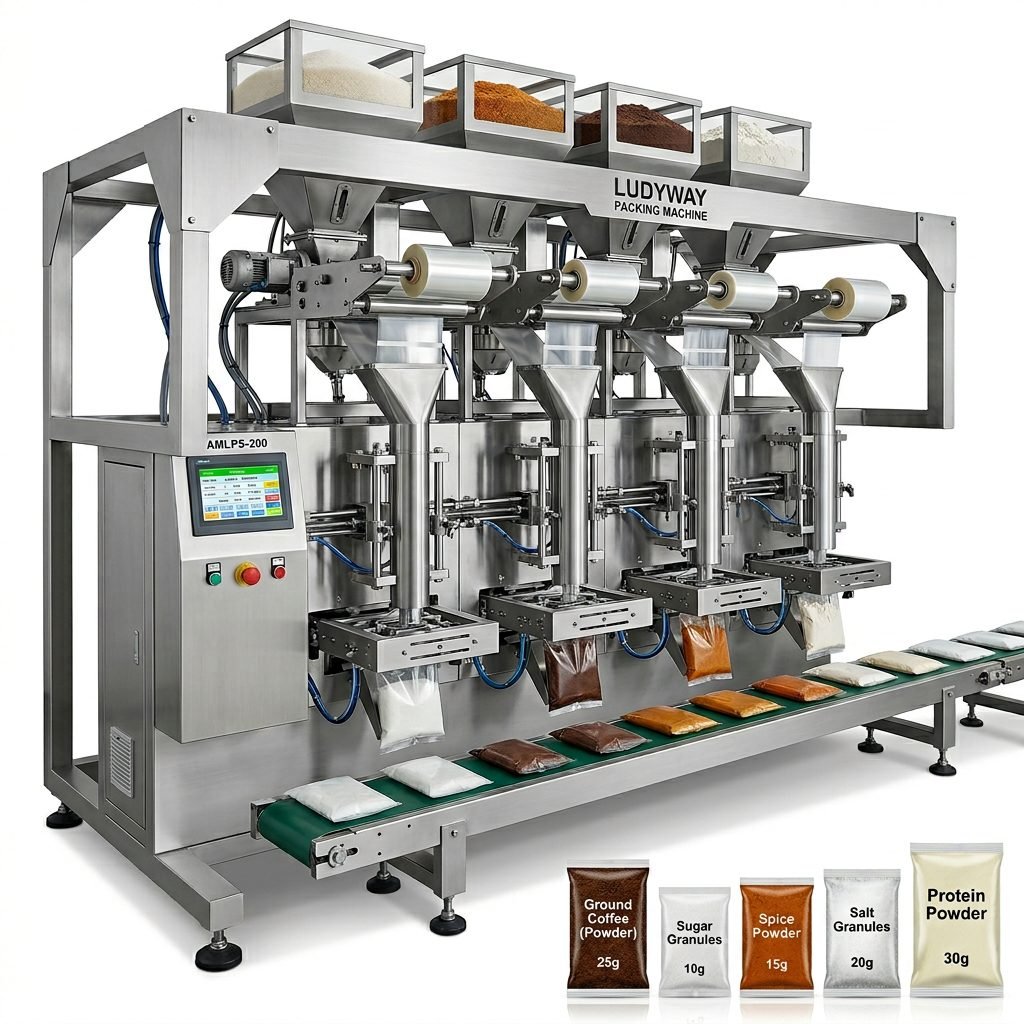
Vertical Form-Fill-Seal (VFFS) Machines: Ideal for granule and powder products, these machines form a bag from a roll of film, fill it with product, and seal it—all in one continuous operation. They are highly versatile for producing pillow bags, gusseted bags, and block-bottom bags.
Horizontal Form-Fill-Seal (HFFS) Machines: Perfect for wrapping solid items like biscuits, chocolate bars, or multiple products together. The product is placed on a web of film, which is then formed around it and sealed.
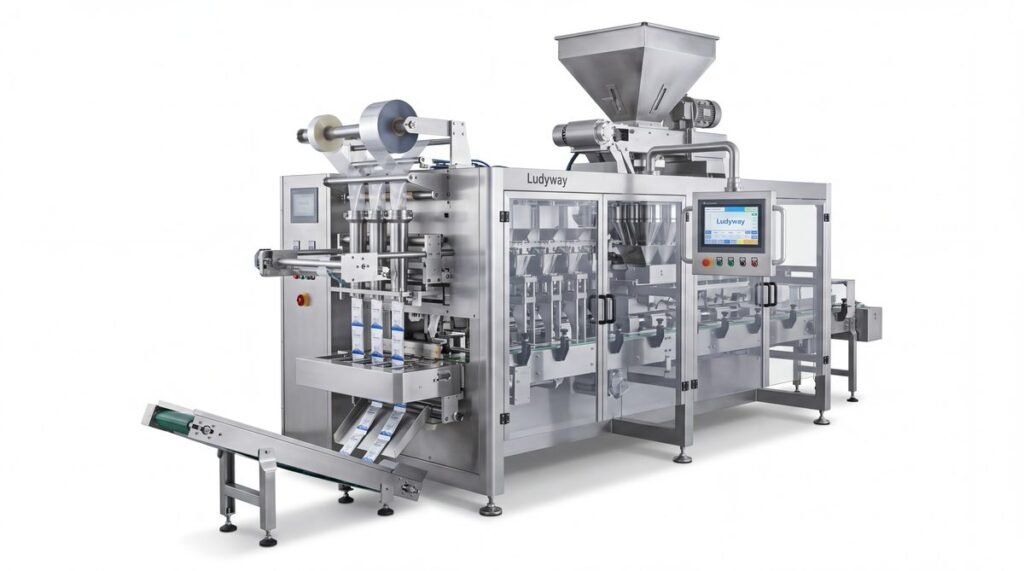
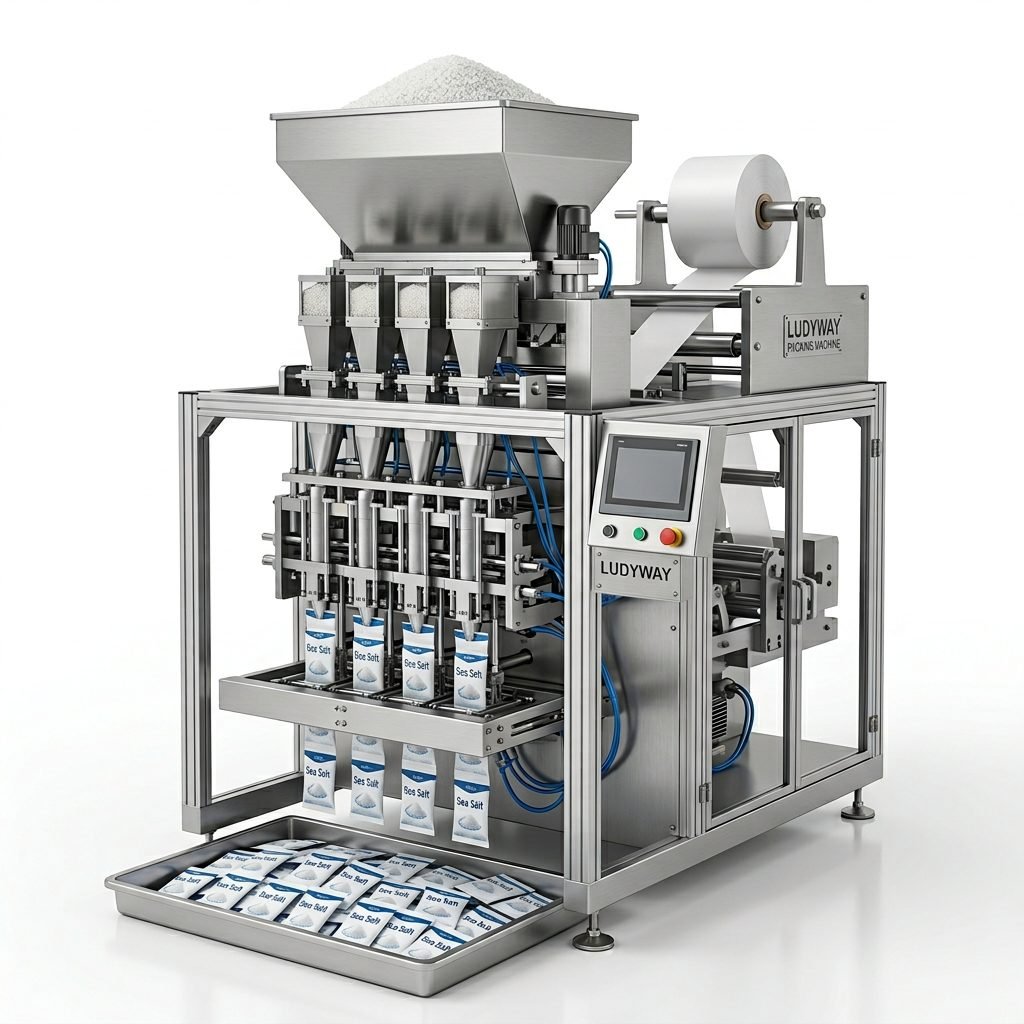
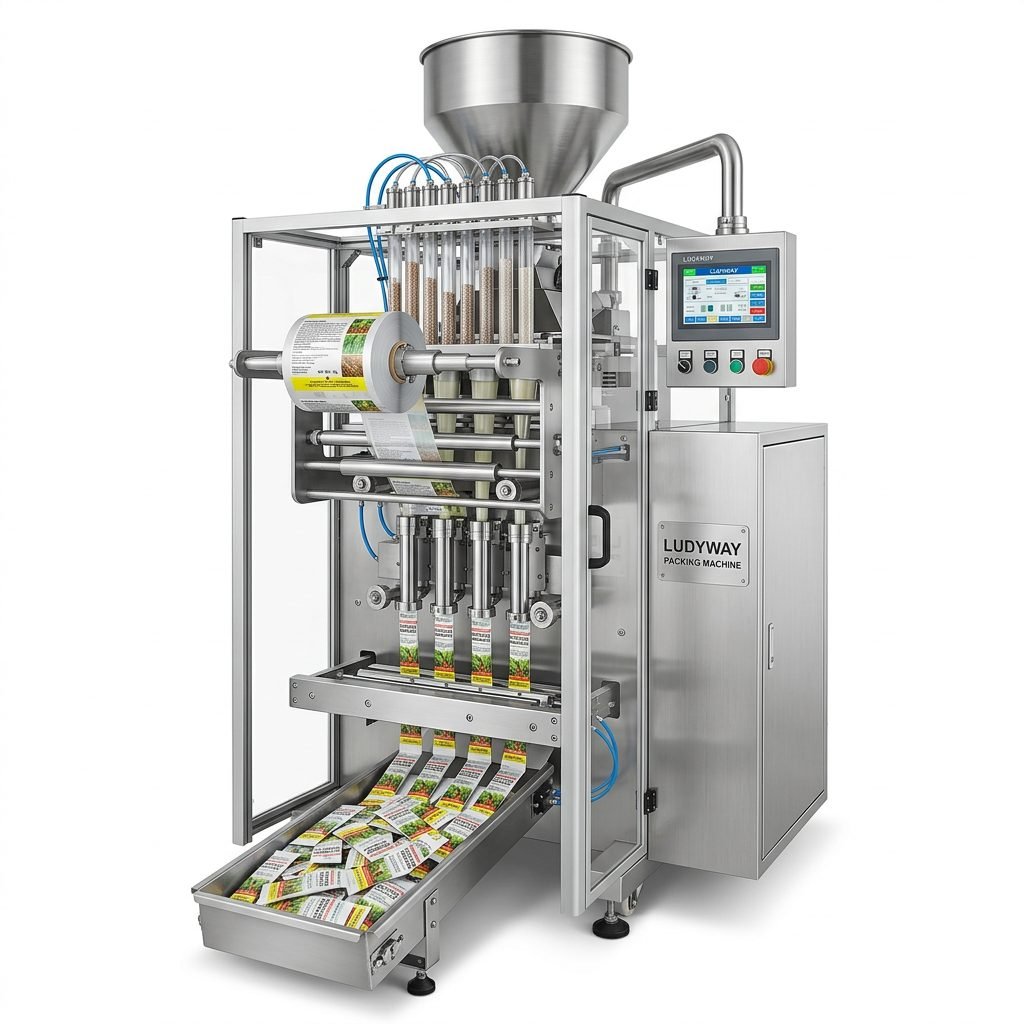
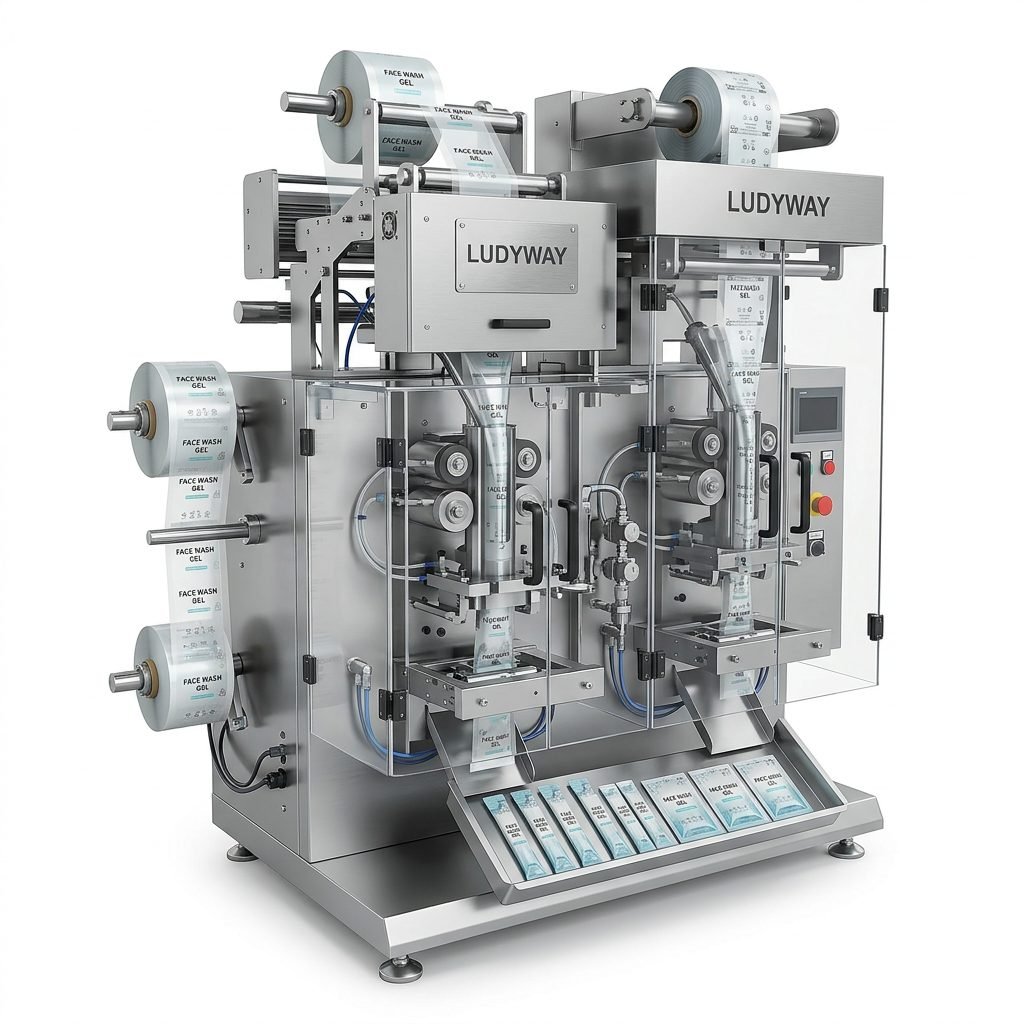
Sachet and Stick Pack Machines: These are specialized for packaging small, precise doses of powder, granules, or liquids. They are extremely popular in the food (coffee, sugar), pharmaceutical (OTC drugs), and cosmetic (shampoo samples) industries for their convenience and portion control.
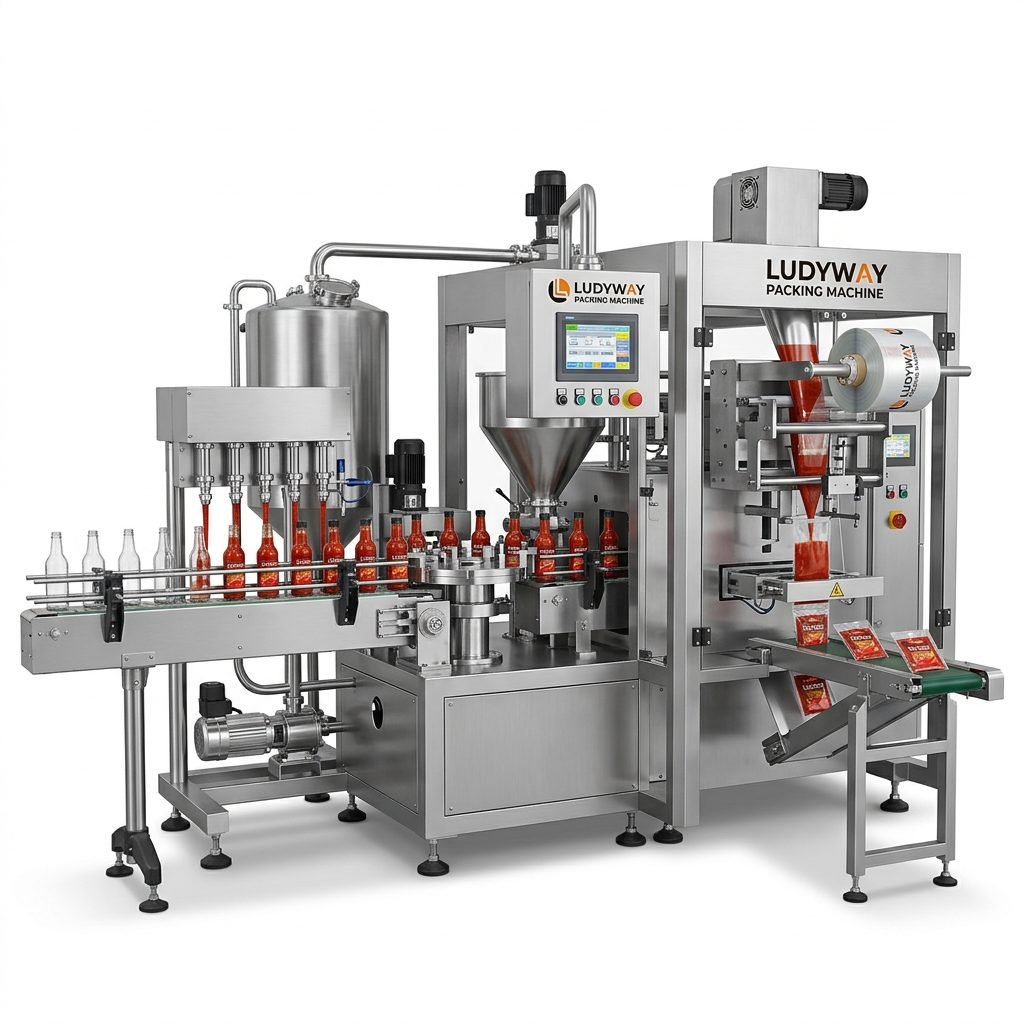
Liquid Filling and Sealing Machines: Designed for bottles, pouches, or other containers, these systems handle viscous to thin liquids with high accuracy, often incorporating capping, labeling, and sealing functions.
Secondary and End-of-Line Packaging
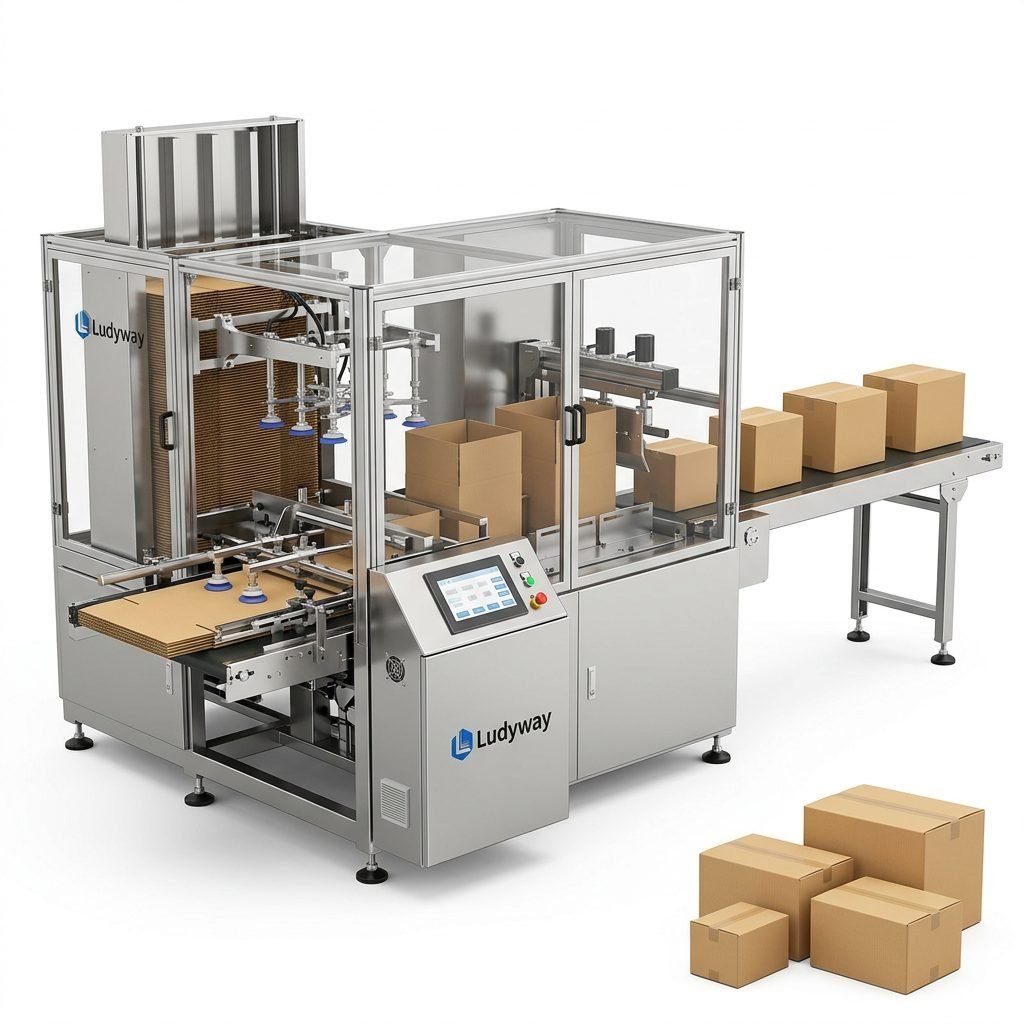
This equipment handles the bundling and preparation of primary packages for shipping. Common types include cartoners, case packers, palletizers, and stretch wrappers. They are essential for creating retail-ready displays or secure shipping units.
Core Processes in Modern Packaging Machinery
Understanding the fundamental processes helps in evaluating machine capabilities. Most automated packaging solutions integrate several of these steps:
- Forming: Creating the package structure from a flat material (e.g., film, cardboard).
- Filling: Accurately dosing the product into the formed package. Methods include volumetric cup filling, auger filling for powders, pump filling for liquids, and weigh scale filling for high-value products.
- Sealing: Closing the package securely. This can involve heat sealing (for plastics), ultrasonic sealing, or mechanical closures like caps and lids.
- Labeling & Coding: Applying product information, barcodes, and expiration dates directly onto the package or a label.
- Inspection & Quality Control: Modern machines often integrate checkweighers, metal detectors, or vision systems to reject non-conforming packages, ensuring consistent quality.
Leading manufacturers like Ludyway Machinery integrate these processes into seamless, intelligent turnkey lines that minimize manual intervention and maximize output.
Analyzing the Costs of Packaging Machinery
The investment in packaging equipment involves several cost components beyond the initial purchase price:
1. Initial Capital Investment
This is the upfront cost of the machine itself. It varies widely based on:
- Machine Type and Complexity: A simple single-lane sachet packer costs significantly less than a multi-lane, fully integrated stick pack line with robotics.
- Automation Level: Semi-automatic machines are less expensive than fully automatic ones.
- Production Speed (Output): Higher speed capabilities generally command a higher price.
- Brand and Origin: Established brands with proven reliability and advanced engineering, such as those with over 30 years of industry experience, may have a premium that reflects long-term value.
2. Operational and Lifetime Costs
These ongoing expenses critically impact total cost of ownership (TCO):
✔ Maintenance & Spare Parts: Regular servicing and part replacement costs. Machines designed for durability in a 20,000㎡ modern production facility often have better longevity.
✔ Consumables: Cost of packaging materials (film, labels) and machine components like sealing jaws.
✔ Energy Consumption: Power usage of motors, heaters, and compressed air systems.
✔ Labor: Costs for machine operators, technicians, and quality control staff. Higher automation reduces this cost.
✔ Downtime: The cost of production halts due to machine failure or changeovers. Reliable machinery minimizes this hidden cost.
Your Strategic Selection Guide
Choosing the right machinery requires a methodical approach. Follow this step-by-step guide to make an informed decision.
Step 1: Define Your Product and Requirements
Start with absolute clarity on what you are packaging. Analyze your product’s physical form (powder, granule, liquid), its characteristics (hygroscopic, abrasive), and your required package type (sachet, stick pack, pouch). Determine your target production speed (bags/minute) and the desired level of automation.
Step 2: Research and Shortlist Manufacturers
Look for manufacturers with expertise in your specific industry. Evaluate their portfolio—companies offering more than 50 intelligent packaging machine models demonstrate broad capability. Assess their company profile for engineering strength, manufacturing scale, and after-sales support network. A partner with a strong history of innovation and global service is invaluable.
Step 3: Evaluate Technology and Flexibility
Scrutinize the machine’s technical specifications. Key questions include:
- How easy and quick is it to change over for different package sizes or products?
- What is the filling accuracy, and is it suitable for your product value?
- Does it have a user-friendly HMI (Human-Machine Interface) for easy operation?
- Can it integrate with upstream (mixers) and downstream (cartoners) equipment?
Step 4: Analyze Total Cost of Ownership (TCO)
Move beyond the price tag. Create a 5-10 year TCO model that includes all costs outlined in the previous section. A slightly higher initial investment in a robust, efficient machine often leads to much lower lifetime costs through savings on labor, material waste, and downtime.
Step 5: Request Demos and Check References
Always request a live or video demonstration using a product similar to yours. Speak directly to existing customers, especially those in your region or industry, to understand the machine’s real-world performance, reliability, and the quality of technical support.
Step 6: Plan for Installation and Support
Ensure the supplier provides comprehensive installation, commissioning, and operator training. Clarify warranty terms, spare parts availability, and the responsiveness of their service team. A reliable partner stands behind their equipment for the long term.
Frequently Asked Questions (FAQs)
What is the main difference between VFFS and HFFS machines?
VFFS (Vertical Form-Fill-Seal) machines are primarily used for free-flowing products like granules, powders, and liquids, where the bag is formed vertically around the filling tube. HFFS (Horizontal Form-Fill-Seal) machines are used to wrap already formed solid products (like snack bars or grouped items) in a horizontal flow, where the film is wrapped around the product.
How do I determine the right production speed for my needs?
Calculate your current and projected future daily/weekly output requirements. Add a buffer (typically 20-25%) for future growth. The machine’s rated speed should meet this peak demand without consistently running at 100% capacity, which can increase wear and tear. Consider factors like shift patterns and potential market expansion.
What are the key benefits of a multi-lane stick pack machine?
Multi-lane machines dramatically increase output by packaging multiple stick packs simultaneously from a single film web. They offer superior production efficiency, better space utilization on the factory floor, and often have a lower per-unit cost compared to running several single-lane machines. They are ideal for high-volume production of items like instant drink mixes, pharmaceutical powders, or condiments.
How important is after-sales service when selecting a manufacturer?
Extremely important. Packaging machinery is a long-term investment. Even the best machines require maintenance, spare parts, and occasional troubleshooting. A manufacturer with a global, responsive service network, readily available spare parts, and comprehensive training ensures minimal downtime, protects your investment, and guarantees continuous production over the machine’s lifespan.
Can packaging machinery be customized for unique products?
Yes, most reputable manufacturers offer a degree of customization. This can range from simple modifications like special feeding systems for non-free-flowing products to complete custom-engineered solutions for unique package shapes or highly sensitive products. It’s crucial to discuss your specific needs in detail during the initial consultation phase.