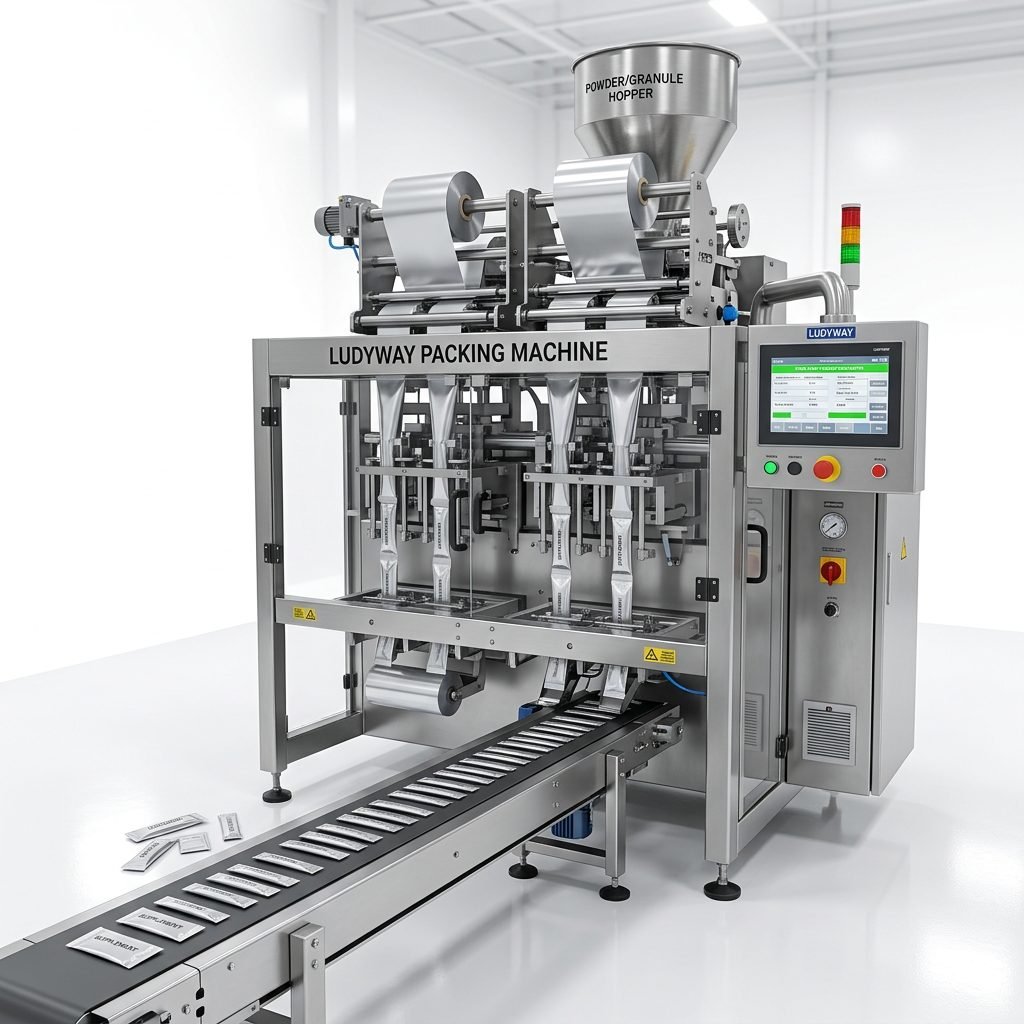
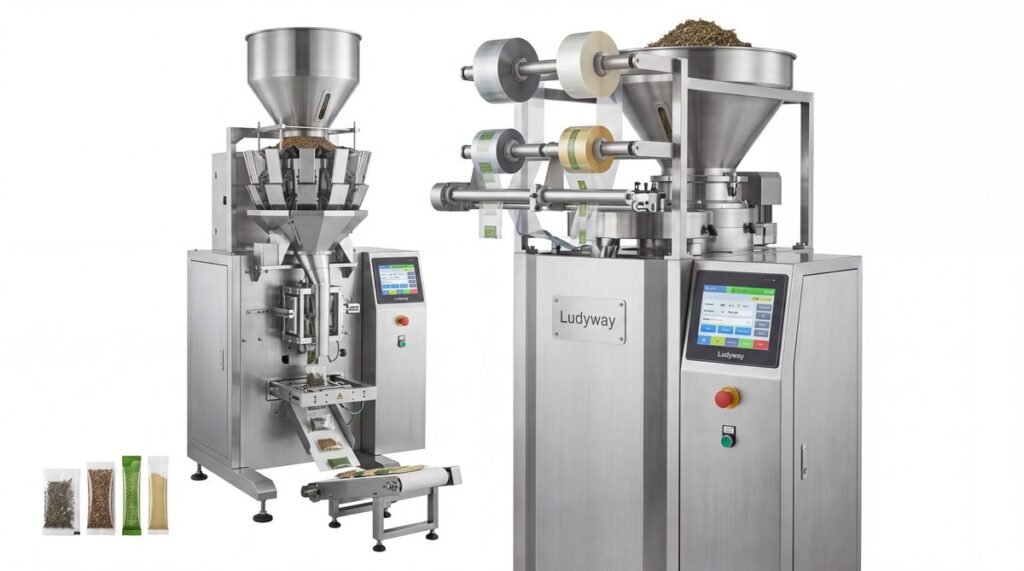
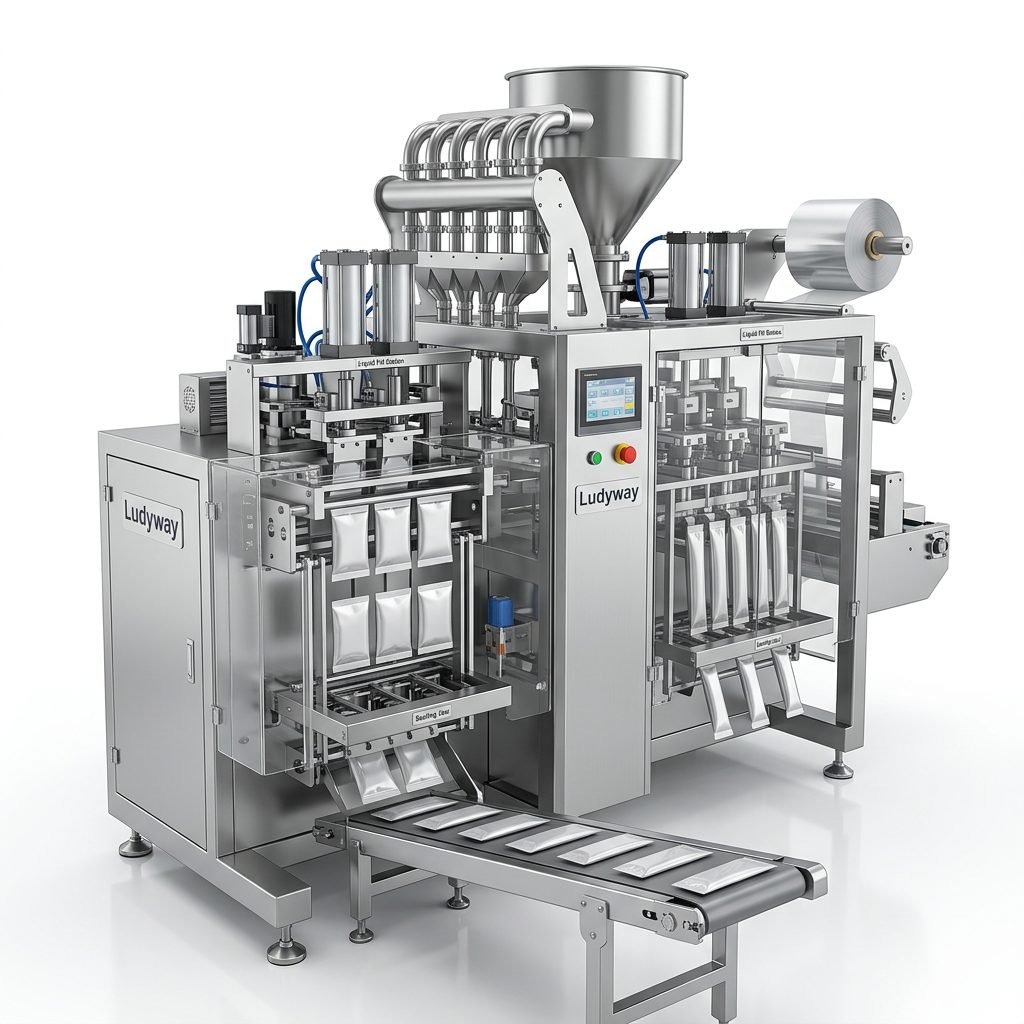
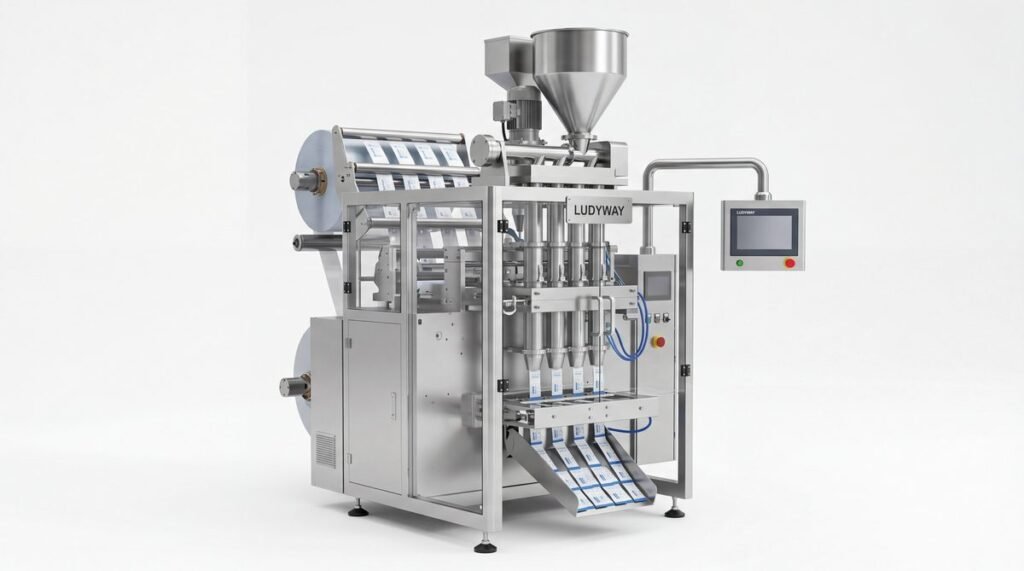
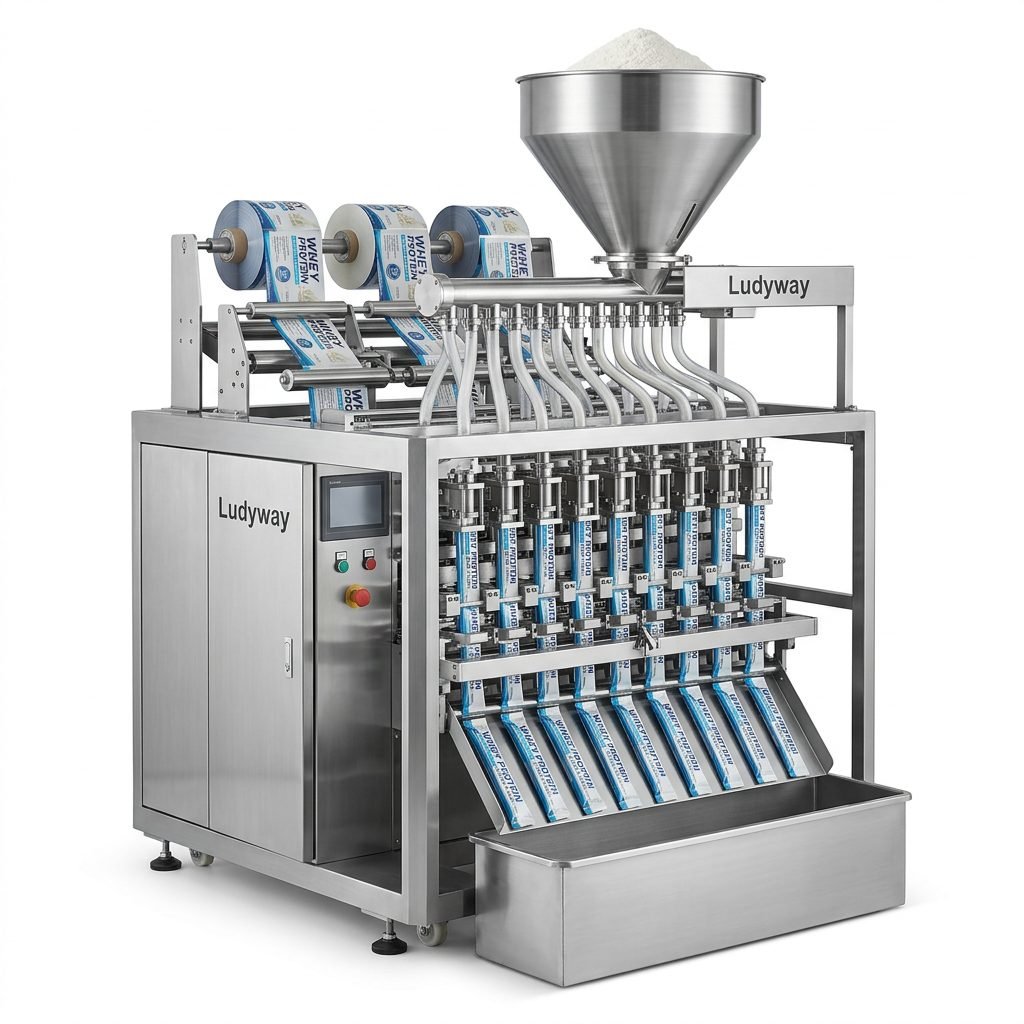
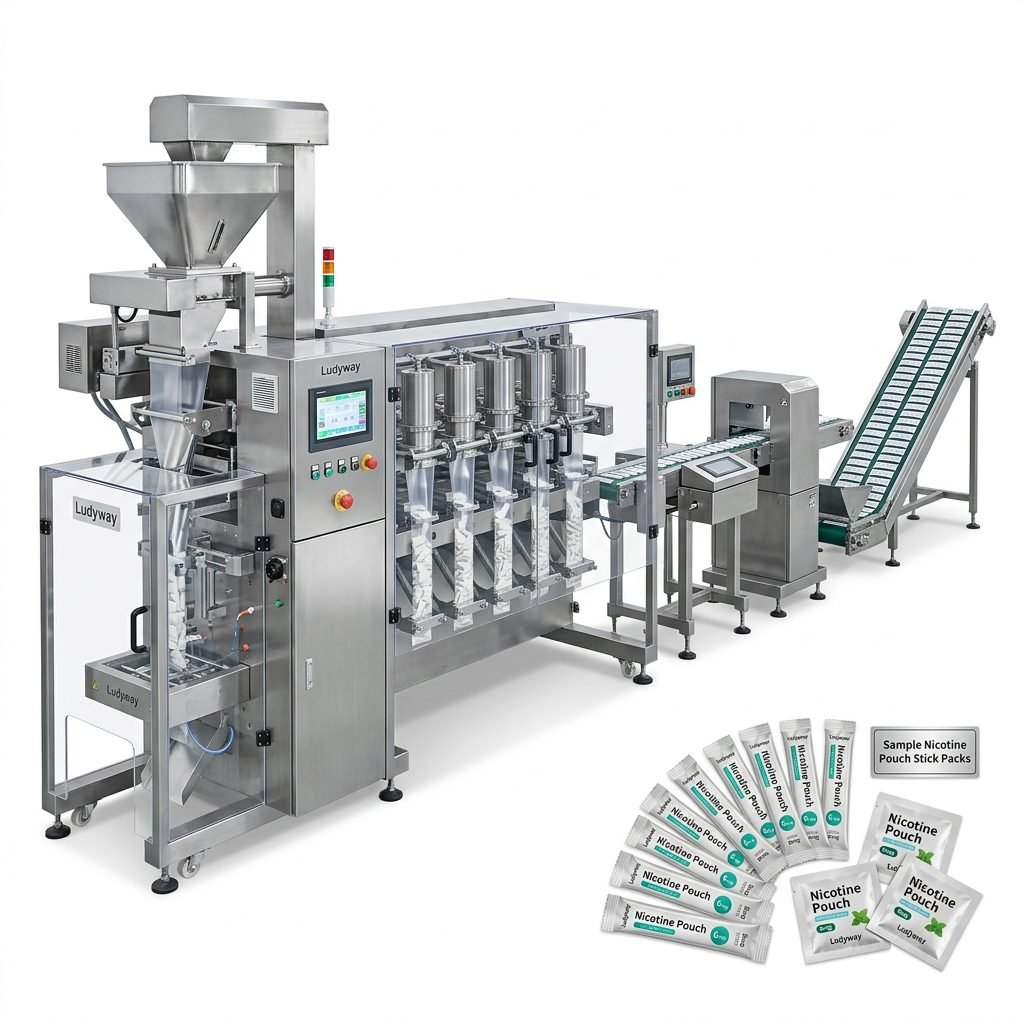
Hand load bag packaging machines are essential for businesses that require flexible, semi-automated packaging solutions. These systems bridge the gap between fully manual packing and high-speed automated lines, offering an optimal balance of efficiency, cost, and versatility. This guide explores the different types of hand load bag packaging machines, their key features, and provides a detailed framework to help you select the right system for your specific production needs.
Understanding Hand Load Bag Packaging Machines
At their core, hand load bag packaging machines are semi-automatic systems where an operator manually places the product into a pre-formed bag or pouch, which the machine then seals. This process is ideal for products that are delicate, irregularly shaped, or produced in lower volumes where full automation is not cost-effective. The machine handles the precise tasks of bag feeding, opening, and sealing, ensuring consistent package quality while relying on human dexterity for product placement.
Key Advantage: The primary strength of a hand load system is its flexibility. Operators can easily handle a wide variety of product shapes and sizes without the need for complex and expensive changeover parts or robotic pick-and-place systems.
Common Applications Across Industries
These machines are incredibly versatile and serve a broad spectrum of sectors:
- Food & Beverage: Packaging for baked goods, confectionery, hardware items like screws and bolts, fresh produce, and specialty meats.
- Pharmaceutical & Healthcare: Blister packs, medical device kits, sample packets, and over-the-counter products.
- Consumer Goods: Hardware items, stationery, small toys, and promotional items.
- Agricultural: Seeds, gardening supplies, and small batch fertilizers.
Primary Types of Hand Load Bag Packaging Systems
Choosing the right machine starts with understanding the fundamental types available, each suited to different bag styles and production goals.
1. Vertical Form-Fill-Seal (VFFS) with Manual Loading
In this configuration, the machine forms bags from a roll of flat packaging film. The bag is formed and bottom-sealed, then presented in an open state to an operator who manually loads the product. The machine then completes the top seal. This is highly efficient for high-volume operations using simple pouches.
2. Pre-Made Pouch Loaders
These systems are designed to work with ready-made, side-sealed pouches. The machine’s bag magazine automatically feeds and opens a pouch, an operator loads the product, and then the machine seals the top. This is ideal for high-quality printed stand-up pouches, zipper bags, or other specialty pre-formed packaging.
3. Horizontal Bagging Machines
Often used for longer or flatter products, horizontal machines feed bags from a roll and open them horizontally. The operator places the product inside, and the machine seals the open end. This type is common in bakery and hardware applications.
Comparison at a Glance
VFFS with Manual Load: Best for cost-effectiveness on high volumes of simple pouches. Lower per-bag cost but limited to bags formed from roll stock.
Pre-Made Pouch Loader: Best for premium packaging, complex bag structures (like spouts or zippers), and short runs with quick changeovers. Higher per-bag cost but superior presentation.
Essential Features to Evaluate
Beyond the basic type, several features critically impact performance, operator ease, and overall output quality.
Bag Feeding and Opening Mechanism
A reliable, consistent bag feeding and opening system is crucial for maintaining line speed. Look for systems with suction cup openers or mechanical fingers that gently but firmly open bags of various materials, reducing operator frustration and downtime.
Sealing Technology
The sealing bar defines package integrity. Options include:
- Impulse Sealers: Common, cost-effective, good for poly bags.
- Constant Heat Sealers: Provide consistent temperature for more demanding materials.
- Cool Seal Jaws: Essential for sealing coated or laminated films without burning.
The choice depends entirely on your packaging material.
Control System and User Interface
A modern, intuitive Human-Machine Interface (HMI) with a touchscreen allows for easy setup, parameter adjustment (like seal time/temperature), and troubleshooting. This minimizes training time and reduces errors.
Safety and Ergonomics
Since an operator is integral to the process, ergonomic design is non-negotiable. Features should include adjustable work height, clear safety guarding with interlocks, and strategically placed emergency stop buttons to protect the operator.
How to Choose the Right System: A Step-by-Step Guide
Step 1: Analyze Your Product and Packaging
Start with the basics. Define your product’s physical characteristics (size, shape, weight, fragility) and your desired package type (flat pouch, stand-up pouch, gusseted bag). The packaging material (polyethylene, laminated film, foil) will directly dictate the required sealing technology.
Step 2: Determine Your Production Requirements
Be realistic about your output. Calculate your required bags per minute (BPM), considering both current needs and near-future growth. Also, factor in how often you change products or bag designs; a system with quick-change bag magazines and recipe memory on the HMI will save significant time.
Step 3: Evaluate Machine Durability and Support
The machine’s construction (stainless steel vs. painted frames) and the quality of core components (servo motors, PLCs, sensors) determine long-term reliability and maintenance costs. Crucially, assess the manufacturer’s support. Do they offer comprehensive training, clear documentation, and readily available spare parts? A reliable partner like Ludyway Packing Machine, with deep industry experience, can ensure your investment is protected.
Step 4: Consider Integration and Future-Proofing
Will this machine stand alone, or will it need to integrate with upstream equipment (like scales or conveyors) or downstream systems (like checkweighers or labelers)? Choose a system with standard communication protocols (I/O, Ethernet). Consider if a modular design would allow you to add automation (like a robotic loader) in the future as your volumes grow.
Step 5: Request a Live Product Test
Never buy based on specifications alone. The most critical step is to provide your actual product and packaging material to the supplier for a live demonstration and test run. This validates the machine’s performance, seal quality, and achievable speed with your specific items.
Pro Tip: Total Cost of Ownership (TCO)
Look beyond the initial purchase price. Calculate TCO by including estimated costs for maintenance, spare parts, energy consumption, and potential downtime. A slightly more expensive but robust and well-supported machine from a reputable provider like Ludyway Machinery often results in a lower TCO over 5-10 years.
Conclusion
Selecting the optimal hand load bag packaging machine is a strategic decision that impacts your operational efficiency, packaging quality, and bottom line. By thoroughly understanding the types of systems available, prioritizing key features based on your product, and meticulously following a selection process that includes hands-on testing, you can invest in a solution that delivers reliability and grows with your business. Partnering with an experienced equipment provider ensures you gain not just a machine, but a long-term solution tailored to your production challenges.
Frequently Asked Questions (FAQs)
What is the typical output speed (BPM) of a hand load bagger?
Speed is highly dependent on operator skill, product ease of handling, and bag opening reliability. Typical ranges are from 15 to 40 bags per minute. Achieving higher speeds consistently often requires an exceptionally ergonomic machine design and well-trained operators.
Can I use my existing pre-printed pouches with these machines?
Yes, if you choose a pre-made pouch loader. These systems are specifically designed to handle side-sealed, finished pouches. It’s vital to provide samples to the machine supplier to ensure consistent feeding and opening, as bag finish and material slip can affect performance.
How do I ensure strong, consistent seals?
Consistent seals require the correct combination of sealing temperature, pressure, and dwell time for your specific packaging material. Always conduct a test run with your actual materials. Machines with precise digital temperature control and adjustable pressure settings, like those from experienced manufacturers, provide the control needed for perfect seals.
What safety features are most important?
Look for machines with physical guarding around moving parts and heat sealers, equipped with safety interlocks that halt the machine if opened. Two-hand control buttons for initiating the sealing cycle can prevent hand-trapping incidents, and clearly marked emergency stop buttons should be within easy reach of the operator.
Is training provided with the machine purchase?
Reputable suppliers, including professional packaging experts, should include comprehensive on-site installation and operator training as part of the purchase. This covers machine operation, routine maintenance, basic troubleshooting, and safety procedures, which are essential for a successful startup and long-term operation.