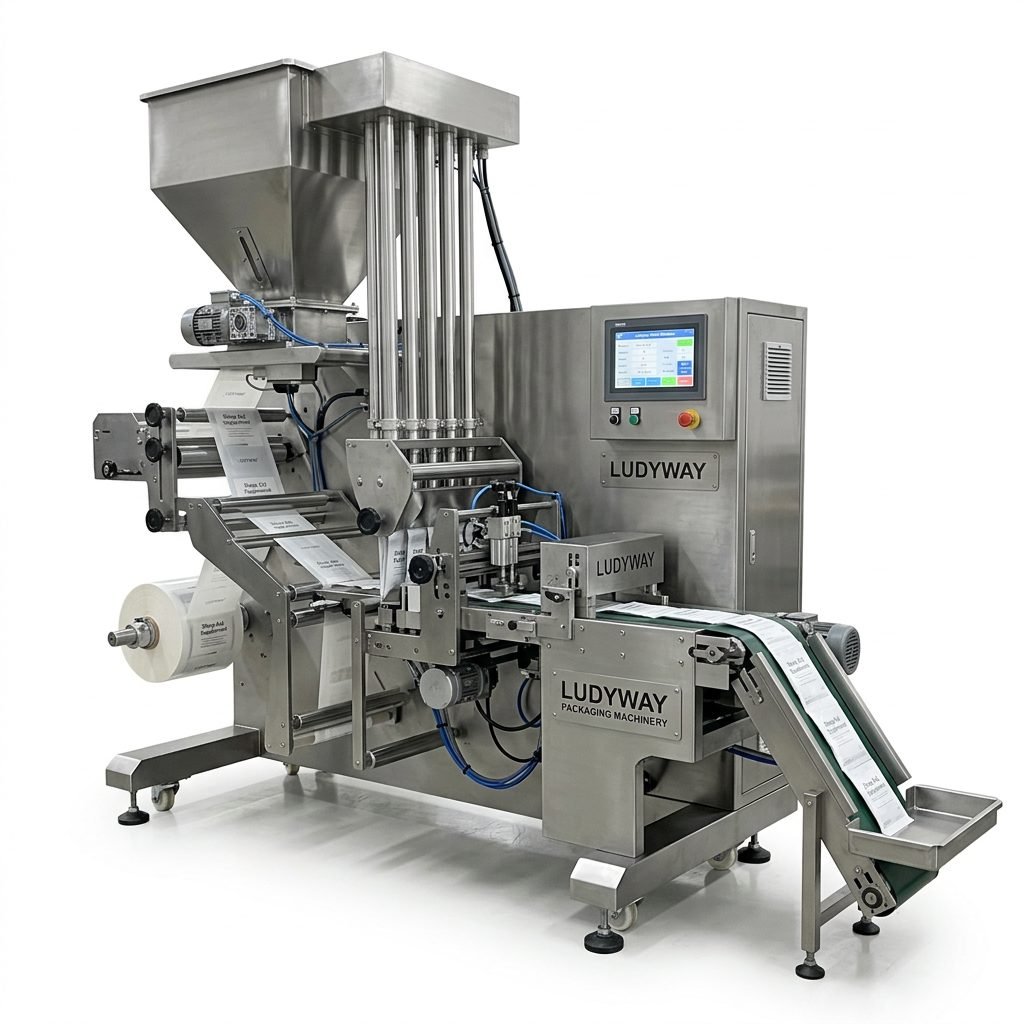
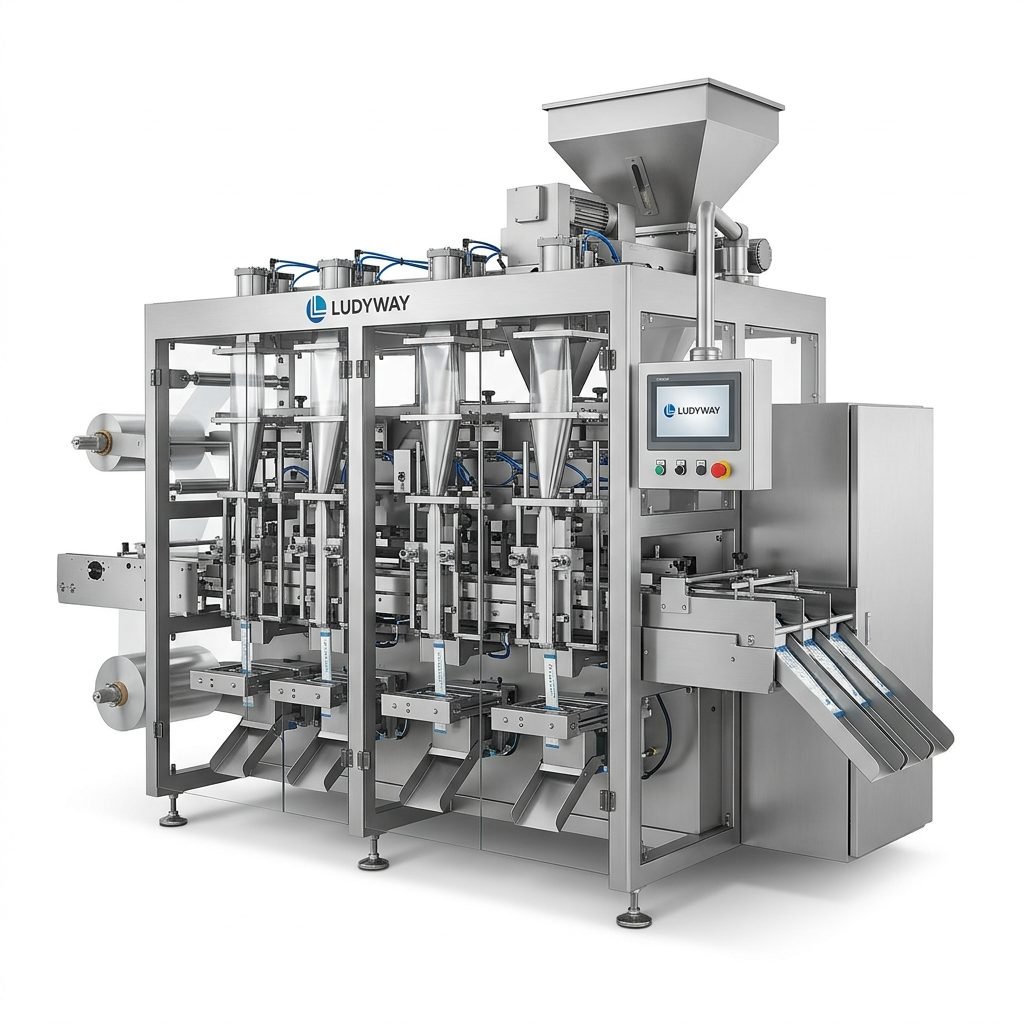
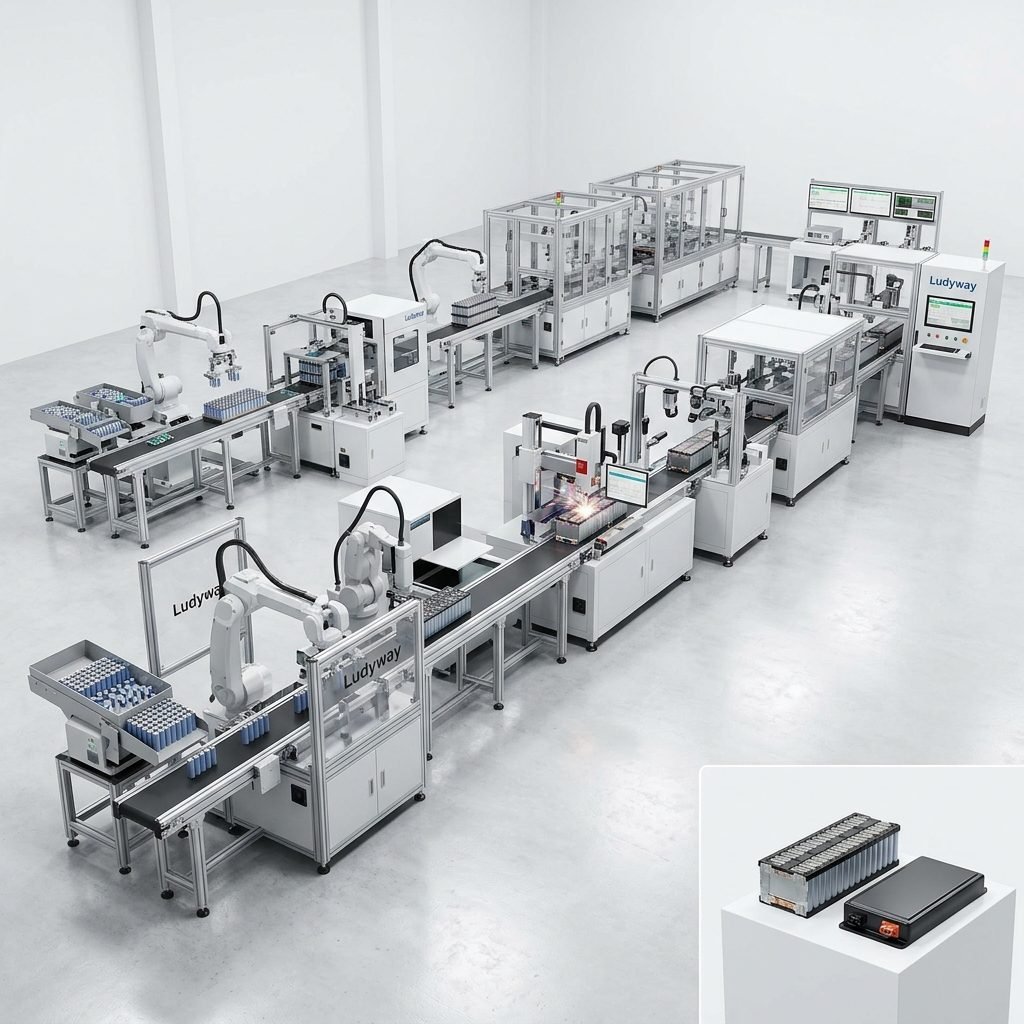
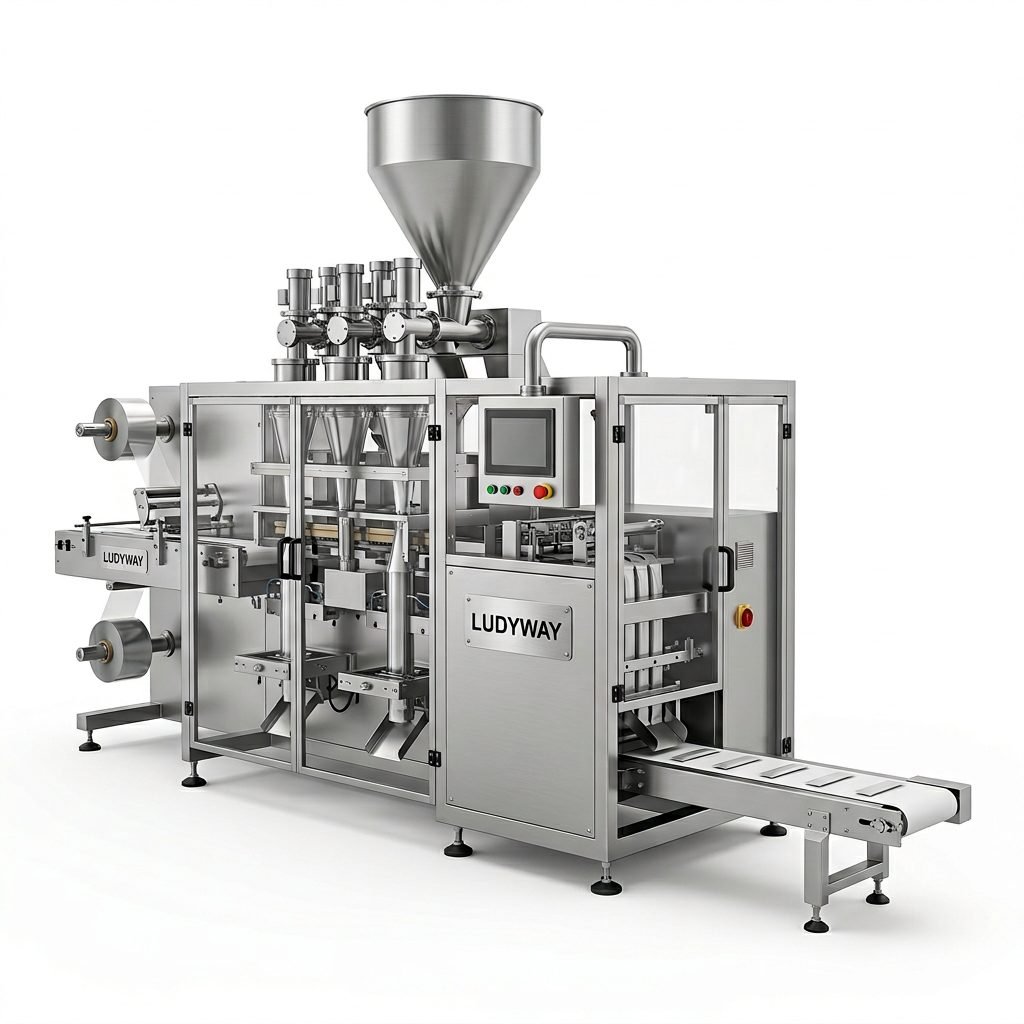
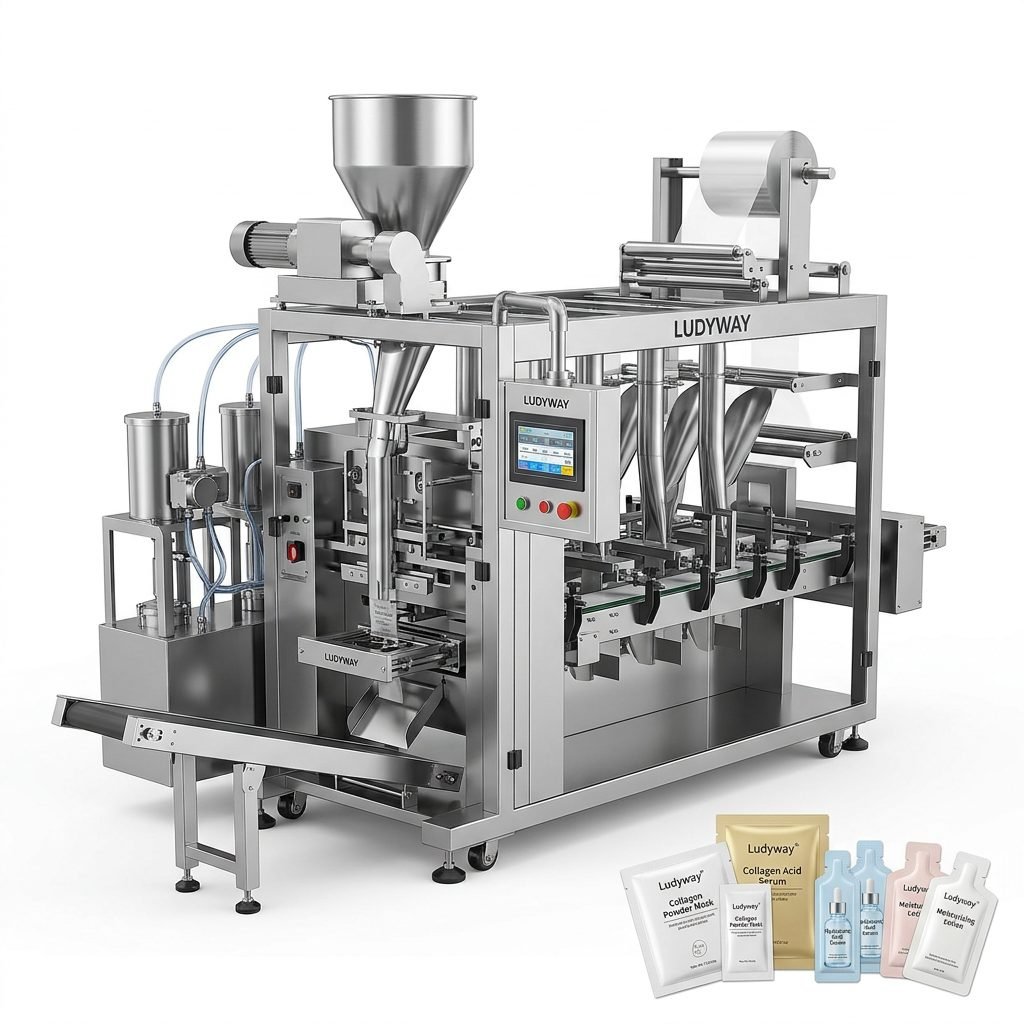
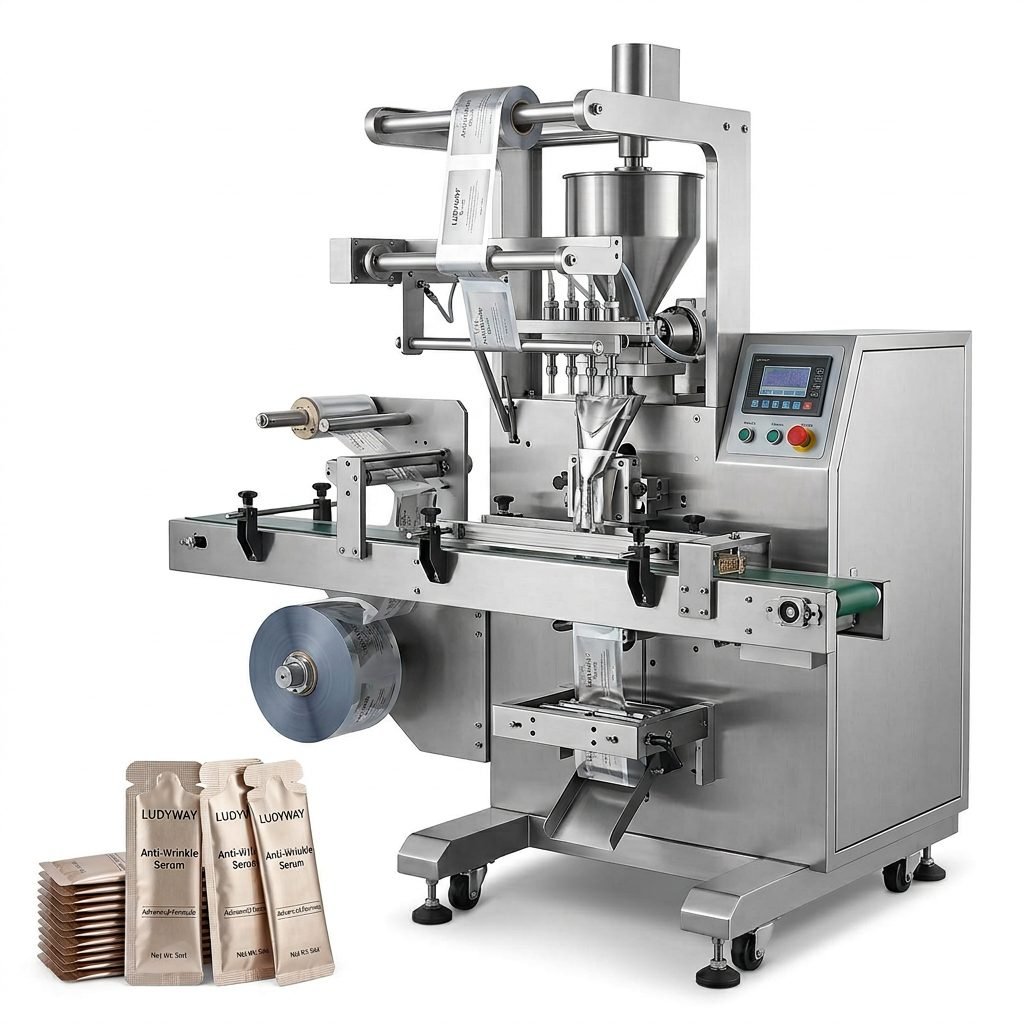
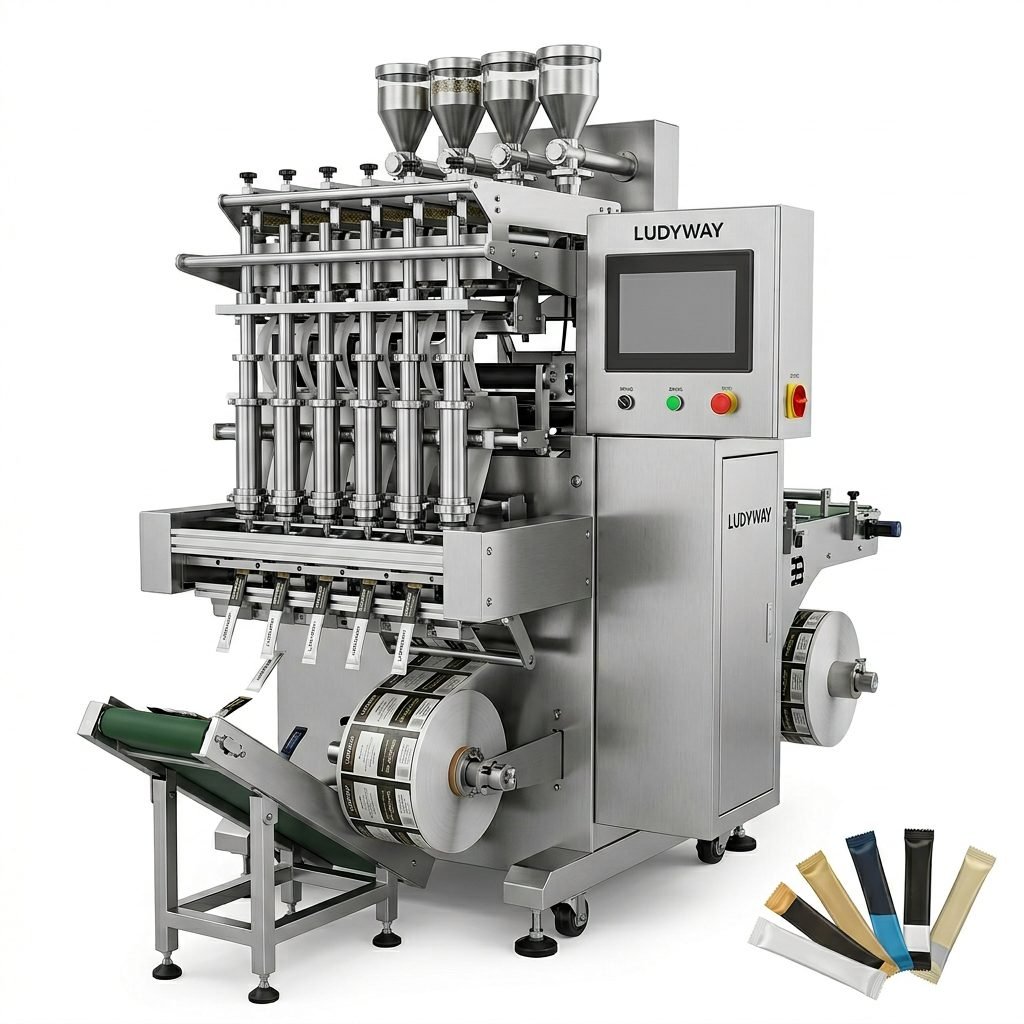
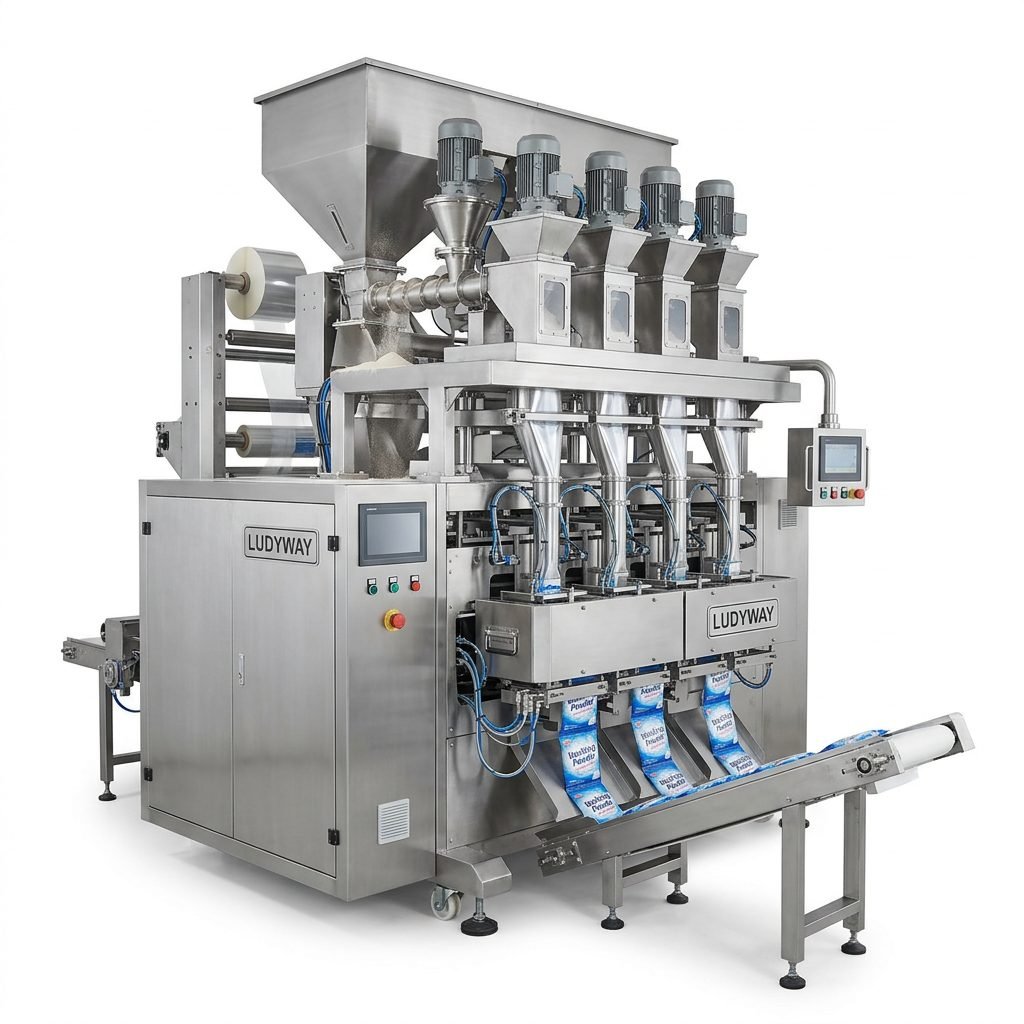
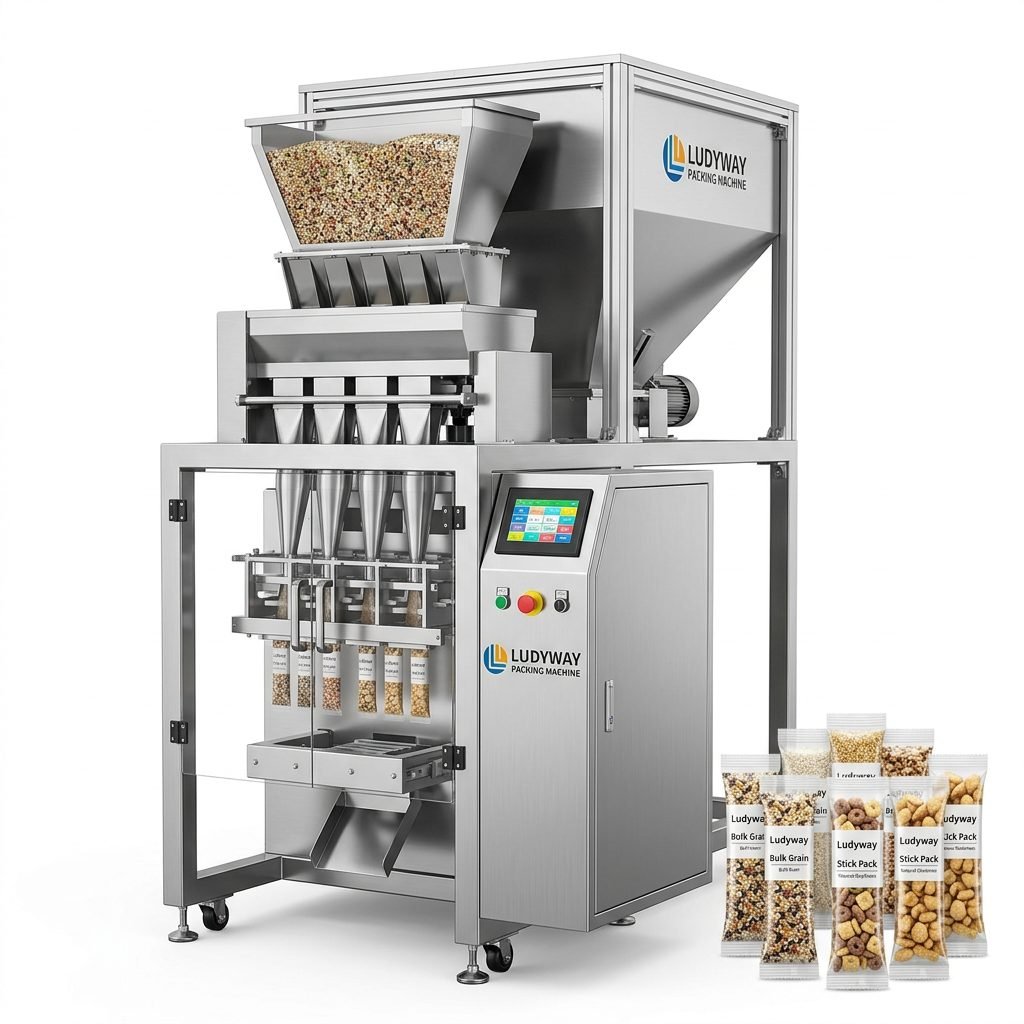
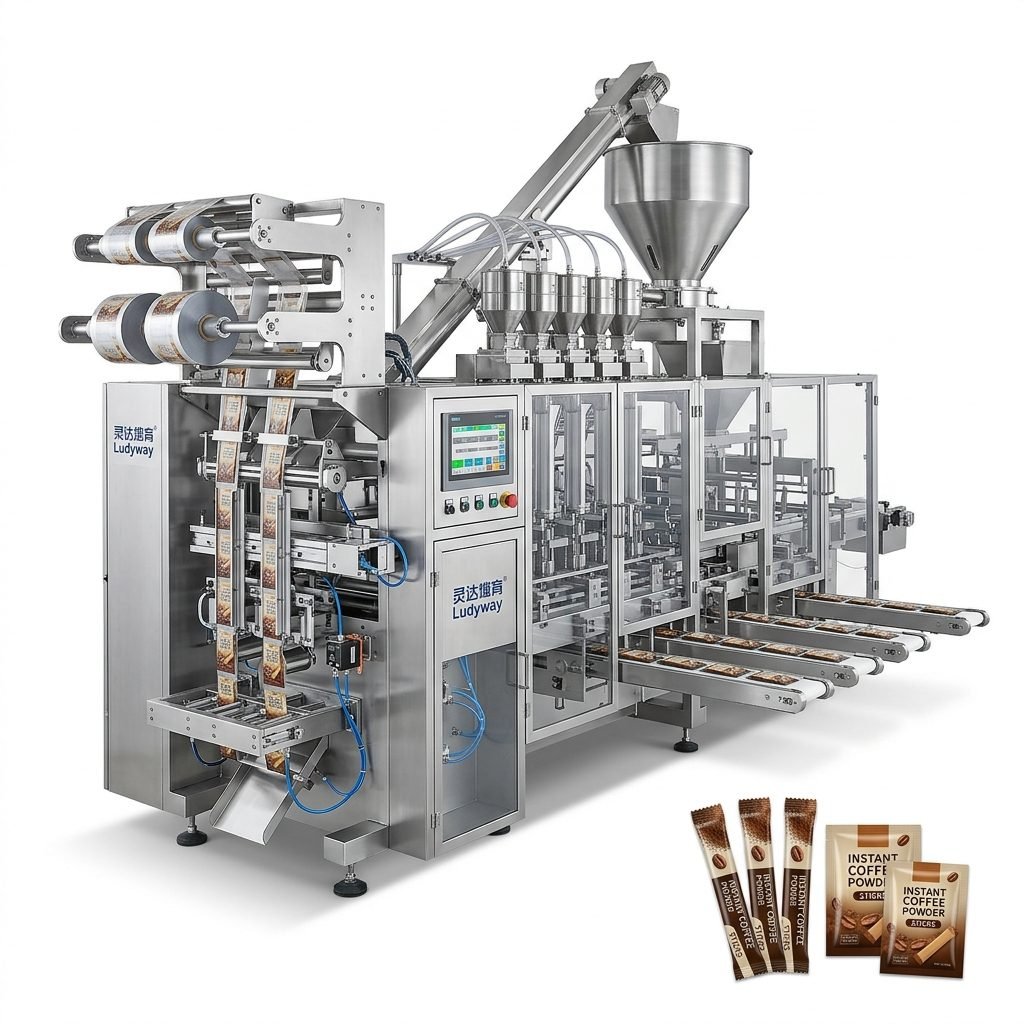
Investing in a liquid packaging machine is a significant decision for any production facility. The price of these machines can vary dramatically, from a few thousand dollars for basic models to several hundred thousand for fully automated, high-speed production lines. Understanding the factors that influence cost, the different types of machines available, and the key selection criteria is essential for making a smart investment that aligns with your budget and production goals. This guide will walk you through everything you need to know about liquid packaging machine pricing.
Key Factors Influencing Liquid Packaging Machine Price
The final price tag on a liquid packaging machine is not arbitrary. It is the sum of various technical, material, and functional components. Here are the primary cost drivers.
1. Level of Automation
This is the single most significant factor affecting price. Machines range from semi-automatic to fully automatic systems.
- Semi-Automatic Machines: Require manual intervention for tasks like filling, capping, or placing pouches. They are the most affordable option, ideal for low-volume production, startups, or pilot projects.
- Fully Automatic Machines: Handle the entire process—from container feeding and filling to sealing, capping, and labeling—with minimal human oversight. They command a higher price but offer superior speed, consistency, and labor savings.
2. Production Speed and Output Capacity
Speed, measured in containers or pouches per minute (CPM/PPM), directly correlates with cost. A machine rated for 60 bottles per minute will cost substantially less than one capable of 300 bottles per minute. High-speed machines require more robust motors, precision engineering, and advanced control systems.
3. Machine Construction and Materials
The build quality determines durability, hygiene, and longevity.
- Contact Parts Material: For food, pharmaceutical, or corrosive liquids, machines must use stainless steel (e.g., SS304, SS316). This increases cost compared to machines with carbon steel or plastic components.
- Frame and Build: A sturdy, welded steel frame ensures stability during high-speed operation but adds to the material and manufacturing cost.
4. Type of Filling Technology
The filling method must match your product’s viscosity (e.g., water, oil, syrup, paste, cream).
- Gravity Filler: Simple and cost-effective for free-flowing liquids.
- Piston Filler: Excellent for viscous products like sauces, creams, and pastes. More complex mechanism.
- Volumetric Filler: Uses pumps for consistent volume filling. Good for a wide viscosity range.
- Pressure Filler: Used for carbonated beverages. Requires pressurized systems.
Advanced filling systems with no-drip nozzles or weight-based feedback control add precision and cost.
5. Packaging Format and Container Type
Is the machine designed for bottles, pouches, bags, or cartons? A machine that handles pre-formed rigid containers (bottles, jars) has a different mechanism and price point than a form-fill-seal (FFS) machine that creates pouches from roll stock film. Versatility in handling different container shapes and sizes often requires customizable change parts, which increases the initial investment.
6. Additional Features and Integration
Add-ons and integration capabilities significantly impact the final price.
- Capping, Sealing, & Labeling Units: Integrated downstream modules create a complete line but add cost.
- Control System: A basic PLC panel is standard. A premium touchscreen HMI with recipe storage, production data tracking, and diagnostic tools is more expensive.
- Hygienic Design: CIP (Clean-in-Place) systems, easy-disassembly features, and sanitary finishes are critical for pharmaceutical or dairy applications and add to the cost.
Types of Liquid Packaging Machines and Their Price Range
Understanding the machine categories will help you narrow down your options based on your primary packaging format.
1. Bottle Liquid Fillers
These are the most common type, used for filling liquids into pre-made plastic, glass, or metal containers.
- Inline Fillers: Containers move in a straight line under stationary filling nozzles. Good for moderate speeds. Price Range: $10,000 – $50,000+.
- Rotary Fillers: Containers rotate on a carousel, allowing simultaneous filling at multiple stations for very high speeds. Price Range: $50,000 – $300,000+.
2. Pouch Packaging Machines (Form-Fill-Seal)
These machines form pouches from a roll of film, fill them with liquid, and then seal them. Ideal for single-serve condiments, dairy products, and liquid supplements.
- Vertical FFS (VFFS): Creates pouches that are filled vertically. Compact and common. Price Range: $20,000 – $100,000.
- Horizontal FFS (HFFS): Often used for more complex pouch shapes with spouts or stand-up features. Price Range: $80,000 – $250,000+.
3. Aseptic Liquid Packaging Machines
These are specialized, high-end systems that sterilize both the product and packaging material separately before filling in a sterile environment. Used for milk, juices, and pharmaceutical liquids to achieve long shelf life without refrigeration. Price Range: $200,000 – $1,000,000+ for a complete line.
How to Choose the Right Liquid Packaging Machine: A Step-by-Step Guide
Selecting the right machine involves more than just comparing price lists. Follow this framework to make an informed decision.
Step 1: Define Your Product and Production Requirements
Start with the basics: What are you filling? What is its viscosity, acidity, and particulate content? Determine your required output (units per shift/day/year). Be realistic about your growth projections to avoid under- or over-investing.
Step 2: Determine Your Packaging Format
Your market and product dictate the package. Will you use bottles, pouches, or cartons? Consider container material, size range, and closure type (screw cap, snap lid, foil seal). The machine must be compatible with your chosen format.
Step 3: Evaluate Automation Needs
Analyze your labor costs, available space, and desired consistency. A fully automatic machine has a higher upfront cost but lower long-term operational cost per unit. For a deep dive into automation benefits, you can explore resources on automated packaging solutions.
Step 4: Assess Key Machine Specifications
Scrutinize the technical details: filling accuracy (±1% or better is often needed), speed, changeover time between products, and material compatibility. Request a product sample test from the supplier to verify performance.
Step 5: Consider Total Cost of Ownership (TCO)
Look beyond the purchase price. Factor in installation, training, maintenance, spare parts cost, energy consumption, and potential downtime. A slightly more expensive, reliable machine from a reputable brand like Ludyway Packing Machine often has a lower TCO than a cheap, unreliable one.
Step 6: Research and Vet Suppliers
Choose a supplier with a proven track record. Review their company history and experience in your specific industry. Ask for customer references, visit their facility if possible, and evaluate their after-sales service and technical support network. A partner who understands your long-term needs is invaluable.
Frequently Asked Questions (FAQs)
1. What is the typical price range for a small-scale liquid filling machine?
For a small-scale, semi-automatic single-head piston or gravity filler suitable for a startup or lab, prices can start from $3,000 to $15,000. A basic automatic monoblock (filler + capper) might range from $20,000 to $50,000.
2. Can one machine handle different liquid viscosities and container sizes?
Many machines are designed with some flexibility. However, switching between vastly different products (e.g., water to thick paste) usually requires changing the filling pump or cylinder. Switching container sizes involves changing parts like nozzles, guides, and lifting platforms. Quick-changeover systems are available but add to the cost.
3. How important is after-sales service when purchasing a machine?
It is critically important. Even the best machines require maintenance, spare parts, and occasional troubleshooting. A supplier with a strong global service network, readily available spare parts, and responsive technical support is essential to minimize production downtime and protect your investment.
4. What are the hidden costs I should budget for?
Beyond the machine price, budget for shipping and installation, possible facility modifications (electrical, compressed air, flooring), operator training, initial spare parts kit, and any necessary ancillary equipment (like air compressors, water treatment systems, or conveyor extensions).
5. Is buying a used liquid packaging machine a good idea?
It can be a cost-effective option, especially for established businesses with in-house maintenance teams. However, it carries risks: unknown maintenance history, potential obsolescence, lack of warranty, and difficulty sourcing spare parts. Always inspect the machine in person or via detailed video, and prioritize sellers who offer some form of guarantee.