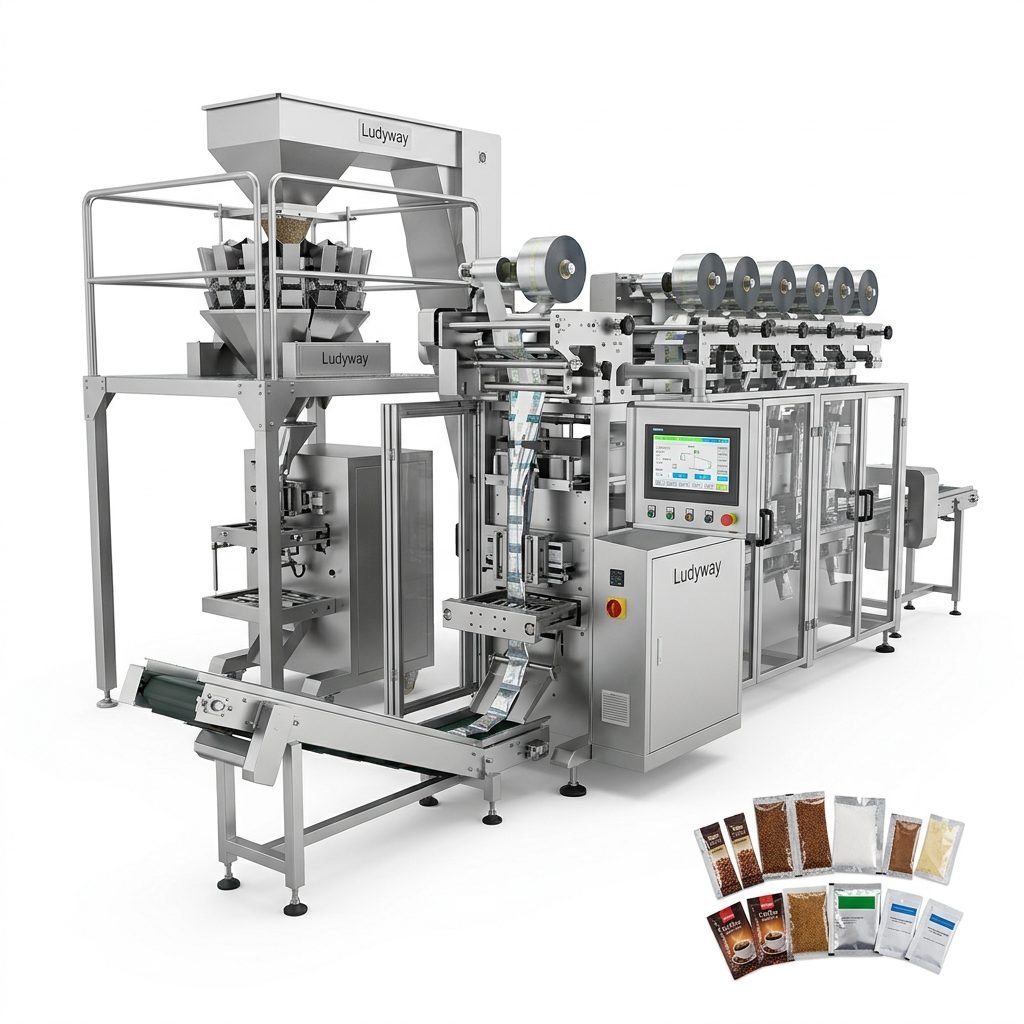
The pharmaceutical and medical industries demand packaging solutions that prioritize precision, sterility, and reliability. Automatic packaging machines have become indispensable in these sectors, ensuring product integrity, compliance with stringent regulations, and operational efficiency.
Critical Requirements for Medical Packaging
Medical and pharmaceutical packaging must adhere to rigorous standards. Machines must operate in controlled environments, often requiring cleanroom compatibility. The prevention of contamination is paramount, necessitating designs that minimize particle generation and allow for easy sterilization. Packaging materials themselves must meet specific barriers—against moisture, oxygen, and light—to preserve sensitive formulations.
➤ Key Feature: Traceability and Serialization are increasingly mandated. Advanced machines integrate vision systems and coding units to print unique identifiers, lot numbers, and expiry dates on every unit, supporting anti-counterfeiting and recall protocols.
Primary Machine Types and Applications
Different product forms require specialized automation:
Blister Packaging Machines
Used extensively for tablets, capsules, and lozenges. These machines form a cavity (blister) from a thermoplastic film, insert the product, and seal it with a lidding material (often foil). They offer high-speed, precise counting and placement, crucial for unit-dose packaging.
Sachet & Stick Pack Machines
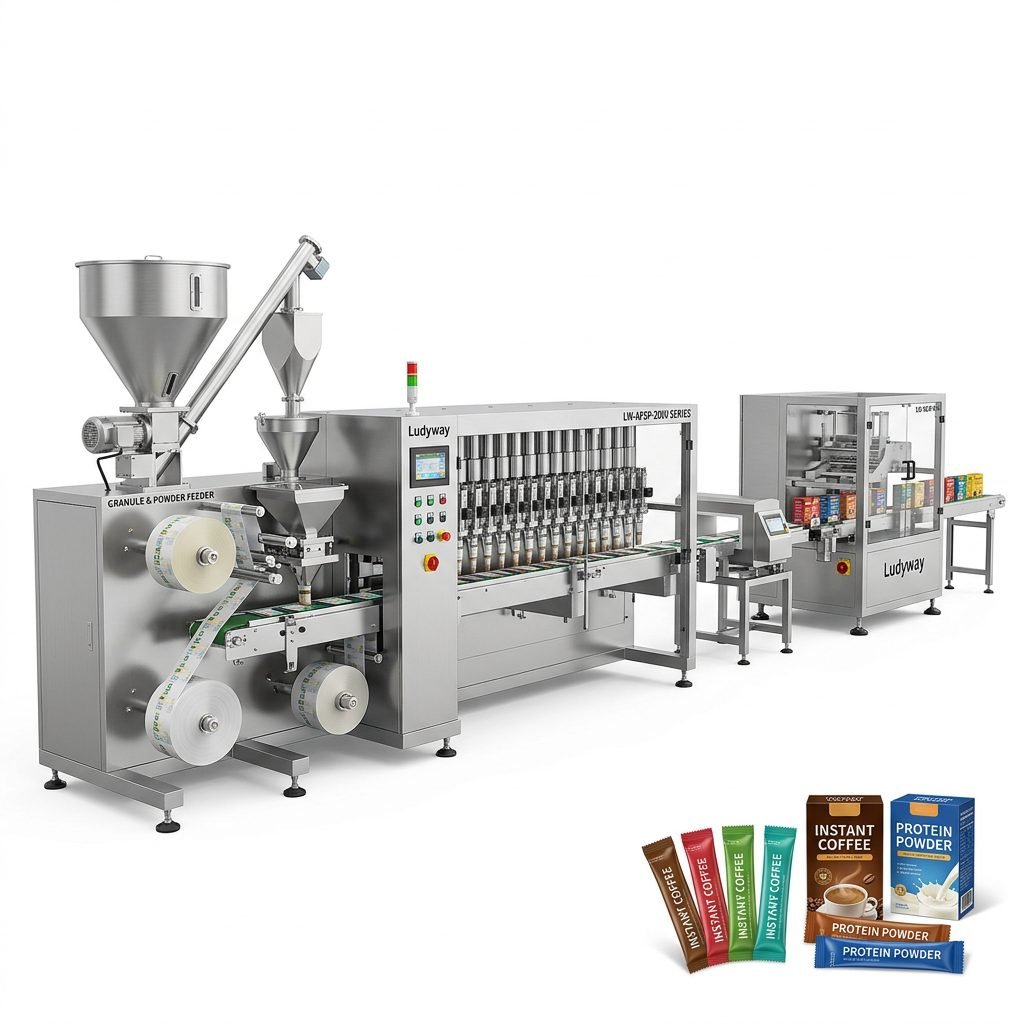
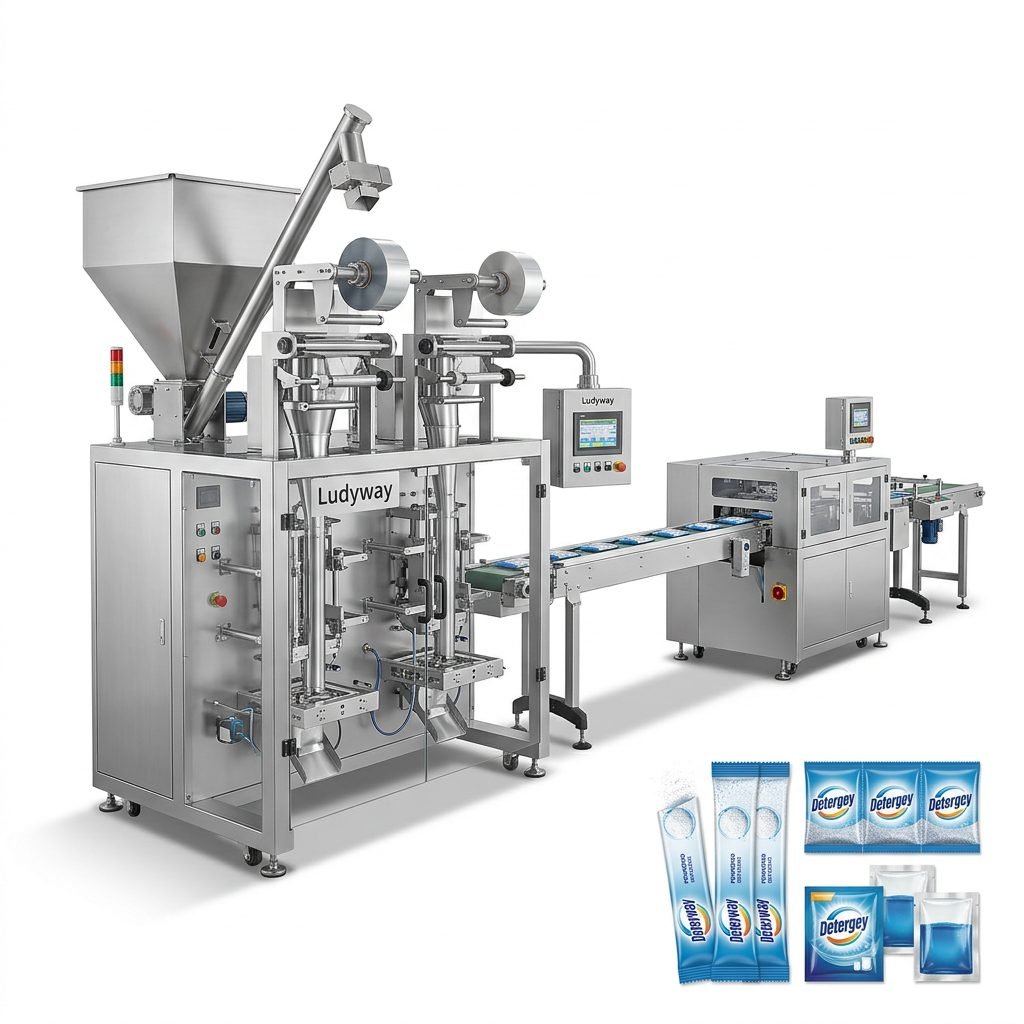
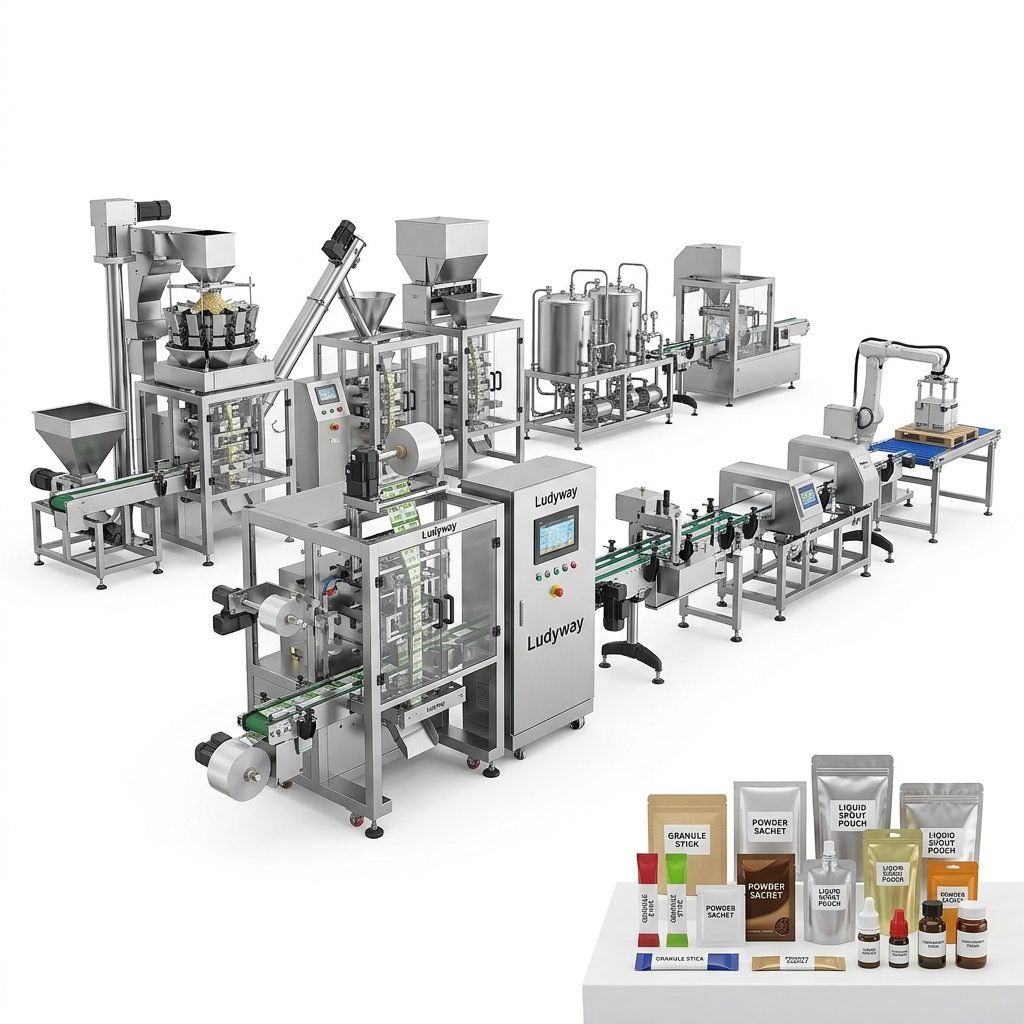
Ideal for powders, granules, and liquids—common formats for single-dose antibiotics, electrolytes, or topical ointments. They provide a hermetic seal, excellent barrier properties, and compact, patient-friendly presentation. Learn more about sachet packaging solutions.
Ampoule, Vial, and Syringe Fillers
These are highly specialized machines for liquid and lyophilized injectable products. They perform washing, sterilizing, filling, and sealing under aseptic conditions. Accuracy in fill volume is critical, often measured in microliters.
Operational Efficiency: Automation reduces human intervention, lowering the risk of human error and contamination. It also significantly increases output speed, meeting the scale of global healthcare demands.
Integration with Regulatory Compliance
Machines must support compliance with regulations like FDA cGMP, EU GMP, and WHO guidelines. Features include:
- Detailed and immutable electronic batch records.
- Validation-ready design with comprehensive documentation.
- Materials compatible with sterilization methods (e.g., autoclaving, chemical wipe-down).
Choosing a supplier with deep industry experience is vital. Explore our pharmaceutical packaging expertise.
The Role of Advanced Technology
Modern machines incorporate Industry 4.0 principles. IoT sensors monitor machine health and predict maintenance needs. AI-driven vision inspection systems detect packaging defects—seal integrity, incorrect labeling, or missing products—with superior accuracy. These technologies ensure consistent quality and reduce waste.
➤ Trend: Flexibility and Modularity are key. Machines that can quickly switch between different product formats (e.g., from sachets to sticks) or package sizes allow manufacturers to respond agilely to market changes and clinical trial requirements.
Ultimately, automatic packaging in the medical field is about more than efficiency; it’s a cornerstone of patient safety. By ensuring that every dose is protected, identifiable, and delivered in a sterile condition, these machines play a direct role in positive therapeutic outcomes.
FAQs: Automatic Packaging for Medical Applications
What are the most important features to look for in a medical packaging machine?
The foremost features are cleanroom compatibility, the ability to integrate with serialization/traceability systems, validation support (with full documentation), and precision in handling and filling. Material compatibility for sterilization is also essential.
Can the same machine package different types of medical products?
Yes, many modern machines are designed with modularity. By changing tooling (forming molds, filling heads) and adjusting software parameters, a machine can often handle different formats, such as switching from blister packaging to sachet packaging, provided the core technology supports both.
How do automatic machines help with regulatory compliance?
They provide controlled, reproducible processes that minimize variability. They generate electronic data for batch records, support accurate labeling, and often include integrated inspection systems to document quality checks automatically, all of which are required for cGMP compliance.
What is the significance of barrier properties in medical packaging?
Barrier properties protect the product from environmental factors that can cause degradation. For pharmaceuticals, this often means protection from moisture, oxygen, and light. The packaging machine must work seamlessly with materials that provide these barriers without compromising sealing integrity.
Where can I find reliable suppliers for such specialized equipment?
Look for suppliers with proven experience in the pharmaceutical sector, a portfolio of validated machines, and a strong service and support network. Global suppliers with extensive project histories are often a reliable choice.