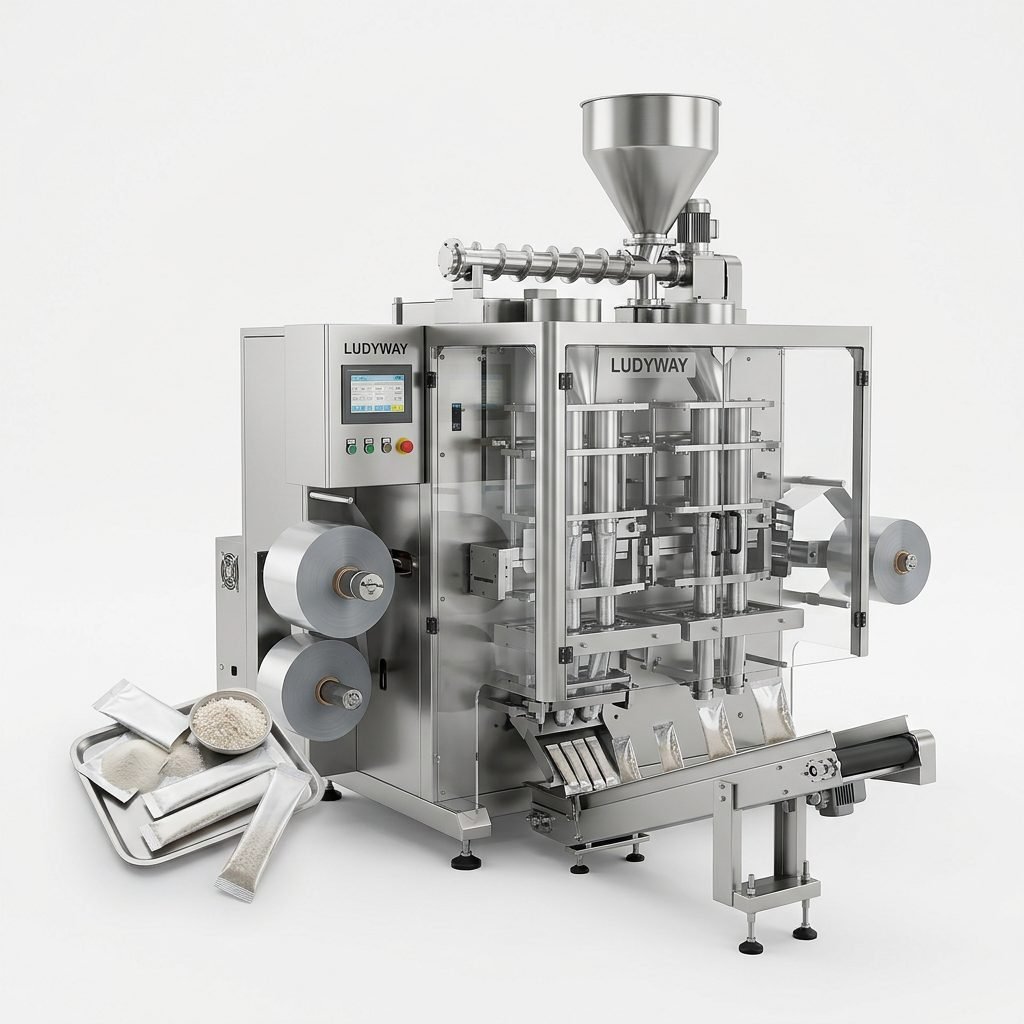
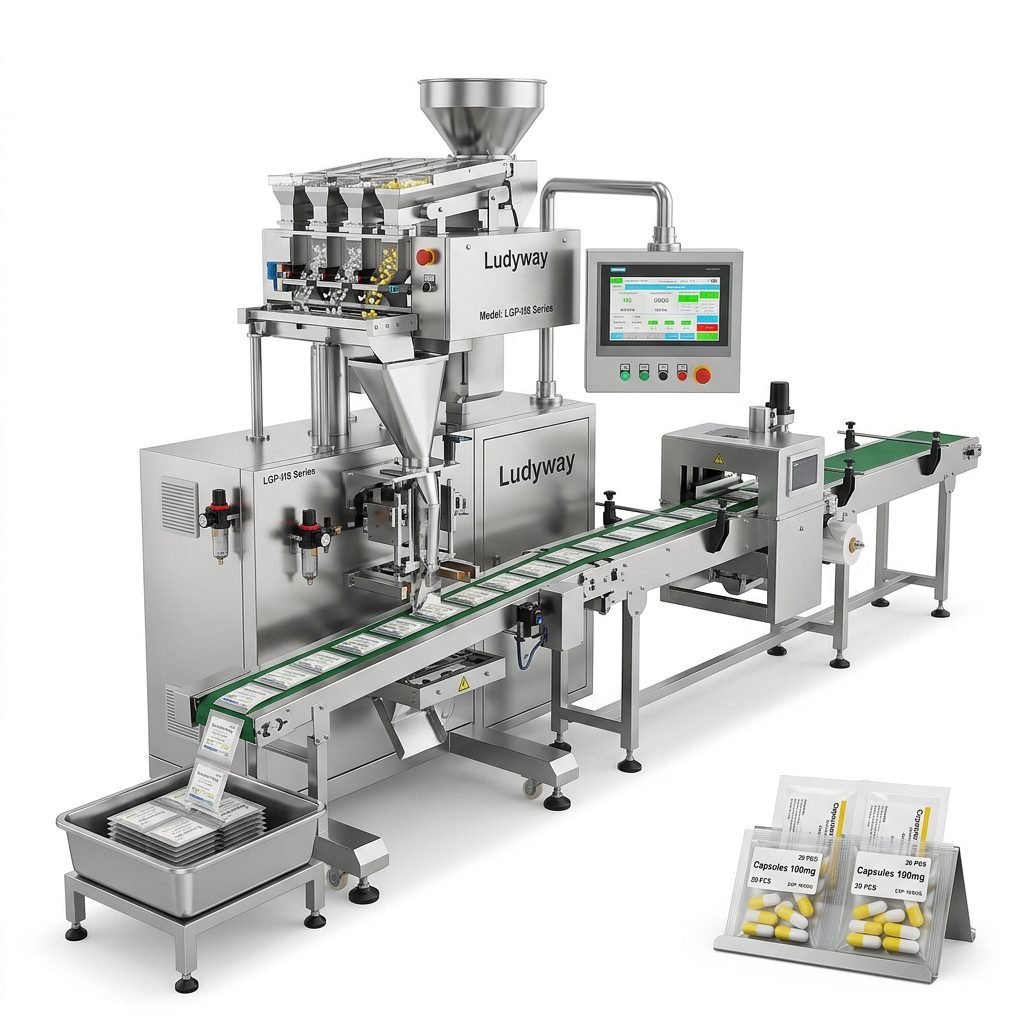
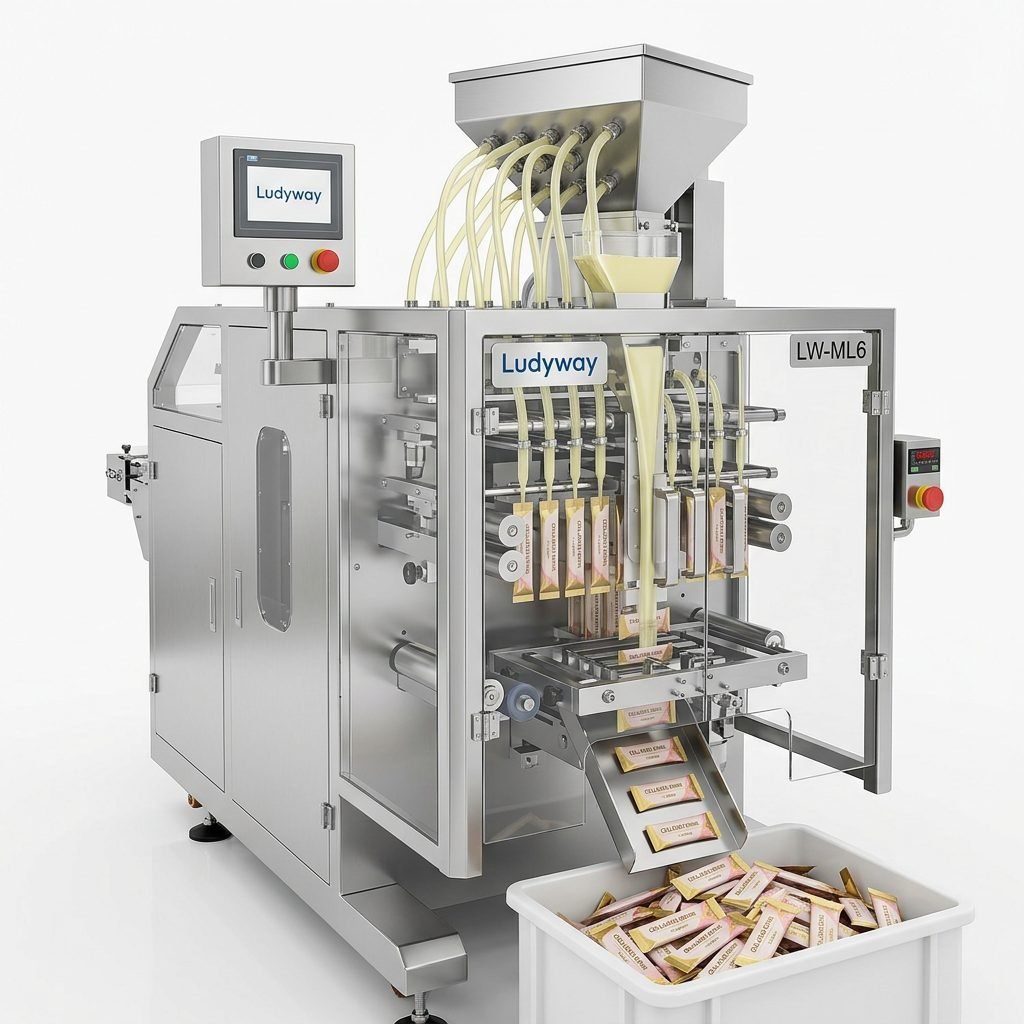
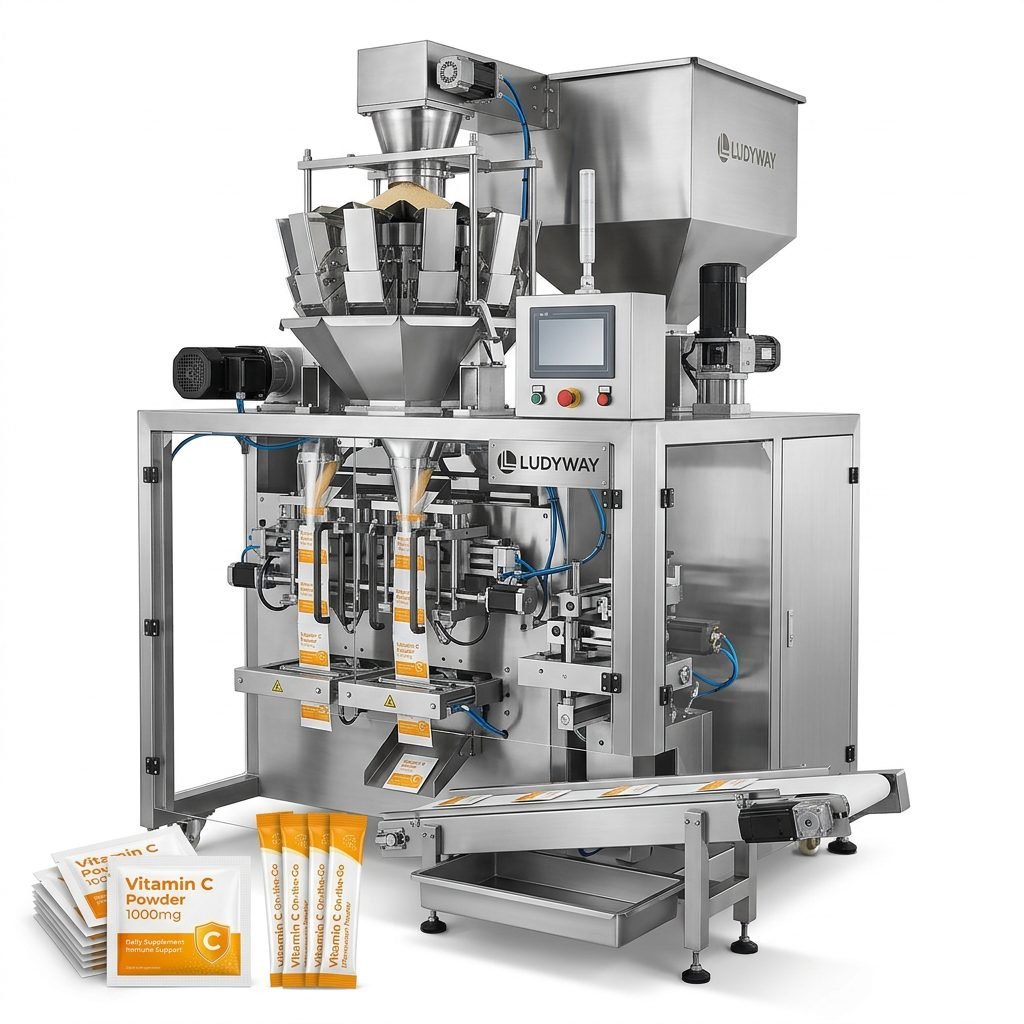
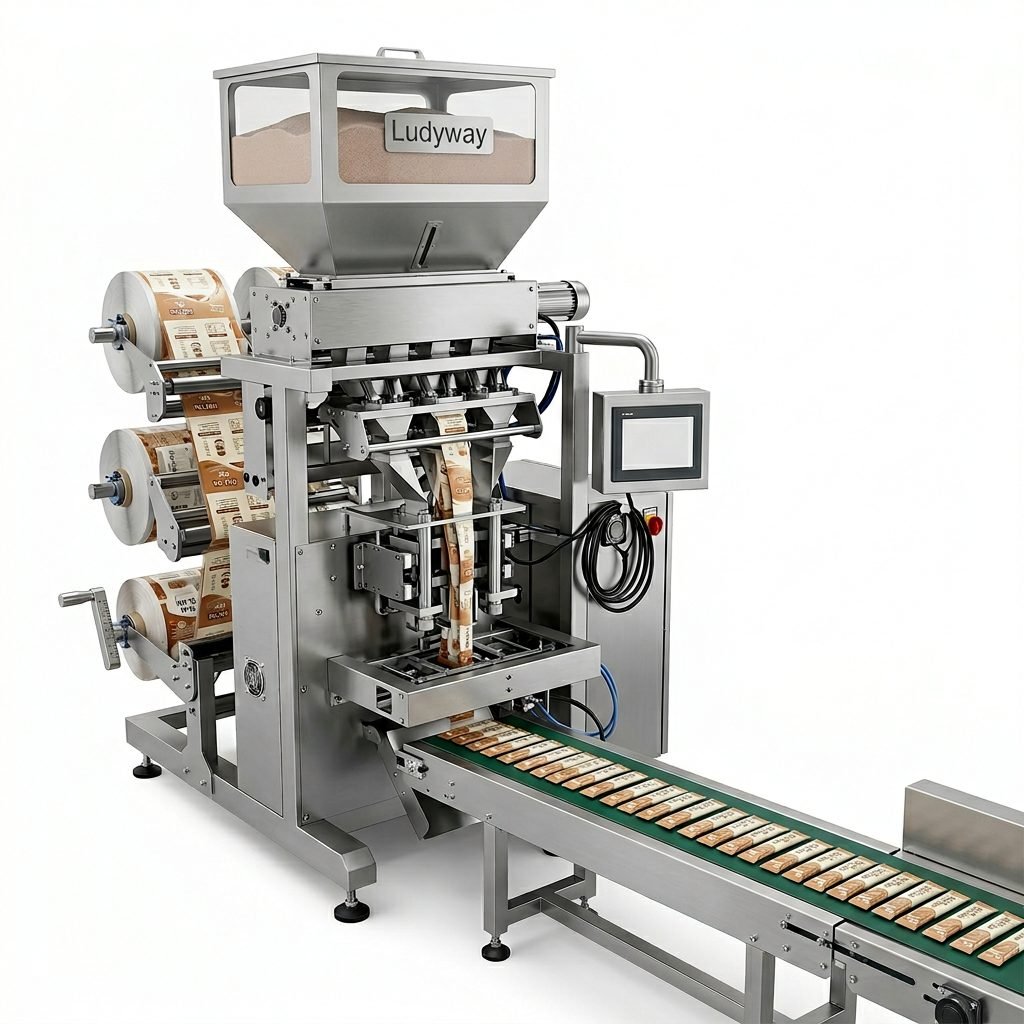
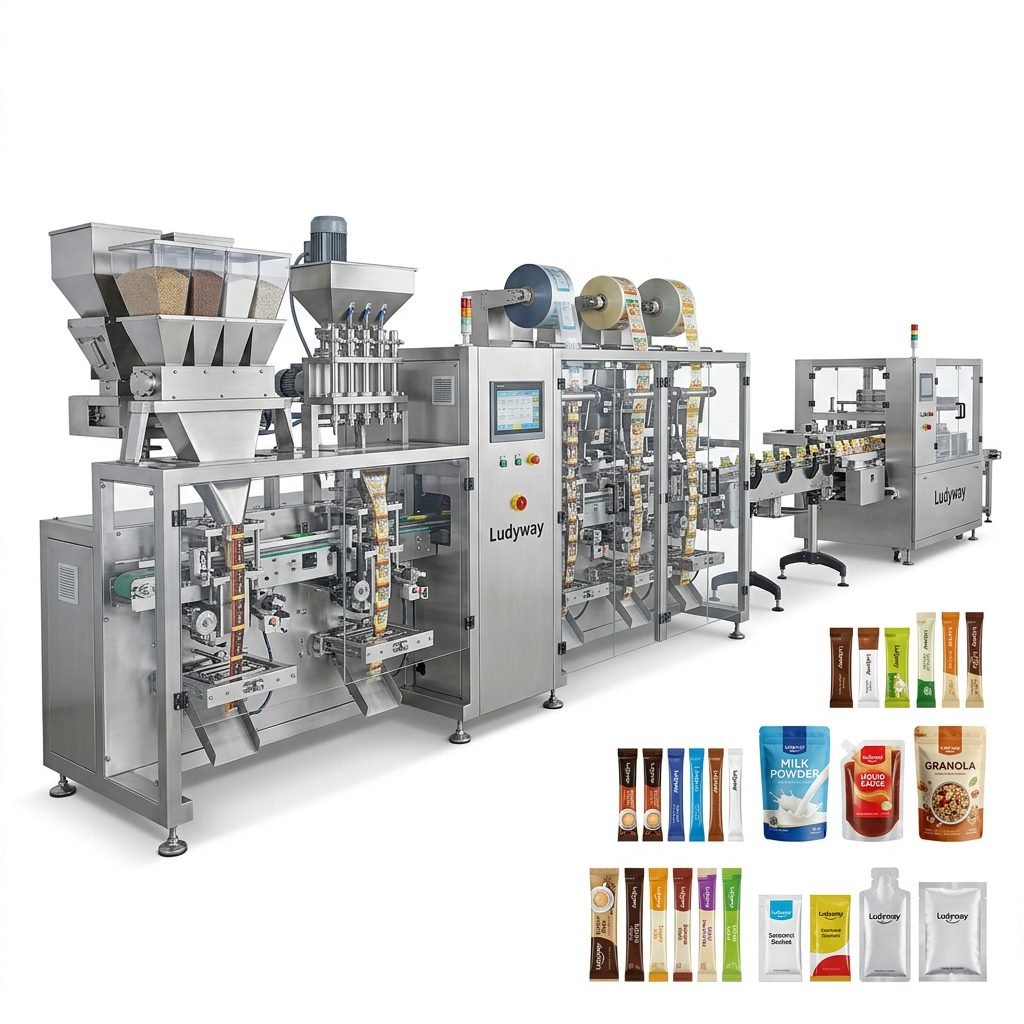
Maintaining a 1 kg flour packing machine in peak condition is not just about extending its lifespan—it’s about safeguarding product quality, ensuring accurate weights, and preventing costly downtime. Flour dust is highly invasive, hygroscopic, and can quickly degrade mechanical components if not managed properly. This comprehensive guide outlines the essential cleaning and maintenance routines every operator and plant manager should follow to keep their equipment running smoothly and efficiently.
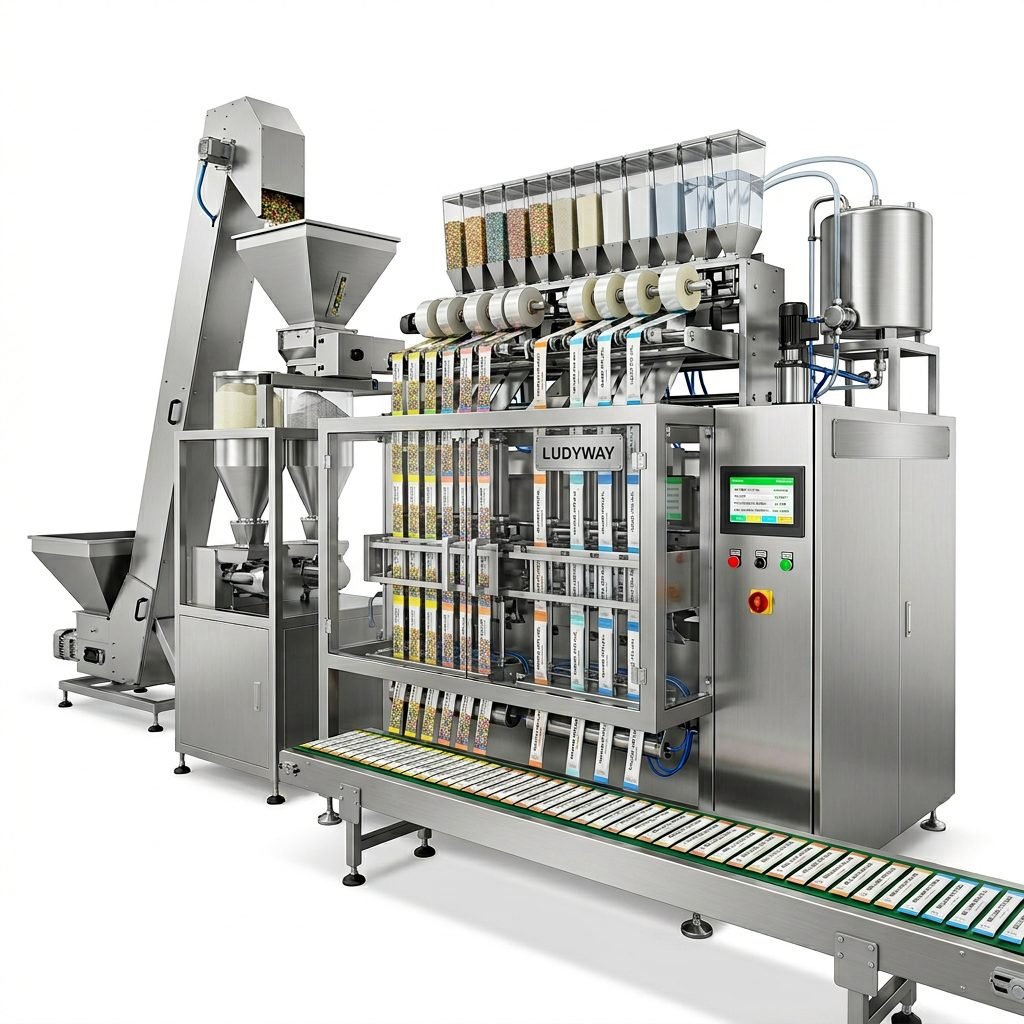
Understanding Why 1 Kg Flour Packing Machine Maintenance Matters
Flour packaging equipment operates in a demanding environment. Fine particles accumulate on sensors, clog filters, and abrade moving parts. A neglected 1 kg flour packing machine can lead to inaccurate fills, seal failures, and even motor burnouts. Regular preventive maintenance is the most cost-effective strategy to avoid these issues. By implementing a structured care program, you protect your investment and maintain consistent throughput.
Key Areas Affected by Flour Dust Accumulation
- Weighing sensors and load cells: Dust buildup causes calibration drift and inaccurate portioning.
- Sealing jaws and heating elements: Residue interferes with heat transfer, resulting in weak or leaky seals.
- Pneumatic cylinders and actuators: Abrasive flour accelerates wear on seals and bearings.
- Electrical panels and control boards: Conductive dust increases the risk of short circuits.
- Film feeding and forming tubes: Friction caused by dust leads to film tracking errors and wrinkles.
Daily Cleaning Procedures for Your Flour Packing Machine
Daily cleaning is non-negotiable when handling fine powders like flour. A consistent end-of-shift routine prevents cross-contamination and keeps the 1 kg flour packing machine ready for the next production run. Always disconnect power and follow lockout-tagout procedures before any cleaning activity.
Step-by-Step Daily Cleaning Checklist
- Blow down loose flour: Use a low-pressure compressed air gun to remove surface dust from the machine frame, forming tube, and sealing area. Avoid directing air into sensitive bearings or electronic enclosures.
- Wipe down all contact surfaces: Dampen a lint-free cloth with a mild, food-safe cleaning solution and wipe the weighing pan, discharge chute, and film path components.
- Clean the sealing jaws: Remove any carbonized flour residue from the horizontal and vertical sealing jaws using a soft brass brush or a non-abrasive scouring pad. Burnt-on flour insulates the heating elements and compromises seal integrity.
- Inspect and clean the photoelectric sensor: The film registration sensor must be kept free of dust to maintain accurate bag length control. Gently wipe the sensor lens with a dry microfiber cloth.
- Empty the dust collection tray: Most machines have a tray or vacuum port beneath the filling station. Empty and clean this to prevent overflow.
- Check the hopper level sensor: Wipe the level sensor probe to ensure accurate material detection and prevent feed interruptions.
Weekly Preventive Maintenance Tasks
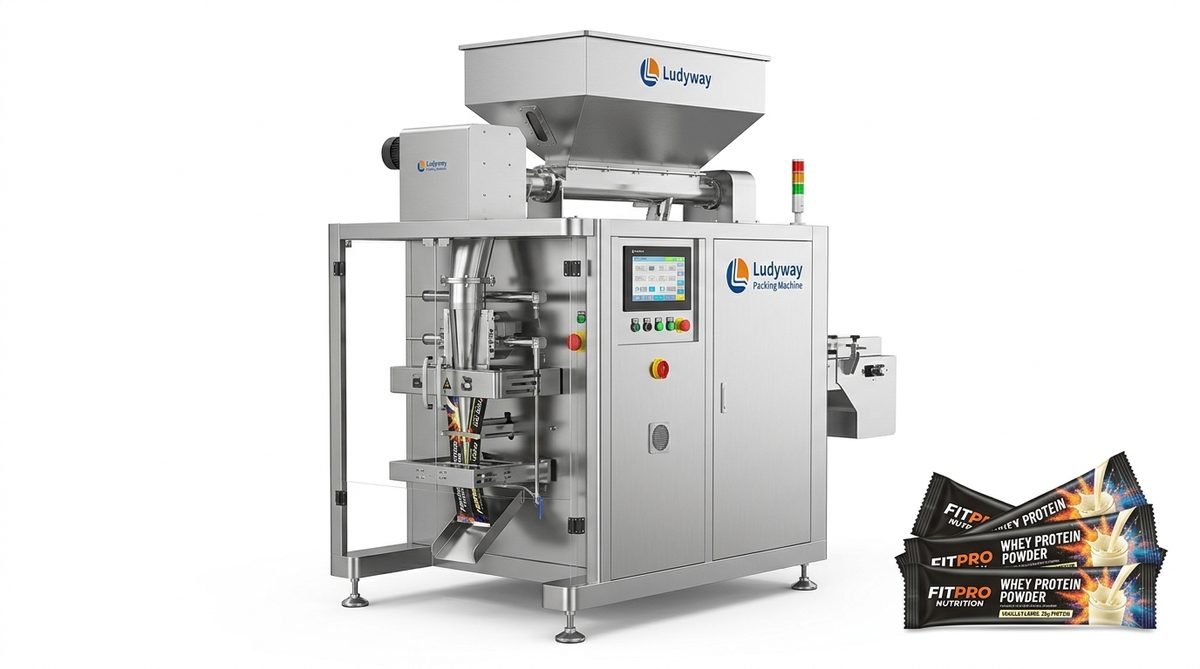
While daily cleaning addresses surface contamination, weekly maintenance dives deeper into the mechanical and electrical systems. These tasks help identify wear patterns before they become failures. A well-maintained 1 kg flour packing machine should display consistent powder filling accuracy with minimal drift.
Mechanical System Checks
- Inspect all timing belts for tension and signs of cracking. Flour dust can accelerate rubber degradation.
- Lubricate linear guide rails and ball screws with food-grade grease. Wipe away any excess lubricant that could trap dust.
- Verify the alignment of the film forming collar and the filling tube to prevent film stretching.
- Check the condition of the Teflon tape or coating on sealing jaws and replace if peeling.
- Tighten any loose fasteners, especially on the film unwind assembly and the cutting knife mechanism.
Electrical and Sensor Verification
- Test the emergency stop button functionality to ensure operator safety.
- Verify that the temperature controller maintains setpoint within a ±2°C tolerance band.
- Check all indicator lights and the touchscreen display for responsiveness.
- Inspect wiring harnesses for signs of abrasion or rodent damage, especially in dusty environments.
Monthly Deep Maintenance Schedule
Monthly maintenance on a 1 kg flour packing machine involves more extensive disassembly and inspection of critical subsystems. This is also the ideal time to review production data for any declining performance trends.
| Component | Maintenance Action | Frequency Indicator |
|---|---|---|
| Load Cell / Weighing Module | Deep clean the weighing pan, perform calibration with certified test weights, and check for hysteresis. | Drift exceeding ±1 gram per cycle |
| Pneumatic Air System | Drain water from the air filter/regulator, clean the filter element, and inspect all pneumatic tubing for leaks. | Visible moisture or pressure fluctuation |
| Film Unwind and Tension Assembly | Clean the tension rollers, check the brake pads for wear, and align the film path. | Film tracking errors or inconsistent unwinding |
| Cutting Knife System | Sharpen or replace the cutting blade, clean the knife slots, and verify cut timing. | Jagged or incomplete bag cuts |
| Vacuum System (if equipped) | Clean or replace vacuum pump filters and check suction lines for blockages. | Reduced dust extraction efficiency |
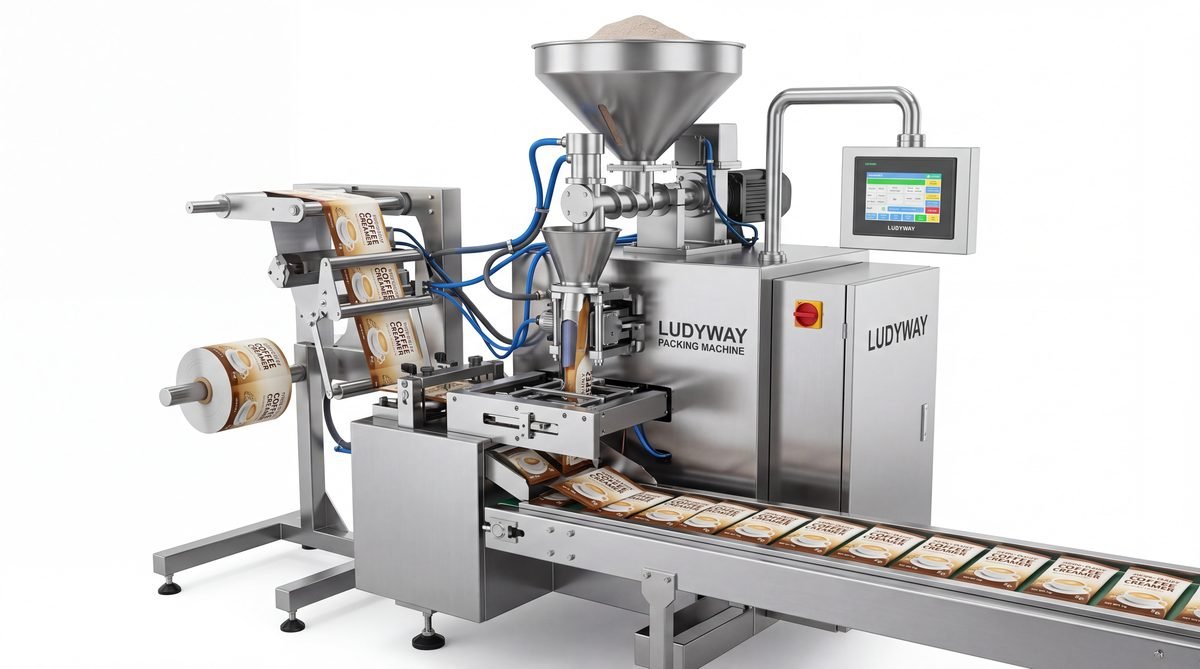
Common Troubleshooting Scenarios
Even with rigorous maintenance, occasional operational hiccups occur. The table below lists frequent issues encountered on a 1 kg flour packing machine and their likely root causes. Always consult your equipment manual before attempting any corrective action.
| Problem | Possible Cause | Suggested Solution |
|---|---|---|
| Inconsistent Fill Weight | Dust on load cell, worn auger screw, or material bridging in hopper | Clean load cell thoroughly, inspect auger profile, and check hopper agitator function. |
| Weak or Leaking Seals | Flour contamination on seal surface, insufficient temperature, or worn Teflon tape | Clean jaws, increase sealing temperature slightly, and replace protective tape. |
| Film Misalignment / Wandering | Dirty forming collar, misaligned rollers, or incorrect tension | Wipe forming tube, realign film path rollers, and adjust tension settings. |
| Excessive Motor Noise | Dry bearings, loose pulley, or overloaded drive system | Lubricate bearings, tighten set screws, and reduce filling speed if necessary. |
| Bag Length Variation | Dirty photoelectric sensor or slipping film feed belt | Clean sensor lens with microfiber cloth and check belt tension. |
Lubrication Best Practices for Flour Packaging Equipment
Proper lubrication is critical for the longevity of any 1 kg flour packing machine. However, in flour environments, incorrect lubrication actually attracts dust and creates abrasive paste. Follow these guidelines to lubricate effectively without creating additional problems.
- Use only food-grade H1 lubricants specifically designed for incidental food contact applications.
- Apply lubricant sparingly—excess grease extrudes from bearing housings and captures flour dust.
- Wipe away any visible excess lubricant immediately after application.
- Maintain a lubrication log sheet to track greasing intervals for each bearing point.
- Consider sealed-for-life bearings where possible to eliminate the need for frequent lubrication in dusty zones.
- Check the gearbox oil level monthly and replace annually or per manufacturer recommendations.
Seasonal and Shutdown Maintenance Considerations
Extended shutdown periods or seasonal humidity changes require specific preparation for your 1 kg flour packing machine. Flour is hygroscopic, meaning it absorbs moisture from the air, which can cause caking and microbial growth inside the machine if not properly cleaned before a shutdown.
Pre-Shutdown Preparation
- Run the hopper completely empty and thoroughly clean the entire product contact path.
- Remove all flour residue from crevices and joints where moisture could cause corrosion.
- Apply a light protective coating of food-grade anti-rust spray to bare metal surfaces.
- Disconnect air supply and drain all moisture from pneumatic lines and reservoirs.
- Cover the machine with a breathable dust cover, not plastic sheeting which traps humidity.
Post-Shutdown Restart Protocol
- Remove the dust cover and inspect the machine for any signs of pest infestation or corrosion.
- Reconnect air supply and check for leaks in pneumatic seals that may have dried out.
- Run a dry cycle with empty film to verify sealing jaw temperature stability and film tracking.
- Perform a full weighing calibration with certified test weights before production.
- Run a small test batch and verify fill weights against your quality control standards.
Advanced Sensor Calibration and Diagnostic Routines
Modern powder packing machines rely on multiple sensors working in harmony. A slight deviation in any sensor can cascade into significant quality issues. The 1 kg flour packing machine benefits from quarterly sensor verification using calibrated instruments rather than relying solely on the machine’s auto-diagnostic features.
| Sensor Type | Verification Method | Acceptable Tolerance |
|---|---|---|
| Thermocouple (Sealing Temperature) | Compare reading with a calibrated external probe thermometer | ±3°C from setpoint |
| Proximity Sensor (Cycle Counting) | Manually actuate and verify signal on the PLC input indicator | Immediate response, no flickering |
| Photoelectric Eye (Film Registration) | Pass a test film with registration marks and verify detection consistency | 100% detection rate at operating speed |
When to Call Professional Maintenance Support
While in-house teams can handle routine care, certain situations demand professional intervention. If you experience recurring technical issues that resist troubleshooting, or if the machine requires a major overhaul, it is wise to engage experienced service engineers. Companies like Ludyway, one of the largest packaging machine manufacturers with over 30 years of industry expertise, provide comprehensive after-sales support including remote diagnostics, on-site servicing, and genuine spare parts supply to keep machines running at optimal performance.
Remember: A well-maintained 1 kg flour packing machine not only produces better quality packages but also operates with lower energy consumption, fewer unexpected stoppages, and a significantly longer service life. Implementing the cleaning schedules, inspection routines, and calibration checks outlined in this guide will help your production line achieve consistent results shift after shift.