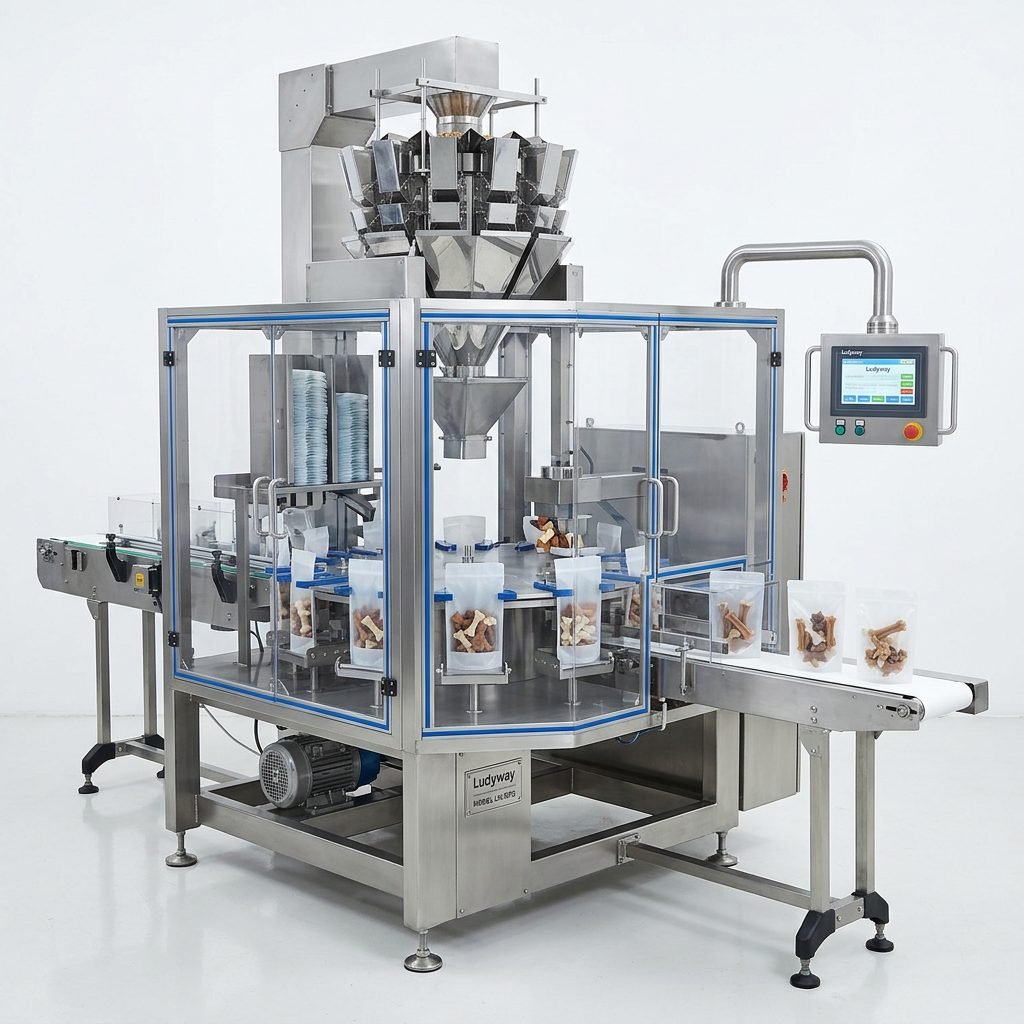
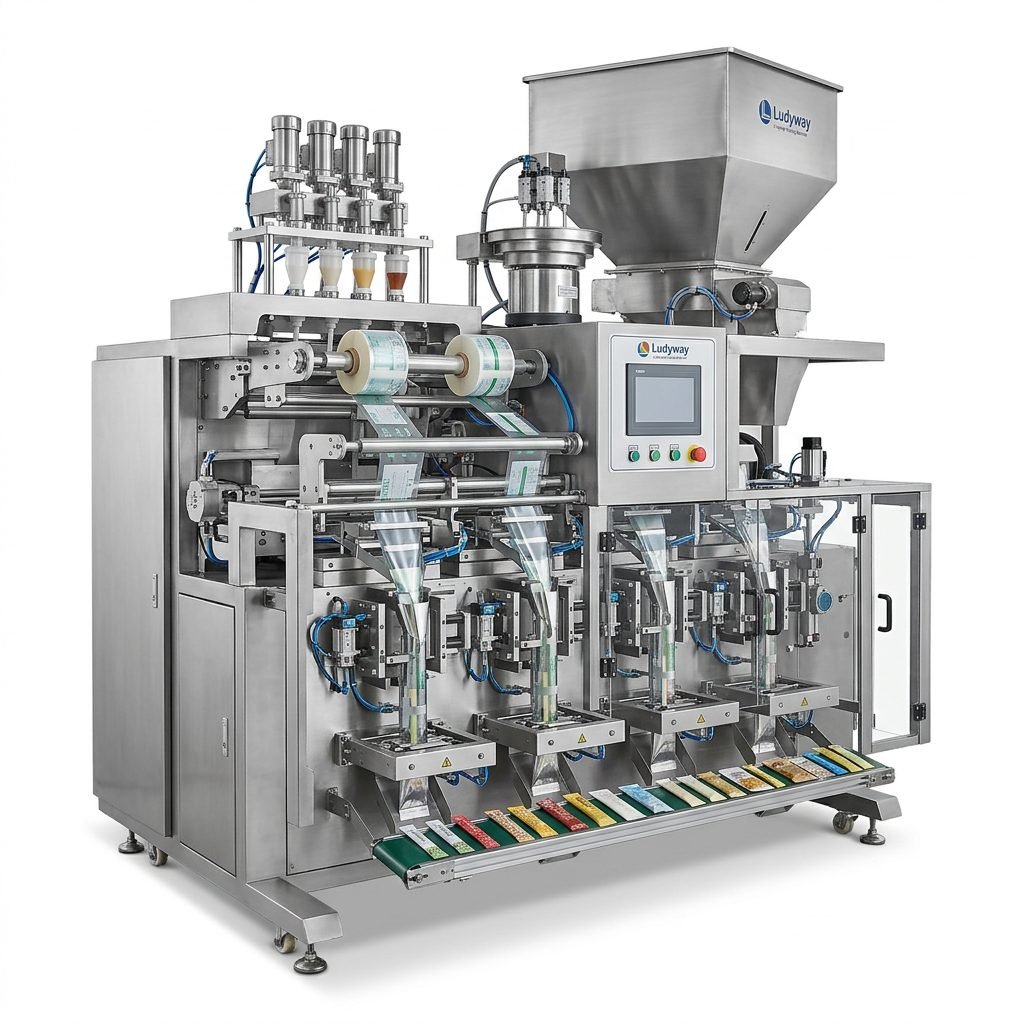
In pallet logistics, load stability is not just about appearance—it directly affects transport safety, storage efficiency, film consumption, and product protection. A stretch hood packaging machine is designed to place an elastic tubular film over a palletized load, creating a tight, weather-resistant, and highly stable package without the need for heat shrinking.
For manufacturers, warehouses, and distribution centers handling bagged goods, cartons, building materials, chemicals, food ingredients, or bottled products, this technology has become a preferred option for high-throughput end-of-line packaging.
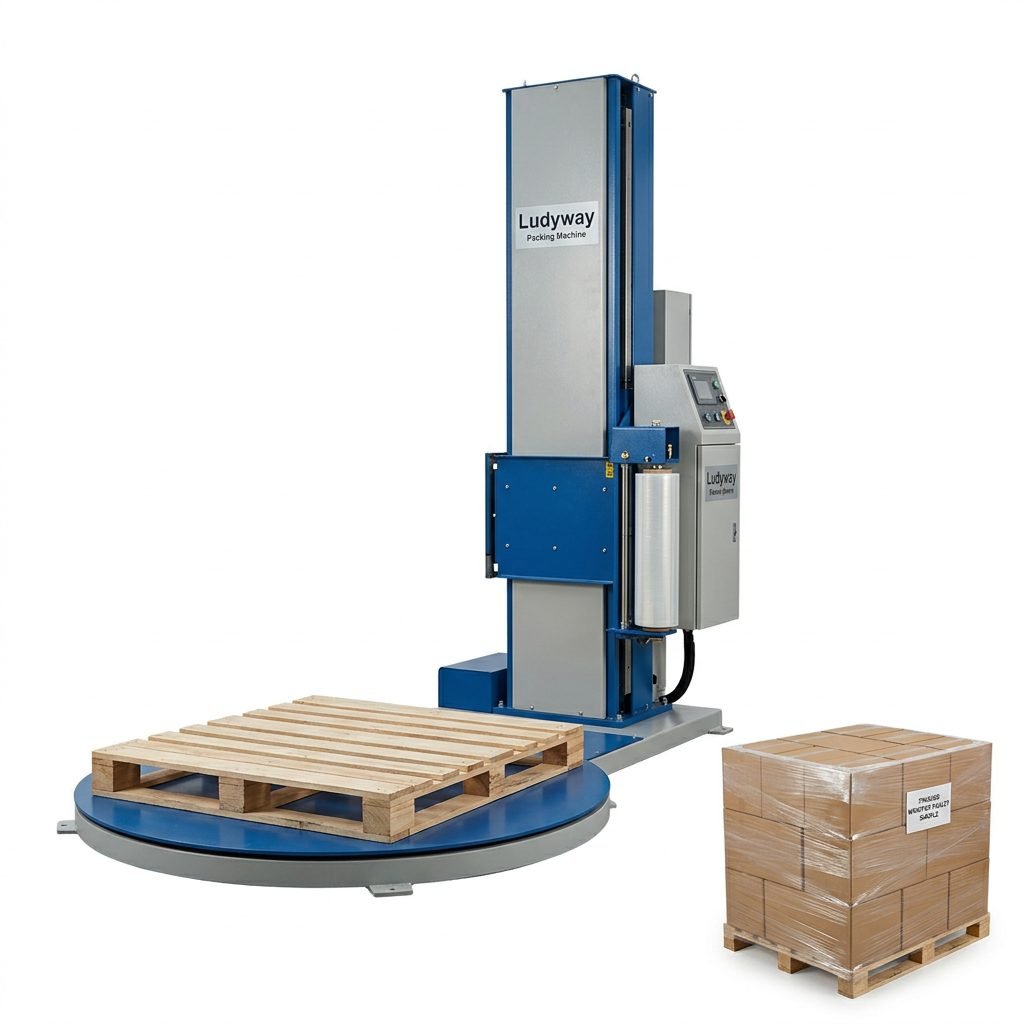
What Is a Stretch Hood Packaging Machine?
A stretch hood packaging machine is an automated system that covers palletized products with a pre-made stretch hood film. The machine stretches the tubular film in multiple directions, opens it, lowers it over the load, and then releases tension so the film contracts around the pallet.
Unlike traditional shrink wrapping, a stretch hood system does not rely on a heat tunnel or gas burner. This makes it attractive for operations seeking lower energy use, better fire safety, and cleaner packaging conditions.
- Uses elastic tubular film
- Applies packaging without heat
- Secures the full pallet from top to bottom
- Provides dust, moisture, and tamper resistance
- Supports high-speed automated pallet handling lines
How Does a Stretch Hood Packaging Machine Work?
The operating principle is straightforward, but the machine itself is highly engineered for precise film control and repeatable load protection. A typical cycle includes the following steps:
- Pallet detection: The system identifies the pallet size, height, and position.
- Film feeding: Tubular stretch hood film is pulled from the roll.
- Film opening and stretching: Mechanical grippers or frames stretch the film laterally and vertically.
- Hood forming: The opened film becomes a hood shape sized for the pallet.
- Application over load: The hood is lowered over the palletized goods.
- Tension release: The film contracts tightly around the load.
- Load discharge: The wrapped pallet moves to storage, labeling, or shipping.
This process creates a stable package with excellent holding force while preserving load visibility if transparent film is used.
Core Machine Components
- Film unwinding unit
- Stretching frame or gripper system
- Sealing and cutting module
- Pallet conveyor interface
- Height sensing system
- PLC and HMI control panel
- Safety guarding and interlocks
Key Benefits of Stretch Hood Packaging
Stretch hood packaging is widely selected because it offers both packaging efficiency and strong load protection. Below are the main advantages:
| Benefit | Why It Matters |
|---|---|
| Excellent load stability | The film tightly secures products during handling, storage, and transport. |
| Full weather protection | The top cover helps protect goods from dust, moisture, and external contamination. |
| No heat required | Reduces energy consumption and avoids heat-related packaging risks. |
| High throughput | Suitable for automated lines with continuous pallet output. |
| Better product visibility | Transparent film allows barcode reading and visual inspection. |
| Lower film waste | Optimized film use can reduce packaging material cost over time. |
Why Many Factories Prefer It Over Shrink Hooding
In many industrial environments, stretch hooding is favored because it can provide strong containment, low operating energy, and top cover protection in one process. It also eliminates open flames and reduces thermal stress on heat-sensitive products.
Stretch Hood vs. Stretch Wrapping vs. Shrink Hooding
Although these technologies are sometimes compared together, they serve different operational needs.
| Packaging Method | Main Feature | Typical Use |
|---|---|---|
| Stretch Hood | Tubular film stretched over pallet without heat | Outdoor storage, high stability, moisture protection |
| Stretch Wrapping | Film wrapped around load in layers | General warehousing and logistics applications |
| Shrink Hooding | Loose hood tightened by heat | Heavy-duty industrial loads needing rigid cover |
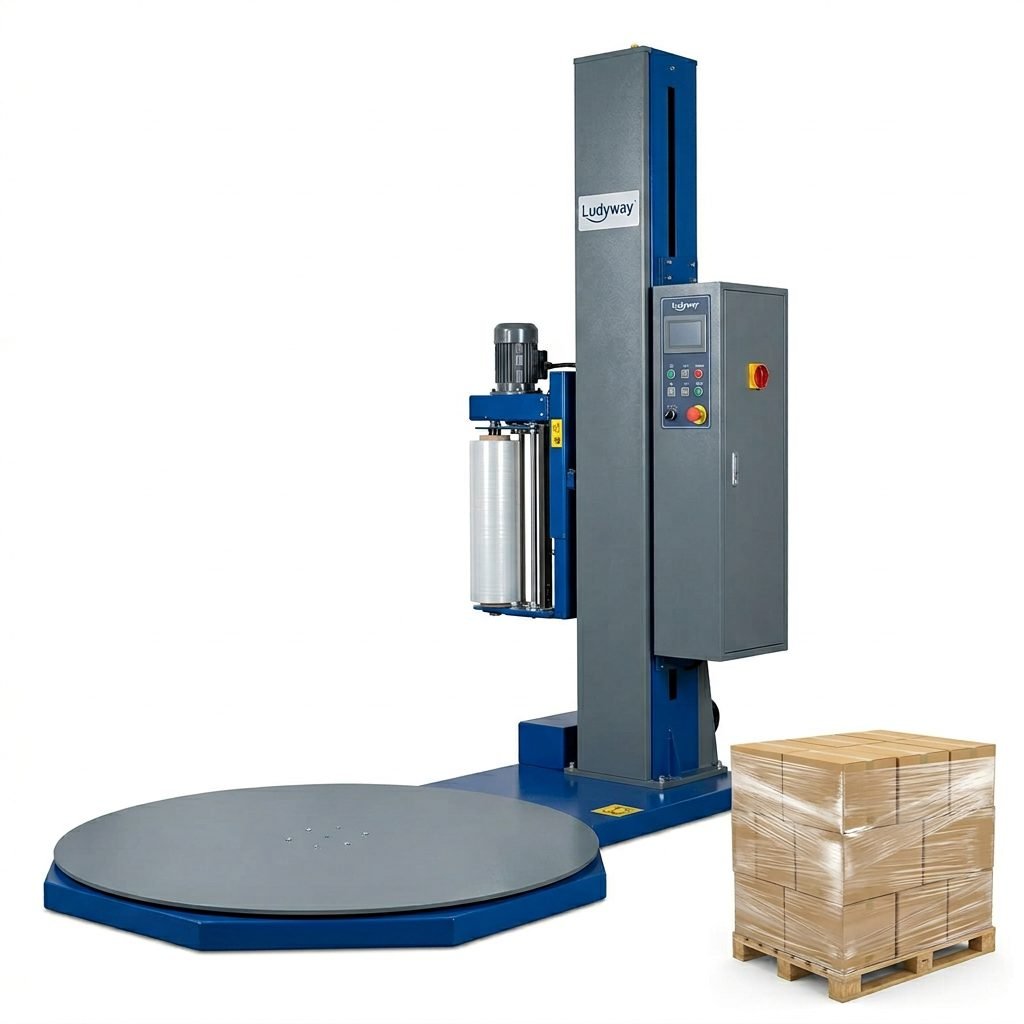
Common Applications of Stretch Hood Packaging Machines
Stretch hooders are used across industries where pallet load integrity is critical. They are especially valuable when products are stored outdoors, shipped long distances, or exposed to changing humidity and temperature.
Industries That Commonly Use Stretch Hood Systems
- Food ingredients and bulk dry goods
- Pet food and animal feed
- Fertilizers and agricultural materials
- Chemical powders and granules
- Cement, mortar, and building materials
- Beverages and bottled products
- Paper, tissue, and hygienic products
- Bagged sugar, salt, starch, and flour
Typical Palletized Products
Products commonly packed by stretch hood machinery include:
- Bags of feed, rice, grain, and flour
- Cartons stacked on pallets
- PET bottles in trays
- Drums, pails, or rigid containers
- Construction chemicals and premix materials
Who Should Invest in a Stretch Hood Packaging Machine?
This equipment is best suited for companies that need automated pallet protection at medium to high production volumes. It is especially worth considering if your operation faces one or more of the following challenges:
- Frequent pallet collapse during transport
- High labor dependence in end-of-line packaging
- Outdoor storage exposure
- Rising energy costs from heat-based systems
- Need for a cleaner and safer packaging process
- Demand for consistent packaging appearance
If your plant ships a large number of pallets daily, the long-term return can be substantial through reduced product damage, lower film waste, and improved line automation.
What to Consider Before Buying
Choosing the right stretch hood packaging machine depends on more than just pallet size. Buyers should evaluate the full production environment and downstream logistics requirements.
Important Selection Factors
- Pallet dimensions: Length, width, and maximum height range
- Load type: Stable cartons, slippery bags, sharp edges, or irregular profiles
- Production speed: Pallets per hour required
- Film specification: Thickness, elasticity, transparency, UV resistance
- Environmental conditions: Indoor warehousing or outdoor storage
- Line integration: Conveyor, labeling, checkweighing, palletizing, and warehouse systems
- Maintenance access: Ease of film change, diagnostics, and spare parts support
Questions to Ask a Supplier
- What pallet range can the machine handle?
- How many pallets per hour can it process under real operating conditions?
- What film types are compatible?
- Can it integrate with existing pallet conveyors and palletizers?
- Is remote support or on-site commissioning available?
- What are the recommended preventive maintenance intervals?
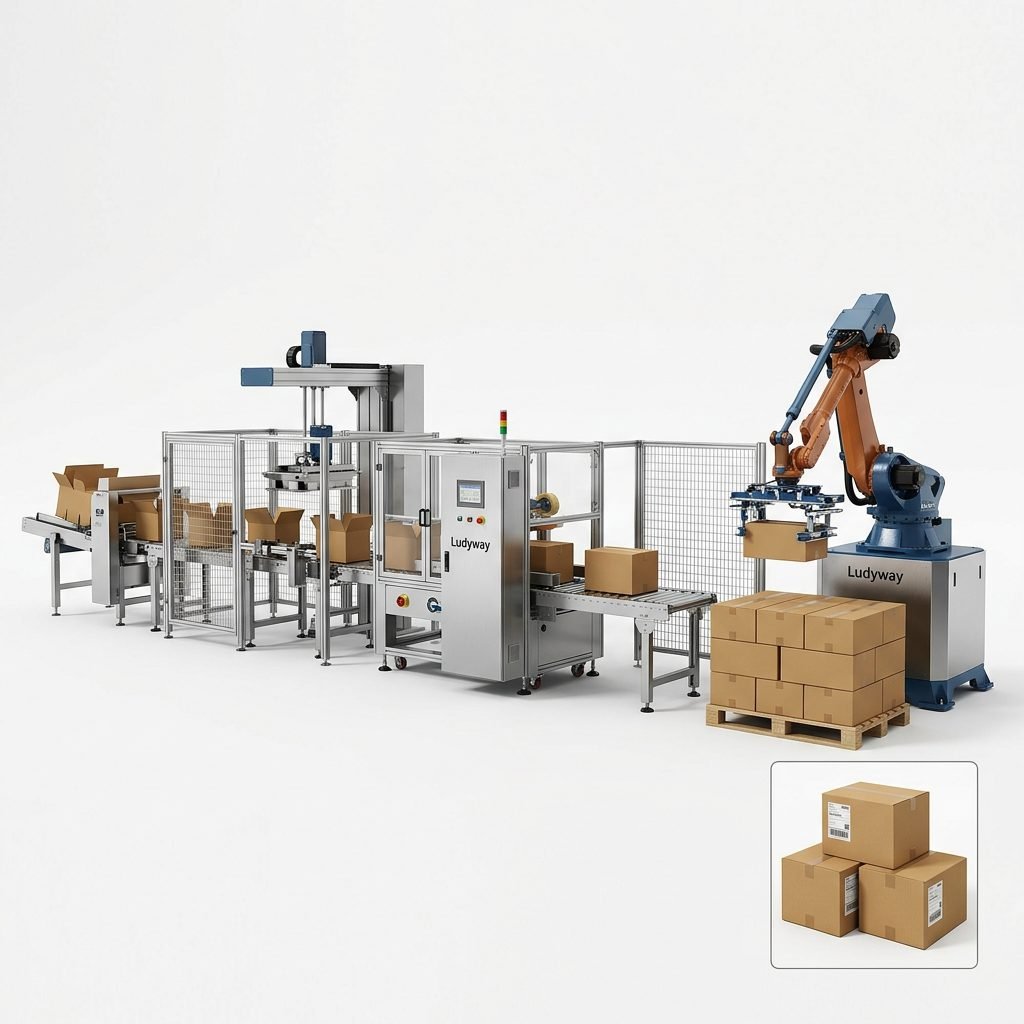
Operational Advantages in Automated Packaging Lines
Stretch hooding is often installed as part of a complete end-of-line system. When connected with palletizers, conveyors, labeling units, and warehouse transfer systems, it creates a streamlined packaging flow with minimal manual intervention.
Manufacturers looking for integrated automation solutions often work with experienced suppliers such as Ludyway stretch hood packaging machine solutions, especially when a project requires broader packaging line planning, system matching, and long-term technical support.
Line Integration Benefits
- Consistent packaging output from palletizer to shipping area
- Less manual film handling
- Reduced packaging bottlenecks
- Improved traceability with print-and-label systems
- Better warehouse stacking performance
Maintenance and Best Practices
To keep a stretch hood packaging machine running efficiently, routine inspection and preventive maintenance are essential. While these machines are designed for industrial duty, proper upkeep improves uptime and film application quality.
Recommended Best Practices
- Check grippers and stretching components regularly
- Use film grades matched to load shape and weight
- Keep sensors clean for accurate pallet detection
- Monitor seal quality and cutting performance
- Train operators on film replacement and alarm handling
- Schedule preventive service based on production volume
Final Thoughts
A stretch hood packaging machine is a smart investment for companies that need secure pallet stabilization, weather protection, and efficient automated end-of-line packaging. Its heat-free operation, strong load containment, and suitability for demanding logistics environments make it an increasingly popular choice across food, chemical, feed, agricultural, and industrial sectors.
When selected correctly and integrated into the broader packaging process, a stretch hood system can deliver measurable gains in safety, packaging consistency, and total operating efficiency.