Understanding the correct Harmonized System (HS) code for packaging machinery is essential for international trade. This complete guide provides detailed information on tariff classification, customs codes, and key considerations for importing or exporting packaging equipment.
Understanding HS Codes for Packaging Machinery
The Harmonized System (HS) is an internationally standardized system for classifying traded products. For packaging machinery, accurate HS code classification determines applicable tariff rates, import/export regulations, and documentation requirements.
Key Point: Most packaging machinery falls under HS Code Chapter 84, specifically heading 8422 for “machinery for filling, closing, sealing, or labeling containers.”
Primary HS Code Categories for Packaging Equipment
Packaging machinery is typically classified under several specific HS codes based on function and technology:
8422.30 – Machinery for Filling, Closing, Sealing, or Labeling
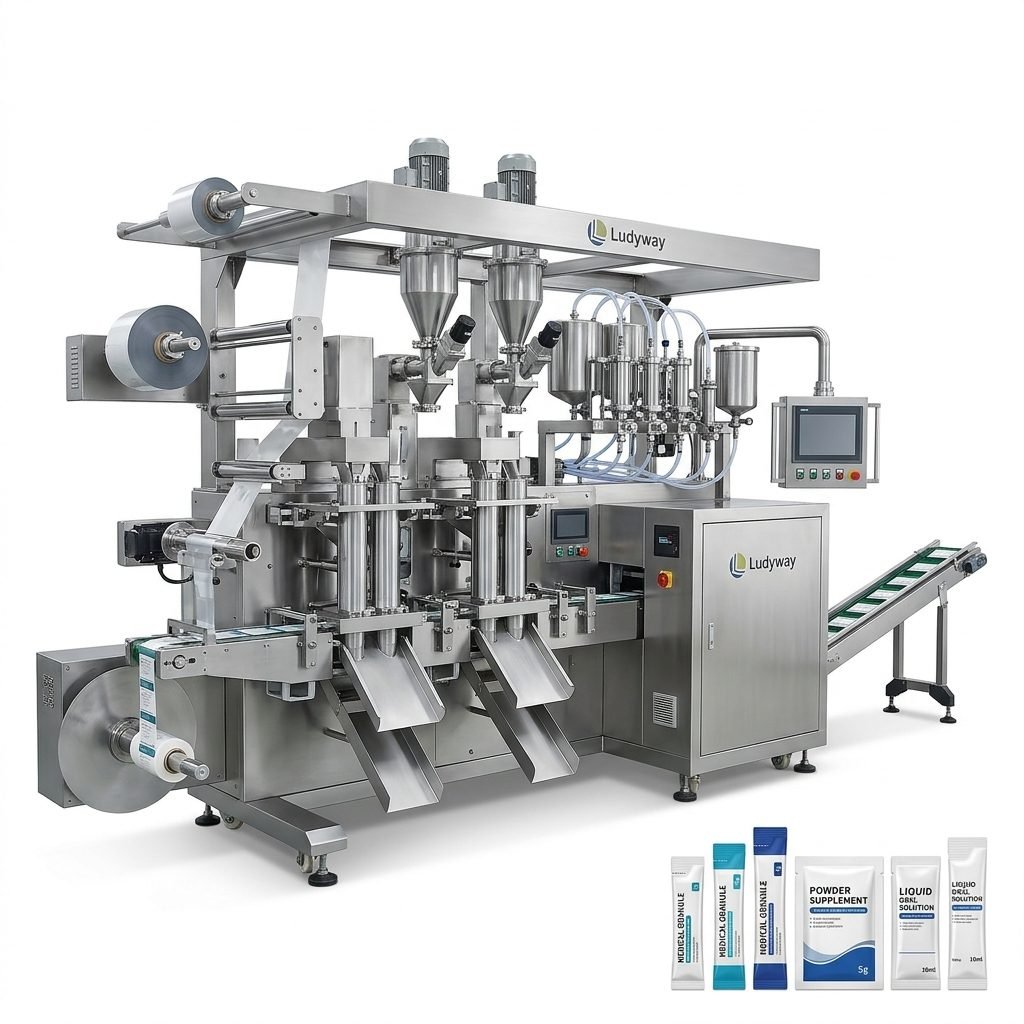
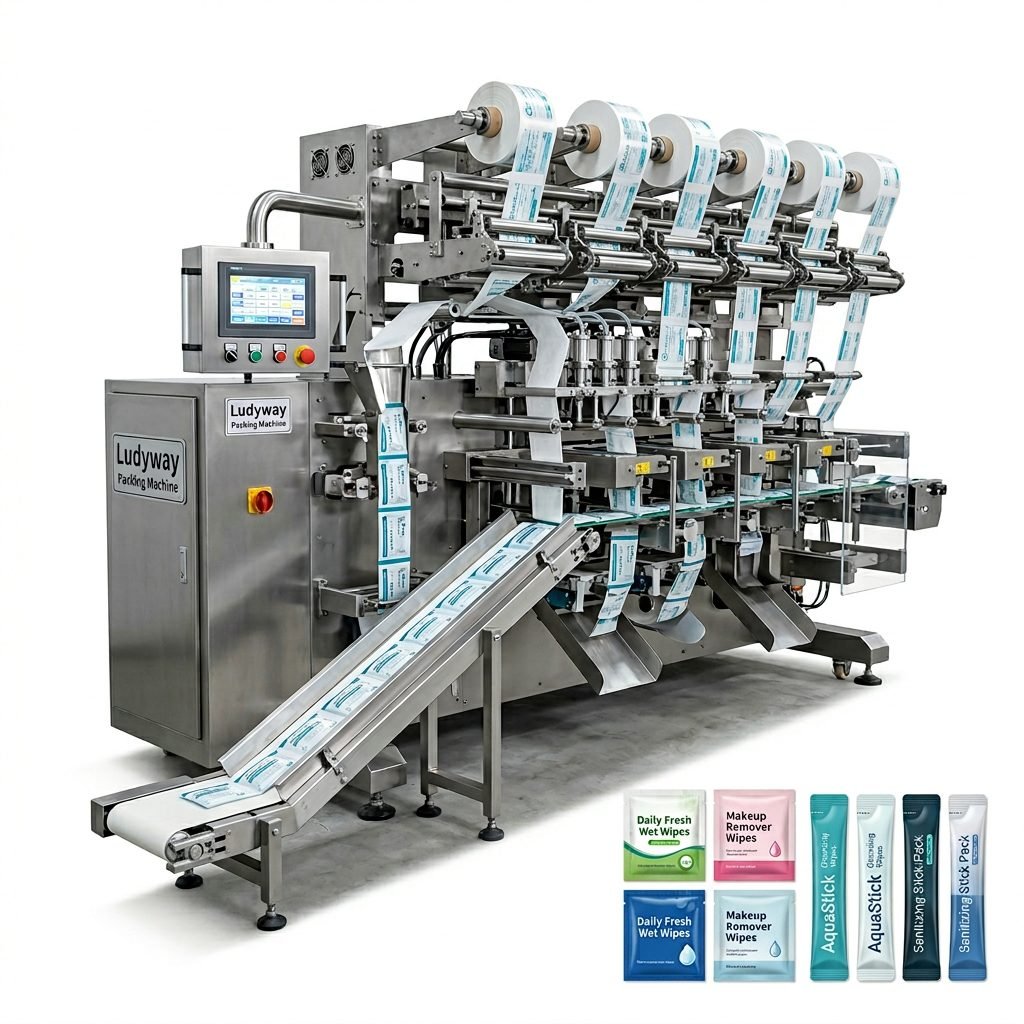
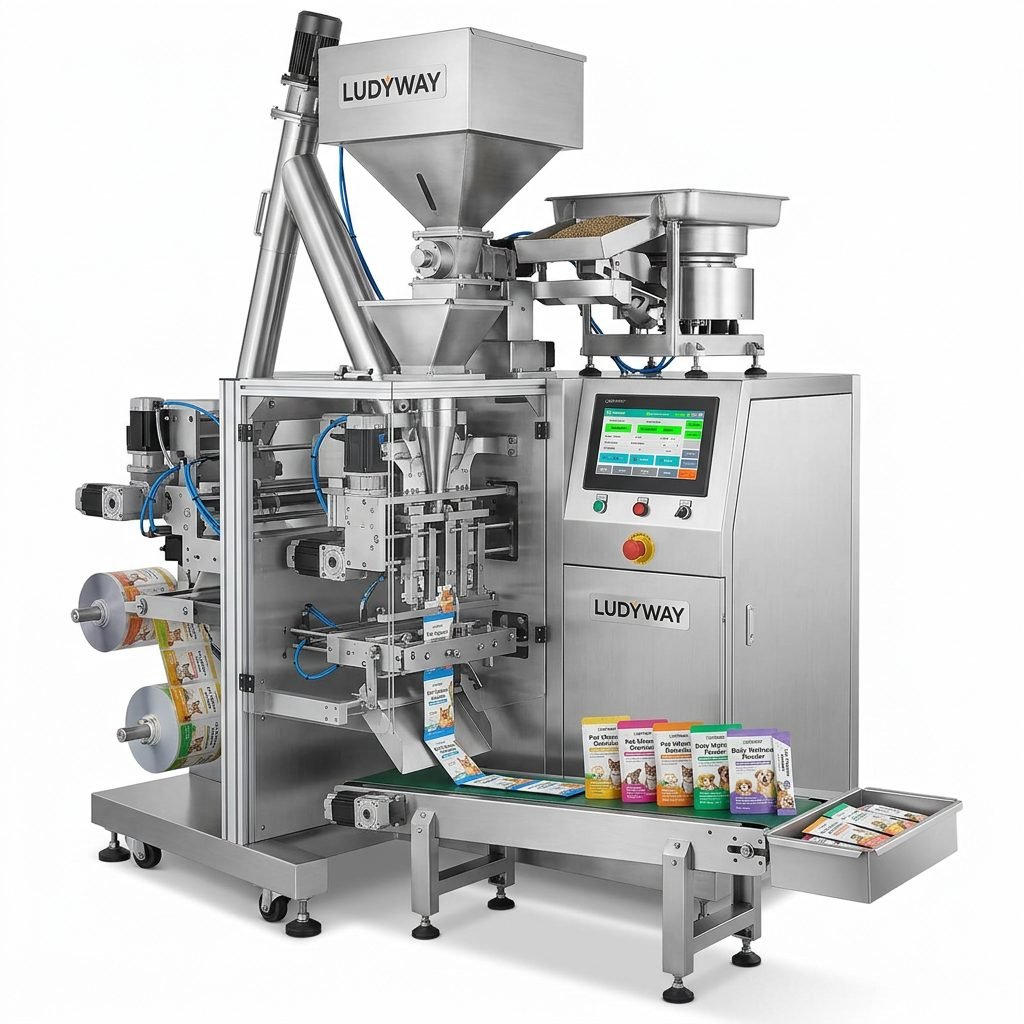
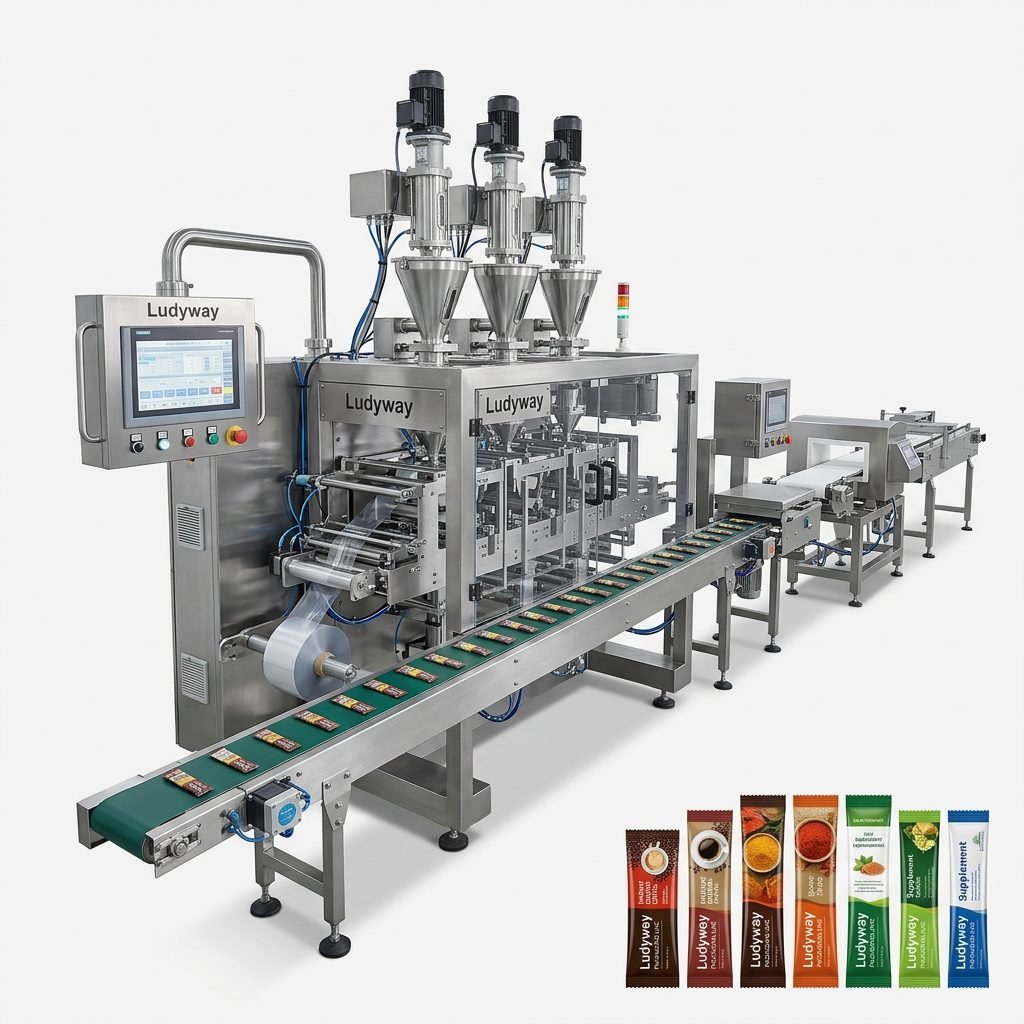
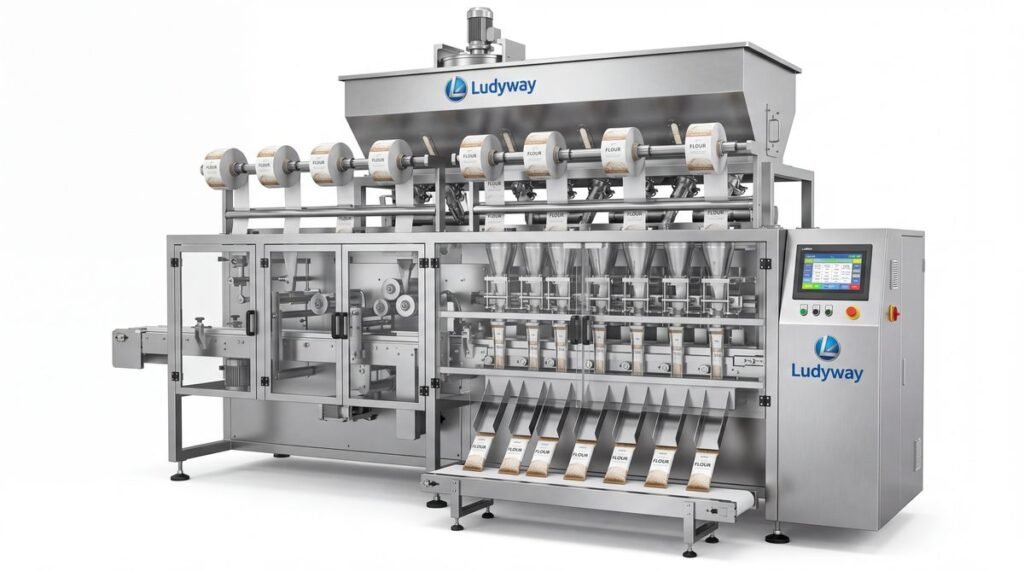
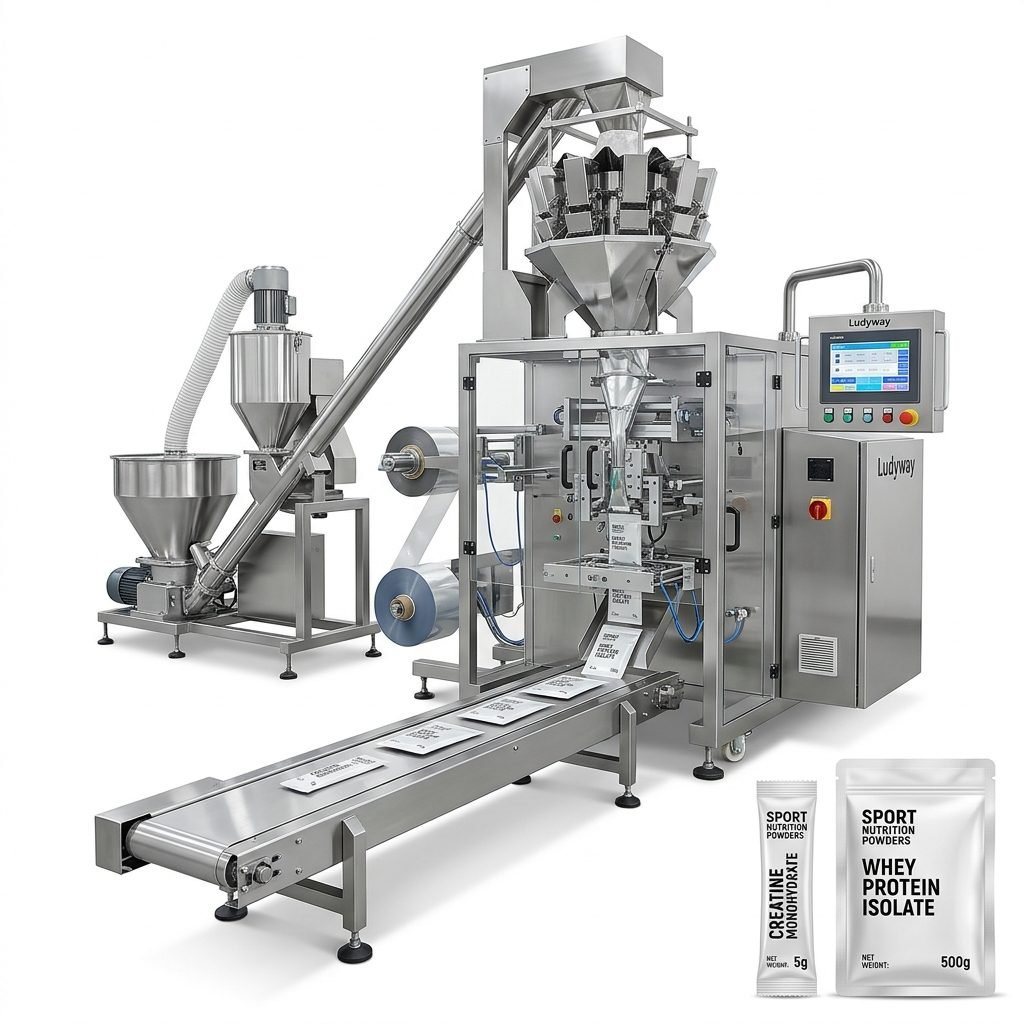
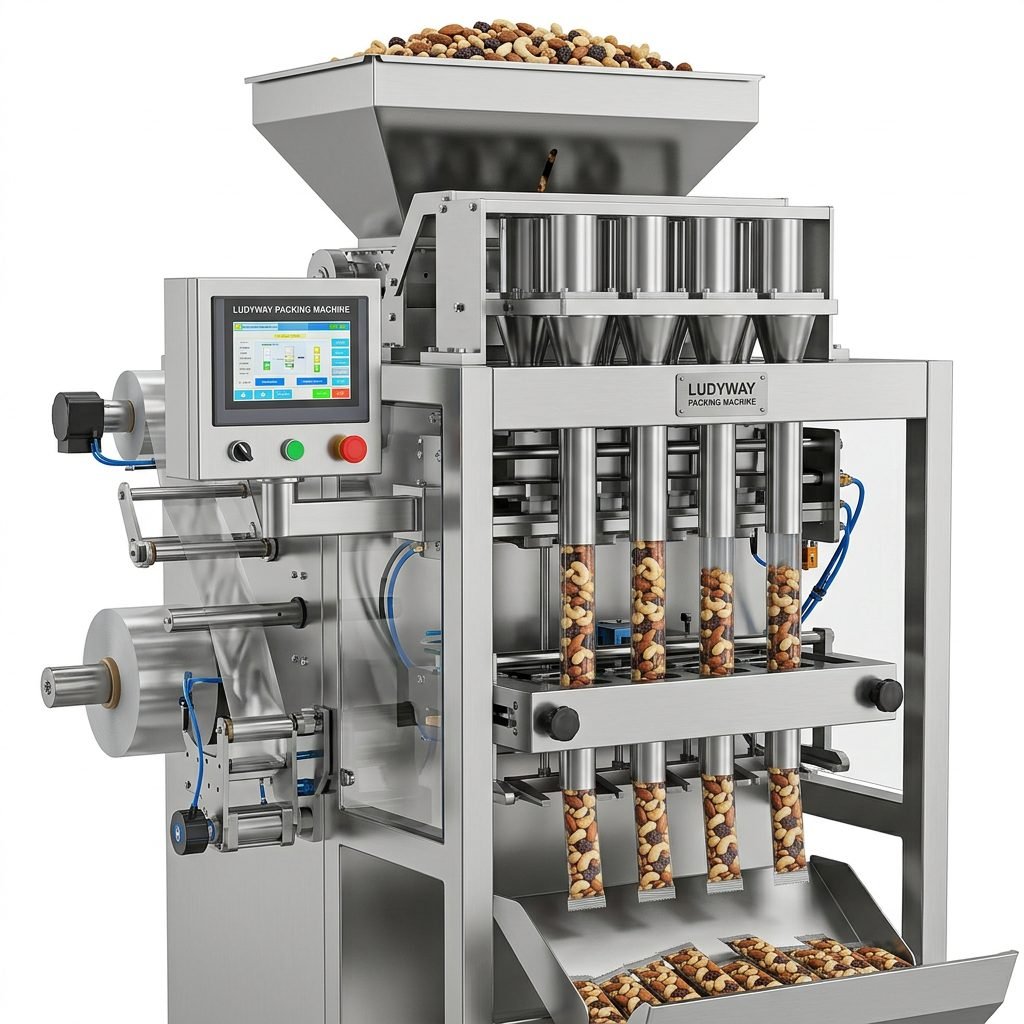
This category includes most common packaging machines such as:
• Automatic filling machines for liquids, powders, or granules
• Sealing machines for bags, pouches, or containers
• Capping and closing machines for bottles or jars
• Labeling and coding equipment
8422.40 – Machinery for Packing or Wrapping
This classification covers equipment for wrapping goods or packing into containers, including:
• Shrink wrapping machines
• Stretch wrapping equipment
• Case packing and palletizing systems
8438.20 – Machinery for Preparing or Manufacturing Food Products
Some specialized packaging equipment for food industries may fall under this category when integrated with processing functions.
Importance of Accurate Classification
Correct HS code assignment affects several critical aspects of international trade:
Customs Duties: Determines the tariff rate applied to your machinery.
Trade Statistics: Governments use HS codes to track international trade flows.
Regulatory Compliance: Certain codes trigger additional regulations or certifications.
Documentation Accuracy: Ensures proper customs declaration and faster clearance.
How to Determine the Correct HS Code
Identifying the appropriate HS code for your packaging machinery involves several steps:
Step 1: Identify the Primary Function
Determine the machine’s main purpose – whether it’s primarily for filling, sealing, wrapping, or another specific packaging function.
Step 2: Check Technical Specifications
Review the machine’s technical details, including:
• Type of packaging produced (sachets, stick packs, bottles, etc.)
• Materials handled (powders, granules, liquids, solids)
• Automation level and production capacity
• Integration capabilities with other equipment
Step 3: Consult Customs Resources
Use official resources such as:
• Customs tariff databases from importing/exporting countries
• Harmonized System Explanatory Notes for detailed classification guidance
• Binding tariff information from customs authorities when uncertain
Step 4: Consider Country-Specific Variations
Some countries have additional digits beyond the standard 6-digit HS code for more detailed classification. Always verify with the specific country’s customs authority.
Common Challenges in HS Code Classification
Several factors can complicate HS code determination for packaging machinery:
Multi-Function Equipment
Machines that perform multiple operations (filling and sealing, for example) require careful analysis to determine the principal function according to General Rules of Interpretation for the Harmonized System.
Customized or Specialized Machinery
Custom-built packaging equipment may not fit neatly into standard classifications, requiring consultation with customs experts or applying for advance rulings.
Technological Advancements
New packaging technologies may not be explicitly covered in existing HS code descriptions, creating classification ambiguities.
Professional Guidance for Complex Classifications
For complex packaging machinery or when importing to multiple countries, consider:
• Consulting with customs brokers or trade compliance specialists
• Requesting binding tariff information from customs authorities
• Working with experienced packaging equipment suppliers who understand international trade requirements
Tariff Rates and Trade Agreements
Once the correct HS code is determined, you can identify applicable tariff rates:
Most-Favored-Nation (MFN) Rates
These are standard tariff rates applied to imports from WTO member countries without preferential trade agreements.
Preferential Tariff Rates
Many countries have free trade agreements that reduce or eliminate tariffs for qualifying goods. Packaging machinery may benefit from these agreements depending on rules of origin requirements.
Country-Specific Tariff Schedules
Always check the specific importing country’s tariff schedule, as rates can vary significantly even for the same HS code.
Documentation Requirements
Proper documentation is essential for customs clearance of packaging machinery:
Commercial Invoice
Must include the correct HS code, detailed product description, value, and country of origin.
Packing List
Details the contents of the shipment, including weights, dimensions, and packaging materials.
Certificate of Origin
Required for claiming preferential tariff rates under trade agreements.
Technical Documentation
May be required for customs verification, including specifications, manuals, and safety certifications.
Working with Reliable Packaging Equipment Suppliers
Experienced packaging machinery manufacturers like Ludyway Packing Machine understand international trade requirements and can provide valuable assistance with:
Accurate product classification based on detailed technical specifications
Proper documentation preparation for customs clearance
Guidance on country-specific requirements based on global shipping experience
Support with customs declarations and import/export procedures
Regional Considerations for Packaging Machinery Imports
Different regions may have specific requirements or considerations for packaging equipment imports:
European Union
Packaging machinery imported into the EU must comply with CE marking requirements and relevant machinery directives. The Combined Nomenclature (CN) adds two digits to the HS code for EU-specific classification.
United States
The U.S. uses the Harmonized Tariff Schedule (HTS) with additional digits for detailed classification. Packaging machinery may be subject to additional regulations from agencies like the FDA for food or pharmaceutical applications.
Asia-Pacific Markets
Countries in this region may have specific certification requirements, and tariff rates can vary significantly. Many have free trade agreements that can reduce duties for qualifying machinery.
Frequently Asked Questions
What is the most common HS code for packaging machines?
The majority of packaging machinery falls under HS Code 8422, specifically 8422.30 for machinery for filling, closing, sealing, or labeling containers. However, the exact code depends on the specific functions and technology of the equipment.
How do I find the correct HS code for my specific packaging machine?
Start by identifying the primary function of your machine and consult the Harmonized System Explanatory Notes for Chapter 84. For complex equipment or when uncertain, consult with customs authorities, trade compliance specialists, or experienced suppliers like Ludyway Packaging Machinery who regularly handle international shipments.
Can the same packaging machine have different HS codes in different countries?
While the first six digits of the HS code are standardized internationally, countries may add additional digits for more detailed classification. These additional digits can vary, and some countries may interpret classification rules differently, potentially resulting in different codes for the same equipment.
What happens if I use the wrong HS code for my packaging machinery?
Using an incorrect HS code can result in several issues including incorrect duty payments, customs delays, penalties, or seizure of goods. In some cases, it may also violate customs regulations. Always verify classification with reliable sources or obtain binding tariff information from customs authorities.
Do I need special certifications for importing packaging machinery?
Requirements vary by country and application. For packaging machinery used in food or pharmaceutical industries, additional certifications may be required. Electrical equipment typically needs compliance with local safety standards. Working with experienced suppliers who understand international packaging equipment standards can help ensure all requirements are met.