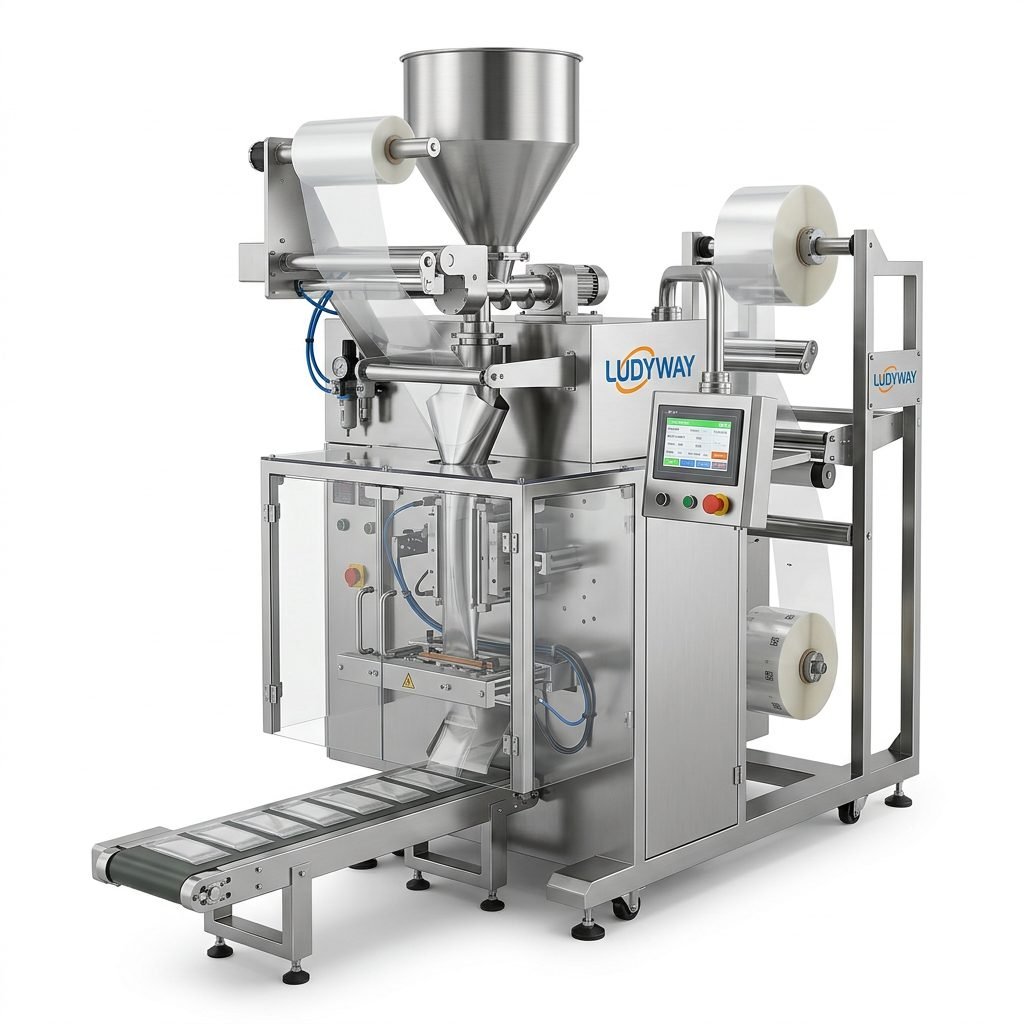
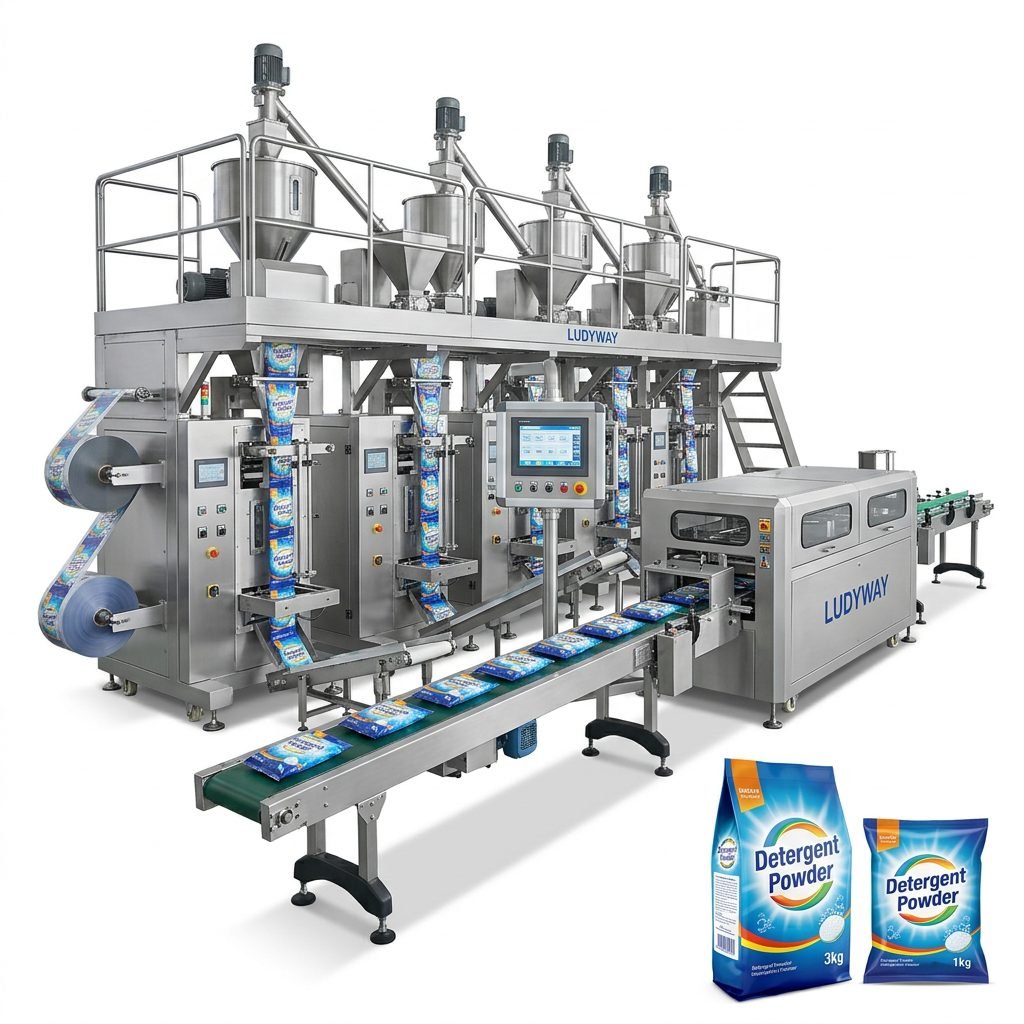
Bagging machines play a critical role in modern packaging operations, helping manufacturers handle bulk materials with better speed, accuracy, and consistency. Whether you work with food ingredients, animal feed, fertilizers, chemicals, or pharmaceutical powders, the right bagging system can significantly improve output while reducing waste and labor costs.
In this guide, you’ll learn the main types of bagging machines, their common applications, the benefits they offer, and the most important points to consider before choosing one for your production line.
What Is a Bagging Machine?
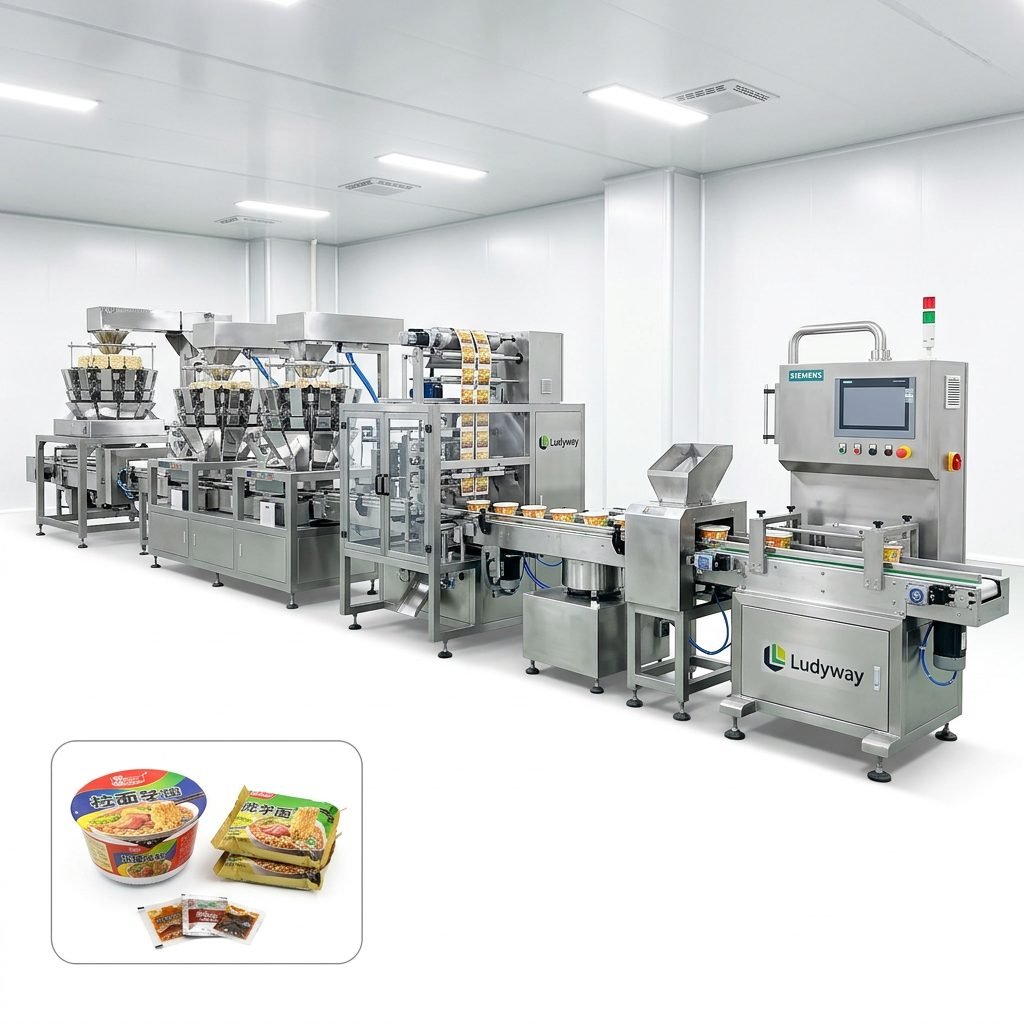
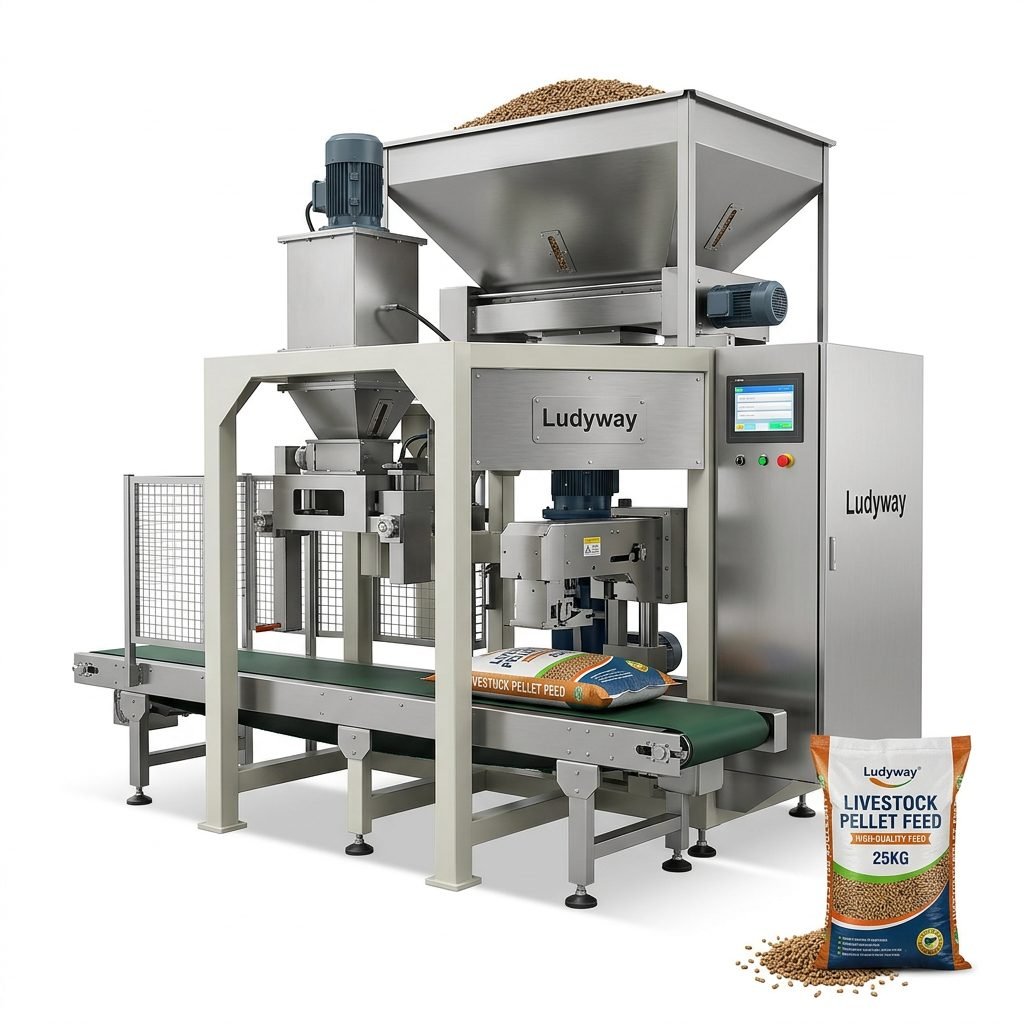
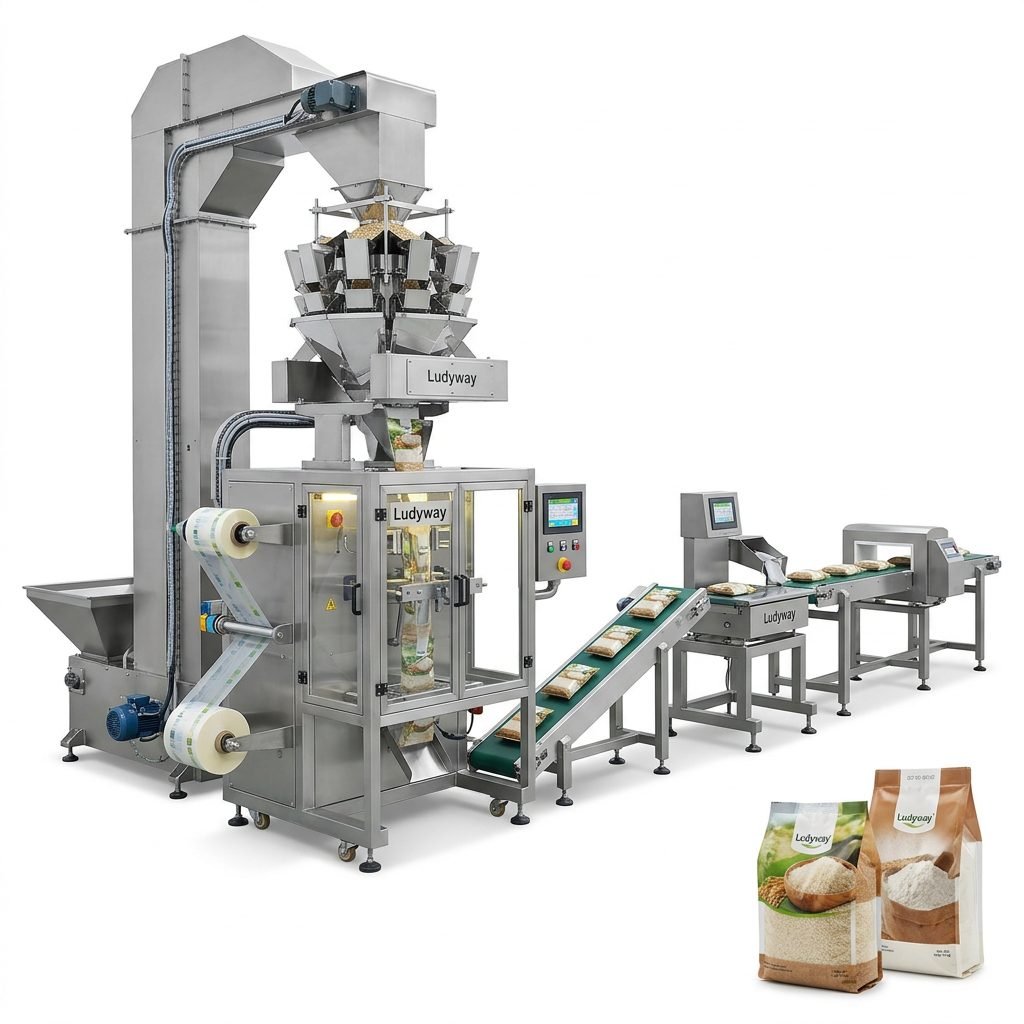
A bagging machine is packaging equipment designed to fill, weigh, seal, and discharge products into bags or pouches. Depending on the application, it may process granules, powders, pellets, flakes, liquids, or mixed materials. Some machines are semi-automatic, while others are fully integrated into complete packaging lines with conveyors, printers, checkweighers, palletizers, and inspection systems.
Bagging machines are widely used in industries such as:
- Food and beverage
- Pharmaceutical and nutraceutical
- Animal feed and pet food
- Chemicals and detergents
- Agriculture and seed processing
- Construction materials and minerals
Main Types of Bagging Machines
1. Open-Mouth Bagging Machines
These machines fill pre-made open-mouth bags, which are then closed by sewing, heat sealing, or folding. They are commonly used for 25 kg to 50 kg products such as rice, flour, fertilizer, feed, and chemical powders.
Best for:
- Free-flowing granules and powders
- Medium to large bag sizes
- Operations requiring simple and reliable packing
2. Valve Bagging Machines
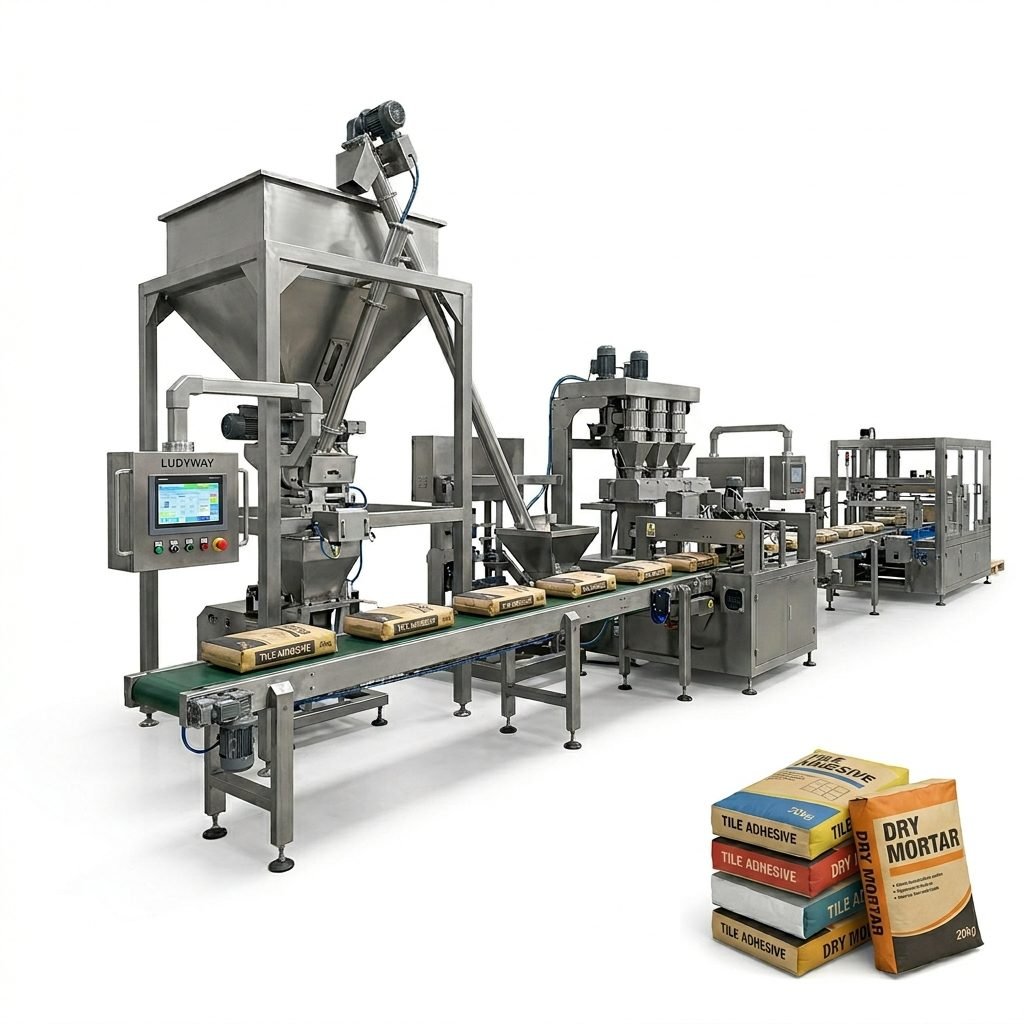
Valve bagging systems are ideal for fine powders and dusty products. Material is filled through a valve opening, and the bag self-closes or is sealed afterward. This design helps reduce dust emissions and improve workplace cleanliness.
Common products:
- Cement
- Dry mortar
- Chemical powders
- Mineral additives
3. Form-Fill-Seal Bagging Machines
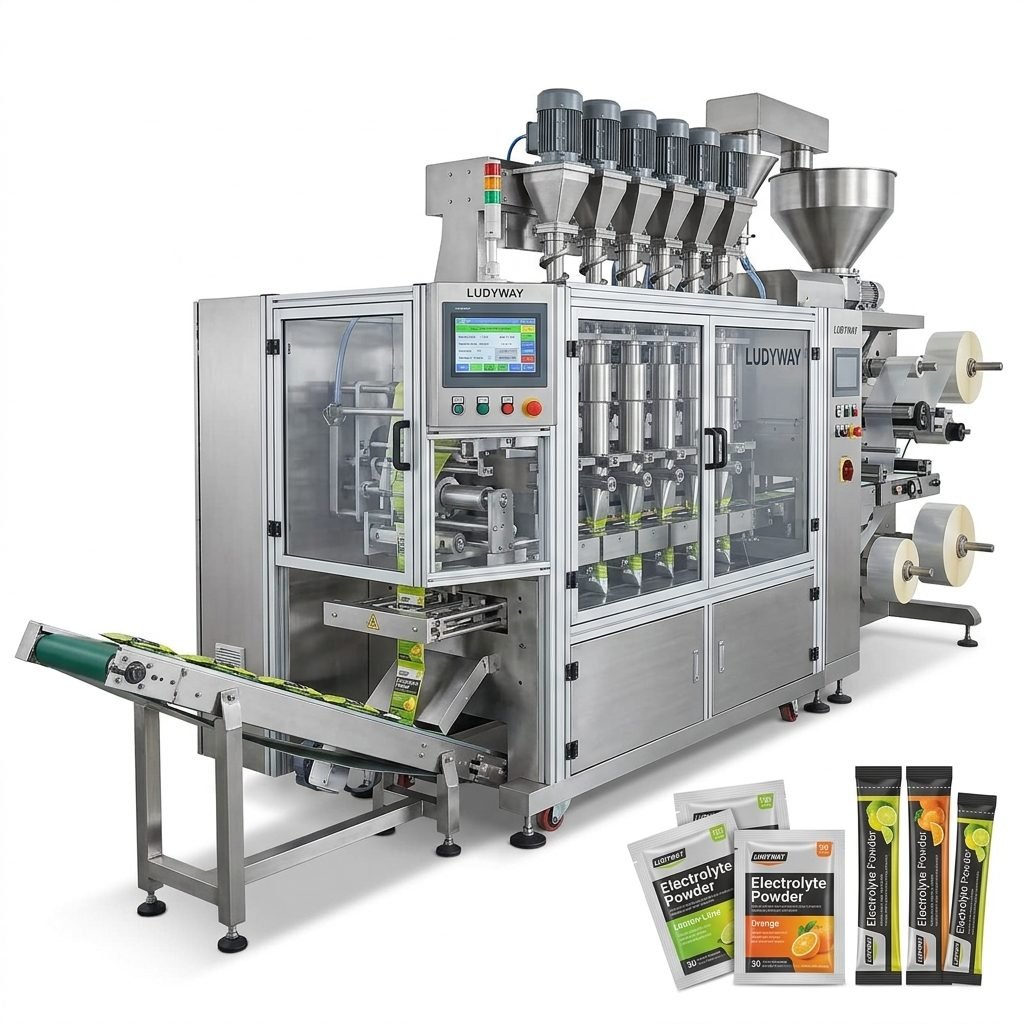
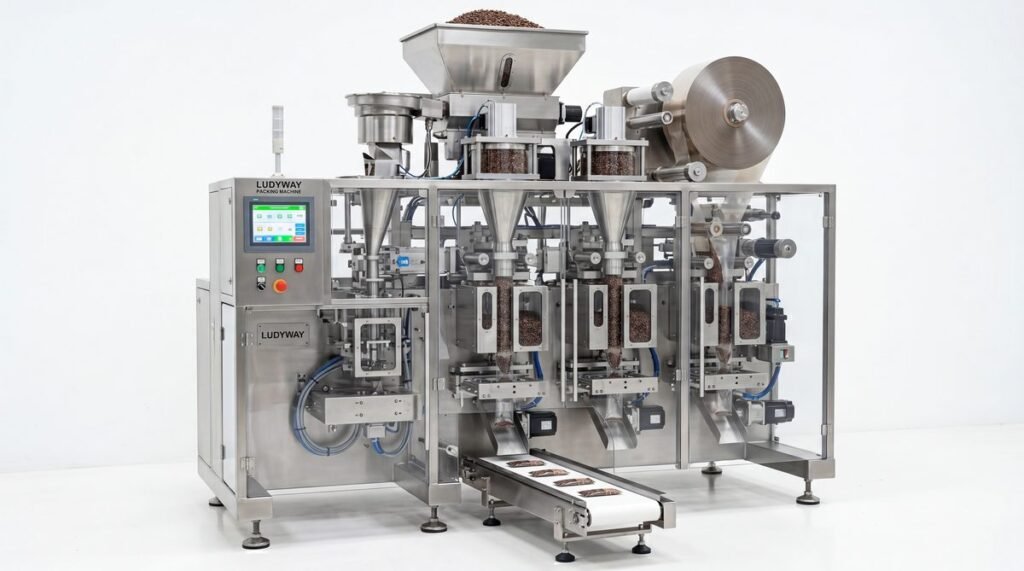
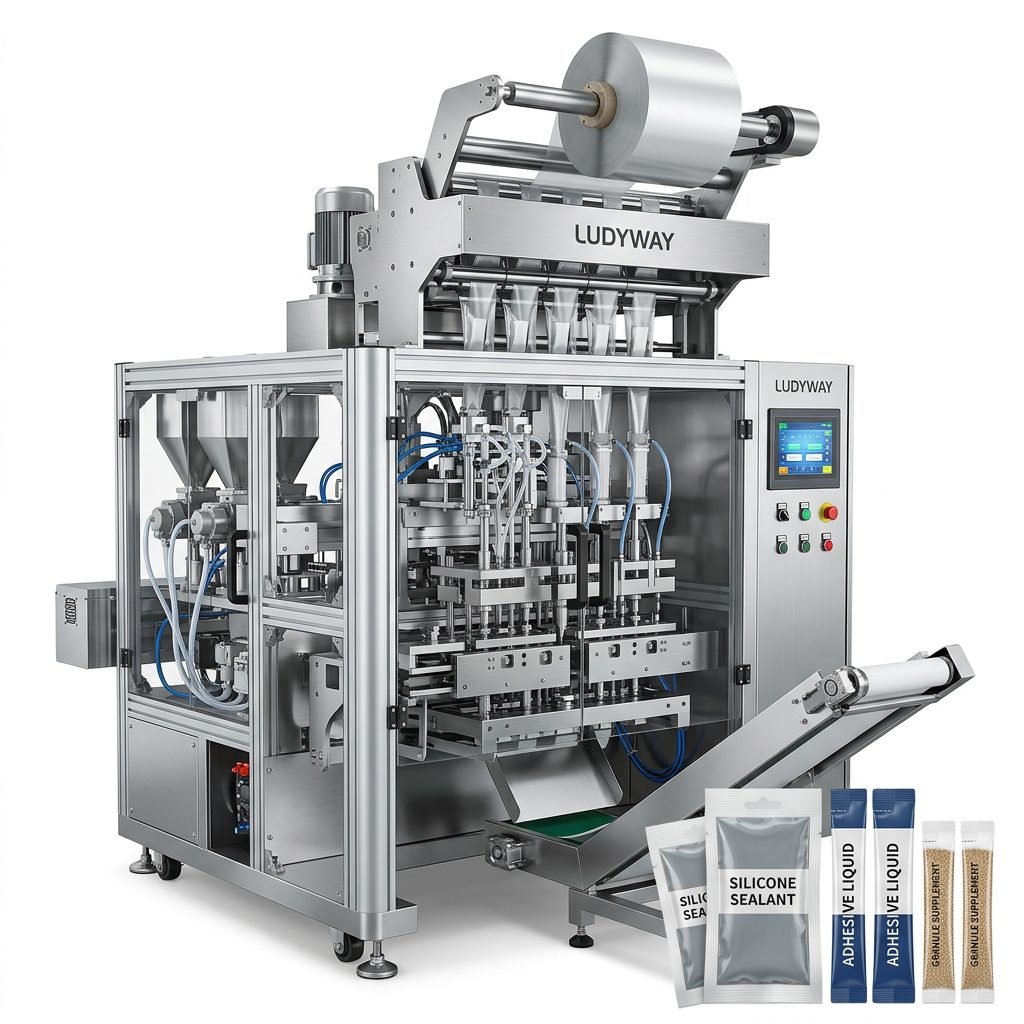
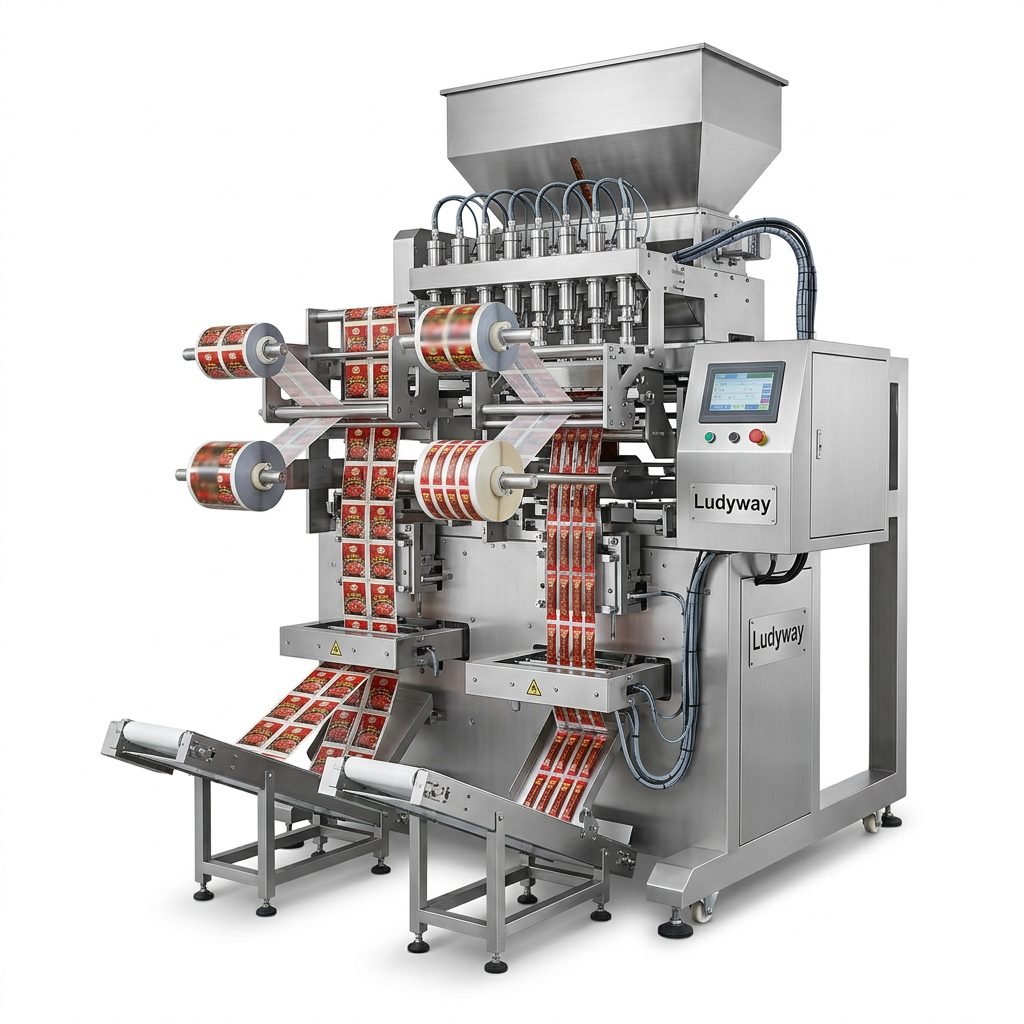
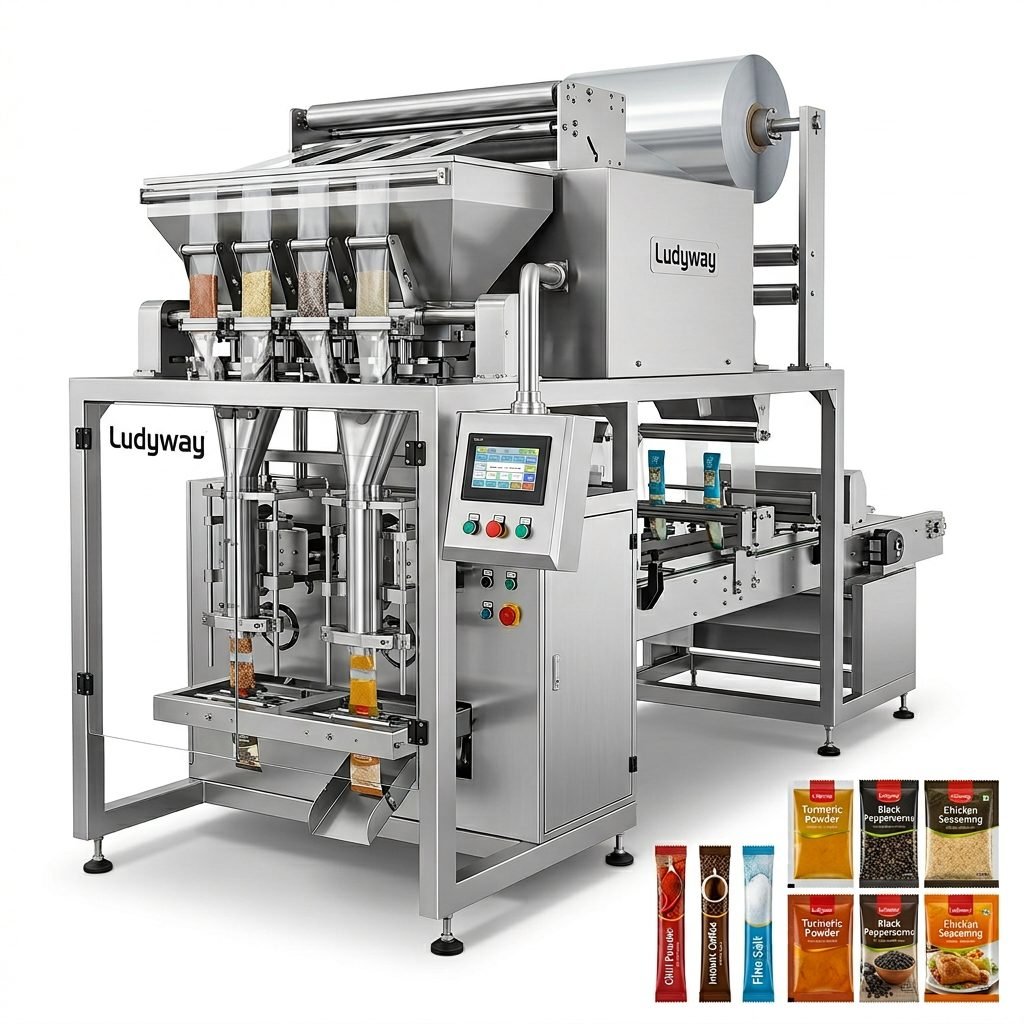
These machines create bags from roll film, fill them with product, and seal them in one continuous process. Vertical form-fill-seal systems are especially popular for snacks, grains, powders, and other retail or small-format packs.
Advantages include:
- High automation
- Flexible bag styles
- Lower packaging material handling
- Suitable for high-speed production
4. Jumbo Bag Filling Machines
Also called FIBC or bulk bag filling machines, these are used for large-capacity packaging, often in the range of 500 kg to 2000 kg. They are common in industrial, chemical, mining, and agricultural sectors.
5. Automatic Pouch Bagging Machines
These systems use pre-made pouches and can support stand-up pouches, zipper bags, flat pouches, and specialty packaging formats. They are often selected for premium food, health products, and consumer goods.
6. Net Weigh and Gross Weigh Bagging Machines
These terms refer to the weighing method:
- Net weigh machines measure product in a separate weigh hopper before discharging it into the bag.
- Gross weigh machines weigh the product directly inside the bag while it is being filled.
Net weigh systems are generally faster, while gross weigh systems are often simpler and better for certain bag types.
How Bagging Machines Work
Although designs vary, most bagging machines follow a similar process:
- Product is fed from a hopper, auger, conveyor, or dosing system
- The machine weighs or meters the required amount
- The bag is positioned automatically or manually
- The product is filled into the bag
- The bag is sealed, stitched, or otherwise closed
- The finished bag is discharged for conveying, inspection, or palletizing
Common Uses of Bagging Machines
| Industry | Typical Products | Recommended Machine Type |
|---|---|---|
| Food | Rice, flour, sugar, coffee, snacks, seasoning powders | Open-mouth, VFFS, premade pouch |
| Animal Feed | Pellets, premixes, powdered feed additives | Open-mouth, jumbo bag, valve bag |
| Chemicals | Detergents, industrial powders, granules | Valve bag, open-mouth, FFS |
| Agriculture | Seeds, fertilizer, soil additives | Open-mouth, jumbo bag, pouch systems |
| Pharmaceutical | Medical powders, granules, sachet products | High-precision pouch and sachet systems |
Benefits of Using a Bagging Machine
Improved Packaging Efficiency
Automation speeds up bag filling and sealing, allowing businesses to handle larger production volumes with fewer interruptions.
Better Weight Accuracy
Accurate dosing reduces giveaway, improves consistency, and supports compliance where precise product weights are required.
Lower Labor Dependence
Bagging machines reduce manual handling and repetitive tasks, which can help lower labor costs and improve operator safety.
Cleaner Production Environment
For dusty powders and fine materials, enclosed filling and sealing systems help control contamination and maintain cleaner operations.
Scalability
Many modern systems can be upgraded with feeding units, conveyors, coding machines, metal detectors, robotic palletizers, and central control systems as production expands.
Key Factors to Consider When Choosing a Bagging Machine
1. Product Characteristics
Start with the material itself. Ask whether your product is:
- Free-flowing or non-free-flowing
- Fine powder, granule, pellet, flake, or liquid
- Fragile, dusty, sticky, or moisture-sensitive
Different filling mechanisms such as auger fillers, gravity feeders, belt feeders, and vibratory systems are suited to different materials.
2. Bag Type and Size
Machine selection depends heavily on the packaging format. Common options include:
- Open-mouth woven bags
- Paper bags
- Valve bags
- Plastic pouches
- Bulk jumbo bags
You should also confirm bag dimensions, sealing method, and target fill weight.
3. Required Output
If you need high-volume continuous production, a fully automatic system is usually the better choice. For lower output or flexible batch runs, a semi-automatic machine may be more cost-effective.
4. Accuracy Requirements
Industries such as pharmaceuticals, specialty chemicals, and premium foods often require tighter tolerance control. In these cases, the weighing system and control software matter greatly.
5. Factory Space and Line Layout
Consider the available floor area, ceiling height, operator access, material feeding direction, and integration with upstream and downstream equipment.
6. Automation Level
Some businesses only need filling and sealing. Others need a complete line with:
- Automatic bag feeding
- Date coding
- Weight checking
- Cartoning
- Palletizing
- Remote diagnostics
7. Industry Compliance
For food, pharmaceutical, and health-related products, machine design should support hygiene, easy cleaning, and appropriate material contact standards.
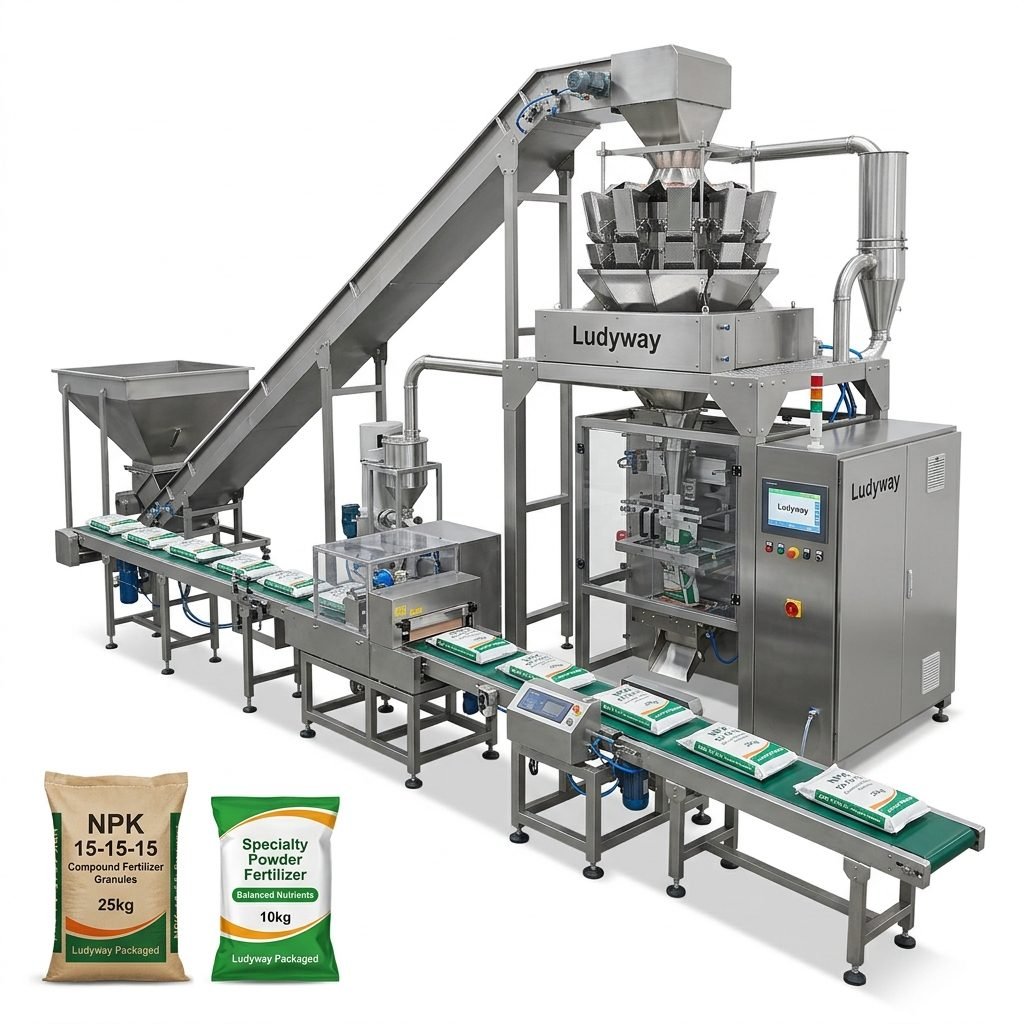
Semi-Automatic vs Fully Automatic Bagging Machines
| Feature | Semi-Automatic | Fully Automatic |
|---|---|---|
| Labor Requirement | Higher | Lower |
| Speed | Moderate | High |
| Initial Investment | Lower | Higher |
| Best for | Small to medium production | Large-scale continuous production |
| Line Integration | Basic | Advanced |
Industries That Benefit Most from Automated Bagging
While almost any packaging-intensive operation can benefit, automated bagging is especially valuable when products must be packed in large quantities, handled hygienically, or weighed very precisely.
- Feed mills handling pellets and premixes
- Food processors packing flour, sugar, grains, coffee, and seasonings
- Chemical manufacturers working with powders or corrosive substances
- Agricultural suppliers packing seeds and fertilizers
- Pharma and supplement producers requiring strict filling consistency
Signs You Need to Upgrade Your Current Bagging Equipment
- Frequent weight inconsistencies
- Too much product dust or spillage
- High labor dependence and low throughput
- Frequent downtime and maintenance issues
- Inability to handle new bag sizes or products
- Difficulty integrating with modern coding, inspection, or palletizing equipment
How to Choose the Right Supplier
Beyond the machine itself, supplier capability is a major factor in long-term project success. Look for a manufacturer with proven experience, customization ability, technical support, and line integration expertise.
If you need complete bagging and packaging solutions, Ludyway bagging and packaging machine solutions are often considered by buyers looking for scalable automation, broad application coverage, and turnkey line support across food, pharma, chemical, feed, and related industries.
A reliable supplier should offer:
- Application-based machine selection
- Custom configuration for your product and bag type
- Installation and commissioning support
- After-sales technical service
- Spare parts availability
- Future line expansion options
Final Buying Checklist
| Question | Why It Matters |
|---|---|
| What product will be packed? | Determines filling method and machine structure |
| What bag format and size do you use? | Affects bag feeding, clamping, and sealing design |
| What is your target output per hour? | Helps define automation level and model selection |
| What accuracy level is required? | Impacts weighing system and control precision |
| Will you expand later? | Ensures the system can scale with your business |
| Do you need a standalone machine or turnkey line? | Defines project scope and integration requirements |
Conclusion
Choosing the right bagging machine is not just about filling bags faster. It is about matching the machine to your product, packaging format, production goals, and future expansion plans. A well-selected system can improve efficiency, reduce waste, strengthen quality control, and support long-term growth.
By understanding the machine types, core applications, and selection criteria outlined above, buyers can make a more confident decision and invest in a bagging solution that truly fits their operation.