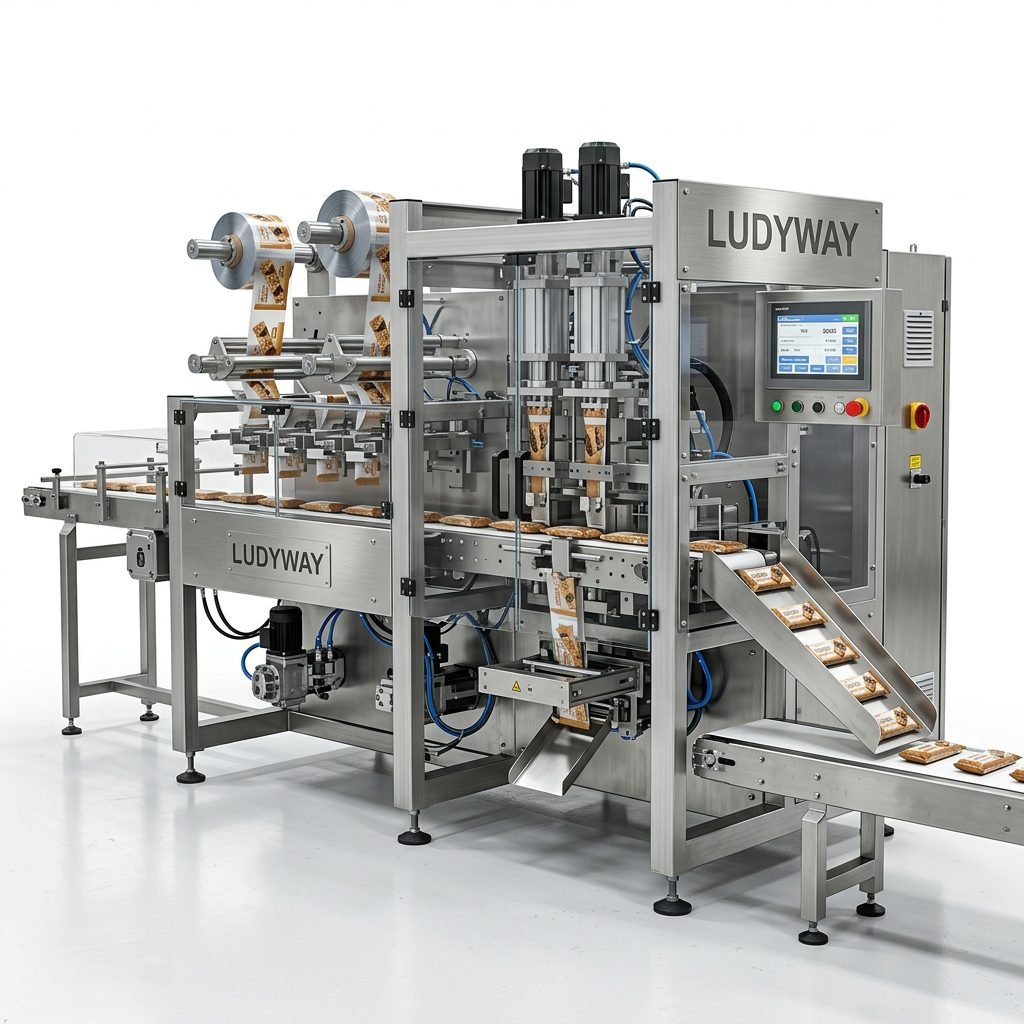
Investing in a honey sachet packing machine is a significant decision for any honey producer, food manufacturer, or contract packager. The right equipment can dramatically improve production efficiency, reduce product waste, and ensure consistent package quality. However, with dozens of machine configurations, suppliers, and technical specifications to evaluate, the selection process can quickly become overwhelming. This comprehensive buyer’s guide walks you through every critical factor to consider when choosing the best honey sachet packing machine for your production needs.
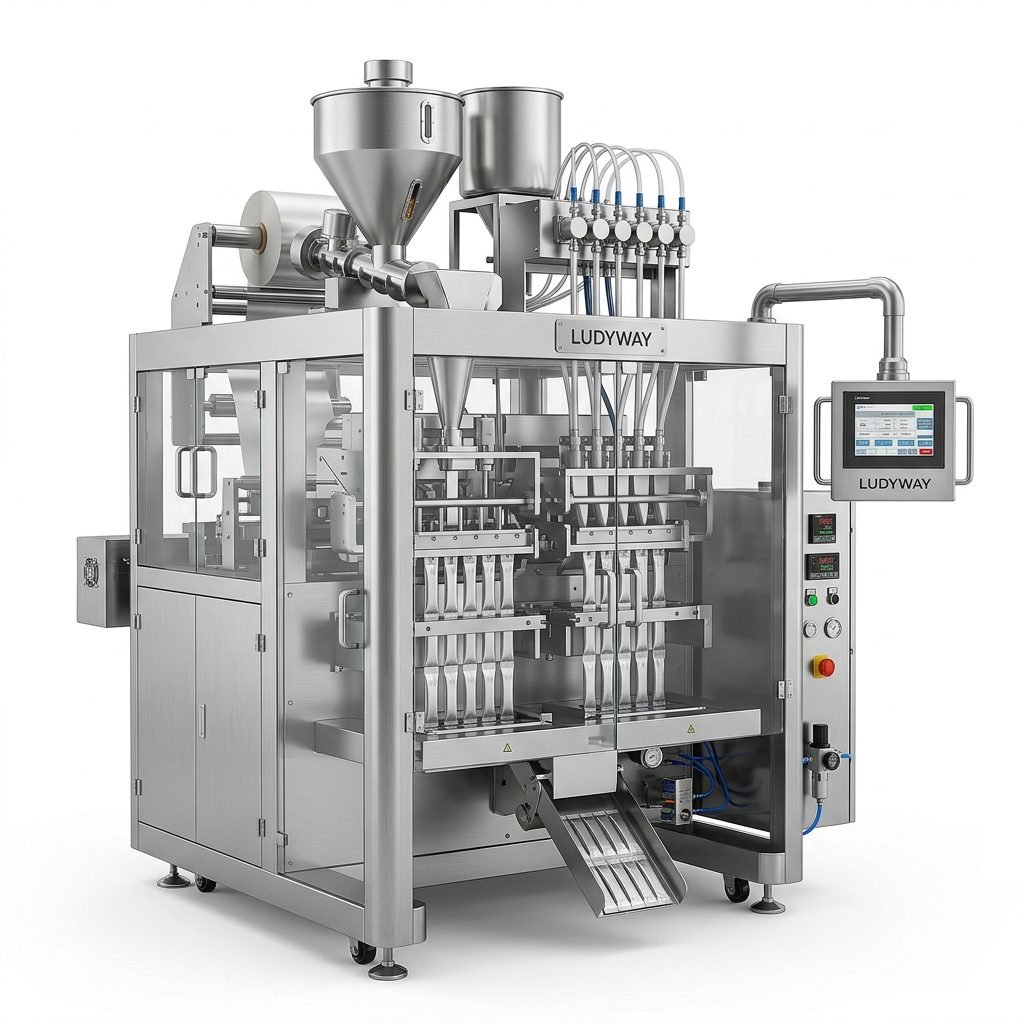
Why Choosing the Right Honey Sachet Machine Matters
Honey is not a typical liquid. Its high viscosity, natural crystallization tendency, and temperature sensitivity create unique packaging challenges that generic liquid filling machines cannot handle effectively. A poorly specified machine can lead to inaccurate filling, frequent downtime, seal failures, and excessive product waste — all of which directly impact your bottom line.
According to the PMMI State of the Industry Report, food packaging machinery demand continues to grow as manufacturers seek automated solutions that improve consistency and reduce operational costs. For honey producers, this means selecting a machine specifically engineered for viscous liquid handling is essential.
Understanding the Unique Challenges of Honey Packaging
Before evaluating specific machines, it is crucial to understand what makes honey packaging different from other liquid filling applications. Honey presents several distinct challenges that directly influence machine design, component selection, and operational parameters:
Viscosity and Flow Characteristics
Honey viscosity varies significantly depending on floral source, temperature, and moisture content. At room temperature, honey can range from 2,000 to over 10,000 centipoise, making it considerably thicker than water or most beverages. This means standard gravity-fed or time-based filling systems often struggle with accurate dosing and consistent fill speeds. Piston fillers, gear pumps, or positive displacement systems are typically required for reliable performance.
Crystallization and Temperature Sensitivity
Honey naturally crystallizes over time, and the rate accelerates at cooler temperatures. Crystallized honey can clog filling nozzles, damage pump components, and create blockages in transfer lines. Many flexible packaging operations incorporate heated hoppers, jacketed tanks, and temperature-controlled filling systems to maintain honey in a pumpable state without overheating — excessive heat degrades honey’s natural enzymes and quality.
Stickiness and Clean-Up Requirements
Honey’s sticky nature means that spillage and dripping during the filling process can create significant equipment hygiene and maintenance issues. Machines with drip-free nozzles, easy-clean surfaces, and quick-disconnect components reduce cleaning time and prevent product buildup that can interfere with seal integrity on sachet edges.
Key Factors to Evaluate When Selecting a Honey Sachet Packing Machine
1. Machine Type and Configuration
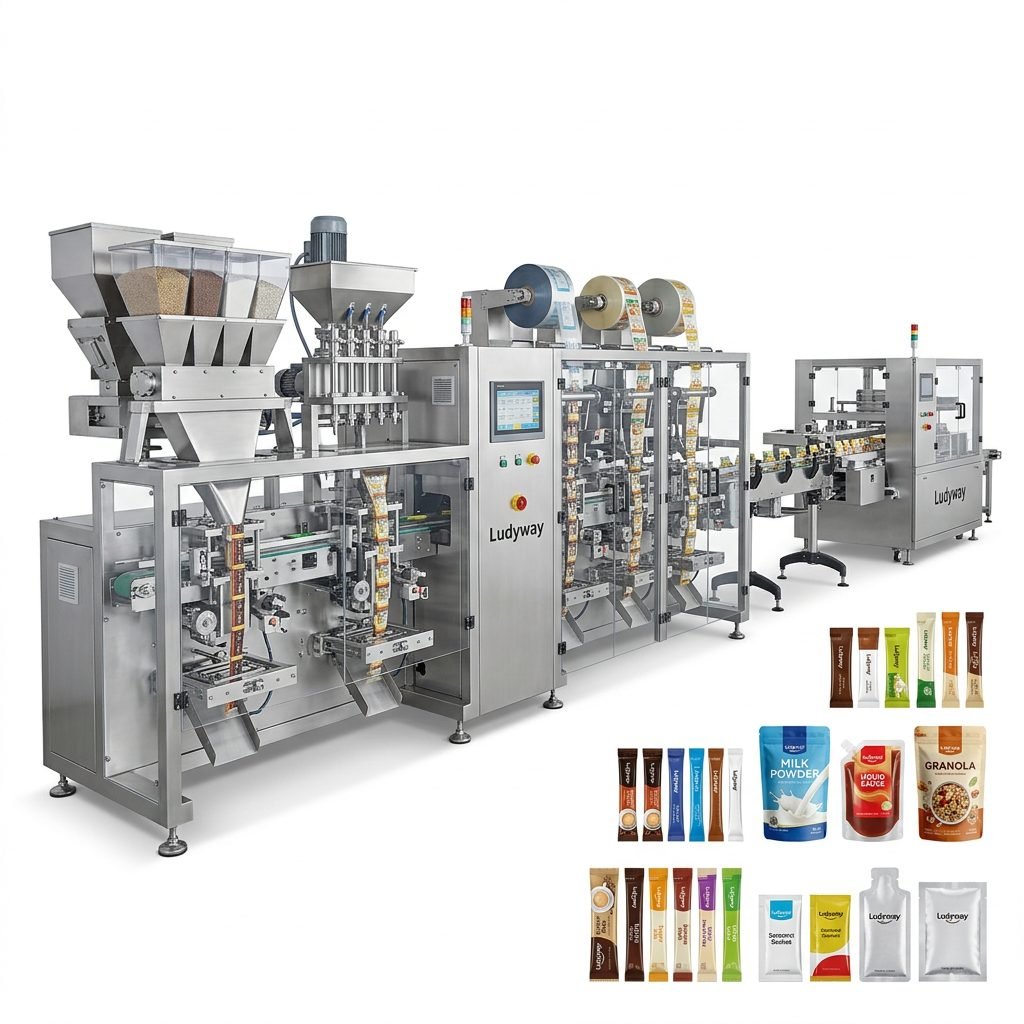
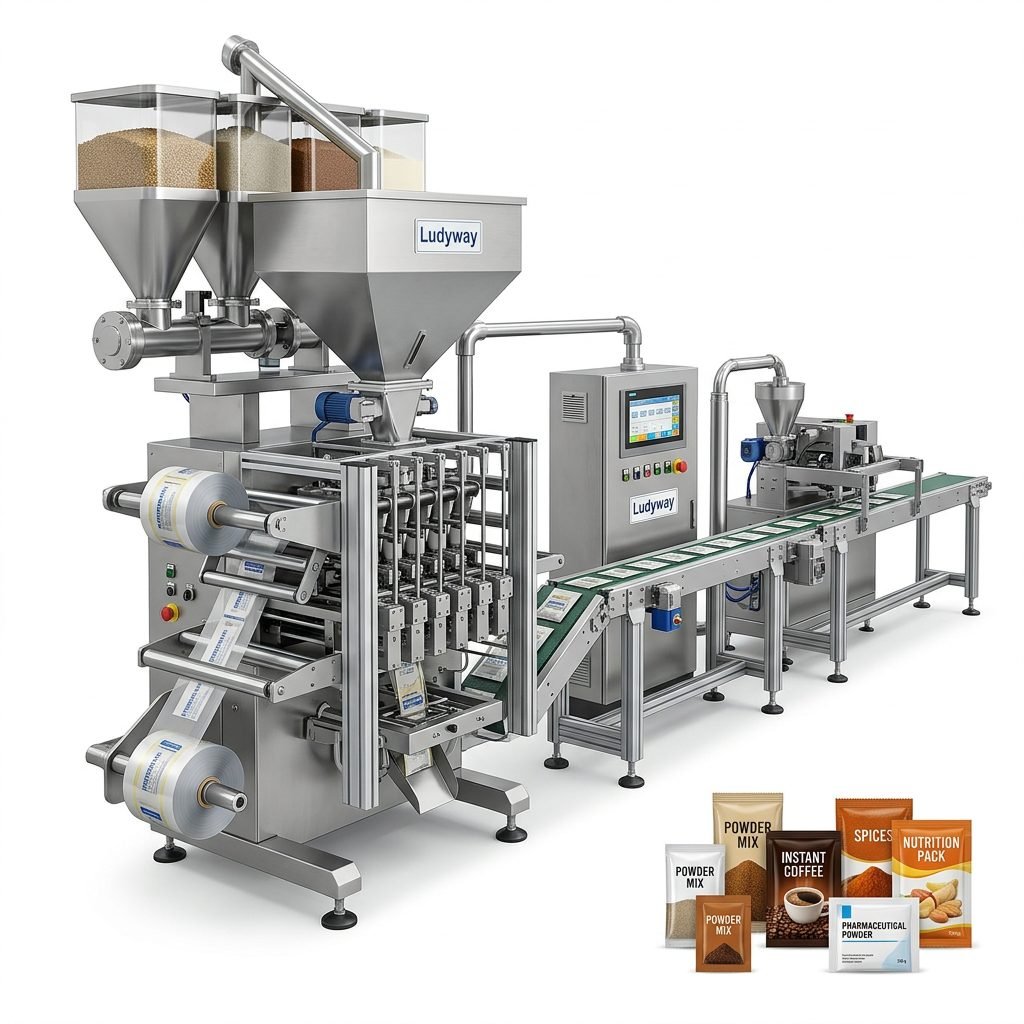
Honey sachet packing machines come in several configurations, and the right choice depends on your production volume, package format, and automation requirements:
- Single-Lane Machines: Ideal for small-scale production or startups. These machines produce one sachet per cycle, offering simplicity and lower initial investment. Suitable for outputs up to 30–60 sachets per minute depending on fill volume.
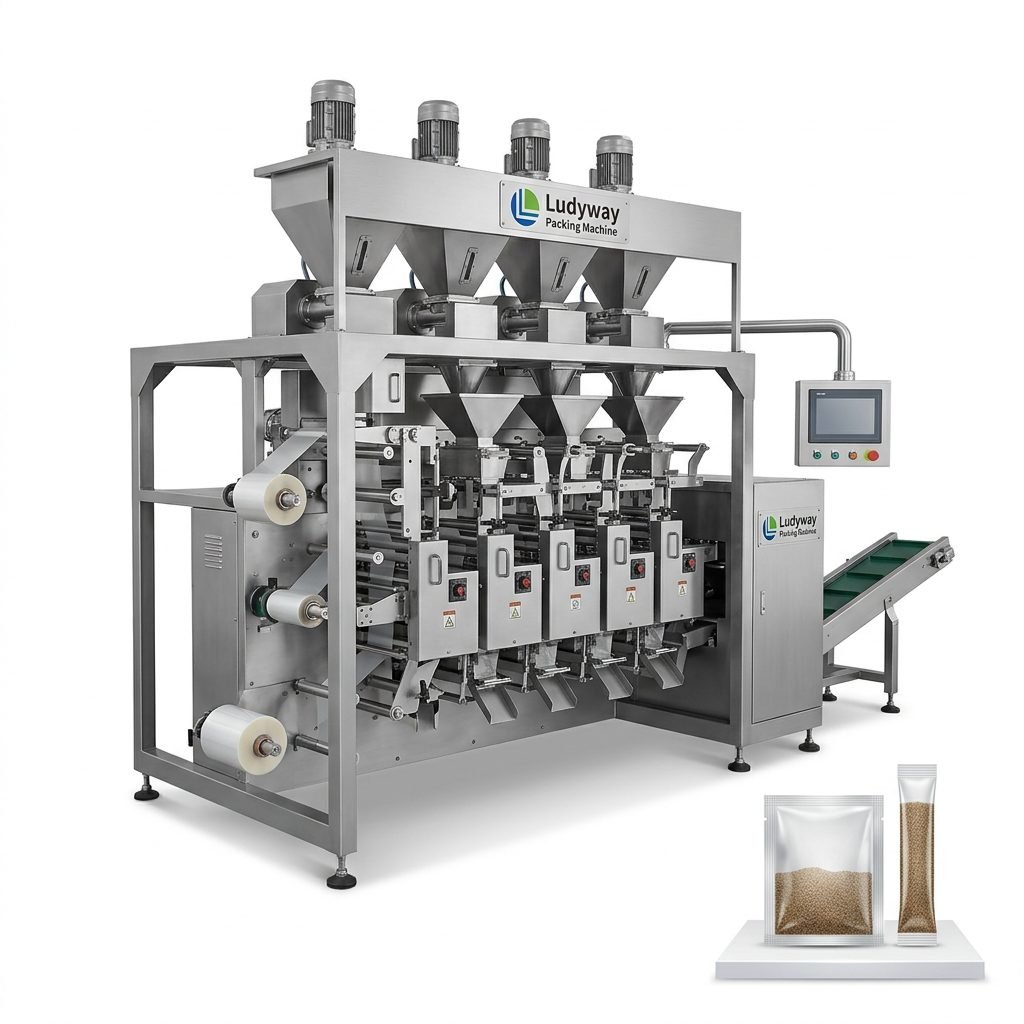
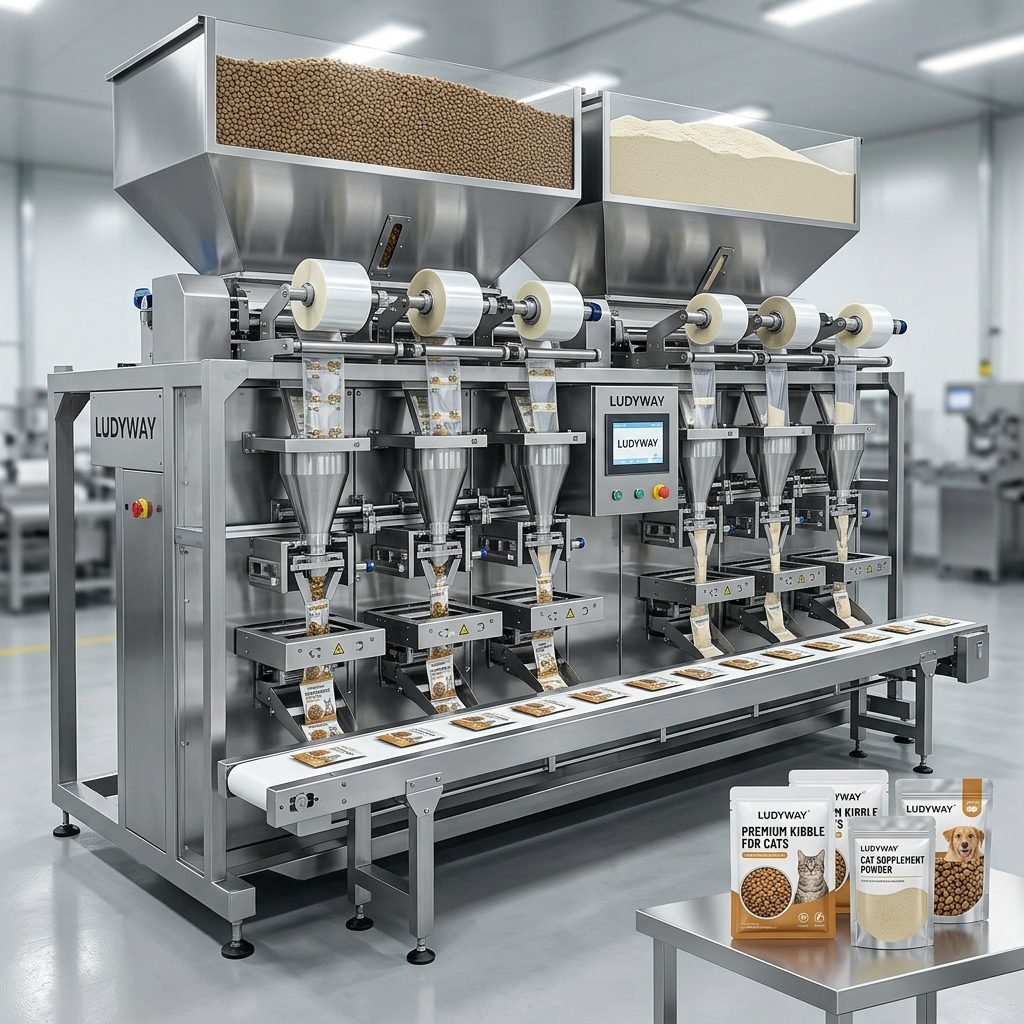
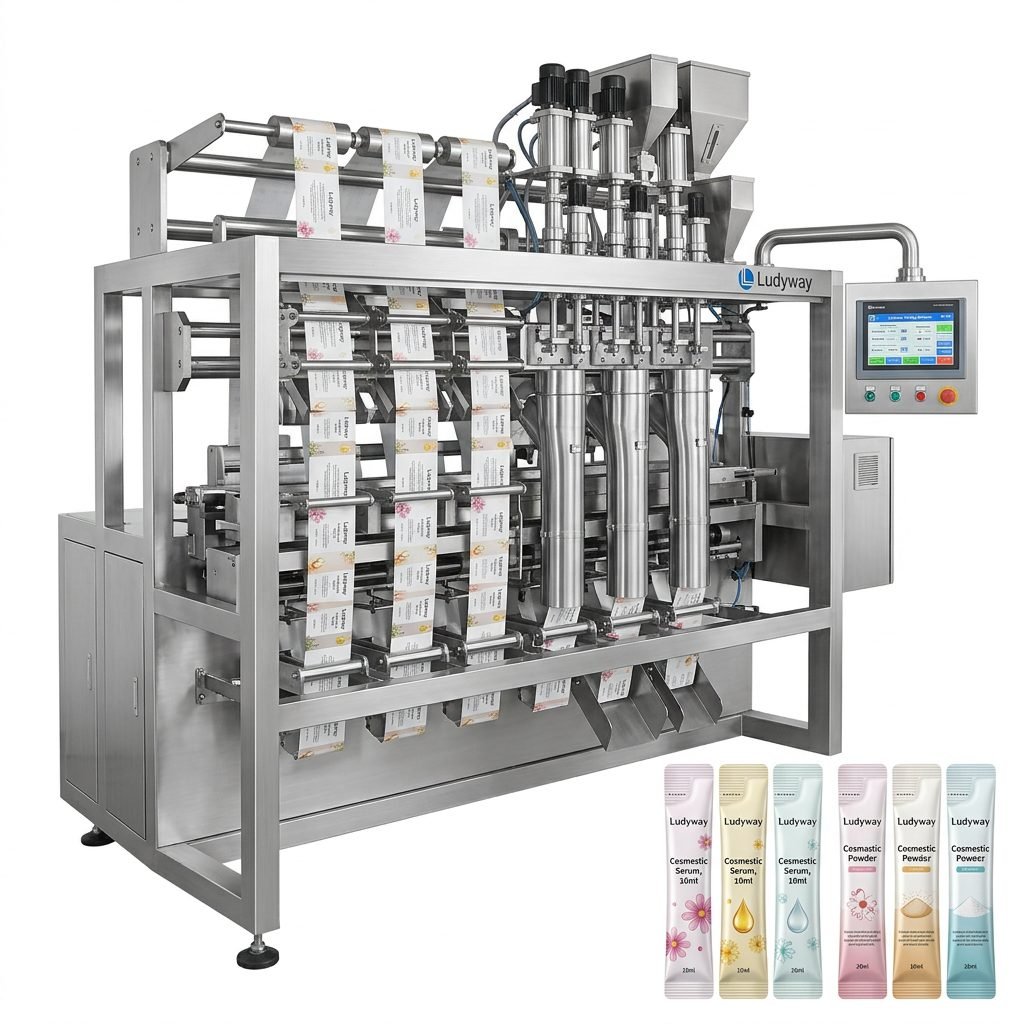
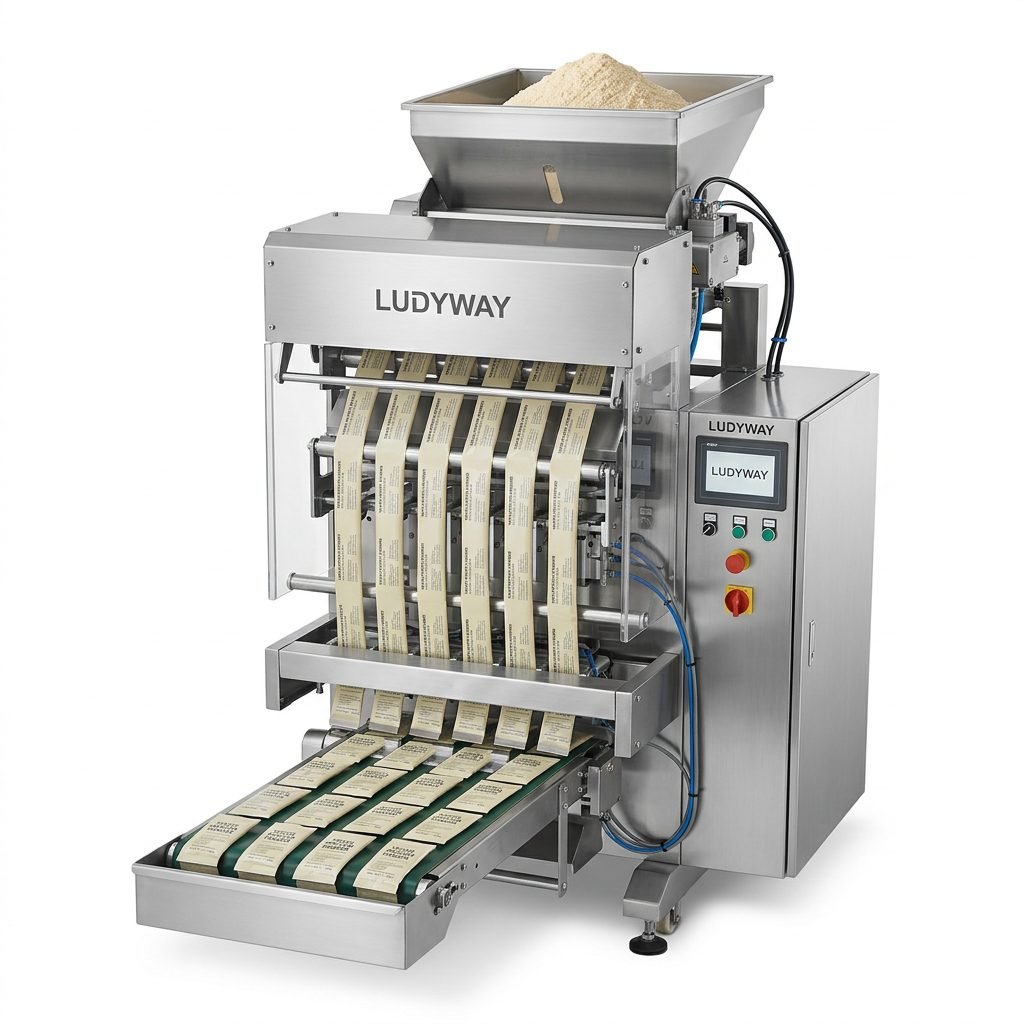
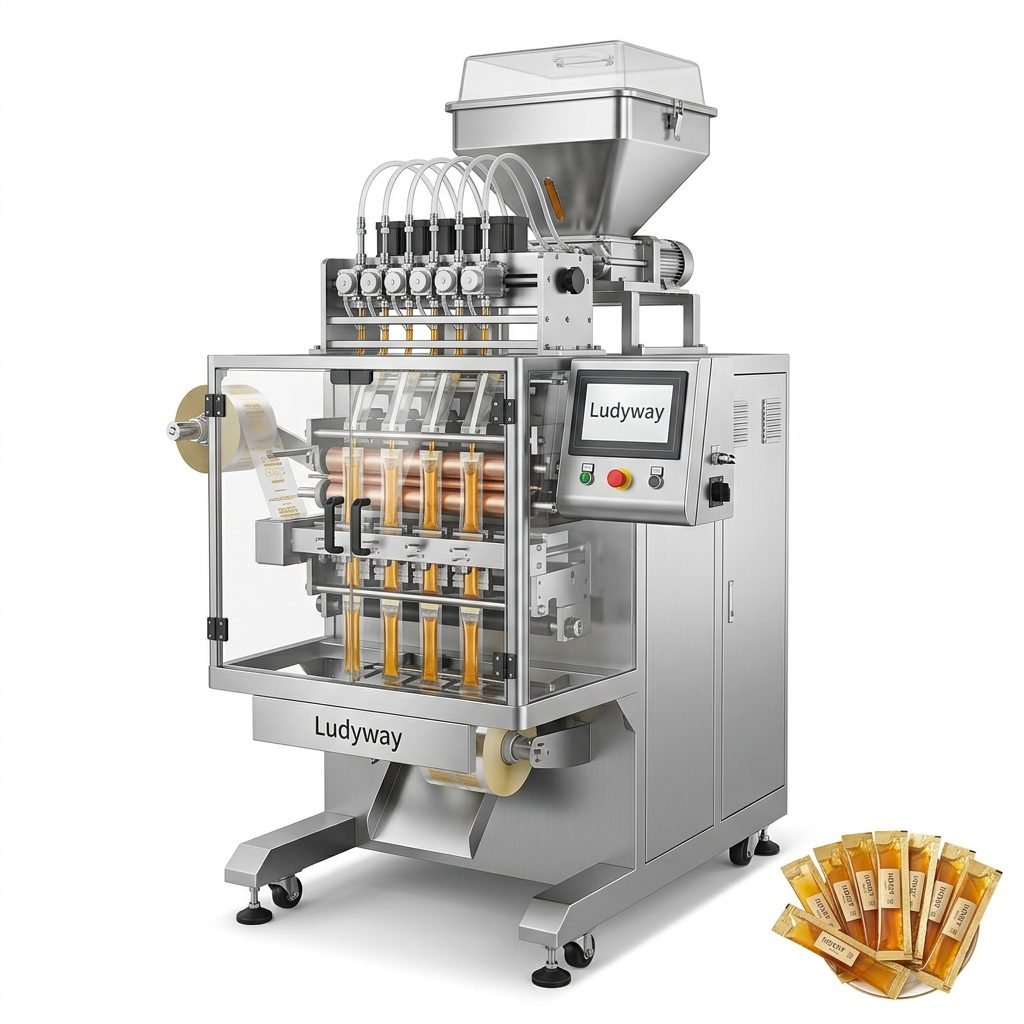
- Multi-Lane Machines: Designed for medium to high-volume production, these systems run 2 to 16 lanes simultaneously, multiplying output without proportionally increasing floor space. A 4-lane machine can produce 120–240 sachets per minute, while 8-lane and higher configurations serve large-scale manufacturers.
- Stick Pack vs. Flat Sachet: Stick packs are narrow, elongated sachets popular for single-serve honey portions. Flat sachets offer a wider format suitable for larger fill volumes. Ensure the machine supports your preferred sachet dimensions and format.
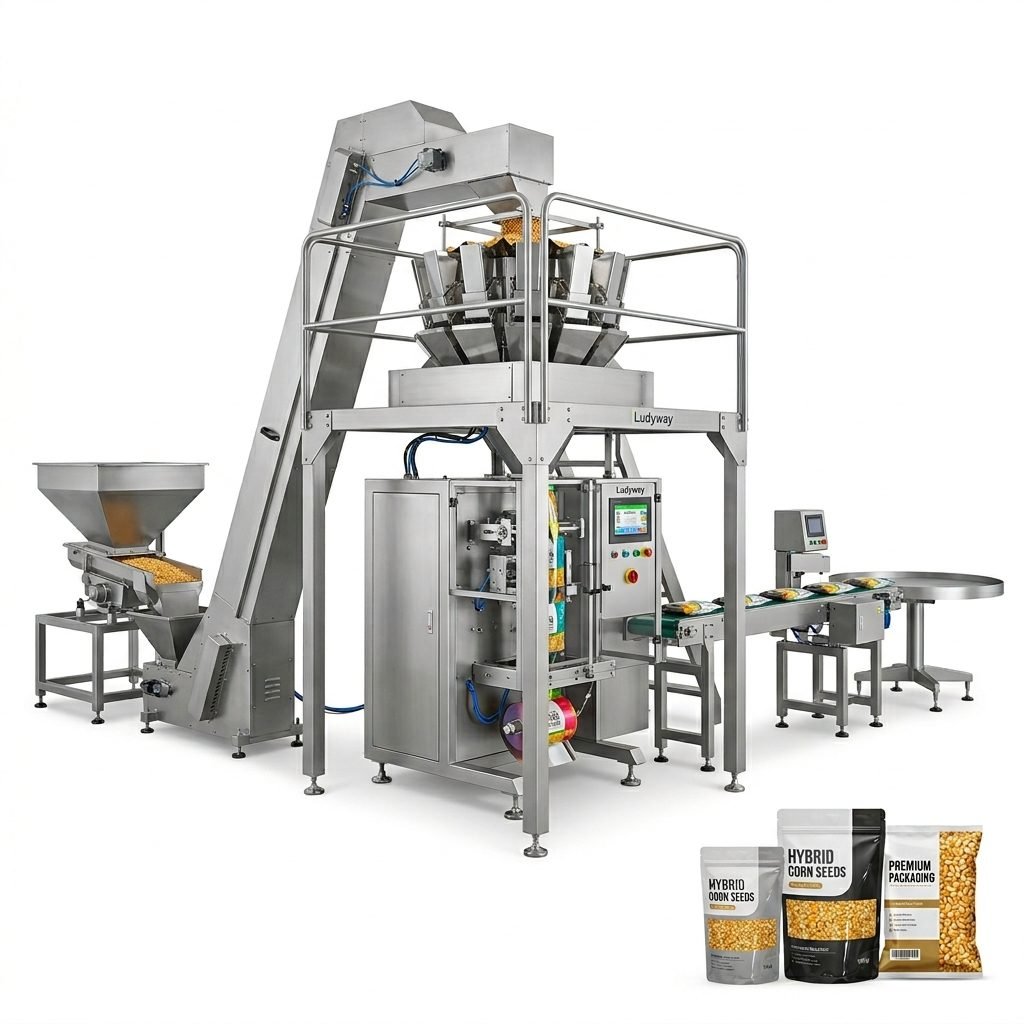
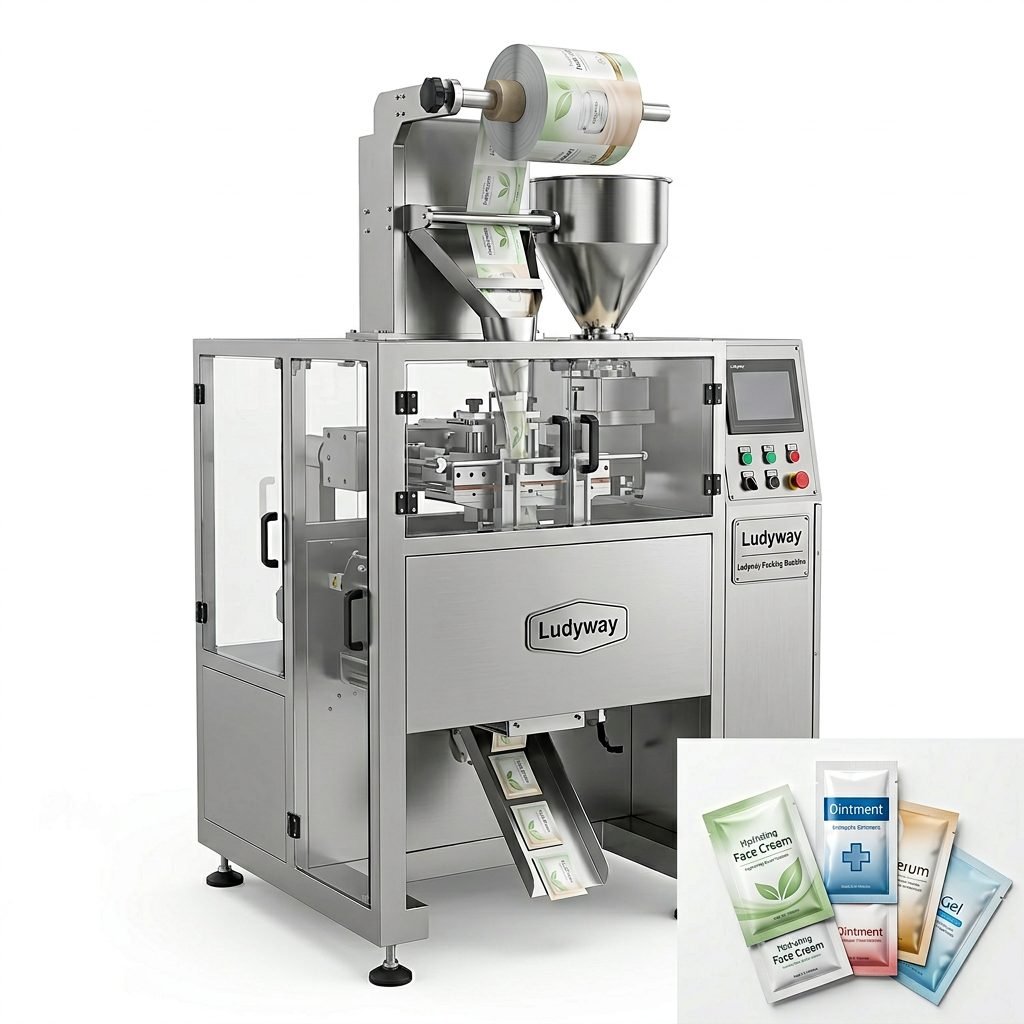
- Vertical Form-Fill-Seal (VFFS): Most honey sachet machines use VFFS technology, forming the sachet from roll stock film, filling with honey, and sealing — all in a continuous vertical process. This is the most efficient and widely adopted method for honey portion packaging.
2. Filling System and Accuracy
The filling mechanism is arguably the most critical component of any honey sachet machine. For viscous products like honey, the following filling technologies are commonly used:
- Piston Fillers: Excellent for high-viscosity products, piston fillers use a reciprocating piston to draw and dispense precise volumes. They offer fill accuracy of ±0.5% to ±1% and handle a wide viscosity range.
- Gear Pump Fillers: Suitable for consistent, continuous flow. Gear pumps work well with medium-viscosity honey but may require temperature control to maintain flow consistency.
- Servo-Driven Positive Displacement: Advanced systems use servo-controlled pumps that provide exceptional accuracy and programmability, allowing quick changeovers between different fill volumes without mechanical adjustments.
When evaluating filling accuracy, look for machines that specify fill tolerance percentages at your target fill volume. Inconsistent fills lead to product giveaway (costing you money) or underfilled packages (potentially violating labeling regulations).
3. Production Speed and Output Requirements
Your current and projected production needs should guide speed specifications. Consider both peak demand periods and typical daily output requirements. A machine operating at 70–80% of its maximum rated speed will generally offer better reliability and longer service life than one running constantly at full capacity.
The table below provides general output ranges based on machine configuration:
| Machine Configuration | Typical Lanes | Output Range (sachets/min) | Best For |
|---|---|---|---|
| Single-Lane VFFS | 1 | 30–60 | Startups, small producers |
| 4-Lane VFFS | 4 | 120–240 | Mid-size manufacturers |
| 8-Lane VFFS | 8 | 240–480 | Large-scale production |
| 12-Lane VFFS | 12 | 360–720 | High-volume industrial |
| 16-Lane VFFS | 16 | 480–960 | Maximum throughput |
4. Packaging Material Compatibility
Honey sachets typically use multi-layer laminate films that provide moisture barrier, oxygen barrier, and light protection. The machine must be compatible with your chosen film structure. Key material considerations include:
- Film Thickness Range: Verify that the machine’s forming, sealing, and cutting systems accommodate your film gauge — typically 40–120 microns for honey sachets.
- Seal Integrity: Honey contamination on seal areas is a leading cause of leaky sachets. Look for machines with vertical sealing systems designed to handle potential product splash-back, and consider hot-bar or ultrasonic sealing for robust seal quality.
- Printing and Coding: If you need batch codes, expiry dates, or branding on each sachet, ensure the machine can integrate with thermal transfer printers, inkjet coders, or hot-foil stamping systems.
5. Cleanability and Hygiene Design
Food safety standards demand packaging equipment that can be thoroughly cleaned to prevent contamination. For honey, which can harbor osmophilic yeasts if moisture levels rise, hygienic machine design is non-negotiable. Evaluate the following:
- Stainless Steel Construction: Product contact surfaces should be 304 or 316 stainless steel, resistant to corrosion from honey’s mild acidity.
- Quick-Disconnect Components: Filling nozzles, hoppers, and transfer lines that can be removed without tools simplify cleaning routines and reduce downtime.
- CIP (Clean-in-Place) Capability: Some advanced machines offer automated cleaning cycles, though for honey, manual disassembly and cleaning is more common.
- Sealed Electrical Enclosures: Protect controls and wiring from washdown procedures and sticky airborne particulates.
Additional Features Worth Considering
Automation and Control Systems
Modern honey sachet packing machines often feature PLC-based controls with touchscreen HMI interfaces. These systems enable precise parameter setting for fill volume, sealing temperature, film tension, and production speed. Advanced machines may include:
- Recipe storage for multiple product formats and fill volumes
- Servo-driven motors for synchronized operation and reduced mechanical wear
- Real-time production data logging and export capabilities
- Integration with upstream and downstream equipment such as conveyors, checkweighers, and cartoning machines
Integrated Quality Control
Some machines offer optional quality inspection modules, including vision systems for seal inspection, fill level verification, and print quality checking. These systems automatically reject non-conforming sachets, reducing the risk of defective product reaching customers. For honey packaging, seal inspection is particularly valuable given the consequences of leakers in retail and foodservice settings.
Energy Efficiency and Sustainability
As sustainability concerns grow across the packaging industry — a topic covered extensively by the European Commission Packaging and Packaging Waste Regulation — manufacturers are increasingly evaluating equipment energy consumption. Look for machines with energy-efficient heating systems, servo drives with regenerative braking, and optimized compressed air usage to reduce operating costs and environmental footprint.
Evaluating Suppliers and Manufacturers
Choosing the right equipment supplier is as important as selecting the right machine specifications. Consider these factors when evaluating potential honey sachet packing machine manufacturers:
Industry Experience and Track Record
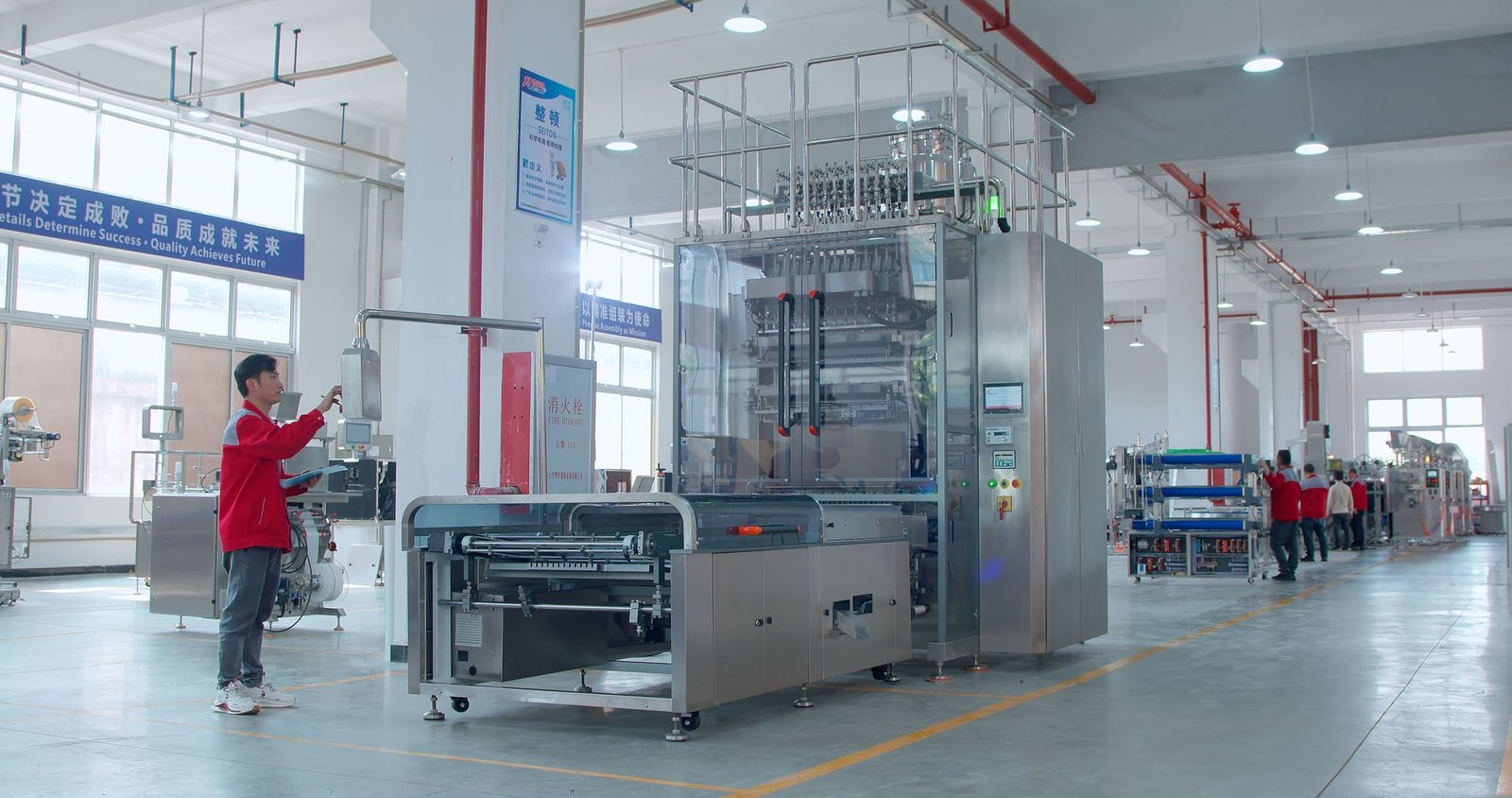
A supplier with proven experience in viscous liquid packaging will understand honey’s unique challenges. Ask for references from honey or similar viscous product packagers, and review case studies demonstrating successful installations. Manufacturers with decades of experience — such as Ludyway Machinery, a China-based packaging machinery manufacturer with more than 30 years in the industry — often bring valuable application knowledge that translates into better machine design and fewer startup issues.
Technical Support and After-Sales Service
Packaging machinery is a long-term investment, and ongoing support matters. Evaluate the supplier’s warranty terms, spare parts availability, remote troubleshooting capabilities, and local service presence. Machines with widely available components from established automation suppliers generally offer easier maintenance and faster repairs. Refer to the PMMI packaging machinery standards for insight into what professional-grade support should encompass.
Customization Capabilities
Standard machines may not perfectly match every production requirement. A supplier that offers engineering customization — whether adjusting lane count, integrating specialty filling systems, or configuring specific bag formats — provides greater flexibility as your business evolves. This is particularly relevant for honey producers who may expand into related products like flavored honey, honey-based sauces, or complementary viscous products.
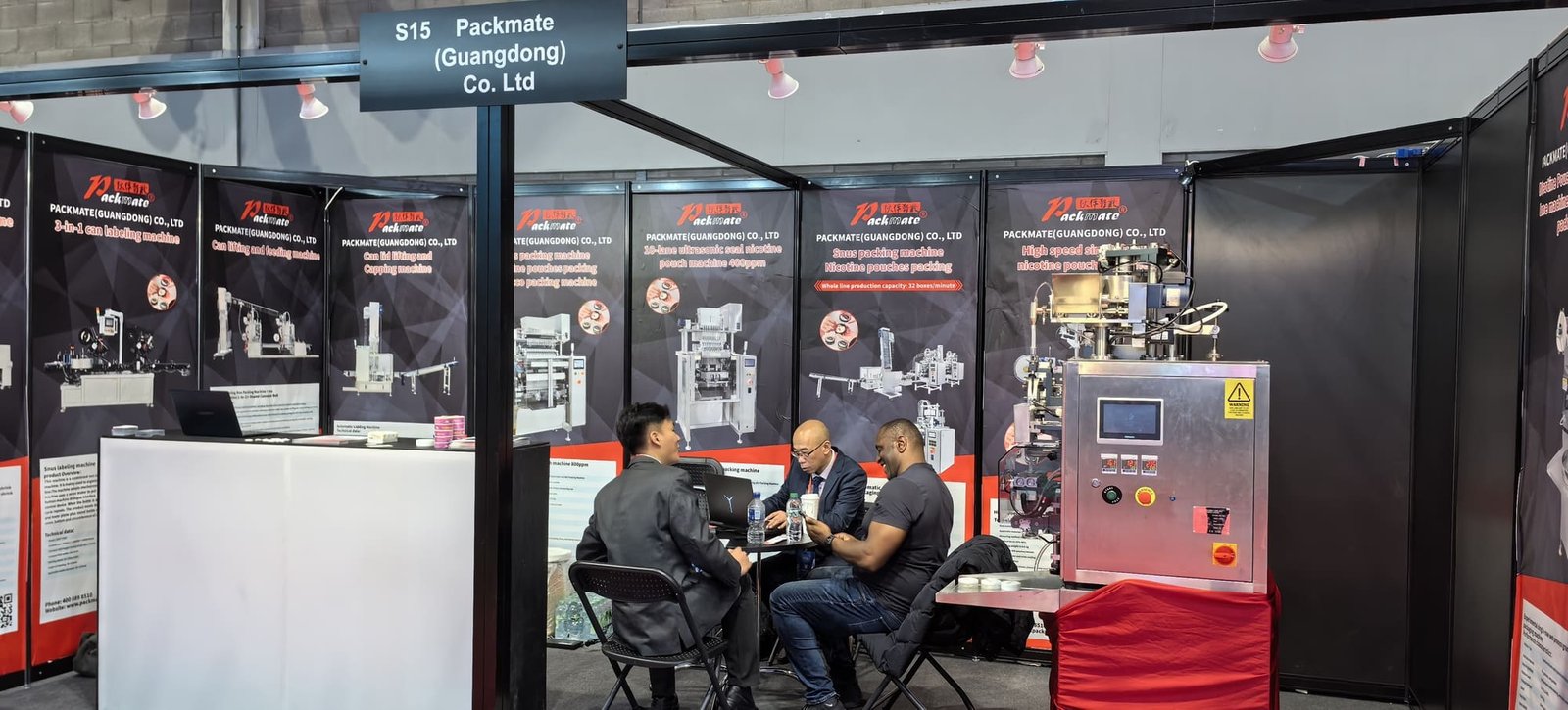
Cost Considerations Beyond the Purchase Price
The initial equipment cost represents only one component of the total cost of ownership. A comprehensive cost analysis should include:
| Cost Category | Considerations |
|---|---|
| Equipment Price | Base machine cost, optional modules, tooling for specific sachet sizes |
| Installation and Commissioning | Freight, rigging, technician travel, on-site setup, training |
| Consumables | Packaging film, lubricants, cleaning agents, wear parts |
| Maintenance | Scheduled servicing, spare parts inventory, unexpected repairs |
| Energy and Utilities | Electricity, compressed air, water for cleaning |
| Product Waste | Fill inaccuracy, seal failures, startup losses, changeover waste |
| Labor | Operator staffing, cleaning personnel, technical oversight |
A machine with higher upfront cost but superior fill accuracy and lower waste rates can deliver better long-term economics than a cheaper alternative. For example, a fill accuracy improvement of just 1% on a line producing 10 million sachets annually at 15g fill weight saves 1,500 kg of honey per year — a substantial cost recovery.
Compliance and Certification Requirements
Depending on your target markets, your honey sachet packing machine may need to meet specific regulatory standards. Food contact compliance, electrical safety certifications, and hygienic design standards vary by region. Key frameworks to be aware of include:
- FDA Food Contact Regulations: Relevant for machines serving the U.S. market, as outlined by the FDA Food Packaging and Food Contact Substances guidelines
- EU Machinery Directive and Food Contact Materials: Required for European market access
- ISO Standards: Various ISO packaging standards provide benchmarks for quality and safety
- GFSI-Recognized Schemes: Machines used in facilities pursuing BRC, SQF, or FSSC 22000 certification must support hygienic operations
Making the Final Decision
After narrowing your options based on the factors above, take these practical steps before finalizing your purchase:
- Request a product trial: Send a sample of your honey to prospective suppliers for machine testing. Observe fill accuracy, seal quality, and machine performance with your actual product — not just water or a standard test fluid.
- Visit existing installations: If possible, visit a facility running the machine model you are considering. Talk to operators about daily operation, maintenance requirements, and any challenges they have encountered.
- Review documentation thoroughly: Examine the machine’s technical specifications, spare parts list, maintenance schedule, and warranty terms in detail before signing.
- Plan for future growth: Consider whether the machine can be upgraded with additional lanes or features to accommodate future production increases, avoiding the need for a complete replacement in a few years.
Industry Resources for Further Research
Staying informed about packaging industry trends, standards, and innovations helps manufacturers make better equipment decisions. The following authoritative resources provide valuable information:
- PMMI – The Association for Packaging and Processing Technologies — Industry reports, standards, and event information
- Flexible Packaging Association — Resources on flexible packaging materials and sustainability
- PACK EXPO International — Major packaging industry trade show
- FDA – Packaging and Food Contact Substances — Regulatory guidance for food packaging
- Packaging Machinery Global Growth Trends — Market insights on packaging equipment demand
Final Thought: Selecting the best honey sachet packing machine requires balancing technical specifications, production requirements, budget constraints, and supplier capabilities. By systematically evaluating each factor outlined in this guide — from filling accuracy and speed to cleanability and after-sales support — you can make an informed decision that supports efficient, reliable, and profitable honey packaging operations for years to come.