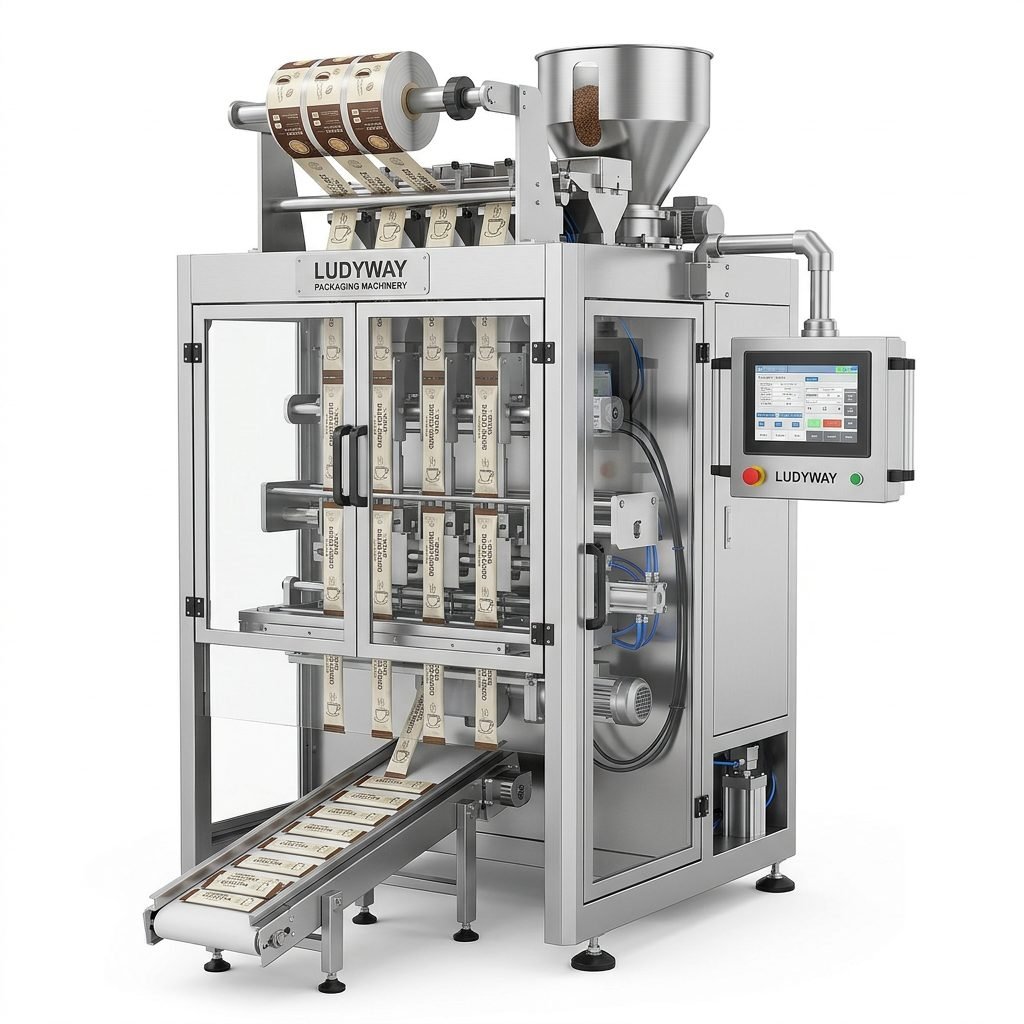
Selecting the ideal industrial food vacuum packaging machine is a critical decision that directly impacts your production efficiency, product quality, and overall operational costs. With numerous models and configurations available, navigating the market can be challenging. This comprehensive guide will walk you through the key factors to consider, ensuring you choose a machine that perfectly aligns with your production line’s specific requirements and growth objectives.
Understanding Your Production Requirements
Before evaluating any machinery, a thorough analysis of your own production needs is the essential first step. This internal audit forms the foundation for all subsequent decisions.
Product Characteristics
The physical properties of your food products are paramount. Consider the following:
• Size & Shape: Are you packaging large, irregular cuts of meat, delicate baked goods, or uniform portions? The machine’s chamber size and sealing mechanism must accommodate your products without causing damage.
• Moisture & Oil Content: Wet or oily products (like marinated meats or cheeses) require specific sealing bar technologies and film types to ensure a strong, leak-proof seal that won’t be compromised by residue.
• Fragility: For delicate items like potato chips or flaky pastries, a machine with gentle handling features or a dual-chamber design that minimizes product movement is crucial to prevent breakage.
Output Speed & Volume
Your required output dictates the machine’s speed and automation level. Evaluate your current and projected future volumes.
Key Question: Do you need a single-chamber machine for small-batch, artisanal production, or a high-speed, automated rotary or belt-chamber system for large-scale, continuous output? Investing in a machine with scalable capabilities can protect your investment as your business grows.
Core Machine Features & Technologies
Once your needs are clear, you can assess the technical specifications of different vacuum packaging machines.
Vacuum Pump Type
The pump is the heart of the machine, responsible for removing air. The two main types are:
Oil-Lubricated Rotary Vane Pumps: Known for deep vacuum levels, durability, and high performance in demanding, continuous operations. They require regular oil changes and maintenance.
Oil-Free (Dry) Pumps: Such as diaphragm or claw pumps. They offer cleaner operation (no risk of oil contamination), lower maintenance, and are ideal for environments where hygiene is paramount, though they may have a slightly lower ultimate vacuum level for some applications.
Sealing System
A flawless seal is non-negotiable for food safety and shelf life. Look for:
• Impulse Sealing: Common and reliable, it heats a wire to melt the bag layers together. Ensure it has adjustable temperature and time controls for different bag materials.
• Double Sealing Bars: Provide redundancy and strength, critical for heavy or sharp-edged products.
• Gas Flush Capability (Modified Atmosphere Packaging – MAP): Allows the injection of inert gases (like nitrogen or CO2) after vacuuming. This is essential for preserving the color and texture of products like red meat or fresh pasta without crushing them. For example, a reliable supplier with expertise in turnkey solutions can integrate MAP systems seamlessly.
Controls & Programmability
Modern machines offer sophisticated controls that enhance consistency and ease of use.
✔ Programmable Memory: The ability to save and recall settings for different products (vacuum time, seal time, gas flush volume) drastically reduces changeover time and operator error.
✔ User Interface: An intuitive touchscreen or digital control panel simplifies operation and training.
✔ Diagnostics: Built-in error detection and diagnostic codes can minimize downtime by quickly identifying issues.
Integration with Your Existing Production Line
The machine should be a synergistic component, not an isolated island. Consider the workflow.
Footprint & Utilities
Measure your available floor space precisely. Check the machine’s requirements for electrical power (voltage, phase), compressed air, and, if applicable, external cooling or gas supply lines.
Upstream & Downstream Compatibility
How will products feed into the machine (manual loading, conveyor belt, robotic arm)? How will finished packages exit (onto a table, weigh scale, or labeling system)? Ensuring smooth material handling before and after vacuum sealing is vital for line efficiency. Partnering with a provider experienced in complete production line solutions can ensure seamless integration.
Supplier Evaluation & Support
The quality of the manufacturer or distributor is as important as the machine itself.
Reliability & Reputation
Research the supplier’s track record. How long have they been in business? Do they have positive testimonials from companies in your specific food sector? A supplier with over 30 years of industry experience often brings invaluable practical knowledge to the table.
After-Sales Service & Parts Availability
Comprehensive support is critical for minimizing downtime. Inquire about:
• Warranty: Length and coverage details.
• Technical Support: Availability of remote assistance and on-site service engineers.
• Parts Inventory: How quickly can common wear parts (sealing bars, gaskets, pump oil) be shipped? A global service network is a significant advantage for international operations.
Choosing a partner like Ludyway Machinery, which is committed to long-term cooperation and innovation, ensures you have reliable support throughout the machine’s lifecycle.
Budget & Total Cost of Ownership (TCO)
Look beyond the initial purchase price. The TCO includes:
Energy Consumption: A more efficient pump may have a higher upfront cost but lower operating expenses.
Maintenance Costs: Factor in the cost and frequency of routine maintenance, filter changes, and spare parts.
Bagging Film Efficiency: Some advanced machines optimize film use, reducing material waste significantly over time.
Downtime Cost: A reliable machine from a reputable supplier minimizes costly production stoppages.
Frequently Asked Questions (FAQs)
1. What is the main difference between single-chamber and double-chamber vacuum machines?
Single-chamber machines have one sealing chamber. You load, vacuum, seal, and release in one cycle, making them ideal for lower-volume or batch processing. Double-chamber machines have two alternating chambers, allowing one to be loaded while the other is under vacuum, offering near-continuous operation and much higher output speeds.
2. Can one machine handle all my different food products?
While many machines are versatile, extreme differences in product size, moisture, or packaging needs (e.g., delicate salad mixes vs. large primal meat cuts) may require different specialized machines or significant adjustments. Programmable machines with multiple memory settings handle product changeovers best.
3. How important is Modified Atmosphere Packaging (MAP) for my business?
MAP is essential if you need to extend shelf life significantly while maintaining the fresh appearance and texture of products prone to oxidation or crushing. It’s a standard requirement for many retail-ready fresh meat, seafood, cheese, and prepared food products.
4. What are the most common maintenance tasks for a vacuum packaging machine?
Regular tasks include: cleaning the sealing bar and chamber to remove debris, checking and replacing the sealing gasket (if equipped), changing the oil in an oil-lubricated pump, cleaning or replacing air filters, and inspecting the heating wire for integrity. A consistent maintenance schedule is key to longevity.
5. How do I ensure I get the right packaging film for my machine and product?
Always consult your machine manufacturer for film specifications (layer structure, thickness, melting point). They can often recommend or supply compatible films tested for optimal seal strength and performance with your specific machine model and product type.