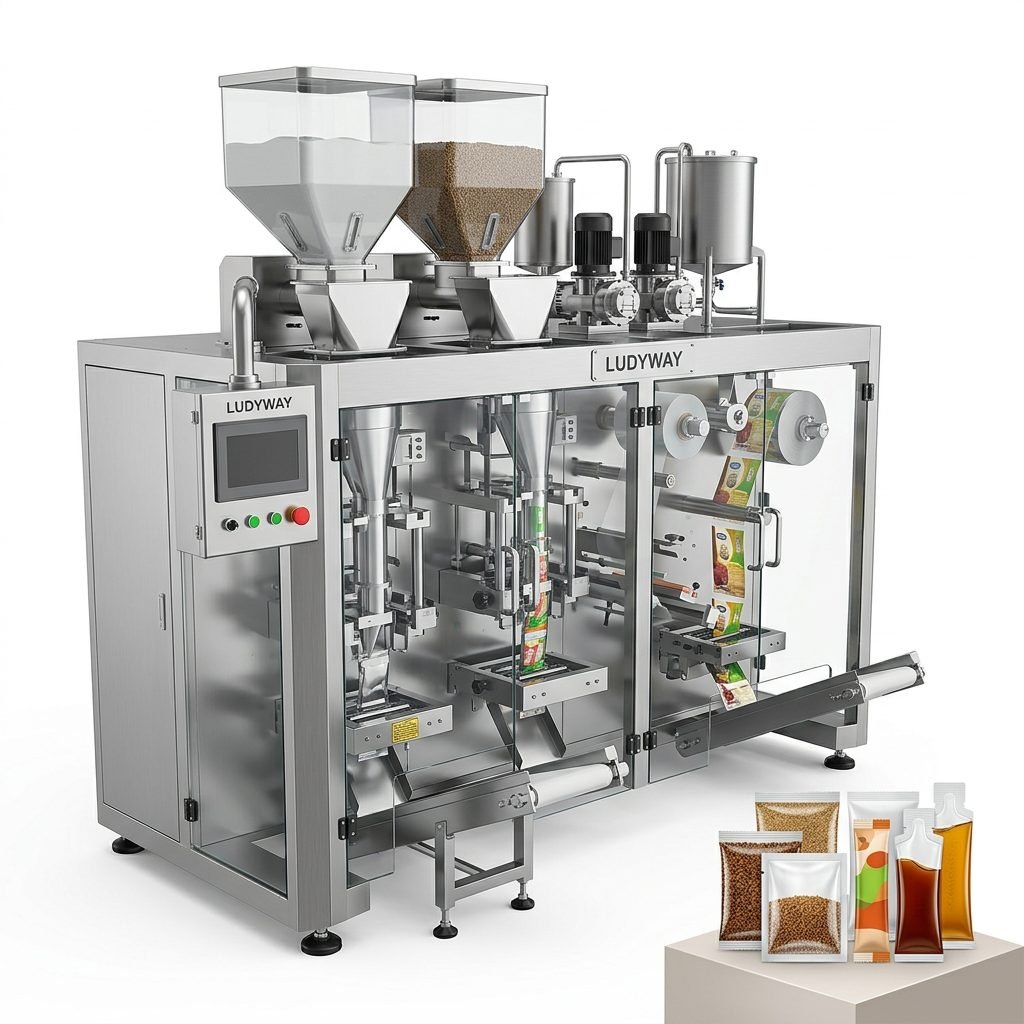
The bakery packaging machine market is a dynamic and rapidly evolving segment within the global food processing equipment industry. As consumer demand for fresh, convenient, and visually appealing bakery products continues to rise, manufacturers are increasingly investing in advanced packaging solutions to ensure product integrity, extend shelf life, and enhance brand appeal on retail shelves. This growth is driven by several key factors, including the expansion of artisanal and industrial bakeries, stringent food safety regulations, and the relentless pursuit of operational efficiency and cost reduction.
Market Size and Growth Trajectory
Recent market analyses indicate a robust and consistent growth pattern for the bakery packaging machinery sector. Valued at several billion dollars, the market is projected to experience a compound annual growth rate (CAGR) of approximately 5-7% over the next five to seven years. This expansion is not uniform but is particularly pronounced in regions with high urbanization rates, growing disposable incomes, and a strong culture of bakery consumption, such as North America, Europe, and parts of Asia-Pacific.
Key Insight: The shift towards sustainable packaging materials is a major catalyst, pushing manufacturers to adopt machines capable of handling biodegradable, compostable, or recyclable films and cartons without compromising speed or seal integrity.
The demand is segmented across various end-users, from large-scale industrial bakeries supplying supermarkets to smaller local bakeries and café chains. Each segment has distinct needs, fueling demand for a wide range of machine types, from high-speed automated lines to more flexible, semi-automatic systems suitable for smaller batch production.
Primary Types of Bakery Packaging Machinery
The technological landscape of bakery packaging is diverse, with machines designed for specific product types and packaging formats. Understanding these types is crucial for businesses looking to invest in the right equipment.
1. Flow Wrap Machines
Also known as horizontal form-fill-seal (HFFS) machines, these are the workhorses for packaging individual items like bread rolls, muffins, cookies, and pastries. They use a continuous reel of film to form a pouch around the product, creating a tight, secure seal. Modern flow wrappers offer features like nitrogen flushing for extended freshness and precise cut-off controls for attractive presentation.
2. Vertical Form-Fill-Seal (VFFS) Machines
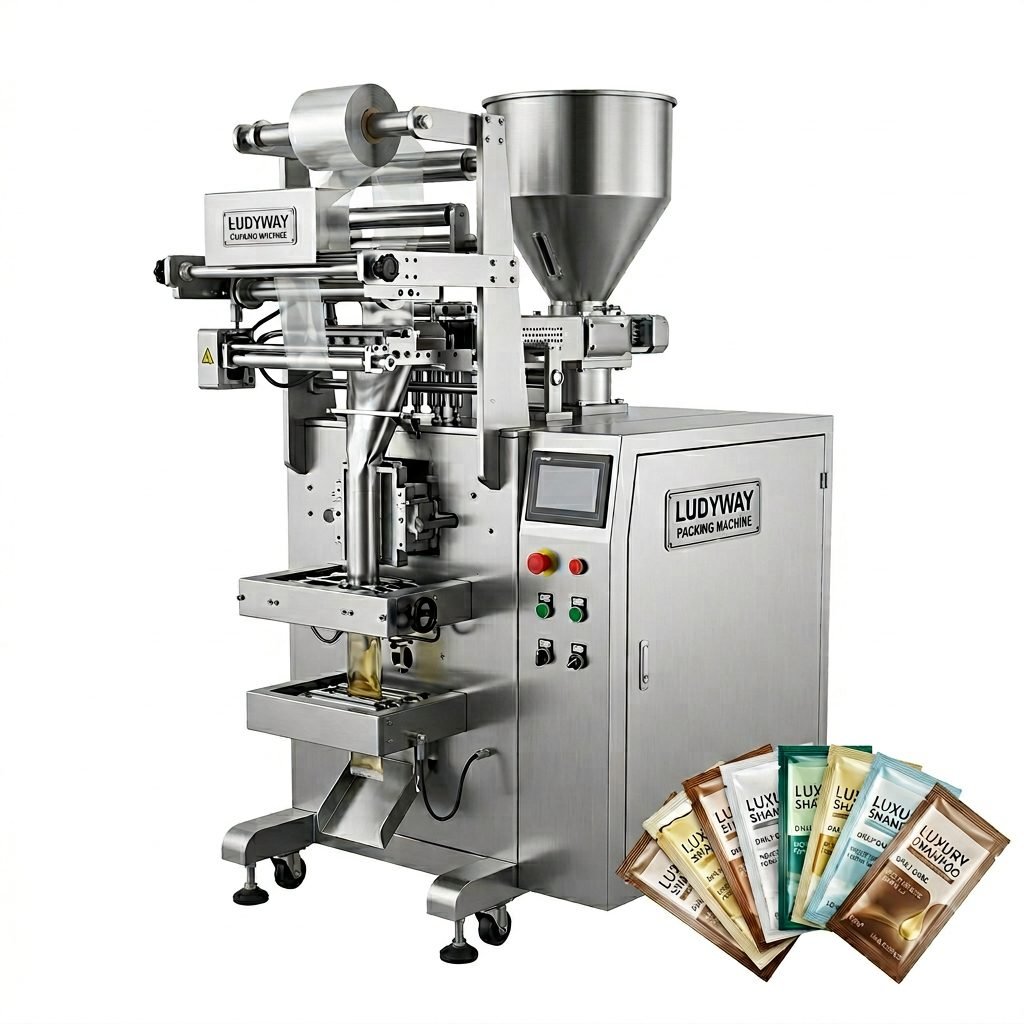
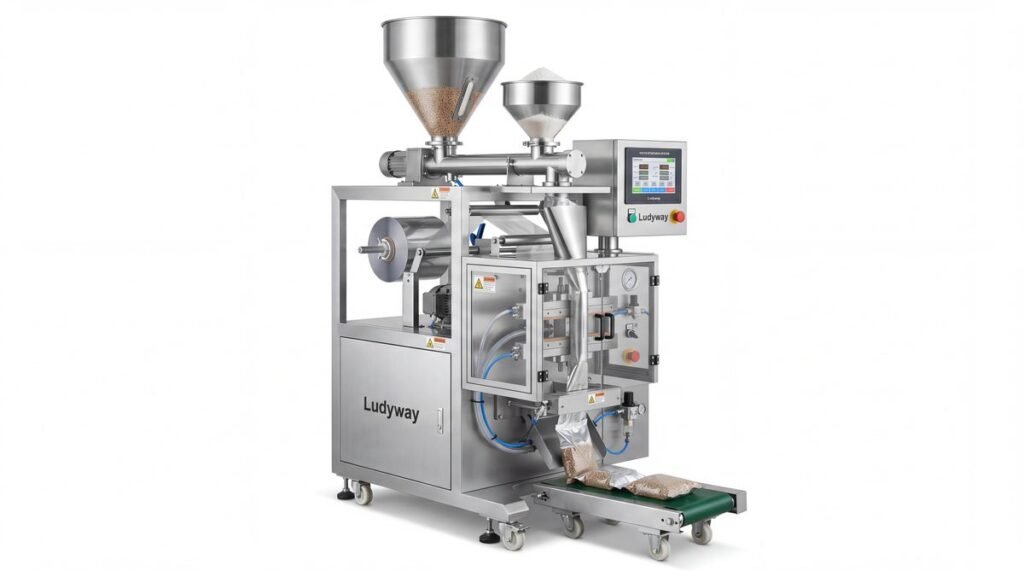
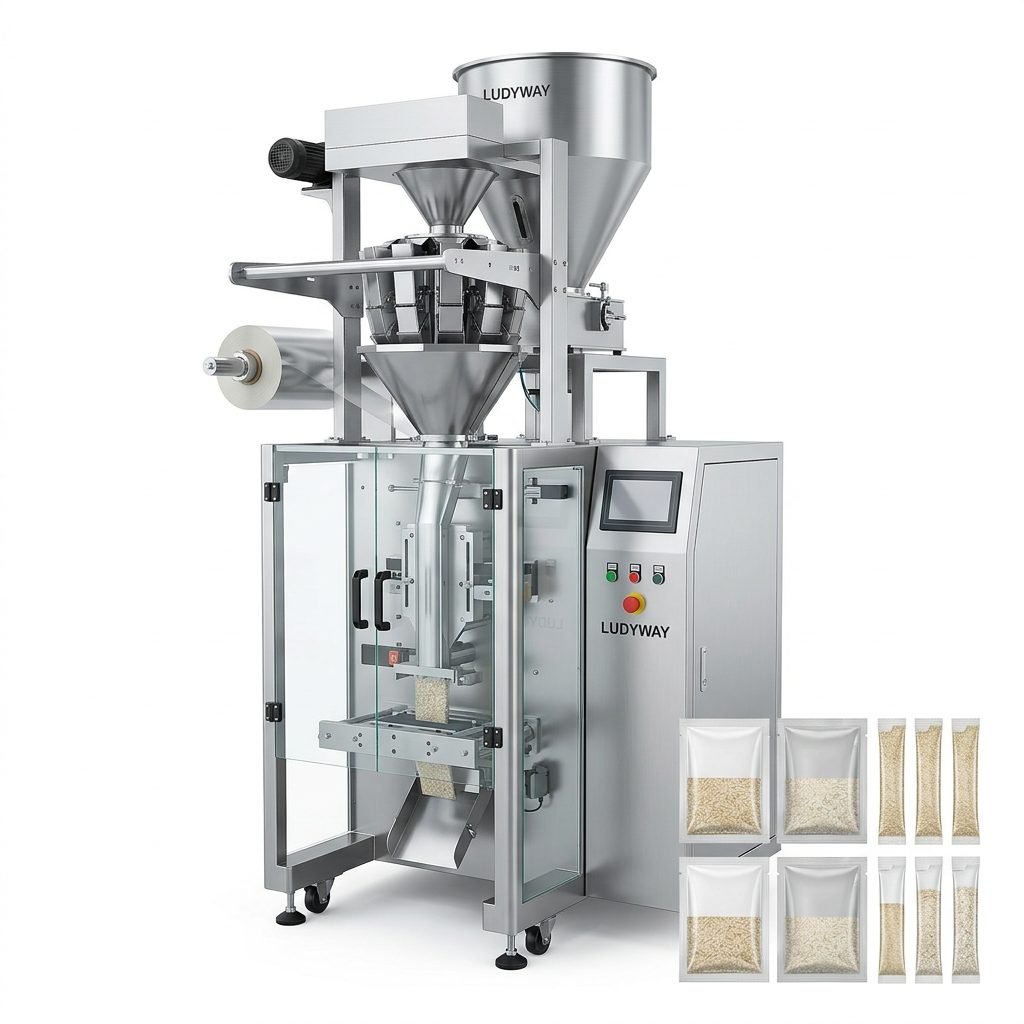
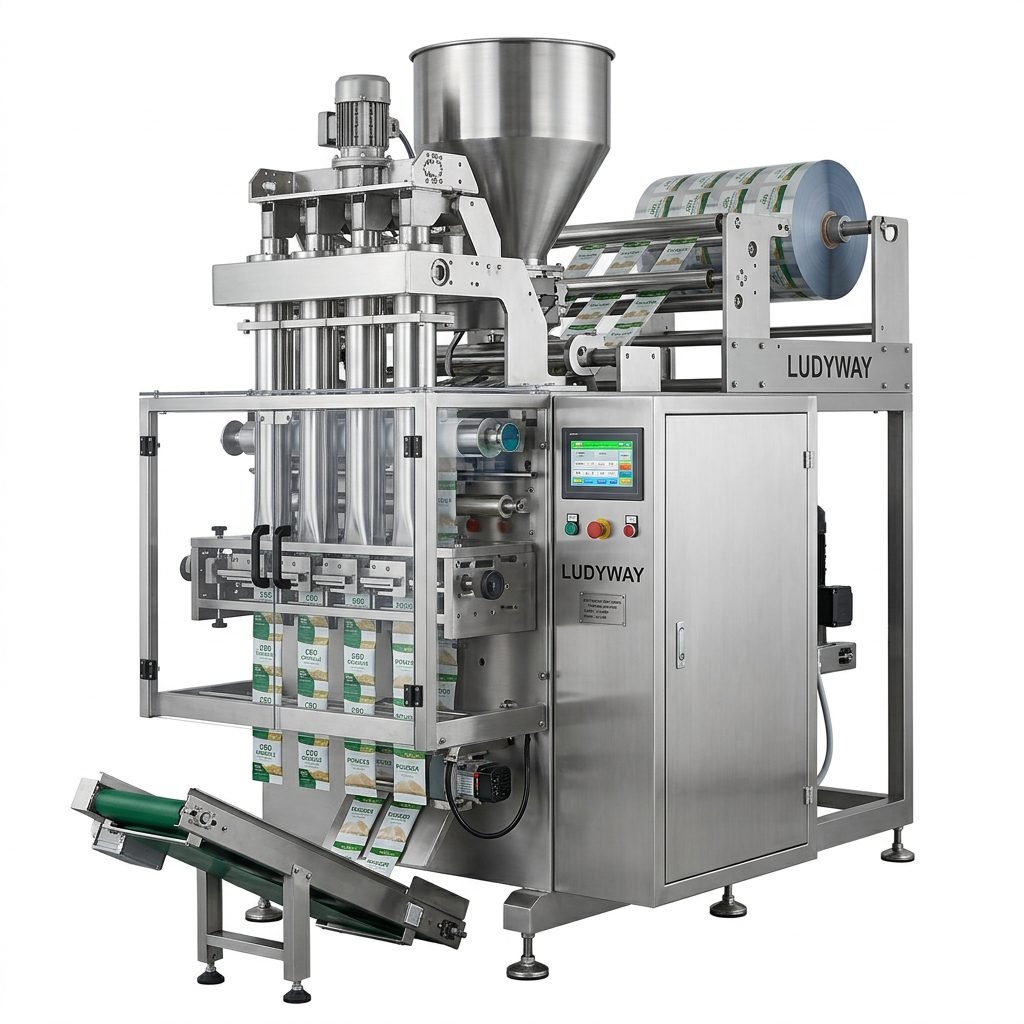
Ideal for packaging free-flowing bakery products like croutons, breadcrumbs, or certain types of cookies into bags. The machine forms a bag from a roll of film, fills it with the product, and then seals it. They are highly efficient for granular or piece-based products and are easily integrated with checkweighers and metal detectors.
3. Tray Sealing and Skin Packaging Machines
These machines are essential for packaging bakery goods presented on trays, such as cakes, pies, or delicate pastries. Tray sealers place a lidding film over a pre-formed tray, while skin packaging machines use a film that is heated and vacuum-drawn tightly over the product and a backing board, creating a distinctive “second skin” that locks in freshness and provides excellent product visibility.
Trend Alert: There is a growing integration of Industry 4.0 principles and IoT (Internet of Things) capabilities in modern packaging lines. Machines equipped with sensors and connectivity allow for real-time monitoring of production data, predictive maintenance alerts, and remote troubleshooting, significantly reducing downtime.
4. Cartoning and Boxing Systems
For secondary packaging, automatic cartoning machines erect, load, and seal cartons containing multiple packaged bakery items. These systems are critical for creating shelf-ready displays and efficient logistics units for distribution to stores.
Key Market Drivers and Growth Opportunities
The sustained growth of this market is underpinned by several interconnected drivers that also point toward future opportunities for machine manufacturers and bakery businesses alike.
Driver 1: Rising Demand for Convenience and On-the-Go Foods
Modern lifestyles have accelerated the demand for packaged, portable bakery snacks. This requires packaging machines that are not only fast but also capable of creating convenient, single-serve, and resealable packages that maintain product quality.
Driver 2: Stringent Food Safety and Hygiene Regulations
Global food safety standards (like FDA, EFSA regulations) mandate strict hygiene controls. This drives the adoption of packaging machines with easy-clean designs (often with stainless steel contact parts), enclosed mechanisms to prevent contamination, and features that ensure a hermetic seal to protect against pathogens and spoilage.
Driver 3: The Sustainability Imperative
Consumer and regulatory pressure to reduce plastic waste is a powerful driver. This creates a significant opportunity for machinery suppliers who develop or adapt equipment to handle new, often more challenging, sustainable materials like paper-based laminates, PLA films, or mono-material plastics that are easier to recycle.
Companies like Ludyway Machinery, with decades of experience, are at the forefront of providing turnkey packaging solutions that address these complex demands, helping bakeries navigate the transition to more sustainable operations without sacrificing performance.
Driver 4: Automation and Labor Cost Optimization
As labor costs rise and the need for consistent output grows, bakeries are automating their packaging lines. This includes integrating robots for pick-and-place operations, using vision systems for quality inspection, and implementing fully automated end-of-line palletizing systems. The opportunity lies in providing flexible, scalable automation that suits businesses of various sizes.
Growth Opportunity: Emerging Markets and Product Innovation
Emerging economies present a vast, untapped market as urbanization and Western-style consumption habits grow. Furthermore, innovation in bakery products themselves—such as gluten-free, high-protein, or functional ingredient-based goods—requires adaptable packaging solutions that can handle different product characteristics and communicate new brand values effectively.
For businesses seeking reliable partners, exploring the range of intelligent packaging systems offered by experienced providers can be a critical step in capitalizing on these market opportunities.
Future Outlook and Strategic Considerations
The future of the bakery packaging machine market is inextricably linked to technological advancement and evolving consumer trends. Smart factories will become more prevalent, with packaging lines communicating seamlessly with enterprise resource planning (ERP) systems for optimal inventory and production management. Furthermore, the demand for customization and short production runs will favor machines with quick changeover capabilities and modular designs.
Success in this market will depend on a supplier’s ability to offer not just a machine, but a comprehensive production solution—encompassing consultation, custom engineering, reliable after-sales support, and the flexibility to adapt to future needs. The history and commitment of firms like Ludyway Machinery, which has built its reputation on innovation and long-term partnerships, exemplify the strategic approach needed to thrive in this competitive landscape.
Frequently Asked Questions (FAQs)
What are the main benefits of automating bakery packaging?
Automation significantly increases production speed and consistency, reduces labor costs and human error, enhances hygiene and food safety by minimizing product handling, and improves overall operational efficiency. It also allows for better data collection on production metrics.
How do I choose the right type of packaging machine for my bakery products?
Selection depends on several factors: your product type (e.g., soft bread, hard biscuits, fragile pastries), desired packaging format (bag, flow wrap, tray), production volume, available floor space, budget, and future growth plans. Consulting with an experienced packaging solutions provider for a needs analysis is highly recommended.
Can packaging machines handle sustainable or eco-friendly materials?
Yes, but it requires careful consideration. Many modern machines can be configured or adapted to run materials like compostable films or paper laminates. However, these materials may have different sealing and handling characteristics, so it’s crucial to discuss your sustainability goals with your machine supplier during the selection process.
What is the importance of after-sales service and support?
Exceptional after-sales support is critical for minimizing downtime, which is costly. Look for suppliers who offer comprehensive training, readily available spare parts, responsive technical support (including remote diagnostics), and preventive maintenance programs to ensure your packaging line runs smoothly for years.
Are there packaging solutions suitable for small or artisanal bakeries?
Absolutely. The market offers a range of semi-automatic, tabletop, or benchtop packaging machines that are cost-effective, user-friendly, and perfect for lower-volume production. These machines provide many benefits of automation while being accessible to smaller businesses looking to improve their packaging quality and efficiency.