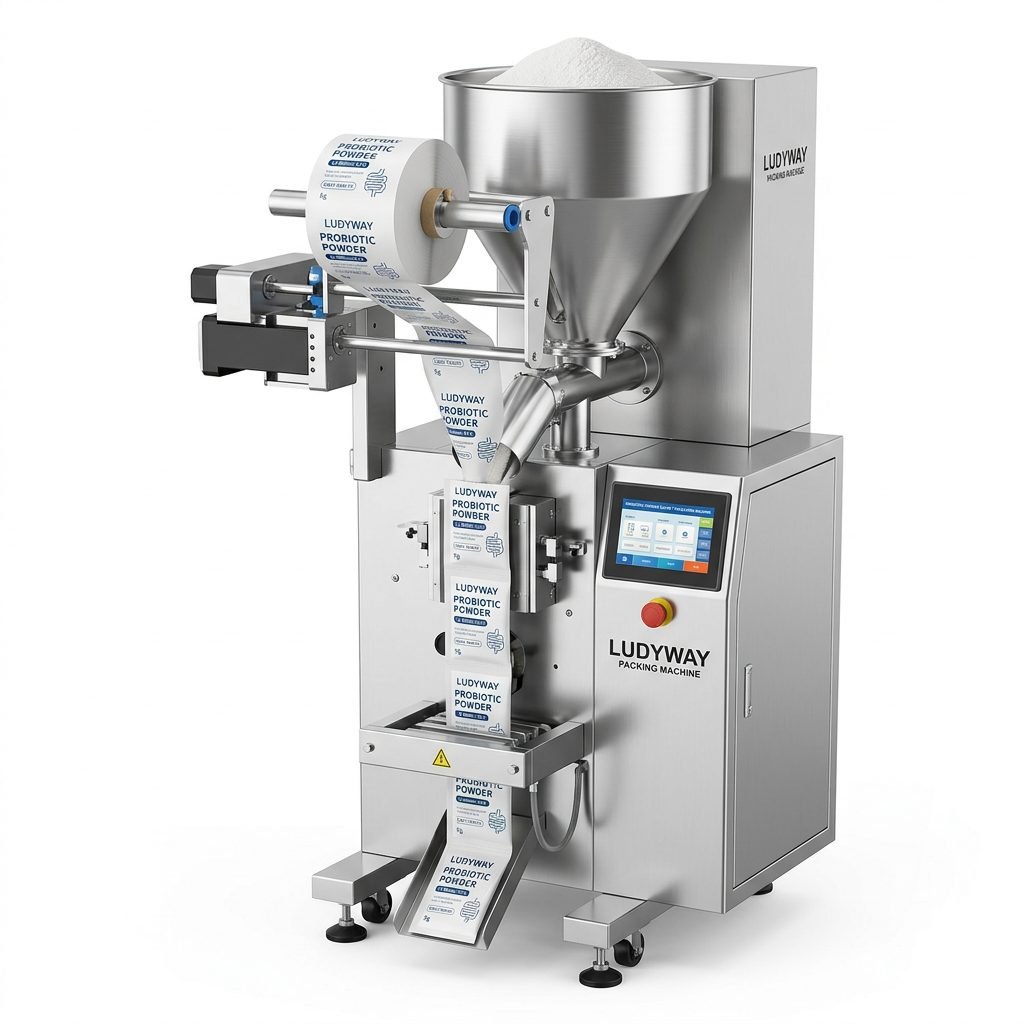
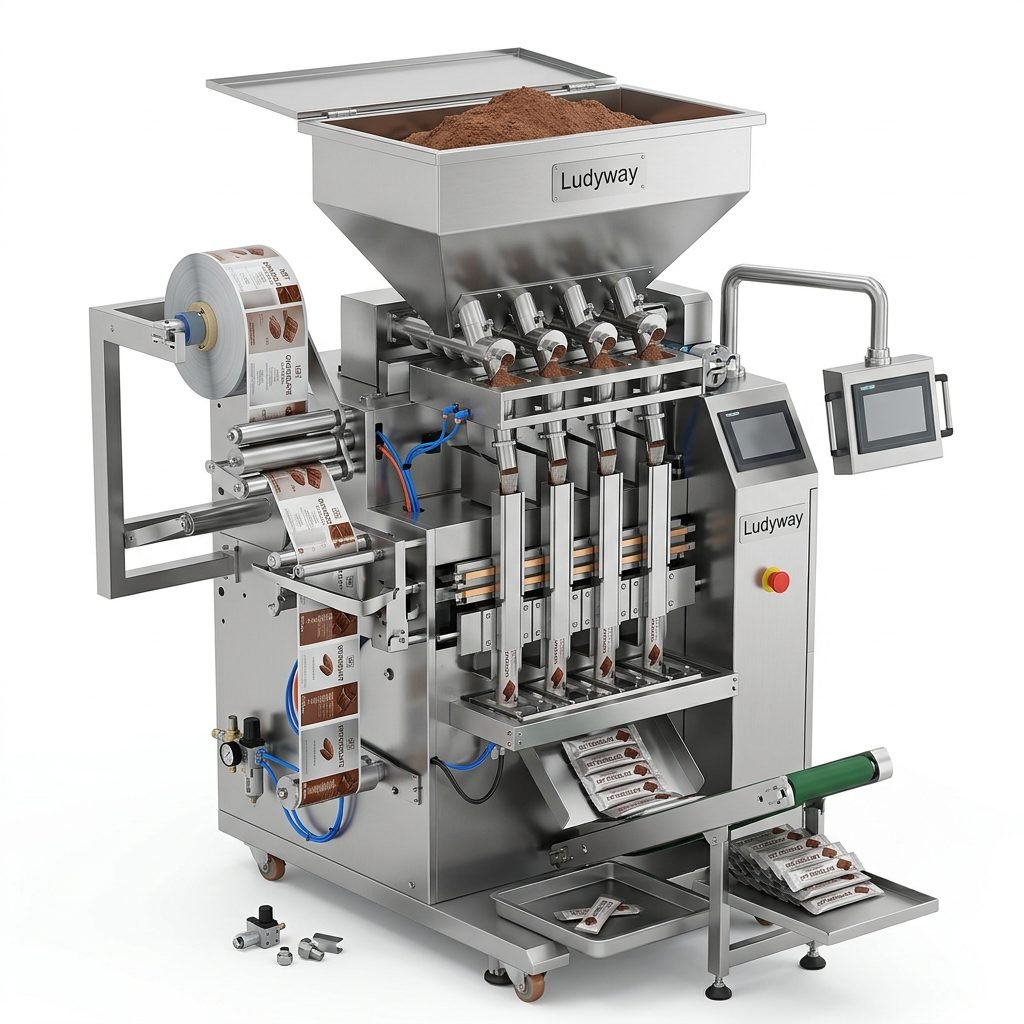
The role of a packaging machine operator is a critical one in modern manufacturing and production facilities. These professionals are responsible for the setup, operation, monitoring, and basic maintenance of machinery that packages goods for distribution and sale. From food and beverages to pharmaceuticals and consumer goods, the efficiency and reliability of the packaging process directly impact product quality, safety, and a company’s bottom line. This comprehensive guide delves into the core duties, essential skills, salary expectations, and actionable steps for launching a successful career in this vital field.
Core Duties and Daily Responsibilities
A packaging machine operator’s day is dynamic and hands-on. The primary responsibility is to ensure packaging lines run smoothly, efficiently, and safely to meet production targets.
Key Operational Tasks Include:
→ Machine Setup & Calibration: Installing packaging materials (film, cartons, labels), adjusting machine settings for speed, temperature, and fill volume, and performing test runs.
→ Monitoring & Quality Control: Continuously observing machine operation, checking for defects like incorrect seals or misaligned labels, and performing periodic quality checks based on standard procedures.
→ Troubleshooting & Minor Repairs: Identifying and resolving common mechanical or electrical issues, such as jams or sensor errors, to minimize downtime.
→ Recording Data & Reporting: Logging production counts, downtime incidents, and material usage for inventory and process analysis.
→ Maintaining Safety & Cleanliness: Adhering to all safety protocols (e.g., Lockout/Tagout), and ensuring the work area and equipment are clean, especially in industries like food and pharmaceuticals.
Essential Skills for Success
Excelling as a packaging machine operator requires a blend of technical aptitude, practical skills, and soft skills.
Technical & Mechanical Skills
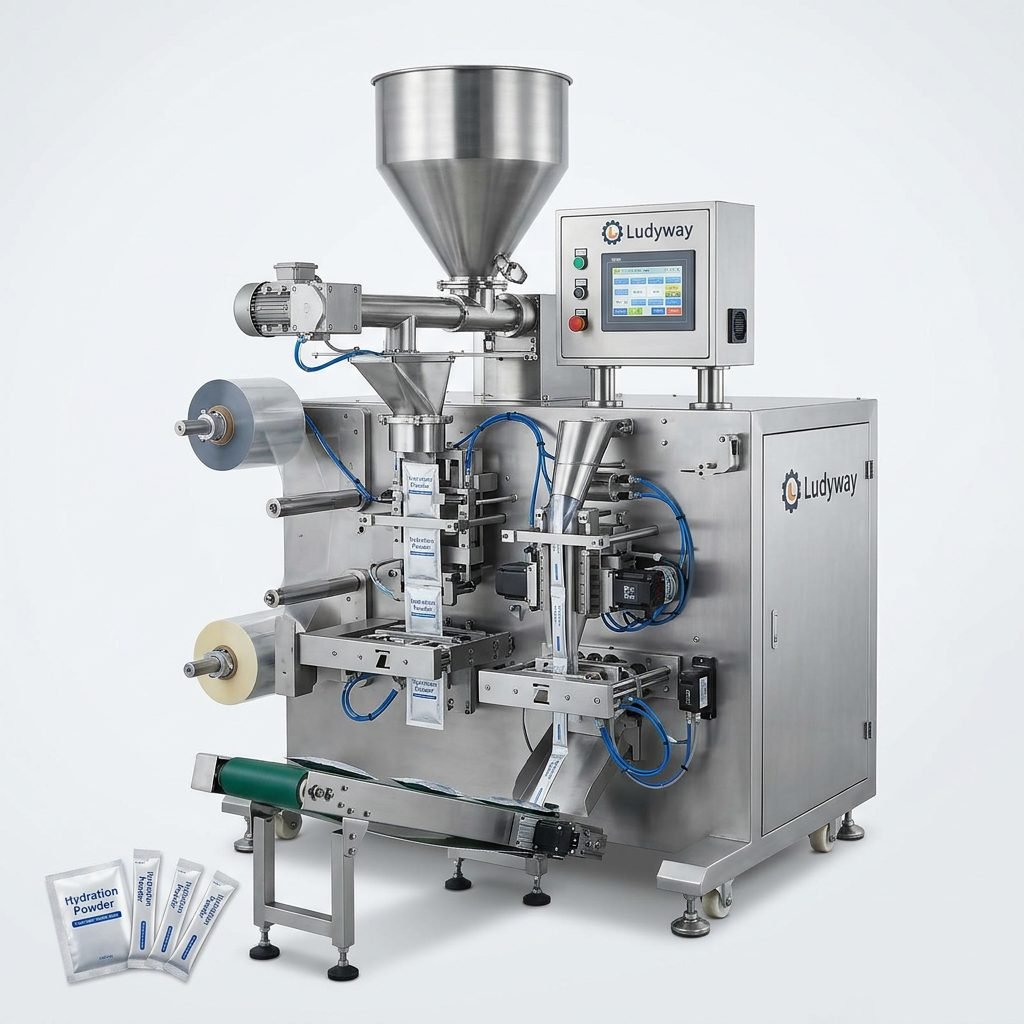
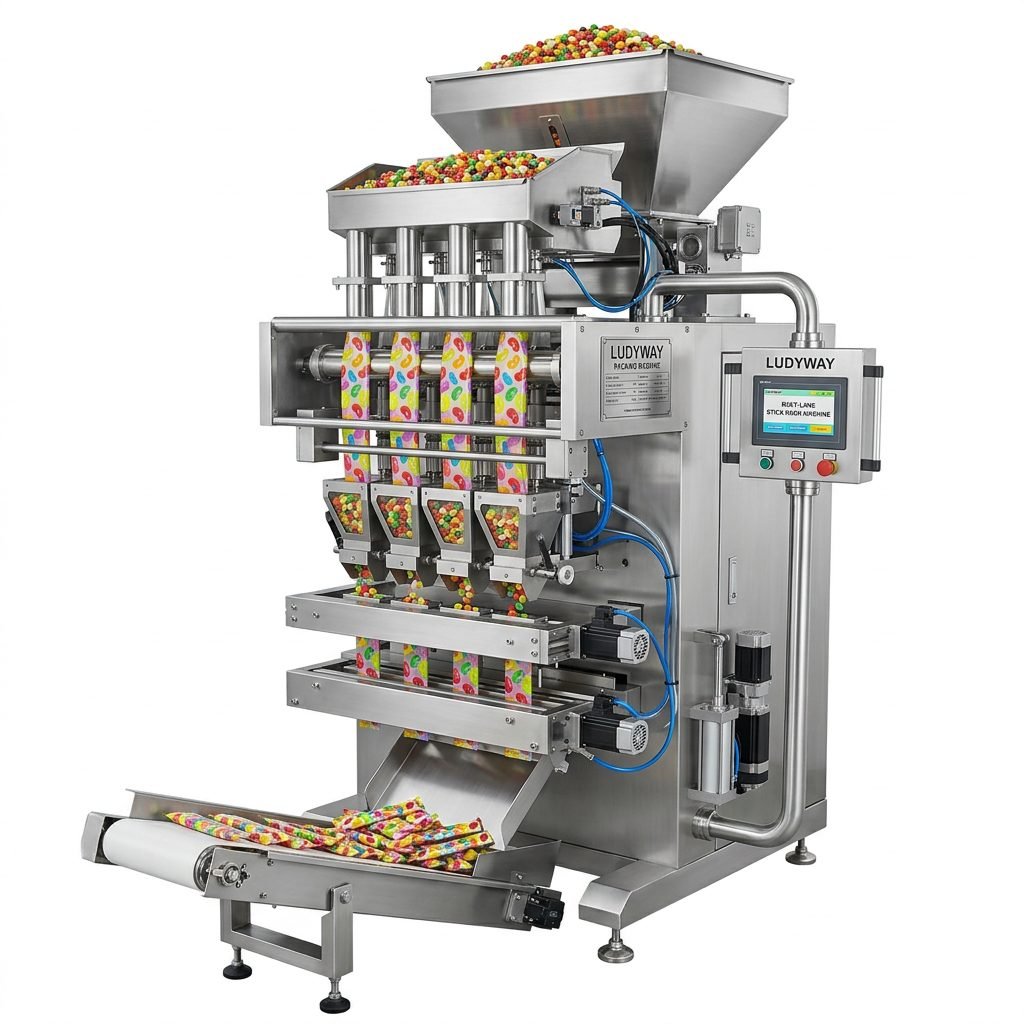
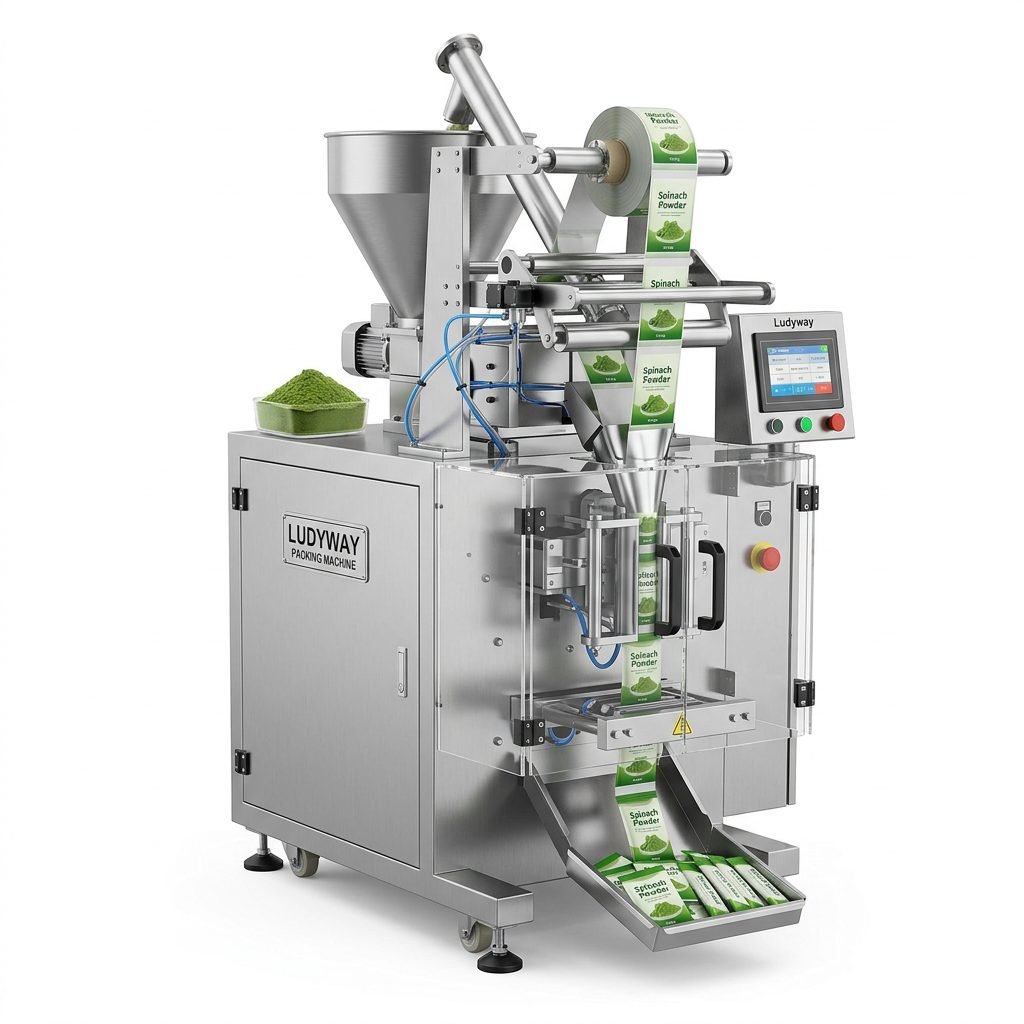
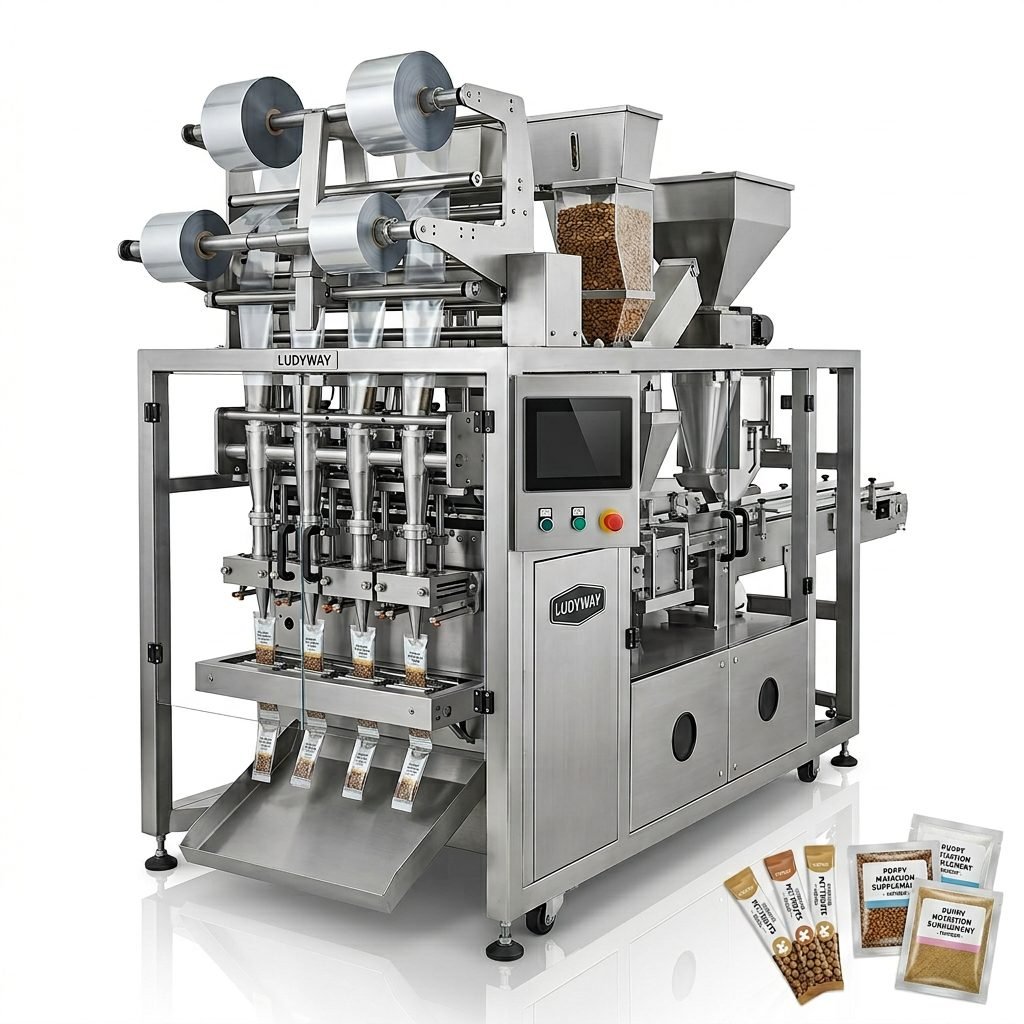
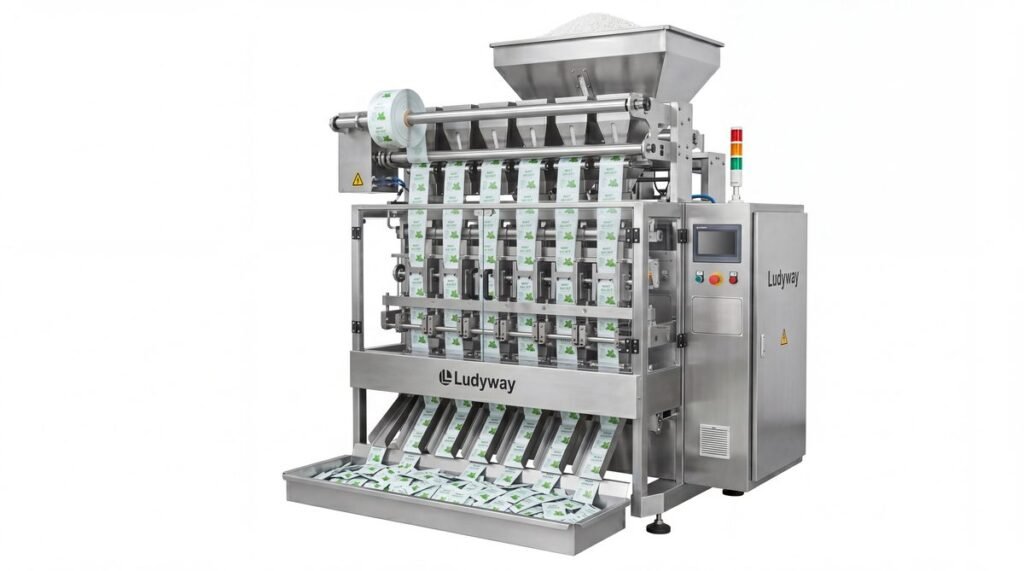
Operators must understand the basic mechanics of their machines. This includes knowledge of pneumatics, conveyors, and electrical systems. The ability to read and interpret equipment manuals and basic schematics is invaluable. Familiarity with programmable logic controllers (PLCs) and touch-screen interfaces is increasingly important as packaging technology advances. For instance, operators working with sophisticated systems from providers like Ludyway Machinery need to be adept at navigating automated controls for multi-lane stick pack or sachet machines.
Attention to Detail & Problem-Solving
Vigilance is non-negotiable. A keen eye for detail helps catch packaging flaws before products leave the line. Strong problem-solving skills allow operators to diagnose issues logically—whether it’s a misaligned photoelectric sensor causing incorrect cuts or a heating element failing to create a proper seal—and apply effective solutions quickly.
Reliability & Teamwork
Production lines depend on consistent performance. Reliability in attendance and task execution is paramount. Operators also work as part of a larger team, coordinating with supervisors, maintenance technicians, and quality assurance personnel, requiring clear communication and a collaborative spirit.
Salary Insights and Career Outlook
Compensation for packaging machine operators varies based on experience, industry, geographic location, and the complexity of the machinery operated.
Average Salary Ranges (Approximate):
Entry-Level Operator: $30,000 – $40,000 per year. Individuals are learning core operations and performing routine tasks under supervision.
Experienced Operator: $40,000 – $55,000 per year. Professionals who can independently set up, troubleshoot, and optimize multiple machine types.
Lead Operator / Specialist: $55,000 – $70,000+ per year. Those with deep expertise in specific high-tech machinery (e.g., aseptic filling lines) or who take on training and supervisory duties.
Industries such as pharmaceuticals and specialty foods often pay higher due to stricter regulatory standards. The career outlook remains stable, as automation in packaging continues to grow, creating demand for skilled operators who can manage sophisticated equipment rather than replace it.
How to Get Hired: A Step-by-Step Guide
Breaking into this field or advancing your career involves a strategic approach focused on relevant skills and industry knowledge.
1. Education and Training Paths
A high school diploma or GED is typically the minimum requirement. However, candidates can significantly boost their employability through:
Vocational/Technical Programs: Courses in mechatronics, industrial maintenance, or manufacturing technology provide a strong foundation.
Certifications: Earning credentials from organizations like the Manufacturing Skill Standards Council (MSSC) as a Certified Production Technician (CPT) demonstrates proven competency to employers.
On-the-Job Training: Many companies provide extensive training for new hires on their specific equipment. Expressing eagerness to learn is key.
2. Gaining Practical Experience
Hands-on experience is the most valuable asset. Seek entry-level positions in warehouses or production facilities, even in material handling roles, to get exposure to the industrial environment. Apprenticeships or internships in manufacturing are excellent pathways. Familiarizing yourself with industry trends and equipment providers, such as exploring the solutions offered by packaging machinery experts, can give you conversational knowledge that impresses in interviews.
3. Crafting Your Resume and Acing the Interview
Tailor your resume to highlight technical skills, safety awareness, and any experience with machinery. Use action verbs: “Operated a high-speed rotary pouch machine,” “Performed routine preventative maintenance,” “Reduced line downtime by 15% through proactive troubleshooting.”
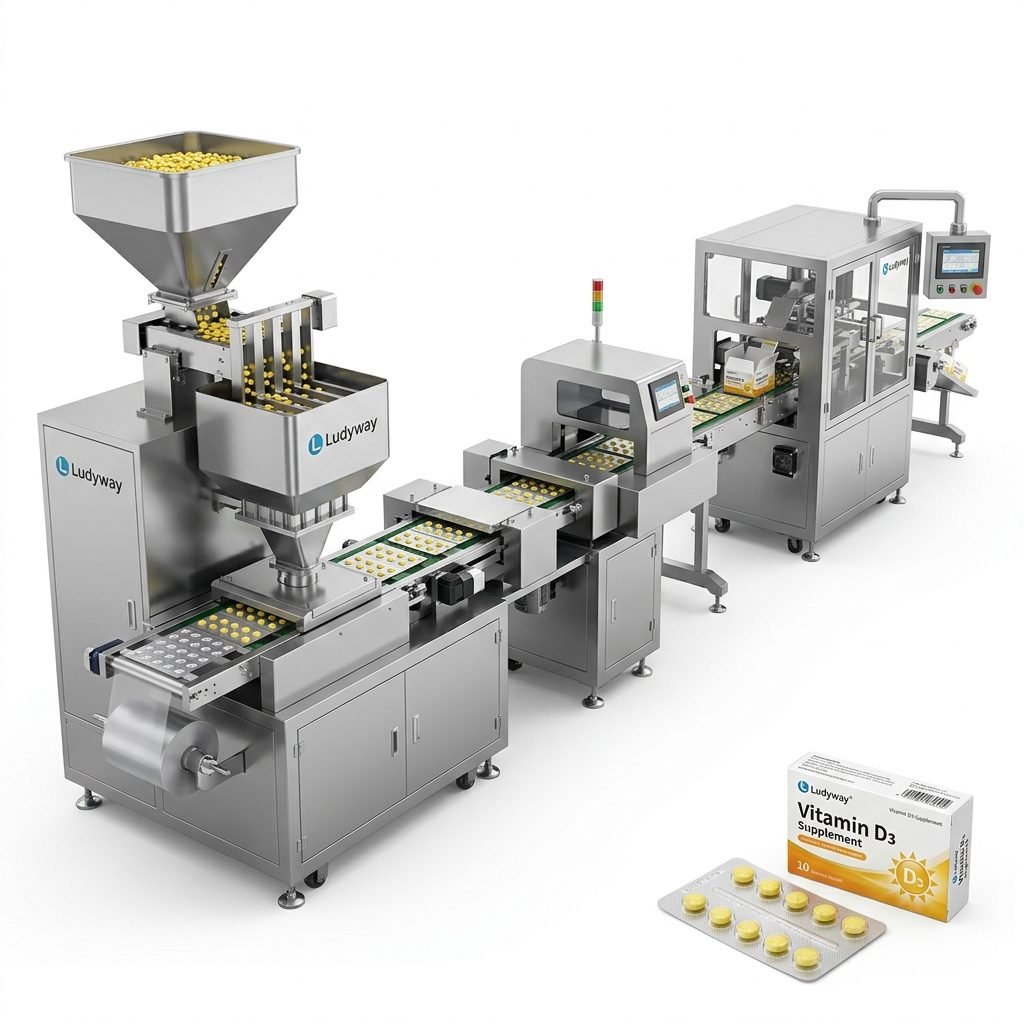
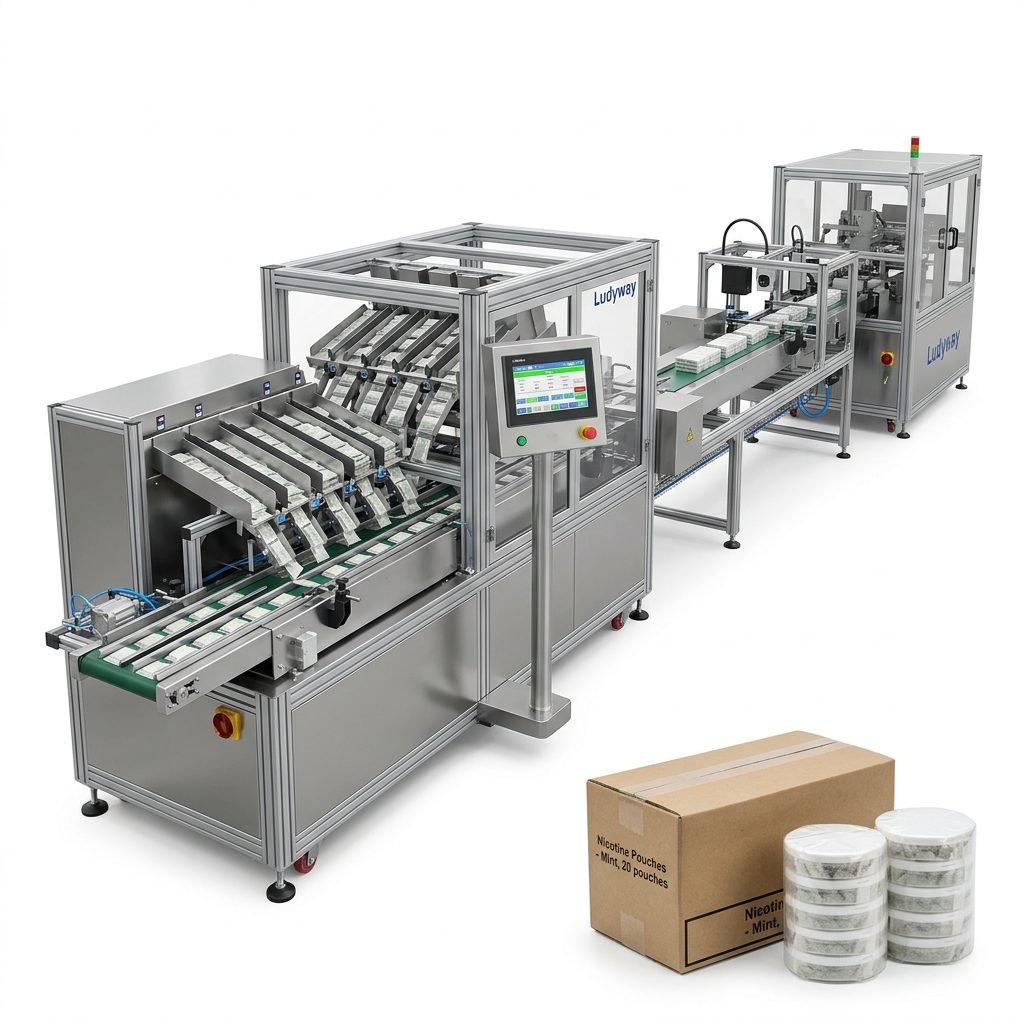
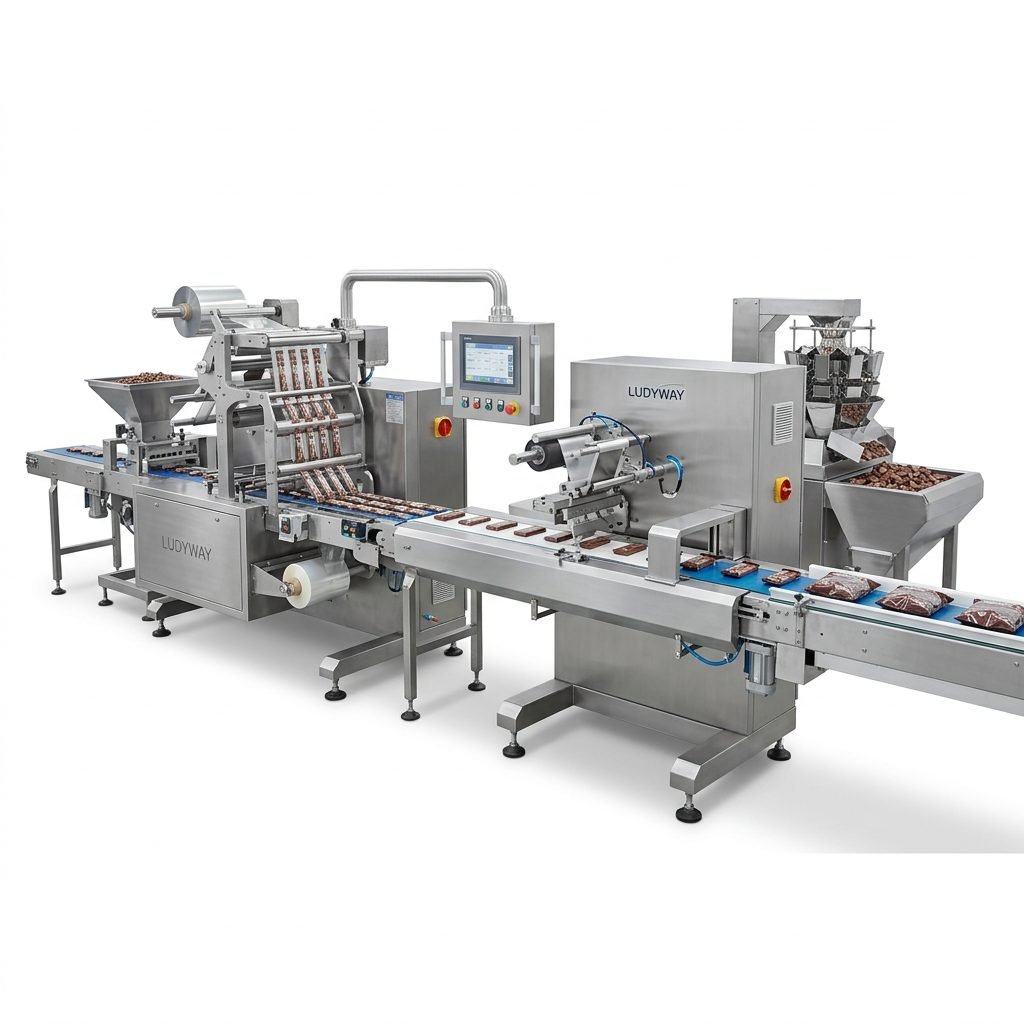
In the interview, be prepared to discuss specific machines you’ve used, describe a time you solved a problem on the line, and emphasize your reliability and attention to detail. Showing knowledge about the company’s products, such as mentioning an understanding of turnkey packaging line solutions if relevant, can set you apart.
4. Career Advancement Opportunities
With experience, packaging machine operators can advance to roles like Line Supervisor, Maintenance Technician, or Production Manager. Specializing in programming and maintaining advanced automated systems, such as intelligent multi-lane packaging systems, opens doors to higher-paying technical roles. Continuous learning through manufacturer-provided training on new equipment is crucial for advancement.
Frequently Asked Questions (FAQs)
What is the most challenging part of being a packaging machine operator?
The most challenging aspect is often the need to quickly diagnose and resolve unexpected mechanical or electrical failures under the pressure of maintaining production schedules. It requires a calm demeanor and systematic thinking.
Is this job physically demanding?
It can be. Operators may be on their feet for long shifts, need to lift moderate weights (like boxes of packaging materials), and perform repetitive tasks. However, modern, highly automated lines are designed to reduce physical strain.
What industries hire the most packaging machine operators?
The highest demand comes from the food and beverage, pharmaceutical, cosmetic, and consumer goods industries. Any business that produces a physical product requires packaging expertise.
Do I need a college degree for this career?
No, a college degree is not typically required. Employers value hands-on technical training, certifications, and relevant experience more highly than a traditional four-year degree for this role.
How is the role evolving with automation?
The role is shifting from manual operation to monitoring and technical oversight. Operators are increasingly becoming “machine tenders” who manage computer interfaces, analyze performance data, and perform more complex troubleshooting on advanced systems.