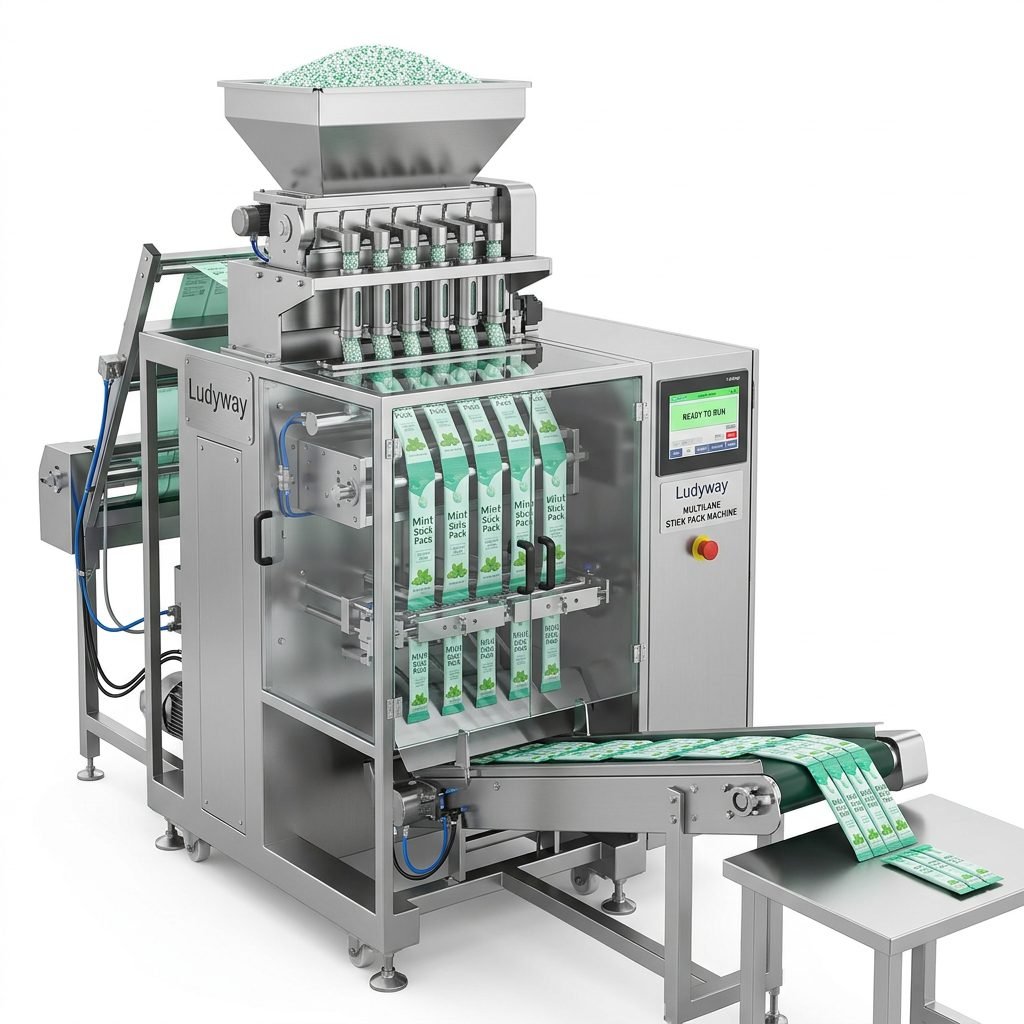
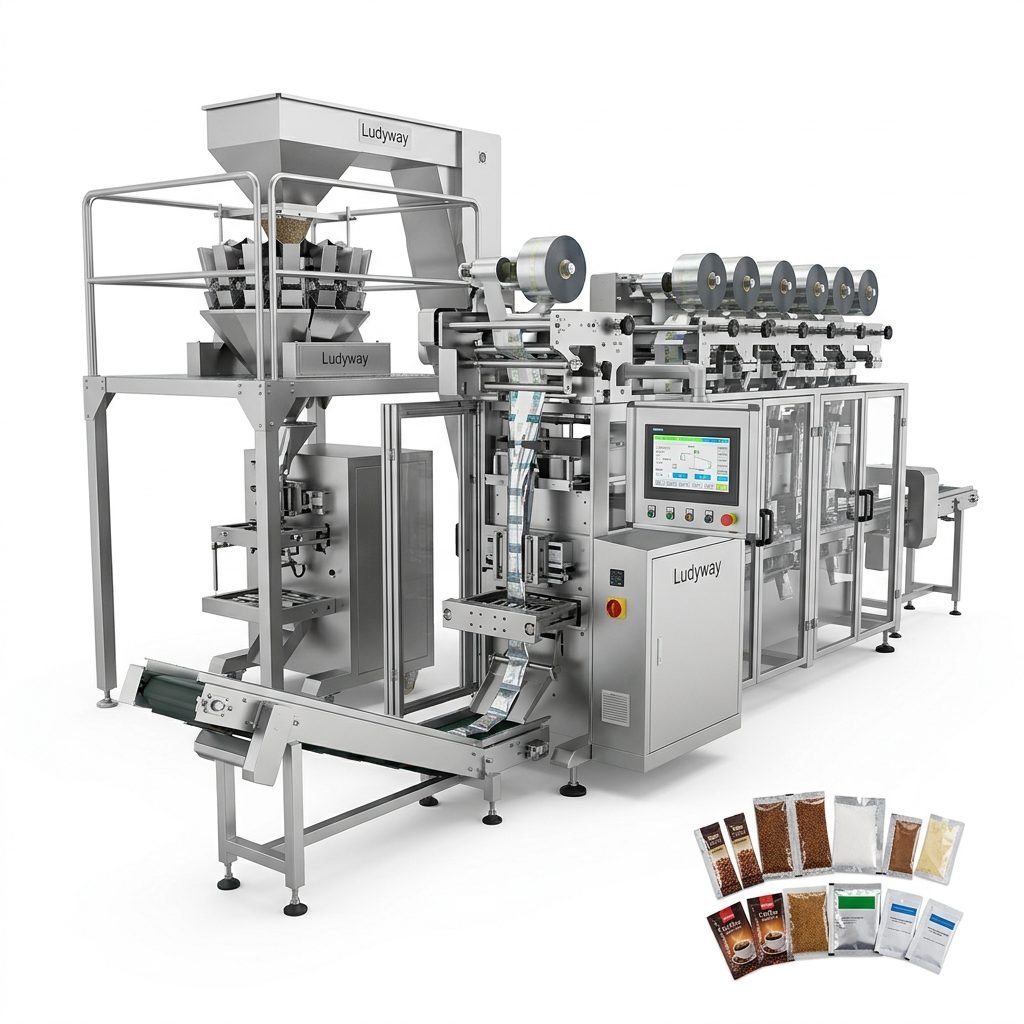
Selecting the right automatic jam filling and sealing equipment is a critical decision for any food manufacturer. The right machine can dramatically increase your production efficiency, ensure product consistency, and enhance your brand’s reputation for quality. This comprehensive guide will walk you through the key factors to consider, helping you make an informed investment that aligns with your production goals and budget.
Understanding Your Production Requirements
Before diving into machine specifications, it’s essential to have a clear understanding of your own needs. The scale and scope of your operation are the primary drivers of your equipment choice.
Key Questions to Ask:
→ Production Volume: What is your current and projected daily or hourly output? Are you a small-batch artisanal producer or a large-scale commercial operation?
→ Jam Characteristics: What is the viscosity of your jam? Does it contain large fruit pieces or seeds? Is it a smooth puree?
→ Container Type: What jars, bottles, or cups do you use? Consider material (glass, PET, plastic), shape, and size.
→ Sealing Method: Do you require screw capping, induction sealing, lidding, or vacuum sealing?
Low to Medium Volume Operations
For startups or smaller producers, semi-automatic or single-head automatic machines offer an excellent balance of affordability and efficiency. These machines often require some manual intervention, such as placing containers, but significantly speed up the filling and sealing process compared to purely manual methods. They are versatile and easier to maintain, making them a perfect entry point into automation.
High-Volume Industrial Production
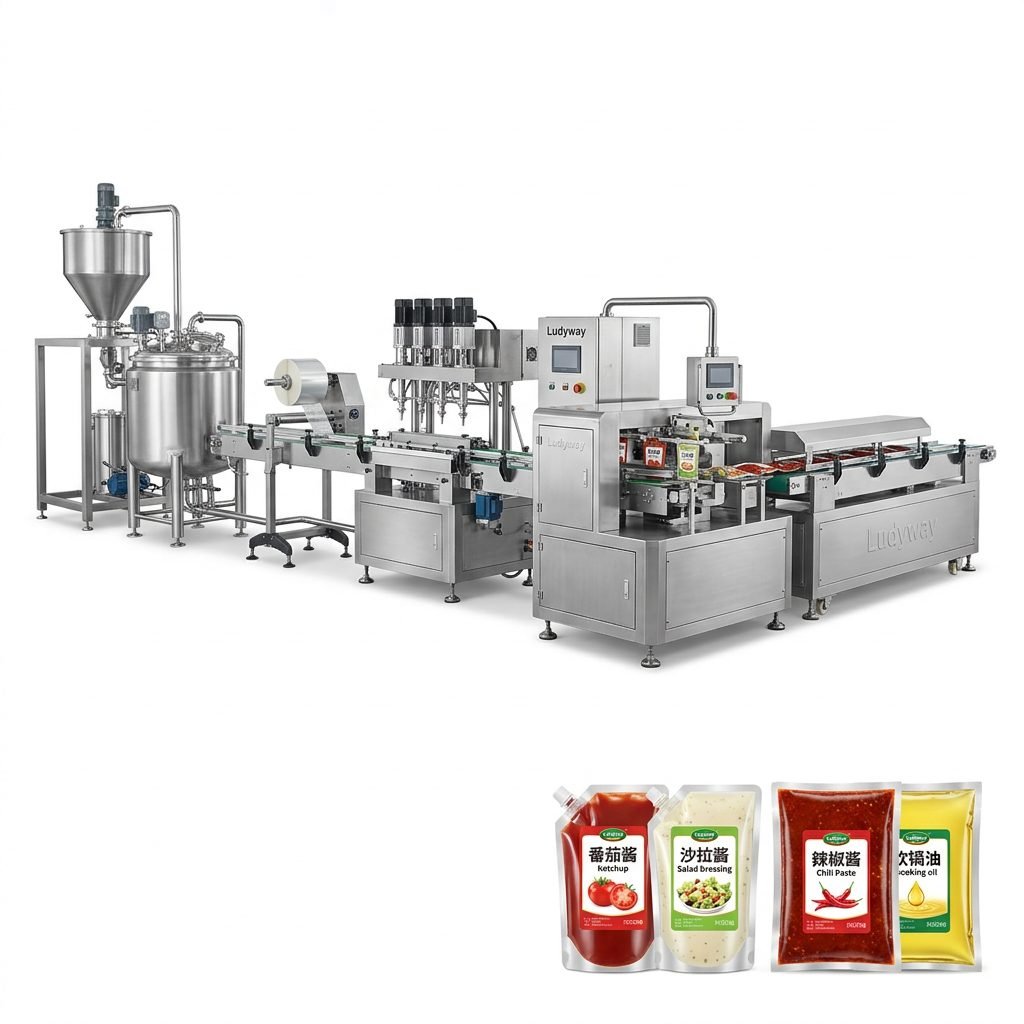
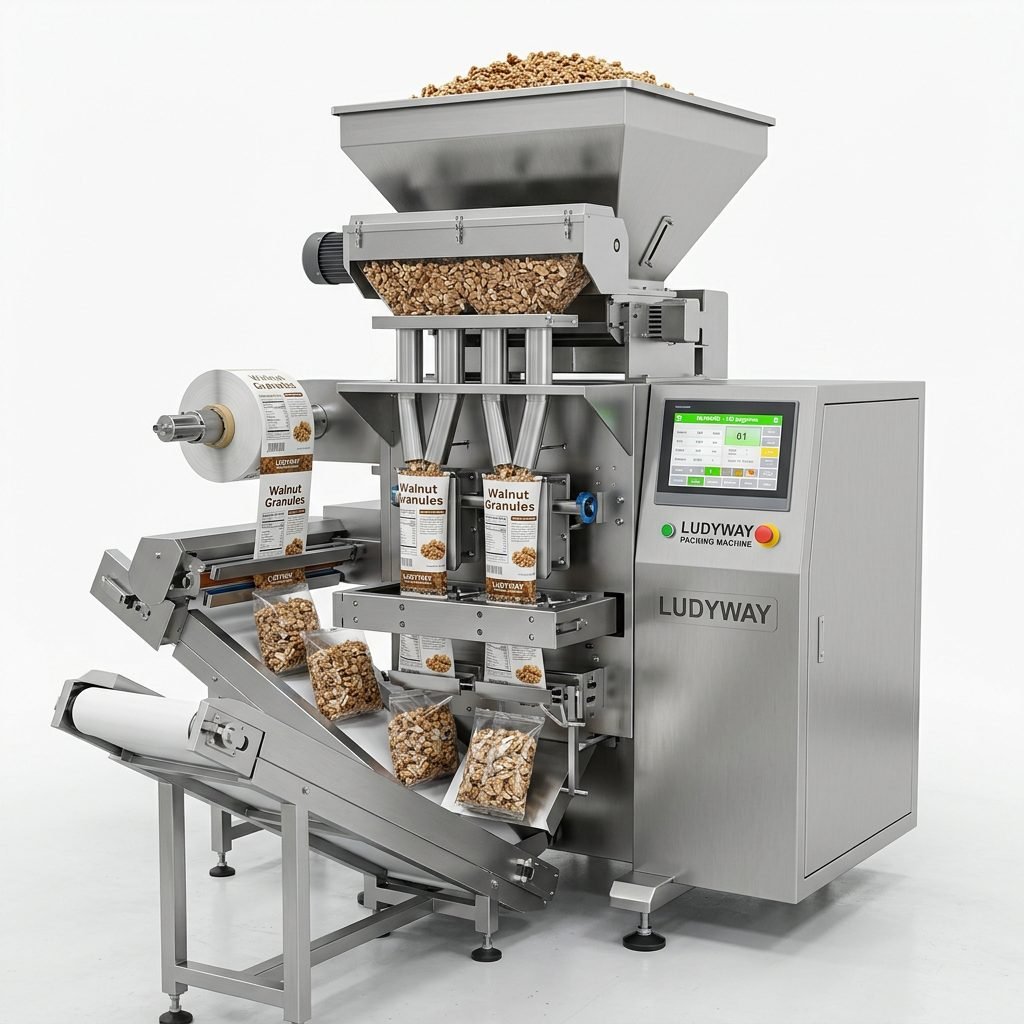
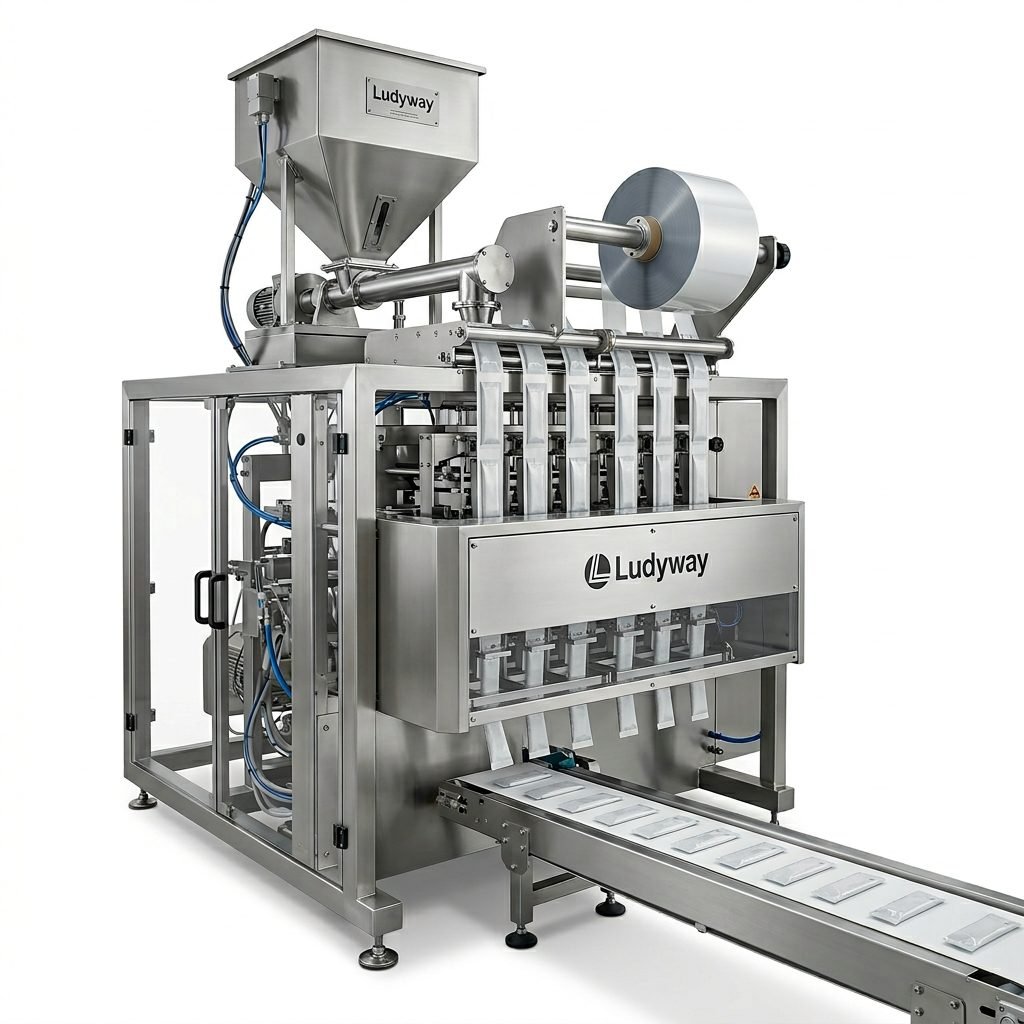
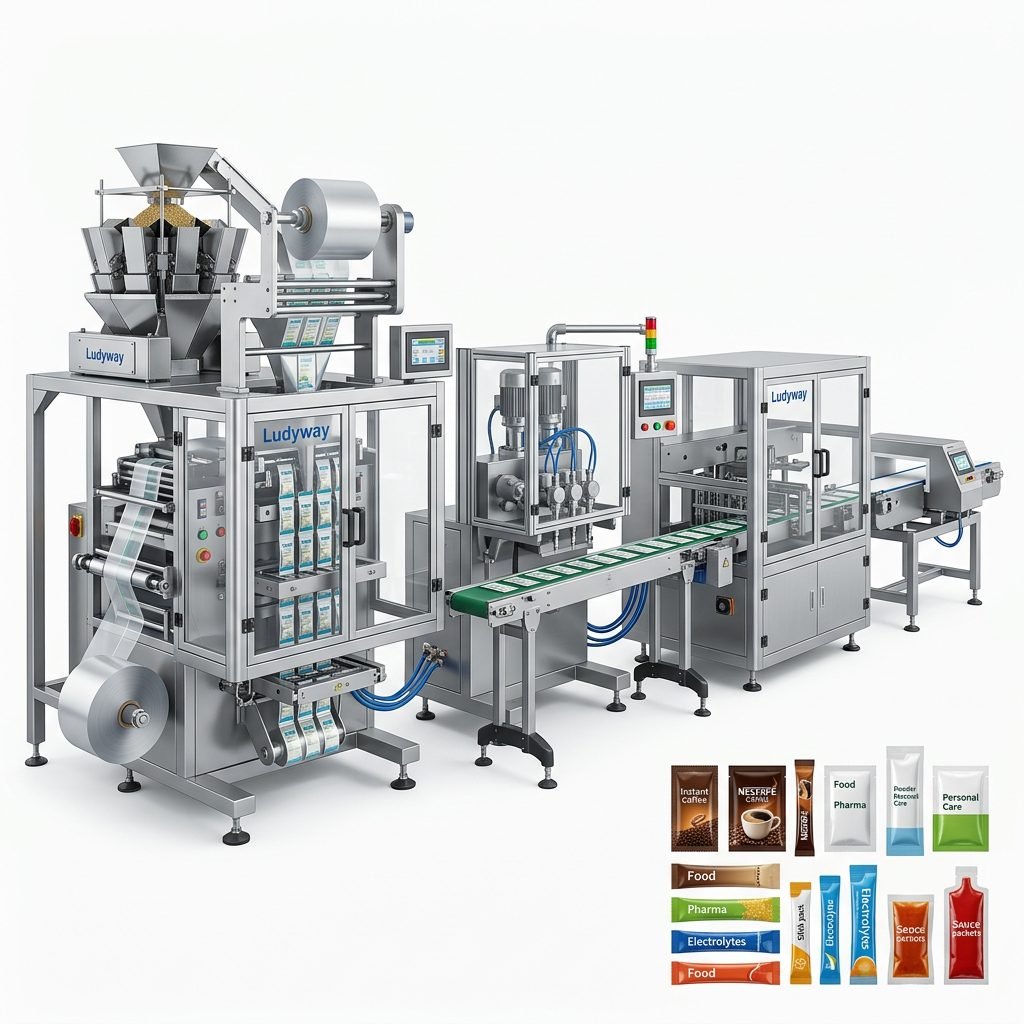
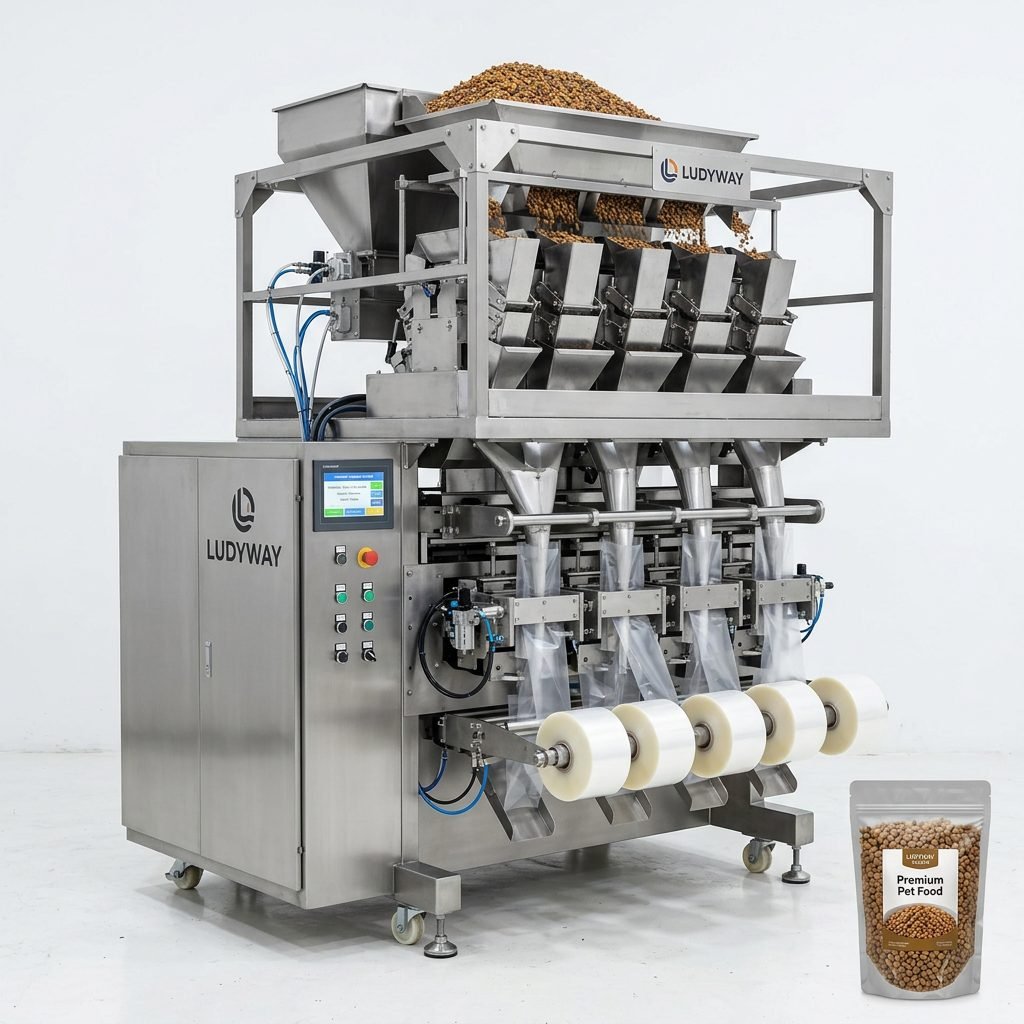
Large manufacturers need fully automatic, high-speed rotary or in-line systems. These integrated lines can handle container feeding, filling, capping, sealing, and labeling in one continuous, synchronized process. They are designed for maximum uptime and output, often featuring programmable logic controllers (PLCs) and touch-screen interfaces for precise control and recipe management.
Core Components of a Jam Packaging Machine
A reliable jam packaging system is built around several key components, each playing a vital role in the process.
1. The Filling System
This is the heart of the machine. The choice of filler depends heavily on your jam’s properties.
- Piston Fillers: Highly accurate and ideal for thick, chunky jams with particulates. They provide volumetric filling by displacing a set amount of product with each piston stroke.
- Pump Fillers (e.g., Rotary Piston or Gear Pumps): Suitable for smoother, more uniform jams. They offer consistent flow and are easier to clean for quick product changeovers.
- Gravity Fillers: Best for very liquid products and are less common for viscous jams unless they are highly processed and smooth.
2. The Sealing and Capping System
This component ensures product freshness, safety, and tamper evidence.
- Screw Cappers: Apply and torque screw-on lids. Look for models with magnetic or friction clutches to prevent overtightening and jar damage.
- Induction Sealers: Create an airtight hermetic seal by bonding a foil liner to the container’s rim. This is a critical step for extending shelf life.
- Snap Cappers or Press-On Lidders: Used for plastic cups or containers with press-fit lids.
3. The Conveying and Handling System
A smooth, adjustable conveyor system is crucial for transporting containers between stations without jams or spills. It should be easy to adjust for different container sizes and made from food-grade, corrosion-resistant materials like stainless steel.
Critical Features for Evaluation
Beyond the basic components, several features separate adequate machines from exceptional ones.
Material and Construction
Insist on machines where all product contact parts are made from food-grade 304 or 316 stainless steel. This ensures hygiene, durability, and resistance to the acidic nature of jams. The machine’s frame should be robust to minimize vibration during high-speed operation.
Accuracy and Consistency
Filling accuracy is non-negotiable. It prevents product giveaways and ensures compliance with net weight regulations. Look for machines that advertise a filling accuracy of ±0.5% to ±1%. Consistent sealing is equally important to prevent spoilage.
Hygiene and Cleanability
The machine must be designed for easy and thorough cleaning (CIP – Clean-in-Place capabilities are a major plus). Smooth surfaces without cracks or crevices, quick-disconnect parts, and open frameworks prevent bacterial harborage and reduce downtime for sanitation.
Flexibility and Changeover
If you produce multiple jam varieties or use different jar sizes, the machine’s changeover time is critical. Look for tool-less changeover features or quick-release mechanisms for filler heads, guides, and capping chucks. This maximizes your production flexibility and efficiency.
Automation and Control
A modern, user-friendly Human-Machine Interface (HMI) allows operators to set parameters, store recipes for different products, and monitor machine performance. Advanced diagnostics can alert you to issues before they cause significant downtime.
Selecting a Trusted Supplier
The machine is only as good as the company behind it. Partnering with a reputable supplier is crucial for long-term success. A supplier like Ludyway Machinery, with decades of industry experience, brings invaluable expertise to the table.
They don’t just sell machines; they provide turnkey production solutions. This means they can assess your entire process, recommend the optimal equipment configuration, and ensure all components—from the filler to the sealer to the conveyor—work together seamlessly. Their deep knowledge of packaging for the food industry, including jam and preserves, allows them to anticipate challenges related to viscosity, fruit pieces, and sealing integrity.
When evaluating a supplier, consider their after-sales support. Do they offer comprehensive installation, training, and maintenance services? Is there readily available technical support and a supply of spare parts? A reliable partner will be invested in your production’s uptime for years to come. Exploring their range of packaging solutions can give insight into their specialization and capabilities.
Cost Considerations and ROI
The initial purchase price is one part of the total cost of ownership. A cheaper machine may have higher long-term costs due to inefficiency, frequent breakdowns, and poor support.
- Initial Investment: Includes the machine price, shipping, installation, and initial training.
- Operational Costs: Energy consumption, required compressed air, spare parts, and routine maintenance.
- Labor Savings: Calculate the reduction in manual labor required for filling and sealing.
- Product Savings: Reduced product waste from improved filling accuracy.
- Increased Output: The ability to produce more units per hour, leading to higher revenue potential.
A well-chosen automatic jam packaging machine should typically show a clear return on investment (ROI) within 12 to 24 months through these combined savings and increased capacity. Understanding the full company history and expertise of your supplier can also mitigate risk and ensure a smoother project implementation.
Final Checklist Before Purchase
✓ Have you clearly defined your output requirements and jam specifications?
✓ Have you requested product samples to be tested on the machine?
✓ Does the machine use food-grade stainless steel in all critical areas?
✓ What is the promised filling accuracy and sealing reliability?
✓ How long does a size/format changeover take?
✓ What does the warranty cover, and what is the supplier’s service structure?
✓ Have you calculated the total ROI, not just the upfront cost?
Investing in an automatic jam filling and sealing machine is a significant step toward scaling your business, improving quality, and ensuring competitiveness. By methodically evaluating your needs, the machine’s features, and the supplier’s credibility, you can select equipment that will be a productive asset for many years. The right partnership will provide not just a machine, but a pathway to more efficient and profitable production.
Frequently Asked Questions (FAQs)
1. What type of filler is best for thick, chunky jam with fruit pieces?
A piston filler is generally the best choice. Its positive displacement action handles high-viscosity products and particulates effectively without crushing them, ensuring accurate volumetric fills and maintaining the jam’s texture.
2. Can one machine handle different jar sizes and shapes?
Yes, but flexibility varies by model. Many automatic machines are designed for quick changeovers. Look for models with adjustable guides, easy-to-switch filler nozzles, and change parts for capping heads. The speed and tool requirements for changeover are key factors to discuss with the supplier.
3. How important is an induction sealer for jam packaging?
Extremely important for commercial shelf-stable products. Induction sealing applies an airtight foil liner under the cap, creating a hermetic seal. This is critical for preventing mold growth, preserving freshness, extending shelf life, and providing tamper evidence to consumers.
4. What are the most critical hygiene features to look for?
Prioritize full stainless steel construction on product contact parts, a design with smooth surfaces and minimal crevices, and features that enable easy access for cleaning. Some high-end machines offer Clean-in-Place (CIP) systems for automated sanitation.
5. What should I expect from a supplier during installation?
A professional supplier should provide on-site installation and commissioning by trained engineers, comprehensive operator training on use, cleaning, and basic maintenance, and a thorough production run using your actual jars and jam to verify performance before final sign-off.