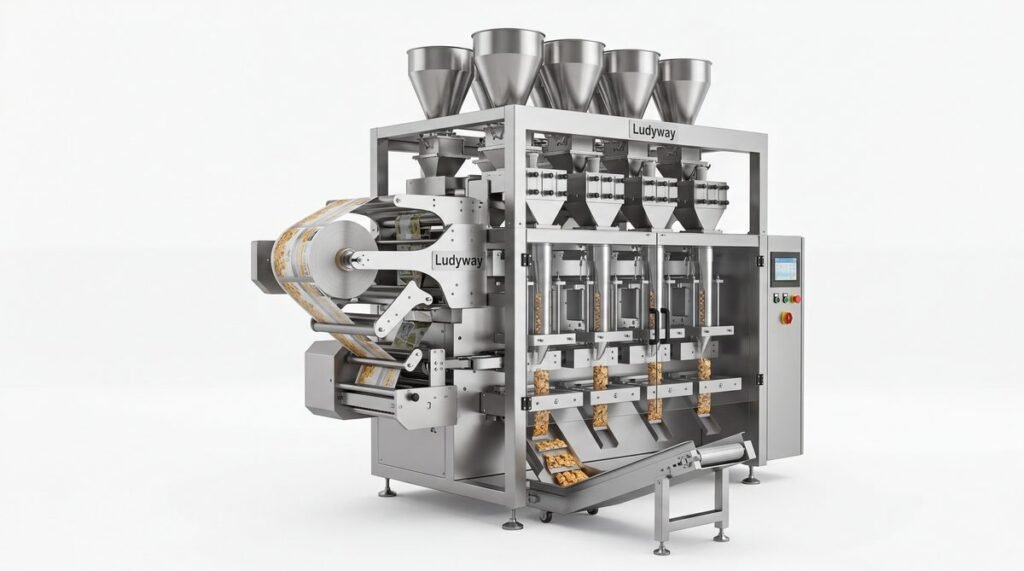
Selecting the right bakery packaging machine supplier is a critical decision that impacts your production efficiency, product quality, and ultimately, your bottom line. With numerous options available, navigating the market can be daunting. This comprehensive guide is designed to walk you through the essential factors to consider, ensuring you partner with a supplier who can provide reliable, efficient, and suitable equipment for your specific bakery business needs.
Understanding Your Bakery Packaging Requirements
Before you even begin evaluating suppliers, you must have a clear understanding of your own operational needs. This foundational step will guide every subsequent decision.
Analyze Your Product Portfolio
What types of baked goods are you packaging? The requirements for delicate pastries differ vastly from those for hearty bread loaves or granular toppings.
- Bread & Buns: Often require bagging or flow-wrap machines with gentle handling.
- Pastries & Cakes: May need tray sealing, skin packaging, or specialized cartoning for protection.
- Cookies & Biscuits: Suitable for vertical form-fill-seal (VFFS) pouches or horizontal flow wrapping.
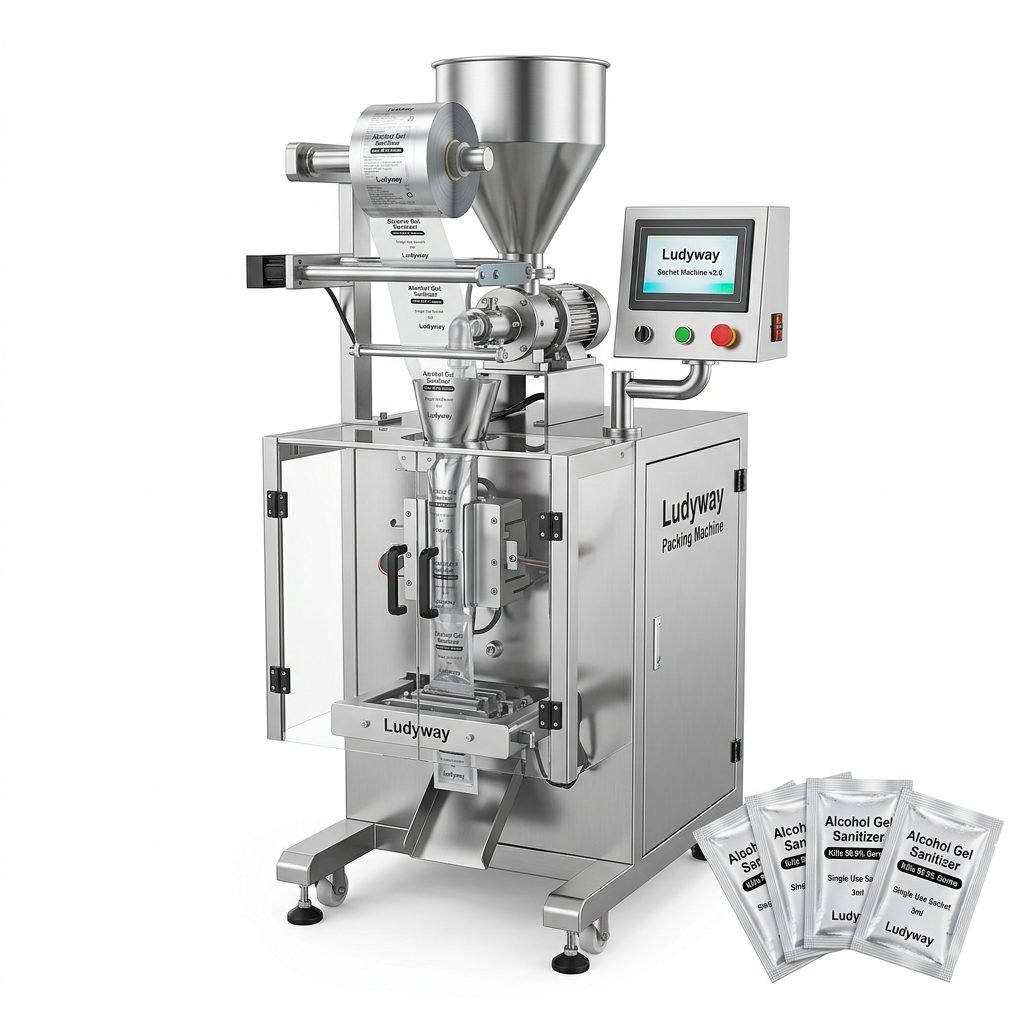
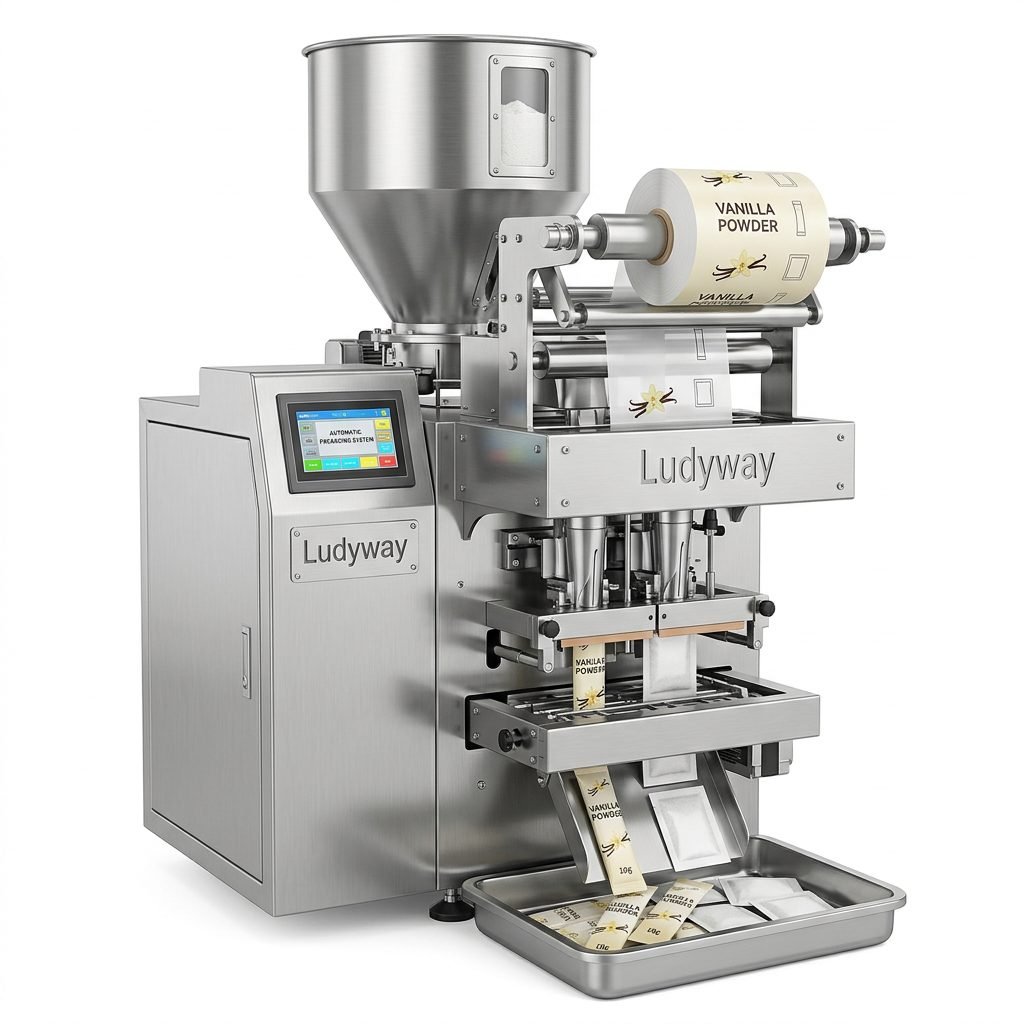
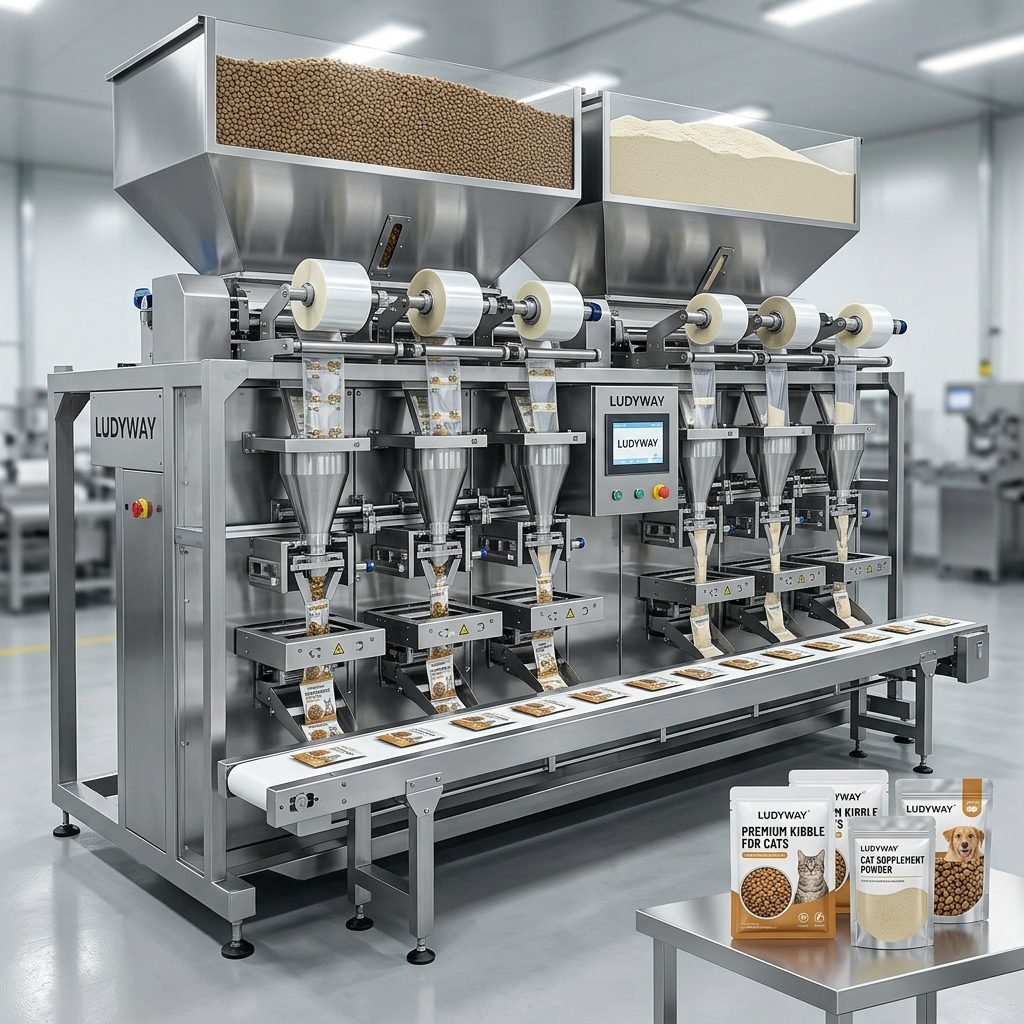
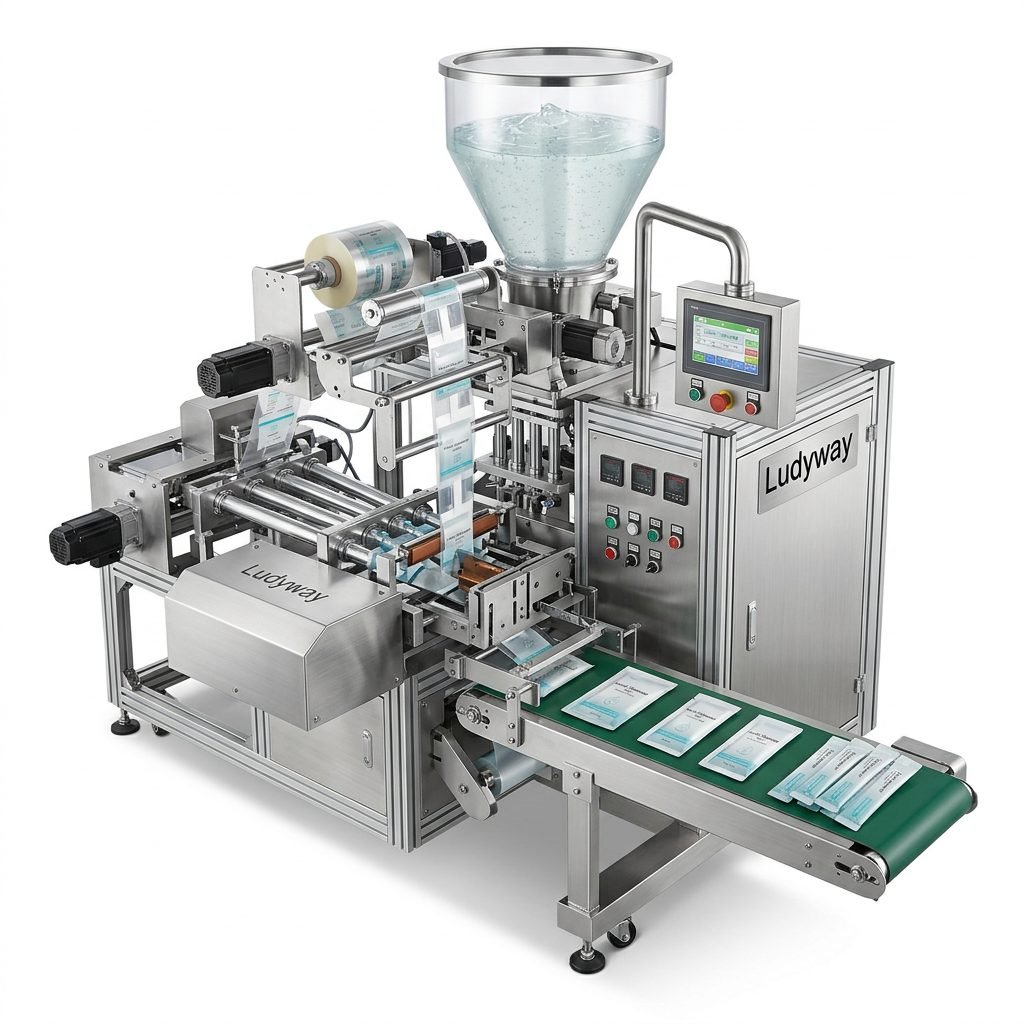
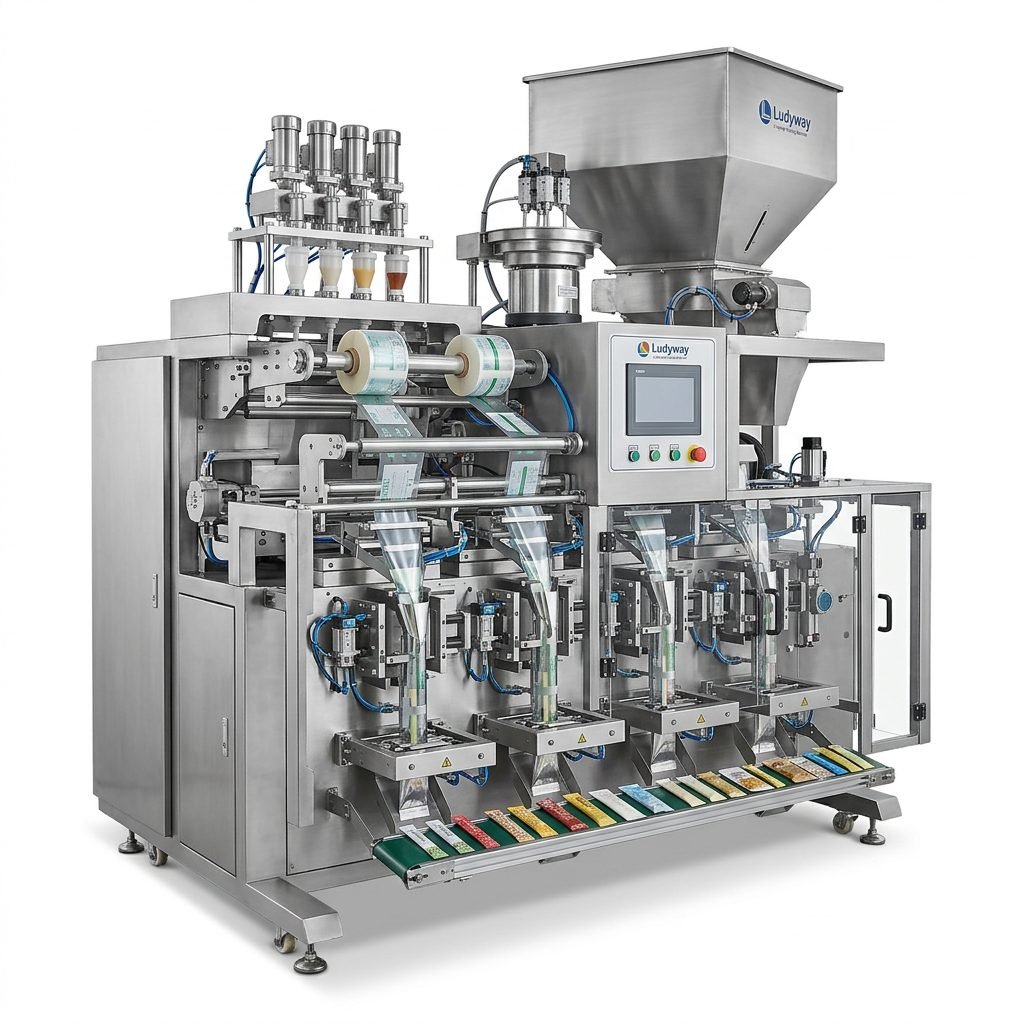
- Granules/Powders (e.g., icing sugar, mixes): Require precise auger or weigh-fill stick pack or sachet machines.
Define Your Production Volume and Speed
Your required output dictates the machine’s capability. Are you a small artisanal bakery or a large-scale industrial producer? Calculate your current and projected future production rates (packages per minute/hour) to determine the necessary machine speed. Investing in an underpowered machine creates bottlenecks, while an overly complex, high-speed machine for a small operation leads to unnecessary capital expenditure and operational complexity.
Consider Packaging Materials and Formats
The machine must be compatible with your desired packaging. Decide on the format: pillow bags, stand-up pouches, stick packs, sachets, or boxes. Also, consider the material: polyethylene, polypropylene, metallized film, or biodegradable alternatives. Your supplier should offer guidance on material suitability for product freshness (barrier properties) and machinability.
Key Criteria for Evaluating a Bakery Packaging Machine Supplier
Once your needs are mapped, use these criteria to assess potential suppliers thoroughly.
1. Industry Experience and Technical Expertise
A supplier with deep roots in the food and bakery sector brings invaluable insight. Look for a partner with proven experience, like Ludyway Machinery, which specializes in packaging solutions for the food industry. Their engineers understand the unique challenges of bakery products, such as crumb containment, delicate handling, and maintaining freshness. Ask about their company history, client portfolio, and specific case studies in the bakery domain.
Why Expertise Matters
A supplier familiar with bakery operations can recommend the optimal machine type, suggest the right packaging materials to extend shelf life, and anticipate common production issues before they occur, saving you time and costly trial-and-error.
2. Machine Quality, Reliability, and Technology
The heart of your investment is the machine itself. Investigate the build quality, core components (like PLCs, servos, and sensors), and the level of automation. Modern machines with user-friendly HMI touchscreens, recipe storage, and quick-changeover features significantly boost productivity. Reliability is non-negotiable; frequent breakdowns halt production and waste resources. Inquire about the manufacturing standards, quality control processes, and the robustness of the machine frame and critical parts.
3. Range of Equipment and Customization Capability
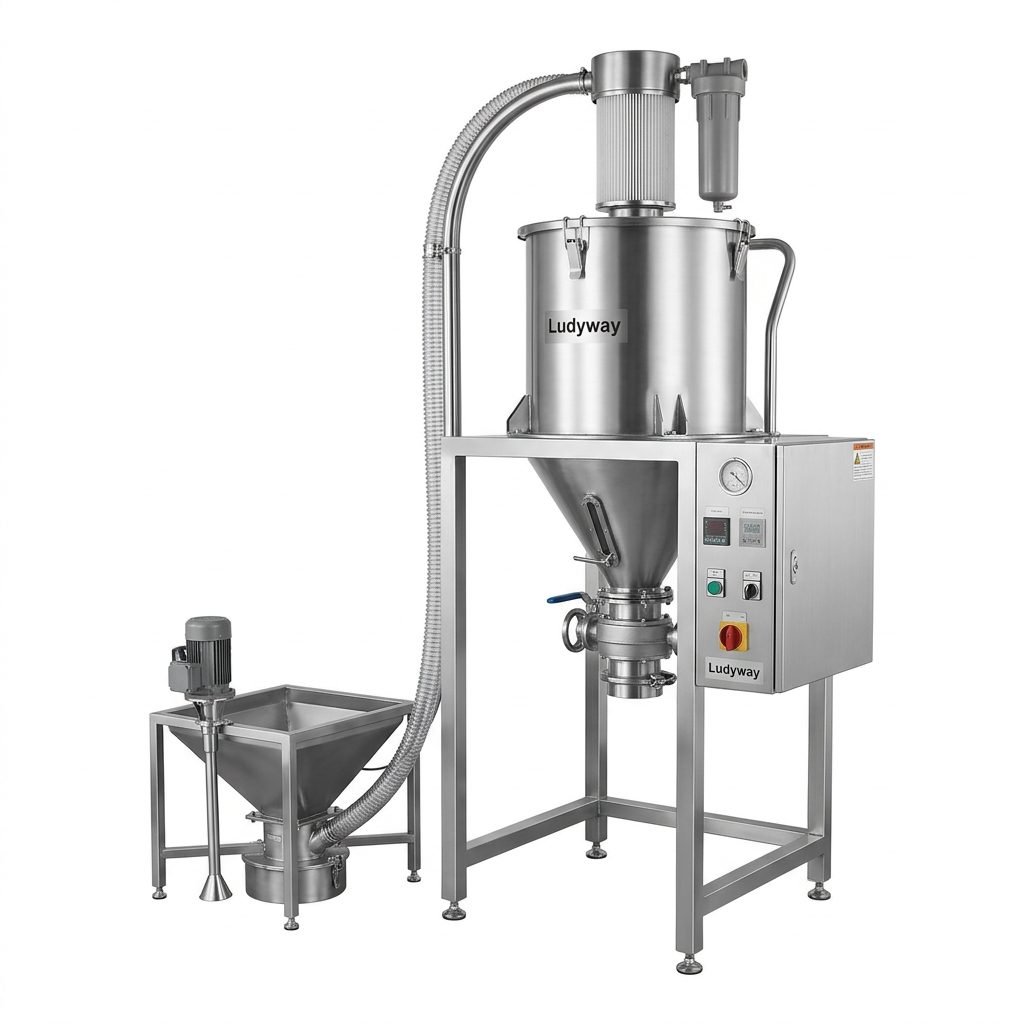
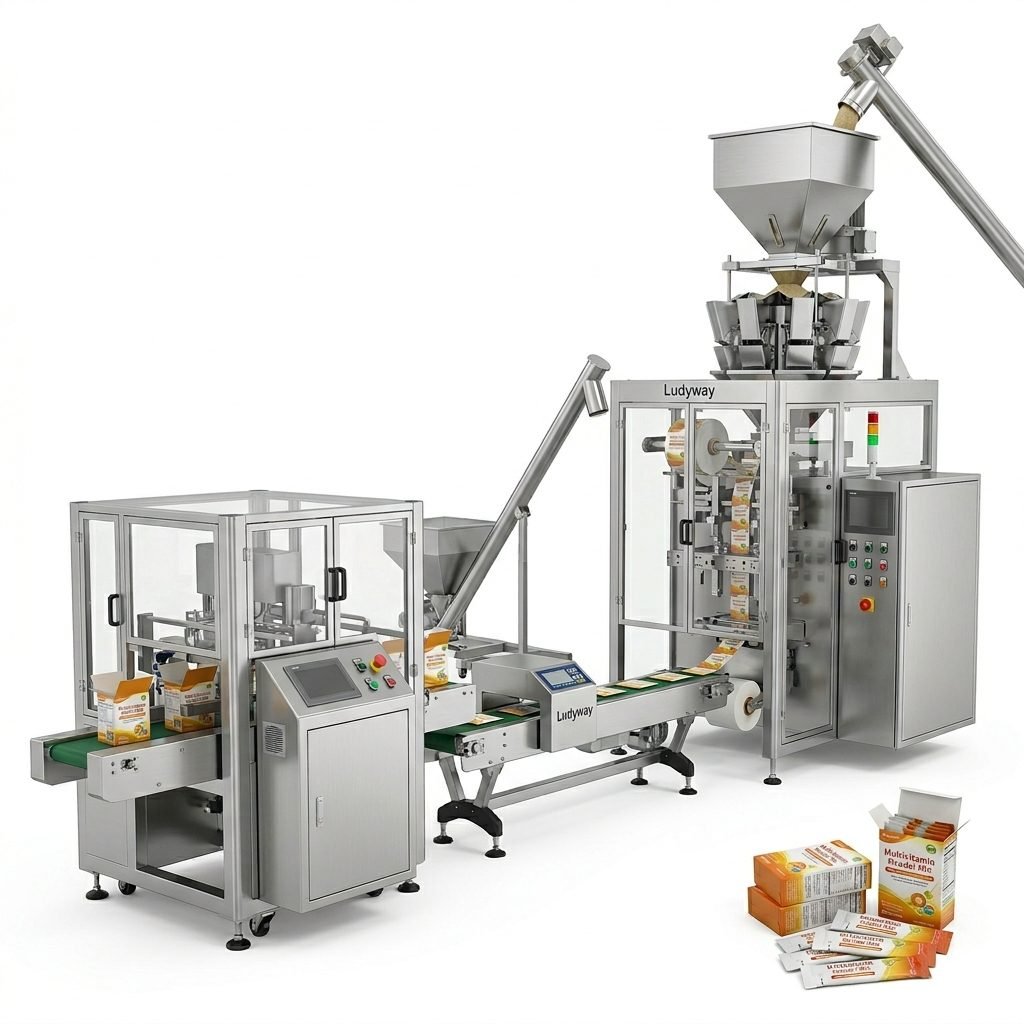
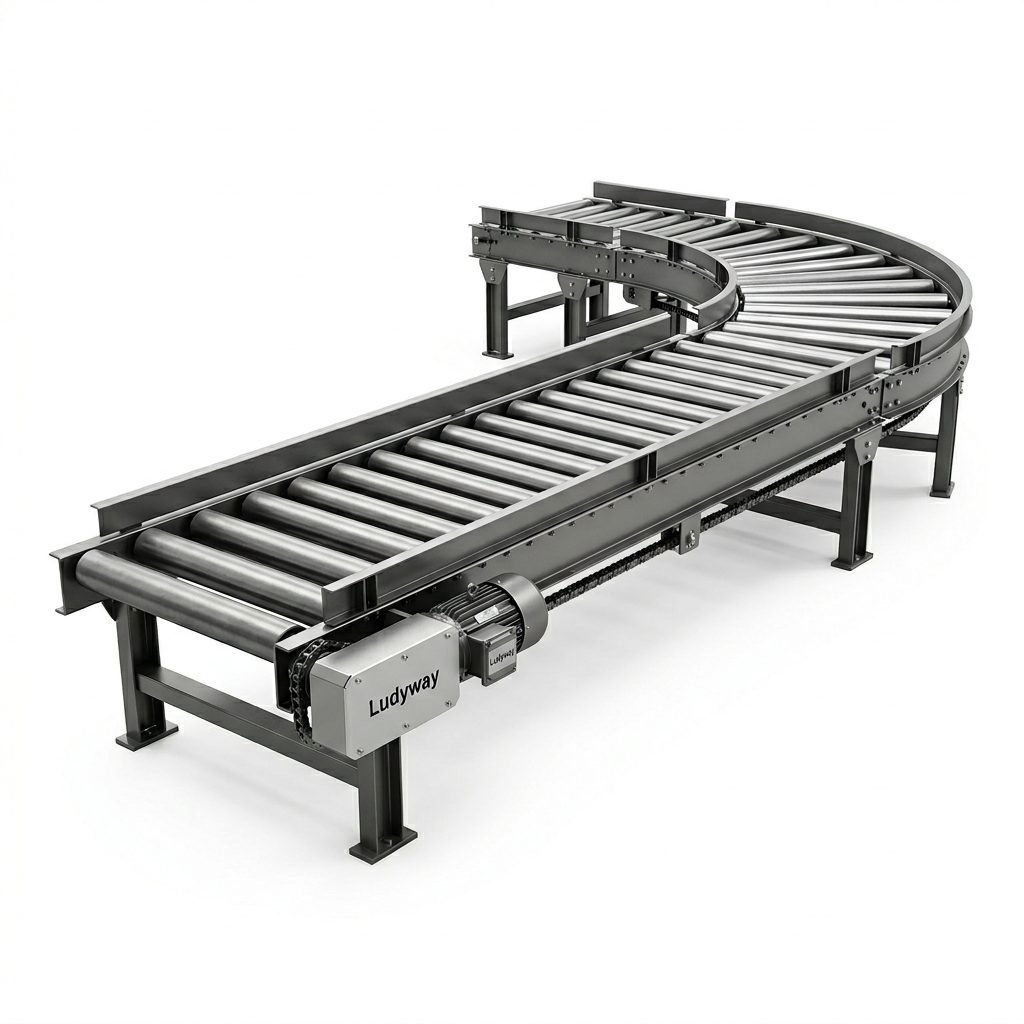
No two bakeries are identical. The ideal supplier should offer a broad portfolio—from single machines to complete turnkey lines—and demonstrate flexibility. Can they modify a standard machine to handle your unique product size or shape? Can they integrate upstream (e.g., feeding systems) and downstream (e.g., cartoning, case packing) equipment? A supplier with a wide range, such as one offering over 50 intelligent packaging machine models, is better positioned to provide a tailored solution rather than a one-size-fits-all compromise.
4. After-Sales Support and Service Network
The relationship begins after the machine is installed. Comprehensive support is crucial and includes:
- Installation & Commissioning: Professional on-site setup and operator training.
- Technical Support: Accessible, knowledgeable support team for troubleshooting.
- Spare Parts Availability: A readily available inventory of wear parts and critical components to minimize downtime.
- Preventive Maintenance: Service contracts and guidance to keep your equipment running optimally.
Ensure the supplier has a responsive service structure, whether locally or through reliable international partners.
5. Compliance with Food Safety and Hygiene Standards
Packaging equipment for food must adhere to strict hygiene regulations. The machine design should facilitate easy cleaning and maintenance, with features like stainless steel contact parts, smooth surfaces without crevices, and compliance with standards like ISO, CE, or FDA guidelines where applicable. A reputable supplier will design with sanitation as a priority.
The Supplier Selection Process: A Step-by-Step Approach
Turn your evaluation into a structured process to make a confident choice.
Step 1: Research and Create a Shortlist
Use industry directories, trade shows (like IBA, PACK EXPO), and peer recommendations to identify potential suppliers. Focus on those highlighting bakery or food industry expertise.
Step 2: Request Detailed Proposals
Provide your detailed requirements (product specs, desired output, packaging format) to each shortlisted supplier. Request a formal quotation that includes machine specifications, layout drawings, delivery timelines, and a complete cost breakdown (equipment, shipping, installation, training).
Step 3: Conduct In-Depth Due Diligence
✓ Ask for and contact client references, especially those with similar products.
✓ Inquire about their manufacturing process and quality checks.
✓ Verify warranty terms and the specifics of their service agreement.
Step 4: Arrange a Product Test (Factory or Video)
Whenever possible, send a sample of your product for a live machine test at the supplier’s facility. Observe the packaging process, output quality, and ease of operation. If an on-site visit isn’t feasible, request a detailed video demonstration of a similar product being run.
Step 5: Evaluate the Total Value, Not Just Price
The cheapest option is often the most expensive in the long run. Weigh the machine’s quality, the supplier’s expertise, and the comprehensiveness of support against the initial investment. A reliable partner like Ludyway Machinery, which emphasizes long-term cooperation and innovation, can provide greater lifetime value through efficiency gains and reduced downtime.
Common Questions (FAQs)
1. What is the most important factor when choosing a bakery packaging machine?
While all factors are interconnected, matching the machine’s capabilities precisely to your specific product and production volume is paramount. A machine that perfectly handles your croissants at your required speed forms the foundation of a successful investment.
2. How can I ensure the machine will maintain my product’s freshness?
Discuss barrier properties with your supplier. The right packaging film (often multi-layered) and a machine that creates a consistent, hermetic seal are critical. Suppliers with food industry experience can recommend the optimal material combination for moisture, oxygen, and aroma barrier.
3. What level of automation is right for my bakery?
This depends on your labor costs and volume. Startups may opt for semi-automatic machines. Growing businesses benefit from automatic feeding and integrated scales. Large-scale operations should consider fully automated lines with robotic palletizing. A good supplier will help you analyze the ROI of increased automation.
4. How do I manage maintenance and potential breakdowns?
Choose a supplier with a strong after-sales service network. Ensure they provide thorough training for your in-house team on basic maintenance and troubleshooting. Also, establish a plan for sourcing spare parts quickly to minimize production stoppages.
5. Can one machine handle multiple different bakery products?
Many modern machines offer quick-changeover features for different bag sizes or formats. However, significant product differences (e.g., from bread to powder) typically require different machine types. Discuss your full product range with the supplier to find the most flexible solution, potentially a multi-purpose machine or a modular system.