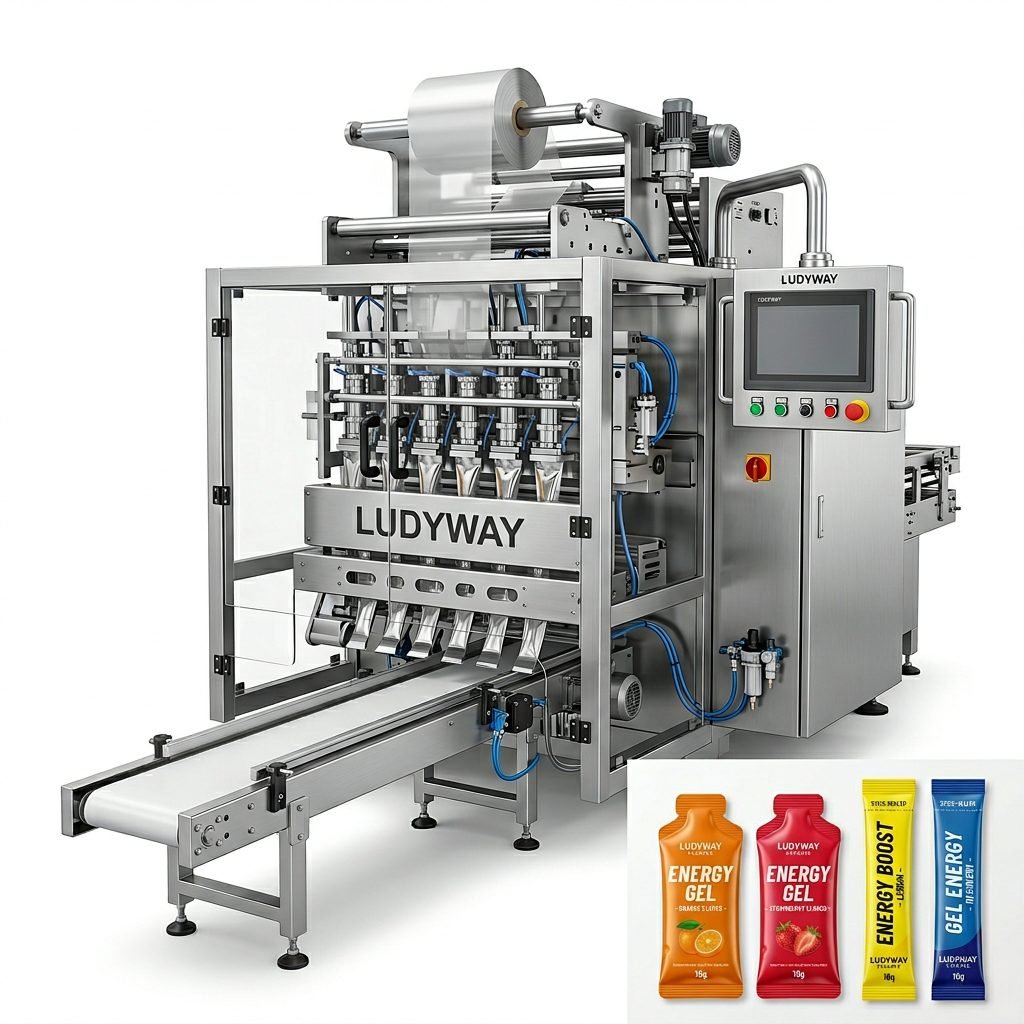
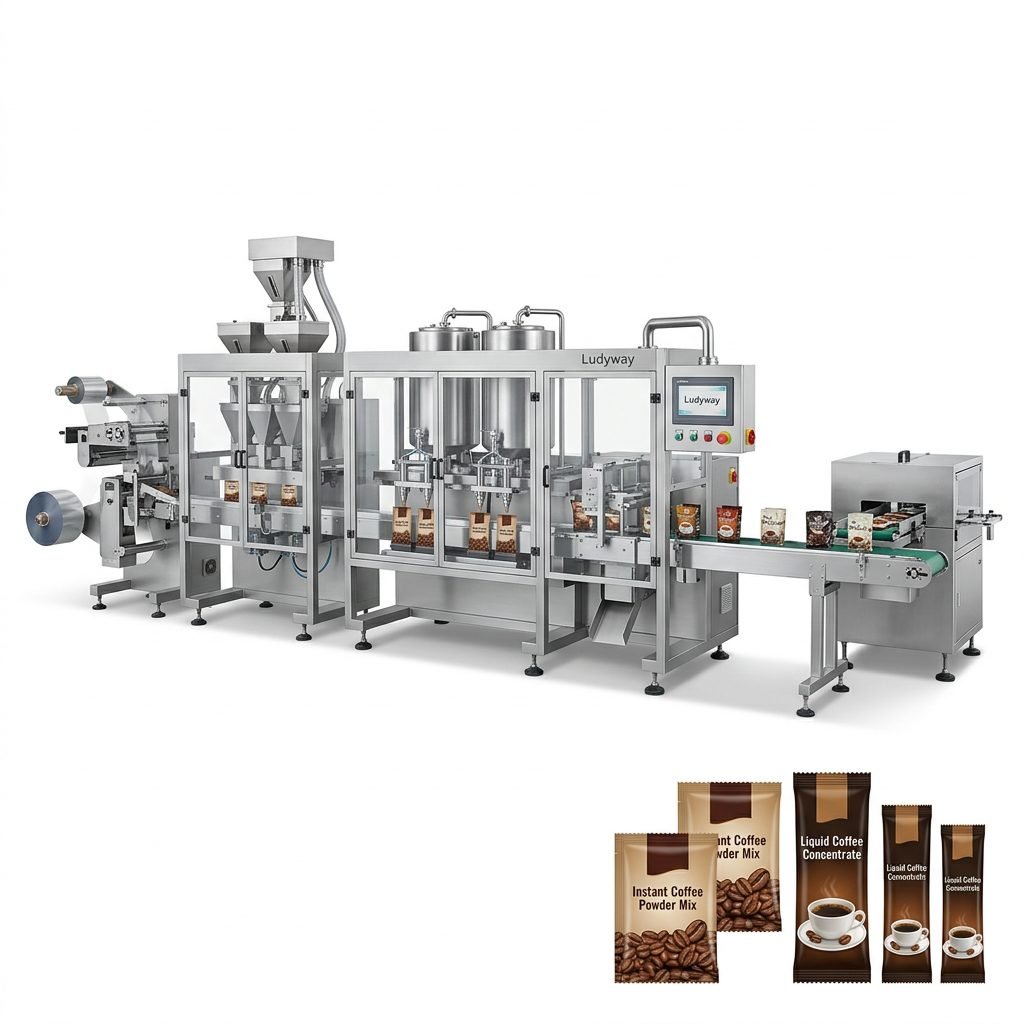
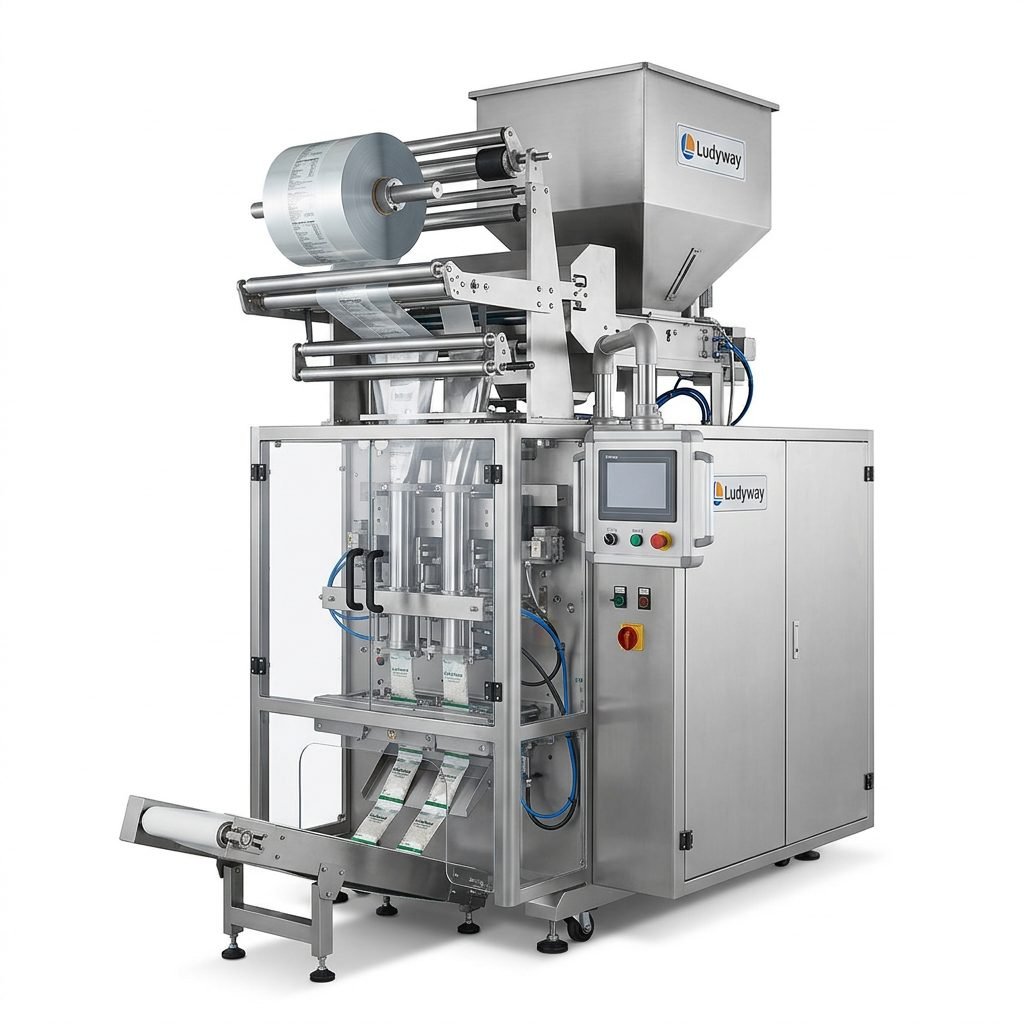
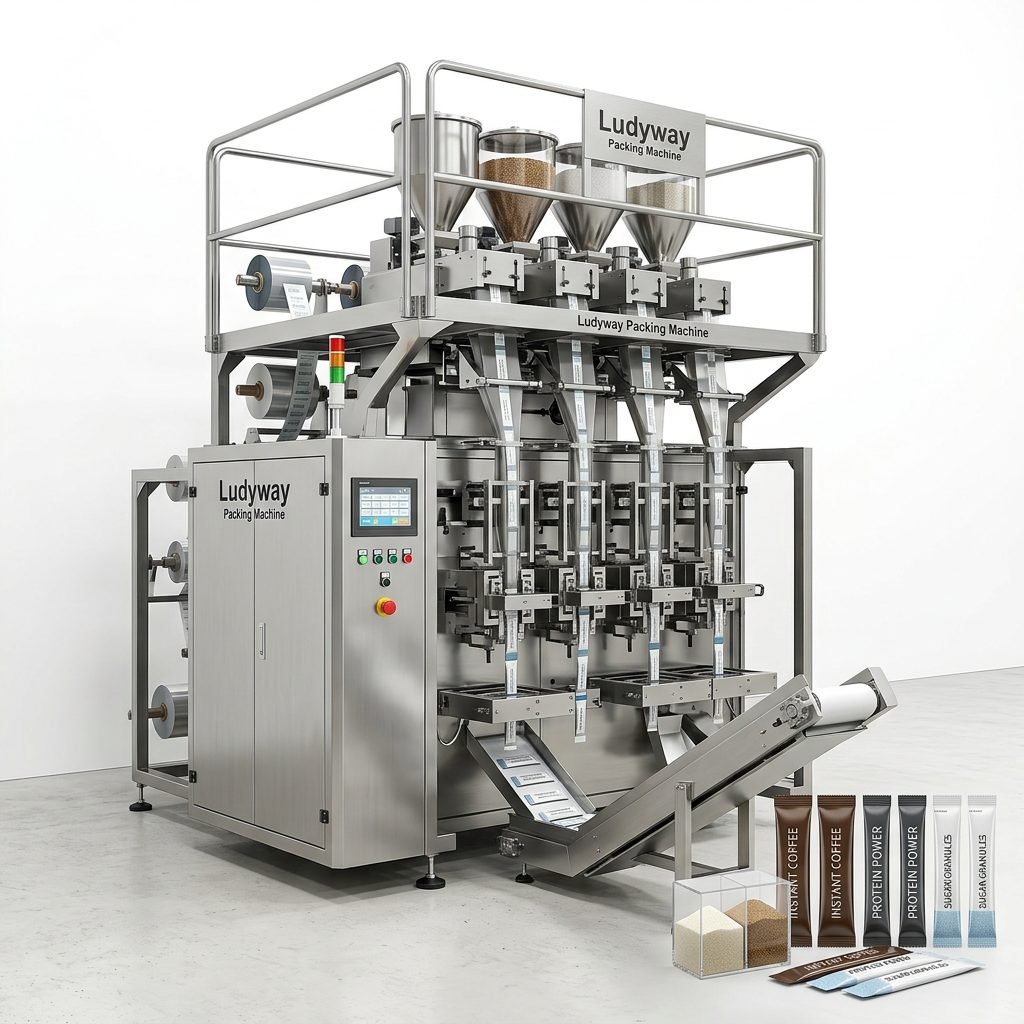
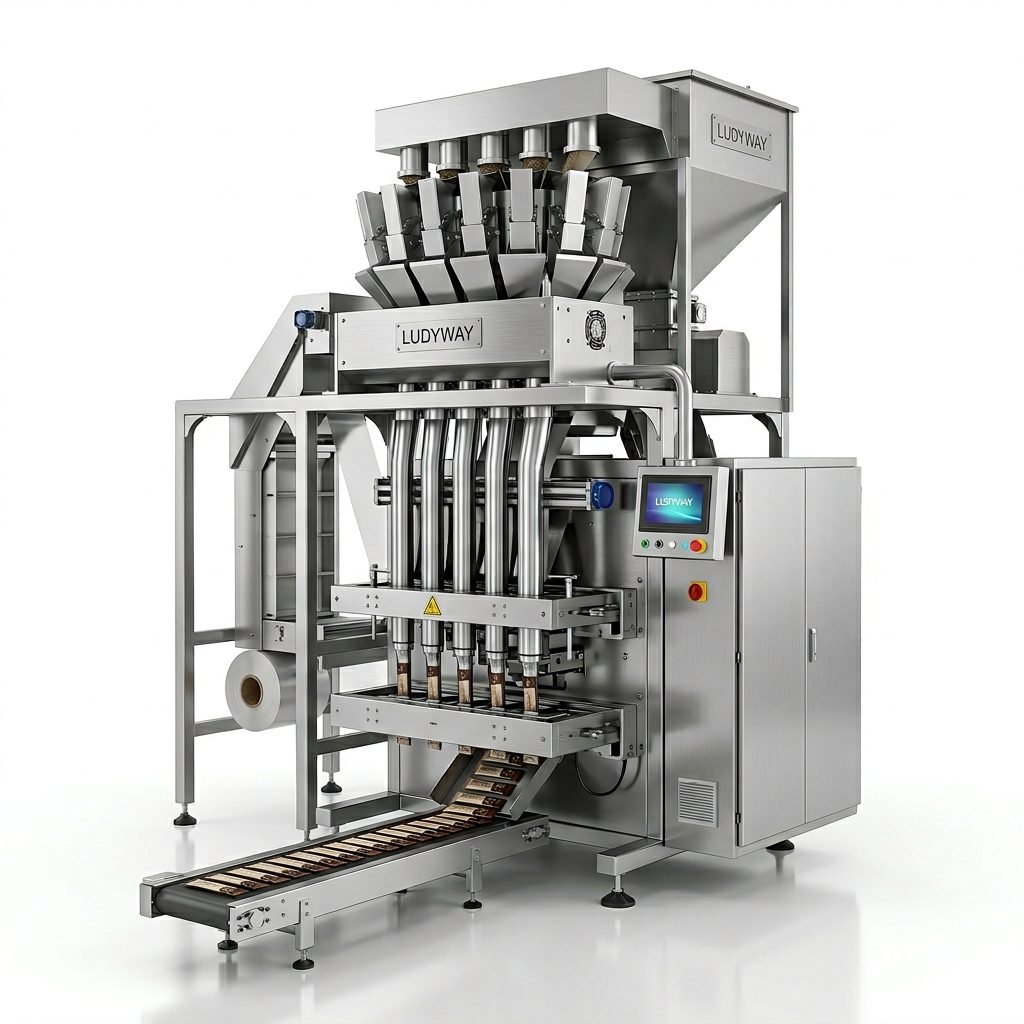
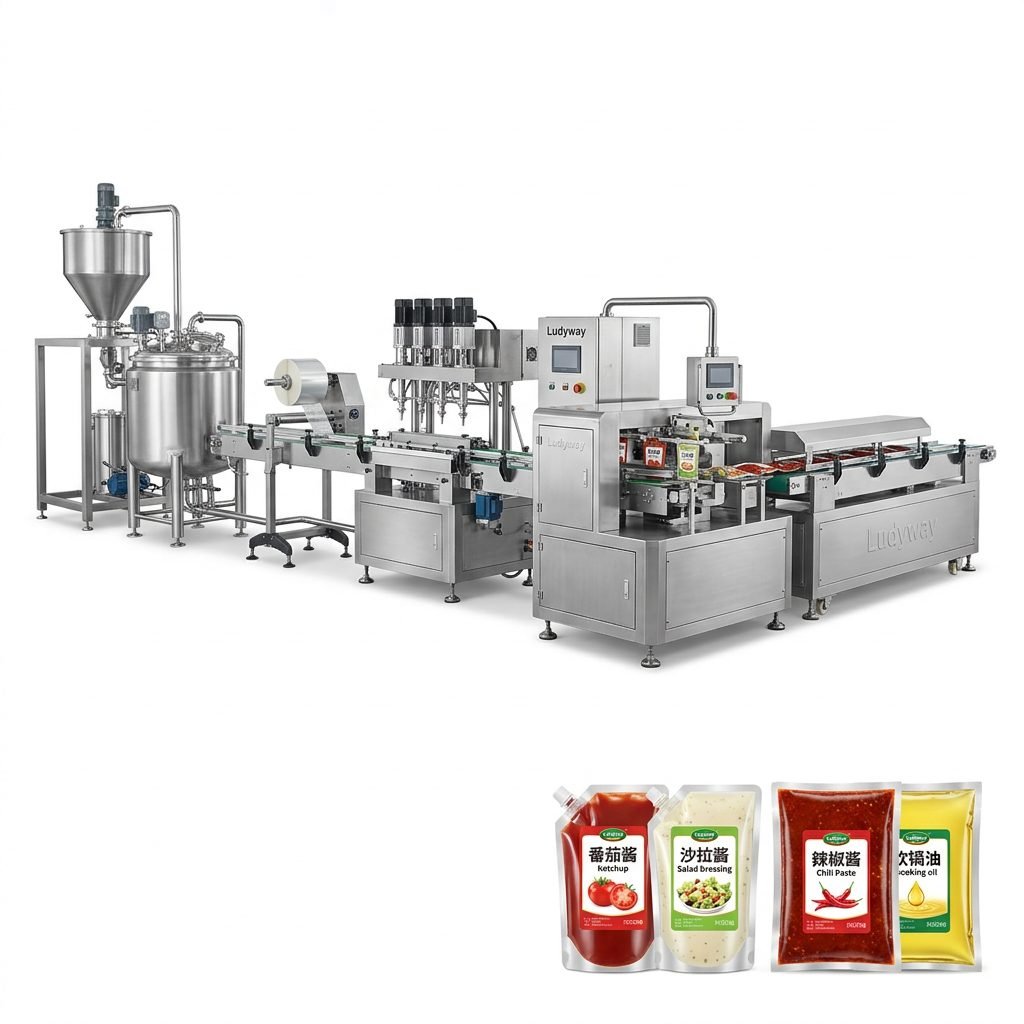
In the fast-paced world of tea production, efficiency and consistency are paramount. For brands producing Lipton-style tea bags and sachets—characterized by their rectangular, tagged, and often stringed design—manual packaging is a bottleneck of the past. The modern solution is the Automatic Tea Packaging Machine, a sophisticated system engineered to handle the delicate nature of tea leaves, herbs, and blends with precision, speed, and hygiene. This article delves into the critical role of these machines, their operational benefits, and how they are transforming production lines for tea manufacturers globally.
Understanding Lipton-Style Tea Packaging
Lipton, a global tea giant, set a standard with its iconic tea bag format. This style typically involves:
- Rectangular or square-shaped bags made from filter paper or biodegradable materials.
- A tag and string attached for easy steeping and removal.
- Individual outer envelopes (sachets) for freshness and branding.
- Consistent dosing of precise tea quantities, often between 2 to 3 grams.
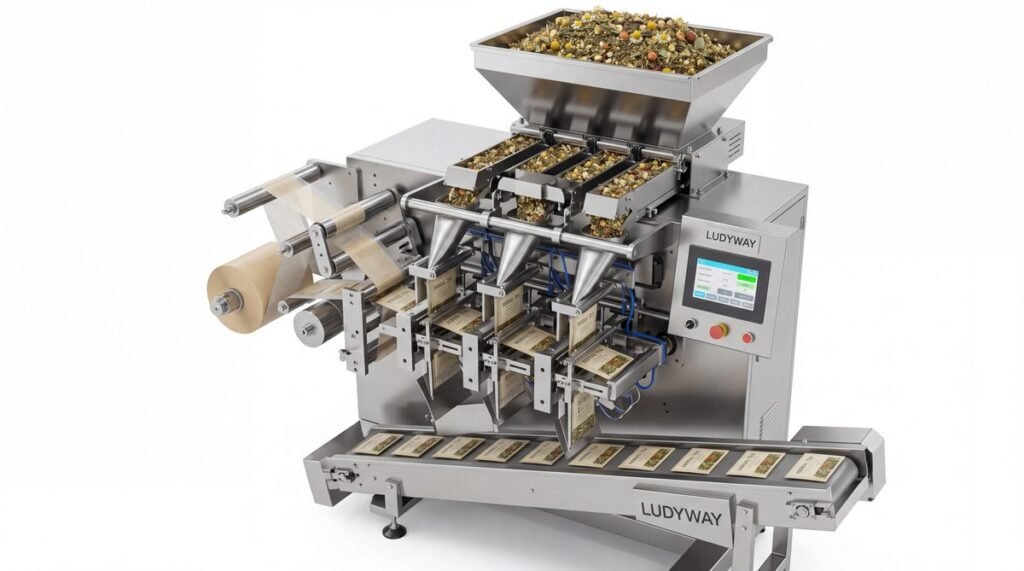
Packaging this product manually is labor-intensive and prone to inconsistency. An automatic system seamlessly integrates forming the bag, filling the tea, attaching the string and tag, sealing, and finally packing into the outer sachet or carton—all in one continuous, high-speed operation.
Core Advantages of Automation
Investing in an automatic tea packaging machine delivers transformative benefits for any tea business:
▶ Unmatched Production Speed & Scalability: Machines can produce hundreds, even thousands, of perfect tea bags per minute, allowing businesses to scale operations to meet market demand without proportional increases in labor costs.
▶ Guaranteed Consistency & Quality: Every bag receives an identical weight of tea. The sealing is uniform, ensuring no leakage and optimal freshness. This eliminates product waste and protects brand reputation.
▶ Enhanced Hygiene & Safety: A closed, automated process minimizes human contact with the product. This is critical for food safety compliance (like HACCP, FDA standards) and is increasingly important to health-conscious consumers.
▶ Significant Cost Reduction: While the initial investment is substantial, the long-term savings on labor, reduced material waste (from overfilling or sealing errors), and lower operational downtime result in a strong return on investment (ROI).
Key Components of an Automatic Tea Bag Packaging Line
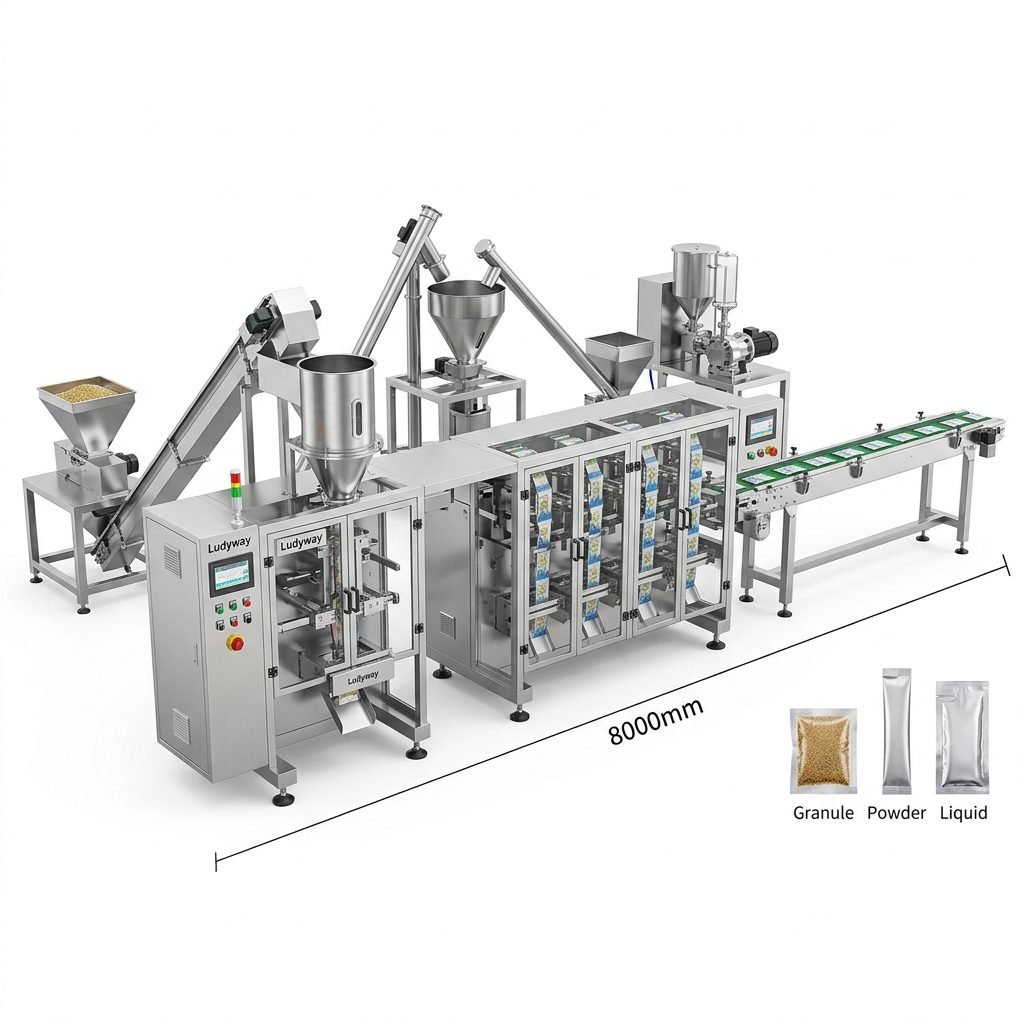
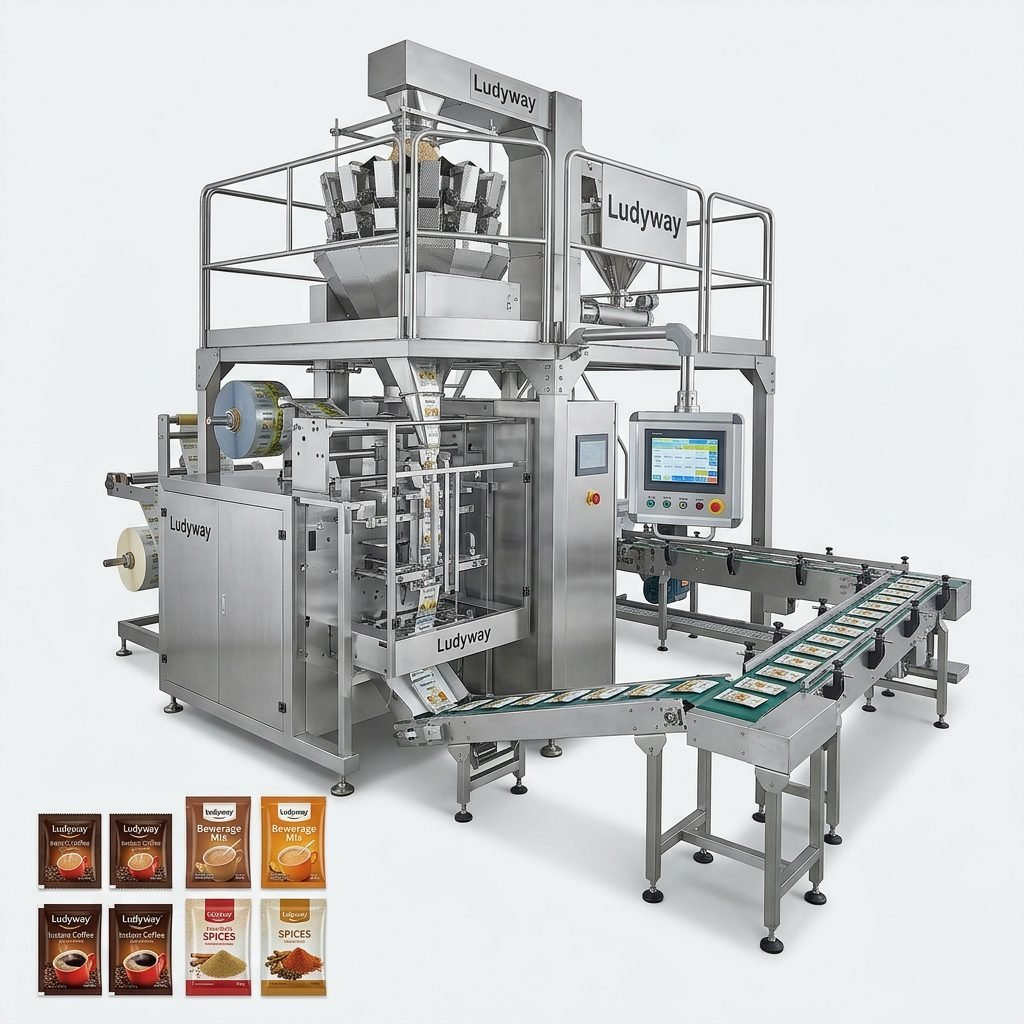
A complete turnkey solution involves several integrated machines, each performing a specialized task. Leading providers like Ludyway Machinery engineer these lines for seamless synergy.
1. The Tea Bag Forming & Filling Machine
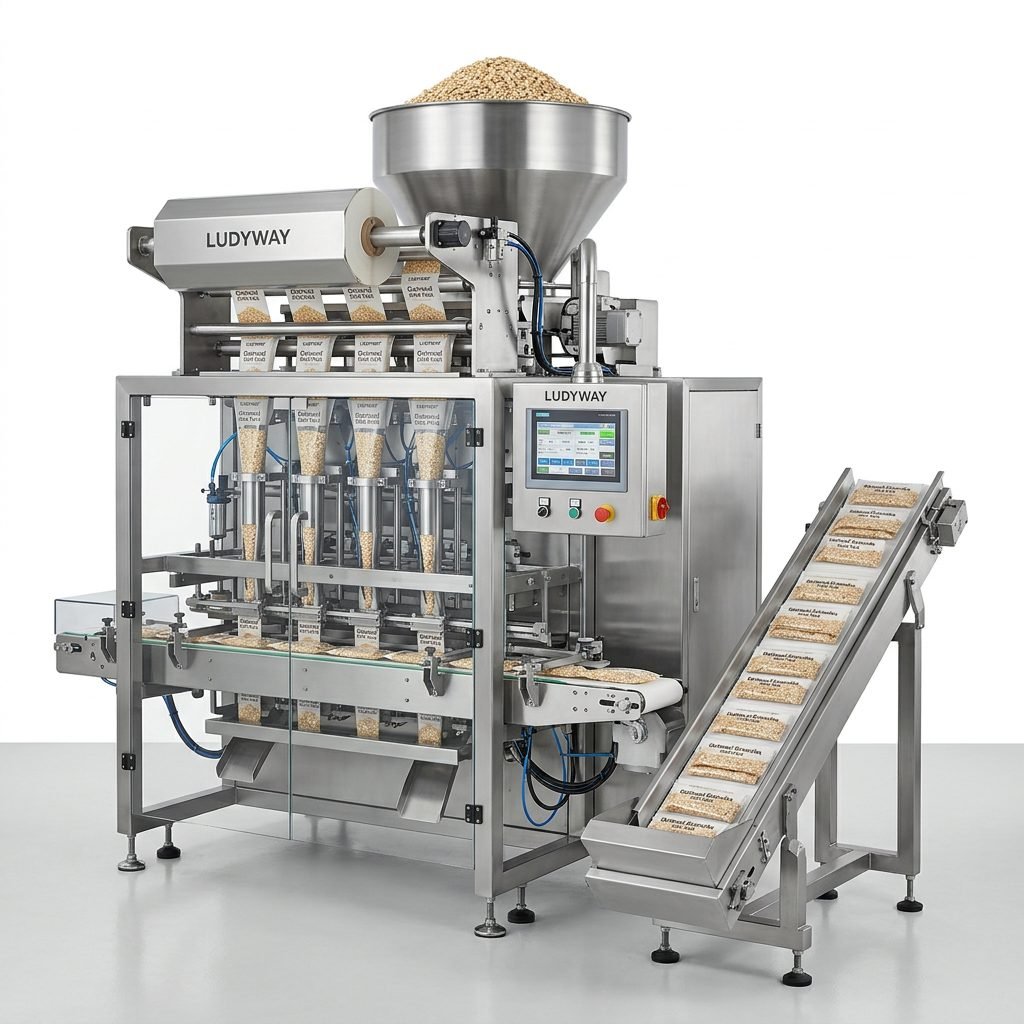
This is the heart of the line. It draws a roll of filter paper, forms it into the bag shape, precisely doses the tea blend, and creates the first seal. Advanced models feature multi-lane designs for simultaneous production.
2. String & Tag Attachment Unit
This module automatically cuts and inserts the string into the bag’s seam and attaches the printed paper or yarn tag at the other end. Precision here is key for functionality and consumer appeal.
3. Final Shaping & Drying
The bag is given its final rectangular shape and pressed. If heat-sealing is used, a cooling or drying station ensures the seal is set before the next stage.
4. Outer Sachet Packaging Machine
The finished tea bag is then fed into another automatic machine which wraps it in a protective, branded outer envelope—the sachet. This machine handles the printed foil or paper roll, cuts, and seals it with high accuracy. For more on sachet packaging technology, explore our packaging solutions.
5. Cartoning & End-of-Line Packaging
Finally, multiple sachets are collated and packed into cartons or boxes, ready for shipping. This stage can also be fully automated.
Choosing the Right Machine for Your Operation
Selecting an automatic packaging system requires careful analysis of your specific needs. Here are the crucial factors to consider:
Production Capacity & Speed
Determine your required output (bags per minute). Machines range from semi-automatic models for small-batch, artisanal producers to fully integrated lines capable of 300+ bags per minute for large-scale manufacturing.
Tea Product Characteristics
The machine must be compatible with your product. Consider:
- Leaf Size: From fine dust to whole leaves or herbal pieces.
- Blend Composition: Whether it’s pure tea, a mixed herbal blend, or includes fruits and flowers.
- Moisture Content: This can affect flowability and sealing.
A reputable supplier will often offer product testing to ensure compatibility.
Bag Material & Design
Specify the filter paper type (heat-sealable, non-woven, biodegradable PLA), the desired bag shape, and the requirements for the string and tag. The machine must be configurable to your branding.
Automation Level & Integration
Do you need a standalone bagging machine or a complete line with sachet wrapping and cartoning? Consider future growth and the potential for integrating with existing conveyors and control systems.
Global Trends and Cultural Considerations in Tea Packaging
The adoption of automatic packaging varies by region, influenced by local tea culture and consumption habits.
In the United Kingdom and Ireland, where black tea in bags is a daily staple, the demand is for extremely high-speed, robust machines that can handle large volumes of standard black tea blends with unwavering reliability.
In North America, the market is driven by diversity—herbal teas, green teas, and specialty blends. Flexibility is key. Machines must quickly switch between different products and bag styles (including pyramid bags) to cater to a fast-moving, trend-driven market.
In Asia and the Middle East, tea is often a symbol of hospitality. Packaging may need to accommodate specific cultural preferences, such as extra-strong blends or particular spices. Machines that offer precise dosing for consistent flavor in every cup are highly valued.
This global perspective underscores the importance of partnering with a machinery provider that understands international markets. With over 30 years of industry experience, companies like Ludyway Machinery design equipment that meets these diverse regional and cultural requirements.
Maintenance and Operational Best Practices
To ensure longevity and peak performance of your automatic tea packaging machine, a proactive maintenance regimen is essential.
- Daily: Clean all product contact surfaces to prevent cross-contamination and residue buildup. Check for loose parts and clear any tea dust from sensors and moving components.
- Weekly/Monthly: Lubricate guide rails and bearings as per the manufacturer’s manual. Inspect and calibrate the weighing system for dosing accuracy. Check the condition of sealing jaws.
- Annual Service: Schedule a professional inspection by the supplier’s technicians. This can prevent unexpected breakdowns and keep the machine updated with any technical improvements.
Proper training for operators is equally critical. They should understand basic troubleshooting to resolve minor issues like film jams or tag misalignment, minimizing downtime.
Conclusion: The Future is Automated
The Automatic Tea Packaging Machine is no longer a luxury but a necessity for competitive tea brands. It is the engine that drives consistency, efficiency, and scalability. By automating the packaging of Lipton-style tea bags and sachets, producers can ensure every product that leaves the factory meets the highest standards of quality and hygiene, while significantly improving their bottom line. As tea consumption continues to evolve globally, the flexibility and intelligence built into these advanced packaging systems will be the cornerstone of successful brand growth and innovation.
Frequently Asked Questions (FAQs)
1. What is the typical production speed of an automatic tea bag machine?
Speeds vary greatly by model. Standard machines range from 60 to 120 bags per minute (bpm) per lane. High-speed, multi-lane systems can achieve outputs of 300 to 500+ bpm. The right speed depends entirely on your production volume requirements.
2. Can one machine handle different types of tea (e.g., black, green, herbal)?
Yes, most modern machines are designed for flexibility. However, a changeover between very different products (e.g., from fine powder to large leafy herbs) may require adjustments to the feeding system, dosing cup, or vibration settings. Discuss your product range with the supplier for optimal configuration.
3. How do I ensure the tea bag sealing is strong and won’t leak?
Leak-proof seals depend on three factors: the correct heat-sealable filter paper, precise temperature and pressure settings on the sealing jaws, and regular maintenance of those jaws. A good machine provides precise control over these parameters, and quality suppliers offer guidance on material compatibility.
4. What is the lead time for installing a complete automated packaging line?
Lead times can range from 3 to 6 months or more for a full custom line, depending on complexity. It includes design, manufacturing, factory acceptance testing, shipping, and on-site installation and commissioning. Clear communication with your supplier about the project timeline is crucial.
5. What kind of after-sales support should I expect?
Comprehensive support is vital. Expect detailed operational training, on-site installation assistance, a warranty period, access to spare parts, and remote/on-call technical support. Providers with a strong global service network, like those with extensive international experience, offer greater long-term security for your investment.