For food manufacturers and processors, selecting the right maize flour packaging machine is a critical decision that directly impacts production efficiency, product quality, and overall profitability. This essential equipment automates the process of filling, sealing, and packaging maize flour into various formats, from retail sachets to bulk bags. With numerous machine types, configurations, and price points available, navigating the market can be complex. This comprehensive guide will explore the different types of maize flour packaging machines, analyze key factors influencing their prices, and provide a clear framework to help you choose the best machine for your specific operational needs.
Understanding Maize Flour Packaging Requirements
Maize flour, also known as cornmeal, presents unique packaging challenges. It is a fine, dry powder that can be prone to dusting and requires precise filling to ensure consistent weight. The packaging must protect the product from moisture, contamination, and physical damage during storage and transport. Common packaging formats for maize flour include:
● Small Sachets & Stick Packs: Ideal for single-serving portions, retail sales, and promotional samples. These require high-speed, multi-lane machines.
● Bags (Pouches): Ranging from 500g to 5kg or more, these are the standard for household and commercial use. Machines can form-fill-seal (FFS) pre-made bags or create bags from roll stock.
● Cartons & Boxes: Used for larger quantities, often involving a bag-in-box system where a sealed plastic bag is placed inside a cardboard carton.
Primary Types of Maize Flour Packaging Machines
The core technology of the packaging machine defines its capabilities. Here are the main types used for maize flour:
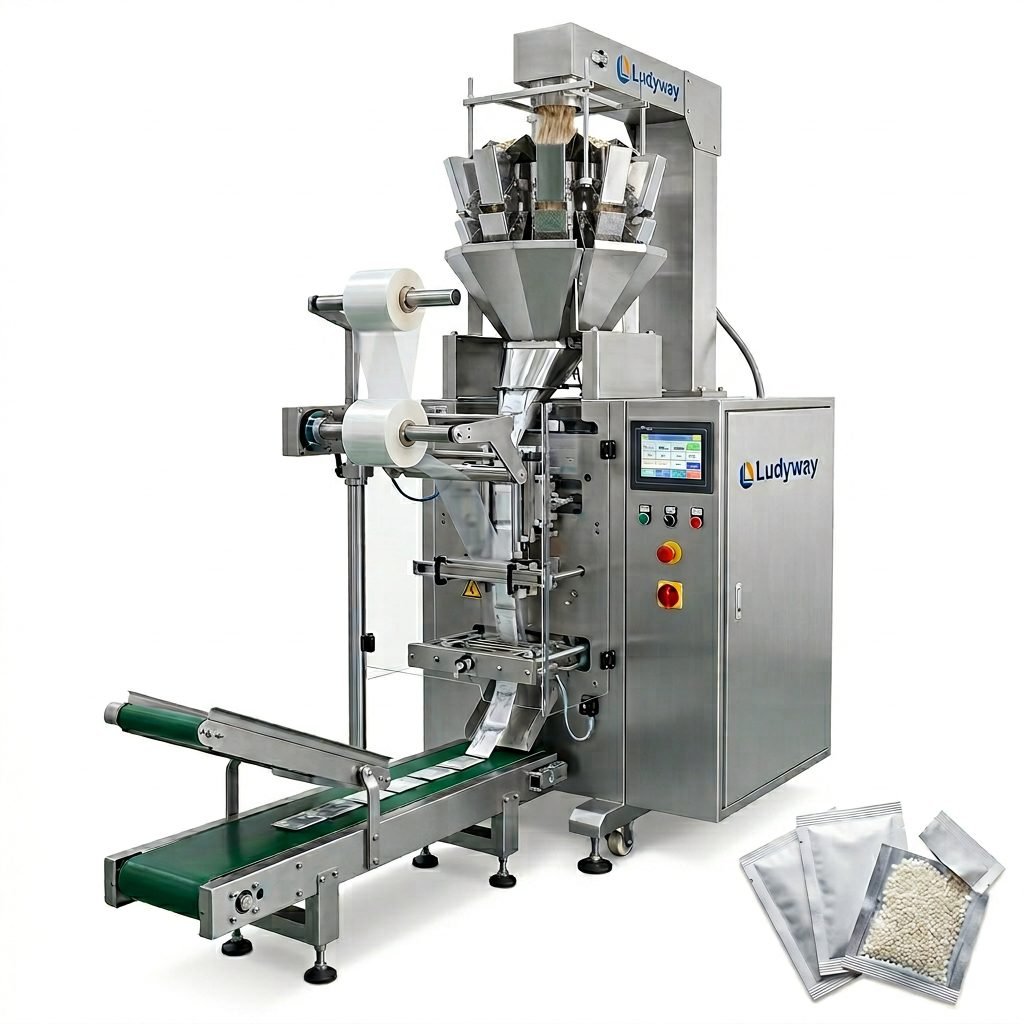
1. Vertical Form-Fill-Seal (VFFS) Machines
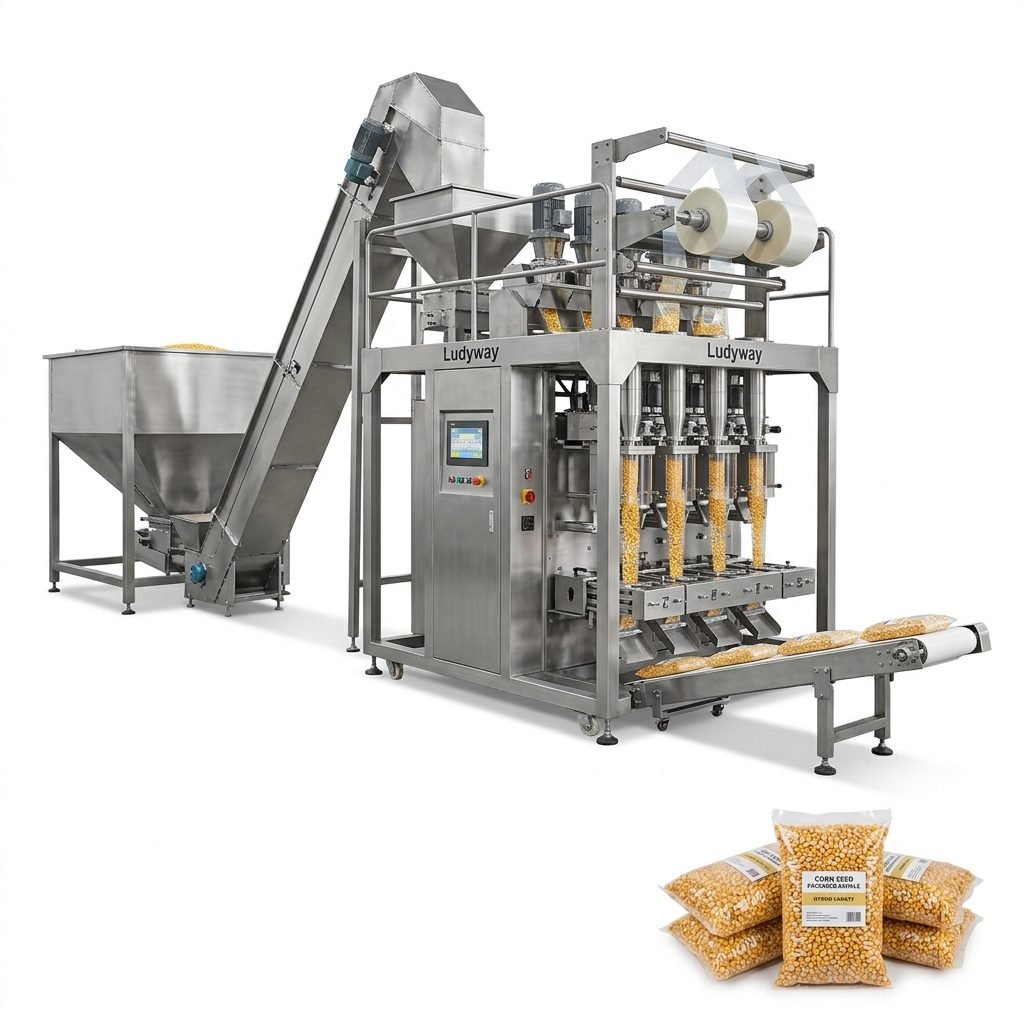
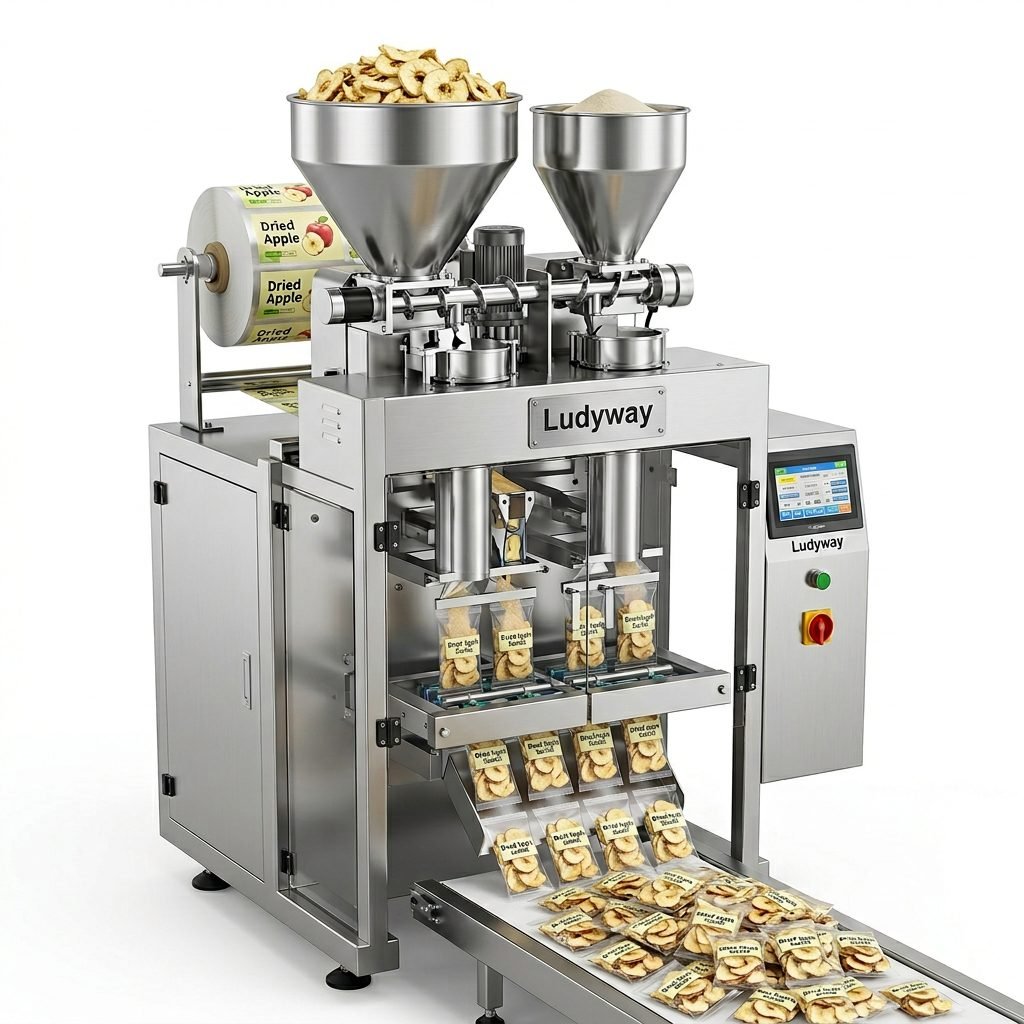
These are the most common and versatile machines for packaging powders like maize flour. They use a roll of flat packaging film to form a bag, fill it with a pre-measured amount of product, and then seal it—all in one continuous vertical process.
Key Advantages: High speed, efficient material use, flexibility in bag size, and relatively lower cost per bag. They are perfect for producing a wide range of pouch sizes.
Best For: Medium to high-volume production of stand-up pouches, pillow bags, and gusseted bags.
2. Pre-Made Bag Fillers
These machines automate the handling, opening, filling, and sealing of bags that are already manufactured (pre-made pouches).
Key Advantages: Allows for more complex and premium bag designs (e.g., with zippers, spouts, or unique shapes). Often simpler to operate and changeover between bag styles.
Best For: Businesses that require high-quality, branded packaging with special features or those with lower to medium production volumes.
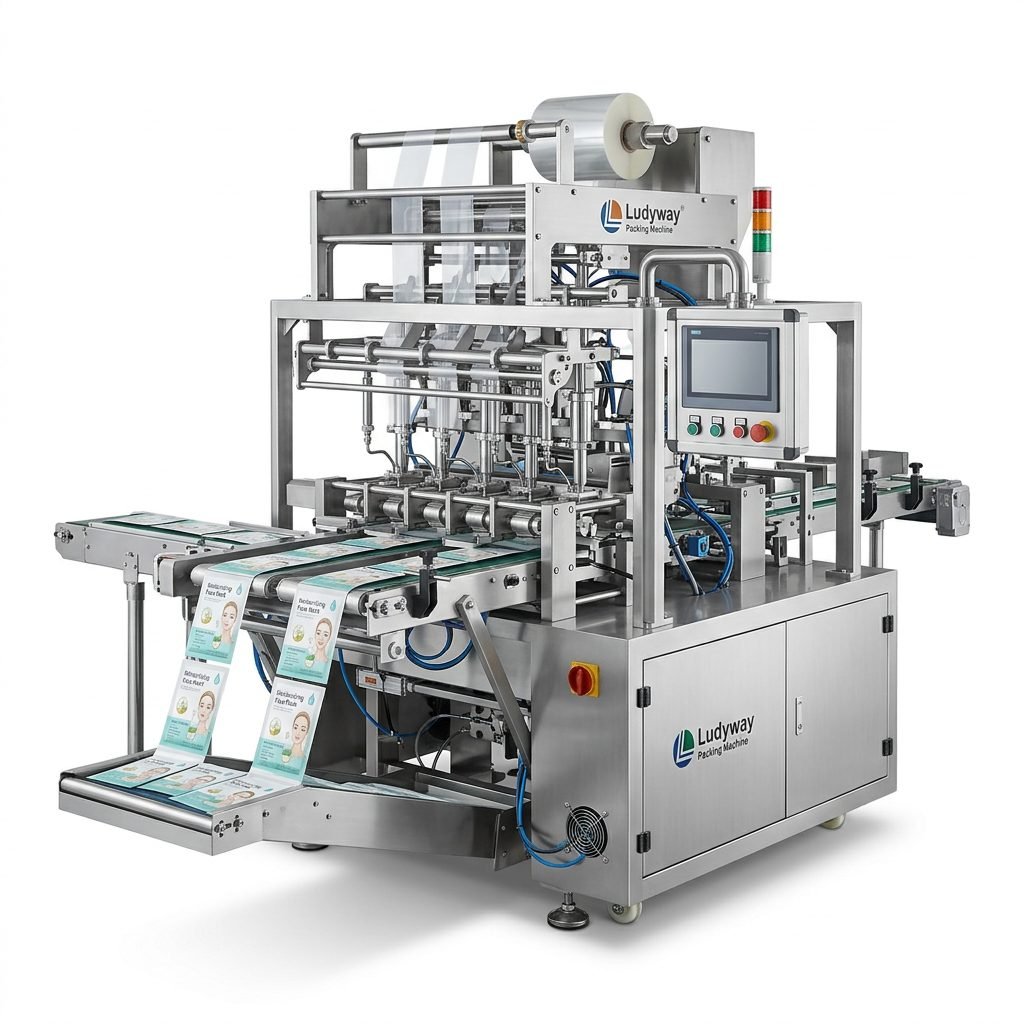
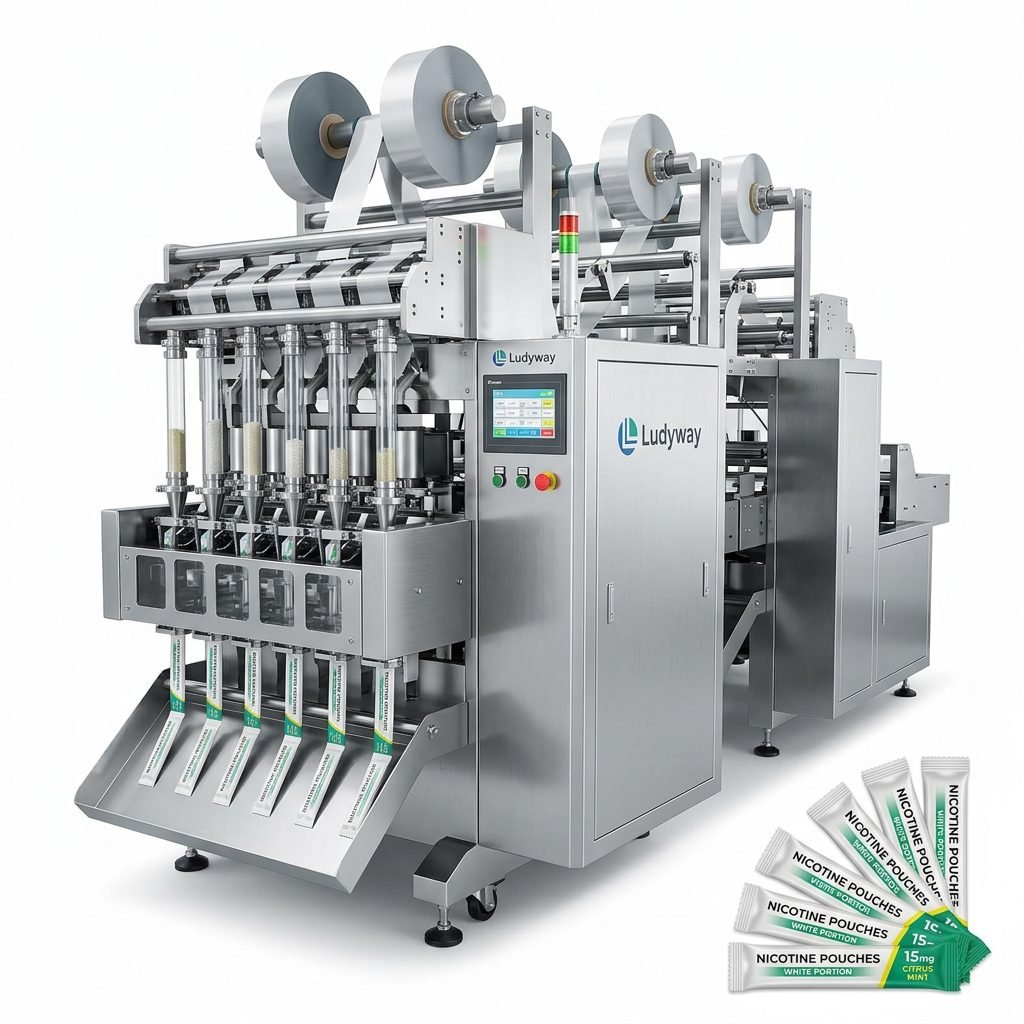
3. Stick Pack & Sachet Machines
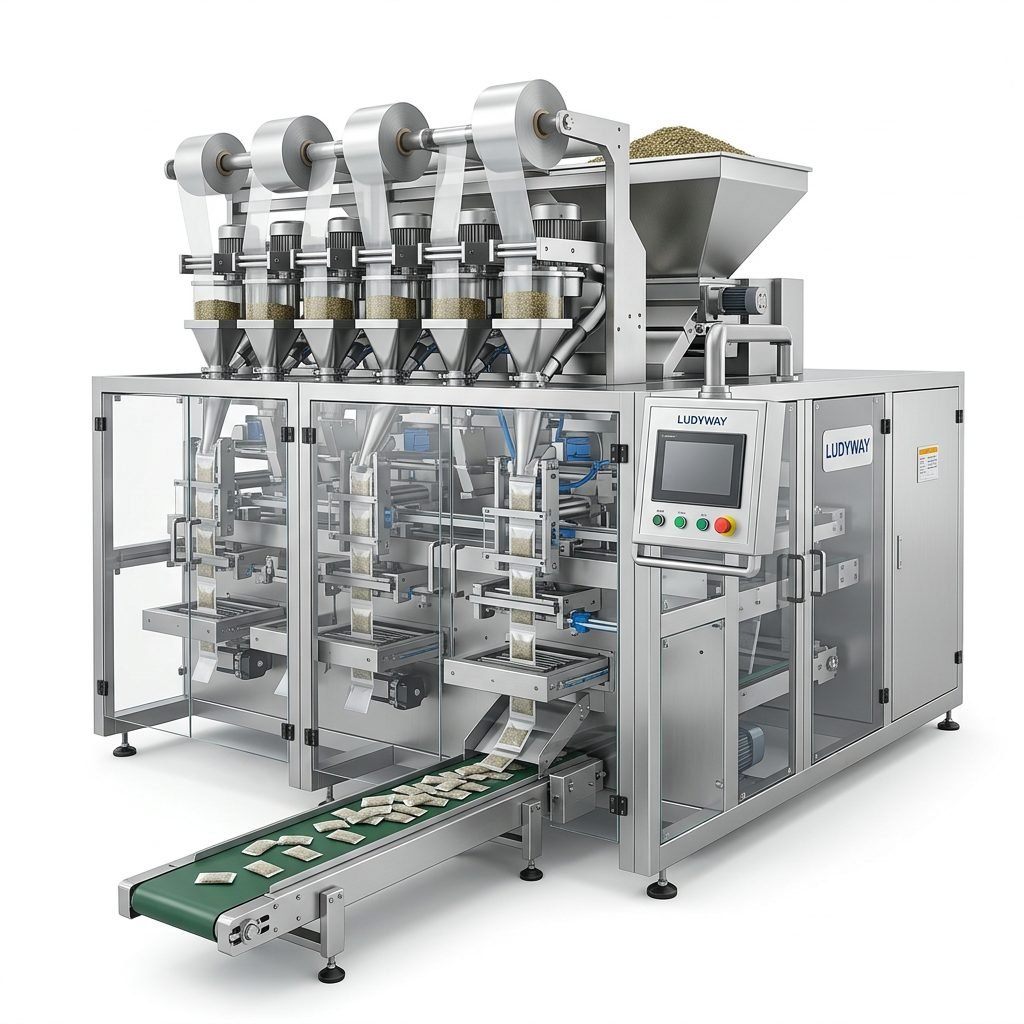
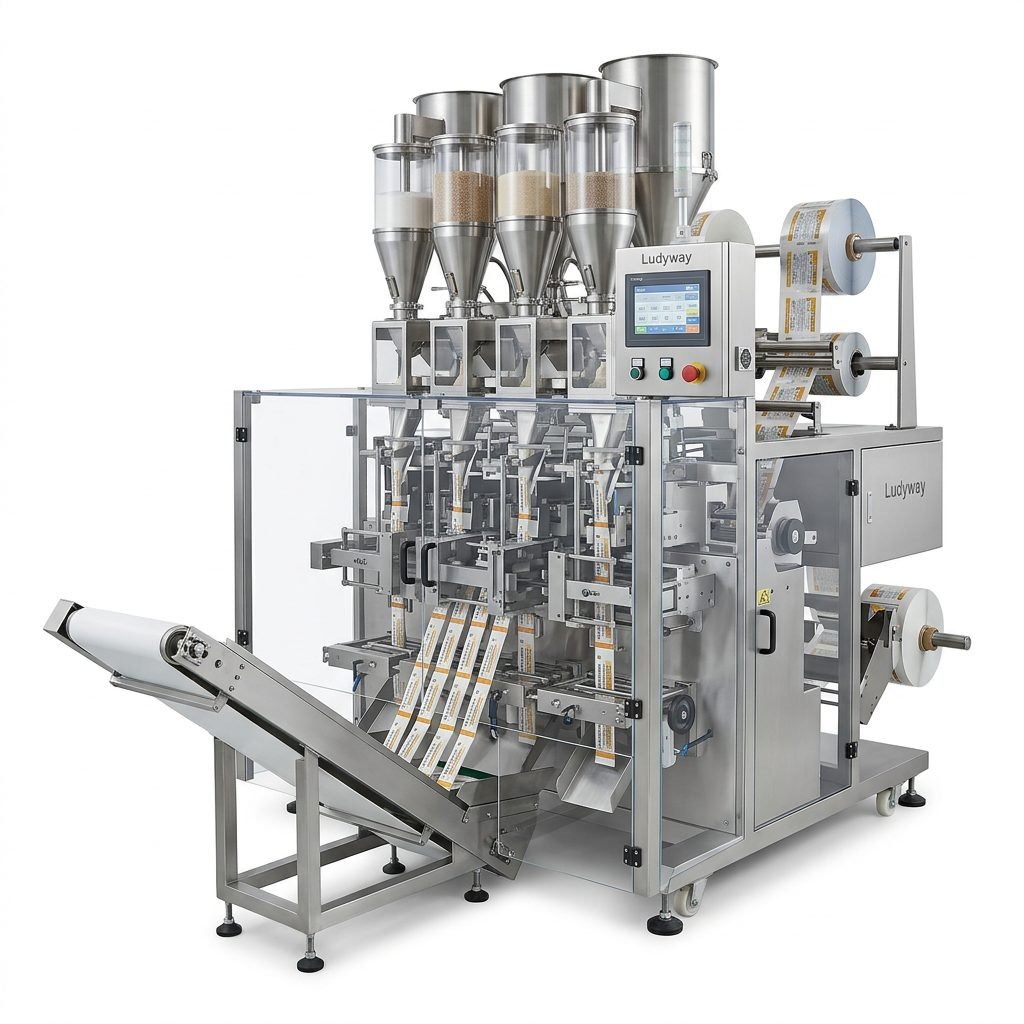
Specialized for creating small, elongated stick packs or flat sachets, typically for single servings (e.g., 25g, 50g). These are often multi-lane machines that produce several packs simultaneously.
Key Advantages: Extremely high output speeds, minimal packaging material, and excellent product visibility. Ideal for creating convenient portion packs.
Best For: High-volume production of sample packs, instant porridge mixes, or retail units for maize flour.
4. Auger Filler Systems
This is the critical component for accurately dispensing maize flour. An auger (a rotating screw) inside a hopper moves a precise volume of powder into the waiting bag or pouch. The accuracy of the auger filler is paramount for weight control.
Key Features: Systems can include single or twin augers, servo-driven motors for exceptional precision, and dust extraction ports to maintain a clean working environment.
Analyzing the Price Factors: What Determines the Cost?
The price of a maize flour packaging machine can range from a few thousand dollars for a basic semi-automatic unit to over $100,000 for a fully integrated, high-speed automated line. Key factors include:
Automation Level: Semi-automatic (manual bag placement) machines are the least expensive. Fully automatic machines with automated bag feeding, filling, sealing, and cartoning command a premium.
Speed & Output: Machines measured in bags-per-minute (BPM) will see price increases with higher speed capabilities.
Filling Accuracy & Technology: Servo-driven auger systems with check-weighers and feedback loops are more costly than basic volumetric fillers but reduce product giveaway and ensure compliance.
Construction & Materials: Machines built with food-grade stainless steel (e.g., SS304) for contact parts are more durable, hygienic, and expensive than those with painted carbon steel.
Brand & Support: Established brands with proven reliability, comprehensive warranties, and strong after-sales service networks often have higher price points but lower long-term risk.
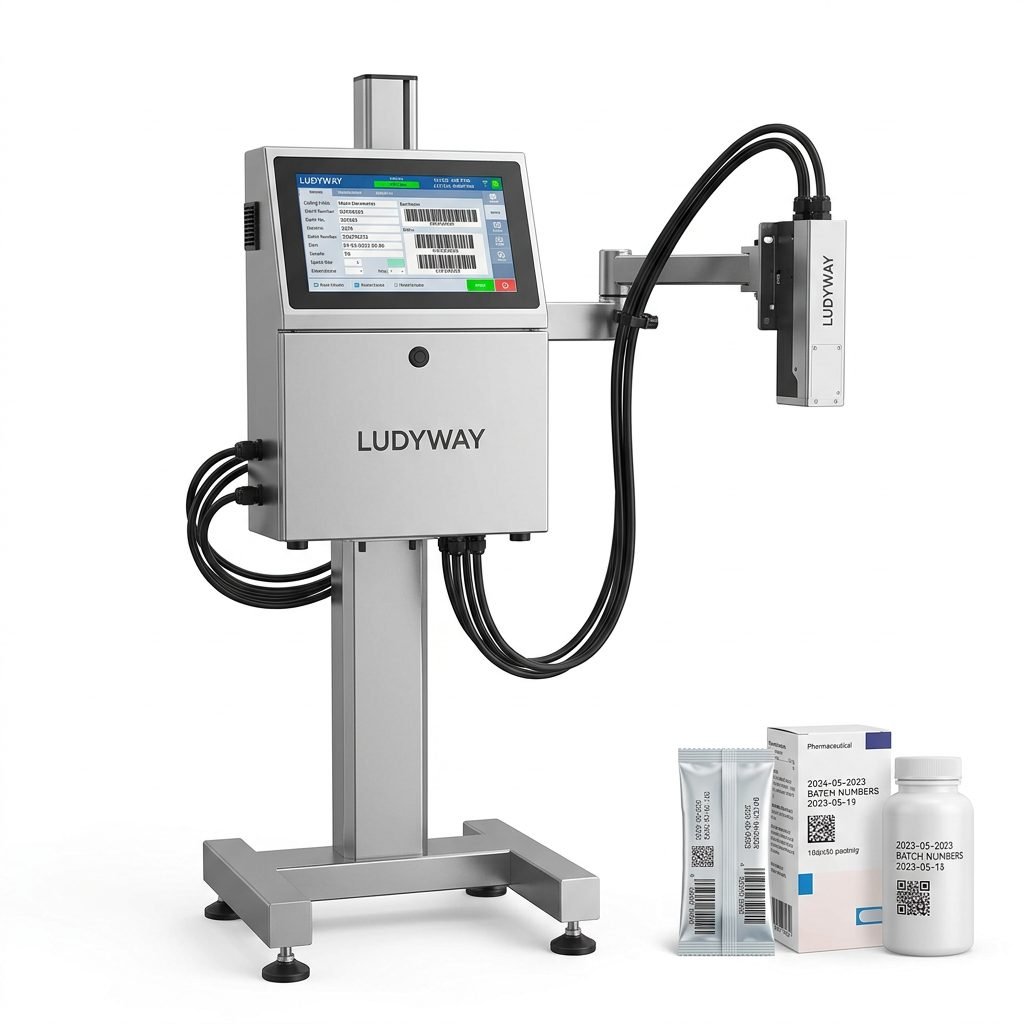
Customization & Additional Features: Adding nitrogen flushing for extended shelf life, integrated check-weighers, date coders, or custom bag-handling attachments will increase the cost.
How to Choose the Best Maize Flour Packaging Machine: A Step-by-Step Guide
Making the right choice requires a thorough analysis of your current and future needs.
Step 1: Define Your Production Parameters
Clearly outline your required output (bags per minute/hour/shift), the range of bag sizes and types you will use, and the desired accuracy (weight tolerance). This forms the non-negotiable foundation of your search.
Step 2: Assess Your Operational Environment
Consider your factory space, available utilities (electrical, compressed air), and the skill level of your operators. A complex machine requires adequate space, infrastructure, and trained personnel to maintain it.
Step 3: Prioritize Hygiene and Safety
For food-grade products like maize flour, machines with smooth surfaces, easy-clean designs, and certified materials are essential. Look for features like CIP (Clean-in-Place) systems and effective dust containment.
Step 4: Evaluate Total Cost of Ownership (TCO)
Look beyond the initial purchase price. Factor in maintenance costs, spare part availability and pricing, energy consumption, and potential downtime. A slightly more expensive but robust and reliable machine from a reputable supplier like Ludyway Machinery can offer a much lower TCO.
Step 5: Demand a Product Test
Never buy a powder packaging machine sight-unseen. Arrange to send your actual maize flour sample to the supplier for a live test. This demonstrates the machine’s filling accuracy, speed, and handling characteristics with your specific product.
Step 6: Verify Support and Service
Ensure the supplier offers comprehensive installation, training, and technical support. Check the availability of spare parts and the responsiveness of their service team. A strong partnership with your machinery provider is crucial for long-term success.
Partnering with an Experienced Supplier
Choosing a machinery supplier is as important as choosing the machine itself. A partner with deep experience in food powder packaging, such as Ludyway Machinery, brings invaluable expertise. With over 30 years of industry experience, they understand the nuances of handling materials like maize flour and can recommend the optimal machine configuration, not just sell a standard unit. Their support extends from initial consultation and factory planning to installation, training, and ongoing maintenance, ensuring your packaging line delivers consistent results for years to come.
Frequently Asked Questions (FAQs)
Q1: What is the typical accuracy range for a maize flour packaging machine?
Modern auger filler systems, especially servo-driven ones, can achieve accuracy within ±0.5% to ±1% of the target weight for most maize flour applications. This is critical for compliance and cost control.
Q2: Can one machine handle different bag sizes of maize flour?
Yes, most vertical form-fill-seal (VFFS) and pre-made bag filler machines are designed with quick-changeover features. This allows operators to switch between different bag lengths and widths in minutes, enabling flexible production runs.
Q3: How do I control dust when packaging fine maize flour?
Look for machines with integrated dust extraction ports that can be connected to a central dust collection system. Sealed auger systems, telescopic filling spouts that descend into the bag, and proper hopper design are also key features for dust minimization.
Q4: What maintenance does a maize flour packaging machine require?
Regular daily cleaning is paramount. Maintenance typically involves lubricating moving parts (with food-grade lubricants), checking seal integrity on jaws, inspecting and potentially replacing auger components or sealing films, and ensuring sensors are clean and functional. A detailed schedule should be provided by your supplier.
Q5: Is it better to buy a standalone machine or a complete production line?
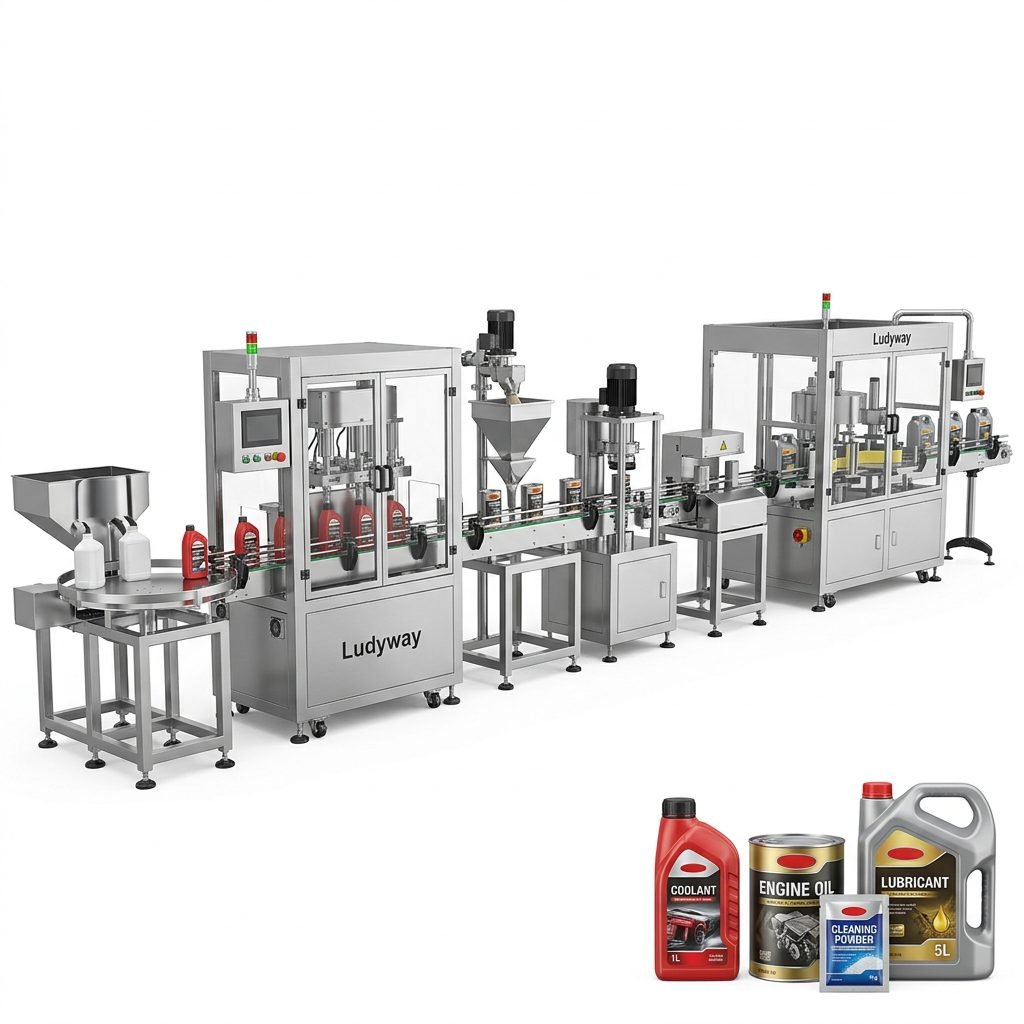
It depends on your scale and workflow. A standalone packaging machine is suitable if you are manually handling upstream (mixing) and downstream (cartoning) processes. For higher volumes and full automation, an integrated line that includes a feeding system, packaging machine, check-weigher, date coder, and cartoner will maximize efficiency and reduce labor costs.