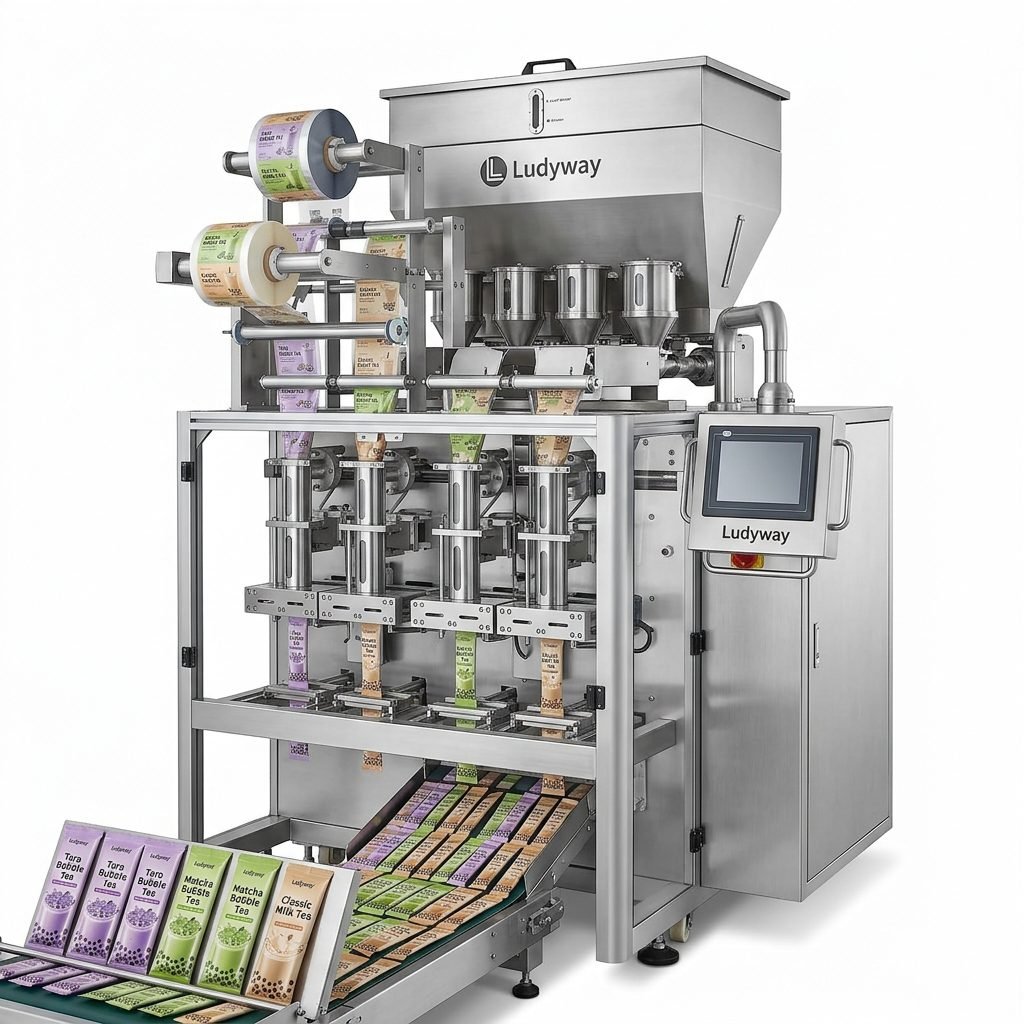
In the competitive world of manufacturing and product distribution, the quality and efficiency of your packaging line can be a significant differentiator. For industries ranging from food and pharmaceuticals to cosmetics and hardware, selecting the right box packaging machinery and, more importantly, the right manufacturer is a critical business decision. This guide delves into the landscape of top box packaging machinery manufacturers and provides a strategic framework for choosing the best supplier to partner with for your operational success.
The Critical Role of Box Packaging Machinery
Box packaging, or cartoning, is a fundamental process in final product assembly. Machinery in this category performs tasks such as forming corrugated or paperboard boxes, inserting products, leaflets, or multiple items, and sealing the package securely. The right equipment ensures product protection, enhances brand presentation through consistent packaging, and achieves the high-speed throughput necessary for profitability. Investing in reliable machinery from a reputable manufacturer minimizes downtime, reduces waste, and scales with your business growth.
Key Benefits of Automated Box Packaging
→ Dramatically Increased Line Speed: Automated cartoners can far outpace manual packing, handling hundreds of units per minute.
→ Unmatched Consistency & Accuracy: Every box is formed, filled, and sealed identically, ensuring superior product presentation and reducing customer complaints.
→ Significant Labor Cost Reduction: Automating repetitive packing tasks allows your workforce to focus on higher-value activities like quality control and supervision.
→ Enhanced Safety & Hygiene: Minimizes direct human contact with the product, which is crucial in food, pharmaceutical, and sterile environments.
Evaluating Top Manufacturers: Key Attributes
The market offers a wide spectrum of manufacturers, from global giants to specialized engineering firms. A top-tier manufacturer distinguishes itself through more than just a product catalog.
1. Engineering Expertise and Innovation
Look for a manufacturer with a strong core engineering team. Their ability to innovate—whether in developing gentler handling for fragile products, integrating advanced vision systems for 100% check-weighing and inspection, or creating more sustainable machine footprints—directly impacts your future competitiveness. A history of patents or proprietary technologies is a strong positive indicator.
2. Proven Industry Experience
Experience in your specific sector is invaluable. Packaging pharmaceuticals requires adherence to different standards (e.g., cGMP, easy-clean designs) than packaging food snacks or hardware. Manufacturers with deep vertical experience understand the unspoken challenges and can preemptively design solutions for them.
3. Manufacturing Scale and Quality Control
The quality of the machinery is rooted in its birthplace. Top manufacturers operate from modern facilities with advanced CNC machining centers, robotic welding, and standardized assembly processes. They implement rigorous quality control protocols at every stage, ensuring that every machine shipped meets a high-performance benchmark. For instance, a manufacturer like Ludyway Machinery leverages substantial manufacturing infrastructure to ensure build quality and timely delivery.
4. Comprehensive Product Range and Customization
While standard models are important, the ability to customize is key. The best suppliers offer a range of cartoners (vertical, horizontal, continuous motion, intermittent motion) and, crucially, can modify them. Can they integrate with your existing filler, bundler, or robot? Can they handle your unique carton style or product configuration? Flexibility is a hallmark of a superior partner.
5. Global Support and Service Network
Machinery will require maintenance, parts, and occasional service. A manufacturer’s commitment to after-sales support is as important as the machine itself. Evaluate their technical support availability (24/7?), spare parts inventory, and the presence of trained service engineers in your region. Strong support minimizes total cost of ownership over the machine’s lifespan.
A Strategic Framework for Choosing Your Supplier
Selecting a supplier is a multi-stage process that goes beyond comparing price quotes.
Phase 1: Internal Needs Assessment
Clearly define your requirements: required speed (boxes/minute), product dimensions, carton size range, changeover frequency, level of automation desired, and floor space constraints. Involve your production, maintenance, and quality teams in this stage.
Phase 2: Market Research & Longlisting
Identify 5-7 potential manufacturers through industry directories, trade shows like PACK EXPO, and peer recommendations. Review their websites, case studies, and white papers to gauge their suitability for your application.
Phase 3: Deep Due Diligence
This is the most critical phase:
- Request Detailed Proposals: Provide all your specs and request a formal quotation including delivery, warranty, and training.
- Demand Customer References: Ask for and contact references with similar applications. Inquire about machine performance, reliability, and supplier responsiveness.
- Arrange a Factory Audit or Live Demo: If possible, visit the manufacturer’s facility. Witnessing their production and quality processes firsthand is invaluable. A virtual factory tour or a live video demo of a machine running a similar product is a good alternative.
- Evaluate the Total Cost of Ownership (TCO): Look beyond the purchase price. Consider energy consumption, predicted maintenance costs, part pricing, and potential production losses from downtime.
Phase 4: Final Negotiation & Partnership
Clarify all contractual terms: payment schedule, performance guarantees, warranty details, training scope, and intellectual property rights for any customizations. Choose the supplier that feels like a true long-term partner, invested in your success. A company’s history and story often reveal its commitment to partnership and innovation.
Red Flags to Avoid When Selecting a Supplier
Be cautious of manufacturers who:
❌ Provide vague or non-standard warranty terms.
❌ Are reluctant to offer customer references or factory visits.
❌ Have unclear communication and slow response times during the sales process.
❌ Quote a price significantly lower than the market average without clear justification.
❌ Lack documented procedures for installation, training, and after-sales service.
The Future of Box Packaging Machinery
The trend is moving toward smarter, more connected, and sustainable packaging lines. The leading manufacturers are at the forefront of integrating Industry 4.0 technologies. This includes IoT sensors for predictive maintenance, data analytics for optimizing line efficiency, and modular designs that allow for easier upgrades. Sustainability is also driving innovation, with machines designed to handle recycled board stock efficiently and to minimize energy consumption. Partnering with a forward-thinking manufacturer ensures your investment remains relevant for years to come.
In conclusion, the journey to finding the right box packaging machinery manufacturer is a strategic investment of time and research. By focusing on core attributes like engineering depth, industry experience, and robust support—and following a structured selection process—you can secure a partnership that delivers not just a machine, but a cornerstone for your packaging line’s reliability, efficiency, and growth. For businesses looking for a partner with a track record of evolution and customer focus, exploring the solutions from established players like Ludyway Machinery can be an excellent starting point.
Frequently Asked Questions (FAQs)
1. What is the typical lead time for a new box packaging machine?
Lead times can vary significantly based on the machine’s complexity, customization level, and the manufacturer’s current order book. For standard models, expect 12-20 weeks. Highly customized or turnkey systems may require 20-30 weeks or more. Always confirm the detailed timeline during the quotation process.
2. How important is it to have local service support?
Extremely important. While remote support is valuable, having trained engineers within a reasonable geographic distance can drastically reduce downtime in case of major mechanical issues. It also often translates to faster spare parts delivery. Prioritize suppliers with a proven service network in your area.
3. Can existing packaging machinery be upgraded or retrofitted with new automation?
Yes, in many cases. Reputable manufacturers often offer retrofit kits or upgrade services for their own older machines or even for other brands. This can include adding new drives, touchscreen HMIs, robotic loaders, or inspection systems. It’s a cost-effective way to enhance performance without a full capital investment.
4. What are the most common causes of downtime in box packaging machines?
Common issues include carton magazine misfeeds due to poor board quality, jams at the product loading zone, misalignment of glue flaps, and wear on critical mechanical parts like belts and bearings. Choosing a robust machine designed for your specific carton stock and implementing a proactive preventive maintenance schedule are the best defenses.
5. What training should I expect from the machinery supplier?
A comprehensive training package should cover machine operation, routine maintenance tasks, troubleshooting common faults, and safe lock-out/tag-out procedures. Training should be provided for your operators, mechanics, and line supervisors both at their facility (FAT – Factory Acceptance Test) and during installation at your site.