Choosing the right commercial condiment packaging machine is a critical decision for food manufacturers, sauce producers, and condiment brands. The right equipment can significantly boost production efficiency, ensure product consistency, and enhance shelf appeal. This comprehensive guide will walk you through the different types of packaging machines available, their key features, and the essential factors to consider when selecting the perfect machine for your specific needs.
Understanding the Different Types of Condiment Packaging Machines
The condiment industry is diverse, encompassing products from ketchup and mustard to gourmet sauces, dressings, and dry spice blends. Consequently, packaging machinery is designed to handle various product forms and packaging styles.
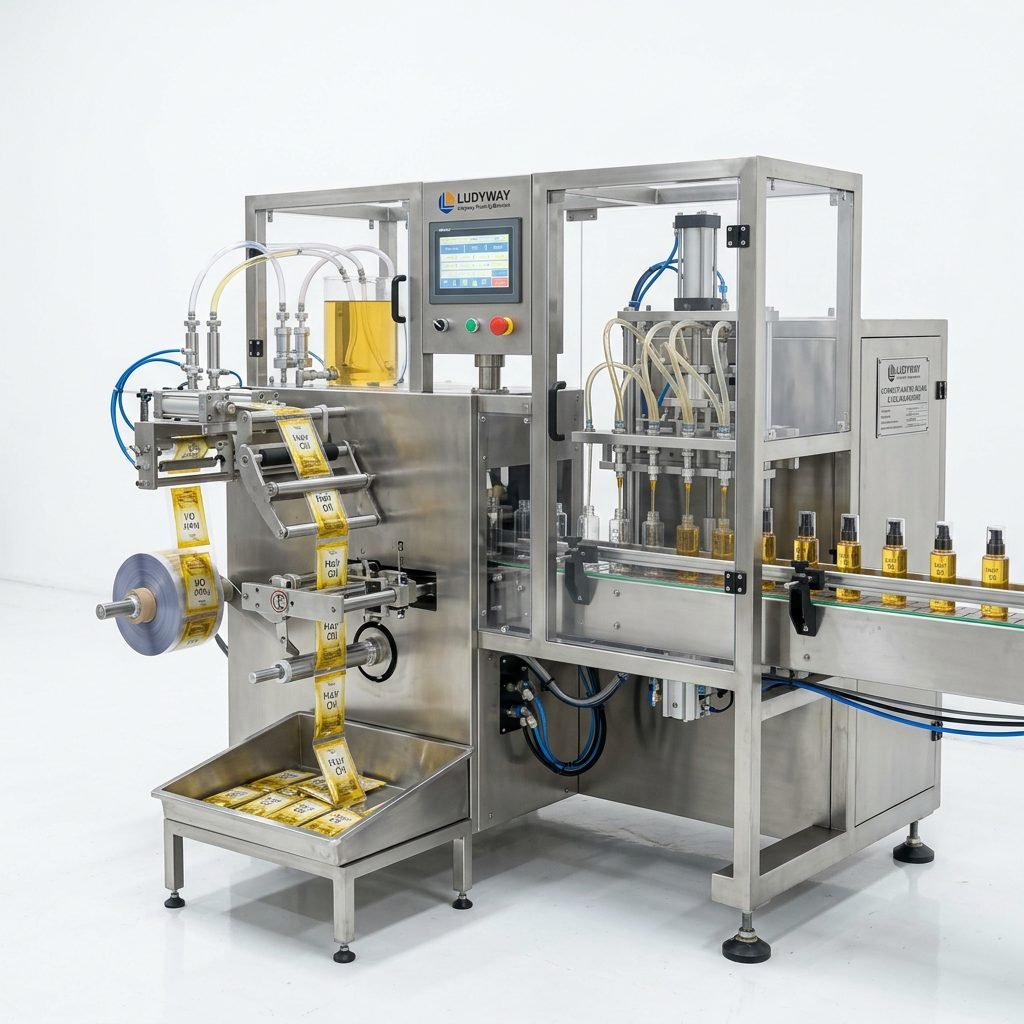
1. Liquid & Viscous Filling Machines
These are the most common machines for sauces, syrups, and oils. They are engineered to handle a wide range of viscosities, from thin vinegar to thick mayonnaise or paste.
Key Applications: Ketchup, mustard, soy sauce, cooking oil, salad dressing, barbecue sauce, and honey.
Filling Principle: Typically use piston fillers, gravity fillers, or pump fillers. Piston fillers are exceptionally accurate for viscous products, while pump systems are ideal for high-speed, volumetric filling of less viscous liquids.
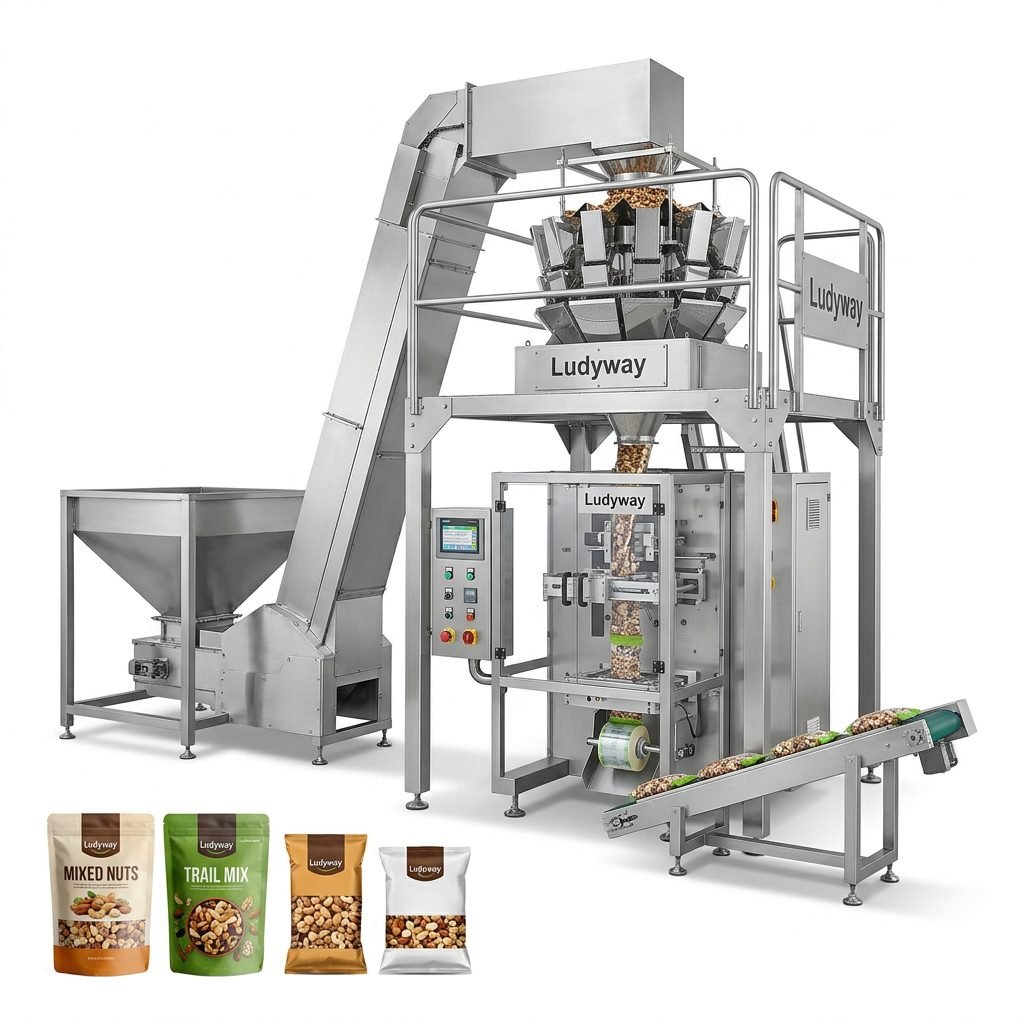
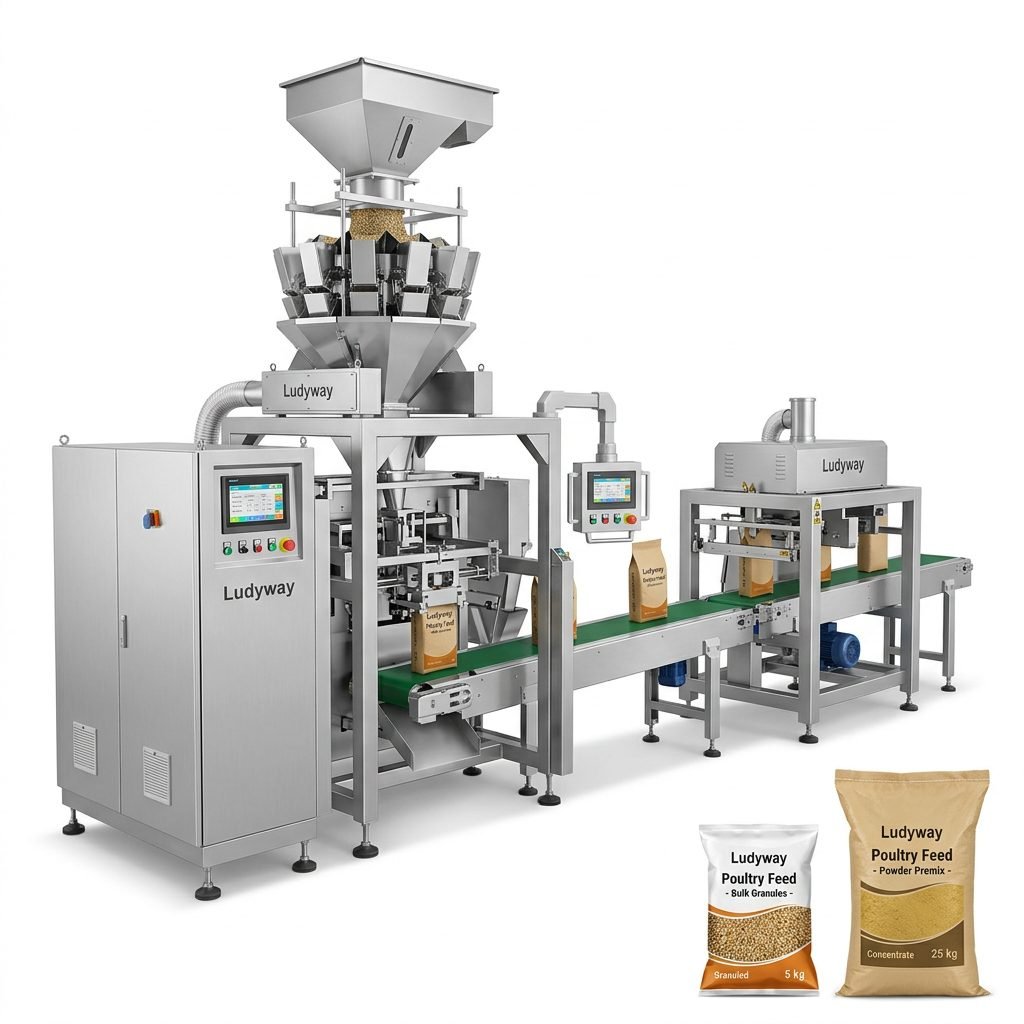
2. Powder & Granule Packaging Machines
Designed for dry condiments like spice mixes, powdered cheese, bouillon, and seasoning salts. These machines require precision to prevent dust and ensure accurate weight.
→ Auger Fillers are the industry standard, using a rotating screw to dispense a precise volume of powder into sachets, sticks, or jars. They are highly accurate and minimize product waste.
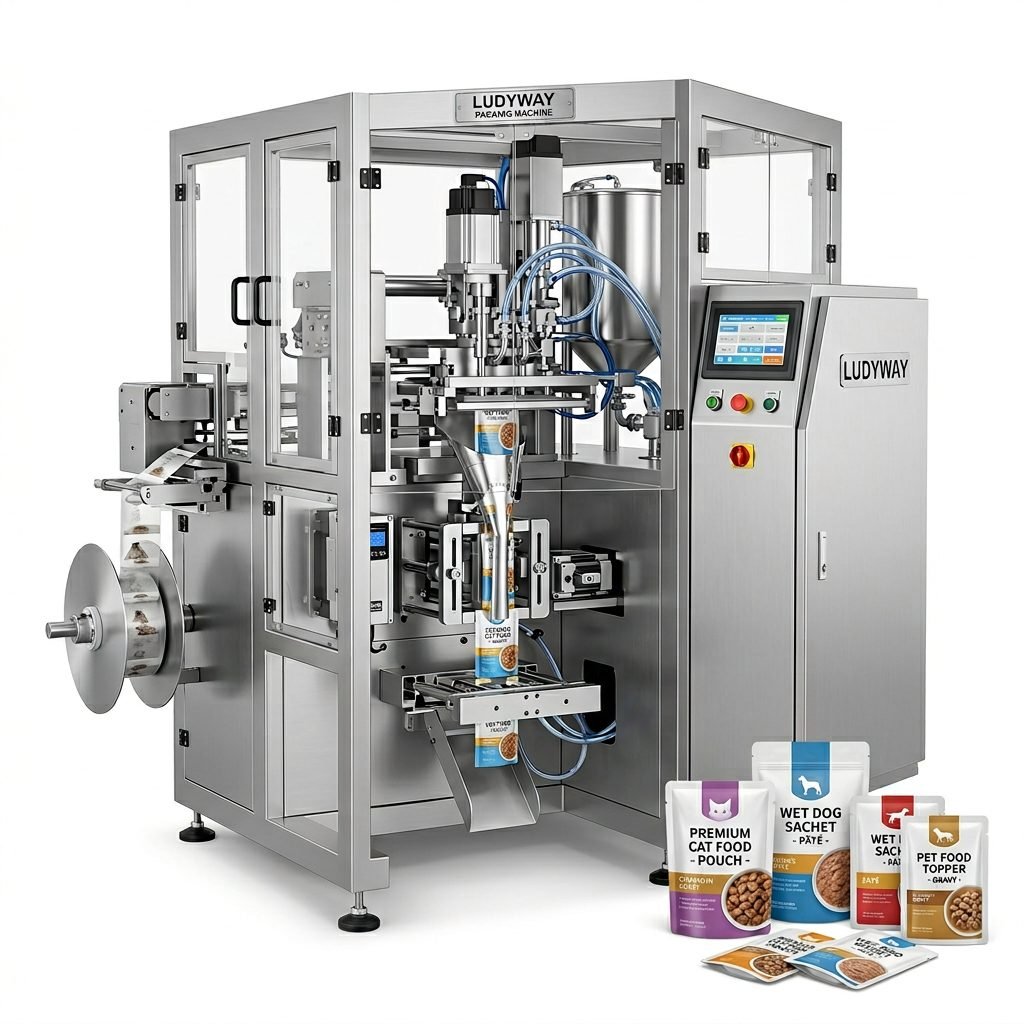
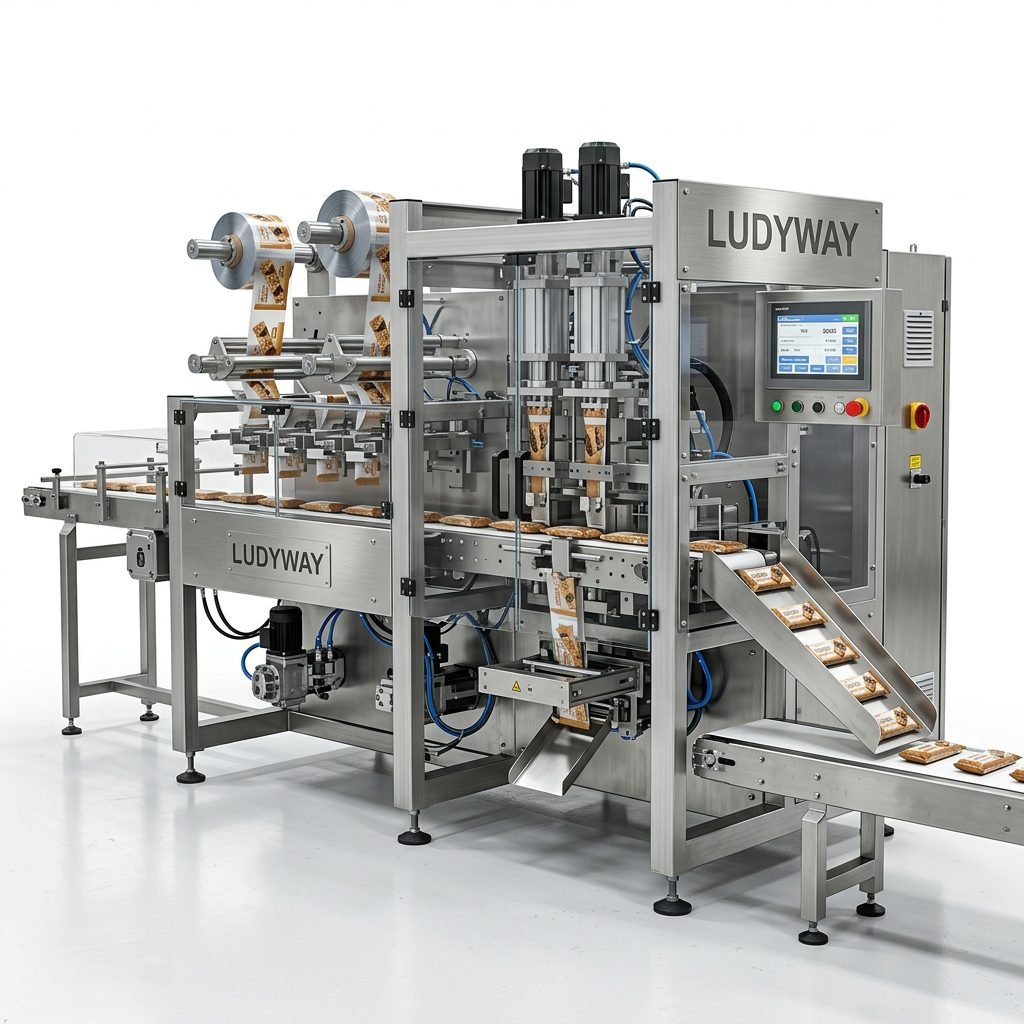
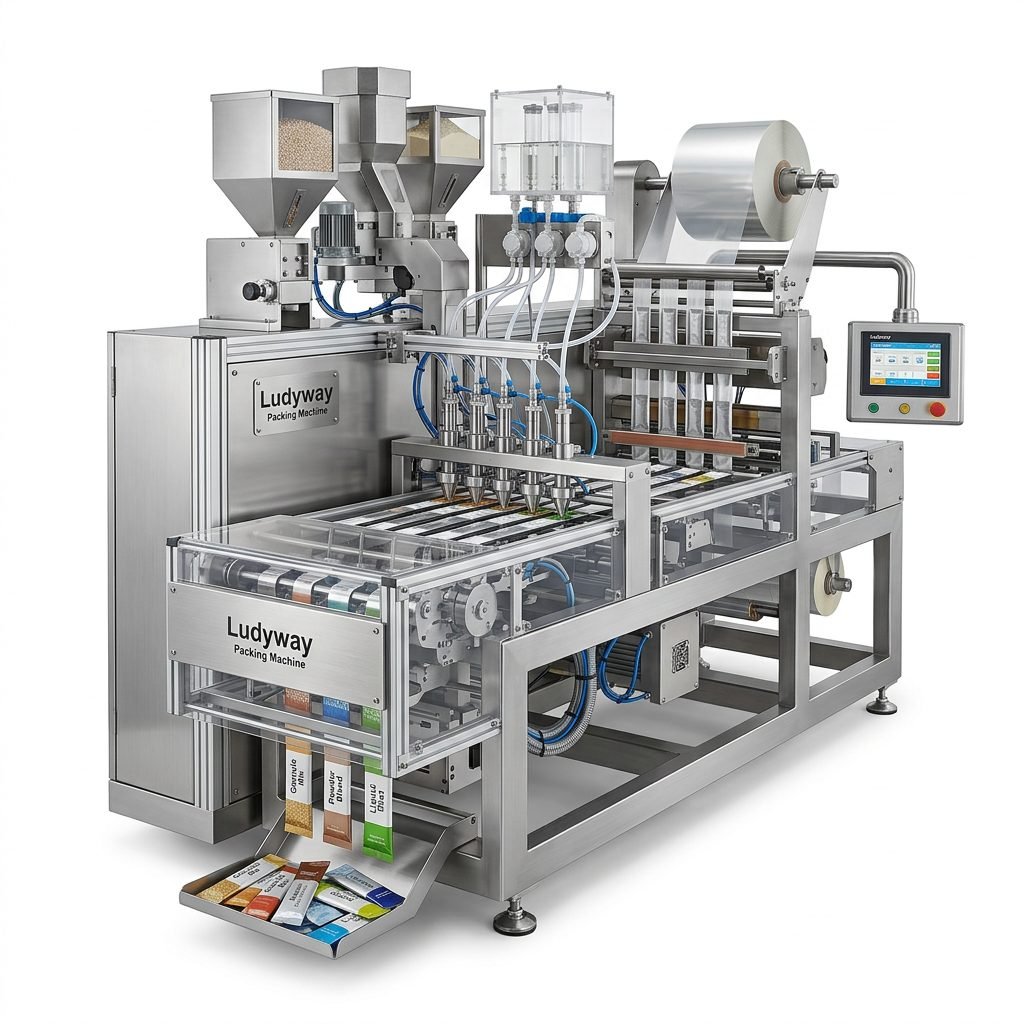
3. Sachet (Pouch) Packaging Machines
These machines form, fill, and seal single-serve pouches from a roll of packaging film. They are incredibly versatile and cost-effective for portion-control condiments.
Sachet Machine Advantages:
- Low Packaging Material Cost: Uses roll stock film.
- High Flexibility: Easy to change pouch size and design.
- Excellent for Samples & Promotions: Perfect for new product launches.
- Ideal for a wide range of products, from liquid sauce packets to dry seasoning mixes.
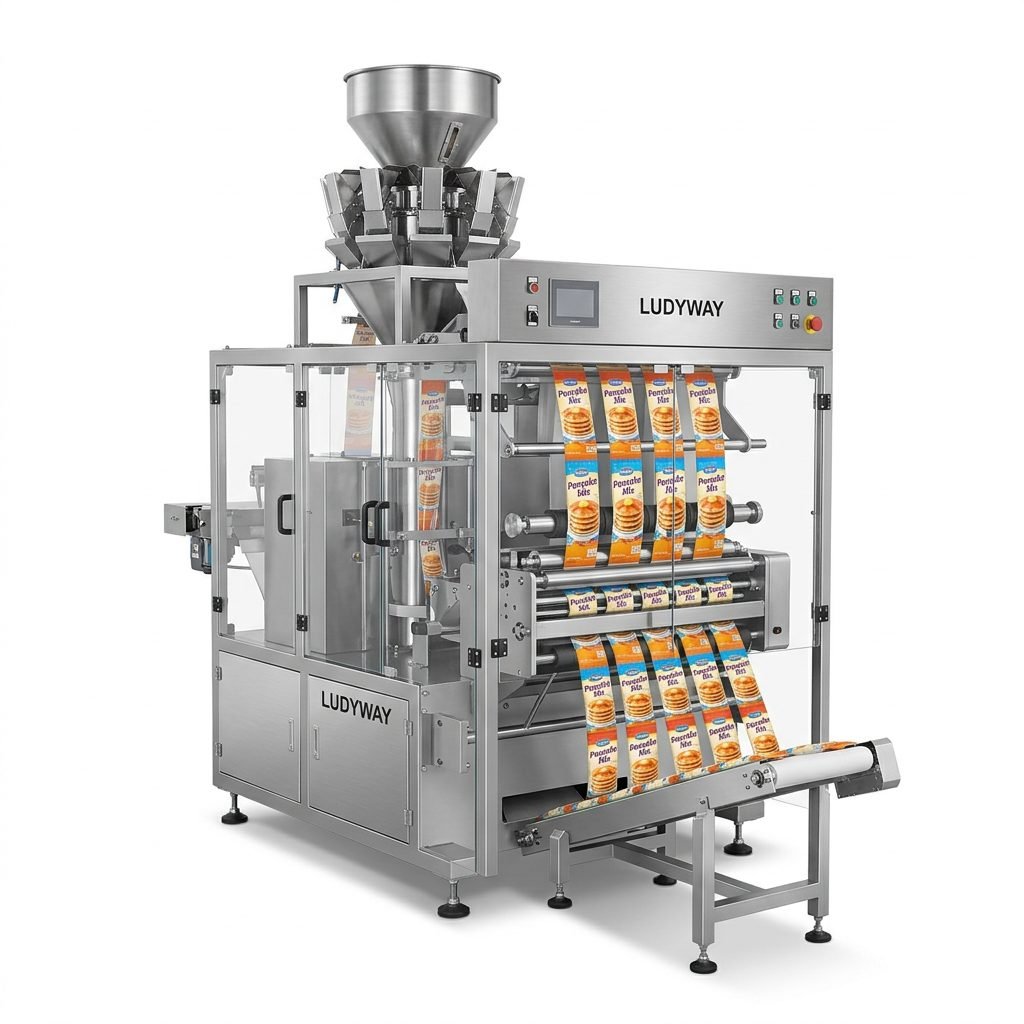
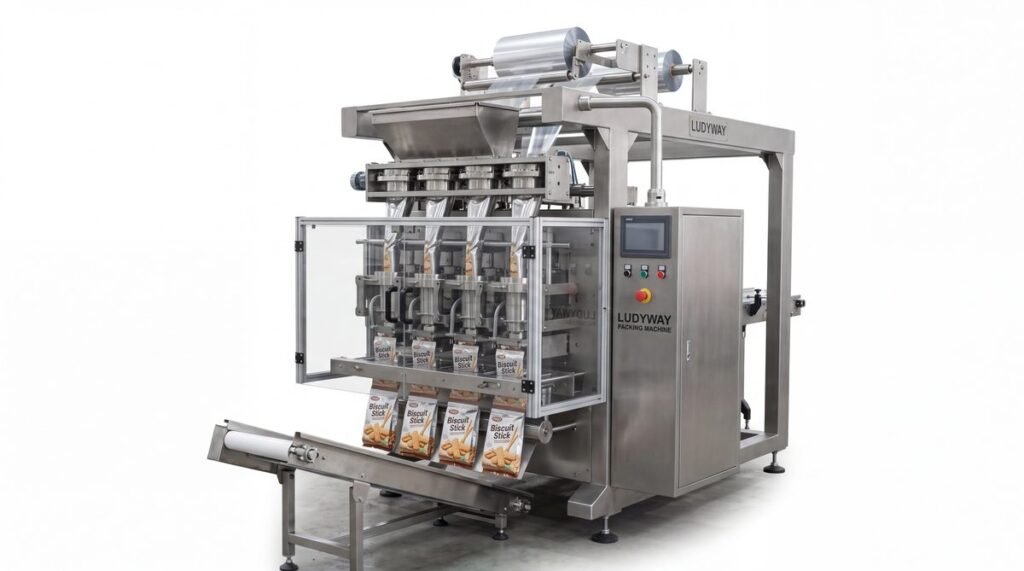
4. Stick Pack Machines
A subset of vertical form-fill-seal (VFFS) machines that create long, slender “stick” packs. They are the go-to choice for products like instant drink mixes, sugar, and liquid creamers, and are gaining popularity for gourmet oils and powdered sauces.
Why choose stick packs? They offer a modern, sleek look, are easy to open and use, and stand out on retail shelves. They are also very material-efficient.
Essential Features to Look for in a Packaging Machine
Beyond the basic type, several features determine a machine’s performance, reliability, and suitability for your operation.
Production Speed & Output
Measured in packs per minute (PPM). Your required output directly impacts the machine model and price. Consider both your current needs and future growth projections.
Tip: A machine that runs slightly faster than your current need provides a buffer for peak demand and future expansion.
Accuracy & Precision
Filling accuracy is non-negotiable. Overfilling wastes product and cuts into profits, while underfilling can lead to regulatory compliance issues and customer complaints. Look for machines with high-precision filling systems (e.g., servo-driven pistons or augers) and check their weight tolerance specifications.
Versatility & Changeover Time
If you produce multiple condiment varieties or package sizes, a versatile machine is key. Evaluate how quickly and easily you can change packaging formats, pouch sizes, or filling volumes. Quick-change parts and user-friendly touchscreen controls significantly reduce downtime.
Hygiene & Construction
Food-grade construction is mandatory. Machines should have stainless steel contact parts, easy-to-clean surfaces, and designs that prevent product trap points. Sanitary design is crucial for maintaining product quality and meeting food safety standards like HACCP.
Automation & Integration Level
Modern machines offer various automation levels:
- Semi-Automatic: Requires an operator to place containers or initiate cycles. Lower initial cost, suitable for lower volumes.
- Fully Automatic: Integrated systems that automatically feed, fill, seal, and eject packages. Essential for medium to high-volume production.
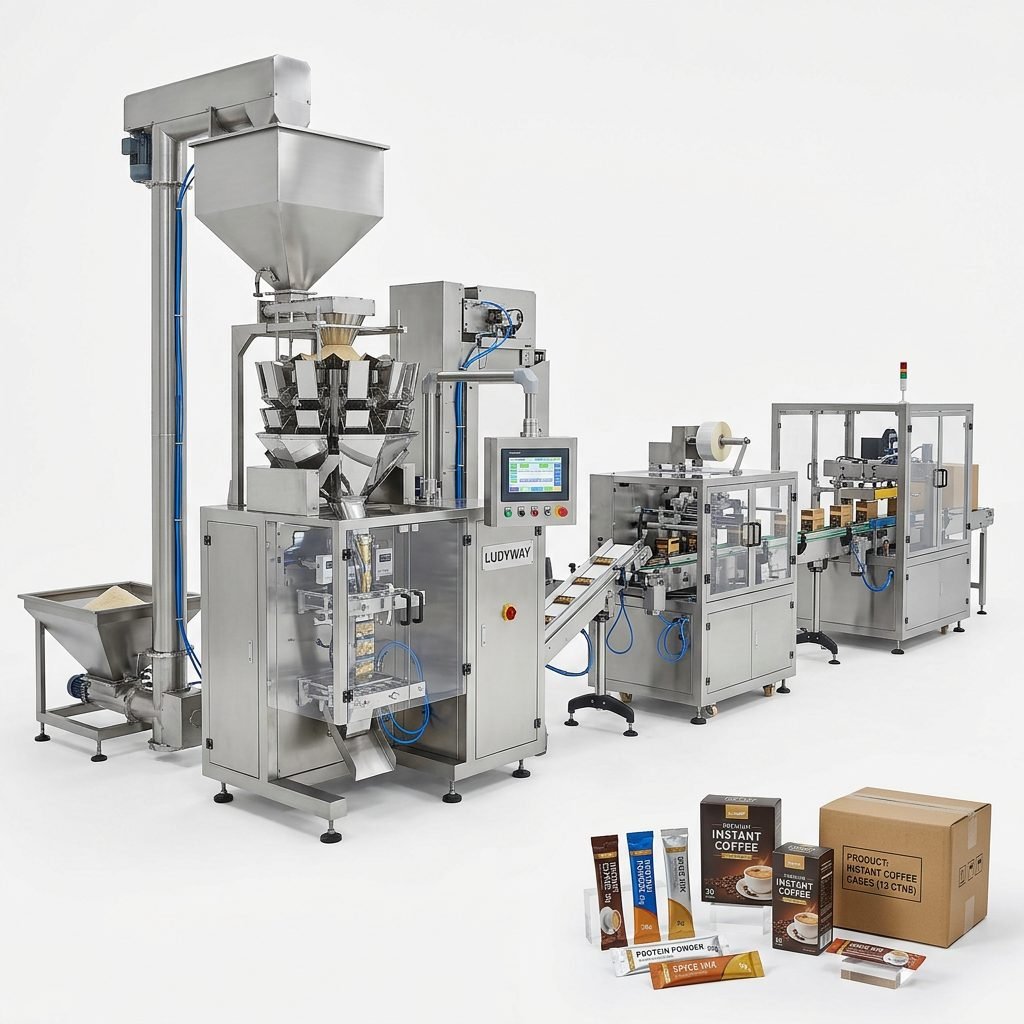
- Turnkey Lines: Complete systems that may include upstream mixing or downstream cartoning, all synchronized. Offered by experienced suppliers like Ludyway Machinery.
How to Choose the Right Machine for Your Business: A Step-by-Step Guide
Step 1: Define Your Product & Packaging Specifications
Start with the basics: Is your product liquid, viscous, powder, or granular? What is its pH and temperature during filling? Determine your desired package type (bottle, sachet, stick pack, jar), material, and size range.
Step 2: Analyze Your Production Requirements
Calculate your required output in packs per shift/day. Be realistic about your growth. Also, consider your factory’s available space, power supply, and compressed air availability.
Step 3: Evaluate Your Budget & ROI
Consider the total cost of ownership, not just the purchase price. Factor in installation, maintenance, spare parts, and operational costs (like compressed air consumption). A slightly more expensive, robust, and efficient machine may offer a much better return on investment through higher uptime and lower waste.
Step 4: Research & Shortlist Reputable Suppliers
Look for manufacturers or suppliers with a proven track record in the food and condiment industry. Check their company history, client portfolio, and after-sales service support. A supplier with deep industry expertise, such as Ludyway Packaging Machinery, can provide invaluable guidance and reliable packaging solutions.
Step 5: Request Demos & Samples
Always ask for a live or video demonstration using a product similar to yours. Request sample packs produced by the machine to check seal integrity, filling accuracy, and overall presentation. This is the most reliable way to assess performance.
Pro Tip: Think Long-Term
Partner with a supplier who can support your growth. Can the machine be upgraded later? Does the supplier offer comprehensive training, technical support, and readily available spare parts? A long-term partnership ensures your packaging line remains productive for years to come.
Frequently Asked Questions (FAQs)
1. What is the typical lead time for a new condiment packaging machine?
Lead times vary based on machine complexity and customization. For standard models, expect 8-14 weeks from order to delivery. Fully customized or turnkey lines may require 16-24 weeks. Always confirm timelines with your supplier during the quotation process.
2. Can one machine handle both liquid sauces and dry powders?
Generally, no. The filling mechanisms and machine hygiene requirements are fundamentally different. While some advanced modular systems might allow for changeovers with significant parts swapping, most operations dedicated to both forms will require two separate machines or a dual-system designed for that specific purpose.
3. How important is after-sales service when purchasing?
It is critically important. Packaging machines are long-term investments. Ensure your supplier offers reliable technical support, readily available spare parts, and comprehensive operator and maintenance training. Good after-sales service minimizes costly downtime and extends the machine’s lifespan.
4. What are the key maintenance routines for these machines?
Daily cleaning and lubrication (as per manual), weekly checks of seals and wear parts, and periodic professional servicing (e.g., annually) are essential. Always follow the manufacturer’s maintenance schedule. Proper maintenance is the most effective way to ensure consistent performance and avoid major breakdowns.
5. Are there financing options available for packaging equipment?
Many equipment suppliers and third-party financial institutions offer leasing or financing plans. This can help manage cash flow by spreading the cost over time. Inquire with your supplier about available financial solutions to make the investment more accessible.