In today’s fast-paced manufacturing landscape, selecting the right packaging machine is a critical decision that impacts efficiency, product quality, and overall operational cost. This guide provides a comprehensive overview of modern packaging machinery, detailing the various types, key features, and essential factors to consider when choosing the perfect system for your production line.
Understanding the Core Types of Packaging Machines
The world of packaging automation is diverse, with machines designed for specific materials, product forms, and output requirements. Understanding these categories is the first step toward making an informed choice.
1. Primary Packaging Systems
These machines handle the direct containment of the product. Common types include:
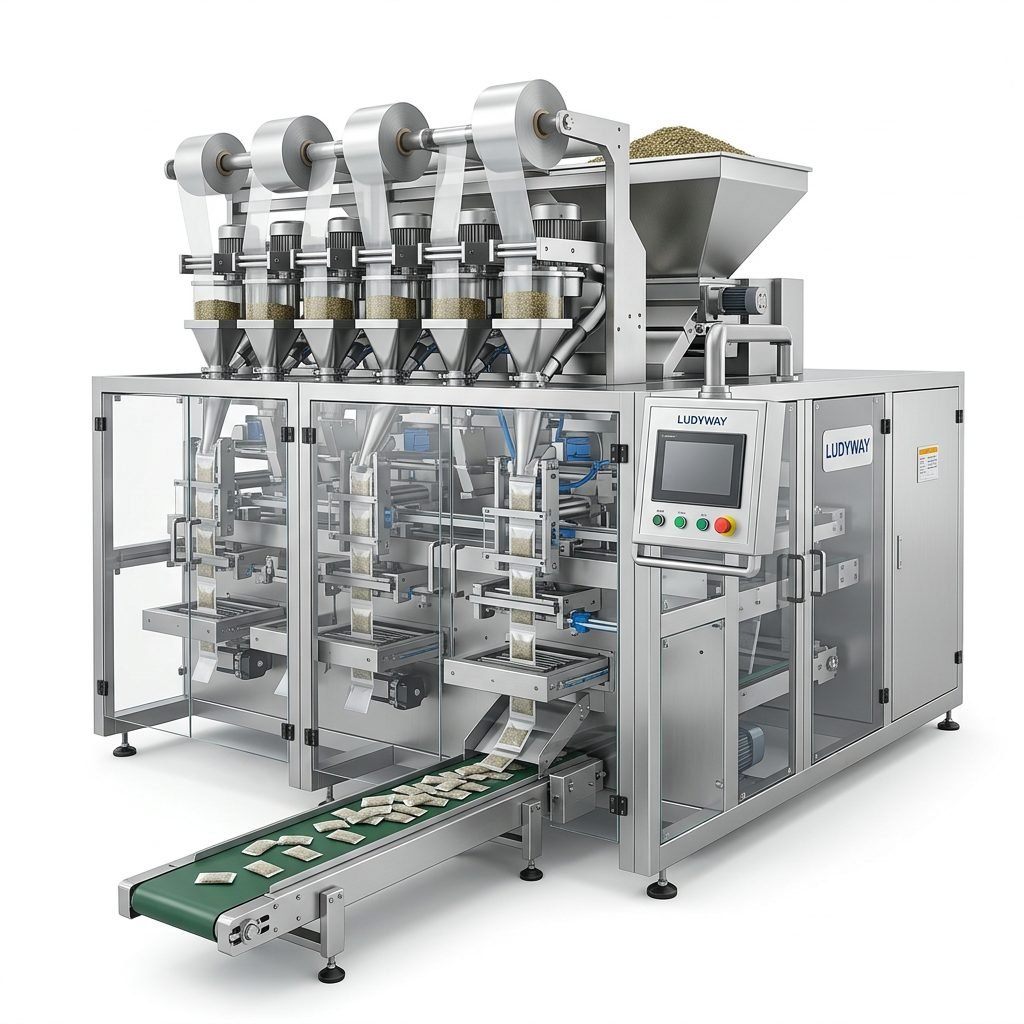
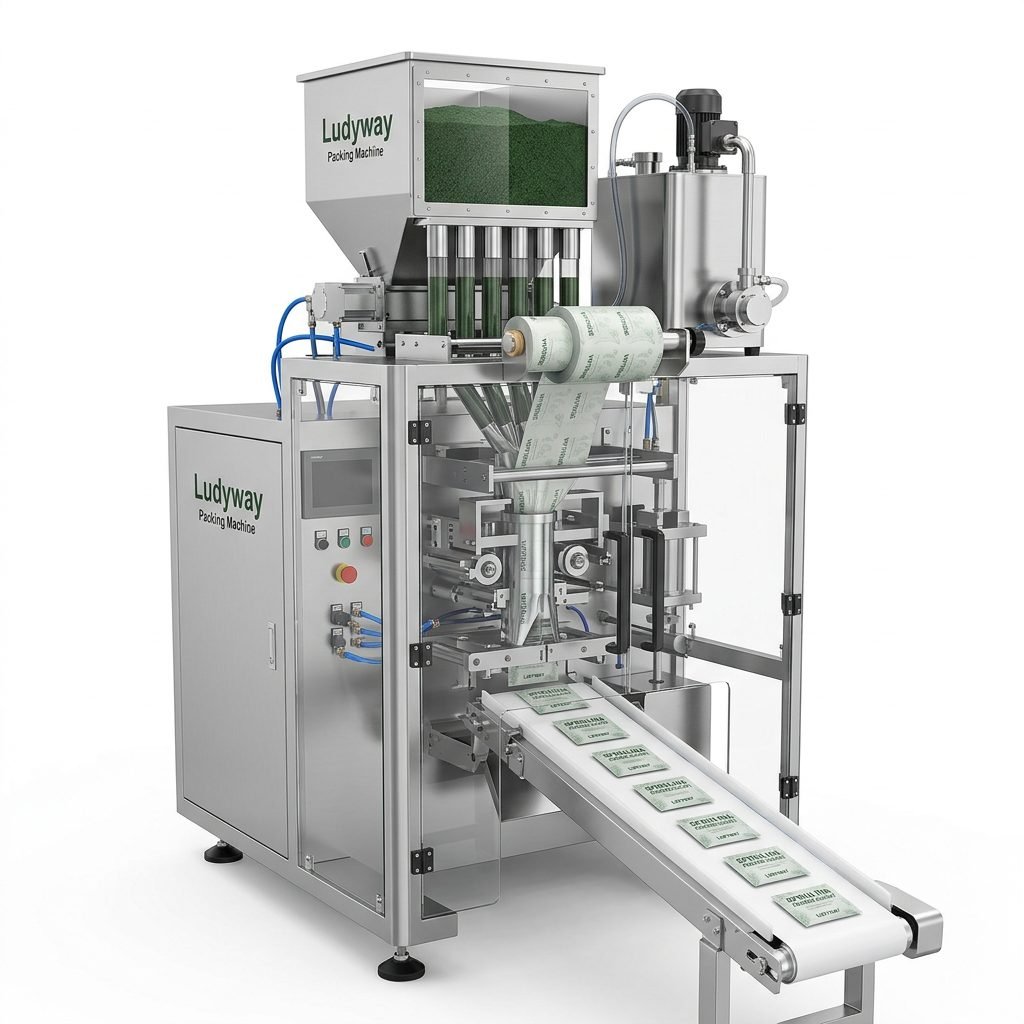
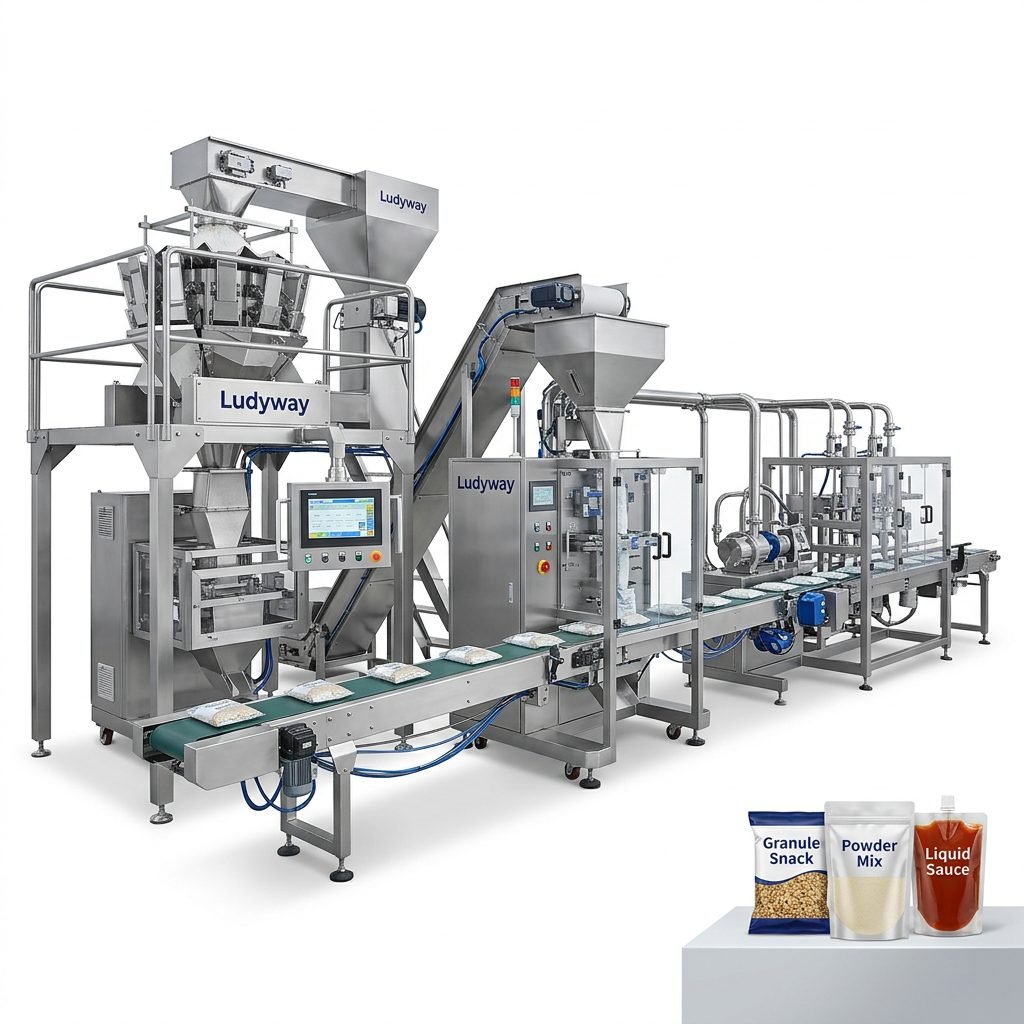
Vertical Form-Fill-Seal (VFFS) Machines: Extremely versatile, they form bags from a roll of film, fill them with product, and seal them. Ideal for granules, powders, snacks, and liquids.
Horizontal Form-Fill-Seal (HFFS) Machines: Typically used for solid items like bars, biscuits, or multiple-component packs. The product is placed on a web of film which is then formed around it and sealed.
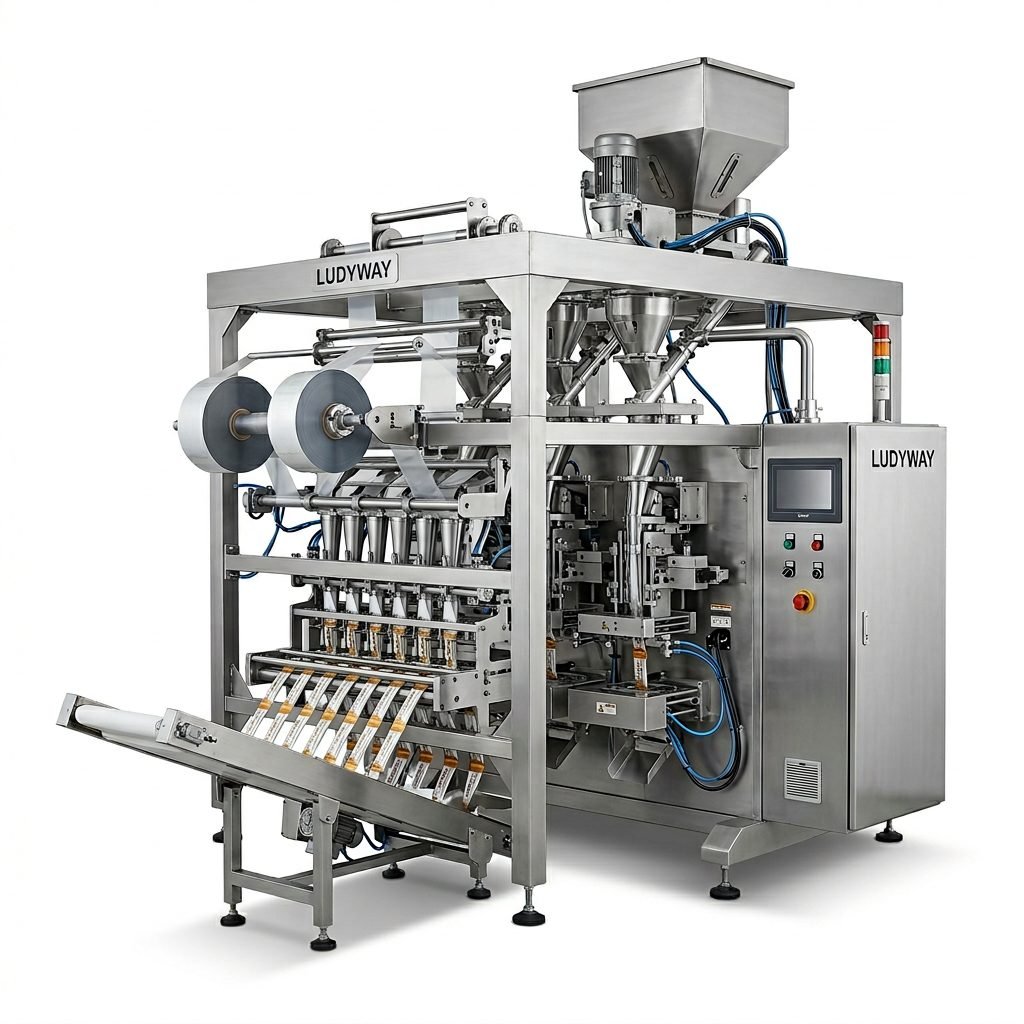
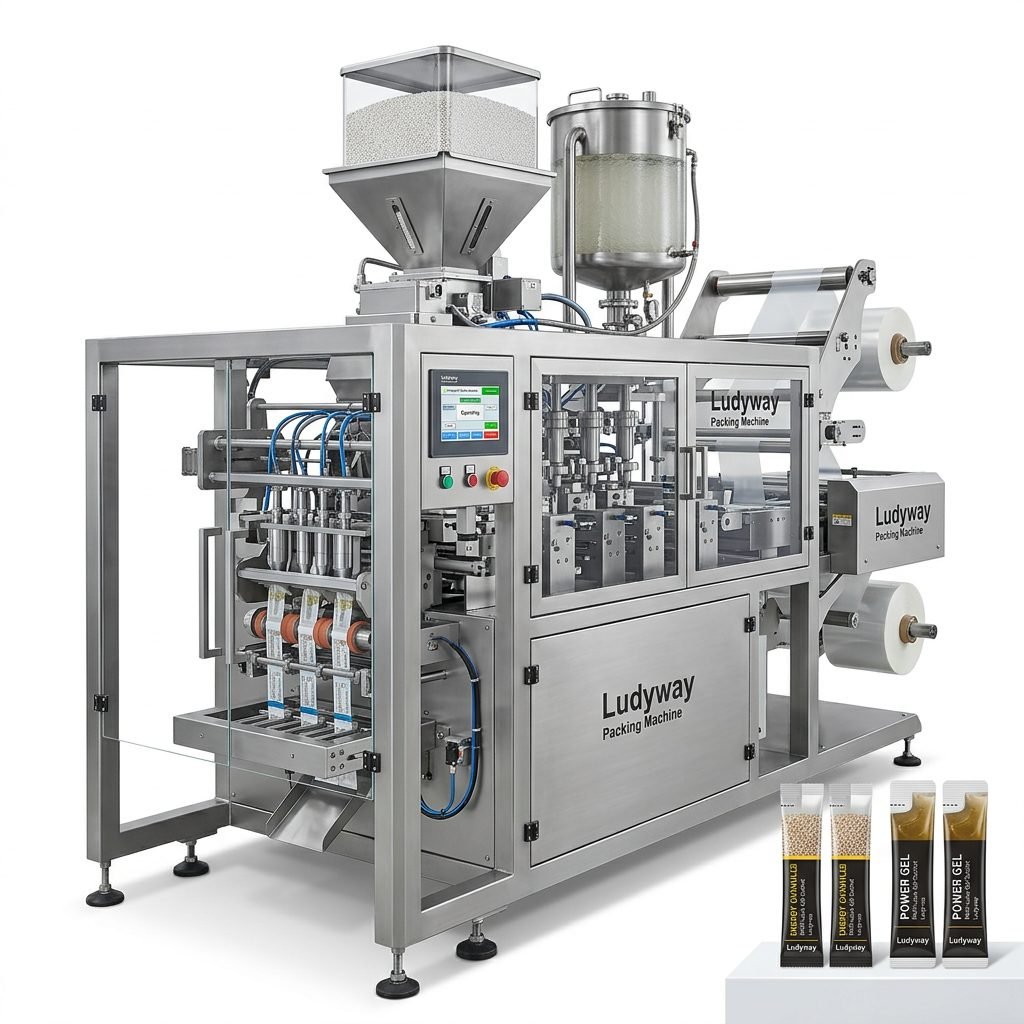
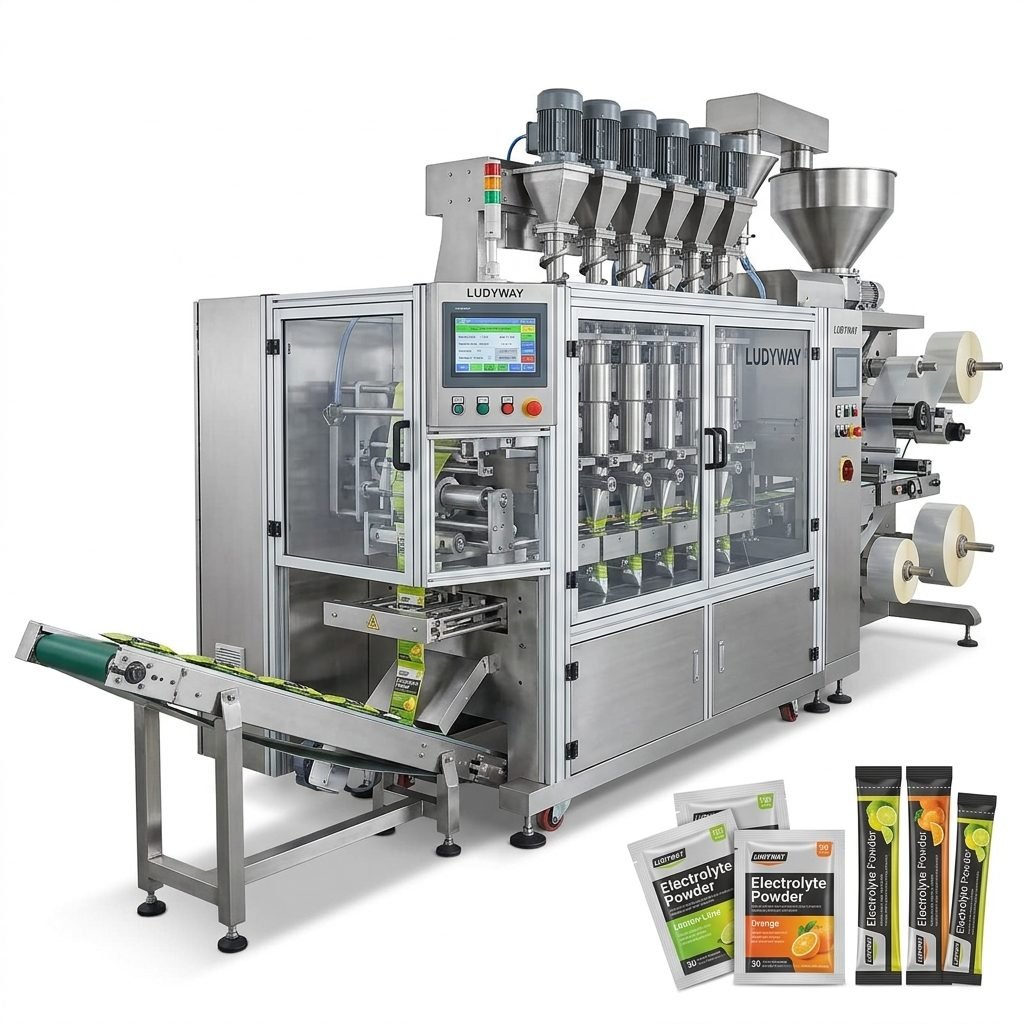
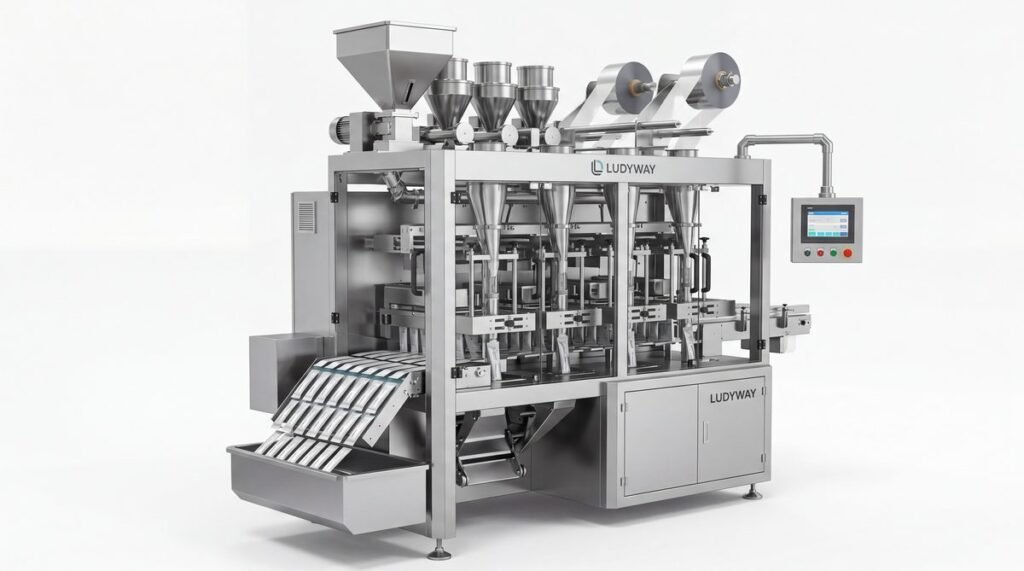
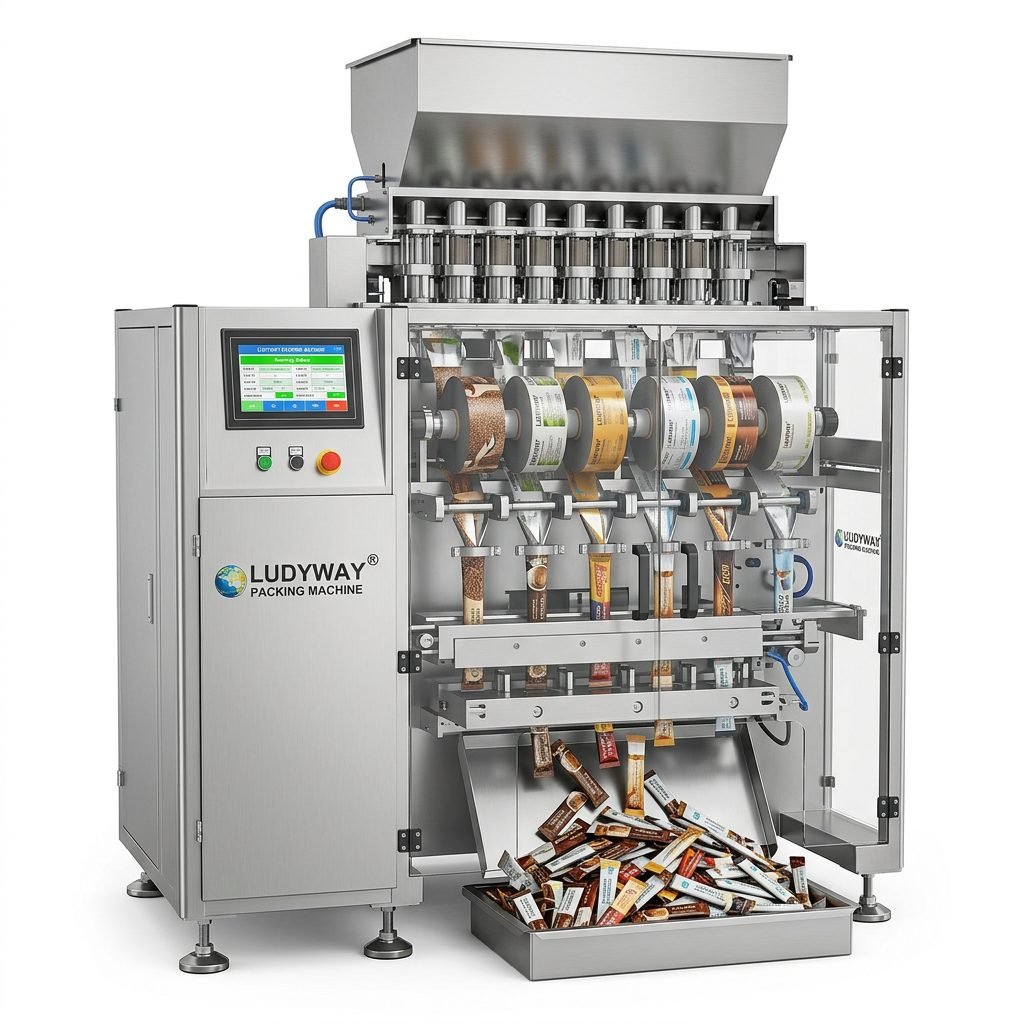
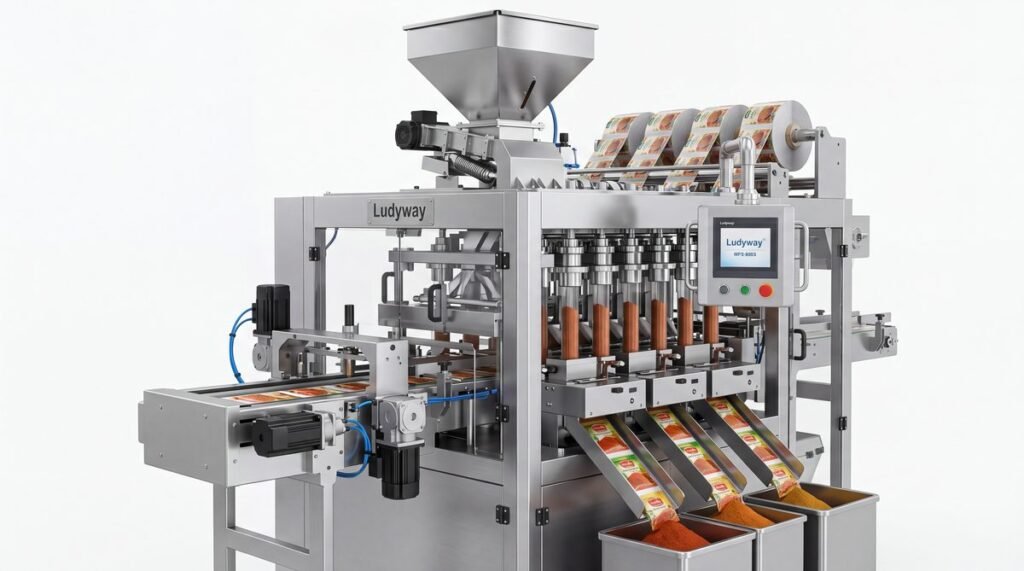
Sachet & Stick Pack Machines: Specialized for creating small, single-dose pouches. Perfect for coffee, sugar, sauces, pharmaceuticals, and supplements. Modern systems often feature multi-lane designs for high-speed output.
2. Secondary Packaging Systems
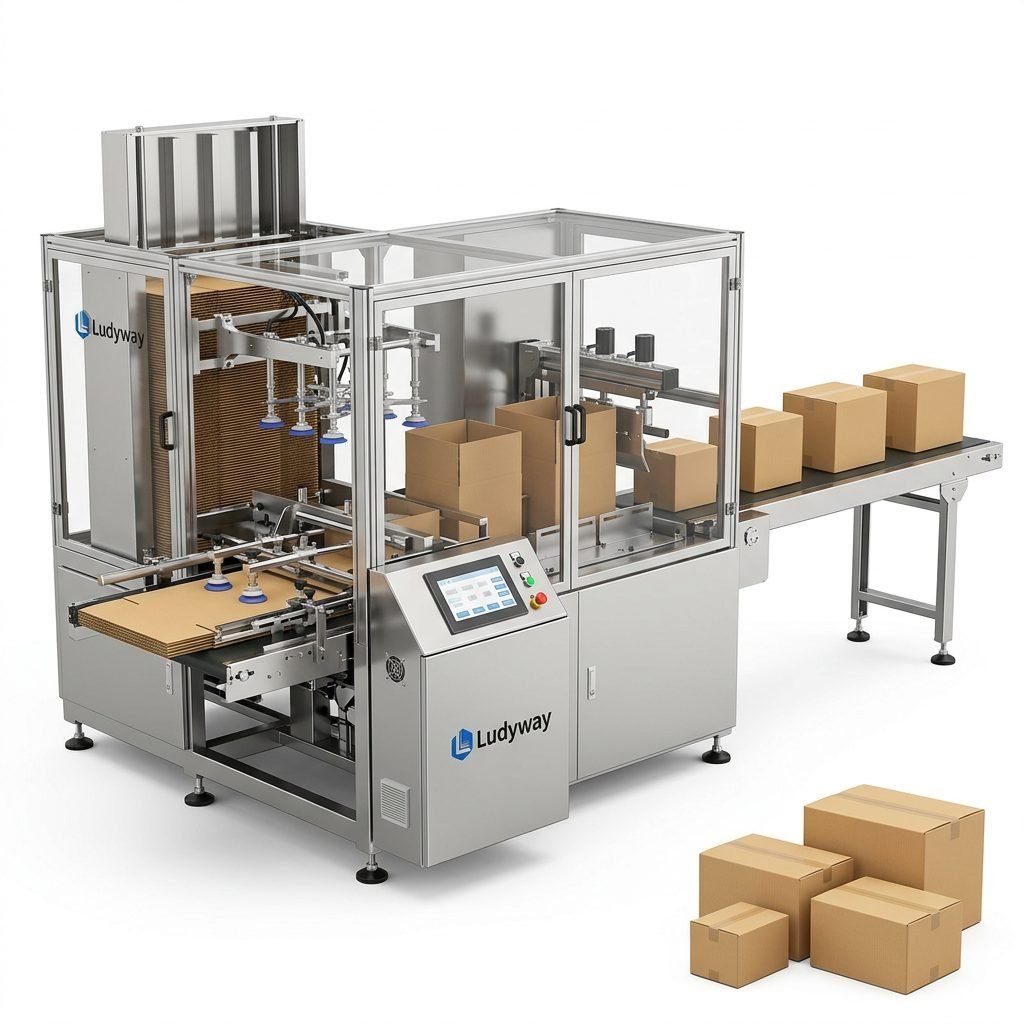
This equipment groups primary packages into larger units for distribution and retail. Examples are cartoners, case packers, and bundlers.
3. Specialized Packaging Machines
This category includes liquid fillers, cappers, labelers, and vacuum sealing machines designed for specific tasks within the packaging line.
Essential Features of Modern Packaging Machinery
Beyond basic functionality, contemporary machines offer features that enhance performance, reliability, and ease of use.
Automation and Control
Modern systems are governed by sophisticated Programmable Logic Controllers (PLCs) and Human-Machine Interfaces (HMIs). Touchscreen panels allow for easy recipe changeovers, real-time monitoring of speed, output, and diagnostics, minimizing downtime.
Flexibility and Changeover
Market demands require agility. Look for machines with quick-change parts and tool-less adjustments to switch between different bag sizes, pouch styles, or products in minutes rather than hours.
Hygiene and Construction
For food, pharmaceutical, and health products, hygiene is non-negotiable. Machines should feature stainless steel contact surfaces, easy-clean designs, and comply with industry-specific standards like GMP or FDA guidelines where applicable.
Integration Capabilities
A standalone machine is less valuable than one that integrates seamlessly. Ensure the machine can communicate with upstream and downstream equipment (e.g., feeders, checkweighers, robots) via standard industrial protocols for a synchronized production line.
Durability and Support
Invest in robustness. Machines built with high-quality components and rigid frames ensure long-term reliability. Equally important is access to reliable technical support and spare parts from the supplier.
How to Choose the Right Packaging System: A Step-by-Step Guide
Selecting equipment is a strategic process. Follow these steps to align your investment with your business goals.
Step 1: Define Your Product and Packaging Requirements
Start with the basics. What is the physical form of your product (granule, powder, liquid, solid)? What are the desired package type, material, and dimensions? Consider future products to build in flexibility.
Step 2: Assess Your Production Volume and Speed Needs
Calculate your required output in packs per minute (PPM) or per hour. Be realistic about peak demands and growth projections. A machine operating at 70-80% of its max speed is often more reliable than one constantly at its limit.
Step 3: Evaluate Your Facility and Utilities
Measure your available floor space. Check utility requirements: electrical power (voltage, phases), compressed air, and, for some machines, vacuum or water lines. Ensure your facility can support the new equipment.
Step 4: Consider Operational Factors
Who will operate the machine? Is the control system intuitive? How long does a product changeover take? Evaluate the total cost of operation, including energy consumption, material waste (film scrap), and required manpower.
Pro Tip: Always request a product sample test run at the supplier’s facility. This is the best way to verify machine performance, package quality, and achievable speed with your actual product.
Step 5: Analyze Total Cost of Ownership (TCO) and ROI
Look beyond the initial purchase price. TCO includes installation, training, maintenance, spare parts, and operating costs. Calculate the Return on Investment (ROI) based on labor savings, reduced waste, and increased output. A slightly higher upfront cost for a more efficient, reliable machine often yields a better long-term ROI.
Step 6: Select a Reputable Supplier
Your supplier is a long-term partner. Choose one with proven industry experience, a strong portfolio of successful installations, and responsive after-sales service. Review their company profile and history to assess stability and expertise. A supplier that offers comprehensive support and training is invaluable for a smooth startup and sustained operation.
Conclusion
Investing in a modern packaging machine is a significant step toward optimizing your production. By thoroughly understanding the different machine types, prioritizing key features like automation and hygiene, and meticulously following a selection process focused on your specific needs and total cost of ownership, you can choose a system that delivers reliability, efficiency, and a strong return on investment for years to come. Partnering with an experienced and supportive machinery provider is the final, crucial element to ensure your packaging line’s success.
Frequently Asked Questions (FAQs)
1. What is the main difference between VFFS and HFFS machines?
VFFS machines are best for free-flowing products like granules and powders, forming bags vertically from a single roll of film. HFFS machines are typically used for solid, shaped, or fragile items (like chocolate bars or biscuits), where the film is wrapped horizontally around the product.
2. How important is machine flexibility for a startup business?
It is highly important. Startups often evolve their product lines and package sizes. A machine with quick changeover capabilities allows you to adapt to market changes without major reinvestment, protecting your initial capital.
3. Can one machine handle both powder and liquid products?
Generally, no. Powder and liquid filling require different dosing mechanisms (auger vs. pump) and often different sealing considerations to prevent leakage or contamination. Some advanced platforms may allow for changeover with significant component swaps, but dedicated machines are usually more efficient.
4. What are the key maintenance routines for a packaging machine?
Daily cleaning, lubrication of moving parts as per the manual, and inspection of seals and wear parts (like forming tubes and sealing jaws). Regular preventive maintenance by trained technicians is essential to prevent unexpected breakdowns.
5. How do I ensure the packaging films I buy will run well on my machine?
Provide your film supplier with the exact specifications from your machine manufacturer (e.g., core diameter, film width, tensile strength, sealing layer). Conduct trials with new film rolls before full-scale production. Consistent, high-quality film is critical for stable machine operation and good seal integrity.