For South Korean buyers in the food, pharmaceutical, and health industries, selecting the right packaging machine manufacturer is a critical business decision. The Korean market is known for its high standards in product quality, technological adoption, and efficient production. Partnering with a manufacturer that understands these demands and can provide reliable, advanced equipment is essential for maintaining competitiveness. This guide outlines the key factors Korean buyers must consider to make an informed choice.
Understanding Your Specific Packaging Needs
Before beginning your search, clearly define your project requirements. Consider the type of product (granules, powder, liquid, pouches), required output speed, packaging materials, and the level of automation needed. South Korean manufacturers often require equipment that integrates seamlessly with existing high-tech production lines and meets stringent local and international regulatory standards, especially for food and pharma.

1. Technical Capability and Machine Range
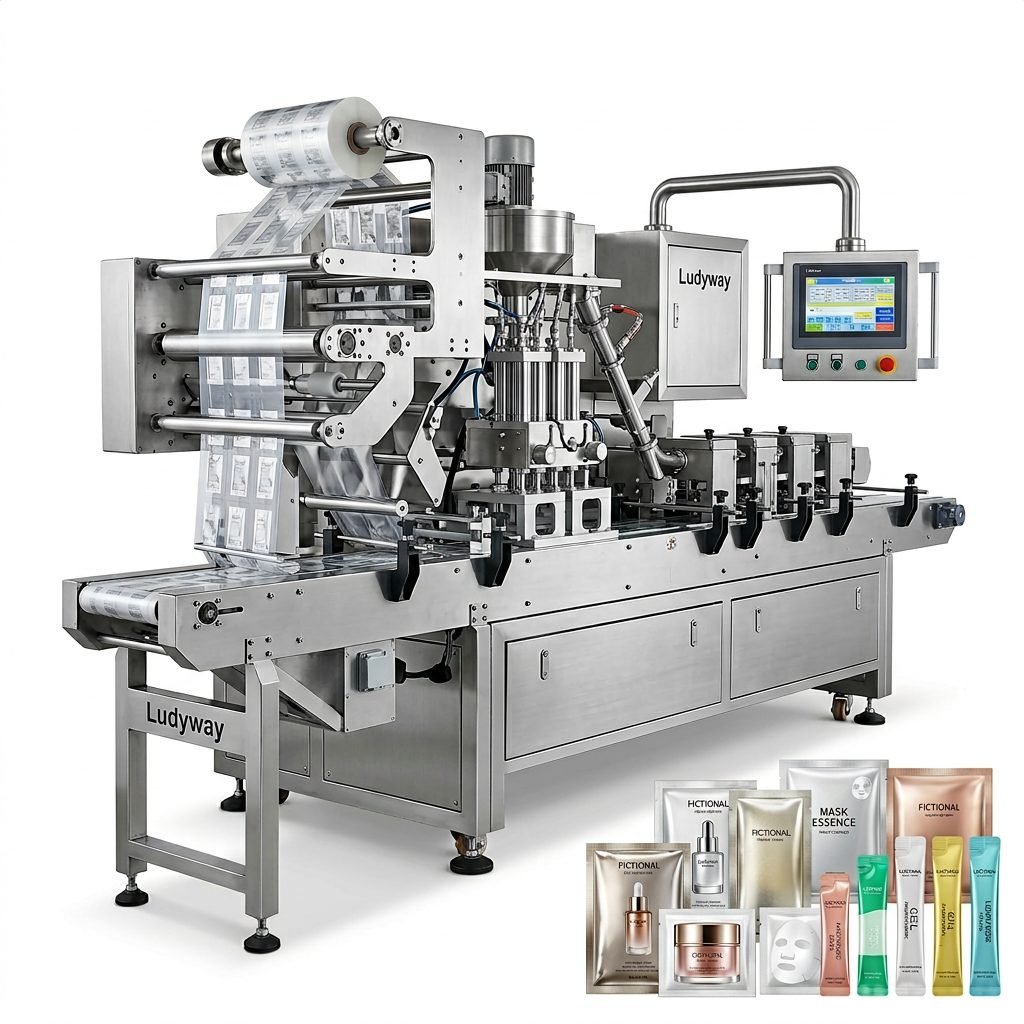
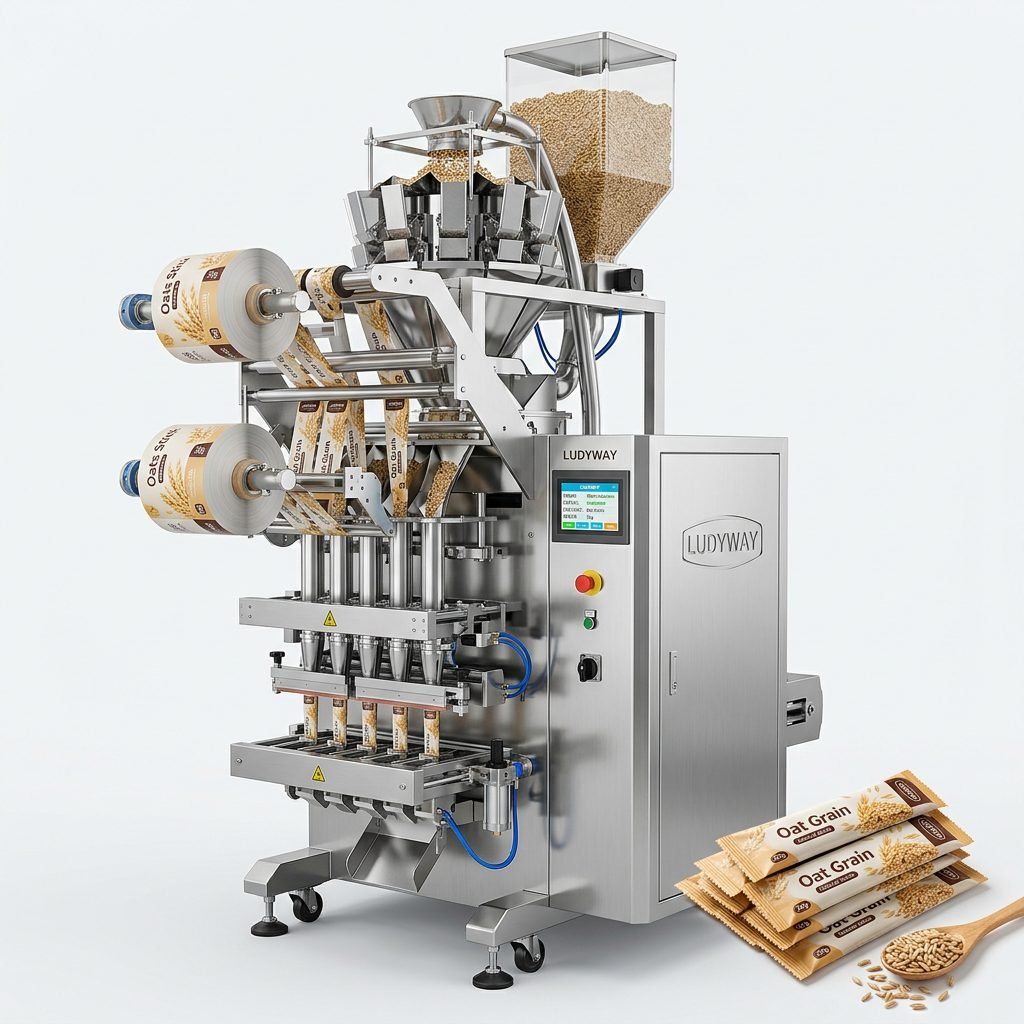
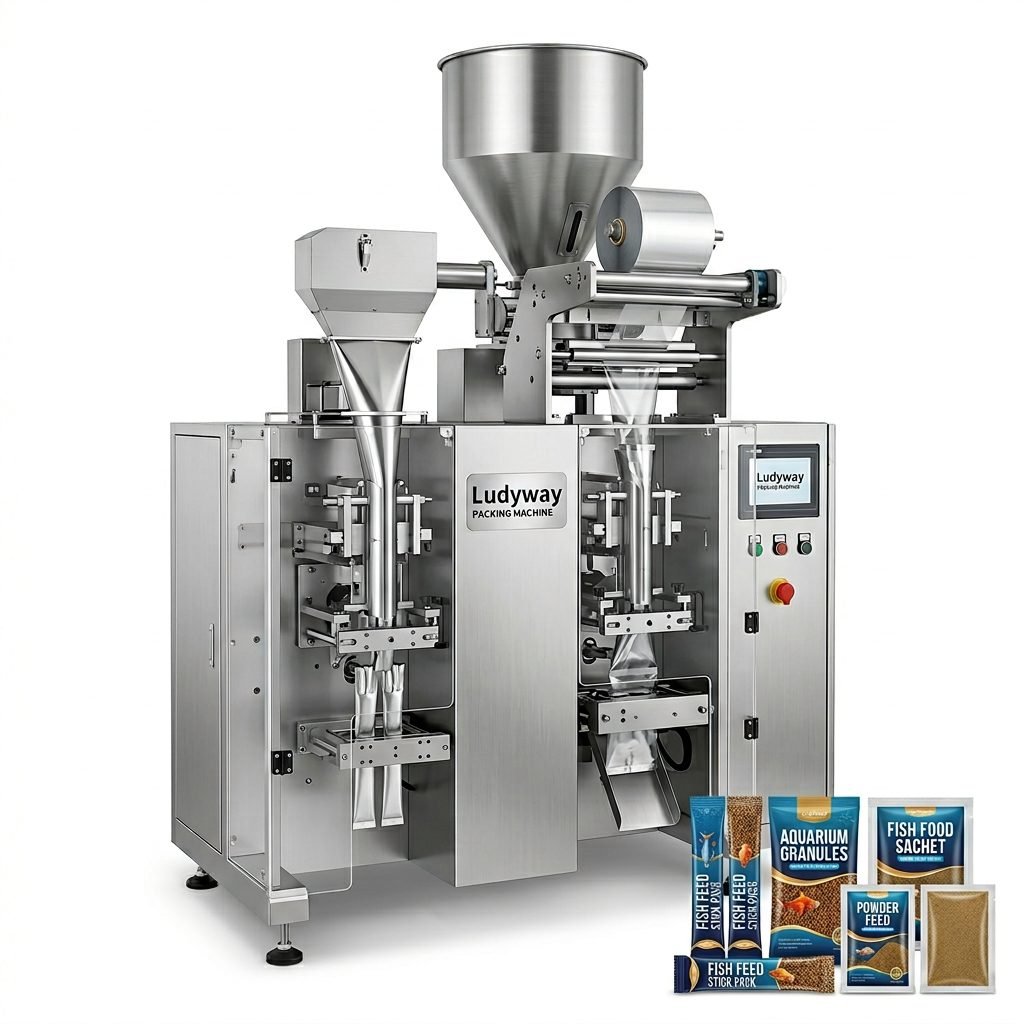
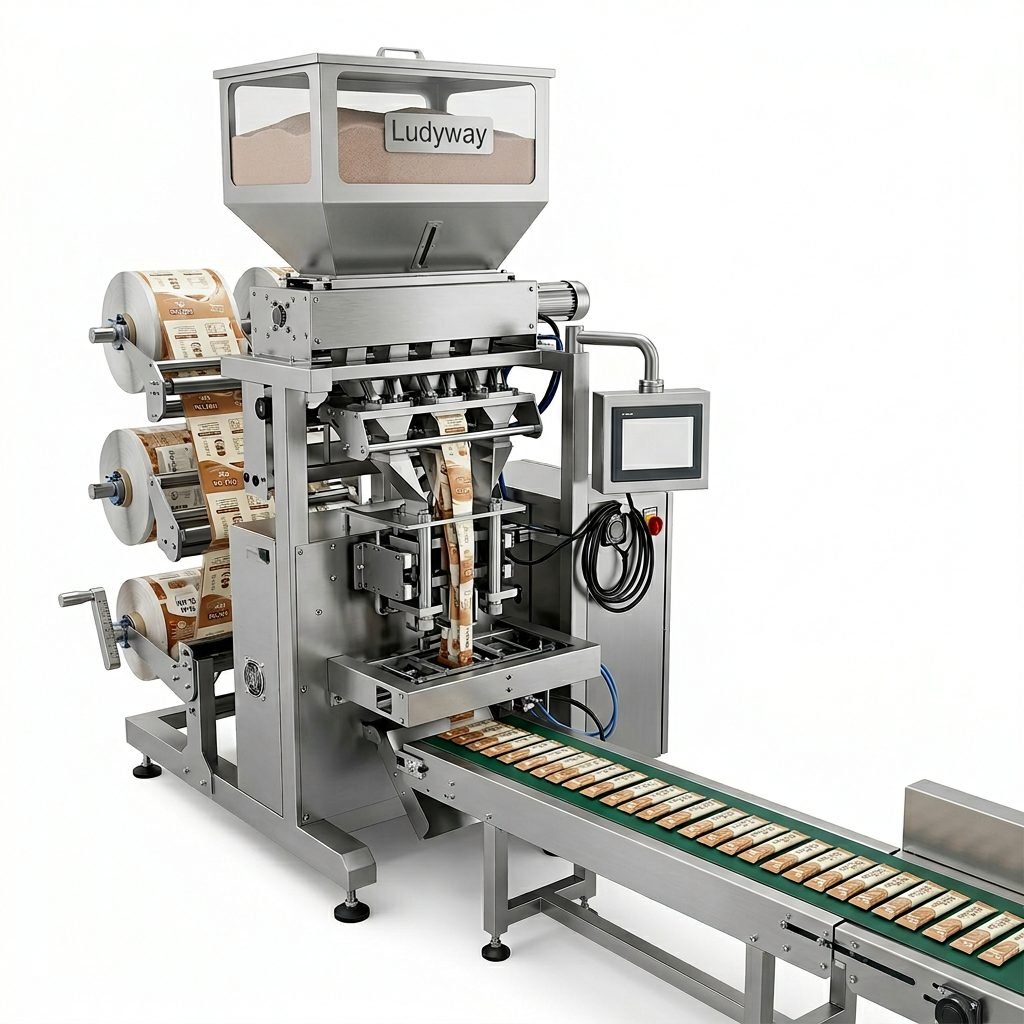
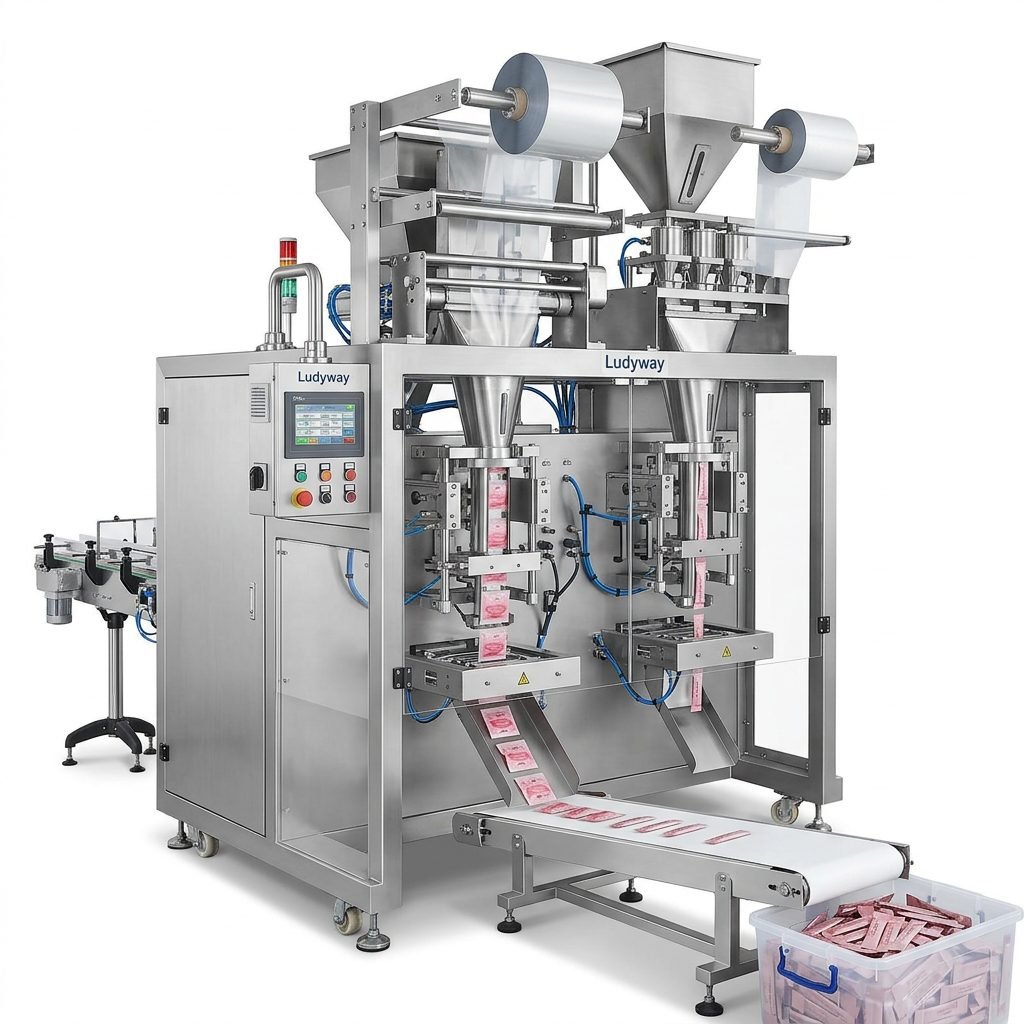
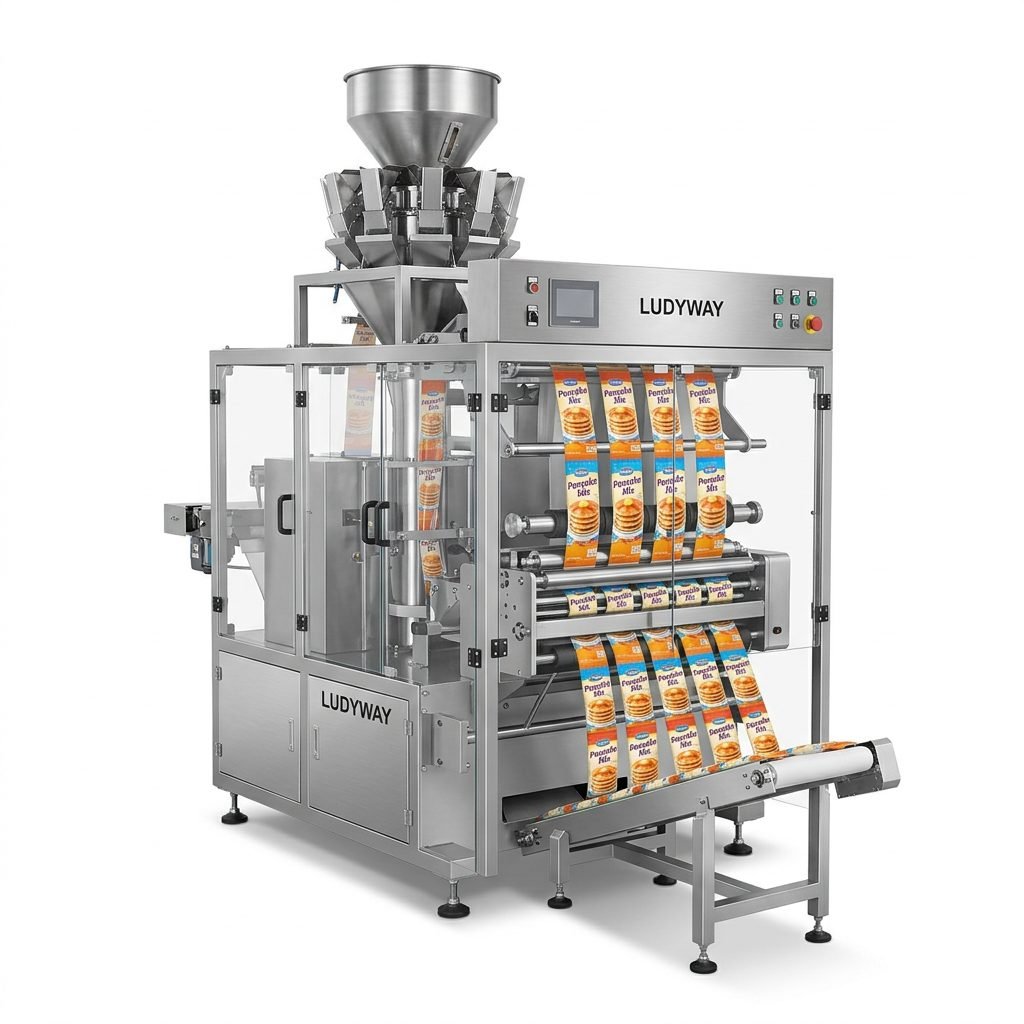
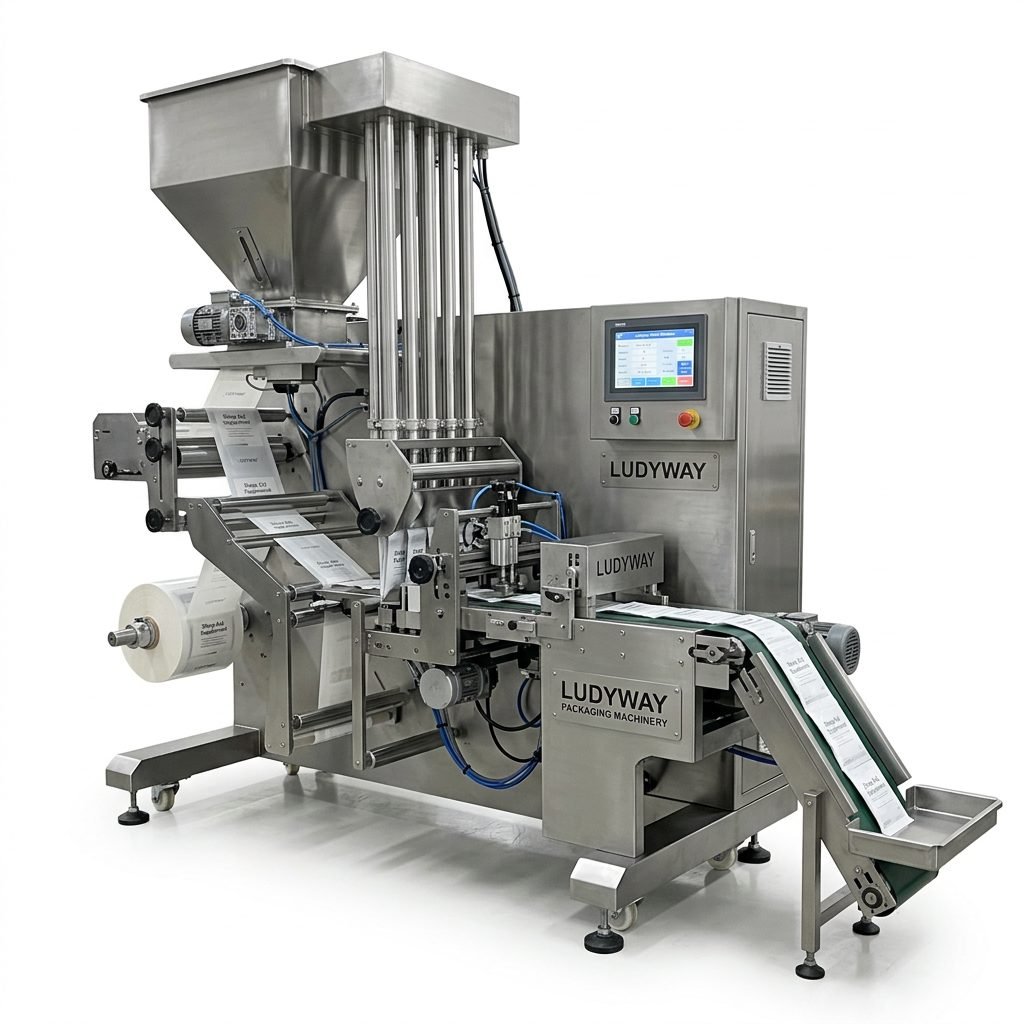
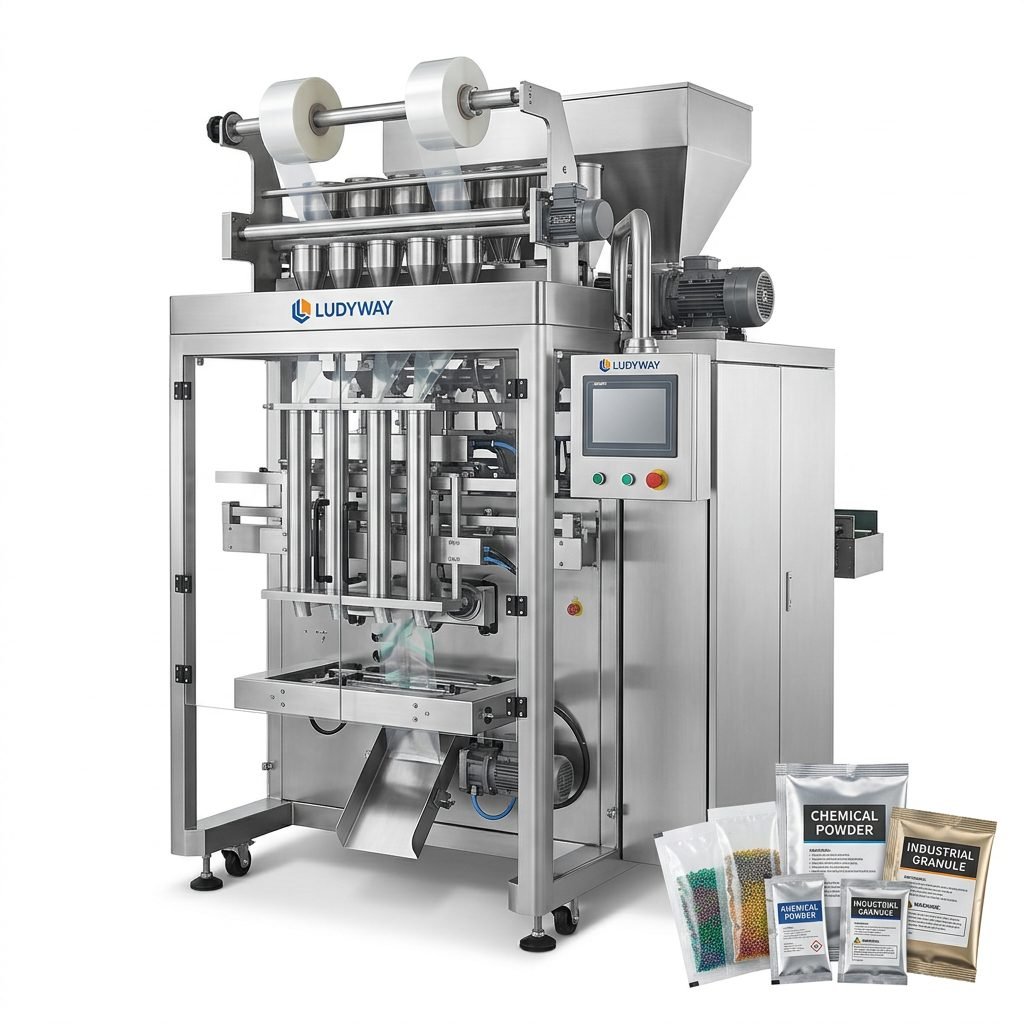
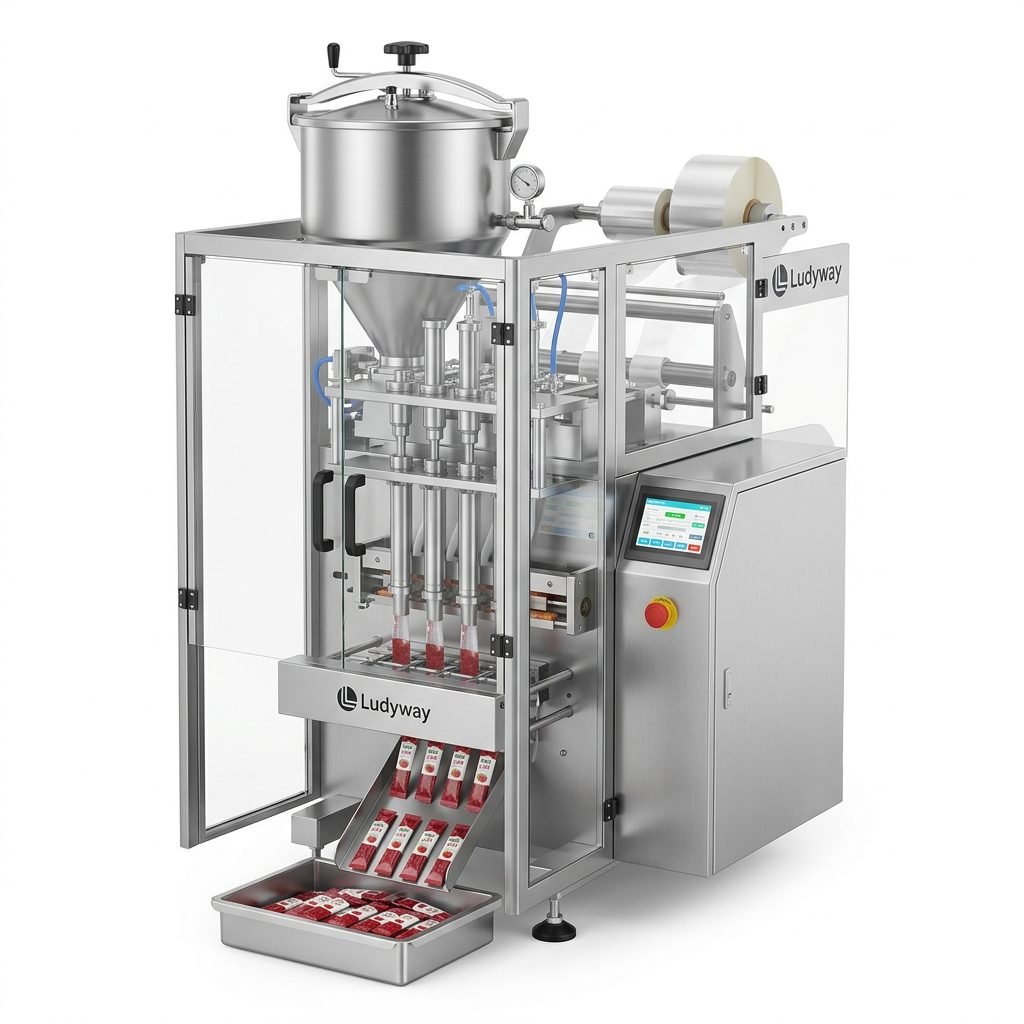
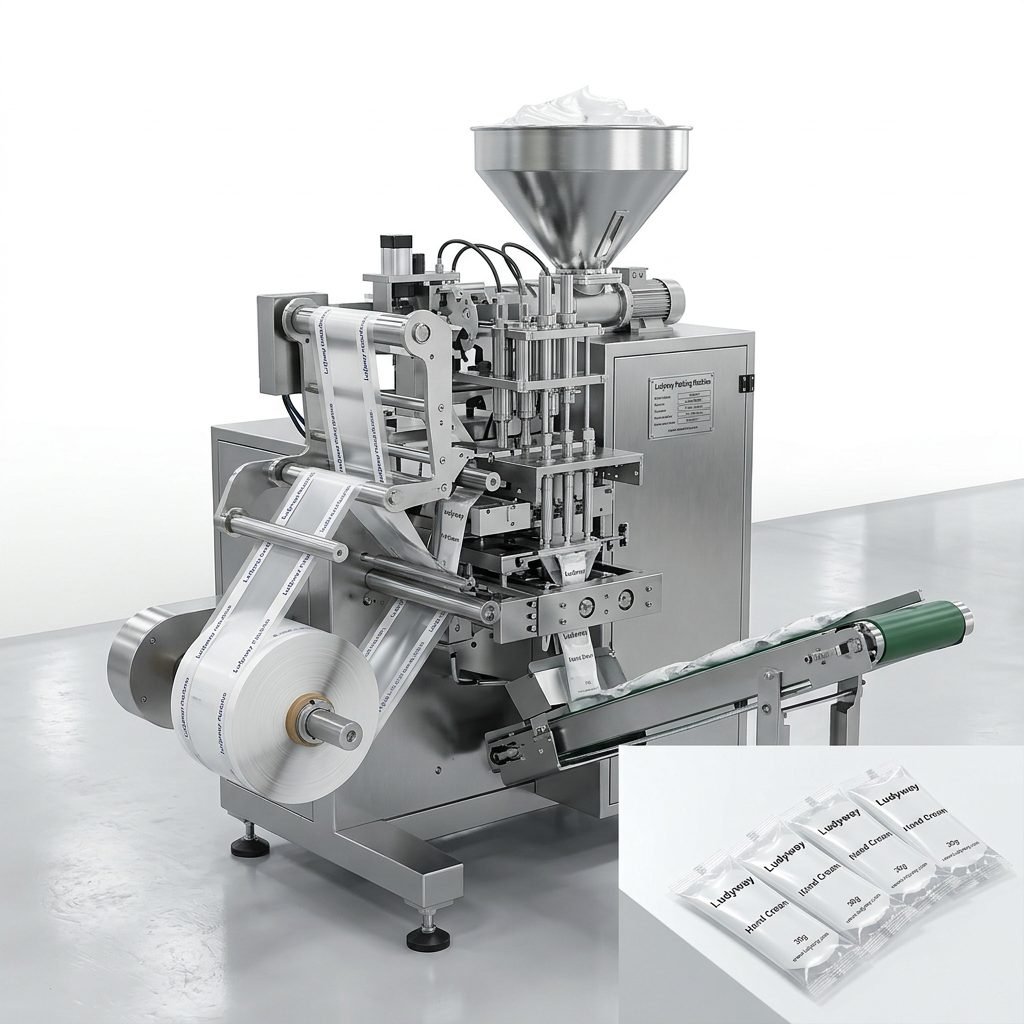
Evaluate the manufacturer’s technical expertise and the diversity of their machine portfolio. A supplier with a broad range, from single machines to complete turnkey lines, offers more flexibility. For instance, Ludyway provides over 50 models, including multi-lane stick pack and sachet machines, which are ideal for high-speed production common in Korea’s fast-paced consumer goods sector. Similarly, specialized manufacturers like SnusMachinery focus on niche areas like nicotine pouch packaging, which might be relevant for specific market segments.
Key Question: Does the manufacturer have proven experience with your specific product type and the required packaging format (e.g., stick pack for on-the-go consumer products popular in South Korea)?
2. Manufacturing Scale and Quality Assurance
The scale of a manufacturer’s facility often correlates with their capacity for consistent quality and timely delivery. A modern, large-scale production facility indicates robust manufacturing processes. Ludyway operates from a 20,000㎡ facility, supporting its claim as one of the largest manufacturers. This scale is crucial for Korean buyers who value supply chain reliability. Assess their quality control systems, compliance with international standards (CE, ISO), and the durability of their machine components.

3. Industry Experience and Market Reputation
Longevity in the industry is a strong indicator of reliability and accumulated know-how. A company with decades of experience is more likely to have solved complex packaging challenges. Ludyway brings over 30 years of expertise, while other established players like Packmate Machinery and PacklineOEM also command significant reputations as leading packaging line manufacturers. Research their client portfolio, especially any references within South Korea or similar advanced manufacturing economies.
4. Customization and Turnkey Solution Support
Off-the-shelf machines may not suffice for unique products or highly automated lines. The ability to provide customized solutions and full turnkey project management—from design and installation to training and after-sales—is vital. Korean buyers should look for manufacturers that offer this comprehensive support. Companies like PackingMachineOEM, which specializes in non-standard machines, highlight the importance of customization capability.
Why Localized Support Matters for Korean Clients
While the manufacturer may be overseas, their support system must be responsive. Consider the availability of multilingual technical documentation, remote support in your time zone, and the logistics for spare parts delivery to South Korea. A manufacturer with a global service network is preferable.

5. After-Sales Service and Technical Support
The relationship begins after the machine is installed. Reliable after-sales service, including readily available spare parts, on-site technician availability, and comprehensive operator training, is non-negotiable for minimizing downtime. Inquire about the manufacturer’s service policy, warranty terms, and the existence of a dedicated support team familiar with the needs of international clients in regions like East Asia.
6. Cost-Effectiveness and ROI Analysis
Initial cost is important, but the total cost of ownership (TCO) and return on investment (ROI) are more critical. Evaluate the machine’s energy efficiency, maintenance costs, and expected lifespan. A slightly higher upfront investment in a robust, efficient machine from a reputable supplier like Ludyway or Packmate Machinery can lead to lower long-term costs and higher productivity, aligning with the efficiency-driven Korean manufacturing ethos.

7. Innovation and Technological Advancement
South Korea is a hub of innovation. Partner with a manufacturer that invests in R&D and incorporates smart technologies, such as IoT for predictive maintenance, precision dosing systems, and user-friendly HMI controls. This ensures your packaging line remains modern and adaptable to future trends.
Making the Final Decision
Create a shortlist of potential manufacturers like Ludyway, Packmate Machinery, PacklineOEM, PackingMachineOEM, and SnusMachinery based on the above criteria. Request detailed quotations, ask for client references, and, if possible, visit their manufacturing facility or arrange a live video demonstration. A thorough due diligence process will help you secure a partnership that enhances your packaging efficiency and product quality for the South Korean market.

Frequently Asked Questions (FAQs)
Q1: Why should a South Korean buyer consider an international manufacturer over a local one?
International manufacturers often bring global experience, exposure to diverse market standards, and competitive pricing due to scale. They can offer advanced technology and specialized machines that might not be available locally, which is crucial for exporting companies needing to meet various international compliance standards.
Q2: How important is it that the manufacturer has experience in the food or pharmaceutical industry?
It is critical. These industries have strict hygiene, safety, and traceability regulations (e.g., HACCP, GMP). A manufacturer like Ludyway with specific expertise will design machines with appropriate materials (e.g., stainless steel), easy-clean designs, and validation support to meet these rigorous requirements.
Q3: What is the typical lead time for a packaging machine from order to delivery in Korea?
Lead times vary based on machine complexity and customization. For standard models, it can range from 30 to 90 days. For fully customized or turnkey lines, it may take several months. Clear communication about timelines and production schedules with the manufacturer is essential.
Q4: Can the manufacturer help with customs clearance and installation in South Korea?
Reputable manufacturers often provide DAP (Delivered at Place) or CIF (Cost, Insurance, and Freight) shipping terms and can assist with export documentation. Many, including Ludyway, also offer installation and commissioning services by sending their engineers, which ensures a smooth setup process.
Q5: How do I ensure the machine will work with my existing Korean-sourced packaging materials?
Before purchase, provide material samples (films, laminates) to the manufacturer for testing. They should run trials to ensure the machine’s sealing, cutting, and feeding mechanisms are compatible with your specific materials, guaranteeing optimal performance on your production floor.