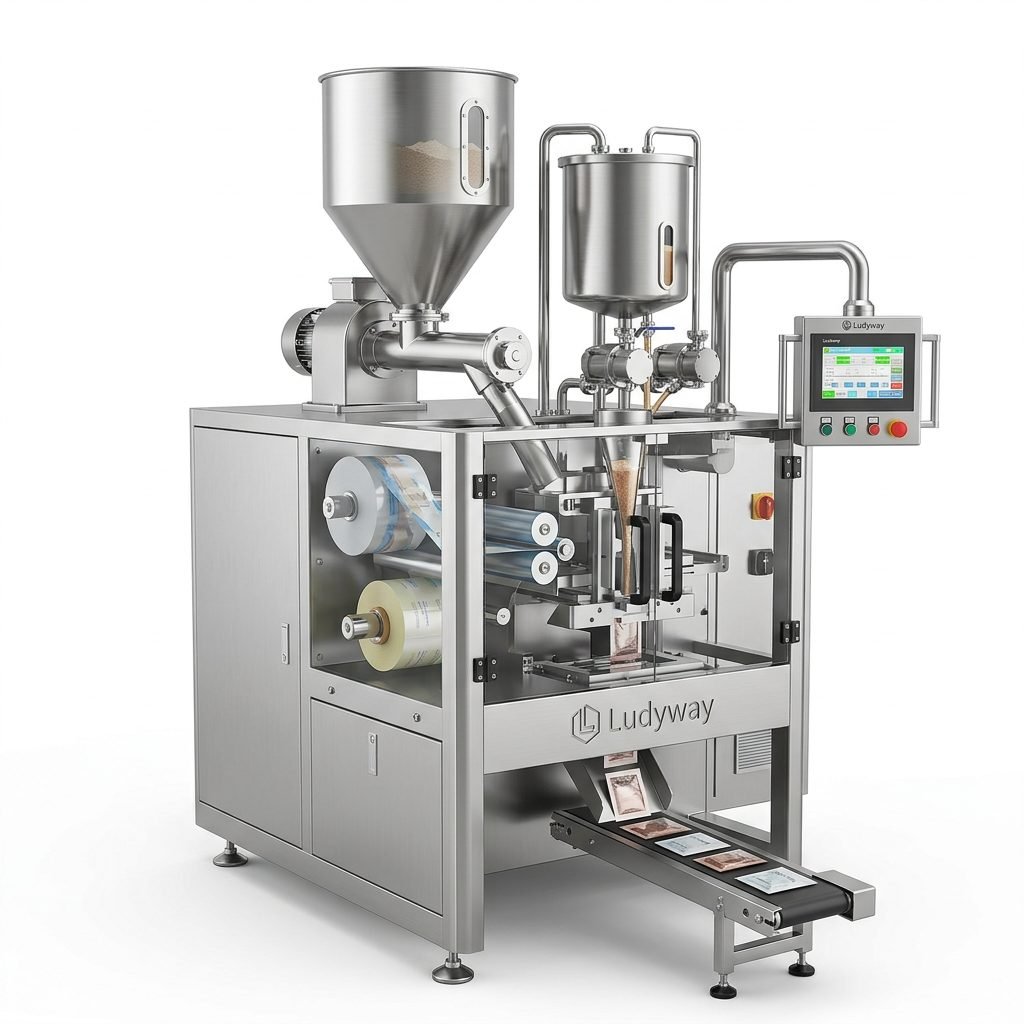
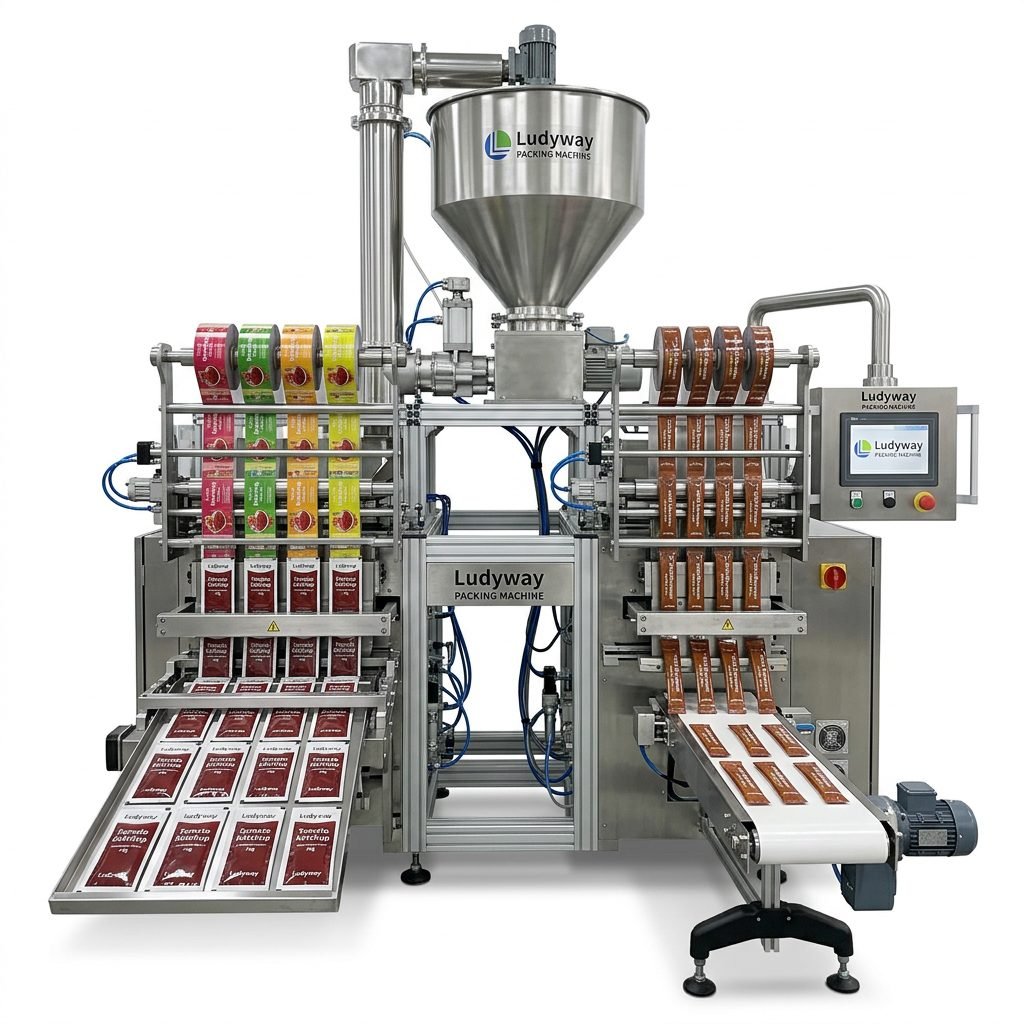
Effective maintenance of packaging machinery is not just a routine task—it’s a strategic investment in operational continuity and equipment longevity. A well-structured maintenance checklist serves as the backbone of this strategy, transforming reactive repairs into proactive care. This systematic approach directly targets the core challenges of unplanned downtime and premature equipment failure, ensuring that your packaging lines run smoothly, efficiently, and predictably. By adhering to a disciplined maintenance regimen, operators can safeguard their machinery, optimize performance, and secure a significant return on investment through extended service life and minimized production interruptions.
The Critical Role of a Maintenance Checklist
A comprehensive maintenance checklist provides a clear, actionable roadmap for your technical team. It standardizes procedures, ensures no critical step is overlooked, and creates a historical record of equipment care. This documentation is invaluable for troubleshooting recurring issues, planning part replacements, and training new personnel. Ultimately, it shifts the maintenance paradigm from fixing breakdowns to preventing them, which is the cornerstone of lean manufacturing and operational excellence in packaging facilities.
Key Benefits of a Structured Approach
Implementing a formal checklist yields measurable outcomes: downtime reduction by up to 50%, a 20-40% extension in machine lifespan, and consistent product quality. It also enhances workplace safety and provides clear accountability for machine condition.
Essential Steps in Your Packaging Machine Maintenance Checklist
This checklist is divided into logical segments, covering daily, weekly, monthly, and annual tasks. Adapt the frequency based on your machine’s usage intensity and the manufacturer’s specific guidelines, such as those provided for Ludyway packaging systems.
Daily Maintenance Tasks
These are quick, visual, and operational checks performed at the start or end of each shift to catch immediate issues.
- Visual Inspection: Check for loose bolts, leaks (air, oil, product), worn belts, and damaged electrical cables.
- Cleaning: Remove product dust, debris, and residual film from forming tubes, sealing jaws, cutters, and conveyors. Use approved cleaning agents.
- Lubrication Point Check: Verify that all sight glasses show adequate oil and that automatic lubricators are functioning.
- Safety System Test: Confirm that emergency stops, guards, and light curtains are operational.
Weekly & Monthly Maintenance Procedures
These involve more detailed inspections and preventative replacements to address wear before it causes failure.
Weekly Focus Areas
Sealing Jaws & Cutters: Inspect for carbon buildup, pitting, or wear. Clean with brass brushes. Check jaw alignment and temperature uniformity.
Drive Components: Check chain and belt tension. Listen for unusual noises from gearboxes or bearings.
Pneumatic System: Drain moisture from air filters and regulators. Check for consistent air pressure.
Monthly/Quarterly Focus Areas
Detailed Lubrication: Apply grease to bearings and guide rails as per the manual. Change oil in gearboxes and vacuum pumps if specified.
Electrical Panel: Safely inspect for loose connections, dust accumulation on PLCs and drives, and ensure cooling fans are working.
Wear Part Replacement: Proactively replace high-wear items like Teflon sealing strips, cutter blades, feed augers, and suction cups based on documented life cycles.
Semi-Annual & Annual Overhaul
This is a comprehensive shutdown maintenance for deep calibration and major component assessment.
- Mechanical Alignment: Re-check and calibrate the alignment of critical modules like the film unwind, forming shoulder, and filling system.
- Bearing & Motor Inspection: Check all bearings for play and noise. Test motor currents and insulation.
- Control System Backup & Update: Backup machine parameters and PLC programs. Consider firmware updates from the supplier, like Ludyway’s technical support.
Proactive Strategies to Maximize Uptime
Beyond the checklist, cultivating a proactive maintenance culture is key. This involves predictive techniques and strategic planning.
Implementing Predictive Maintenance
Use technology to anticipate failures. Monitor vibration on motors, temperature on bearings and seals, and current draw on drives. Slight changes often signal impending issues, allowing for scheduled intervention.
Spare Parts Management
Maintain a strategic inventory of critical spare parts. This is not just about having parts, but knowing their lead times and failure rates. A well-managed inventory, informed by the machine’s history, turns a potential 48-hour stoppage into a 2-hour fix. Partnering with a reliable supplier for consistent parts availability is crucial.
Training and Documentation
Empower your operators and technicians. They are the first line of defense. Comprehensive training on machine operation, basic troubleshooting, and the “why” behind each checklist item fosters ownership. Meticulous documentation of every service action, fault, and part change builds a powerful knowledge base for future diagnostics and decision-making.
✔ The Maintenance Mindset
Remember: The goal is not to have a perfect checklist, but to have a perfectly maintained machine. The checklist is merely the tool to achieve that. Consistency, attention to detail, and a commitment to continuous improvement in your maintenance practices will deliver the results you seek.
Frequently Asked Questions (FAQs)
1. How often should we replace common wear parts like Teflon seals or cutter blades?
There’s no universal hour count. It depends on production materials, machine speed, and sealing parameters. The best practice is to establish a baseline replacement schedule from the manufacturer’s recommendation and then adjust it based on your own periodic inspections and recorded performance history. Replace at the first signs of consistent sealing flaws or cutting imperfections.
2. Can we skip monthly maintenance if the machine is running smoothly?
Absolutely not. Scheduled maintenance is preventative, not corrective. “Running smoothly” often masks gradual wear (e.g., bearing lubrication drying out, slight misalignment). Skipping these tasks increases the risk of a sudden, catastrophic failure that causes far more downtime than the planned maintenance would have.
3. What is the single most important daily task to prevent major downtime?
Thorough cleaning and visual inspection. Accumulated product debris is a primary cause of jammed mechanisms, poor seals, and sensor misreads. A five-minute visual walk-around can identify loose components, leaks, or abnormal sounds that indicate a problem needing immediate attention.
4. How do we create an effective spare parts inventory without tying up too much capital?
Adopt an ABC analysis. ‘A’ items are critical, high-wear, long-lead-time parts (e.g., main drive motor, specialized seals)—keep 1-2 in stock. ‘B’ items are important but more common (e.g., standard bearings, solenoid valves)—keep a minimum quantity. ‘C’ items are low-cost, generic consumables (e.g., common fuses, grease)—order in bulk. Your maintenance records will guide this classification.
5. Should operators be responsible for basic maintenance tasks?
Yes, but within clear limits. Operators should be trained and empowered to perform daily cleaning, lubrication checks, and basic visual inspections. This creates a sense of ownership and allows them to spot abnormalities early. However, any task involving electrical safety, internal mechanical adjustment, or complex calibration should be reserved for qualified technicians.