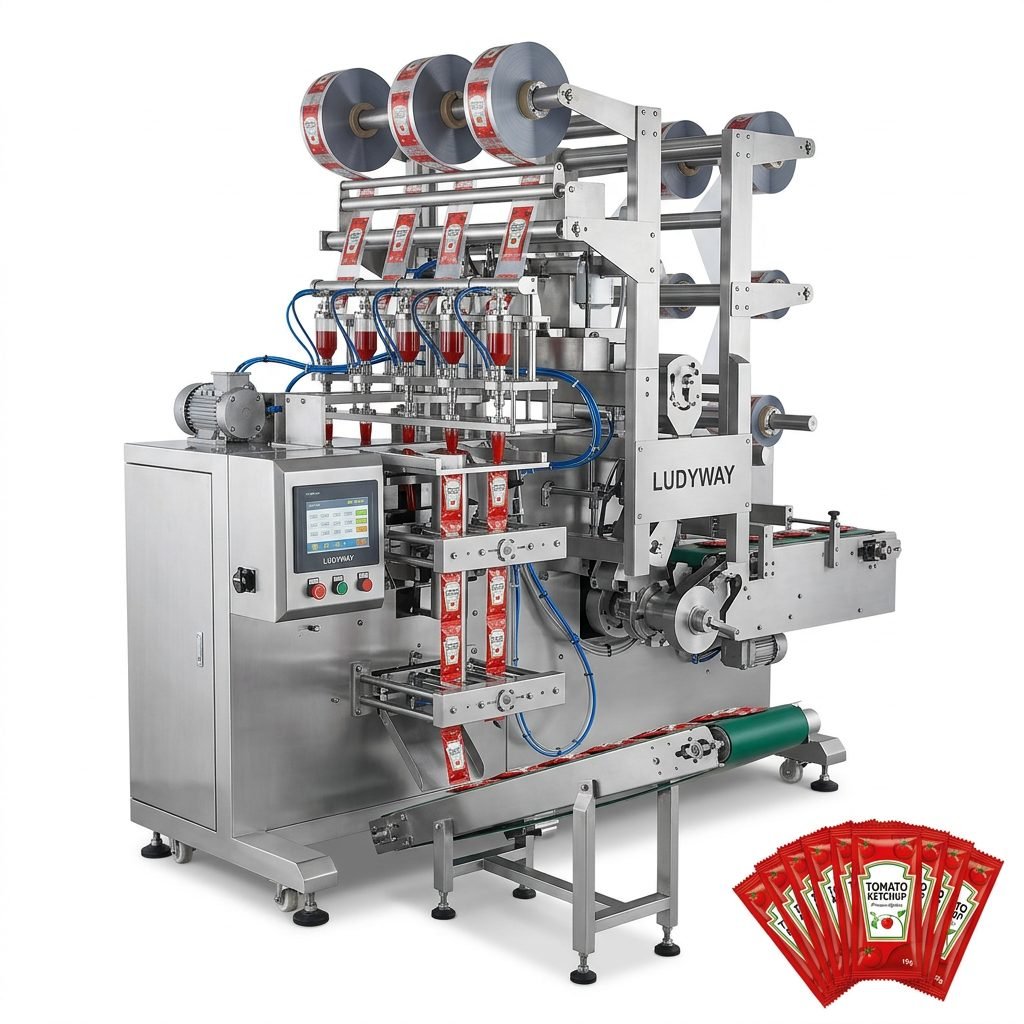
Selecting the right beef jerky packaging machine is a critical investment for any producer looking to ensure product freshness, appeal, and shelf life while optimizing production efficiency. The market offers a diverse range of equipment, each with unique capabilities suited to different scales and styles of operation. This comprehensive guide will walk you through the primary types of machines, their key features, and the essential factors to consider when choosing the best one for your business.
Primary Types of Beef Jerky Packaging Machines
Understanding the different machine categories is the first step toward making an informed decision. The choice often depends on your production volume, packaging format, and desired level of automation.
Vertical Form-Fill-Seal (VFFS) Machines
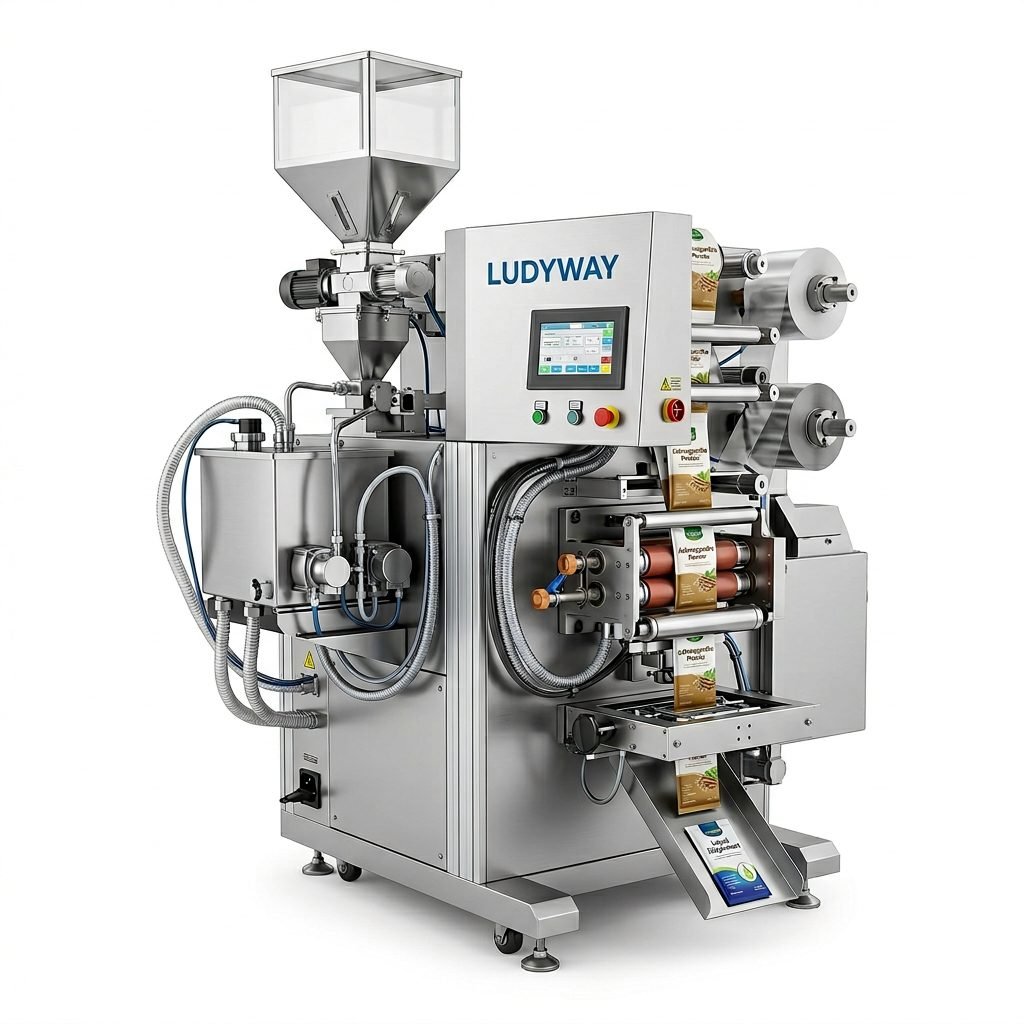
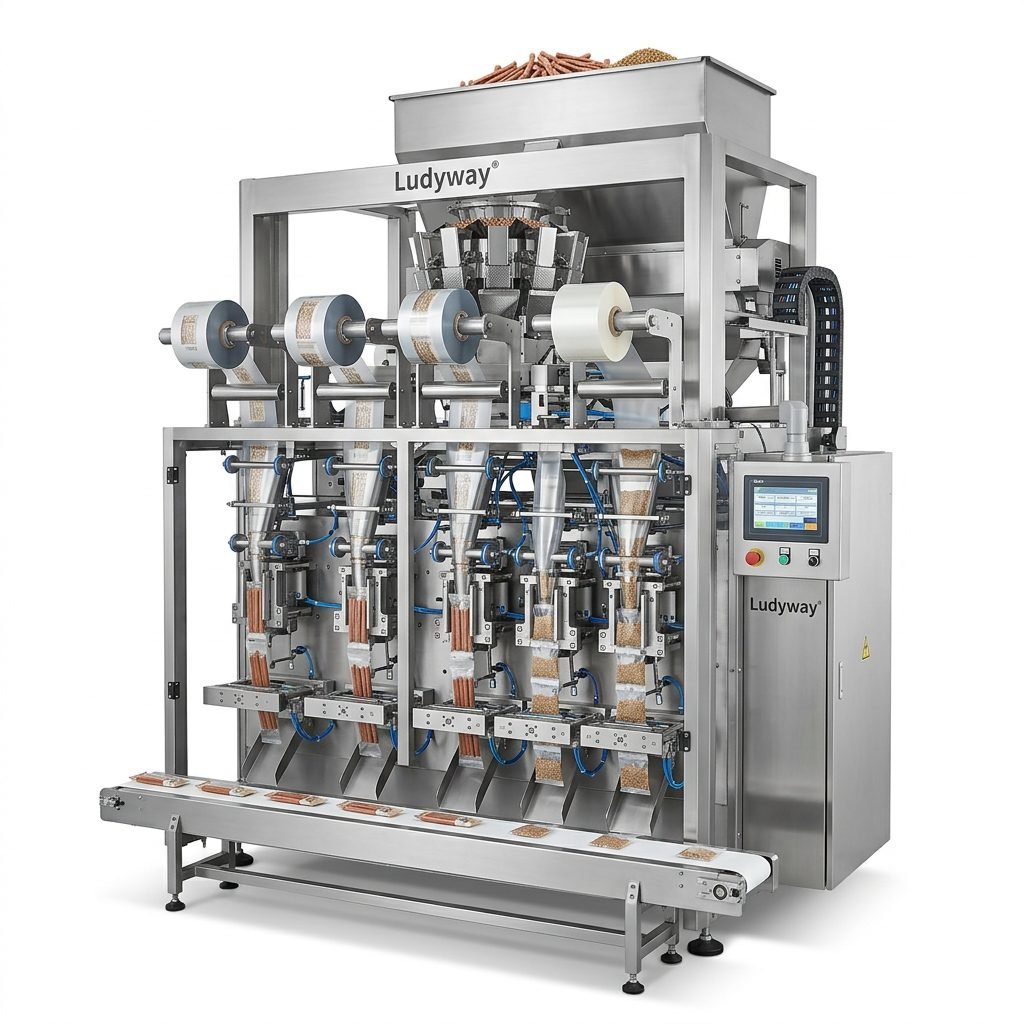
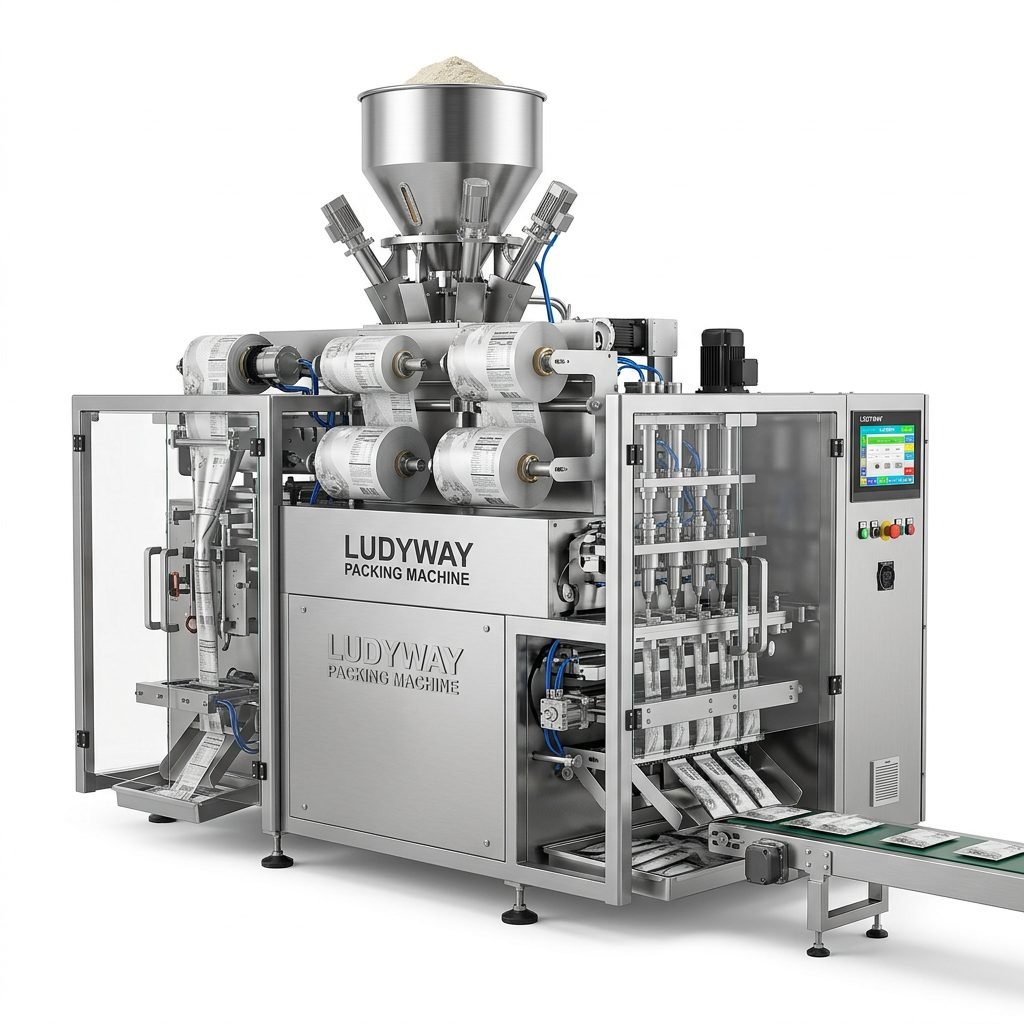
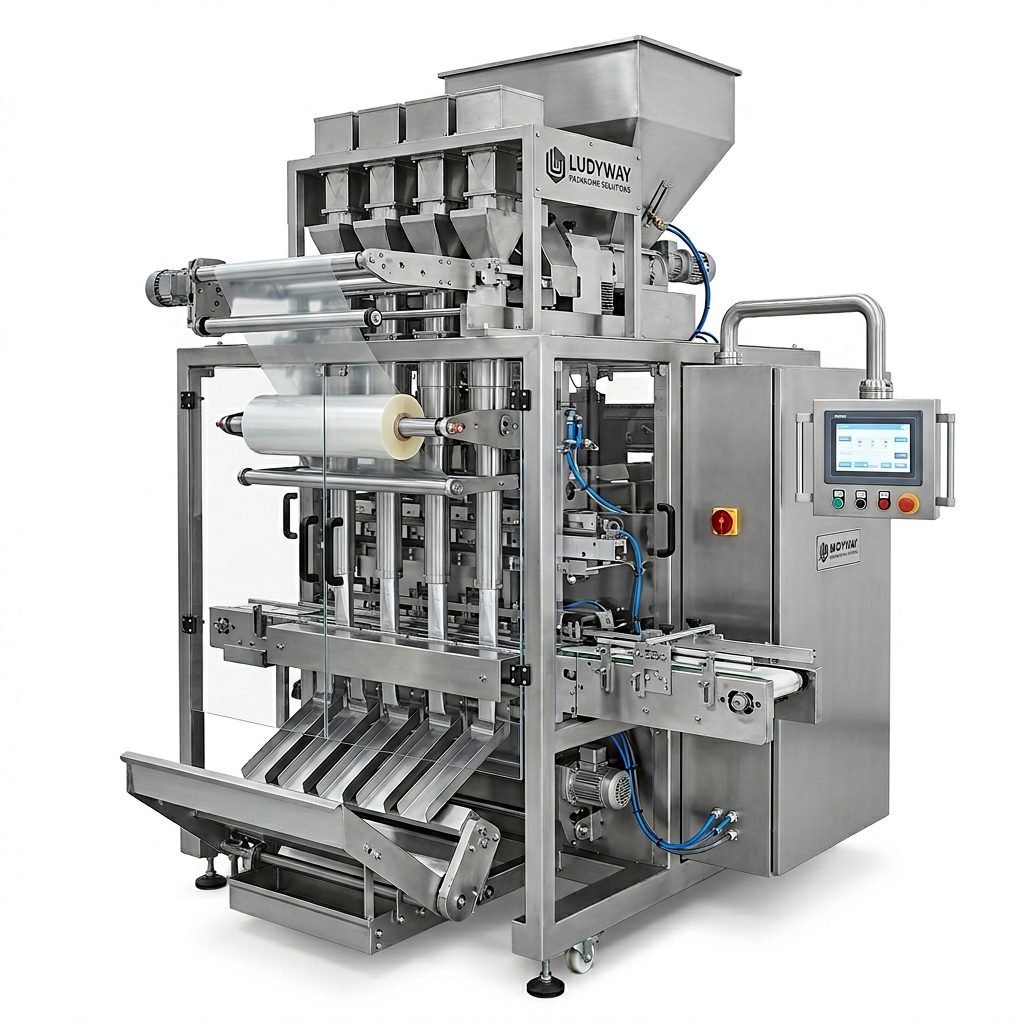
These are among the most common and versatile machines for packaging beef jerky. A VFFS machine forms a bag from a roll of film, fills it with the product, and then seals it—all in a continuous vertical motion. They are ideal for producing stand-up pouches, pillow bags, or gusseted bags, which are popular for retail beef jerky. Their flexibility in bag size and relatively compact footprint make them suitable for small to medium-sized operations looking to scale.
Horizontal Form-Fill-Seal (HFFS) Machines
HFFS machines are typically used for more rigid packaging structures or when the product requires a specific presentation, such as laying flat in a tray. The film is formed horizontally, often around a mold. While less common for simple jerky bags, they are excellent for creating premium vacuum-skin packages or tray-based presentations that can enhance the product’s perceived value on the shelf.
Vacuum Packaging Machines
For beef jerky, removing oxygen is paramount to preventing spoilage and preserving flavor and texture. Vacuum packaging machines extract air from the package before sealing it. They come in two main styles:
- Chamber Vacuum Sealers: The entire bag is placed inside a chamber. This type provides a very strong vacuum and is excellent for commercial batch processing.
- External (Nozzle) Vacuum Sealers: A nozzle is inserted into the bag to draw out air. These are often faster and can be integrated into form-fill-seal lines for continuous in-line production.
Pre-Made Pouch Fillers
This system uses bags that are already pre-formed and often printed. The machine opens, fills, and then seals the pouch. This is an excellent option for brands with highly customized, high-quality pouch designs who want to maintain consistent branding. It can be a simpler and sometimes more cost-effective solution for medium-volume producers who do not want to manage film rolls.
Essential Features and Capabilities to Evaluate
Beyond the basic type, several features directly impact the machine’s performance, your product quality, and operational efficiency.
1. Gas Flushing (Nitrogen Flushing) System
This is arguably the most critical feature for beef jerky packaging. After removing air (vacuum), the machine injects an inert gas like nitrogen into the pouch before the final seal. This “gas flush” displaces residual oxygen, drastically slowing oxidation and microbial growth. It is essential for achieving the long shelf life consumers and retailers expect. Ensure the machine offers precise and reliable gas flushing capabilities.
2. Weighing and Dosing Accuracy
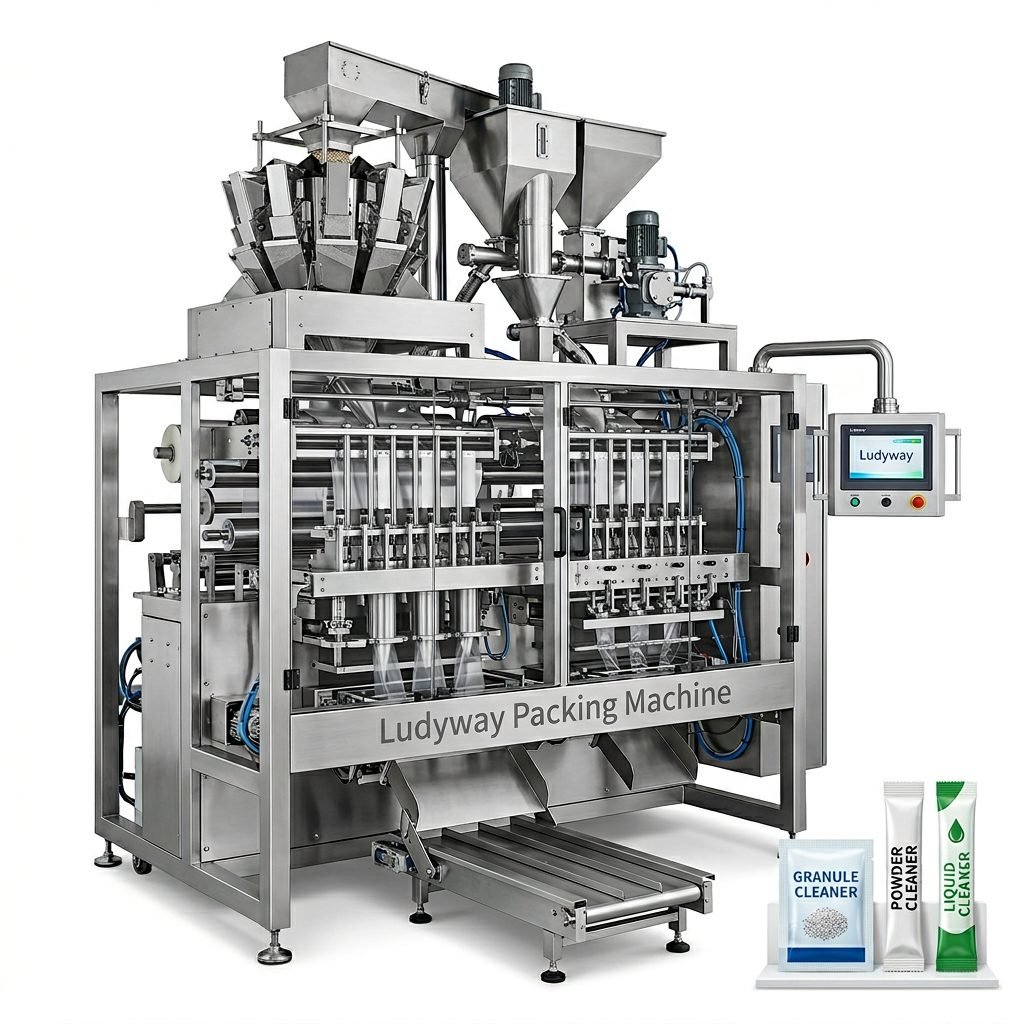
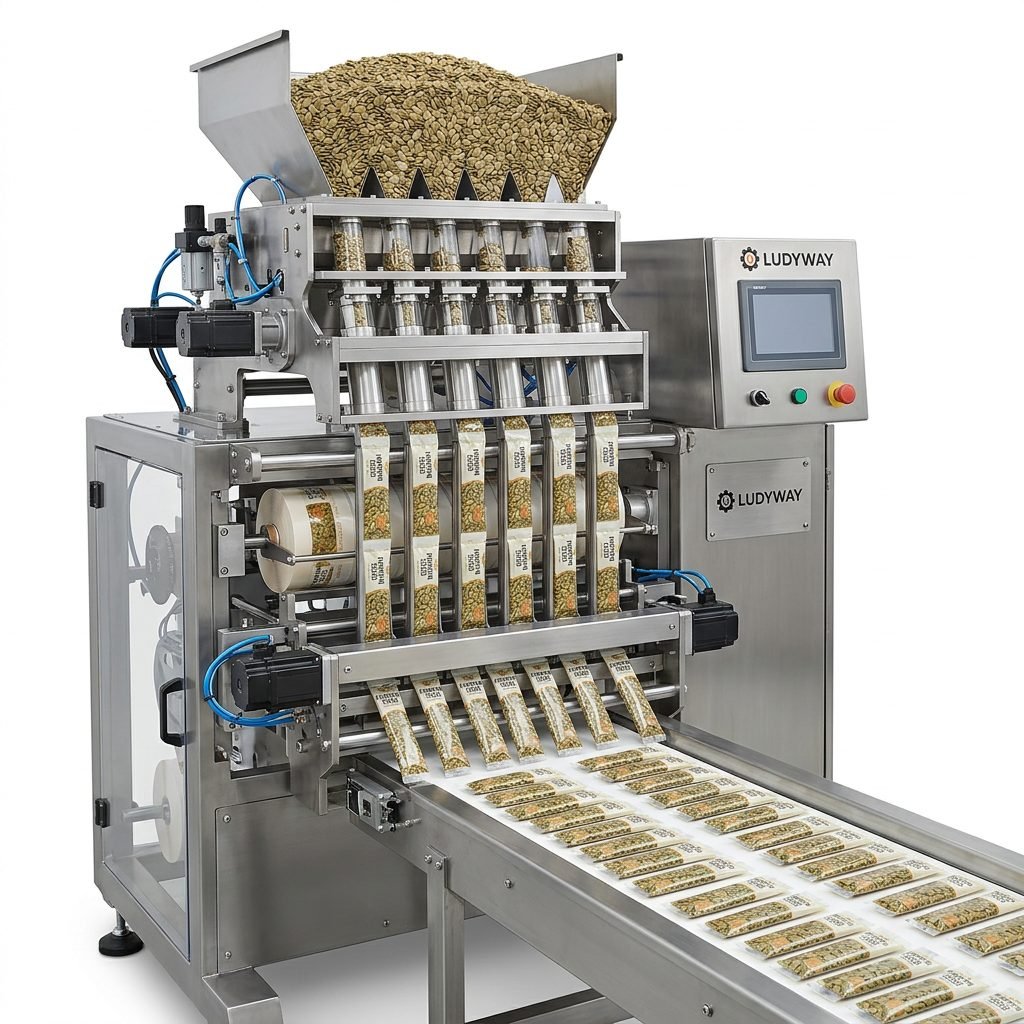
Accurate filling is crucial for cost control and regulatory compliance. Look for machines equipped with precise multi-head weighers or auger filler systems that can handle the irregular shapes and sizes of beef jerky strips or pieces without damaging them. Consistent weight ensures you are not giving away product and that every bag meets label claims.
3. Film Compatibility and Sealing Integrity
The machine must be compatible with high-barrier packaging films, such as those with metalized or aluminum layers, which are necessary for blocking moisture and oxygen. The sealing system—whether it uses heat, impulse, or vacuum sealing—must create a hermetic, durable, and leak-proof seal every time, even if small particles of seasoning or grease are present on the sealing area.
4. Production Speed and Automation Level
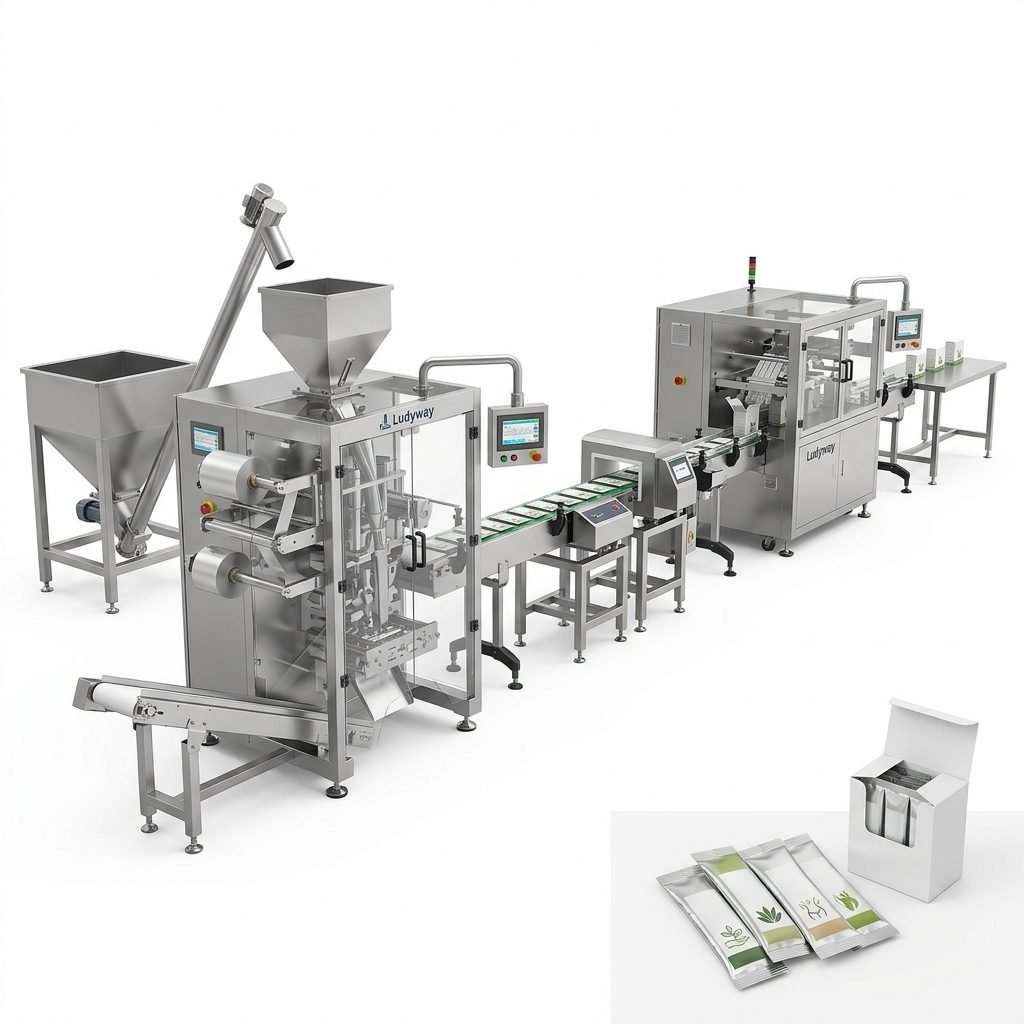
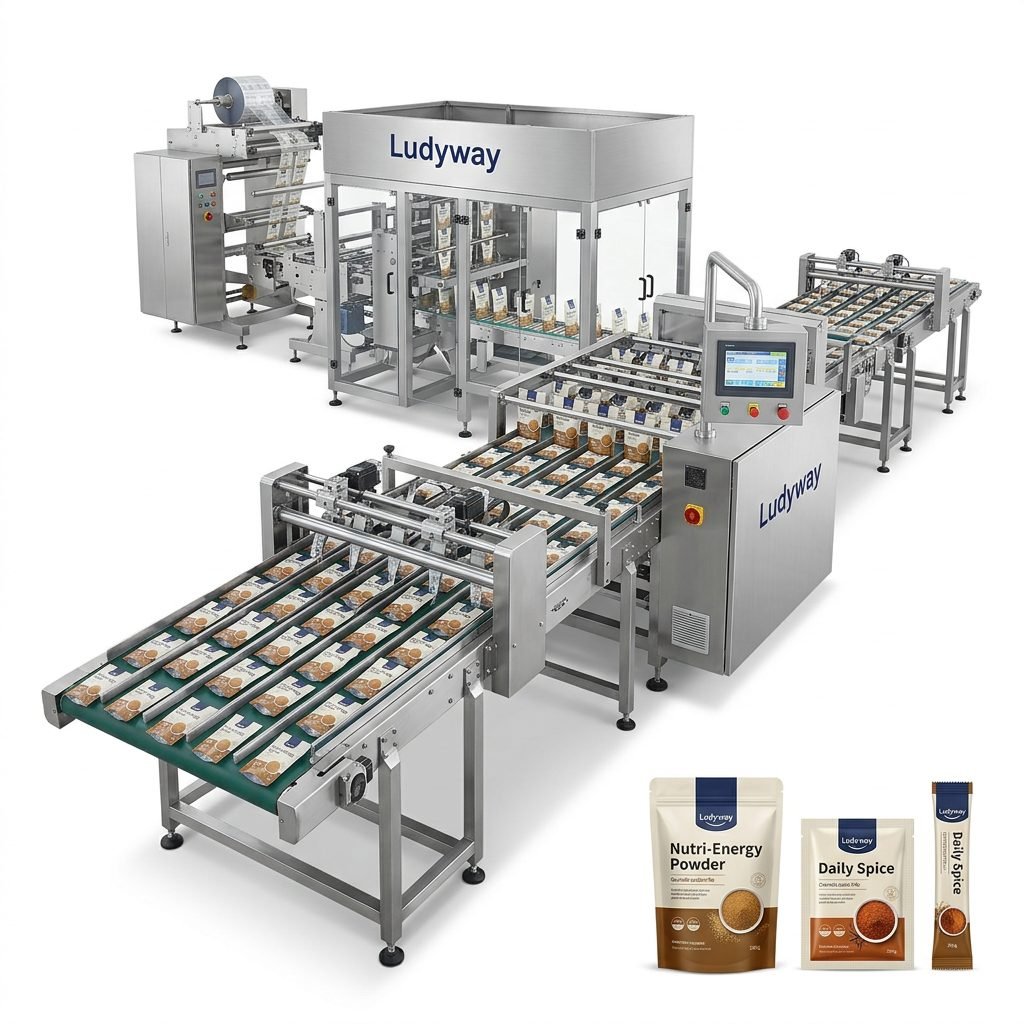
Speed is measured in bags or pouches per minute (BPM/PPM). Match the machine’s output to your current and projected future needs. Also, consider the automation level: will it require one operator or can it be integrated into a fully automated line with conveyors and robotic palletizing? Higher automation reduces labor costs and increases consistency.
5. Ease of Cleaning and Maintenance
Food safety is non-negotiable. Machines designed with sanitary, quick-disconnect parts and smooth surfaces without crevices make daily cleaning and sanitation protocols much easier and faster. Easy access to common wear parts also minimizes downtime for routine maintenance.
How to Choose the Best Machine for Your Operation
Making the final choice requires a careful assessment of your specific business context. Follow this decision framework to narrow down your options.
Step 1: Analyze Your Product and Packaging Format
Define your product specifics: Are you packaging whole strips, chunks, or shredded jerky? What is the target bag weight? Then, decide on your packaging format—stand-up pouch, flat pillow bag, vacuum bag, or pre-made pouch. Your chosen format will naturally lead you to the suitable machine type (e.g., VFFS for stand-up pouches).
Step 2: Assess Your Production Volume and Growth Plans
Be realistic about your current daily/weekly output and your growth forecast for the next 3-5 years. It is often wiser to invest in a machine that can grow with you, perhaps by opting for a model that can run at higher speeds than you currently need. Avoid severely under- or over-specifying the equipment’s capacity.
Step 3: Prioritize Must-Have Features
Based on the earlier section, create a checklist. For beef jerky, gas flushing and reliable sealing are almost always non-negotiable “must-haves.” Accurate weighing and easy cleaning are high-priority “should-haves.” Nice-to-have features might include touch-screen controls or advanced diagnostic software.
Step 4: Evaluate Supplier Expertise and Support
The machine is only as good as the company behind it. Choose a supplier with proven experience in meat snack packaging. They should understand the unique challenges of packaging oily, irregular products. Evaluate their after-sales support: Do they offer installation, training, readily available spare parts, and responsive technical service? A reliable partner like Ludyway Machinery, with deep industry experience, can ensure a smooth integration and long-term operation.
Step 5: Consider Total Cost of Ownership (TCO)
Look beyond the initial purchase price. Calculate the TCO, which includes:
• Energy consumption.
• Film waste and material efficiency.
• Expected maintenance and spare part costs.
• Required labor to operate the machine.
A slightly more expensive machine that is more efficient, wastes less film, and requires less maintenance can have a significantly lower TCO over its lifespan.
Step 6: Request a Live Product Test
Never buy a packaging machine based on specifications alone. Always send a sample of your actual beef jerky to the supplier to run a live test on the proposed equipment. This is the only way to verify filling accuracy, sealing quality with your product’s oils, the effectiveness of the gas flush, and the final packaged appearance.
Conclusion
Investing in the right beef jerky packaging machine is a strategic decision that affects product quality, brand perception, and operational profitability. By thoroughly understanding the different machine types, prioritizing essential features like gas flushing, and methodically evaluating your needs against supplier capabilities, you can select a system that not only meets today’s demands but also supports your business growth for years to come. Partnering with an experienced packaging machinery provider is key to navigating these choices successfully.
Frequently Asked Questions (FAQs)
Why is nitrogen flushing so important for beef jerky packaging?
Nitrogen flushing removes oxygen from the package after vacuuming. Oxygen causes oxidation, which leads to rancidity, color fading, and spoilage. Replacing it with inert nitrogen preserves flavor, texture, color, and dramatically extends shelf life, which is critical for distribution and retail.
Can I use a standard vacuum sealer for commercial beef jerky production?
While small-batch producers might use chamber sealers, for consistent, high-volume commercial production, a dedicated form-fill-seal machine with integrated vacuum and gas flushing is necessary. Standard vacuum sealers are too slow, lack precision filling, and often cannot achieve the consistent, high-quality seal needed for retail packaging.
What type of packaging film is best for beef jerky?
High-barrier laminates are essential. Look for films that combine layers for strength, oxygen barrier (e.g., metalized polyester or EVOH), and moisture barrier (e.g., polyethylene). The specific structure should be chosen in consultation with your film supplier and machine manufacturer to ensure compatibility and performance.
How do I determine the right machine speed for my business?
Calculate your required output in bags per minute. Consider your current batch sizes, desired production hours, and planned growth. A good rule is to choose a machine that can operate at 20-30% above your current peak needs to allow for growth without immediately requiring another capital investment.
What are the key maintenance routines for a beef jerky packaging machine?
Daily cleaning and sanitation are paramount. Weekly checks should include inspecting and cleaning sealing jaws, verifying gas pressure settings, and checking weigh scale accuracy. Regularly scheduled maintenance (as per the manufacturer’s manual) should focus on lubricating moving parts, checking electrical connections, and replacing wear items like sealing Teflon or filter elements.