Accessing comprehensive manuals for your packaging machinery is essential for smooth operation and maintenance. This guide provides a complete resource for downloading free PDF manuals covering installation, operation, and troubleshooting for various packaging machines. Whether you are setting up a new system or maintaining an existing one, having the correct documentation at your fingertips can save time, prevent errors, and ensure optimal machine performance.
Why a Detailed Manual is Crucial for Your Packaging Operations
Operating complex packaging machinery without proper guidance can lead to inefficiencies, product waste, and even equipment damage. A well-structured manual serves as the foundational knowledge base for your team. It standardizes procedures, ensuring every operator follows the same correct steps for setup, running, and shutting down the machine. This consistency is key to achieving uniform packaging quality, maximizing throughput, and extending the lifespan of your valuable equipment. Furthermore, a manual empowers your maintenance staff with official troubleshooting charts and part diagrams, enabling faster diagnosis and repair, which minimizes costly downtime.
Key Benefit: Utilizing the official manual directly from your machinery provider, such as Ludyway Packaging Machinery, guarantees that the information is accurate, up-to-date, and specific to your machine model, avoiding the risks associated with generic or outdated guides.
Step-by-Step Guide to Finding and Downloading Your Manual
Locating the correct manual for your specific packaging machine model is the first critical step. Manufacturers typically organize their resources by machine type and series.
1. Identify Your Machine Model
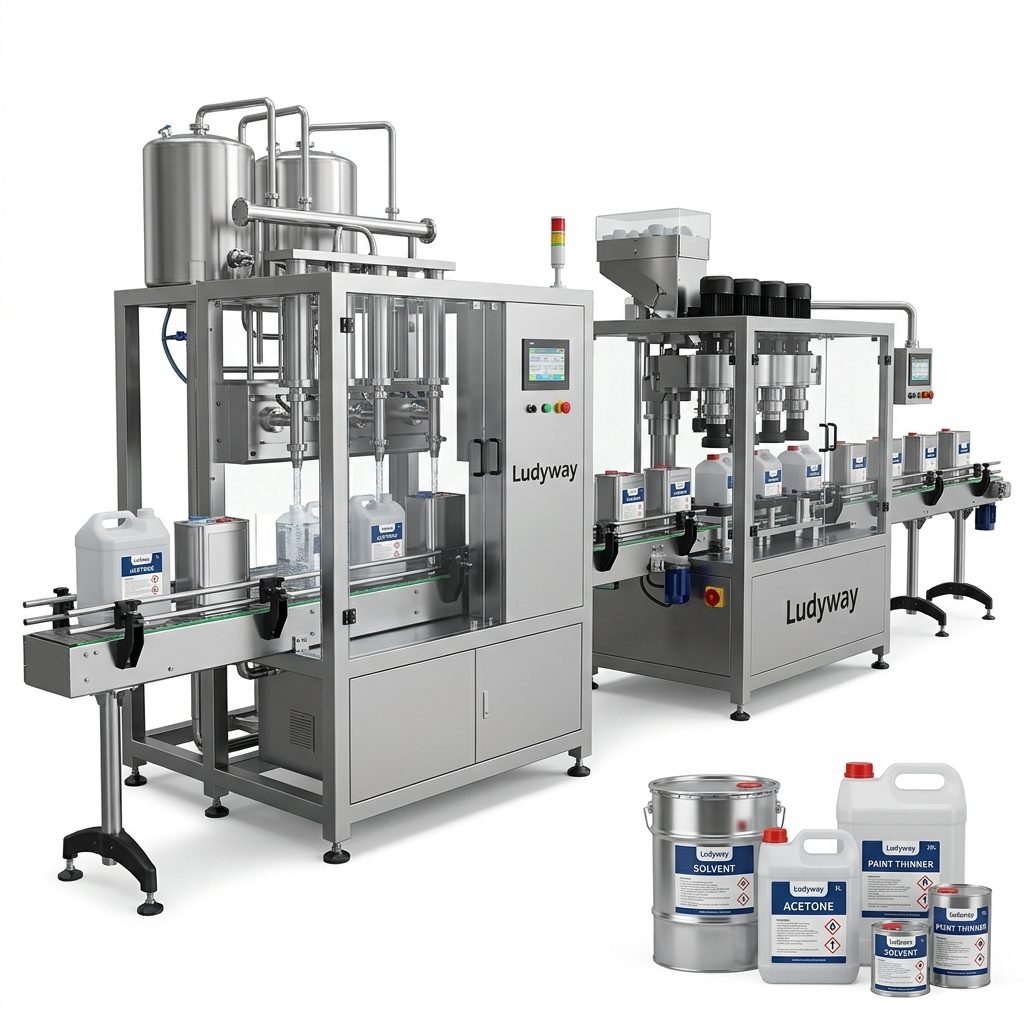
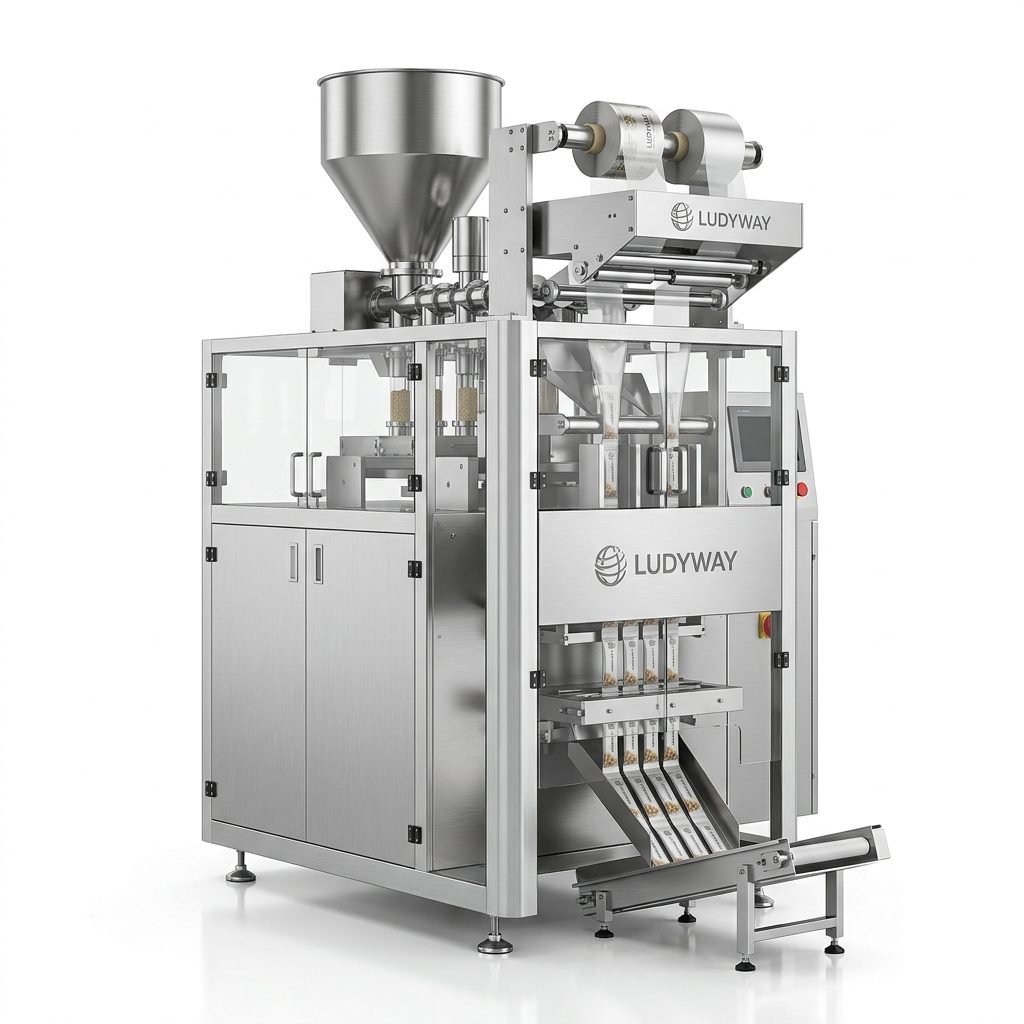
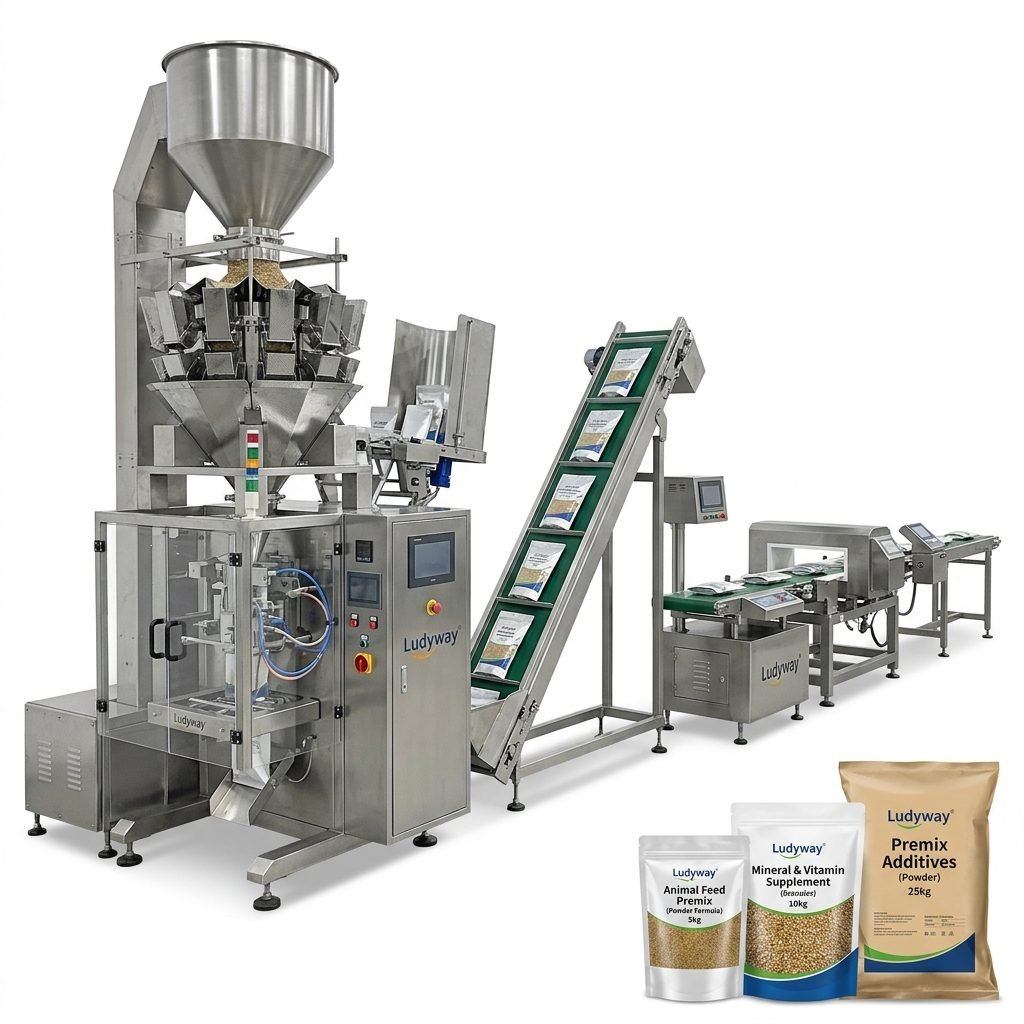
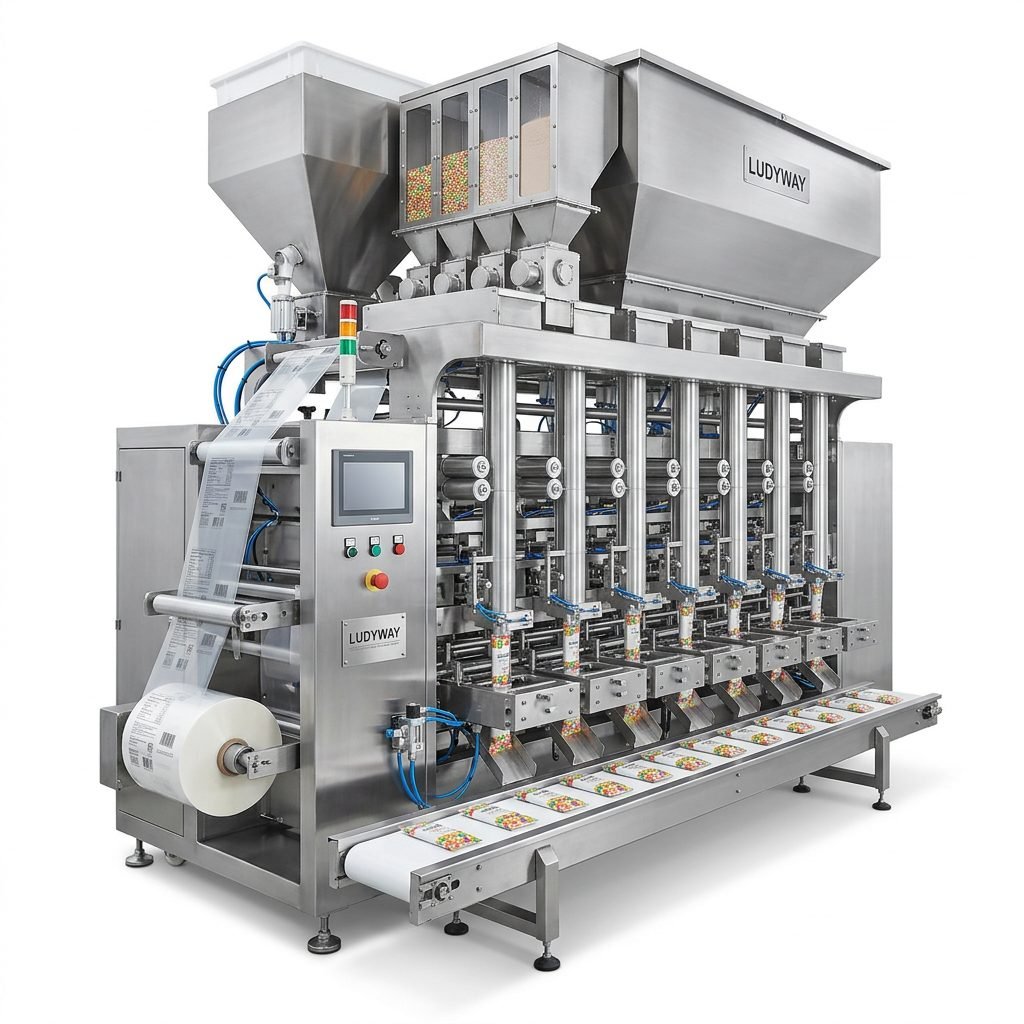
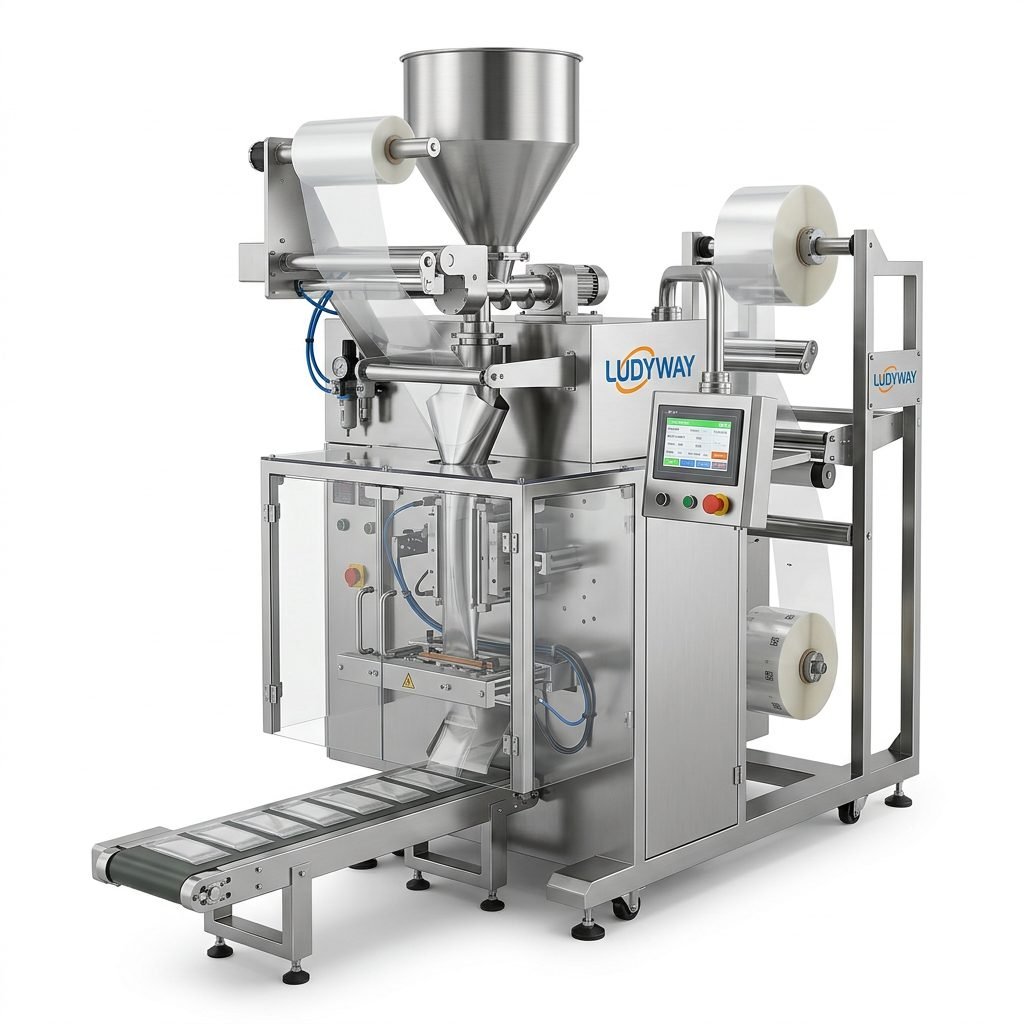
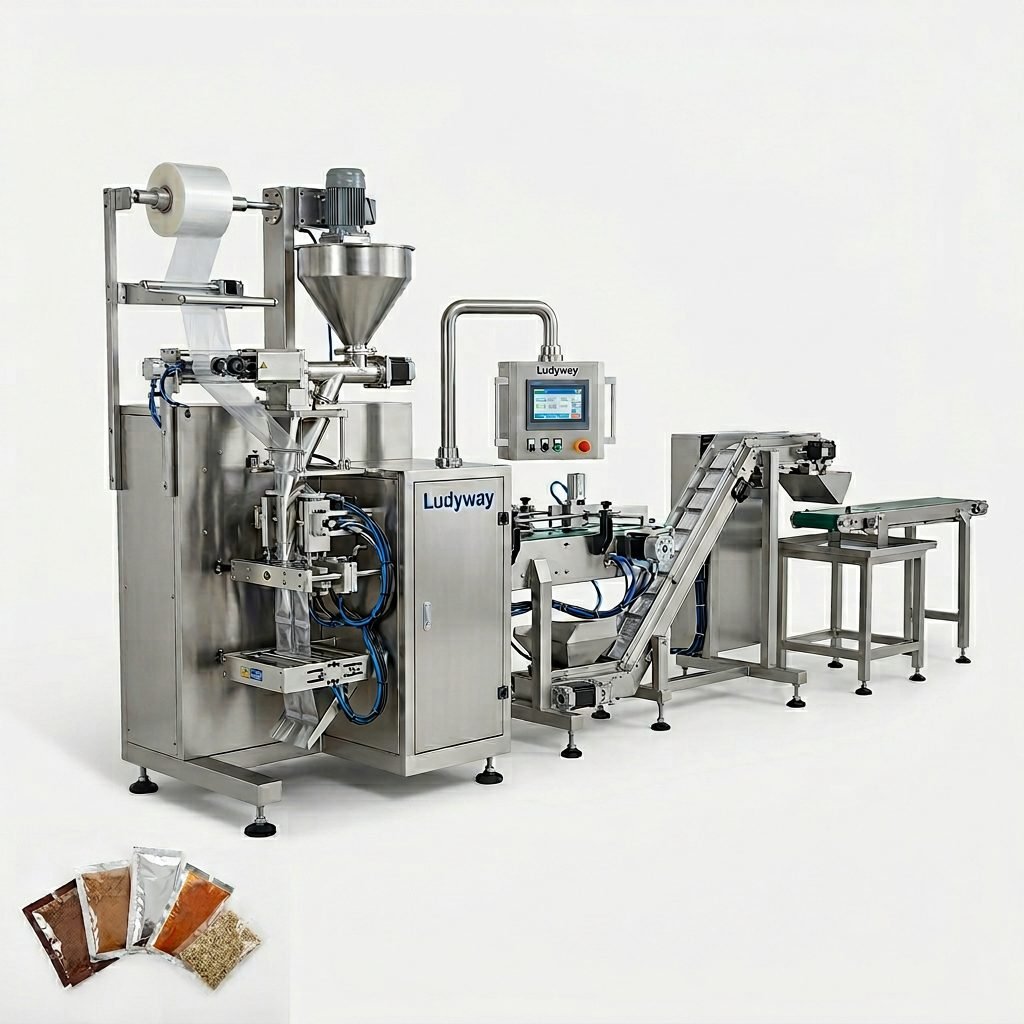
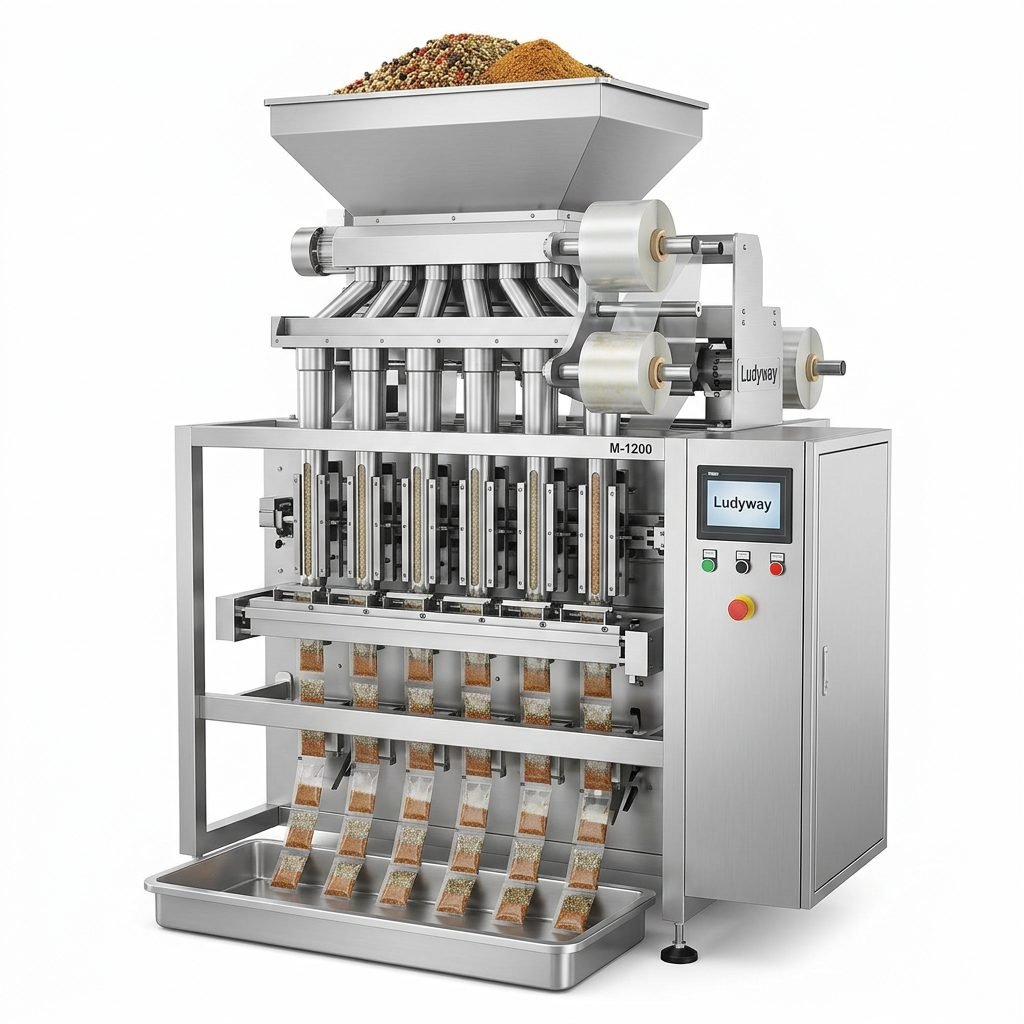
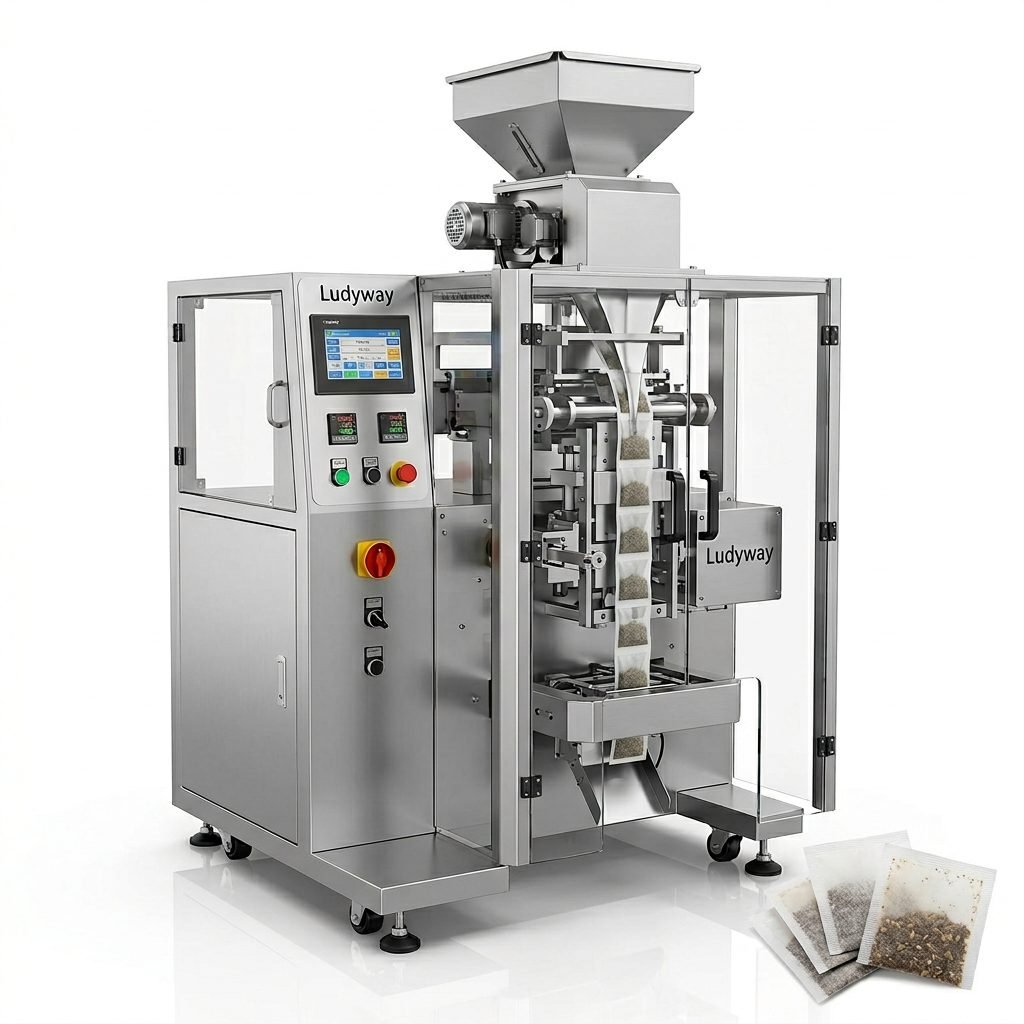
Check the machine’s nameplate or control panel for the exact model number and serial number. This information is crucial for finding the precise manual. Common series include vertical form-fill-seal (VFFS) machines, stick pack machines, and liquid filling lines.
2. Visit the Manufacturer’s Support Portal
Reputable manufacturers host dedicated support sections on their websites. Navigate to the “Resources,” “Support,” or “Downloads” area. Here, you can often search or filter documents by entering your model number. For instance, companies with extensive experience, like those offering over 50 intelligent packaging models, maintain organized digital libraries for customer access.
3. Download and Secure Your PDF
Once you locate the correct manual—often listed as “Operator Manual,” “Service Manual,” or “Parts Catalog”—click the download link. Save the PDF file to a shared network drive or cloud storage accessible to all relevant personnel. It is also advisable to keep a printed copy in a protective sleeve near the machine for quick reference.
Essential Sections in a Packaging Machine Manual
A comprehensive manual is divided into logical sections that guide the user through the machine’s entire lifecycle.
Installation & Commissioning
This section provides critical pre-installation requirements, including floor plan dimensions, utility connections (electrical, air, vacuum), and environmental conditions. It details the unpacking, assembly, and leveling procedures step-by-step. Following these instructions meticulously ensures a safe and stable foundation for the machine, which is vital for its long-term accuracy and reliability.
Operation & Programming
Here, you will find instructions on powering sequences, control panel navigation, and setting parameters for different packaging materials (film, pouches) and products (granules, powder, liquids). It covers daily start-up, running, changeover, and shut-down procedures. Adhering to these guidelines is essential for achieving consistent seal integrity and accurate fill weights.
⚠️ Safety First
Always prioritize the Safety Guidelines chapter. This includes lockout-tagout (LOTO) procedures, emergency stop functions, proper use of guards, and personal protective equipment (PPE) requirements. Never operate or service a machine without thoroughly understanding its safety protocols.
Routine Maintenance & Cleaning
Preventive maintenance schedules are outlined to keep the machine in peak condition. This includes daily, weekly, and monthly tasks like lubrication points, seal jaw cleaning, sensor checks, and wear part inspection (e.g., filling nozzles, cutters). A professional packaging expert would emphasize that consistent maintenance is the most effective way to prevent unplanned stoppages.
Troubleshooting & Fault Codes
This is perhaps the most frequently referenced section. It typically contains a table listing common alarms, error codes, their probable causes, and recommended corrective actions. Systematic troubleshooting using this chart can quickly resolve issues like film wrinkles, poor sealing, or inaccurate filling without the need for an immediate service call.
Spare Parts List & Diagrams
Exploded-view diagrams with numbered components are invaluable for identifying and ordering correct spare parts. Using the official part numbers from this list ensures compatibility and maintains machine performance, supporting operations within a 20,000㎡ modern production facility or a smaller workshop alike.
Proactive Troubleshooting Using Your Manual
When a problem arises, avoid guesswork. Your manual provides a structured approach to diagnosis and resolution.
Step 1: Define the Symptom. Clearly note the issue (e.g., “longitudinal seal is weak”).
Step 2: Consult the Troubleshooting Table. Find the symptom and follow the listed checks (e.g., check seal jaw temperature, pressure, and cleanliness).
Step 3: Perform Corrective Actions. Execute the recommended steps in order.
Step 4: Verify and Test. Run the machine to confirm the issue is resolved.
For persistent or complex electrical/mechanical faults, the manual will advise when to contact technical support from a provider with 30+ years of industry experience.
Best Practices for Manual Management and Team Training
Simply having the manual is not enough; it must be integrated into your daily operations.
• Digital Archiving: Store the PDF on a central server with a logical naming convention (e.g., Model-X_Operator-Manual_Rev-C).
• Regular Updates: Check with the manufacturer periodically for revised manuals that include updates or new safety information.
• Structured Training: Use the manual as the core curriculum for training new operators and mechanics. Conduct regular refresher sessions on critical sections like safety and changeovers.
• Multilingual Needs: For global teams, ensure manuals are available in the required languages to prevent misunderstandings.
Frequently Asked Questions (FAQs)
1. I’ve lost my manual. How can I get a new one?
Contact the machine manufacturer’s customer support directly with your machine model and serial number. Most reputable manufacturers, including established brands like Ludyway Machinery, provide digital copies of manuals via email or through their online support portal for registered customers.
2. Are the troubleshooting steps in the manual safe for my staff to perform?
Yes, the troubleshooting guide is designed for qualified operators and technicians. However, it always presupposes that the user has read the safety chapter. Any procedure requiring access to electrical panels or moving parts should follow strict LOTO protocols. If in doubt, contact professional technical support.
3. My manual doesn’t cover a specific error code I’m seeing. What should I do?
First, verify you have the latest version of the manual by checking the manufacturer’s website. If the code is still not listed, document the exact code and machine behavior, and contact the manufacturer’s technical service team. They can provide specific guidance for newer or less common faults.
4. Can I use a manual for a similar machine model if mine is unavailable?
It is not recommended. While basic principles may be similar, critical specifications, wiring diagrams, parts lists, and software parameters can vary significantly between models. Using an incorrect manual can lead to improper setup, machine damage, or safety hazards. Always use the manual specific to your machine’s model and serial number.
5. How often should routine maintenance tasks in the manual be performed?
Frequency depends on usage (hours of operation). The manual’s maintenance schedule is the baseline. In high-volume, multi-shift operations, some tasks (like cleaning sealing jaws) may need to be performed more frequently. Adapt the schedule based on your actual production intensity and always log all maintenance activities.