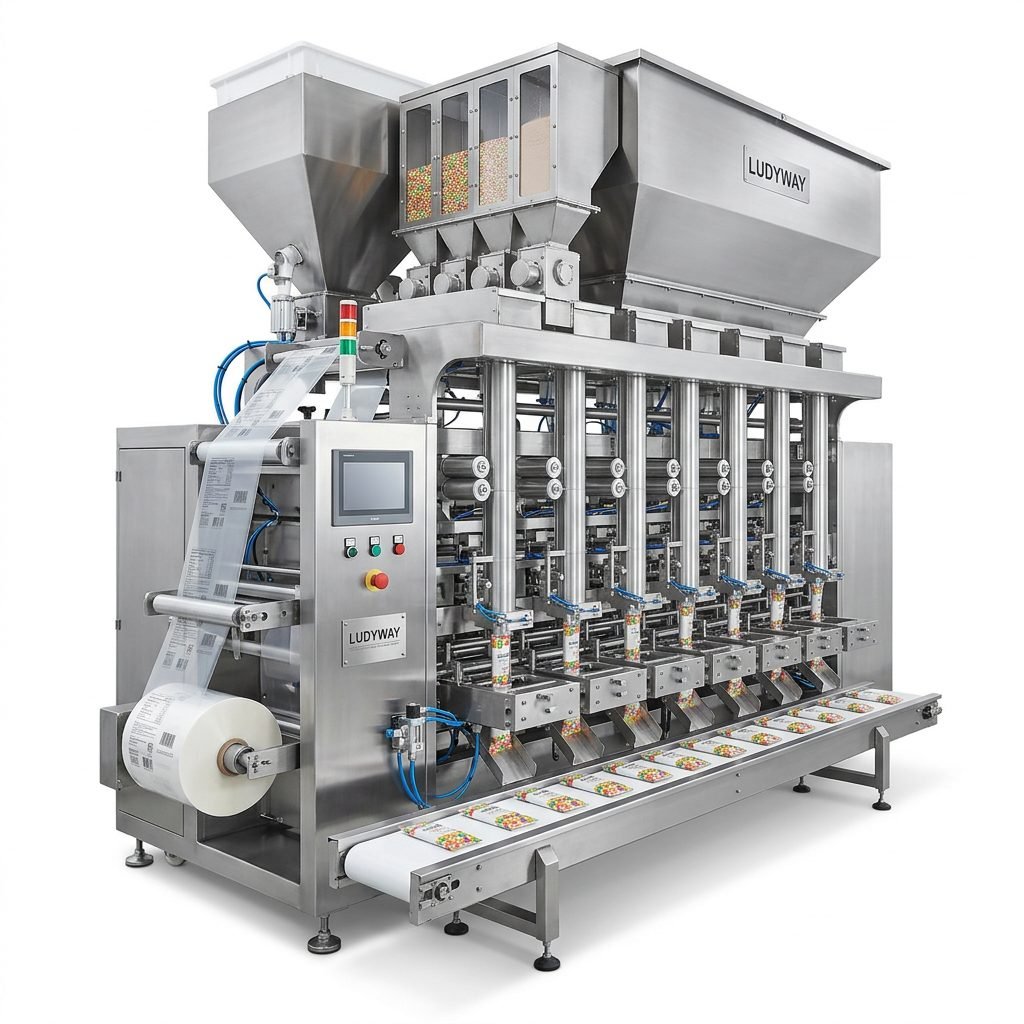
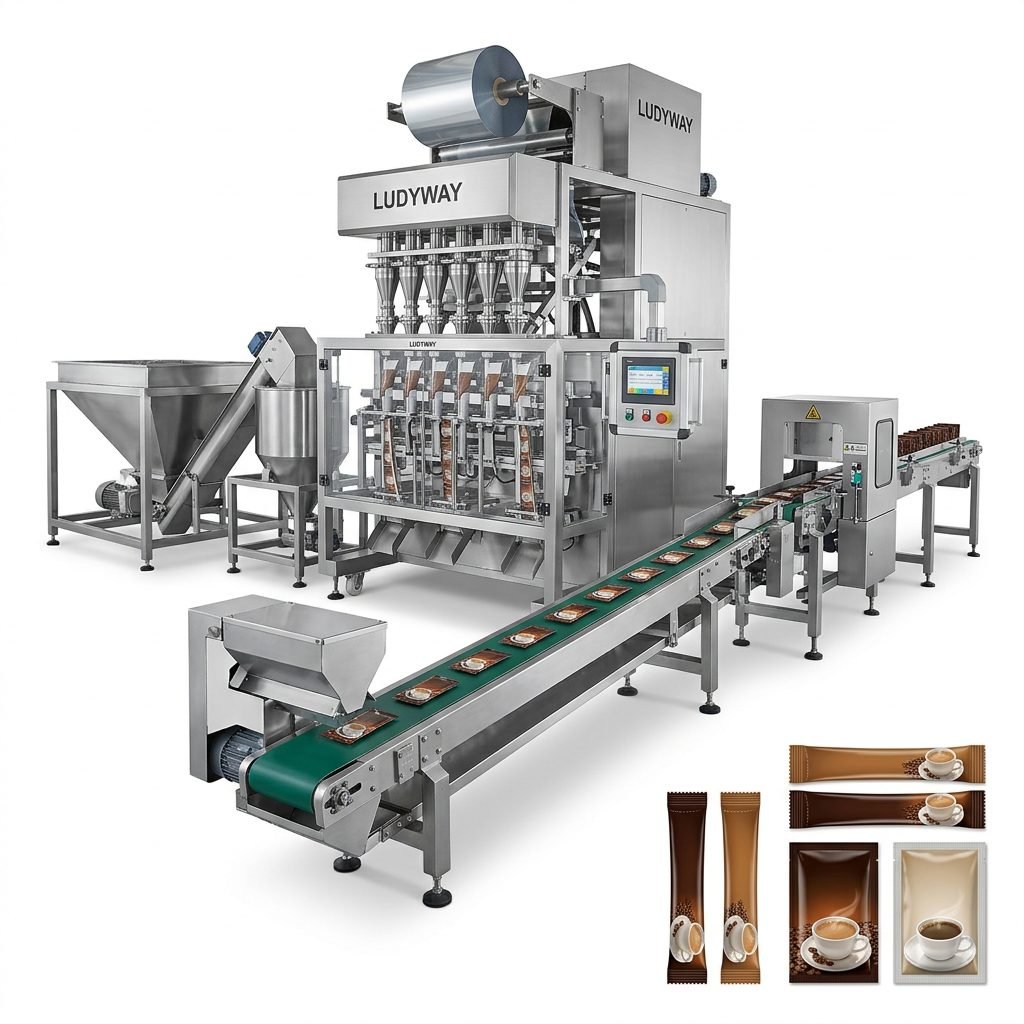
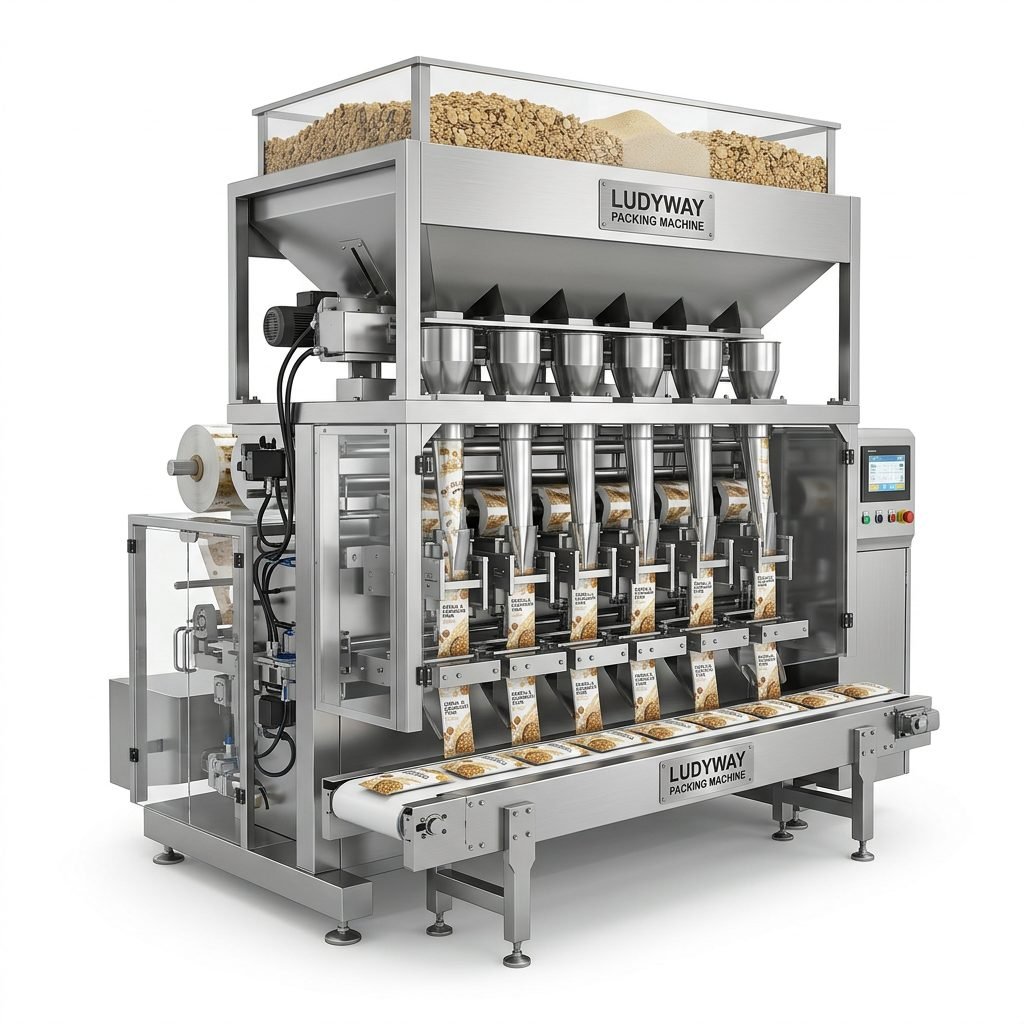
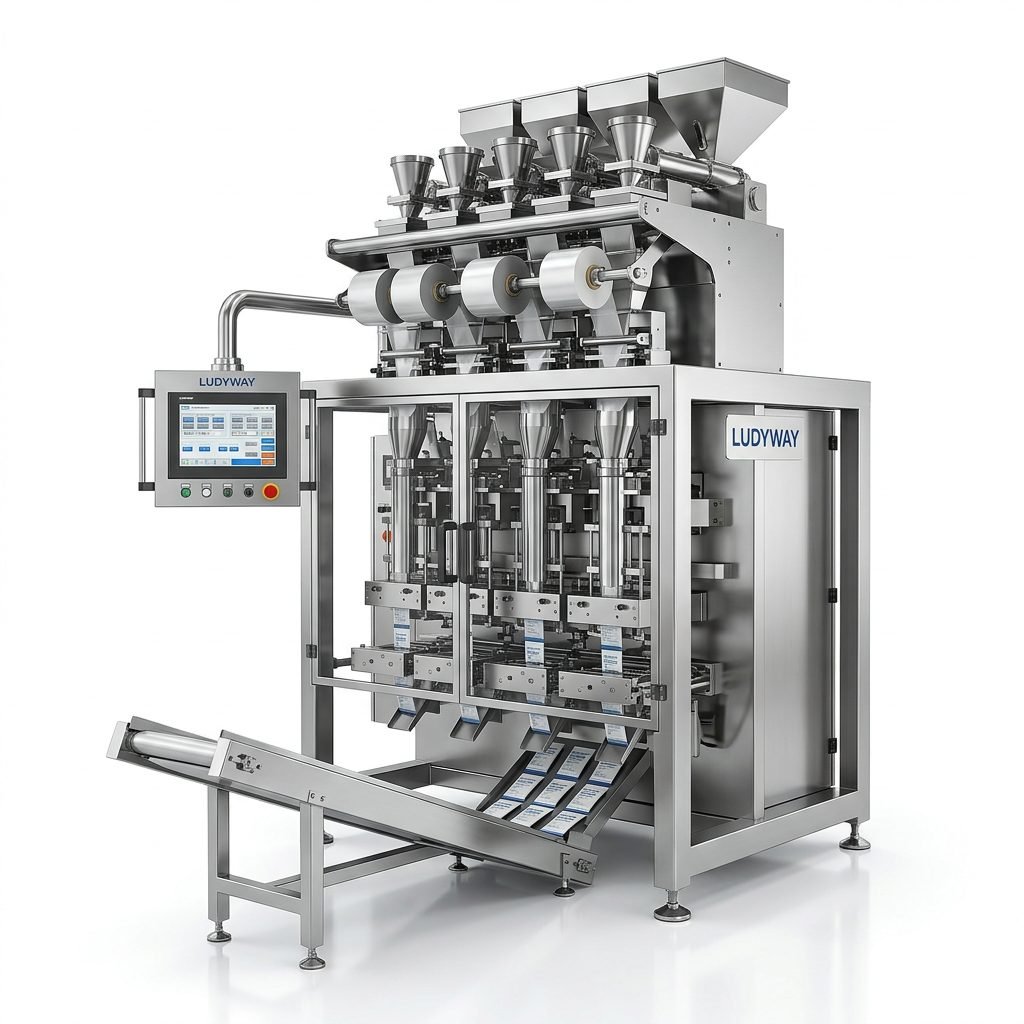
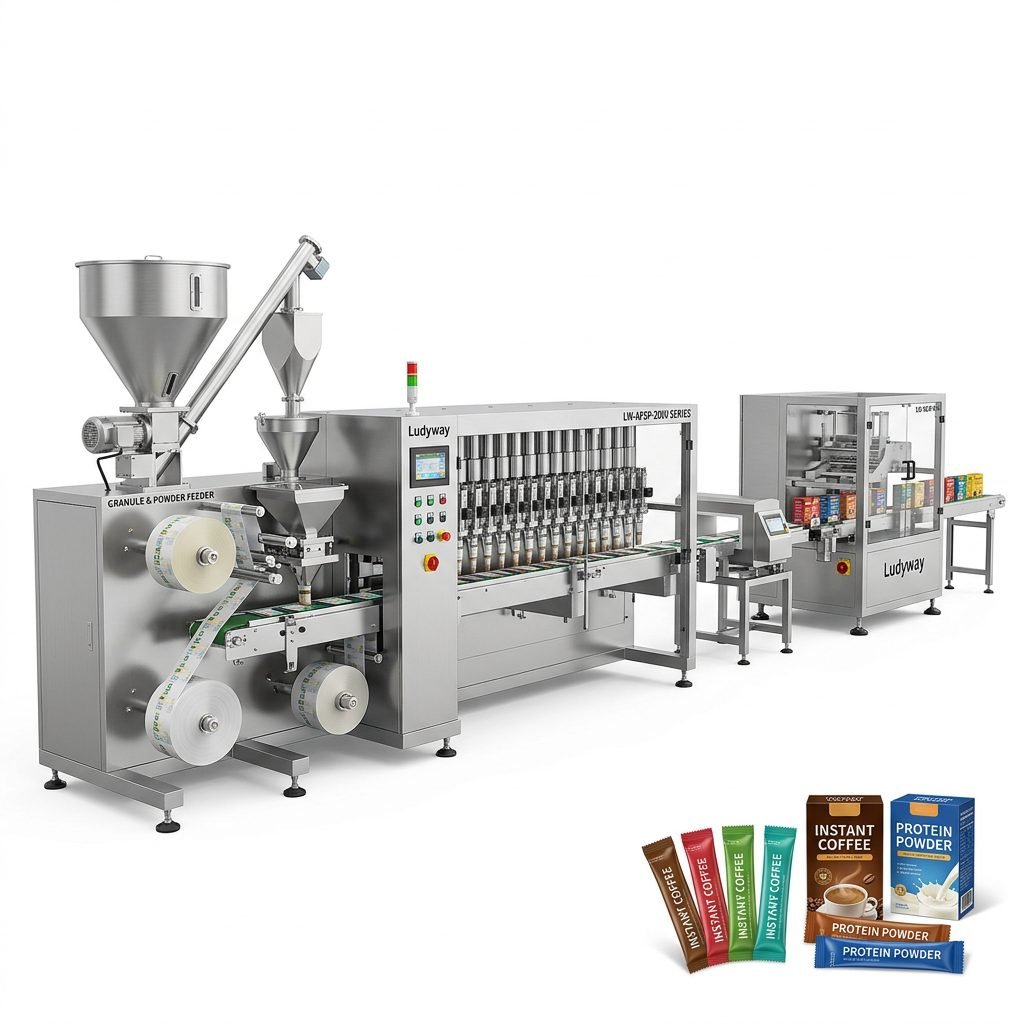
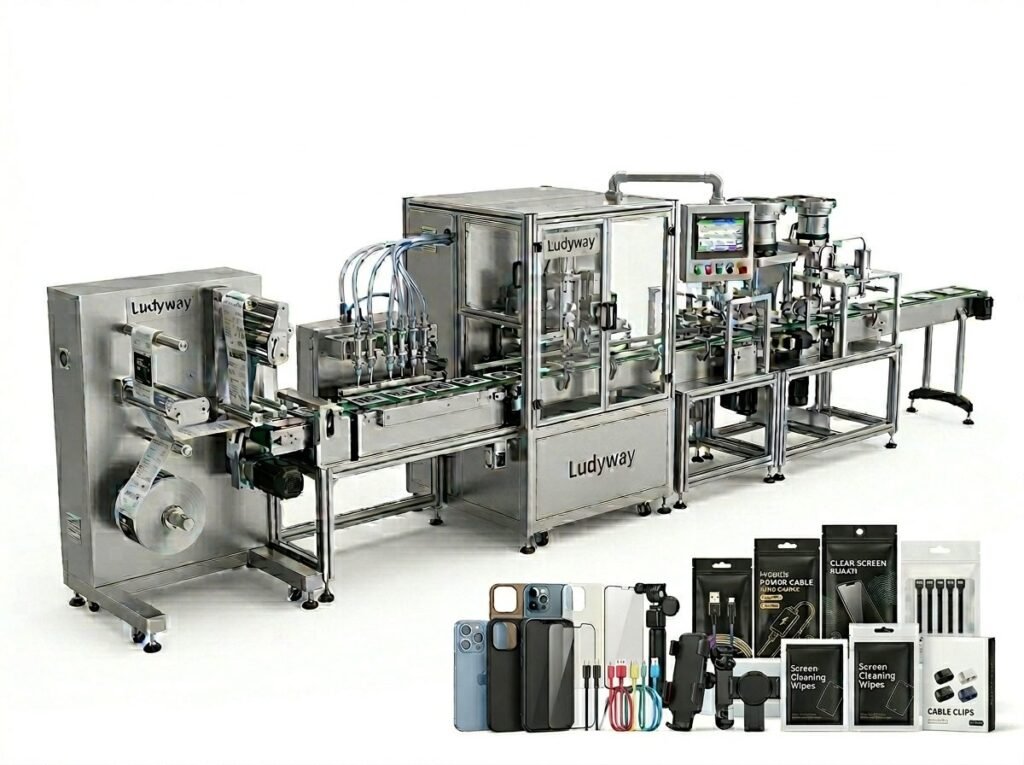
Heat seal packaging equipment is a cornerstone of modern manufacturing, enabling efficient, hygienic, and secure packaging for a vast array of products. From food and pharmaceuticals to electronics and industrial components, the right heat sealer can dramatically impact production speed, product integrity, and overall operational costs. This guide delves into the core types of heat seal packaging machines, their diverse applications, and provides a structured framework to help you select the perfect machine for your specific needs.
Understanding Heat Seal Packaging Technology
At its essence, heat sealing uses controlled heat and pressure to fuse thermoplastic layers together, creating a strong, airtight, and often tamper-evident seal. This process is fundamental to creating pouches, sachets, stick packs, and blister packs. The quality of the seal is paramount—it must be strong enough to protect the contents yet easy for the end-user to open when intended.
Key Principle: The success of a heat seal depends on the precise combination of three factors: Temperature, Pressure, and Dwell Time (the duration the heat is applied). An imbalance in any of these can lead to weak seals, burn-through, or incomplete fusion.
Core Advantages of Heat Seal Packaging
Why has heat sealing become so prevalent? The benefits are clear and impactful across industries:
- Superior Product Protection: Creates hermetic seals that block moisture, oxygen, and contaminants, significantly extending shelf life.
- Enhanced Hygiene: The sealing process is clean and often occurs in a controlled environment, ideal for sterile or sensitive products.
- Cost-Effectiveness: Utilizes relatively inexpensive packaging films and can operate at high speeds, reducing per-unit costs.
- Branding Flexibility: Allows for high-quality printing on packaging materials, offering excellent opportunities for branding and product information.
- Adaptability: Can handle a wide range of product forms—solids, granules, powders, and liquids.
Main Types of Heat Seal Packaging Equipment
The market offers a spectrum of machines, from simple manual units to fully integrated automated lines. Your choice depends on production volume, product type, and required functionality.
1. Manual & Semi-Automatic Sealers
These are entry-level machines perfect for low-volume production, prototyping, or small businesses.
- Impulse Sealers: Use a heated wire that instantly melts the film. Best for poly bags and lightweight materials. They are portable and affordable.
- Constant Heat Sealers: Maintain a consistently hot sealing bar. Suitable for a wider range of films and provide a stronger, more consistent seal than impulse sealers.
- Vacuum Sealers: Remove air from the package before sealing, crucial for preserving food freshness and preventing oxidation.
These machines require an operator to place the product and initiate the seal cycle. They offer flexibility but limit output speed.
2. Automatic Form-Fill-Seal (FFS) Machines
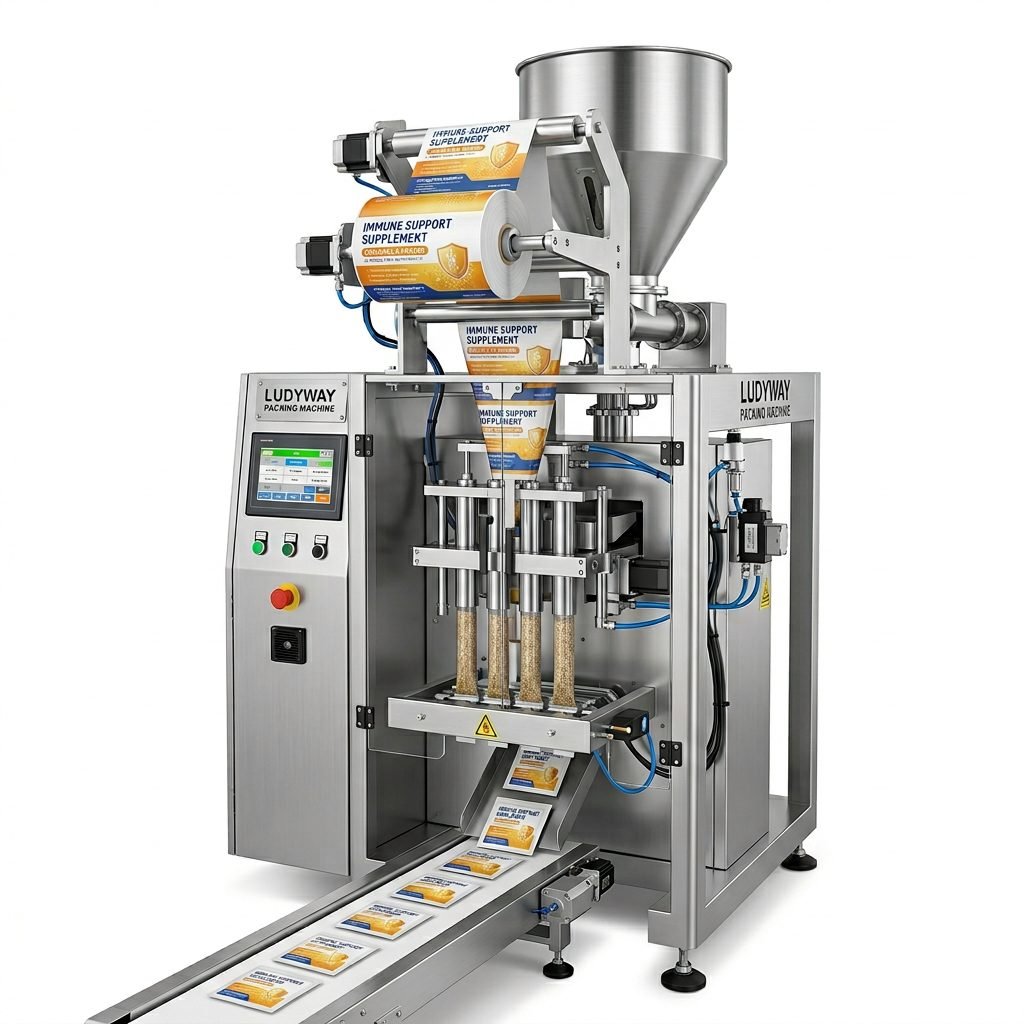
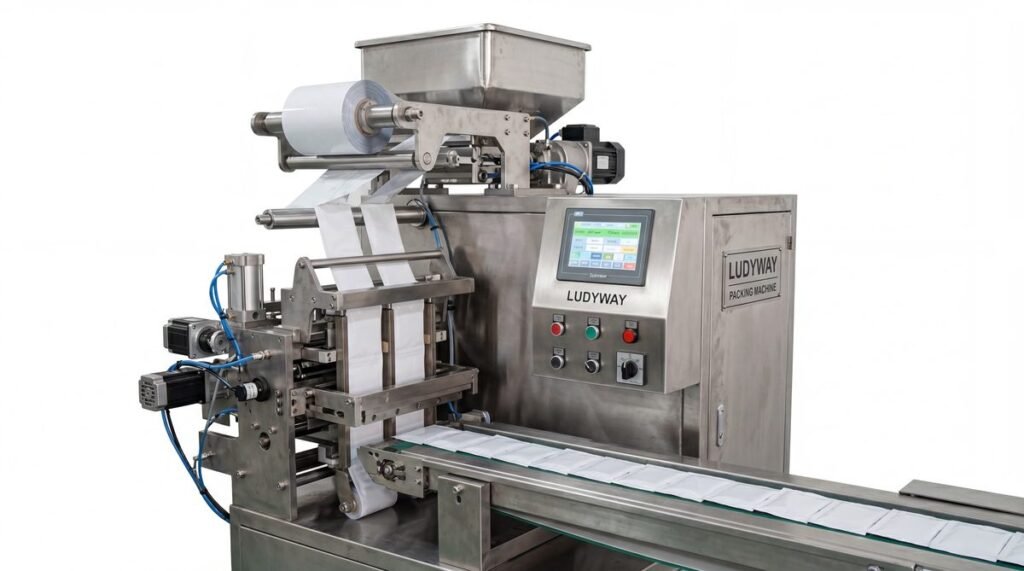
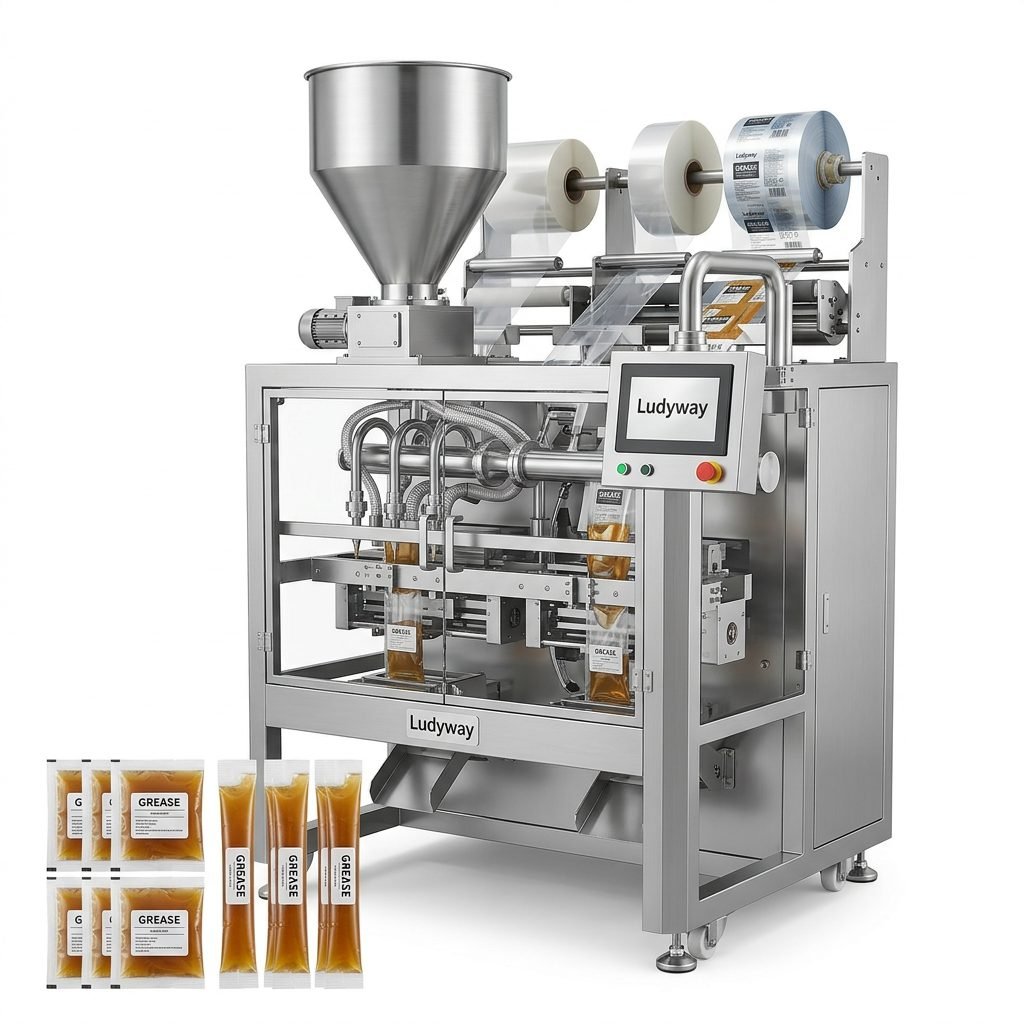
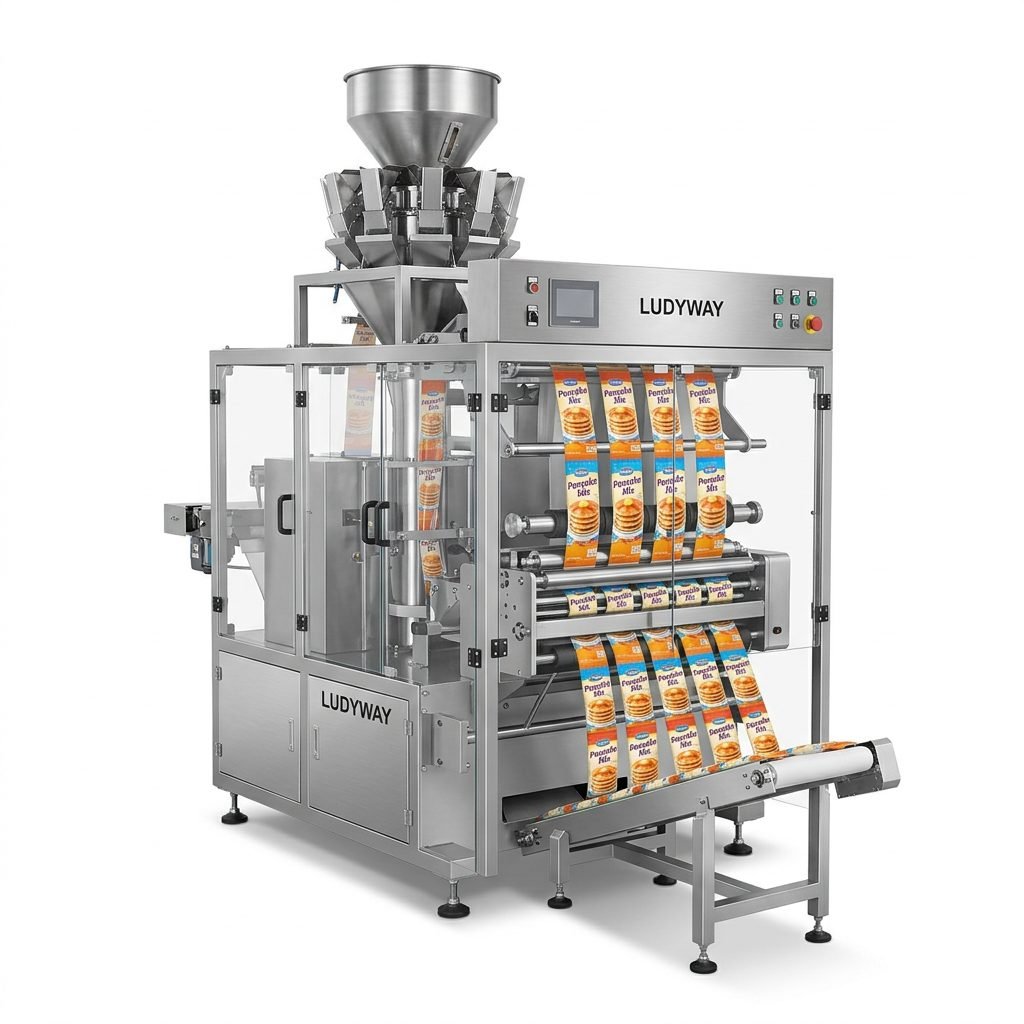
These are the workhorses of medium to high-volume production. An FFS machine forms the package from a roll of film, fills it with product, and seals it—all in one continuous, automated operation.
🔍 Primary FFS Configurations:
Vertical Form-Fill-Seal (VFFS): The film travels vertically. Ideal for granules, powders, snacks, and liquids. It’s compact and highly efficient for free-flowing products.
Horizontal Form-Fill-Seal (HFFS): The film travels horizontally. Perfect for placing solid items like bars, cookies, or medical devices into pre-formed pockets before sealing, often used for blister packs or sachet packaging.
3. Specialized Heat Seal Systems
For specific applications, more specialized equipment is required.
- Tray Sealers: Used to apply a lidding film over pre-formed plastic or foil trays. Common in ready-meal and fresh food packaging.
- Blister Sealers: Designed specifically to seal pharmaceutical blisters (a plastic cavity with a backing card or foil).
- Continuous Band Sealers: Use moving heated bands to seal bags as they pass through continuously. Excellent for high-speed bagging of produce or hardware items.
Critical Applications Across Industries
The versatility of heat sealing makes it indispensable in numerous sectors.
Food & Beverage
This is the largest application area. Heat sealing preserves freshness, prevents spoilage, and provides a tamper-evident seal. Applications include snack bags, coffee pouches, sauce sachets, frozen vegetable bags, and vacuum-sealed meat packages.
Pharmaceutical & Medical
Sterility and integrity are non-negotiable. Heat sealing is used for sterile barrier systems like stick packs for powders, blister packs for tablets, and pouches for medical devices and swabs. The seal must be perfect to maintain a sterile environment.
Consumer Goods & Electronics
From battery packs and small electronic components to hardware items and cosmetics, heat-sealed bags offer protection from moisture and dust during shipping and storage.
Industrial & Agricultural
Used for packaging chemicals, fertilizers, seeds, and spare parts. The seals must often be resistant to harsh environments and chemicals.
How to Choose the Right Heat Seal Machine: A Step-by-Step Guide
Selecting equipment is a significant investment. Follow this framework to make an informed decision.
Step 1: Define Your Product & Packaging
- Product Characteristics: Is it a powder, granule, liquid, or solid? What is its weight and volume?
- Packaging Material: What type of film will you use (e.g., PET/PE, CPP, aluminum foil laminate)? The machine must be compatible with your material’s melting point and sealing properties.
- Package Size & Style: Determine the final pouch or sachet dimensions and any special features like zippers, spouts, or tear-notches.
Step 2: Assess Your Production Requirements
Output Speed (Packs/Minute): This is the most critical factor. Match the machine’s maximum speed to your current and projected future output needs. Don’t overpay for unused capacity, but allow room for growth.
- Automation Level: Do you need a fully automatic line integrated with feeders and conveyors, or will a semi-automatic machine suffice?
- Floor Space: Measure your available space. VFFS machines have a smaller footprint than HFFS lines.
Step 3: Evaluate Machine Features & Build Quality
- Sealing Mechanism: Look for precision temperature control (PID controllers) and even pressure distribution across the sealing jaws.
- Construction: The frame should be robust (stainless steel is preferred for food/pharma), and components like servomotors and PLCs should be from reputable brands for reliability.
- Ease of Use & Changeover: How quickly can you switch between different package sizes? Look for machines with tool-less changeover features to minimize downtime.
- Safety & Compliance: Ensure the machine meets relevant safety standards (CE, UL, etc.) and, if needed, industry-specific regulations like FDA requirements for food contact surfaces.
Step 4: Consider the Supplier
Your relationship with the machine supplier is as important as the machine itself.
- Experience & Reputation: Choose a supplier with a proven track record in your specific industry. For example, a partner like Ludyway Machinery, with deep expertise in food and pharmaceutical packaging, can provide invaluable guidance.
- Technical Support & Service: Verify the availability of installation, training, spare parts, and responsive after-sales service. Global support is crucial for international operations.
- Testing Capability: Always insist on a live production test using your actual product and packaging materials. This is the only way to verify performance.
Frequently Asked Questions (FAQs)
1. What is the main difference between an impulse sealer and a constant heat sealer?
An impulse sealer heats a wire only during the sealing cycle, melting the film instantly. It’s good for polyethylene bags. A constant heat sealer keeps its sealing bars at a set temperature continuously, providing more consistent heat for a wider variety of materials, including laminates, and generally creates a stronger seal.
2. Can one machine handle different types of packaging films?
Many automatic machines, especially VFFS models, are designed to be versatile. However, the key is the sealing jaw temperature profile and pressure. You may need to change the jaw tooling or significantly adjust temperature/pressure settings when switching between very different materials (e.g., from a plain poly bag to a complex foil laminate). Always consult with the machine manufacturer.
3. How important is after-sales service when purchasing a heat sealer?
Extremely important. Packaging equipment is a long-term investment. Reliable, fast technical support, available spare parts, and preventative maintenance services are essential to minimize costly production downtime and ensure the machine’s longevity and consistent performance over many years.
4. What are the most common causes of a poor heat seal?
Common issues include incorrect temperature (too low = weak seal, too high = burned film), insufficient pressure or uneven jaw pressure, contamination on the sealing area (product dust or grease), using the wrong type of film for the machine, or incorrect dwell time settings.
5. Is it worth investing in a fully automated line versus a semi-automatic machine?
The decision hinges on your production volume and labor costs. A fully automated Form-Fill-Seal line offers much higher output, consistent quality with less human error, and lower long-term labor costs per unit. For high-volume production, the ROI on automation is typically very clear. For lower volumes or highly variable products, semi-automatic may be more economical and flexible.