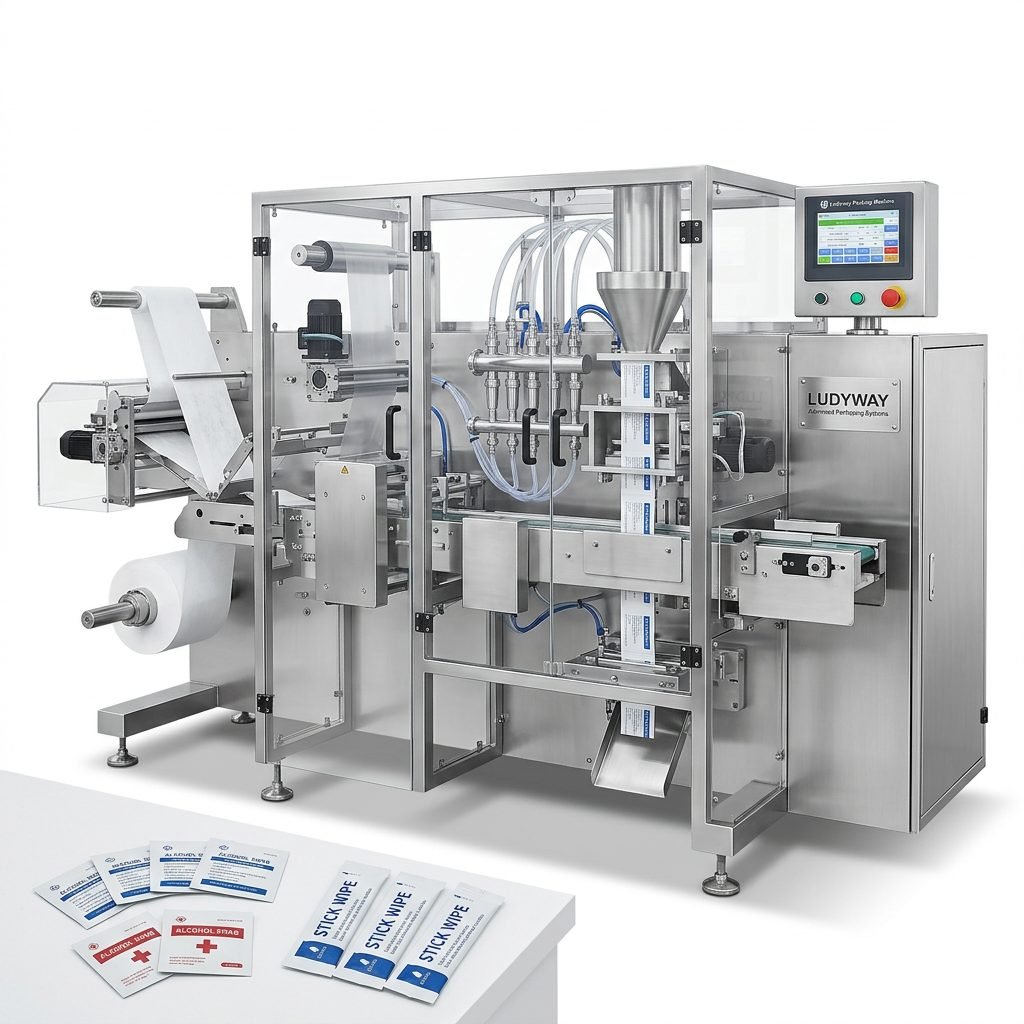
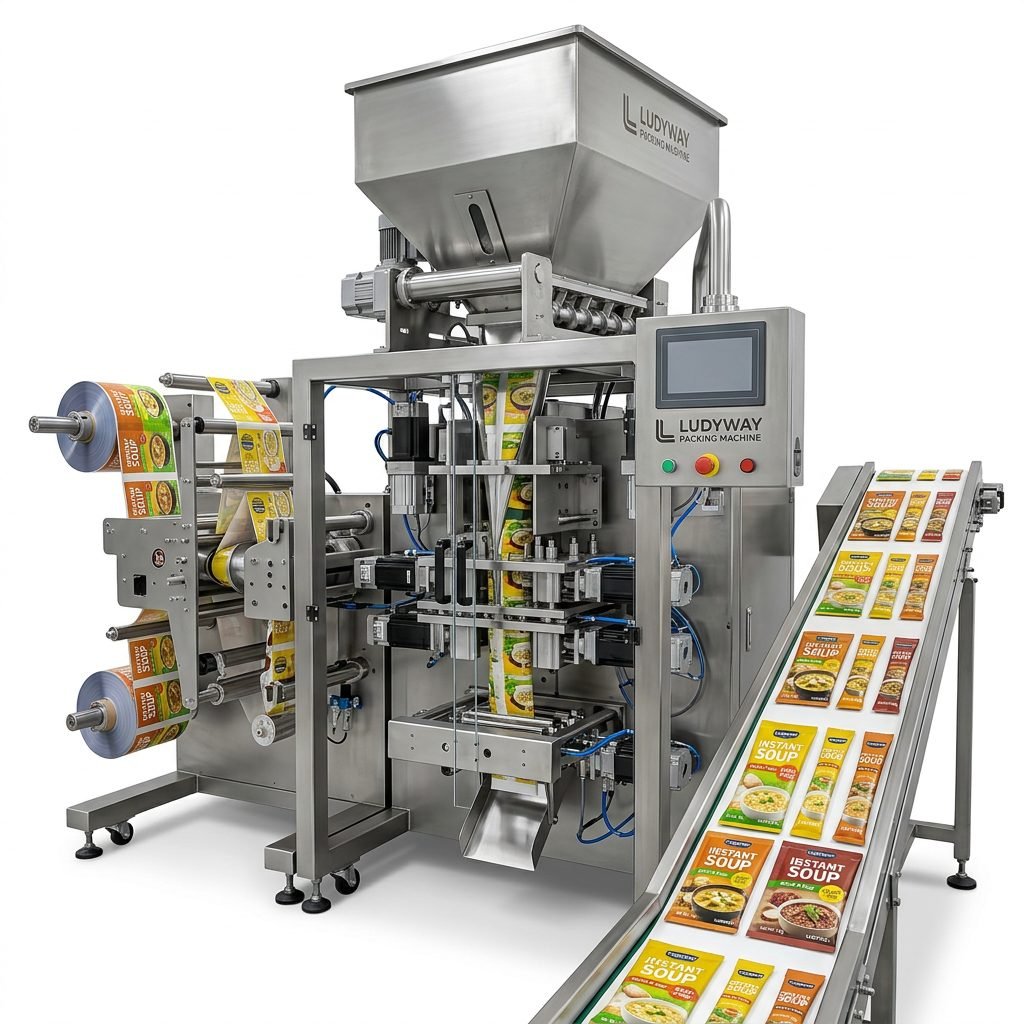
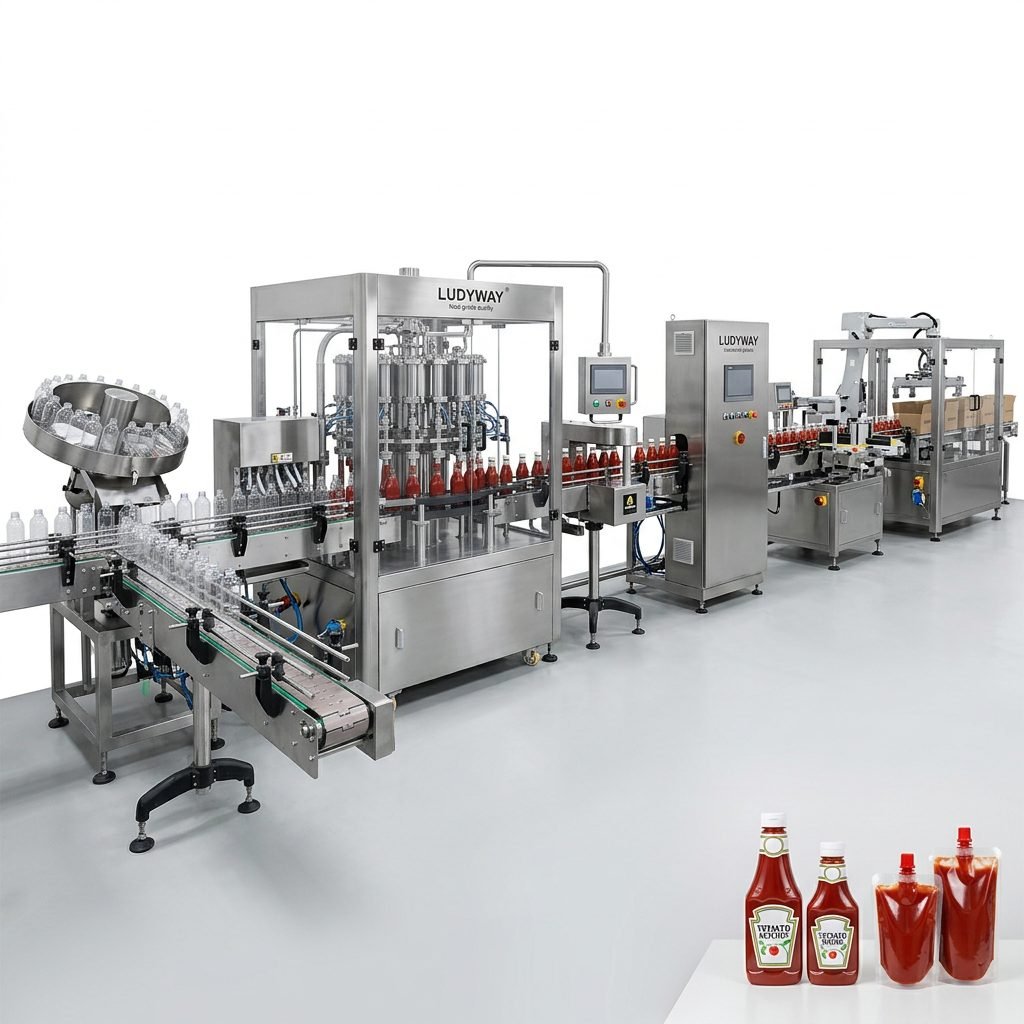
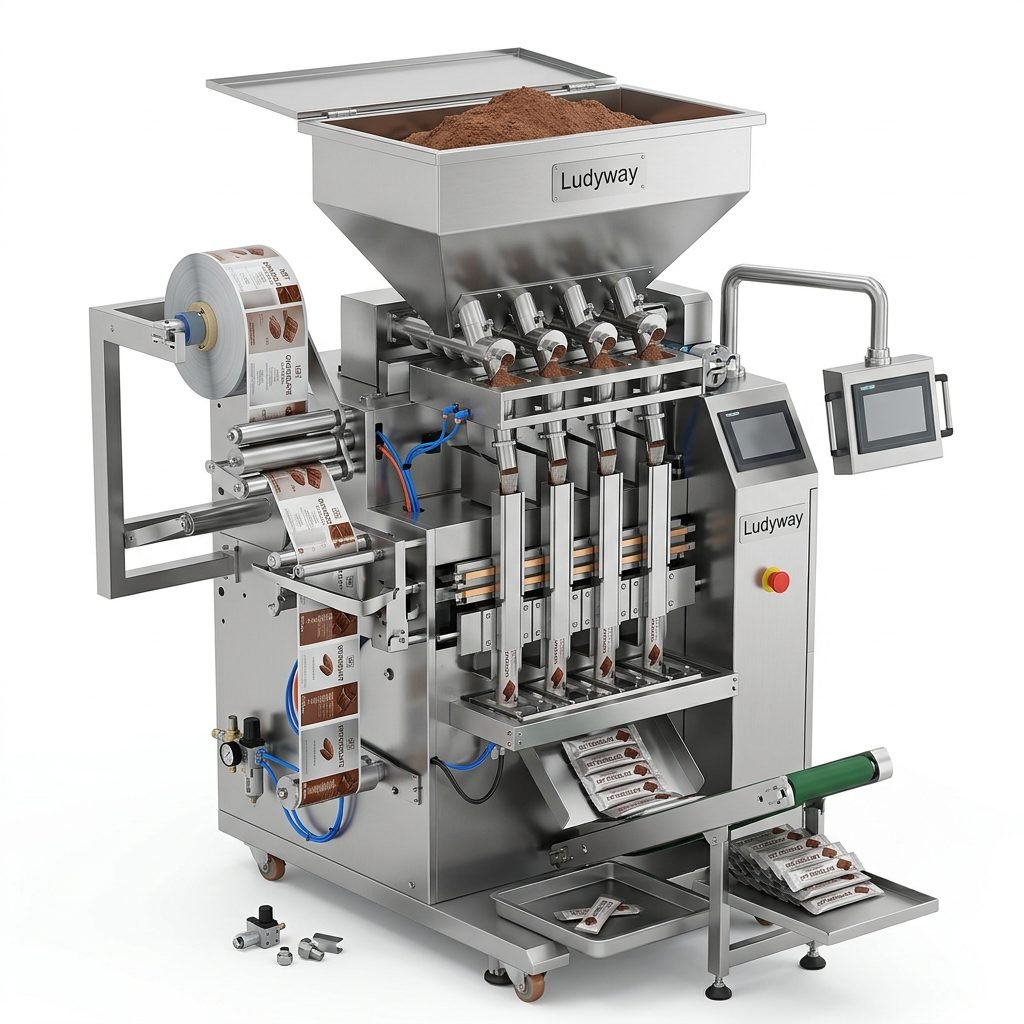
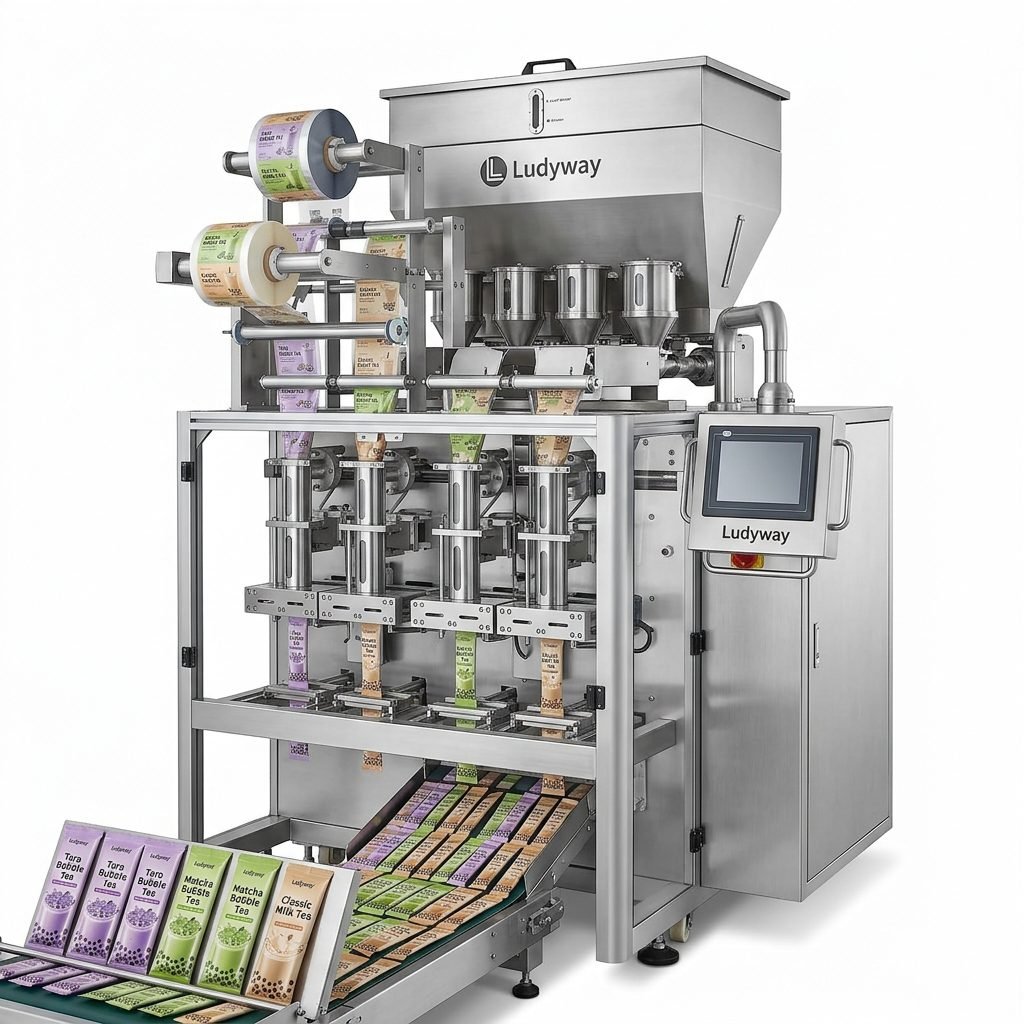
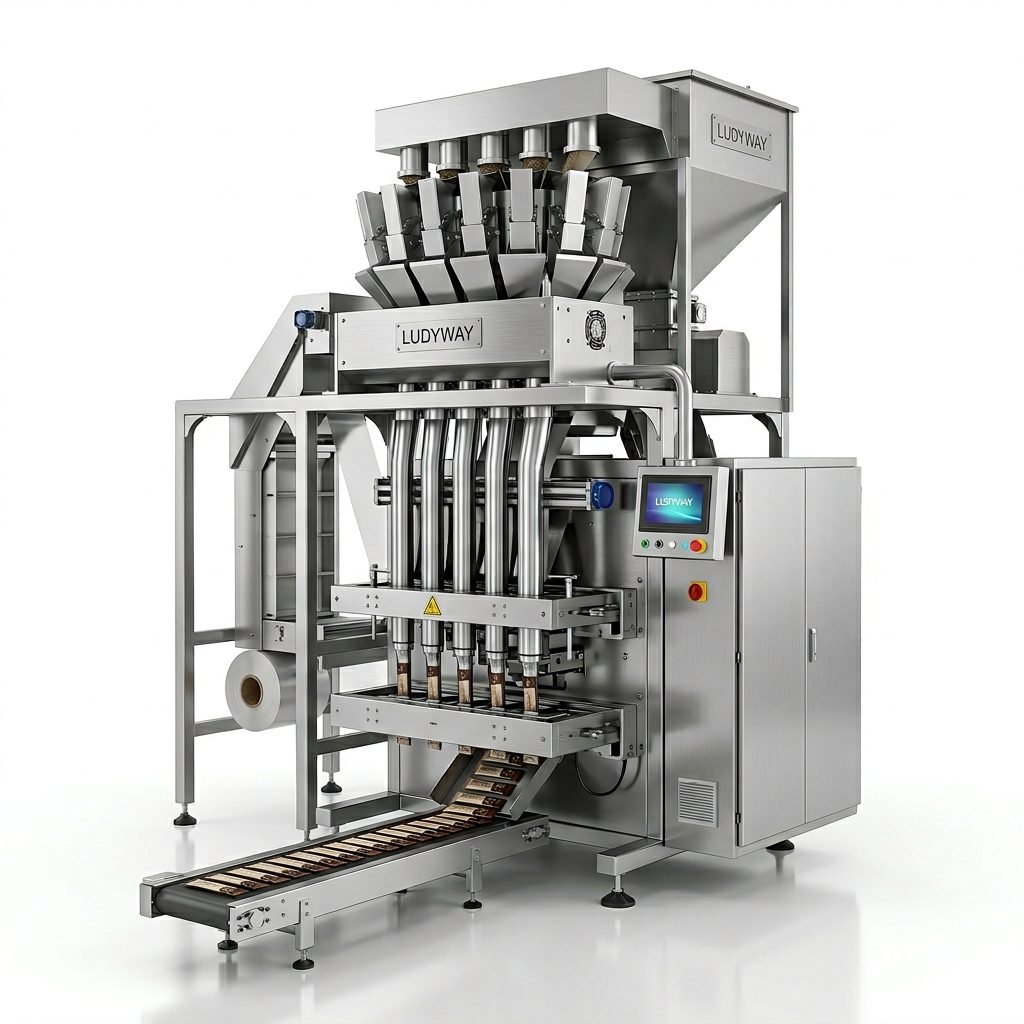
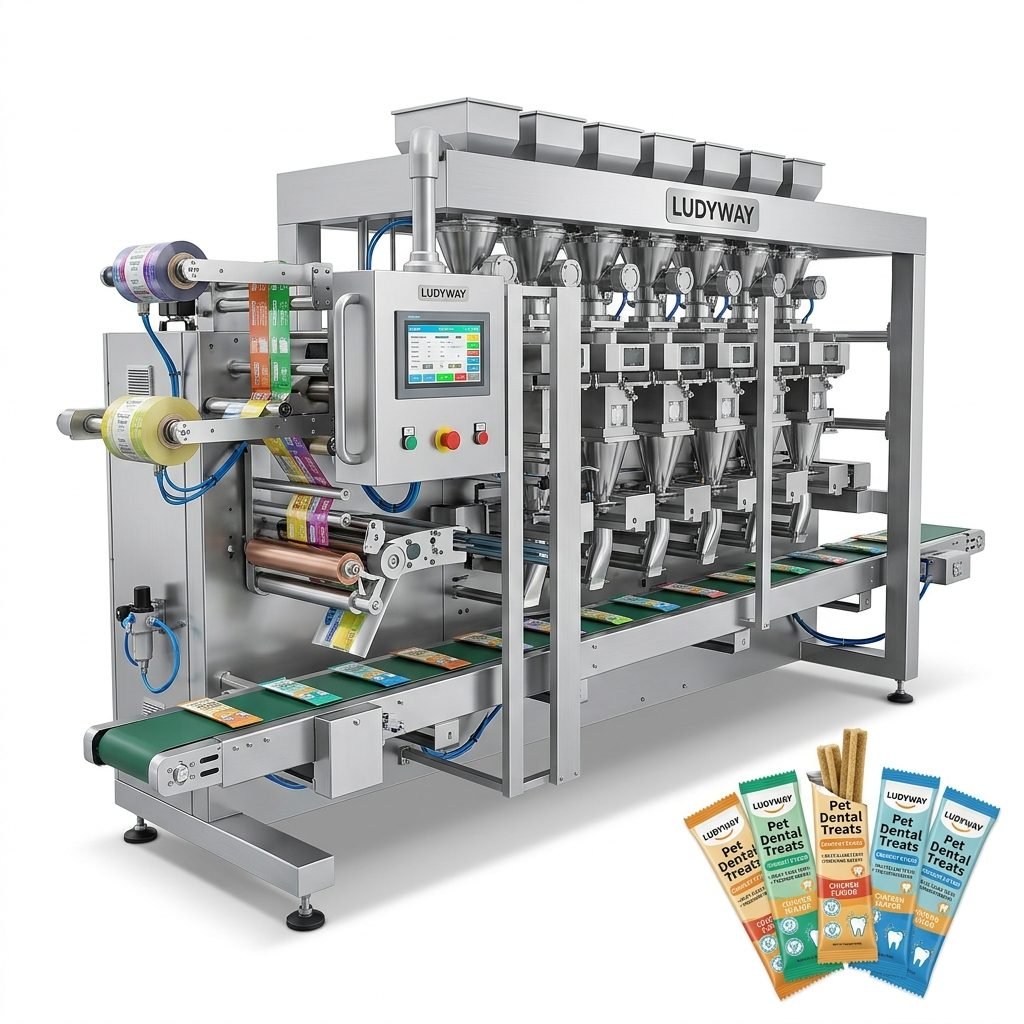
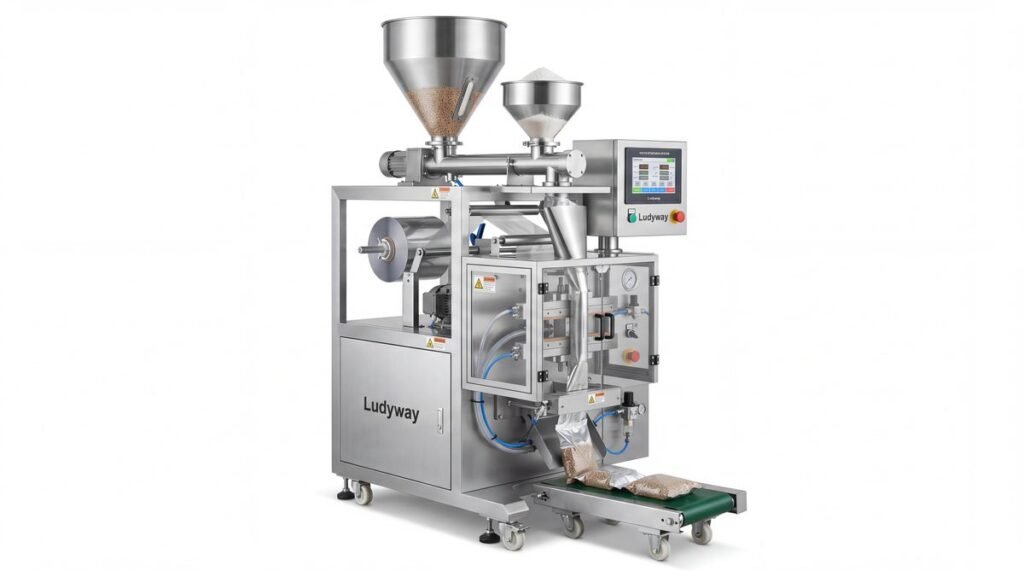
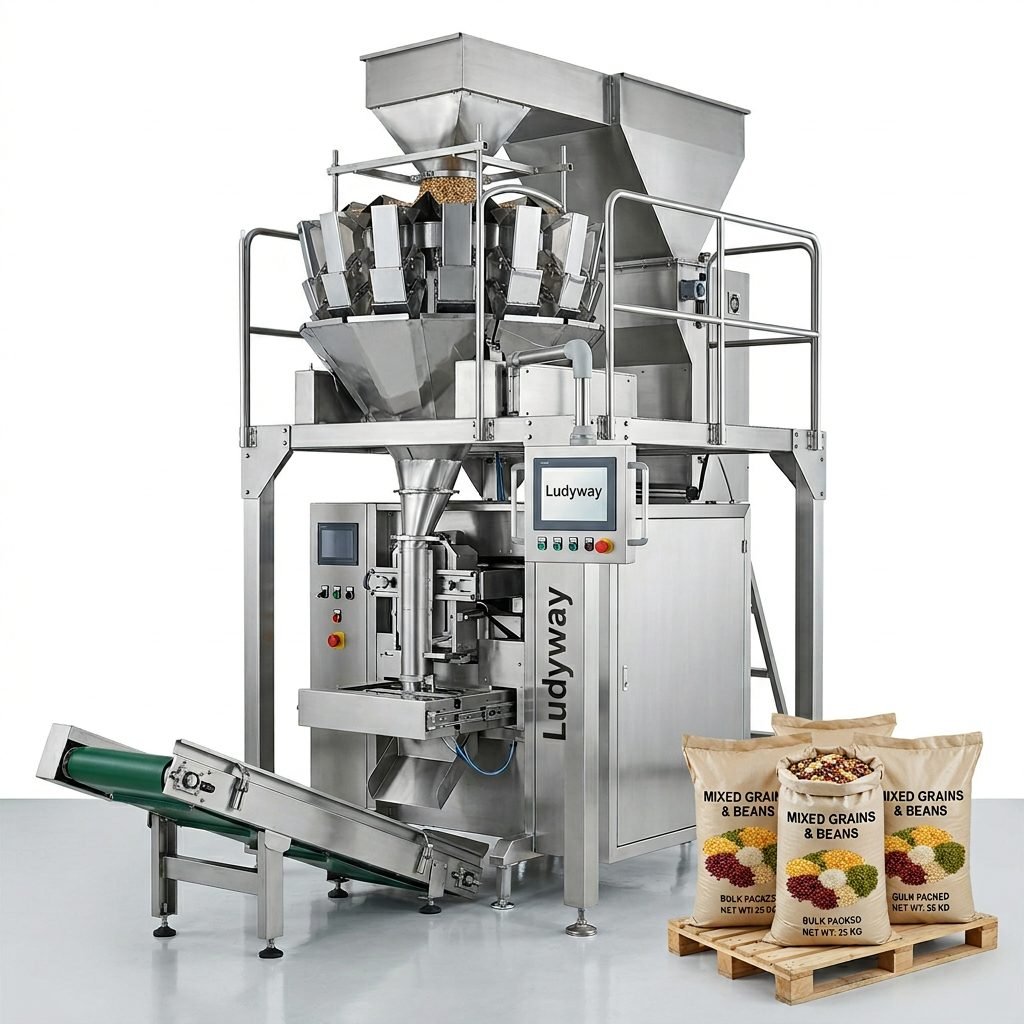
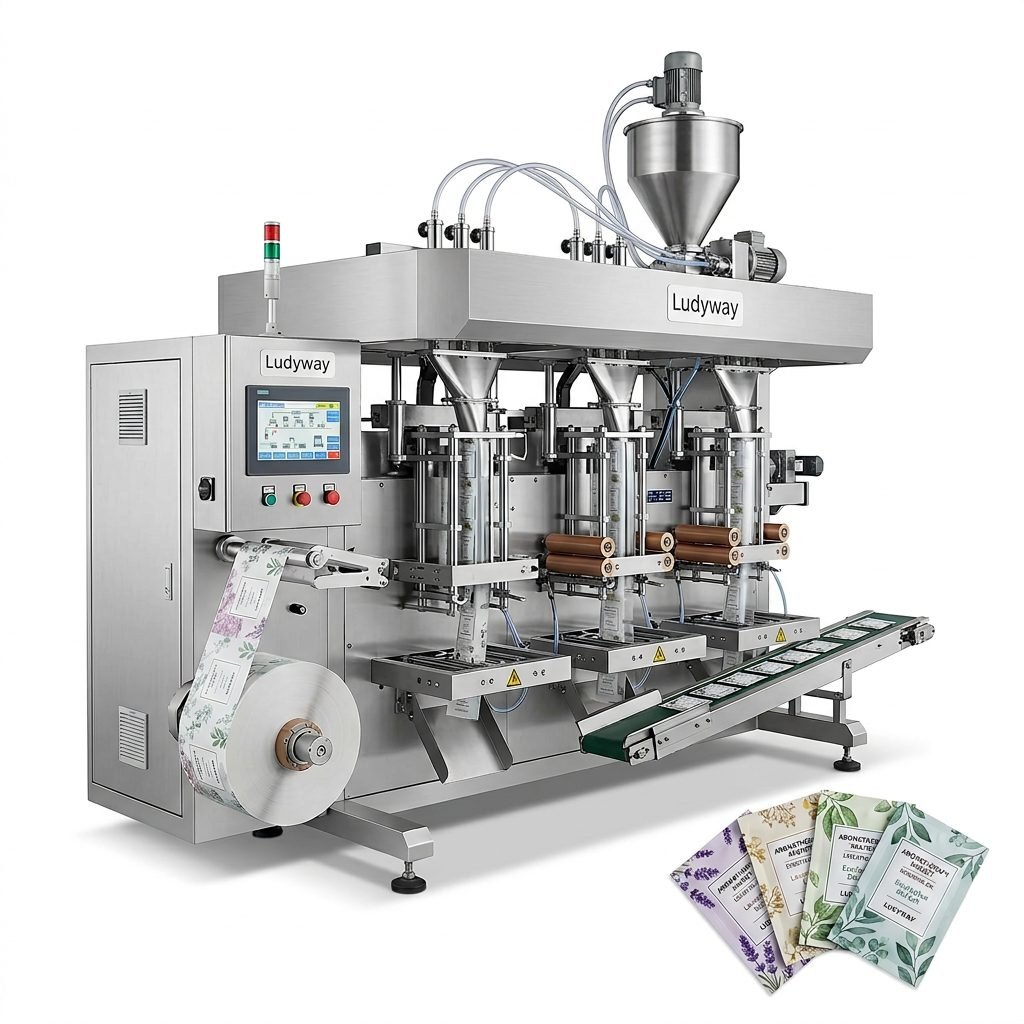
Investing in an automatic shrink wrapping machine is a strategic decision that directly impacts your packaging line’s productivity, product presentation, and overall operational costs. Whether you’re packaging food products, consumer goods, pharmaceuticals, or industrial components, selecting the right equipment involves evaluating multiple technical and operational factors. This guide provides a structured approach to help you make an informed purchasing decision that aligns with your production goals.
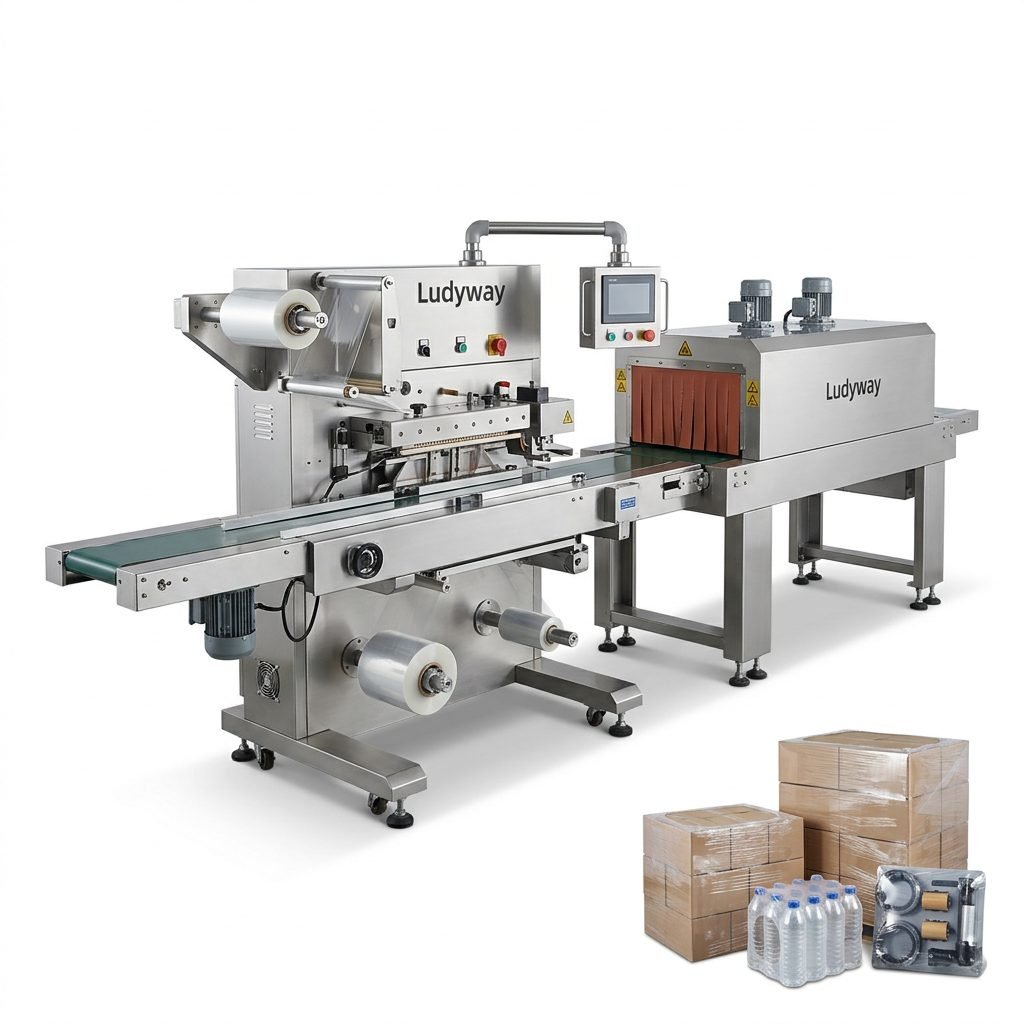
Understanding Shrink Wrapping Machine Types
Before evaluating specific models, it’s essential to understand the different types of shrink wrapping equipment available. Each configuration serves distinct packaging requirements and production environments. The packaging machinery industry categorizes these machines based on their sealing mechanism and operational workflow.
The most common configurations include:
- L-Bar Sealers: Ideal for low-to-medium volume operations, these machines use an L-shaped sealing bar to create consistent seals around products. They are widely used for packaging trays, boxes, and bundled items with polyethylene shrink film.
- Side Sealers: Designed for high-speed continuous operation, side sealing machines create a longitudinal seal while the product moves through the line. They are preferred for high-volume food packaging and industrial applications requiring throughput exceeding 60 packs per minute.
- Chamber Shrink Machines: These compact units place products entirely inside a chamber where both sealing and shrinking occur. They work well for irregularly shaped items and small-batch production runs.
- Sleeve Wrappers: Products pass through a curtain of film that forms a sleeve around them before entering the shrink tunnel. This method is efficient for bundling multi-packs and cylindrical products.

Key Factors to Consider Before Buying
According to the latest State of the Industry reports, manufacturers are increasingly prioritizing automation and flexibility when upgrading packaging equipment. Here are the critical factors that should guide your evaluation process.
Product Characteristics and Dimensions
The physical attributes of your products fundamentally determine which shrink wrapping machine is suitable. Evaluate the following:
- Product size range: Measure the minimum and maximum dimensions (length, width, height) of all products you plan to wrap. Machines have specific size limitations for the sealing area and tunnel opening.
- Product shape consistency: Uniformly shaped products work well with standard L-bar sealers, while irregular or variable shapes may require chamber machines or customized solutions.
- Product weight and stability: Heavier or unstable products need machines with robust conveying systems and precise film handling to prevent shifting during the wrapping process.
- Temperature sensitivity: Heat-sensitive items require machines with precise temperature controls and rapid tunnel dwell times to prevent product damage.
Production Speed Requirements
Your current and projected throughput needs should drive the machine specification. Calculate the required packs per minute (PPM) based on peak production demands rather than average rates. As highlighted by flexible packaging industry data, over-specifying speed can lead to unnecessary capital expenditure, while under-specifying creates bottlenecks that limit overall line efficiency.
General speed guidelines by machine type:
- L-Bar sealers: 5-30 PPM, suitable for small-to-medium operations
- Side sealers: 30-150+ PPM, designed for high-volume production lines
- Semi-automatic chamber machines: 2-8 PPM, appropriate for specialty or batch production
- Fully automatic inline systems: 20-100+ PPM, configurable for diverse product ranges
Film and Material Compatibility
Shrink film selection directly impacts machine performance and packaging quality. Common film types include polyolefin (POF), polyethylene (PE), and polyvinyl chloride (PVC). Each material has distinct shrink characteristics, clarity levels, and sealing temperature requirements. Verify that the machine’s sealing system and shrink tunnel are compatible with your preferred film type. The Flexible Packaging Association provides comprehensive resources on film specifications and applications.

Heat Tunnel Configurations Explained
The shrink tunnel is where the film tightens around the product, making it a critical component of any shrink wrapping system. Different tunnel configurations offer distinct advantages depending on the application.
| Tunnel Type | Heat Source | Best For | Key Advantage |
|---|---|---|---|
| Recirculating Air | Electric heating elements with fans | General purpose, most product types | Even heat distribution, energy efficient |
| Infrared Radiation | IR lamps or panels | Heat-sensitive products, thin films | Rapid heat-up, precise targeting |
| Steam Tunnel | Steam generation system | Food packaging, high-speed lines | Uniform shrinkage, gentle on products |
| Dual-Zone Tunnel | Combined heating zones | Complex shapes, variable products | Adjustable temperature per zone |
Automation Levels and Integration
Determining the right level of automation involves balancing labor costs, production requirements, and budget constraints. Modern automatic shrink wrapping machines can be integrated with upstream and downstream equipment to create a seamless packaging line.
Common automation configurations include:
- Semi-automatic: Operators manually load products; the machine automatically performs sealing and shrinking. Suitable for operations with variable product sizes and lower throughput requirements.
- Fully automatic inline: Products are automatically fed via conveyor, wrapped, sealed, and shrunk without operator intervention. The packaging machinery market research indicates growing demand for this category due to labor cost pressures.
- Integrated packaging lines: The shrink wrapper connects with fillers, labelers, cartoners, and palletizers to form a complete production system. This approach minimizes material handling and maximizes throughput consistency.
Ludyway Machinery, a China-based packaging machinery manufacturer with more than 30 years of experience, provides customized shrink wrapping solutions that can be configured for different automation levels, production speeds, and integration requirements. Their engineering team evaluates specific product and packaging requirements to recommend appropriate machine configurations.
Budget and Total Cost of Ownership
Purchase price is only one component of the total investment. A comprehensive cost analysis should account for the following factors over the machine’s expected service life, typically 10-15 years for industrial-grade equipment:
- Initial capital expenditure: Machine cost, shipping, installation, and commissioning fees.
- Operating costs: Electricity consumption, film material usage, and compressed air requirements. Energy-efficient tunnels with recirculating air systems can significantly reduce ongoing utility expenses.
- Maintenance and consumables: Sealing wires, PTFE belts, heating elements, and other wear components require periodic replacement.
- Labor requirements: Fully automatic systems reduce operator dependency, while semi-automatic machines need dedicated personnel for loading and unloading.
- Downtime costs: Machine reliability and technical support availability affect production continuity. Evaluate the manufacturer’s spare parts availability and response time.
Evaluating Suppliers and Manufacturers
Choosing the right equipment supplier is as important as selecting the right machine specifications. A reliable shrink wrapping machine manufacturer should provide comprehensive support throughout the equipment lifecycle. Key evaluation criteria include:
- Industry experience and reputation: Review the supplier’s track record in your specific industry. Manufacturers with experience in packaging machinery standards and regulations are better equipped to deliver compliant solutions.
- Technical support capabilities: Assess the availability of installation support, operator training, troubleshooting assistance, and spare parts supply.
- Customization flexibility: Evaluate whether the manufacturer can modify standard machines to accommodate unique product requirements, factory layouts, or integration needs.
- References and case studies: Request examples of similar installations and speak with existing customers about their experiences with the equipment and the supplier’s after-sales service.
- Certification and compliance: Verify that the equipment meets applicable international standards and regulatory requirements for your target markets.
Common Mistakes to Avoid
Many purchasing decisions are compromised by avoidable errors. Being aware of these common pitfalls can help you make a more confident and cost-effective choice:
- Underestimating future capacity needs: Selecting a machine that meets only current requirements without accounting for growth can lead to premature replacement or costly upgrades. Plan for at least 3-5 years of projected volume increases.
- Overlooking film compatibility testing: Different films behave differently under heat. Always conduct comprehensive film trials with your actual products before finalizing a machine purchase.
- Neglecting facility requirements: Verify that your facility has adequate electrical capacity, compressed air supply, and physical space for the machine, including clearance for maintenance access and film roll changes.
- Focusing solely on purchase price: A lower upfront cost may translate to higher operating expenses, more frequent downtime, and reduced packaging quality over time.
- Ignoring operator training needs: Even the most advanced automatic shrink wrapping machine requires properly trained operators to achieve optimal performance and minimize film waste.
Conclusion
Selecting the right automatic shrink wrapping machine requires a thorough evaluation of your product characteristics, production demands, facility constraints, and long-term operational goals. By systematically assessing machine types, automation levels, tunnel configurations, and total cost of ownership, you can identify equipment that delivers reliable performance and a strong return on investment. Partnering with an experienced manufacturer that offers technical support, customization capabilities, and global service coverage further ensures that your packaging line remains efficient and adaptable as your business evolves.